Medically Reviewed
Dr. Jose Rossello, MD, PhD, MHCM
Preventive Medicine & Public Health Specialist
Last Reviewed: May 19, 2026
Your body’s response to injury and illness involves inflammation, a natural process that helps with healing. But when inflammation sticks around too long, it becomes chronic inflammation and can contribute to serious health problems like heart disease, diabetes, and arthritis. An anti-inflammatory diet focuses on eating whole, unprocessed foods like fruits, vegetables, nuts, fish, and whole grains while limiting packaged foods, added sugars, and processed meats to help reduce chronic inflammation in the body.
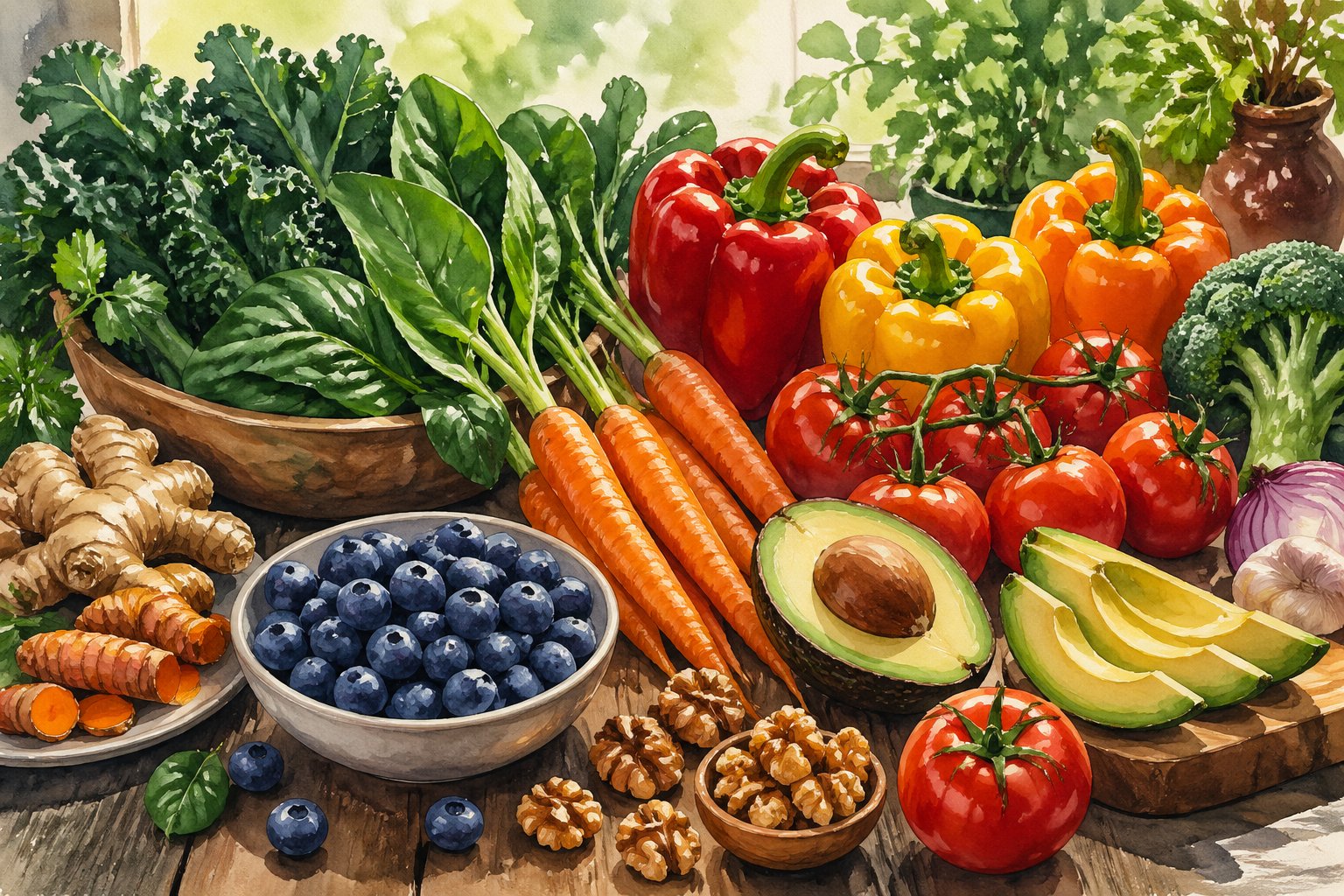
The foods a person chooses each day directly affect inflammation levels. An anti-inflammatory diet can reduce chronic inflammation[1] by providing protective compounds that work together to support the body’s natural defenses. This eating approach isn’t a strict meal plan with rigid rules but rather a pattern of choosing foods that fight inflammation and avoiding ones that trigger it.
Making these dietary changes doesn’t require a complete overnight transformation. Small shifts toward eating more colorful vegetables, choosing fish over red meat, and cutting back on sugary snacks can make a real difference in how the body handles inflammation over time.
Table of Contents
Key Takeaways
- An anti-inflammatory diet emphasizes whole foods like fruits, vegetables, fish, and whole grains while reducing processed foods and added sugars
- Foods rich in omega-3 fatty acids, fiber, and antioxidants help fight inflammation naturally
- Following this eating pattern may lower the risk of chronic diseases including heart disease, diabetes, and arthritis
Core Principles of an Anti-Inflammatory Eating Pattern
An anti-inflammatory eating pattern centers on choosing whole foods rich in protective compounds while limiting ingredients that trigger immune system activation. The approach focuses on getting enough fiber, healthy fats, and plant-based antioxidants at each meal.
Whole Foods and Minimally Processed Choices
Whole foods[2] form the foundation of this eating pattern because they contain natural anti-inflammatory compounds that packaged foods lack. Fruits, vegetables, whole grains, legumes, nuts, and seeds provide nutrients in their most beneficial form.
Ultra-processed foods trigger inflammation[3] through multiple pathways in the body. These packaged items contain high amounts of added sugars, salt, and saturated fats. They can change gut bacteria, damage the intestinal lining, and activate inflammatory genes in cells.
People should avoid foods like microwaveable dinners, hot dogs, chicken nuggets, sugary cereals, processed meats, and most items that come in packages. White bread, refined cereals, white pasta, and white rice also promote inflammation. The shift means choosing foods that come from the ground rather than from packages.
Balancing Macronutrients and Healthy Fats
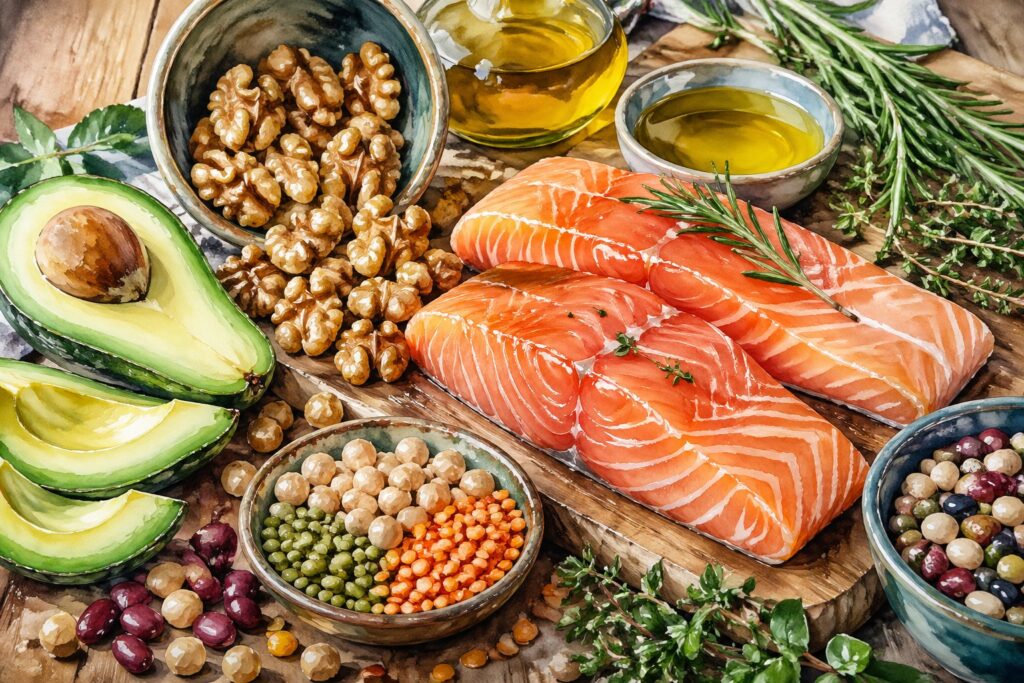
Healthy fats play a key role[4] in reducing inflammation throughout the body. Omega-3 fatty acids found in salmon, mackerel, sardines, and tuna help counter inflammatory responses. Plant sources include flaxseeds, walnuts, and leafy greens like spinach and kale.
Unsaturated fats from almonds, pecans, walnuts, and plant oils provide additional benefits. Olive oil and avocado oil serve as better choices than butter or margarine. These fats support cell health and help the body absorb nutrients from vegetables.
Lean proteins from fish, poultry, and legumes complete balanced meals without excess saturated fat. Beans and lentils add both protein and fiber. People should limit butter, cheese, ice cream, and deep-fried foods that contain fats linked to increased inflammation.
Importance of Antioxidants and Polyphenols
Antioxidants protect cells from free radicals, which are unstable molecules that damage tissue and promote inflammation. Brightly colored fruits and vegetables contain the highest amounts of these protective compounds. Tomatoes, carrots, squash, and broccoli provide especially strong antioxidant benefits.
Polyphenols represent a specific type of plant chemical with anti-inflammatory effects. Berries, dark chocolate, tea, apples, citrus fruits, onions, and coffee contain high levels of these compounds. The variety of colors on a plate indicates a range of different polyphenols.
Fiber from whole grains, legumes, fruits, and vegetables supports gut health and reduces inflammatory markers. Barley, oats, and bran provide particularly high amounts. Fiber also helps control blood sugar levels, which prevents inflammation spikes. Herbs and spices like turmeric, ginger, cinnamon, and cayenne pepper add both flavor and anti-inflammatory compounds to meals.
Key Foods to Include for Reducing Inflammation
Eating specific whole foods can help lower inflammation in the body. These foods contain natural compounds like antioxidants, omega-3 fatty acids, and fiber that work to calm the immune system and protect against chronic disease.
Fruits and Vegetables: Colorful and Nutrient Dense
Berries stand out as some of the most powerful anti-inflammatory foods available. Blueberries, cherries, and raspberries contain anthocyanins, which are plant compounds that give these fruits their deep colors and help reduce inflammation markers in the body.
Dark leafy greens like spinach and kale provide high levels of vitamins and minerals that support immune health. These vegetables contain antioxidants that protect cells from damage.
Cruciferous vegetables offer additional benefits for fighting inflammation. Broccoli contains sulforaphane, a compound that may lower inflammatory markers. Cauliflower and cabbage belong to this same family and provide similar protective effects.
Bell peppers deliver high amounts of vitamin C and antioxidants. Beets contain betalains, which are pigments that have been shown to reduce inflammation. Adding a variety of colorful fruits and vegetables[1] to meals ensures a wide range of protective nutrients.
Whole Grains and Fiber-Rich Staples
Whole grains provide fiber that supports gut health and reduces inflammation. Oats contain beta-glucan, a type of soluble fiber that has been linked to lower levels of inflammatory markers.
Quinoa offers complete protein along with fiber and minerals. Brown rice retains its bran and germ layers, which contain most of the grain’s anti-inflammatory compounds and nutrients.
Fiber plays a key role in reducing inflammation by feeding beneficial gut bacteria. These bacteria produce short-chain fatty acids that help control the immune response. Most adults need 25 to 38 grams of fiber daily, and whole grains make it easier to reach this goal.
Nuts, Seeds, and Healthy Plant-Based Fats
Walnuts contain high levels of omega-3 fatty acids, which are fats that actively reduce inflammation in the body. Almonds provide vitamin E and healthy fats[5] that protect cells from inflammatory damage.
Chia seeds and flaxseed both offer plant-based omega-3s along with fiber. Ground flaxseed is easier for the body to digest and absorb than whole seeds.
These foods work by helping balance the ratio of omega-3 to omega-6 fatty acids in the diet. A handful of nuts or a tablespoon of seeds added to meals provides meaningful anti-inflammatory benefits without requiring large portions.
Legumes and Beans
Beans and lentils provide both protein and fiber, making them valuable additions to an anti-inflammatory eating pattern. Chickpeas contain polyphenols and other compounds that may help lower inflammation.
Legumes also support stable blood sugar levels, which helps prevent the inflammatory spikes that occur with refined carbohydrates. Black beans, kidney beans, and pinto beans all offer similar benefits.
These foods are affordable and versatile. They can replace red meat in meals, which helps reduce inflammation since processed and red meats have been linked to increased inflammatory markers[6].
Fermented and Probiotic Foods
Yogurt with live cultures provides beneficial bacteria that support gut health and may reduce inflammation. The probiotics in fermented foods help maintain a healthy balance of gut bacteria, which influences immune function throughout the body.
Other fermented options include kefir, sauerkraut, and kimchi. These foods introduce diverse strains of beneficial bacteria to the digestive system.
A healthy gut microbiome helps regulate inflammation and supports the immune system’s ability to distinguish between real threats and harmless substances. Eating fermented foods regularly may help reduce chronic inflammation over time.
Optimal Protein and Fatty Acid Sources
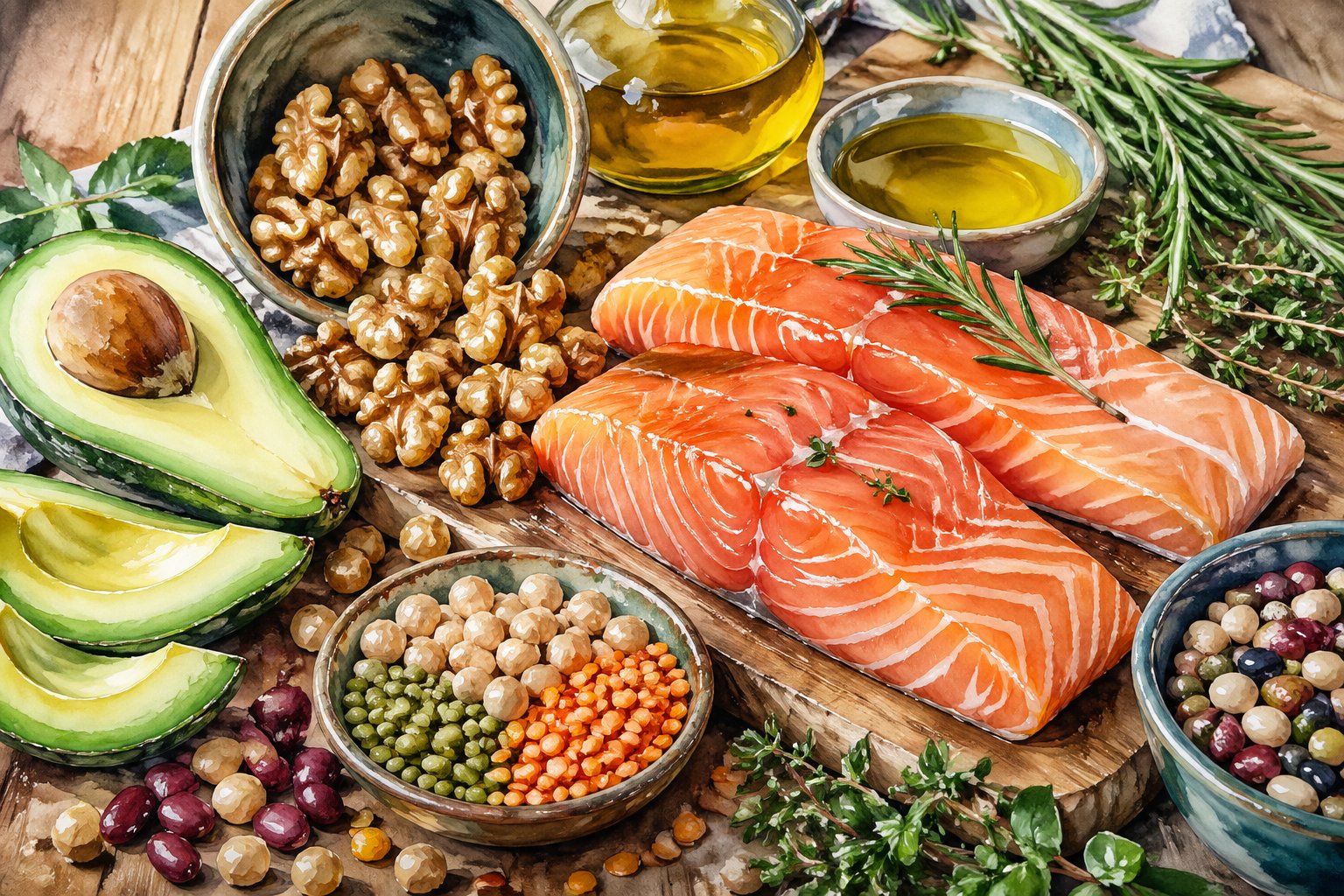
Protein choices play a key role in reducing inflammation, with certain fish, poultry, eggs, and plant-based options offering the most benefits. The types of fats consumed also matter significantly, as omega-3 fatty acids and specific cooking oils provide anti-inflammatory properties that support overall health.
Fatty Fish and Omega-3 Benefits
Fatty fish like salmon, sardines, mackerel, and anchovies[7] stand out as top anti-inflammatory protein sources. These fish contain high levels of omega-3 fatty acids, which are essential fatty acids the body cannot produce on its own.
Omega-3s work by blocking inflammatory compounds the body creates during its inflammatory responses. These anti-inflammatory chemicals help reduce blood pressure, reduce blood clotting, and protect against irregular heartbeats[8].
Tuna also provides omega-3 benefits, though salmon and sardines typically offer higher concentrations. Health experts recommend eating fatty fish at least twice per week to maximize anti-inflammatory effects. These fish deliver complete protein while simultaneously fighting chronic inflammation throughout the body.
Other Protein Choices: Poultry, Eggs, and Plant-Based Options
Poultry serves as a lean protein option that fits within an anti-inflammatory eating pattern. Chicken and turkey provide essential amino acids without the pro-inflammatory properties found in red and processed meats.
Eggs offer another versatile protein choice that supports an anti-inflammatory diet. They contain important nutrients and can be prepared in numerous ways to add variety to meals.
Plant-based proteins including beans and fermented dairy support gut health[9] while reducing inflammation. Tofu and other soy-based foods provide complete plant proteins. Nuts and seeds deliver both protein and healthy fats, including omega-3s from walnuts, flax, chia, and hemp seeds.
Legumes such as lentils, chickpeas, and black beans offer fiber alongside protein, which helps reduce inflammatory markers in the body.
Choosing Healthy Oils
Olive oil represents one of the best cooking oil choices for an anti-inflammatory diet. It contains polyphenols and monounsaturated fats that actively reduce inflammation markers.
Avocado oil provides similar benefits with a higher smoke point, making it suitable for cooking at higher temperatures. Both oils can replace butter or vegetable oils in most recipes.
These healthy fats should replace saturated fats from animal sources and refined oils. Using olive oil for salad dressings and low-heat cooking preserves its beneficial compounds. The key is choosing oils rich in monounsaturated and polyunsaturated fats while limiting those high in omega-6 fatty acids, which can promote inflammation when consumed in excess.
Beneficial Spices, Herbs, and Beverages
Adding the right spices, herbs, and drinks to meals can help fight inflammation in the body. These ingredients contain natural compounds that may reduce swelling and protect cells from damage.
Spices with Anti-Inflammatory Properties
Turmeric stands out as one of the most powerful anti-inflammatory spices. It contains curcumin, a compound that helps lower inflammation and supports blood sugar levels[10]. People can add turmeric to curries, soups, or smoothies.
Ginger offers strong anti-inflammatory effects and supports immune function[10]. This spice works well in teas, stir-fries, and baked goods.
Cinnamon provides antioxidants and may help control blood sugar. A person can sprinkle it on oatmeal, add it to coffee, or use it in baking.
Garlic delivers natural anti-inflammatory benefits and supports the immune system. Fresh garlic cloves add flavor to almost any savory dish.
Other helpful spices include cloves, which are known for anti-inflammatory benefits[11], and saffron. Even small amounts of these herbs and spices deliver antioxidants[10] that protect health.
Teas and Anti-Inflammatory Beverages
Green tea contains powerful antioxidants called polyphenols that fight inflammation. Drinking two to three cups per day may provide the most benefits.
Other teas offer similar advantages. White tea, black tea, and herbal teas like chamomile contain compounds that reduce inflammation. Ginger tea combines the benefits of tea with ginger’s anti-inflammatory properties.
Fresh vegetable juice made from carrots, beets, or leafy greens provides vitamins and minerals that support the body’s natural healing processes. People should choose 100% vegetable or fruit juice without added sugars.
Water remains the best daily beverage choice. Staying hydrated helps the body remove waste and supports all cellular functions.
Dark Chocolate and Other Special Foods
Dark chocolate with at least 70% cocoa contains flavonoids that reduce inflammation. These compounds act as antioxidants in the body. A person can eat one to two ounces of dark chocolate per day as part of a balanced diet.
The higher the cocoa percentage, the more beneficial compounds the chocolate contains. Dark chocolate also provides minerals like magnesium and iron.
Cocoa powder without added sugar works well in smoothies, oatmeal, or homemade treats. This option gives people the benefits of chocolate without extra calories or sugar.
Certain foods can trigger or worsen chronic inflammation in the body. Refined carbohydrates, processed meats, and unhealthy fats are among the main culprits that contribute to inflammatory responses.
Refined Grains and Sugary Foods
White bread, pastries, and other refined carbohydrates can spike blood sugar levels and promote inflammation. These processed foods lack the fiber and nutrients found in whole grains. When people eat white bread or cake, their bodies break down these foods quickly into sugar.
Added sugar appears in many forms throughout the diet. Soda and sugar-sweetened beverages are particularly problematic because they deliver large amounts of sugar without any nutritional benefits. Research shows that foods associated with chronic diseases like diabetes are also linked to excess inflammation[6].
The body responds to these refined products differently than whole foods. Blood sugar spikes trigger inflammatory responses that can persist over time. Even small reductions in these inflammatory foods can make a difference in overall health.
Red and Processed Meats
Processed meats like sausage, ham, and hot dogs contain compounds that may trigger inflammation. These products often include high levels of salt, preservatives, and saturated fat. Red meat consumption, including burgers and steaks, has been connected to increased inflammatory markers.
Processing changes the composition of meat in ways that affect the body’s inflammatory response. Sausage and other processed meat products contain additives that may amplify these effects. Studies have found that people who eat more processed meats tend to have higher levels of inflammation.
The preparation methods for these meats can also play a role. Grilling or frying at high temperatures can create additional inflammatory compounds.
Unhealthy Fats and Processed Products
Trans fats found in margarine and shortening are particularly harmful inflammatory foods. Many processed products contain these fats along with high levels of saturated fat. While butter and cheese contain saturated fat, they affect the body differently than artificial trans fats.
An anti-inflammatory diet recommends avoiding fried foods[1] and products made with shortening or lard. French fries and other fried items combine multiple inflammatory triggers: refined carbohydrates, unhealthy oils, and high heat processing.
The combination of ingredients in processed products creates a greater inflammatory impact than individual components alone. These foods that cause inflammation often displace healthier options in the diet.
Diet Patterns and Strategies for Sustaining Low Inflammation
Following specific eating patterns can help reduce chronic inflammation more effectively than making isolated food changes. The Mediterranean diet, DASH diet, and plant-based approaches each offer proven ways to lower inflammation through consistent food choices and daily habits.
Mediterranean and DASH Diet Insights
The Mediterranean diet focuses on whole foods like fish, olive oil, nuts, fruits, and vegetables. People who follow this pattern eat fish at least twice per week and use olive oil as their main fat source. They also consume moderate amounts of dairy and limit red meat to a few times per month.
The DASH diet (Dietary Approaches to Stop Hypertension) was originally designed to lower blood pressure but also helps reduce chronic inflammation. This plan emphasizes fruits, vegetables, whole grains, and lean proteins while limiting sodium to 2,300 milligrams per day or less. Both eating patterns share common elements that fight inflammation.
Key foods in both diets include:
- Leafy greens and colorful vegetables
- Berries and citrus fruits
- Nuts and seeds
- Whole grains like oats and quinoa
- Fatty fish such as salmon and sardines
Vegetarian and Vegan Approaches
A vegan diet eliminates all animal products and relies entirely on plant foods. This approach naturally includes high amounts of fiber, antioxidants, and phytochemicals that help lower inflammation. Vegans need to plan carefully to get enough protein, vitamin B12, iron, and omega-3 fatty acids from plant sources.
Vegetarians who include eggs and dairy still benefit from reduced inflammation compared to those who eat meat regularly. Both approaches work best when they emphasize whole foods rather than processed alternatives.
Plant-based eaters should focus on beans, lentils, tofu, tempeh, nuts, seeds, and whole grains for protein. Adding ground flaxseed or chia seeds provides omega-3 fats that support the body’s anti-inflammatory response.
Lifestyle Tips for Lowering Inflammation
Meal timing and preparation methods matter as much as food choices. Eating at regular times each day helps regulate the body’s inflammatory response. Cooking methods like steaming, baking, and sautéing preserve nutrients better than deep frying.
Staying hydrated with water throughout the day supports the body’s ability to manage inflammation. Adults should aim for 8 glasses daily or more if they exercise.
Elevate Your Health for Just $29.99/Month
Join the Precision Wellness Subscription at My Healing 365 and get discounted services, priority coaching access, virtual care, and exclusive wellness resources to support your physical, emotional, and hormonal health.
Join for $29.99/MonthAdditional strategies include:
- Planning meals ahead to avoid relying on processed convenience foods
- Reading ingredient labels to identify added sugars and unhealthy oils
- Batch cooking healthy meals for busy weekdays
- Keeping anti-inflammatory snacks like raw nuts and fresh fruit readily available
- Limiting alcohol to no more than one drink per day for women or two for men
Managing stress through activities like walking, yoga, or meditation also supports dietary efforts to control inflammation.
Impact on Health and Inflammation Markers

Following an anti-inflammatory eating pattern affects measurable markers in the body and influences the development of various health conditions. Research shows that chronic inflammation is a pivotal contributor to the initiation and progression of non-communicable diseases[12], making dietary choices particularly important for long-term health outcomes.
Chronic Disease Risk and Prevention
An anti-inflammatory diet helps reduce the risk of developing several chronic conditions. Studies indicate that Mediterranean-style and plant-forward diets link to lower inflammation and better long-term health outcomes[4]. People who follow these eating patterns show reduced rates of heart disease, type 2 diabetes, and certain cancers.
The diet works by addressing persistent inflammation that occurs when the immune system stays activated even without threatening invaders present. This ongoing inflammatory state damages tissues and organs over time. Dietary choices have inflammation-modulating effects[13] that can interrupt this harmful cycle.
Research demonstrates measurable improvements in individuals who adopt anti-inflammatory eating habits. Blood pressure often decreases, blood sugar control improves, and cholesterol levels move toward healthier ranges.
Gut Health, Immunity, and Inflammatory Markers
The digestive system plays a central role in managing inflammation throughout the body. An anti-inflammatory diet supports beneficial gut bacteria while reducing populations of harmful microbes. This balance affects immune function and inflammatory responses.
Medical tests can measure specific markers that indicate inflammation levels. C-reactive protein (CRP) typically decreases when people eat more anti-inflammatory foods. IL-6, another inflammatory marker, often shows similar reductions.
For individuals with inflammatory diseases like inflammatory bowel disease or ulcerative colitis, dietary changes may help manage symptoms. The gut lining becomes less irritated when exposed to anti-inflammatory compounds found in whole foods. Immune cells in the digestive tract respond to these dietary signals by producing fewer inflammatory substances.
Blood tests tracking these markers provide concrete evidence of how diet affects inflammation. Many people see improvements within weeks of changing their eating patterns.
Frequently Asked Questions
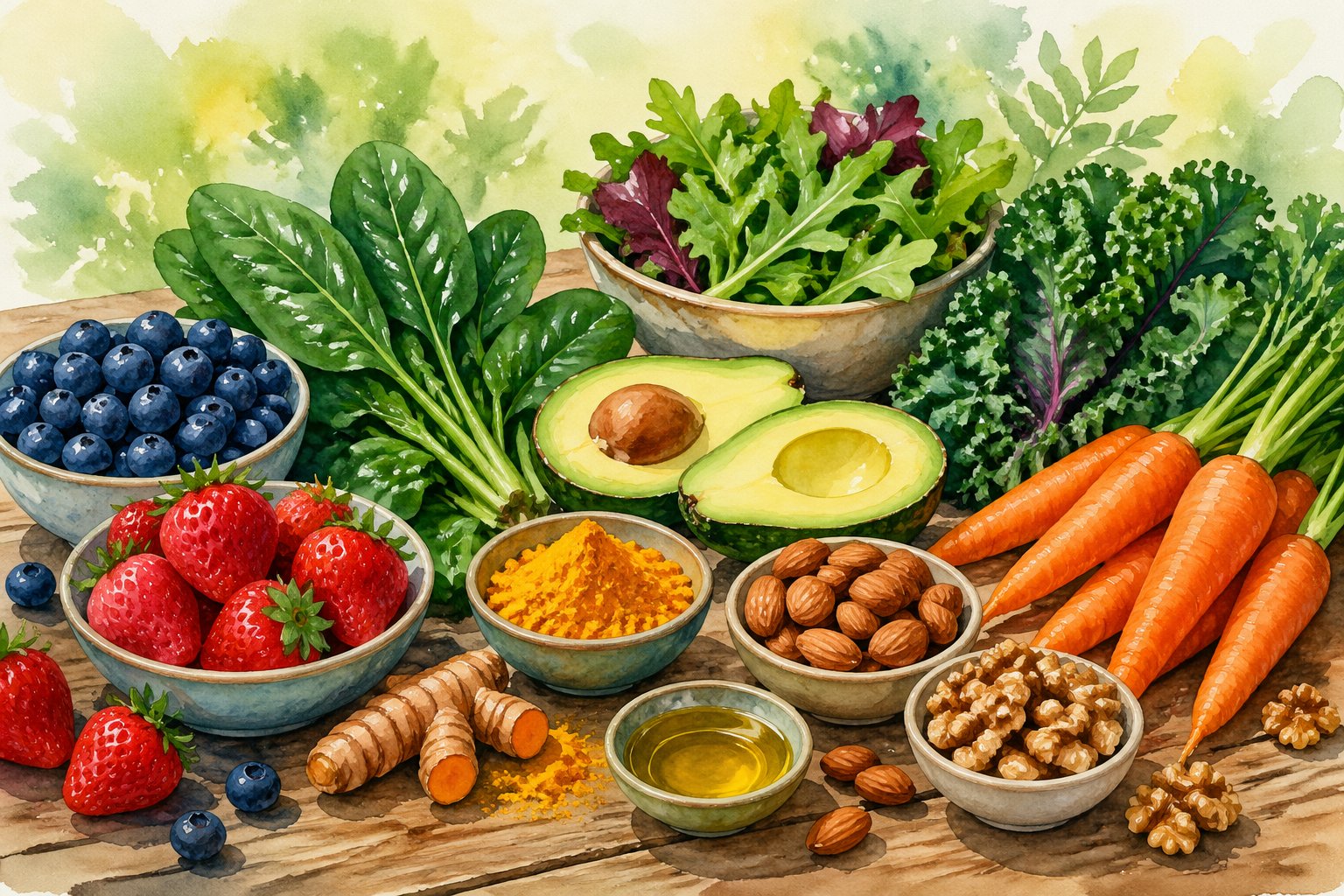
People often have practical questions about which specific foods to eat, what to avoid, and how to structure their daily meals when following an anti-inflammatory approach.
What foods should be emphasized on an anti-inflammatory diet?
Fruits, vegetables, and nuts[14] form the foundation of an anti-inflammatory eating pattern. These foods contain compounds that help lower inflammation in the body.
Fatty fish like salmon, mackerel, and sardines provide omega-3 fatty acids. Berries, leafy greens, and tomatoes offer antioxidants. Olive oil serves as a primary fat source.
Whole grains, legumes, and beans add fiber and nutrients. Green tea and certain spices like turmeric and ginger also support anti-inflammatory goals.
Which foods and ingredients are commonly avoided to reduce inflammation?
Red meat and processed foods[15] are typically reduced or limited on this eating plan. These items can promote inflammation when consumed regularly.
Refined carbohydrates like white bread and pastries should be minimized. Fried foods and items high in trans fats can trigger inflammatory responses.
Added sugars, sugary beverages, and excessive alcohol also fall into the avoid category. Processed meats like bacon, sausage, and deli meats are best consumed sparingly.
What does a typical day of anti-inflammatory meals and snacks look like?
Breakfast might include oatmeal topped with berries and walnuts, or eggs with sautéed spinach and whole grain toast. A morning snack could be an apple with almond butter.
Lunch often features a large salad with mixed greens, grilled chicken or chickpeas, colorful vegetables, and olive oil dressing. A quinoa bowl with roasted vegetables works well too.
Dinner typically includes baked salmon or another fatty fish, steamed broccoli, and sweet potato. Snacks throughout the day might include raw vegetables with hummus, a handful of nuts, or fresh fruit.
How does the Mediterranean-style eating pattern align with anti-inflammatory principles?
The Mediterranean diet emphasizes many of the same foods that fight inflammation. It focuses on plant-based foods, healthy fats, and fish while limiting red meat and processed items.
Olive oil serves as the main cooking fat in both approaches. Both patterns encourage daily consumption of vegetables, fruits, whole grains, and legumes.
Fish and poultry appear more often than red meat. Wine in moderation is acceptable in Mediterranean eating, though it remains optional for anti-inflammatory goals.
What are the top anti-inflammatory vegetables to include regularly?
Leafy greens like spinach, kale, and Swiss chard contain high levels of antioxidants and vitamins. These vegetables can be eaten raw in salads or cooked as side dishes.
Cruciferous vegetables including broccoli, cauliflower, and Brussels sprouts offer sulforaphane, a compound with anti-inflammatory properties. Bell peppers provide vitamin C and beneficial plant compounds.
Tomatoes contain lycopene, which helps reduce inflammation markers. Beets and carrots add color and nutrients to meals while supporting overall health.
What is a practical 21- to 28-day anti-inflammatory meal plan structure for beginners?
A four-week plan allows time to develop new eating habits while trying different recipes. Week one focuses on breakfast changes, incorporating oats, berries, and nuts into morning routines.
Week two introduces more fish and plant-based proteins at lunch and dinner. Week three emphasizes adding more colorful vegetables to every meal.
The final week brings everything together with balanced meals throughout the day. Planning meals in advance and preparing ingredients on weekends makes the transition easier. Shopping lists should include fresh produce, whole grains, lean proteins, and healthy fats for the week ahead.
Post Views: 5
References
- Anti-Inflammatory Diet: Foods List and Benefits. https://health.clevelandclinic.org/anti-inflammatory-diet Accessed May 20, 2026
- The Complete Guide to an Anti-Inflammatory Diet. https://reconnectivehealingpractitioners.com/foods/the-complete-guide-to-an-anti-inflammatory-diet/ Accessed May 20, 2026
- Quick-start guide to an anti‑inflammation diet. https://www.health.harvard.edu/diet-and-nutrition/quick-start-guide-to-an-antiinflammation-diet Accessed May 20, 2026
- Anti-Inflammatory Diet 101: Foods to Eat & Avoid, and a Sample 1-Day Meal Plan. https://welltech.com/content/anti-inflammatory-diet-101 Accessed May 20, 2026
- Almonds provide vitamin E and healthy fats. https://www.verywellhealth.com/anti-inflammatory-foods-2505929 Accessed May 20, 2026
- Foods that fight inflammation. https://www.health.harvard.edu/healthy-aging-and-longevity/foods-that-fight-inflammation Accessed May 20, 2026
- Fatty fish like salmon, sardines, mackerel, and anchovies. https://www.eatingwell.com/surprising-anti-inflammatory-food-you-should-be-eating-11773099 Accessed May 20, 2026
- These anti-inflammatory chemicals help reduce blood pressure, reduce blood clotting, and protect against irregular heartbeats. https://www.hri.org.au/health/your-health/nutrition/the-best-anti-inflammatory-foods-according-to-a-dietitian Accessed May 20, 2026
- Plant-based proteins including beans and fermented dairy support gut health. https://www.health.com/anti-inflammatory-protein-11903125 Accessed May 20, 2026
- helps lower inflammation and supports blood sugar levels. https://www.eatingwell.com/article/32764/eight-of-the-worlds-healthiest-spices-herbs-you-should-be-eating/ Accessed May 20, 2026
- known for anti-inflammatory benefits. https://www.verywellhealth.com/anti-inflammatory-spices-11847391 Accessed May 20, 2026
- Checking your browser. https://pmc.ncbi.nlm.nih.gov/articles/PMC11576095/ Accessed May 20, 2026
- Just a moment…. https://academic.oup.com/nutritionreviews/advance-article/doi/10.1093/nutrit/nuaf104/8199185 Accessed May 20, 2026
- Fruits, vegetables, and nuts. https://www.health.com/anti-inflammatory-diet-7497504 Accessed May 20, 2026
- Red meat and processed foods. https://www.verywellhealth.com/anti-inflammatory-diet-88752 Accessed May 20, 2026