
Medically Reviewed
Dr. Jose Rossello, MD, PhD, MHCM
Preventive Medicine & Public Health Specialist
Last Reviewed: April 27, 2026
Picking the right sunscreen can feel overwhelming when store shelves are packed with options ranging from SPF 15 to SPF 100. Many people wonder if they really need the highest number available or if a lower SPF will do the job. The good news is that choosing the right sun protection doesn’t have to be complicated.
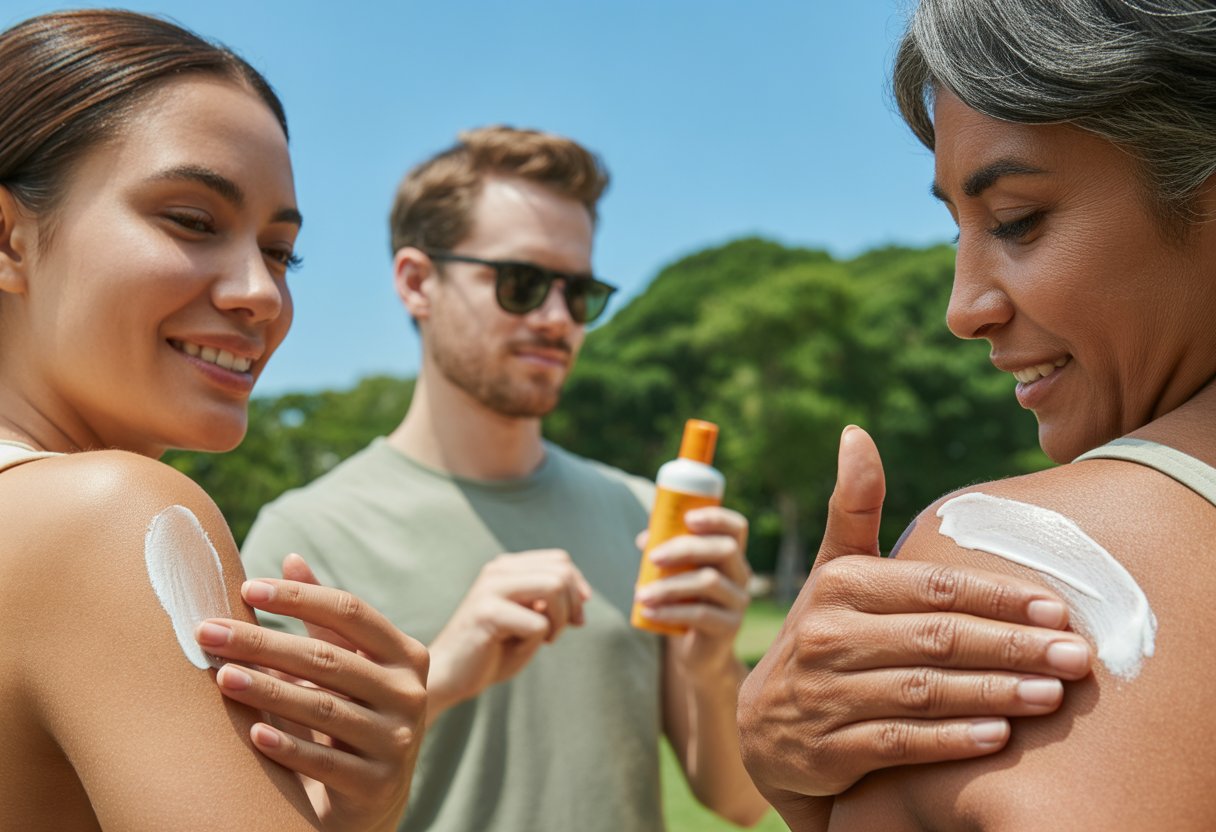
Dermatologists recommend using a broad-spectrum sunscreen with at least SPF 30 every day for adequate protection against harmful UV rays. This level blocks about 97% of UVB rays, which are the main cause of sunburn and skin damage. While higher SPF numbers like 50 or 100 offer slightly more protection, the difference is smaller than most people think.
The key to effective sun protection goes beyond just the SPF number on the bottle. How much sunscreen gets applied, how often it gets reapplied, and whether it protects against both UVA and UVB rays all play important roles in keeping skin safe from sun damage.
Table of Contents
Key Takeaways
- A broad-spectrum sunscreen with at least SPF 30 provides good daily protection for most people
- Sunscreen must be reapplied every two hours regardless of SPF level to maintain protection
- Sun safety requires combining sunscreen with protective clothing, shade, and avoiding peak UV hours
Understanding SPF Numbers and Sun Protection Factor
SPF 15 blocks 93% of UVB rays, SPF 30 blocks 97%, and SPF 50 blocks 98%, showing that higher numbers provide only small increases in protection. Broad-spectrum sunscreen[1] protects against both UVA and UVB rays, which damage skin in different ways.
What SPF Levels Mean
SPF stands for Sun Protection Factor[2], and it measures how well a sunscreen protects skin from UVB rays. The number indicates how much longer UVB rays would take to redden protected skin compared to unprotected skin.
People often misunderstand SPF as indicating how long they can stay in the sun. SPF measures protection strength, not duration[3].
SPF levels are determined through laboratory testing. Researchers apply sunscreen to a patch of skin and expose it to simulated sun rays. They then measure how long the protected skin takes to redden compared to unprotected skin.
Real-world conditions differ from laboratory settings. Most people apply sunscreen too thinly or unevenly and forget to reapply. This means they don’t achieve the full SPF protection listed on the bottle.
SPF 15, 30, 50, and 100: How They Compare
The protection difference between SPF levels becomes smaller as the numbers increase. Here’s how different SPF levels block UVB rays[4]:
| SPF Level | UVB Protection |
|---|---|
| SPF 15 | Blocks 93% of UVB rays |
| SPF 30 | Blocks 97% of UVB rays |
| SPF 50 | Blocks 98% of UVB rays |
| SPF 100 | Blocks 99% of UVB rays |
Doubling the SPF number doesn’t double the protection. SPF 30 only provides 4% more UVB protection than SPF 15, while SPF 50 adds just 1% more than SPF 30.
Dermatologists typically recommend SPF 30 as the minimum daily protection level. Higher SPF numbers offer slightly better protection but require the same reapplication schedule every two hours.
Broad-Spectrum Protection Explained
Broad-spectrum sunscreen protects against both UVA and UVB rays. UVB rays cause sunburn and are the main factor in skin cancer development. UVA rays penetrate deeper into skin and cause tanning, aging, and oxidative damage.
UVB protection is what the SPF number measures[5]. UVA protection requires separate testing and isn’t reflected in the SPF rating.
People should look for products labeled “broad-spectrum” to ensure both UVA protection and UVB protection. Some sunscreens also display a PA++++ rating, which indicates stronger UVA protection through additional testing.
Daily Risks: Why You Need SPF Every Day

UV rays reach the skin every single day, regardless of weather conditions or indoor activities. Up to 80 percent of UV radiation penetrates through clouds, and windows allow UVA rays to pass through, creating constant exposure risks that many people overlook.
The Danger of UV Exposure Indoors and Outdoors
UV exposure doesn’t stop at the door. UVA rays penetrate through windows in homes, offices, and cars, reaching the skin even when someone sits inside all day. These rays cause cumulative damage that adds up over time.
People who work near windows or drive frequently face significant UV exposure. The left side of the face often shows more sun damage in drivers due to window exposure during commutes. Glass blocks most UVB rays but allows UVA rays through.
Cloudy days provide no safe haven from UV rays that cause skin damage[6]. Weather conditions don’t stop harmful radiation from reaching the skin. Even on overcast days, UV radiation reaches the earth and affects exposed skin.
Daily sunscreen creates a protective barrier against this constant exposure. Applying it every morning before getting dressed ensures coverage throughout the day, whether someone stays indoors or ventures outside.
Sun Damage and Skin Health
Sun damage accumulates silently over the years. UV exposure breaks down collagen and elastin in the skin, leading to wrinkles, sagging, and age spots. This damage occurs whether or not someone experiences visible sunburn.
Regular daily use of SPF 15 sunscreen reduces the risk of squamous cell carcinoma by about 40 percent and lowers melanoma risk by 50 percent[6]. These statistics demonstrate how consistent protection prevents serious health consequences.
Hyperpigmentation develops when UV exposure triggers excess melanin production. Dark spots, melasma, and uneven skin tone result from this process. Daily sunscreen helps prevent these pigmentation issues from forming or worsening.
The skin remembers every exposure. Childhood sun damage contributes to skin cancer risk later in life, making daily protection essential at every age.
Myths About Sun Protection for Different Skin Tones
A common misconception suggests that darker skin tones don’t need sunscreen. While melanin provides some natural protection, it doesn’t eliminate the need for daily SPF. All skin types experience sun damage and face skin cancer risks.
People with darker skin can develop skin cancer in less visible areas. They often receive diagnoses at later, more dangerous stages because of the myth that their skin doesn’t require protection.
Everyone under the sun needs sunscreen regardless of how easily they tan. The ability to tan without burning doesn’t mean the skin escapes damage. UV rays penetrate all skin tones and cause cellular damage that leads to premature aging and cancer risk.
Different skin tones may prefer different sunscreen formulations to avoid white cast, but the need for protection remains universal. Mineral and chemical sunscreens now come in versions that work well on all skin colors.
Choosing the Right SPF For Your Lifestyle

Your daily activities and skin needs determine which SPF level works best for you. The right choice depends on how much time you spend outdoors, your skin’s sensitivity, and your natural skin tone.
Light Exposure vs. Extended Outdoor Activities
Daily commutes and brief outdoor errands require different protection than spending hours outside. For minimal sun exposure like walking to your car or sitting near a window, SPF 30 blocks 97% of UVB rays and provides adequate coverage.
Extended outdoor activities need stronger protection. Beach days, hiking trips, and outdoor sports call for SPF 50, which blocks 98% of UVB rays. The difference between SPF 30 and SPF 50[1] seems small, but that extra percentage matters during prolonged exposure.
Higher numbers like SPF 60 or SPF 50+ offer minimal additional protection. The amount of sunscreen applied matters more than choosing between SPF 50 and SPF 60. Most people apply less than the recommended amount, which reduces the actual protection they receive.
Reapply every two hours regardless of SPF level. Water-resistant formulas help during swimming or sweating but still need reapplication at the same intervals.
Considerations for Sensitive and Post-Treatment Skin
Sensitive skin requires gentle, mineral-based sunscreens with zinc oxide or titanium dioxide. These ingredients sit on the skin’s surface rather than absorbing into it, reducing irritation risk.
Post-treatment skin from procedures like chemical peels or laser treatments needs extra protection. Dermatologists typically recommend SPF 50 or higher for healing skin. Tinted sunscreen helps cover redness while providing broad-spectrum protection.
Makeup with SPF offers a base layer of protection but rarely provides enough coverage on its own. Most makeup products contain SPF 15, which works for minimal exposure but needs supplementing with dedicated sunscreen for extended time outdoors.
Apply sunscreen first, then makeup. This ensures proper coverage and makes reapplication easier throughout the day.
Skin Tone and SPF Choices
Darker skin tones have natural melanin protection but still need sunscreen. People with darker skin can get sunburned[1] and remain at risk for skin damage and cancer.
SPF 30 broad-spectrum sunscreen provides good protection for all skin tones. Lighter skin that burns easily benefits more from SPF 50 during extended exposure. Fair skin requires diligent application and reapplication to prevent burns.
Black Girl Sunscreen and similar brands designed for melanin-rich skin avoid the white cast common in traditional formulas. These products make daily sunscreen use more appealing for people who previously avoided it due to appearance concerns.
Match your SPF level to your activities rather than relying solely on your natural protection. Everyone needs consistent sun protection regardless of how quickly they tan or burn.
Physical (Mineral) vs. Chemical Sunscreens
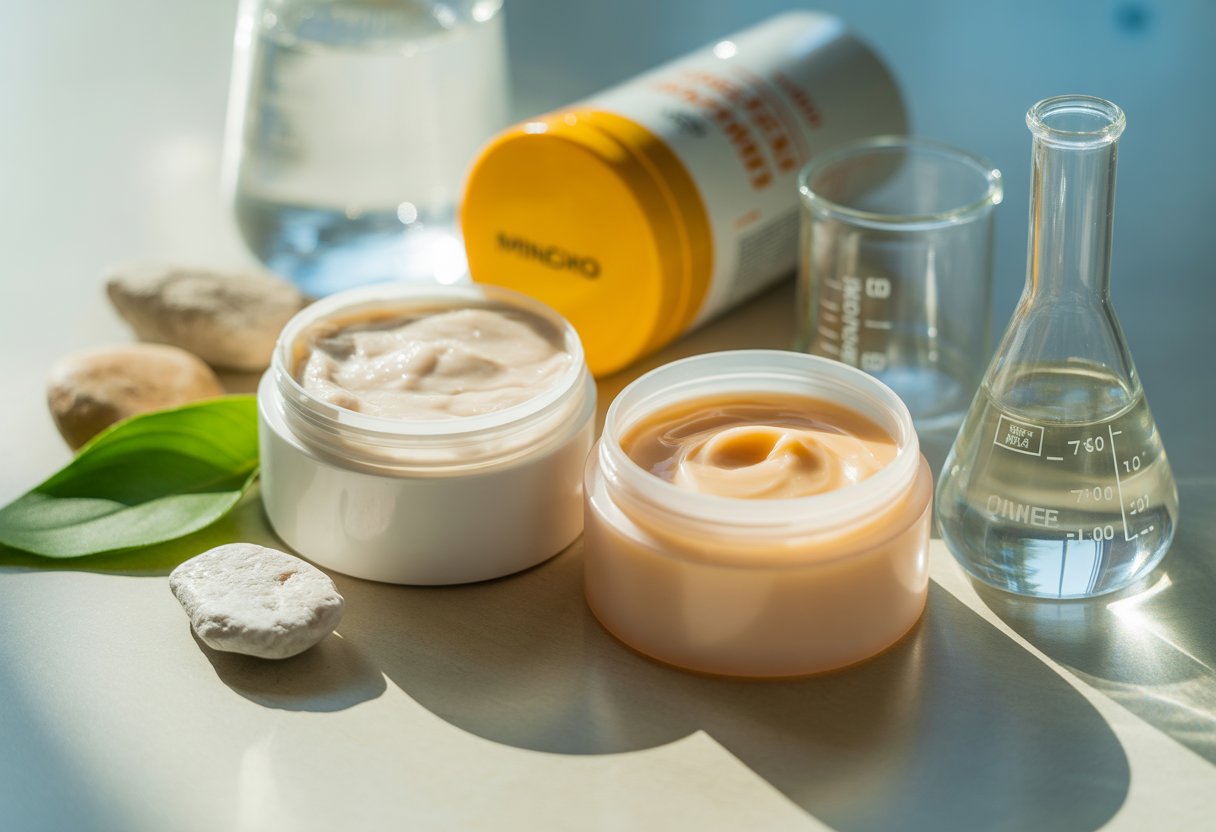
Sunscreens fall into two main categories based on how they protect skin from UV rays. Mineral sunscreens sit on top of the skin and reflect light, while chemical sunscreens absorb into the skin and convert UV rays into heat.
How Mineral Sunscreens Work
Mineral sunscreen uses natural minerals as active ingredients. The two minerals approved by the FDA are zinc oxide and titanium dioxide.
These minerals create a physical barrier on the skin’s surface. They work by reflecting and scattering UV rays away from the skin before damage occurs. Think of them like tiny mirrors sitting on top of the skin.
Mineral formulas start working immediately after application. There’s no waiting period needed before sun exposure. This makes them convenient for people who need quick protection.
Mineral sunscreens[7] are less likely to cause skin irritation or allergic reactions. This makes them a good choice for people with sensitive skin, skin conditions like rosacea or eczema, and young children.
The main downside is that mineral sunscreens can leave a white cast on the skin. This happens because the minerals don’t fully absorb into the skin.
How Chemical Sunscreens Function
Chemical sunscreen contains organic compounds that absorb UV radiation. Common active ingredients include avobenzone, oxybenzone, octinoxate, and octisalate.
These chemicals sink into the skin layers rather than sitting on top. Once absorbed, they convert UV rays into heat energy. The skin then releases this heat.
Chemical formulas typically need about 15 to 20 minutes to absorb and become effective. People should apply them before going outside to ensure proper protection.
Chemical sunscreens apply more transparently[8] on the skin compared to mineral versions. They blend in without leaving a white residue. This makes them more appealing for daily cosmetic use.
Some people experience irritation from chemical sunscreen ingredients. Those with sensitive skin may need to test products carefully.
Best Uses for Each Type
Mineral sunscreens work best for:
- People with sensitive or reactive skin
- Children and babies over 6 months old
- Anyone concerned about ingredient absorption
- Immediate protection needs without waiting time
- Acne-prone skin (zinc oxide has calming properties)
Chemical sunscreens work best for:
- People who want invisible protection under makeup
- Athletes and swimmers (less likely to feel heavy or greasy)
- Those with darker skin tones concerned about white cast
- Daily facial use when cosmetic appearance matters
The decision between mineral and chemical sunscreen depends on allergies and preference for application[7]. Both types provide effective sun protection when used correctly. The best sunscreen is the one a person will actually wear every day with an SPF of 30 or higher.
How to Apply Sunscreen Correctly
Most people use only 25-50% of the sunscreen they need, which drastically reduces protection. Knowing the right amount to use, proper application methods, and which areas people commonly miss makes the difference between adequate sun protection and sunburn.
The Ideal Amount of Sunscreen to Use
Dermatologists recommend using about 1 ounce of sunscreen for the entire body, which equals roughly two tablespoons or enough to fill a shot glass. For the face alone, a person needs about half a teaspoon, or a nickel-sized amount.
This might seem like a lot, but using less provides significantly weaker protection. If someone applies only half the recommended amount of SPF 30, they’re actually getting closer to SPF 15 protection.
People should apply sunscreen 15-30 minutes before sun exposure[9] to allow it to bind to the skin. They need to reapply every two hours, or immediately after swimming or heavy sweating. Water-resistant formulas still require reapplication after 40 or 80 minutes in water, depending on the product label.
Application Techniques for Face and Body
The application method affects how well sunscreen protects the skin. For the face, a person should apply sunscreen as the last step of their skincare routine but before makeup. They should dot the product on their forehead, cheeks, nose, and chin, then blend outward in gentle circular motions.
For the body, people should squeeze sunscreen directly onto the skin in lines, then rub it in thoroughly. They shouldn’t spray and walk through a mist, as this wastes product and provides uneven coverage.
When using spray sunscreen, a person should spray generously and directly onto the skin until it glistens, then rub it in. They should never spray near the face due to inhalation risks. Instead, they should spray the product into their hands first, then apply it to facial areas.
Commonly Missed Areas
Several spots regularly get skipped during sunscreen application, leading to burns and sun damage. The tops of feet, ears, and back of the neck rank among the most commonly missed areas.
Other frequently forgotten spots include:
- Eyelids and the area around the eyes
- Lips (requiring SPF lip balm)
- Hairline and part line
- Hands, especially the backs
- Behind the knees
- Underarms when wearing sleeveless clothing
The scalp needs protection too, especially for people with thinning hair or those who part their hair. They can use spray sunscreen on the scalp or wear a hat for coverage.
Effective Reapplication: Maintaining Protection
Sunscreen protection degrades over time, making reapplication essential for continued defense against UV damage. Understanding when and why to reapply helps people maintain consistent protection throughout the day, especially during activities that compromise sunscreen effectiveness.
How Often to Reapply
The standard guideline is to reapply sunscreen every two hours[10] when spending time outdoors. This timeframe applies regardless of the SPF level used.
Higher SPF products provide stronger protection while on the skin, but they don’t last longer than lower SPF options. A person wearing SPF 50 needs to reapply on the same schedule as someone wearing SPF 30.
Early warning signs indicate when skin needs fresh sunscreen before the two-hour mark:
- Skin feeling or looking drier than before
- Reddening or pink coloring appearing
- Prickling or burning sensations
Each reapplication should use approximately one ounce of product, enough to fill a shot glass. People should cover all exposed areas, including easily missed spots like ears, scalp, and feet.
Why Reapplication Matters
Sunscreen’s protective barrier breaks down through sun exposure, losing effectiveness over time. UV radiation gradually degrades the active ingredients that absorb or reflect harmful rays.
Without regular reapplication, skin becomes increasingly vulnerable to sunburn and long-term damage. The risk of skin cancer rises when protection gaps occur during extended sun exposure.
A single morning application of daily SPF doesn’t provide all-day protection for outdoor activities. The product’s defensive properties diminish as hours pass, leaving skin exposed even when it still appears covered.
Impact of Water, Sweat, and Towel Drying
Water activities significantly reduce how long sunscreen lasts[11] on skin. Swimming can weaken and wash off sunscreen within 45 minutes to an hour, even with water-resistant formulas.
Toweling off after swimming removes additional product from the skin surface. People should reapply once they’re dry to restore protection.
Heavy sweating during exercise or yard work dilutes sunscreen coverage and requires reapplication within an hour. Sport or sweat-resistant formulas may extend protection slightly but still need frequent renewal.
Activity-Based Reapplication Schedule:
| Activity | Recommended Reapplication Time |
|---|---|
| General outdoor use | Every 2 hours |
| Swimming | Every 45-60 minutes |
| Heavy sweating/exercise | Every 60 minutes |
| After towel drying | Immediately |
Understanding UVA and UVB Protection
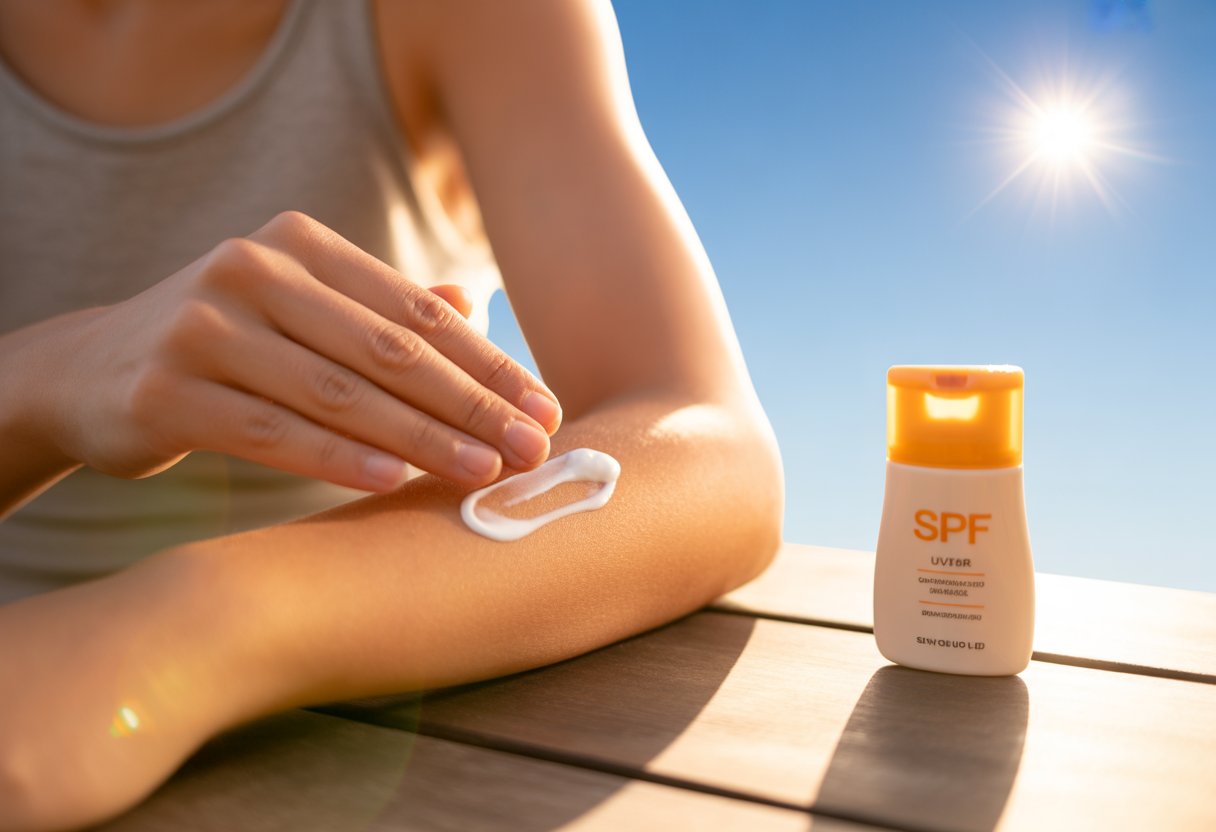
The sun emits two types of ultraviolet radiation that reach the skin and cause different kinds of damage. UVA rays penetrate deeper into skin layers and contribute to aging, while UVB rays primarily cause sunburn and directly damage DNA.
Differences Between UVA and UVB Rays
UVB rays are the main cause of sunburn and can lead to skin cancers like melanoma, basal cell carcinoma, and squamous cell carcinoma. These rays have shorter wavelengths and primarily affect the outer layer of skin.
UVA exposure leads to skin tanning, pigmentation, and oxidative damage[1] that contributes to premature aging. UVA rays also add to the cancer-causing effects of UVB. These rays penetrate more deeply into the skin than UVB rays do.
Key differences:
- UVB rays: Cause sunburn, damage skin’s surface, blocked partially by glass
- UVA rays: Cause tanning and aging, penetrate deeper, pass through glass
Both types of radiation damage skin cells and increase cancer risk. UVB protection alone is not enough to shield skin from all harmful effects of sun exposure.
The Role of Broad-Spectrum Sunscreens
Broad-spectrum sunscreen protects from both UVA and UVB rays[1] that damage skin. Regular sunscreens may only block UVB rays, leaving skin vulnerable to UVA damage even when someone doesn’t get sunburned.
The SPF number on sunscreen bottles measures UVB protection only. A product labeled SPF 30 blocks 97% of UVB rays, but this rating says nothing about UVA protection unless the label states “broad-spectrum.”
People who use non-broad-spectrum products might avoid sunburn but still experience skin aging and increased cancer risk from unblocked UVA rays. Dermatologists recommend choosing products specifically marked as broad-spectrum to ensure protection from both radiation types. Some sunscreens also display a PA++++ rating, which indicates additional testing was done to measure UVA protection levels specifically.
SPF in Your Daily Routine: Beyond Regular Sunscreens
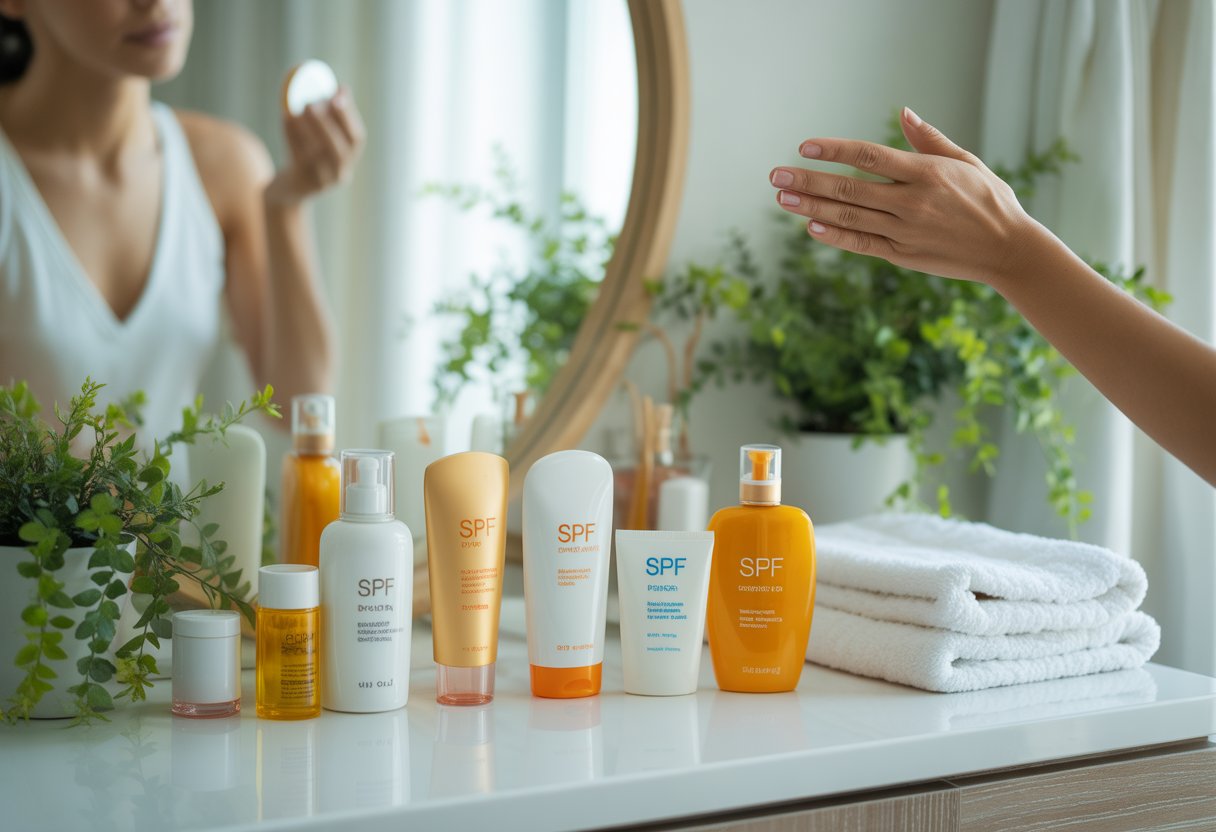
Many people look for convenient ways to add sun protection to their daily routine without applying a separate sunscreen product. Products like makeup with SPF and moisturizers with sun protection offer built-in coverage, but understanding their limitations helps ensure adequate protection.
Elevate Your Health for Just $29.99/Month
Join the Precision Wellness Subscription at My Healing 365 and get discounted services, priority coaching access, virtual care, and exclusive wellness resources to support your physical, emotional, and hormonal health.
Join for $29.99/MonthMakeup With SPF: Is It Enough?
Makeup with SPF provides some sun protection, but it rarely offers enough coverage on its own. Most people don’t apply enough makeup to reach the SPF level listed on the product.
To get the full SPF 30 protection from a foundation, someone would need to apply about one-fourth of a teaspoon to their face. That’s much more than the typical thin layer most people use. The coverage would look cakey and heavy at that amount.
Makeup with SPF works best as an extra layer of protection, not as the primary defense. Applying a dedicated sunscreen underneath foundation creates better coverage. This approach ensures proper protection while still allowing makeup to look natural.
SPF in Moisturizers and Tinted Formulas
Moisturizers with SPF offer a practical two-in-one option for morning routines. Sunscreen can become part of your daily routine[12] more easily when combined with other skincare steps.
These products work well when applied generously. The same rule applies: use about one-fourth of a teaspoon for the face to get the stated SPF protection.
Tinted sunscreen has grown popular because it evens out skin tone while protecting from UV rays. These formulas typically contain enough pigment to replace light foundation. They often feel lighter than traditional makeup, making it easier to apply the full amount needed for proper protection.
People with oily skin may prefer gel-based formulas with SPF. Those with dry skin often benefit from cream-based options that provide extra hydration.
Choosing a Sunscreen You’ll Actually Use
The best daily sunscreen is one that gets used consistently. Texture, finish, and how it feels on skin matter more than most people realize.
Someone who dislikes greasy formulas won’t stick with a heavy cream, even if it offers excellent protection. Testing different types helps find the right match. Options include lotions, gels, sprays, sticks, and powders.
Consider these factors when selecting a daily sunscreen:
- Skin type compatibility: Oily skin works well with gel or fluid formulas, while dry skin benefits from cream-based products
- Finish preference: Matte finishes suit oily skin, while dewy finishes complement dry skin
- Under-makeup wear: Some formulas pill or make makeup slide off
- Scent sensitivity: Fragrance-free options exist for sensitive noses
The amount of sunscreen applied matters just as much as the SPF number. Keeping sunscreen in visible spots like the bathroom counter or next to morning skincare products increases the likelihood of daily use.
Protective Clothing and Other Sun Safety Strategies
Sunscreen alone doesn’t provide complete protection from harmful UV rays. Physical barriers like specialized clothing and smart timing of outdoor activities work together with sunscreen to create a comprehensive defense against sun damage.
Sun-Protective Clothing
Sun-protective clothing offers reliable UV protection[13] when people spend extended time outdoors. These garments come with an ultraviolet protection factor (UPF) rating printed on the label. A UPF rating indicates how much UV radiation can penetrate the fabric.
Clothing with a UPF of 50 blocks about 98% of UV rays. This rating system works similarly to SPF for sunscreen but measures fabric protection instead.
Long-sleeved shirts and full-length pants provide more coverage than short sleeves and shorts. Lightweight fabrics designed for sun protection keep wearers cool while blocking harmful rays. Tightly woven materials work better than loose weaves because they allow less UV light to pass through.
Dark or bright colors generally offer more protection than light colors. Dry fabrics protect better than wet ones since water reduces the protective capability of most materials.
Using Wide-Brimmed Hats and Sunglasses
A wide-brimmed hat protects the face, ears, and neck from direct sun exposure. The brim should extend at least three inches around the entire head for adequate coverage. Baseball caps only shade the face and leave the ears and neck exposed to UV rays.
Sunglasses with UV protection shield the delicate skin around the eyes and protect vision. People should look for sunglasses that block 99% to 100% of both UVA and UVB rays. Wraparound styles provide the best coverage by blocking rays from the sides.
Timing Outdoor Activity
UV rays are strongest between 10 a.m. and 4 p.m. Planning outdoor activities before or after these peak UV hours reduces sun exposure significantly. The sun’s rays cause the most skin damage during this midday window.
When outdoor activity during peak hours is unavoidable, people should seek shade whenever possible. Trees, umbrellas, and canopies provide temporary relief from direct sunlight. Even in shade, reflected UV rays from surfaces like water, sand, and concrete can still reach the skin.
Top Dermatologist-Recommended Sunscreen Brands and Innovations
Dermatologists consistently recommend specific brands that combine effective UV protection with user-friendly formulas. These trusted options include both traditional mineral formulations and newer chemical innovations designed to work across different skin tones and types.
Mineral vs. Chemical Brand Picks
Mineral sunscreens use zinc oxide or titanium dioxide to physically block UV rays. EltaMD and TiZO2 lead this category with formulas that avoid the heavy white cast older mineral options left behind. The Eucerin Sun Sensitive Mineral Sunscreen Lotion SPF 50[14] costs just $19 and rubs in without leaving residue on darker skin tones.
Chemical sunscreens absorb UV rays instead of blocking them. La Roche-Posay Anthelios Melt-in Milk Sunscreen SPF 60 offers 80 minutes of water resistance without stinging eyes. Supergoop! Unseen Sunscreen SPF 40 provides a lightweight, fragrance-free option that works well under makeup.
Isdin bridges both categories with mineral-based formulas that include skin-repairing ingredients. These dual-action products protect while reversing existing UV damage.
Innovative Formulations for All Skin Types
Powder sunscreens solve the reapplication problem for makeup wearers. Brush On Block Mineral Powder Sunscreen SPF 30 works as both a finishing powder and sun protection without disturbing makeup underneath.
Tinted sunscreen options[15] like Epionce Daily Shield Lotion Tinted SPF 50 provide coverage and protection in one step. These formulas eliminate the shiny finish that keeps people from wearing SPF daily.
Gel-based formulas appeal to acne-prone skin. These lightweight textures won’t clog pores while delivering broad-spectrum protection. Matte-finish options from TiZO2 work especially well in hot weather or as makeup primers.
SPF for Melanated and Sensitive Skin
Black Girl Sunscreen developed formulas specifically for melanated skin that blend invisibly without ashiness. Traditional mineral sunscreens often left a white cast that made them unusable for darker skin tones.
The Eucerin mineral formula mentioned earlier rubs in sheer across all skin tones. It maintains a texture thick enough to stay in place without running but thin enough to disappear on skin.
Sensitive skin requires fragrance-free, non-comedogenic options. The Skinceuticals Physical Fusion UV Defense SPF 50 uses 100% mineral ingredients that won’t irritate reactive skin. These mineral bases avoid common chemical irritants while still blending smoothly.
Tinted sunscreen versions help even out skin tone while protecting it. These work particularly well for people who want light coverage without full foundation.
Frequently Asked Questions
Most people need SPF 30 as a minimum for daily use, though certain skin conditions and medications may require higher protection levels or specific sunscreen types.
What SPF level is recommended for daily facial sunscreen use?
Dermatologists recommend SPF 30 as the minimum level for daily facial sunscreen use. This level blocks about 97% of UVB rays when applied correctly.
SPF 15 only blocks approximately 93% of UVB rays, which is why it falls short for adequate daily protection. The difference between blocking 93% and 97% of harmful rays adds up significantly over time.
People should apply about one ounce of sunscreen[16] to cover all exposed skin not covered by clothing. For the face alone, this translates to about a nickel-sized amount or roughly half a teaspoon.
Is SPF 50 appropriate for everyday wear, or is it excessive?
SPF 50 is perfectly appropriate for everyday wear and is not excessive. It blocks approximately 98% of UVB rays, providing only slightly more protection than SPF 30.
Some people benefit more from SPF 50 than others. Those who spend extended time outdoors, have fair skin, or have a history of skin cancer often choose this higher level.
The main advantage of SPF 50 is that it provides a buffer for imperfect application. Most people apply less sunscreen than recommended, so starting with a higher SPF helps compensate for this common mistake.
How do SPF 30, SPF 50, and SPF 70 differ in real-world UV protection?
SPF 30 blocks about 97% of UVB rays, while SPF 50 blocks about 98%. SPF 70 blocks approximately 98.6% of UVB rays.
The protection increase between these levels is relatively small in percentage terms. However, choosing between SPF 30 and 50[17] depends on lifestyle, skin type, and application habits.
The real-world difference matters most when people underapply sunscreen. Since most individuals use only 25-50% of the recommended amount, a higher SPF provides better protection despite improper application.
Does skin tone (including brown and deeper skin) change the SPF level you should choose?
All skin tones need sunscreen protection, though deeper skin contains more melanin, which provides some natural UV protection. People with brown and deeper skin can still develop skin cancer and experience sun damage.
The SPF level recommendation remains SPF 30 minimum regardless of skin tone. Darker skin may be at lower risk for certain types of skin damage, but UV exposure still causes premature aging, hyperpigmentation, and skin cancer.
People with deeper skin tones should look for sunscreens that don’t leave a white cast. Many mineral sunscreens now come in tinted formulas designed for brown and dark skin.
Should you use a different sunscreen when using adapalene or other retinoids?
Retinoids like adapalene increase skin sensitivity to the sun, making sunscreen use essential. People using these medications should apply SPF 30 or higher every morning without exception.
The type of sunscreen matters less than consistent application. Both mineral and chemical sunscreens work effectively with retinoid use as long as they provide broad-spectrum protection.
Retinoid users should reapply sunscreen every two hours when outdoors. They may also want to consider SPF 50 or higher for additional protection since their skin is more vulnerable to UV damage.
What is the difference between mineral and chemical sunscreen for daily use, and how do you choose?
Mineral sunscreens contain zinc oxide or titanium dioxide and sit on top of the skin to physically block UV rays. Chemical sunscreens contain ingredients like avobenzone or octinoxate that absorb UV radiation and convert it to heat.
Mineral sunscreens work immediately upon application and are less likely to cause skin irritation. They suit people with sensitive skin or conditions like rosacea best.
Chemical sunscreens feel lighter on the skin and blend in more easily without leaving a white cast. They need about 15-20 minutes after application to become fully effective.
Both types offer effective protection when labeled broad-spectrum and SPF 30 or higher. The choice comes down to personal preference, skin sensitivity, and cosmetic preferences.
Post Views: 4
References
- 8 common SPF questions, answered. https://www.mdanderson.org/cancerwise/what-spf-should-i-use.h00-159776445.html Accessed April 27, 2026
- Understanding SPF: What Do Those Numbers Actually Mean?. https://dermatologyofct.com/understanding-spf-what-do-those-numbers-actually-mean/ Accessed April 27, 2026
- SPF measures protection strength, not duration. https://www.verywellhealth.com/what-is-spf-1068889 Accessed April 27, 2026
- What Level Sunscreen SPF Do You Really Need Every Day?. https://artofskincare.com/blogs/learn/what-spf-do-you-really-need-every-day Accessed April 27, 2026
- ‘What SPF Do I Need?’ Here’s a Dermatologist’s Reliable Method for Choosing. https://www.thehealthy.com/skin-health/sun/what-spf-should-i-use/ Accessed April 27, 2026
- Sunscreen. https://www.skincancer.org/skin-cancer-prevention/sun-protection/sunscreen/ Accessed April 27, 2026
- Mineral vs. Chemical Sunscreen: Which Is Better?. https://health.clevelandclinic.org/mineral-vs-chemical-sunscreen Accessed April 27, 2026
- Mineral vs. Chemical Sunscreen—How To Pick The Right SPF. https://www.brit.co/mineral-vs-chemical-sunscreen-spf/ Accessed April 27, 2026
- How to apply sunscreen. https://www.aad.org/public/everyday-care/sun-protection/shade-clothing-sunscreen/how-to-apply-sunscreen Accessed April 27, 2026
- How Often You Should Reapply Sunscreen?. https://health.clevelandclinic.org/how-often-to-reapply-sunscreen Accessed April 27, 2026
- SPF Breakdown: How Long Sunscreen Lasts & When to Reapply. https://www.o3plus.com/blogs/sunscreen/spf-breakdown-how-long-sunscreen-lasts-when-to-reapply Accessed April 27, 2026
- Attention Required!. https://www.hopkinsmedicine.org/health/wellness-and-prevention/sunscreen-and-your-morning-routine Accessed April 27, 2026
- Practice Safe Sun. https://www.aad.org/public/diseases/skin-cancer/prevent/sun-protection Accessed April 27, 2026
- Eucerin Sun Sensitive Mineral Sunscreen Lotion SPF 50. https://www.realsimple.com/dermatologist-recommended-sunscreens-august-2025-11788278 Accessed April 27, 2026
- Tinted sunscreen options. https://www.instyle.com/dermatologist-recommended-sunscreen-11791867 Accessed April 27, 2026
- Sunscreen FAQs. https://www.aad.org/public/everyday-care/sun-protection/sunscreen-patients/sunscreen-faqs Accessed April 27, 2026
- How Much SPF Do You Really Need for Daily Protection?. https://smytten.com/blogs/skincare/how-much-spf-do-you-really-need-for-daily-protection Accessed April 27, 2026