
Medically Reviewed
Dr. Jose Rossello, MD, PhD, MHCM
Preventive Medicine & Public Health Specialist
Last Reviewed: June 23, 2026
Health Reimbursement Arrangements give employers a flexible way to provide health benefits while controlling costs. These employer-funded accounts let companies reimburse employees for medical expenses and insurance premiums tax-free. An HRA tool streamlines the entire process from setup through daily administration, helping businesses manage employee benefits efficiently while staying compliant with federal regulations.
Understanding how to use an HRA tool properly makes the difference between a smooth benefits program and one that creates headaches for HR teams. The right approach involves choosing the correct HRA type, setting up legal documents, determining allowances, and providing employees with the resources they need. Setting up an ICHRA involves seven basic steps that any business can follow.
Personalization stands out as a key advantage of modern Health Reimbursement Arrangements. Employers can customize allowances based on employee classes, family size, or age. This flexibility allows companies to design benefits that work for their specific workforce while maintaining full control over their budget.
Table of Contents
Key Takeaways
- HRA tools help employers set up and manage tax-free health reimbursement accounts for employees
- Proper HRA administration requires following specific steps for setup, documentation, and ongoing compliance
- Modern HRA solutions offer personalization options that let businesses customize benefits by employee class and individual needs
Core Concepts of Health Reimbursement Arrangements

An HRA is a tax-advantaged benefits solution that allows employers to reimburse their employees for qualified health costs or individual insurance premiums. These arrangements give companies control over healthcare spending while providing workers with flexibility to choose coverage that fits their needs.
How HRAs Work for Employers and Employees
Health Reimbursement Arrangements are medical expense reimbursement plans funded exclusively by employers for their workforce. The company sets aside a specific dollar amount each month or year that employees can use for healthcare costs. Workers pay for their medical expenses upfront and then submit receipts or claims to get reimbursed.
Employers decide how much money to allocate per employee. They also determine which expenses qualify for reimbursement under their plan. Employees cannot contribute their own money to an HRA.
The employer owns the account and any unused funds. When a worker leaves the company, they typically lose access to remaining HRA dollars unless the employer offers a continuation option. Some plans allow former employees to use their balance for a limited time after employment ends.
Tax Advantages and Qualified Medical Expenses
Reimbursements through an HRA are tax-deductible for the company and tax-exempt for employees. This creates savings for both parties. Employers reduce their taxable income while employees receive benefits without paying income or payroll taxes.
Qualified medical expenses include doctor visits, prescription medications, dental care, vision services, and many other healthcare costs. Individual health insurance premiums often qualify for reimbursement depending on the HRA type. The IRS defines eligible expenses under Section 213(d) of the tax code.
Employees must use HRA funds only for approved medical expenses. Using the money for non-medical purposes can result in tax penalties. Most plans require documentation like receipts or explanation of benefits statements to verify expenses.
Comparison With Traditional Group Health Plans
Traditional group health plans pool employees into one insurance policy that the employer purchases and manages. The company typically pays a portion of premiums while employees contribute through payroll deductions. Coverage options are limited to what the employer selects.
HRAs work differently by giving employees more control over their healthcare choices. Workers can often select their own individual health insurance premiums and coverage levels. The employer provides a fixed reimbursement amount rather than paying for a specific insurance plan.
Group health plans offer predictable coverage but less flexibility. HRAs provide choice but require employees to shop for coverage themselves. Cost sharing also differs—traditional plans split premiums between employer and employee, while HRAs typically involve full employer funding with employee out-of-pocket expenses reimbursed up to set limits.
Types of HRA Solutions Explained

Employers can choose from several types of HRAs that serve different business sizes and employee needs. Each HRA type has specific rules about who qualifies, what expenses are covered, and how much employers can contribute.
Qualified Small Employer HRA (QSEHRA)
The Qualified Small Employer HRA works exclusively for businesses with fewer than 50 full-time employees. This arrangement lets small employers reimburse workers for individual health insurance premiums and qualified medical expenses.
QSEHRA has annual contribution limits set by the IRS. Employers must offer the benefit to all full-time employees on the same terms. The reimbursements are tax-free for employees and tax-deductible for the business.
Employees can use QSEHRA funds for plans that meet Minimum Essential Coverage requirements. This includes marketplace plans, Medicare, Medicaid, CHIP, and coverage through a spouse or parent. Short-term plans and health sharing ministries don’t qualify for reimbursement.
The qualified small employer HRA doesn’t require employers to pay upfront. Reimbursements happen only after employees submit valid receipts for approved expenses.
Individual Coverage HRA (ICHRA)
The Individual Coverage HRA became available in January 2020 and works for employers of any size. ICHRA lets companies reimburse employees for individual health insurance premiums and other qualified medical expenses without contribution limits.
Employers can create different classes of employees based on job type, location, or employment status. Each class can receive different allowance amounts. This flexibility helps businesses customize benefits for different worker groups.
Employees must have individual health coverage that qualifies. Acceptable plans include Bronze, Silver, and Gold marketplace plans, Medicare Part A and B or Part C, and catastrophic plans for those under 30. Coverage through a spouse’s employer plan doesn’t qualify for ICHRA reimbursement.
The individual coverage HRA triggers a Special Enrollment Period. This means employees can sign up for health insurance within 60 days of becoming eligible for the benefit.
Excepted Benefit HRA (EBHRA)
The Excepted Benefit HRA must be offered alongside a traditional group health insurance plan. EBHRA helps employees pay for additional medical costs like dental care, vision services, coinsurance, and copayments.
The IRS sets a yearly contribution cap for EBHRA plans. Employers cannot use this arrangement as a standalone benefit. It serves as a supplement to existing group coverage.
Employees can access EBHRA funds for expenses their primary insurance doesn’t cover. Common uses include eyeglasses, dental cleanings, and prescription copays.
Group Coverage HRA and Other HRA Types
Group Coverage HRAs integrate with traditional group health insurance plans. These arrangements help reimburse out-of-pocket medical expenses not covered by the group plan, such as deductible payments and copays.
Other HRA types serve specific situations:
Integrated HRAs work alongside group health insurance to cover additional medical costs. The Excepted Benefit HRA is one type of integrated arrangement.
Traditional HRAs cover medical expenses but cannot reimburse insurance premiums. These plans must pair with employer-sponsored group coverage.
Retiree HRAs help former employees pay for insurance premiums and medical expenses after retirement.
Medicare HRAs allow employers with fewer than 20 employees to reimburse portions of Medicare supplement premiums.
One-Person 105 HRAs provide benefits for self-employed business owners or companies with just one employee, often a spouse active in the business.
Personalization and Flexibility in HRA Design
HRAs stand out from traditional group health plans because employers can tailor every aspect to fit their workforce and budget. Customizing the benefit means setting specific allowances, choosing which employees qualify, and deciding what expenses are reimbursable.
Customizing Allowances and Employee Classes
Employers set monthly or annual allowance amounts based on what they can afford. The amount can vary by employee type depending on the HRA chosen.
With an ICHRA, companies can create up to 11 different employee classes. These classes include full-time, part-time, seasonal, and salaried workers. Each class can receive different allowance amounts and have different eligibility rules.
A QSEHRA allows variation based on age or family status. Older employees or those with families can receive higher amounts than younger, single workers. This helps employers address the different healthcare needs across their workforce.
Common ways to customize allowances:
- Set different amounts for employees with dependents versus individual coverage
- Offer higher allowances to employees in high-cost regions
- Adjust amounts based on employee tenure or position level
- Cap total annual spending while maintaining flexibility
Integrating With Individual Health Insurance
Both QSEHRAs and ICHRAs require employees to have their own individual health insurance coverage to participate. Employees purchase plans from the marketplace or directly from insurers.
The HRA then reimburses individual health insurance premiums tax-free up to the set allowance amount. This gives workers more control over their healthcare choices compared to traditional group plans.
Employers should provide resources to help employees shop for coverage. Some HRA administration platforms include integrated shopping tools. Others partner with brokers who guide employees through the selection process.
Employees need qualified health plans that provide minimum essential coverage for QSEHRAs. ICHRAs also require individual coverage but offer more flexibility in plan selection.
Matching HRA Types to Company Needs
Different HRA types serve different business situations. Small businesses with fewer than 50 employees typically choose QSEHRAs as their first health benefit offering.
Companies of any size can offer ICHRAs. Many use them as alternatives to expensive group policies. ICHRAs have no contribution limits, giving employers unlimited flexibility in allowance amounts.
Organizations with existing group plans can add a GCHRA or EBHRA. A GCHRA helps employees pay deductibles and out-of-pocket costs. An EBHRA covers dental and vision expenses only.
Key factors in choosing an HRA type:
| Factor | Best HRA Option |
|---|---|
| Company size under 50 employees | QSEHRA |
| Need for unlimited contributions | ICHRA or GCHRA |
| Already have group insurance | GCHRA or EBHRA |
| Want maximum employee class options | ICHRA |
Employers can also customize waiting periods up to 90 days for new hires. They decide whether to cover just premiums or include out-of-pocket medical expenses.
Setting Up Your HRA: Step-by-Step Process
Getting an HRA up and running requires employers to complete specific setup tasks, prepare required documents, and communicate the plan to employees. The process involves creating a detailed checklist, drafting formal plan documentation, and establishing clear communication channels with staff members.
Checklist for HRA Setup
A complete HRA implementation checklist helps employers track each required step. The first task involves reviewing and acknowledging HRA documents to ensure all parties understand the terms.
Employers must then set up their employee roster by uploading a list of participants or adding them individually. This step allows the HRA admin to tailor the plan to the company’s specific workforce needs.
The next steps include:
- AutoPay configuration – Connecting a bank account for automated reimbursements
- Email invitation scheduling – Setting dates to notify employees about their new benefits
- Subscription billing setup – Managing payment methods and invoices
All initial steps must be completed before purchasing an HRA subscription. The setup process includes a progress tracker that shows how many steps remain, typically displaying completion as “4 out of 5” or similar metrics.
Plan Documents and Summary Plan Description
Every HRA requires a formal plan document that outlines how the arrangement operates. This legal document specifies eligibility requirements, covered expenses, reimbursement limits, and claims procedures.
The summary plan description provides employees with a simplified version of the plan document. It explains benefits in clear language that participants can easily understand without legal expertise.
These documents serve different purposes. The plan document acts as the legal foundation for the HRA, while the summary plan description helps employees know what benefits they can access. Employers must maintain both documents and update them when plan terms change.
Document management becomes critical during setup. The HRA admin needs to store these files securely and make them accessible to employees when needed.
Onboarding and Employee Communication
Employee onboarding starts with sending invitation emails at a scheduled date. These invitations introduce the HRA and explain how employees can begin using their benefits.
The communication should cover basic information like how to submit claims, what expenses qualify for reimbursement, and where to find help. Employers can use the ACCESS HRA website platform or similar tools to provide step-by-step account creation instructions.
New employees need clear guidance on accessing their HRA accounts. The HRA admin should provide login credentials, explain the claims submission process, and share contact information for questions.
Regular communication helps employees use their benefits effectively. Updates about plan changes, reminder emails about available funds, and quick-reference guides keep participants informed throughout the year.
Ongoing HRA Administration and Support

Once an HRA is up and running, employers need systems in place for regular funding, tracking claims, and maintaining proper records. These daily tasks keep the benefit running smoothly and help organizations stay compliant with federal requirements.
Fund Replenishment and Direct Deposit
Employers need to refill HRA funds regularly to reimburse employees for approved claims. Most businesses set up a replenishment schedule based on their reimbursement volume and cash flow needs.
Setting up direct deposit makes the reimbursement process faster for everyone. Employees receive their approved funds directly in their bank accounts within a few business days. This eliminates the need to issue paper checks and reduces processing time.
HRA admin platforms typically notify employers when funds are running low or when reimbursements are ready to process. Some HRA administration software integrates with payroll systems to streamline the payment process. Employers can also choose to reimburse employees through their regular payroll cycle instead of separate payments.
Reporting and Recordkeeping
The IRS requires employers to keep all HRA documentation for seven years. This includes employee receipts, claim forms, and plan documents.
Digital document management systems store these records securely in the cloud. Employers can access historical claims data whenever needed for audits or compliance checks. Most platforms organize files by employee and date to make retrieval simple.
Regular reporting helps employers track their HRA spending and budget accordingly. Standard reports show total reimbursements by month, remaining allowances per employee, and claim approval rates. Features to expect from HRA providers include automated report generation and export capabilities for accounting purposes.
Handling Claims and Supporting Documents
Employees submit claims along with supporting documents that prove they paid for eligible expenses. These documents typically include receipts, invoices, or explanation of benefits statements from insurance companies.
The documentation must show four key details: the date of service, the type of expense, the amount paid, and who received the service. Claims without proper supporting documents get rejected until employees provide the correct information.
Many HRA platforms review submitted documentation automatically or have staff members check each claim for compliance. This protects employers from accidentally approving ineligible expenses. Employees can upload supporting documents through mobile apps or web portals, which speeds up the submission process compared to email or paper forms.
Compliance Essentials and Legal Requirements
Running an HRA requires following specific federal regulations to protect employee health information and maintain tax advantages. Employers must establish proper safeguards for protected health information, understand IRS requirements for qualified medical expenses, and implement privacy policies that meet legal standards.
HIPAA Regulations and PHI Safeguards
HIPAA privacy rules apply to all HRAs regardless of company size. These regulations control when and how employers can access or share employee protected health information.
Employers must designate HIPAA privacy officers who handle employee PHI directly. These officers serve as the primary point of contact for all health-related information and complaints.
Written privacy procedures are mandatory. These procedures must include:
- Physical security measures for paper documents
- Electronic security protocols for digital records
- Technical safeguards like password protection and encryption
- Clear processes for employees to file complaints
Employers cannot use PHI when making employment decisions or benefit determinations. This separation protects employees from discrimination based on their health conditions or medical expenses.
IRS Publication 502 and Tax Considerations
The IRS requires proper documentation for all reimbursed expenses. Employees must submit substantiation materials that prove the expense qualifies as a medical expense under IRS Publication 502.
Acceptable documentation includes itemized receipts, explanation of benefits statements, or detailed billing histories. Some expenses require a doctor’s note to establish medical necessity.
Employers must keep these records on file for seven years to comply with IRS requirements. Failure to maintain proper documentation can result in penalties during an audit.
Reimbursements through an HRA are tax-free for employees when properly substantiated. Employers also receive tax deductions for their HRA contributions.
Privacy Policy and Benefits Administration
A formal privacy policy establishes clear boundaries for handling sensitive health information. The policy should specify who can access employee health data and under what circumstances.
Plan documents must identify named fiduciaries and administrators along with their specific responsibilities. These documents create the legal framework for the HRA and define how the benefit operates.
Employers need a summary plan description that explains the HRA in simple terms. This document helps employees understand their rights, benefits, and obligations under the plan.
Most employers work with HRA administration platforms to handle compliance requirements. These platforms manage documentation, ensure proper record retention, and maintain the technical safeguards needed for HIPAA compliance.
Effective HRA Administration Software
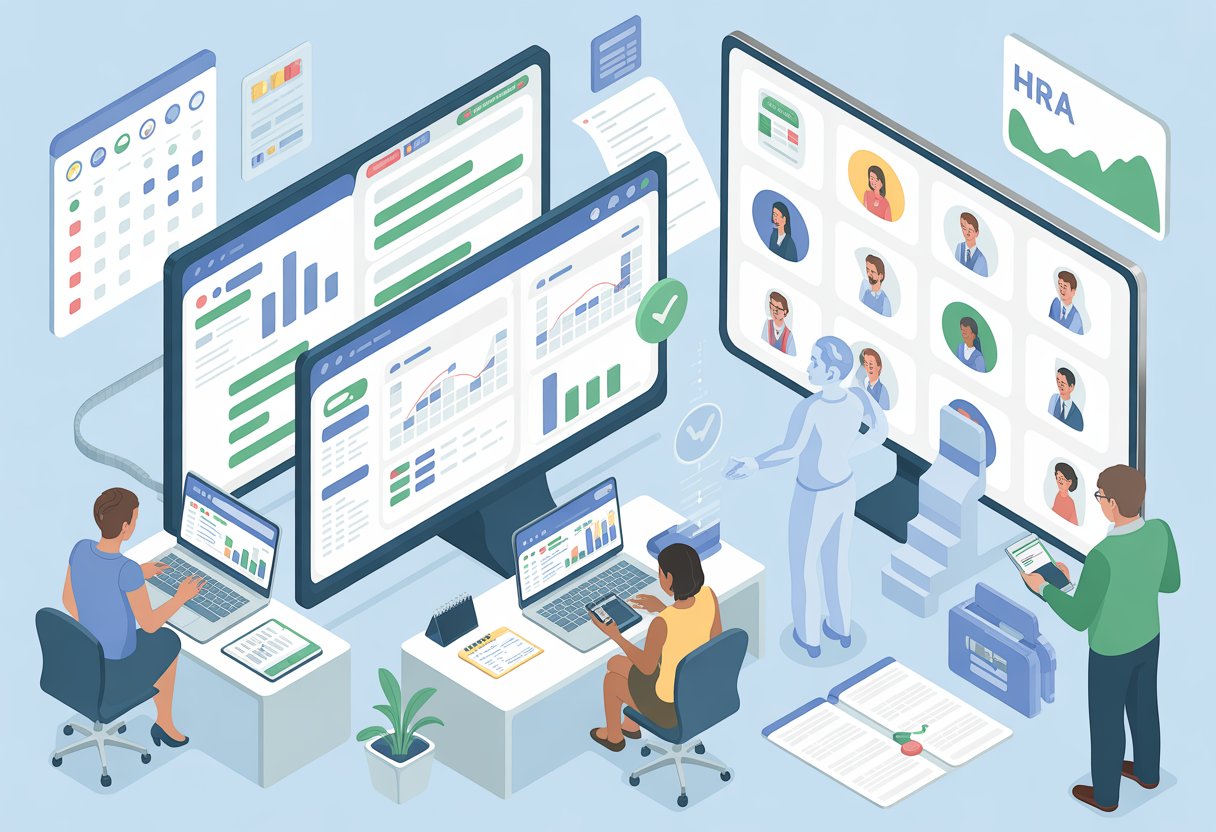
The right software simplifies compliance requirements, automates reimbursement processing, and connects seamlessly with existing business systems. Strong platforms reduce administrative burden while keeping employee health information secure and accessible.
Key Features to Look For
Compliance tools stand as the foundation of any reliable HRA administration software. The IRS requires businesses to maintain employee records for seven years. Quality platforms automatically generate legal plan documents and summary plan descriptions.
Privacy protection matters significantly. HIPAA regulations classify employee medical expenses as protected health information. The software must prevent business owners from viewing sensitive medical data while still allowing proper claim processing.
Employee-friendly interfaces make adoption easier. Workers need simple ways to submit reimbursement requests and track their allowances over time. The platform should provide clear communication tools and welcome materials for new participants.
Automated notifications help maintain compliance. The system should alert employees about their eligibility and annual allowances without manual intervention. Real-time access to accounting information allows administrators to monitor spending and approve claims efficiently.
Top Vendors and User Experience
WEX offers robust benefits administration platforms that handle multiple HRA types. Their systems support both QSEHRA and ICHRA arrangements with built-in compliance updates.
User experience varies across providers. The best platforms feature cloud-based access and intuitive dashboards. Administrators can track reimbursements, manage enrollment, and generate reports without extensive training.
Support services distinguish quality vendors from basic options. Some companies provide dedicated HRA experts to guide businesses through policy changes and regulatory updates. Employee support channels help workers understand their benefits and resolve claim issues quickly.
Pricing structures typically include monthly fees based on employee count. Some vendors charge enrollment fees while others waive them. Businesses should compare the total cost against the features and support provided.
Integration With Payroll and HR Systems
Modern HRA platforms connect with existing payroll software to streamline reimbursements. Direct deposit capabilities allow approved claims to flow directly into employee bank accounts alongside regular paychecks.
Integration reduces duplicate data entry and minimizes errors. When the HRA system syncs with HR databases, employee information updates automatically across platforms. This connection maintains accurate records for eligibility tracking and compliance reporting.
Payment processing flexibility matters for efficient operations. Most systems accept multiple payment methods beyond direct deposit, including checks and debit cards. The software should track which expenses have been reimbursed and update available balances in real time.
Data security becomes critical when systems share information. Encrypted connections between platforms protect sensitive health information during transfers. Proper integration also ensures that tax reporting captures all reimbursements accurately for year-end filing.
Document Management and Security Best Practices
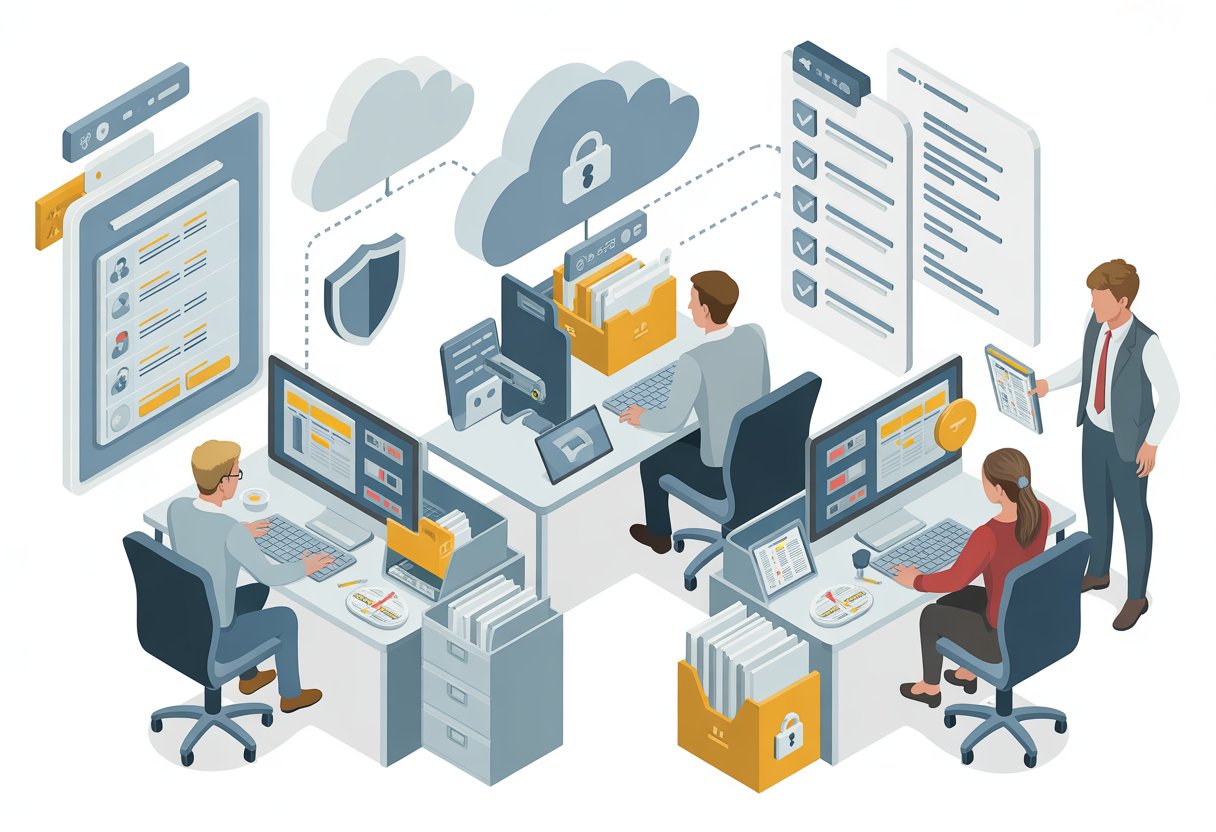
HRA document management requires organized storage systems and strong security measures to protect sensitive health information. Proper document handling ensures compliance with federal regulations while giving employees secure access to their records.
Submitting, Storing, and Accessing HRA Documents
Employees submit supporting documents through secure portals within their HRA administration software. These portals accept receipts, invoices, and explanation of benefits forms in common file formats like PDF, JPEG, and PNG.
The software stores all documents in encrypted digital repositories. Each file is tagged with employee information, transaction dates, and expense categories for easy retrieval.
Access controls determine who can view specific documents. Employees see only their own files, while HR administrators have broader access based on their roles. Multi-factor authentication adds an extra security layer before anyone can log in.
Modern systems allow employees to upload documents from mobile devices or computers. They can also download their records when needed for tax purposes or personal tracking.
Retention Policies and Compliance
HRA compliance requires keeping documents for specific timeframes. Federal law mandates retaining HRA records for at least six years after plan termination or the date a claim was paid.
Organizations must establish clear retention schedules that meet both federal and state requirements. Some states require longer retention periods than federal law.
The system should automatically flag documents approaching their retention deadline. IT teams can then archive or destroy records according to the privacy policy and legal requirements.
Document retention schedules should cover:
- Employee enrollment forms
- Claim receipts and supporting documents
- Reimbursement approvals
- Plan amendments
- Audit records
Ensuring Data Protection
Data protection starts with encryption of documents both in storage and during transmission. HRA document management systems should use industry-standard encryption protocols.
Regular security audits identify vulnerabilities before they become problems. These audits test access controls, encryption strength, and backup systems.
Automated backups protect against data loss from technical failures or cyberattacks. Organizations should maintain both on-site and off-site backups that update daily.
Role-based permissions limit document access to authorized personnel only. HR staff members receive access based on their specific job functions rather than blanket access to all records.
The system should log all document access and changes. These audit trails show who viewed or modified files and when those actions occurred.
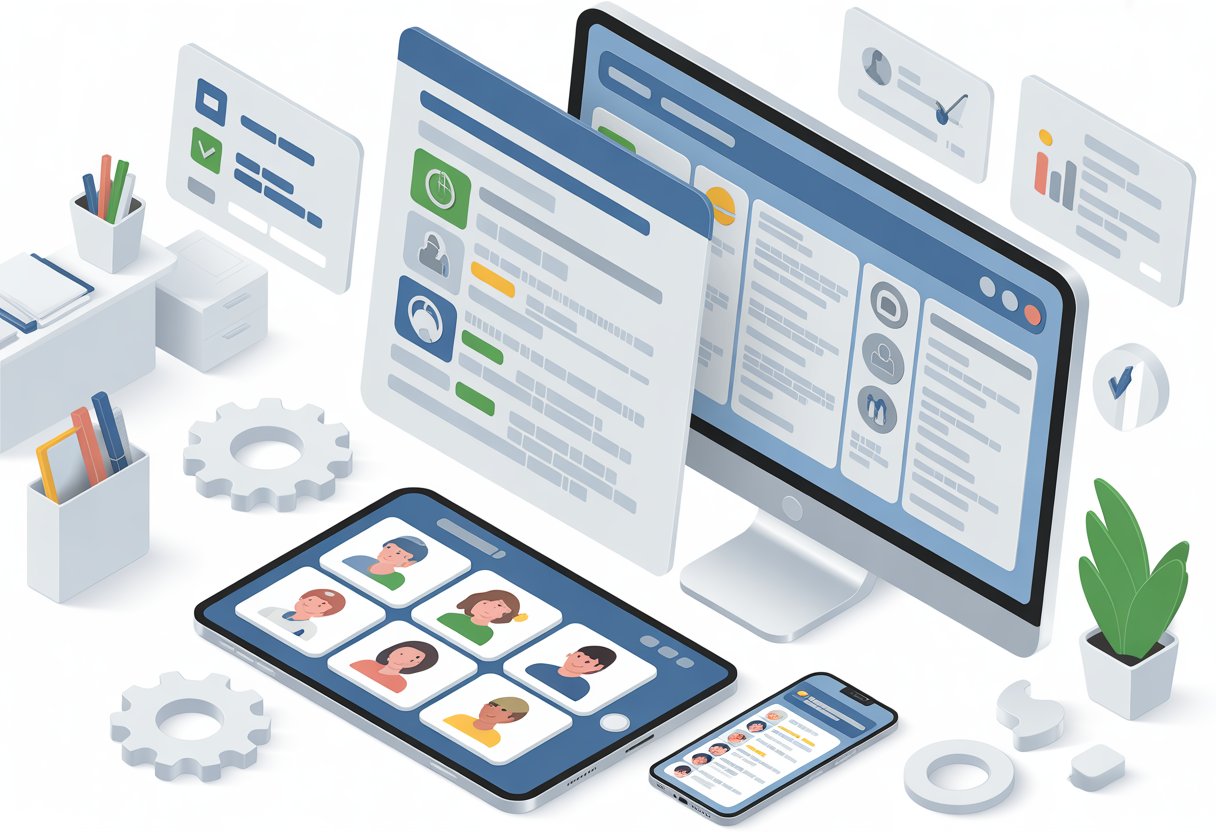
ACCESS HRA provides both a website and mobile app that let users apply for benefits, submit documents, and manage their cases anytime. The platform handles multiple HRA programs through one login and includes document tracking and appointment management features.
Features of ACCESS HRA and Other Portals
ACCESS HRA serves as the main digital platform for applying to government programs. Users can apply for Cash Assistance, SNAP, Medicaid, HEAP, Fair Fares NYC, CityFHEPS, and Child Support through one account.
The platform works on computers and mobile devices. Both versions let users check their case status and update personal information like addresses and phone numbers.
Users can also check their EBT balance directly through the system. The ACCESS HRA Mobile App offers the same features as the website but adds location services for finding HRA offices.
The platform connects to New York State’s secure system for account creation. This keeps personal information private by law.
Uploading and Tracking Documents
Supporting documents can be uploaded through the website or mobile app at any time. The ACCESS HRA Mobile App includes a dedicated upload feature that makes document management easier.
Users need to submit documents that prove their eligibility for benefits. The type of documents required depends on which program they’re applying to.
The platform accepts common file types for uploading. Users can take photos of paper documents or upload existing digital files.
After uploading, applicants can track which documents HRA has received. This helps users know if they need to submit additional paperwork for their application or recertification.
Managing Appointments and Notifications
The ACCESS HRA Mobile App lets users view upcoming HRA appointments and get directions to office locations. This feature helps people plan their visits and avoid missing important meetings.
Users can sign up for text message notifications about their cases. By providing a phone number, they consent to receive informational calls and texts from HRA about their benefits.
The text messaging service is optional. Users can reply “stop” to block messages at any time or text “unstop” to start receiving them again. Standard carrier message and data rates apply.
Notifications help users stay informed about application status changes, required documents, and upcoming deadlines without logging into the portal.
Integrating HRAs in Specialized Contexts
Health Reimbursement Arrangements require specific integration approaches when used in clinical research settings, particularly for studies involving investigational medicinal products and ethics committee oversight. Research teams must navigate distinct regulatory frameworks that differ from standard employee benefit applications.
Using HRAs for Clinical Research Teams
Research organizations can implement HRAs to support clinical trial staff with healthcare costs while maintaining compliance with research governance standards. These arrangements help institutions attract and retain qualified researchers by offsetting medical expenses that traditional group plans may not fully cover.
Clinical research teams face unique healthcare needs due to irregular schedules and potential exposure risks. An HRA can reimburse expenses like additional health screenings, vaccinations, or specialized insurance coverage required for work with investigational products. The employer owns and funds the account while employees access reimbursements for qualifying medical costs.
Organizations running multiple trials should establish clear policies about HRA eligibility for different team roles. Principal investigators, research nurses, and data coordinators may have varying coverage needs based on their direct involvement with study participants.
Ethics Approval: HRA, CTIMPs, and Research Ethics Committees
The Health Research Authority (HRA) in the UK oversees ethics approval for clinical trials, including CTIMPs (Clinical Trials of Investigational Medicinal Products). Research teams must submit applications through IRAS (Integrated Research Application System) to obtain necessary approvals before starting any clinical investigation.
CTIMPs require review by a Research Ethics Committee to ensure participant safety and study integrity. The committee evaluates protocol design, informed consent procedures, and risk management strategies. Researchers must demonstrate that their CTIMP follows Good Clinical Practice guidelines and complies with medicines regulations.
The HRA assessment process examines both scientific validity and ethical considerations. Teams conducting CTIMPs need approval from both the Research Ethics Committee and the Medicines and Healthcare products Regulatory Agency before enrolling participants.
Maintaining and Optimizing Your HRA Program
An HRA program requires regular attention to stay effective and deliver maximum value. Employers should focus on reviewing plan performance, gathering employee input, and adjusting the program as their company changes.
Continuous Improvement and Regular Reviews
Employers should review their HRA program at least once per year to identify areas for improvement. This review should examine claim submission rates, reimbursement timing, and employee participation levels.
Plan administrators need to track which expenses employees claim most often. This data helps employers decide whether to adjust allowance amounts or change what qualifies for reimbursement. If most employees max out their allowances early in the year, the employer might need to increase contribution levels.
Compliance requirements change over time. Employers must update their plan documents and administration procedures when IRS or Department of Labor rules change. Regular reviews catch compliance gaps before they become problems.
The employer should also compare their HRA benefits against industry standards. This helps them stay competitive when recruiting and retaining staff.
Employee Engagement and Feedback
Employees who understand their HRA benefits use them more often. Employers should send regular reminders about available allowances and eligible expenses throughout the year, not just during enrollment.
Creating multiple feedback channels helps employers learn what works and what doesn’t. Simple surveys, suggestion boxes, or quick check-ins during benefits meetings give employees a voice. The feedback often reveals pain points like confusing claim forms or unclear expense categories.
Employers can improve participation by sharing success stories. When employees see how coworkers use their HRA for dental work, prescription costs, or preventive care, they better understand the program’s value. Personalization matters too. Different employee groups have different needs, so targeted communication works better than generic announcements.
Scaling With Organizational Growth
As companies grow, their HRA needs change. A business with 30 employees has different requirements than one with 200 employees. Employers should evaluate whether their current HRA type still fits their size and structure.
Companies adding new locations or employee classes need to adjust their plan design. They can set different allowance amounts for full-time versus part-time workers or create separate offerings for different departments. This flexibility in ongoing management keeps the program fair and sustainable.
Technology needs scale with growth too. What worked for manual claim processing with a small team becomes inefficient as headcount increases. Employers should consider upgrading to platforms that automate reimbursements and provide better reporting tools as they expand.
Frequently Asked Questions
Understanding approval requirements, application procedures, and common challenges helps researchers navigate the HRA process more effectively. These questions address key concerns about determining approval needs, completing applications, and meeting regulatory standards.
How do I determine whether my study requires HRA approval before I start?
Researchers should first identify whether their study involves NHS patients, staff, or resources in England. Studies using NHS data, facilities, or recruiting through NHS services typically require HRA approval.
The type of research also matters. Clinical trials of investigational medicinal products or medical devices usually need HRA review. Studies involving only anonymized data or those conducted entirely in private settings may not require HRA approval.
Researchers can use the HRA decision tool on their website to get guidance. This tool asks specific questions about the study design and setting. It provides a recommendation based on the answers provided.
What information and supporting documents are typically needed to complete an HRA application?
Applications require a complete protocol that describes the research objectives, methodology, and participant involvement. The protocol should include details about recruitment, data collection, and analysis plans.
Supporting documents include the participant information sheet and consent forms. These materials must explain the study in clear language that participants can understand. They need to cover risks, benefits, and data handling procedures.
Researchers must also submit proof of insurance or indemnity coverage. Ethics committee approval letters and CV summaries for key investigators are required. Studies involving special populations or procedures may need additional documentation.
Where can I find and use an HRA application template to ensure I include all required sections?
The HRA provides standardized application forms through the Integrated Research Application System (IRAS). This online system guides researchers through each required section. It ensures all necessary information is captured in the correct format.
IRAS templates vary based on study type. Researchers select the appropriate form based on whether they’re conducting a clinical trial, observational study, or other research type. The system only displays relevant questions for each study category.
The IRAS website offers user guides and training materials. These resources explain how to complete each section accurately. Researchers can save progress and return to incomplete applications.
How can I search the HRA database to track application status and locate published research summaries?
Researchers can log into their IRAS account to view application status updates. The system shows which stage of review the application is currently in. It displays any queries or requests for additional information from reviewers.
The HRA also maintains a public database of approved studies. This database allows anyone to search for research projects by keyword, condition, or institution. It provides transparency about ongoing NHS research.
Published study summaries include basic information about objectives and participant involvement. These summaries help patients and the public learn about research opportunities. They also help researchers identify similar studies in their field.
What are the common reasons HRA applications are delayed, and how can I avoid them?
Incomplete applications cause the most frequent delays. Missing documents or inadequately completed sections require additional correspondence. Researchers should review all requirements carefully before submission.
Unclear participant information sheets often trigger requests for revision. These documents must be written in plain language without excessive jargon. They need to clearly explain what participation involves and how long it will take.
Insufficient detail about data protection and storage raises concerns. Applications must specify how personal information will be kept secure and who will have access. They should explain retention periods and disposal methods.
Inconsistencies between the protocol and other documents create confusion. All submitted materials should align in their description of procedures and timelines. Researchers should cross-check documents before submission to ensure consistency.
How do I apply MHRA guidance to auxiliary medicinal products within a UK research study?
The Medicines and Healthcare products Regulatory Agency (MHRA) regulates clinical trials involving medicinal products in the UK. Researchers must determine whether auxiliary products meet the definition of investigational medicinal products (IMPs). This classification affects regulatory requirements.
Auxiliary medicinal products that are not the main focus of the trial may still need MHRA oversight. Products used to enable trial conduct or as comparators require careful assessment. Researchers should review MHRA guidance documents specific to their product type.
Studies using licensed medicines within their approved indications may qualify for streamlined processes. However, any modifications to licensed products or off-label use typically requires full MHRA authorization. Researchers must submit a Clinical Trial Authorization application for products classified as IMPs.
The MHRA provides scientific advice services for complex cases. Researchers uncertain about classification or requirements can request guidance before submitting formal applications. Early consultation helps prevent delays and ensures compliance with UK regulations.
Post Views: 8

Elevate Your Health for Just $29.99/Month
Join the Precision Wellness Subscription at My Healing 365 and get discounted services, priority coaching access, virtual care, and exclusive wellness resources to support your physical, emotional, and hormonal health.
Join for $29.99/MonthMedically Reviewed
Dr. Jose Rossello, MD, PhD, MHCM
Preventive Medicine & Public Health Specialist
Last Reviewed: June 23, 2026
Health Reimbursement Arrangements give employers a flexible way to provide health benefits while controlling costs. These employer-funded accounts let companies reimburse employees for medical expenses and insurance premiums tax-free. An HRA tool streamlines the entire process from setup through daily administration, helping businesses manage employee benefits efficiently while staying compliant with federal regulations.
Understanding how to use an HRA tool properly makes the difference between a smooth benefits program and one that creates headaches for HR teams. The right approach involves choosing the correct HRA type, setting up legal documents, determining allowances, and providing employees with the resources they need. Setting up an ICHRA involves seven basic steps that any business can follow.
Personalization stands out as a key advantage of modern Health Reimbursement Arrangements. Employers can customize allowances based on employee classes, family size, or age. This flexibility allows companies to design benefits that work for their specific workforce while maintaining full control over their budget.
Key Takeaways
- HRA tools help employers set up and manage tax-free health reimbursement accounts for employees
- Proper HRA administration requires following specific steps for setup, documentation, and ongoing compliance
- Modern HRA solutions offer personalization options that let businesses customize benefits by employee class and individual needs
Core Concepts of Health Reimbursement Arrangements
An HRA is a tax-advantaged benefits solution that allows employers to reimburse their employees for qualified health costs or individual insurance premiums. These arrangements give companies control over healthcare spending while providing workers with flexibility to choose coverage that fits their needs.
How HRAs Work for Employers and Employees
Health Reimbursement Arrangements are medical expense reimbursement plans funded exclusively by employers for their workforce. The company sets aside a specific dollar amount each month or year that employees can use for healthcare costs. Workers pay for their medical expenses upfront and then submit receipts or claims to get reimbursed.
Employers decide how much money to allocate per employee. They also determine which expenses qualify for reimbursement under their plan. Employees cannot contribute their own money to an HRA.
The employer owns the account and any unused funds. When a worker leaves the company, they typically lose access to remaining HRA dollars unless the employer offers a continuation option. Some plans allow former employees to use their balance for a limited time after employment ends.
Tax Advantages and Qualified Medical Expenses
Reimbursements through an HRA are tax-deductible for the company and tax-exempt for employees. This creates savings for both parties. Employers reduce their taxable income while employees receive benefits without paying income or payroll taxes.
Qualified medical expenses include doctor visits, prescription medications, dental care, vision services, and many other healthcare costs. Individual health insurance premiums often qualify for reimbursement depending on the HRA type. The IRS defines eligible expenses under Section 213(d) of the tax code.
Employees must use HRA funds only for approved medical expenses. Using the money for non-medical purposes can result in tax penalties. Most plans require documentation like receipts or explanation of benefits statements to verify expenses.
Comparison With Traditional Group Health Plans
Traditional group health plans pool employees into one insurance policy that the employer purchases and manages. The company typically pays a portion of premiums while employees contribute through payroll deductions. Coverage options are limited to what the employer selects.
HRAs work differently by giving employees more control over their healthcare choices. Workers can often select their own individual health insurance premiums and coverage levels. The employer provides a fixed reimbursement amount rather than paying for a specific insurance plan.
Group health plans offer predictable coverage but less flexibility. HRAs provide choice but require employees to shop for coverage themselves. Cost sharing also differs—traditional plans split premiums between employer and employee, while HRAs typically involve full employer funding with employee out-of-pocket expenses reimbursed up to set limits.
Types of HRA Solutions Explained
Employers can choose from several types of HRAs that serve different business sizes and employee needs. Each HRA type has specific rules about who qualifies, what expenses are covered, and how much employers can contribute.
Qualified Small Employer HRA (QSEHRA)
The Qualified Small Employer HRA works exclusively for businesses with fewer than 50 full-time employees. This arrangement lets small employers reimburse workers for individual health insurance premiums and qualified medical expenses.
QSEHRA has annual contribution limits set by the IRS. Employers must offer the benefit to all full-time employees on the same terms. The reimbursements are tax-free for employees and tax-deductible for the business.
Employees can use QSEHRA funds for plans that meet Minimum Essential Coverage requirements. This includes marketplace plans, Medicare, Medicaid, CHIP, and coverage through a spouse or parent. Short-term plans and health sharing ministries don’t qualify for reimbursement.
The qualified small employer HRA doesn’t require employers to pay upfront. Reimbursements happen only after employees submit valid receipts for approved expenses.
Individual Coverage HRA (ICHRA)
The Individual Coverage HRA became available in January 2020 and works for employers of any size. ICHRA lets companies reimburse employees for individual health insurance premiums and other qualified medical expenses without contribution limits.
Employers can create different classes of employees based on job type, location, or employment status. Each class can receive different allowance amounts. This flexibility helps businesses customize benefits for different worker groups.
Employees must have individual health coverage that qualifies. Acceptable plans include Bronze, Silver, and Gold marketplace plans, Medicare Part A and B or Part C, and catastrophic plans for those under 30. Coverage through a spouse’s employer plan doesn’t qualify for ICHRA reimbursement.
The individual coverage HRA triggers a Special Enrollment Period. This means employees can sign up for health insurance within 60 days of becoming eligible for the benefit.
Excepted Benefit HRA (EBHRA)
The Excepted Benefit HRA must be offered alongside a traditional group health insurance plan. EBHRA helps employees pay for additional medical costs like dental care, vision services, coinsurance, and copayments.
The IRS sets a yearly contribution cap for EBHRA plans. Employers cannot use this arrangement as a standalone benefit. It serves as a supplement to existing group coverage.
Employees can access EBHRA funds for expenses their primary insurance doesn’t cover. Common uses include eyeglasses, dental cleanings, and prescription copays.
Group Coverage HRA and Other HRA Types
Group Coverage HRAs integrate with traditional group health insurance plans. These arrangements help reimburse out-of-pocket medical expenses not covered by the group plan, such as deductible payments and copays.
Other HRA types serve specific situations:
Integrated HRAs work alongside group health insurance to cover additional medical costs. The Excepted Benefit HRA is one type of integrated arrangement.
Traditional HRAs cover medical expenses but cannot reimburse insurance premiums. These plans must pair with employer-sponsored group coverage.
Retiree HRAs help former employees pay for insurance premiums and medical expenses after retirement.
Medicare HRAs allow employers with fewer than 20 employees to reimburse portions of Medicare supplement premiums.
One-Person 105 HRAs provide benefits for self-employed business owners or companies with just one employee, often a spouse active in the business.
Personalization and Flexibility in HRA Design
HRAs stand out from traditional group health plans because employers can tailor every aspect to fit their workforce and budget. Customizing the benefit means setting specific allowances, choosing which employees qualify, and deciding what expenses are reimbursable.
Customizing Allowances and Employee Classes
Employers set monthly or annual allowance amounts based on what they can afford. The amount can vary by employee type depending on the HRA chosen.
With an ICHRA, companies can create up to 11 different employee classes. These classes include full-time, part-time, seasonal, and salaried workers. Each class can receive different allowance amounts and have different eligibility rules.
A QSEHRA allows variation based on age or family status. Older employees or those with families can receive higher amounts than younger, single workers. This helps employers address the different healthcare needs across their workforce.
Common ways to customize allowances:
- Set different amounts for employees with dependents versus individual coverage
- Offer higher allowances to employees in high-cost regions
- Adjust amounts based on employee tenure or position level
- Cap total annual spending while maintaining flexibility
Integrating With Individual Health Insurance
Both QSEHRAs and ICHRAs require employees to have their own individual health insurance coverage to participate. Employees purchase plans from the marketplace or directly from insurers.
The HRA then reimburses individual health insurance premiums tax-free up to the set allowance amount. This gives workers more control over their healthcare choices compared to traditional group plans.
Employers should provide resources to help employees shop for coverage. Some HRA administration platforms include integrated shopping tools. Others partner with brokers who guide employees through the selection process.
Employees need qualified health plans that provide minimum essential coverage for QSEHRAs. ICHRAs also require individual coverage but offer more flexibility in plan selection.
Matching HRA Types to Company Needs
Different HRA types serve different business situations. Small businesses with fewer than 50 employees typically choose QSEHRAs as their first health benefit offering.
Companies of any size can offer ICHRAs. Many use them as alternatives to expensive group policies. ICHRAs have no contribution limits, giving employers unlimited flexibility in allowance amounts.
Organizations with existing group plans can add a GCHRA or EBHRA. A GCHRA helps employees pay deductibles and out-of-pocket costs. An EBHRA covers dental and vision expenses only.
Key factors in choosing an HRA type:
| Factor | Best HRA Option |
|---|---|
| Company size under 50 employees | QSEHRA |
| Need for unlimited contributions | ICHRA or GCHRA |
| Already have group insurance | GCHRA or EBHRA |
| Want maximum employee class options | ICHRA |
Employers can also customize waiting periods up to 90 days for new hires. They decide whether to cover just premiums or include out-of-pocket medical expenses.
Setting Up Your HRA: Step-by-Step Process
Getting an HRA up and running requires employers to complete specific setup tasks, prepare required documents, and communicate the plan to employees. The process involves creating a detailed checklist, drafting formal plan documentation, and establishing clear communication channels with staff members.
Checklist for HRA Setup
A complete HRA implementation checklist helps employers track each required step. The first task involves reviewing and acknowledging HRA documents to ensure all parties understand the terms.
Employers must then set up their employee roster by uploading a list of participants or adding them individually. This step allows the HRA admin to tailor the plan to the company’s specific workforce needs.
The next steps include:
- AutoPay configuration – Connecting a bank account for automated reimbursements
- Email invitation scheduling – Setting dates to notify employees about their new benefits
- Subscription billing setup – Managing payment methods and invoices
All initial steps must be completed before purchasing an HRA subscription. The setup process includes a progress tracker that shows how many steps remain, typically displaying completion as “4 out of 5” or similar metrics.
Plan Documents and Summary Plan Description
Every HRA requires a formal plan document that outlines how the arrangement operates. This legal document specifies eligibility requirements, covered expenses, reimbursement limits, and claims procedures.
The summary plan description provides employees with a simplified version of the plan document. It explains benefits in clear language that participants can easily understand without legal expertise.
These documents serve different purposes. The plan document acts as the legal foundation for the HRA, while the summary plan description helps employees know what benefits they can access. Employers must maintain both documents and update them when plan terms change.
Document management becomes critical during setup. The HRA admin needs to store these files securely and make them accessible to employees when needed.
Onboarding and Employee Communication
Employee onboarding starts with sending invitation emails at a scheduled date. These invitations introduce the HRA and explain how employees can begin using their benefits.
The communication should cover basic information like how to submit claims, what expenses qualify for reimbursement, and where to find help. Employers can use the ACCESS HRA website platform or similar tools to provide step-by-step account creation instructions.
New employees need clear guidance on accessing their HRA accounts. The HRA admin should provide login credentials, explain the claims submission process, and share contact information for questions.
Regular communication helps employees use their benefits effectively. Updates about plan changes, reminder emails about available funds, and quick-reference guides keep participants informed throughout the year.
Ongoing HRA Administration and Support
Once an HRA is up and running, employers need systems in place for regular funding, tracking claims, and maintaining proper records. These daily tasks keep the benefit running smoothly and help organizations stay compliant with federal requirements.
Fund Replenishment and Direct Deposit
Employers need to refill HRA funds regularly to reimburse employees for approved claims. Most businesses set up a replenishment schedule based on their reimbursement volume and cash flow needs.
Setting up direct deposit makes the reimbursement process faster for everyone. Employees receive their approved funds directly in their bank accounts within a few business days. This eliminates the need to issue paper checks and reduces processing time.
HRA admin platforms typically notify employers when funds are running low or when reimbursements are ready to process. Some HRA administration software integrates with payroll systems to streamline the payment process. Employers can also choose to reimburse employees through their regular payroll cycle instead of separate payments.
Reporting and Recordkeeping
The IRS requires employers to keep all HRA documentation for seven years. This includes employee receipts, claim forms, and plan documents.
Digital document management systems store these records securely in the cloud. Employers can access historical claims data whenever needed for audits or compliance checks. Most platforms organize files by employee and date to make retrieval simple.
Regular reporting helps employers track their HRA spending and budget accordingly. Standard reports show total reimbursements by month, remaining allowances per employee, and claim approval rates. Features to expect from HRA providers include automated report generation and export capabilities for accounting purposes.
Handling Claims and Supporting Documents
Employees submit claims along with supporting documents that prove they paid for eligible expenses. These documents typically include receipts, invoices, or explanation of benefits statements from insurance companies.
The documentation must show four key details: the date of service, the type of expense, the amount paid, and who received the service. Claims without proper supporting documents get rejected until employees provide the correct information.
Many HRA platforms review submitted documentation automatically or have staff members check each claim for compliance. This protects employers from accidentally approving ineligible expenses. Employees can upload supporting documents through mobile apps or web portals, which speeds up the submission process compared to email or paper forms.
Compliance Essentials and Legal Requirements
Running an HRA requires following specific federal regulations to protect employee health information and maintain tax advantages. Employers must establish proper safeguards for protected health information, understand IRS requirements for qualified medical expenses, and implement privacy policies that meet legal standards.
HIPAA Regulations and PHI Safeguards
HIPAA privacy rules apply to all HRAs regardless of company size. These regulations control when and how employers can access or share employee protected health information.
Employers must designate HIPAA privacy officers who handle employee PHI directly. These officers serve as the primary point of contact for all health-related information and complaints.
Written privacy procedures are mandatory. These procedures must include:
- Physical security measures for paper documents
- Electronic security protocols for digital records
- Technical safeguards like password protection and encryption
- Clear processes for employees to file complaints
Employers cannot use PHI when making employment decisions or benefit determinations. This separation protects employees from discrimination based on their health conditions or medical expenses.
IRS Publication 502 and Tax Considerations
The IRS requires proper documentation for all reimbursed expenses. Employees must submit substantiation materials that prove the expense qualifies as a medical expense under IRS Publication 502.
Acceptable documentation includes itemized receipts, explanation of benefits statements, or detailed billing histories. Some expenses require a doctor’s note to establish medical necessity.
Employers must keep these records on file for seven years to comply with IRS requirements. Failure to maintain proper documentation can result in penalties during an audit.
Reimbursements through an HRA are tax-free for employees when properly substantiated. Employers also receive tax deductions for their HRA contributions.
Privacy Policy and Benefits Administration
A formal privacy policy establishes clear boundaries for handling sensitive health information. The policy should specify who can access employee health data and under what circumstances.
Plan documents must identify named fiduciaries and administrators along with their specific responsibilities. These documents create the legal framework for the HRA and define how the benefit operates.
Employers need a summary plan description that explains the HRA in simple terms. This document helps employees understand their rights, benefits, and obligations under the plan.
Most employers work with HRA administration platforms to handle compliance requirements. These platforms manage documentation, ensure proper record retention, and maintain the technical safeguards needed for HIPAA compliance.
Effective HRA Administration Software
The right software simplifies compliance requirements, automates reimbursement processing, and connects seamlessly with existing business systems. Strong platforms reduce administrative burden while keeping employee health information secure and accessible.
Key Features to Look For
Compliance tools stand as the foundation of any reliable HRA administration software. The IRS requires businesses to maintain employee records for seven years. Quality platforms automatically generate legal plan documents and summary plan descriptions.
Privacy protection matters significantly. HIPAA regulations classify employee medical expenses as protected health information. The software must prevent business owners from viewing sensitive medical data while still allowing proper claim processing.
Employee-friendly interfaces make adoption easier. Workers need simple ways to submit reimbursement requests and track their allowances over time. The platform should provide clear communication tools and welcome materials for new participants.
Automated notifications help maintain compliance. The system should alert employees about their eligibility and annual allowances without manual intervention. Real-time access to accounting information allows administrators to monitor spending and approve claims efficiently.
Top Vendors and User Experience
WEX offers robust benefits administration platforms that handle multiple HRA types. Their systems support both QSEHRA and ICHRA arrangements with built-in compliance updates.
User experience varies across providers. The best platforms feature cloud-based access and intuitive dashboards. Administrators can track reimbursements, manage enrollment, and generate reports without extensive training.
Support services distinguish quality vendors from basic options. Some companies provide dedicated HRA experts to guide businesses through policy changes and regulatory updates. Employee support channels help workers understand their benefits and resolve claim issues quickly.
Pricing structures typically include monthly fees based on employee count. Some vendors charge enrollment fees while others waive them. Businesses should compare the total cost against the features and support provided.
Integration With Payroll and HR Systems
Modern HRA platforms connect with existing payroll software to streamline reimbursements. Direct deposit capabilities allow approved claims to flow directly into employee bank accounts alongside regular paychecks.
Integration reduces duplicate data entry and minimizes errors. When the HRA system syncs with HR databases, employee information updates automatically across platforms. This connection maintains accurate records for eligibility tracking and compliance reporting.
Payment processing flexibility matters for efficient operations. Most systems accept multiple payment methods beyond direct deposit, including checks and debit cards. The software should track which expenses have been reimbursed and update available balances in real time.
Data security becomes critical when systems share information. Encrypted connections between platforms protect sensitive health information during transfers. Proper integration also ensures that tax reporting captures all reimbursements accurately for year-end filing.
Document Management and Security Best Practices
HRA document management requires organized storage systems and strong security measures to protect sensitive health information. Proper document handling ensures compliance with federal regulations while giving employees secure access to their records.
Submitting, Storing, and Accessing HRA Documents
Employees submit supporting documents through secure portals within their HRA administration software. These portals accept receipts, invoices, and explanation of benefits forms in common file formats like PDF, JPEG, and PNG.
The software stores all documents in encrypted digital repositories. Each file is tagged with employee information, transaction dates, and expense categories for easy retrieval.
Access controls determine who can view specific documents. Employees see only their own files, while HR administrators have broader access based on their roles. Multi-factor authentication adds an extra security layer before anyone can log in.
Modern systems allow employees to upload documents from mobile devices or computers. They can also download their records when needed for tax purposes or personal tracking.
Retention Policies and Compliance
HRA compliance requires keeping documents for specific timeframes. Federal law mandates retaining HRA records for at least six years after plan termination or the date a claim was paid.
Organizations must establish clear retention schedules that meet both federal and state requirements. Some states require longer retention periods than federal law.
The system should automatically flag documents approaching their retention deadline. IT teams can then archive or destroy records according to the privacy policy and legal requirements.
Document retention schedules should cover:
- Employee enrollment forms
- Claim receipts and supporting documents
- Reimbursement approvals
- Plan amendments
- Audit records
Ensuring Data Protection
Data protection starts with encryption of documents both in storage and during transmission. HRA document management systems should use industry-standard encryption protocols.
Regular security audits identify vulnerabilities before they become problems. These audits test access controls, encryption strength, and backup systems.
Automated backups protect against data loss from technical failures or cyberattacks. Organizations should maintain both on-site and off-site backups that update daily.
Role-based permissions limit document access to authorized personnel only. HR staff members receive access based on their specific job functions rather than blanket access to all records.
The system should log all document access and changes. These audit trails show who viewed or modified files and when those actions occurred.
ACCESS HRA provides both a website and mobile app that let users apply for benefits, submit documents, and manage their cases anytime. The platform handles multiple HRA programs through one login and includes document tracking and appointment management features.
Features of ACCESS HRA and Other Portals
ACCESS HRA serves as the main digital platform for applying to government programs. Users can apply for Cash Assistance, SNAP, Medicaid, HEAP, Fair Fares NYC, CityFHEPS, and Child Support through one account.
The platform works on computers and mobile devices. Both versions let users check their case status and update personal information like addresses and phone numbers.
Users can also check their EBT balance directly through the system. The ACCESS HRA Mobile App offers the same features as the website but adds location services for finding HRA offices.
The platform connects to New York State’s secure system for account creation. This keeps personal information private by law.
Uploading and Tracking Documents
Supporting documents can be uploaded through the website or mobile app at any time. The ACCESS HRA Mobile App includes a dedicated upload feature that makes document management easier.
Users need to submit documents that prove their eligibility for benefits. The type of documents required depends on which program they’re applying to.
The platform accepts common file types for uploading. Users can take photos of paper documents or upload existing digital files.
After uploading, applicants can track which documents HRA has received. This helps users know if they need to submit additional paperwork for their application or recertification.
Managing Appointments and Notifications
The ACCESS HRA Mobile App lets users view upcoming HRA appointments and get directions to office locations. This feature helps people plan their visits and avoid missing important meetings.
Users can sign up for text message notifications about their cases. By providing a phone number, they consent to receive informational calls and texts from HRA about their benefits.
The text messaging service is optional. Users can reply “stop” to block messages at any time or text “unstop” to start receiving them again. Standard carrier message and data rates apply.
Notifications help users stay informed about application status changes, required documents, and upcoming deadlines without logging into the portal.
Integrating HRAs in Specialized Contexts
Health Reimbursement Arrangements require specific integration approaches when used in clinical research settings, particularly for studies involving investigational medicinal products and ethics committee oversight. Research teams must navigate distinct regulatory frameworks that differ from standard employee benefit applications.
Using HRAs for Clinical Research Teams
Research organizations can implement HRAs to support clinical trial staff with healthcare costs while maintaining compliance with research governance standards. These arrangements help institutions attract and retain qualified researchers by offsetting medical expenses that traditional group plans may not fully cover.
Clinical research teams face unique healthcare needs due to irregular schedules and potential exposure risks. An HRA can reimburse expenses like additional health screenings, vaccinations, or specialized insurance coverage required for work with investigational products. The employer owns and funds the account while employees access reimbursements for qualifying medical costs.
Organizations running multiple trials should establish clear policies about HRA eligibility for different team roles. Principal investigators, research nurses, and data coordinators may have varying coverage needs based on their direct involvement with study participants.
Ethics Approval: HRA, CTIMPs, and Research Ethics Committees
The Health Research Authority (HRA) in the UK oversees ethics approval for clinical trials, including CTIMPs (Clinical Trials of Investigational Medicinal Products). Research teams must submit applications through IRAS (Integrated Research Application System) to obtain necessary approvals before starting any clinical investigation.
CTIMPs require review by a Research Ethics Committee to ensure participant safety and study integrity. The committee evaluates protocol design, informed consent procedures, and risk management strategies. Researchers must demonstrate that their CTIMP follows Good Clinical Practice guidelines and complies with medicines regulations.
The HRA assessment process examines both scientific validity and ethical considerations. Teams conducting CTIMPs need approval from both the Research Ethics Committee and the Medicines and Healthcare products Regulatory Agency before enrolling participants.
Maintaining and Optimizing Your HRA Program
An HRA program requires regular attention to stay effective and deliver maximum value. Employers should focus on reviewing plan performance, gathering employee input, and adjusting the program as their company changes.
Continuous Improvement and Regular Reviews
Employers should review their HRA program at least once per year to identify areas for improvement. This review should examine claim submission rates, reimbursement timing, and employee participation levels.
Plan administrators need to track which expenses employees claim most often. This data helps employers decide whether to adjust allowance amounts or change what qualifies for reimbursement. If most employees max out their allowances early in the year, the employer might need to increase contribution levels.
Compliance requirements change over time. Employers must update their plan documents and administration procedures when IRS or Department of Labor rules change. Regular reviews catch compliance gaps before they become problems.
The employer should also compare their HRA benefits against industry standards. This helps them stay competitive when recruiting and retaining staff.
Employee Engagement and Feedback
Employees who understand their HRA benefits use them more often. Employers should send regular reminders about available allowances and eligible expenses throughout the year, not just during enrollment.
Creating multiple feedback channels helps employers learn what works and what doesn’t. Simple surveys, suggestion boxes, or quick check-ins during benefits meetings give employees a voice. The feedback often reveals pain points like confusing claim forms or unclear expense categories.
Employers can improve participation by sharing success stories. When employees see how coworkers use their HRA for dental work, prescription costs, or preventive care, they better understand the program’s value. Personalization matters too. Different employee groups have different needs, so targeted communication works better than generic announcements.
Scaling With Organizational Growth
As companies grow, their HRA needs change. A business with 30 employees has different requirements than one with 200 employees. Employers should evaluate whether their current HRA type still fits their size and structure.
Companies adding new locations or employee classes need to adjust their plan design. They can set different allowance amounts for full-time versus part-time workers or create separate offerings for different departments. This flexibility in ongoing management keeps the program fair and sustainable.
Technology needs scale with growth too. What worked for manual claim processing with a small team becomes inefficient as headcount increases. Employers should consider upgrading to platforms that automate reimbursements and provide better reporting tools as they expand.
Frequently Asked Questions
Understanding approval requirements, application procedures, and common challenges helps researchers navigate the HRA process more effectively. These questions address key concerns about determining approval needs, completing applications, and meeting regulatory standards.
How do I determine whether my study requires HRA approval before I start?
Researchers should first identify whether their study involves NHS patients, staff, or resources in England. Studies using NHS data, facilities, or recruiting through NHS services typically require HRA approval.
The type of research also matters. Clinical trials of investigational medicinal products or medical devices usually need HRA review. Studies involving only anonymized data or those conducted entirely in private settings may not require HRA approval.
Researchers can use the HRA decision tool on their website to get guidance. This tool asks specific questions about the study design and setting. It provides a recommendation based on the answers provided.
What information and supporting documents are typically needed to complete an HRA application?
Applications require a complete protocol that describes the research objectives, methodology, and participant involvement. The protocol should include details about recruitment, data collection, and analysis plans.
Supporting documents include the participant information sheet and consent forms. These materials must explain the study in clear language that participants can understand. They need to cover risks, benefits, and data handling procedures.
Researchers must also submit proof of insurance or indemnity coverage. Ethics committee approval letters and CV summaries for key investigators are required. Studies involving special populations or procedures may need additional documentation.
Where can I find and use an HRA application template to ensure I include all required sections?
The HRA provides standardized application forms through the Integrated Research Application System (IRAS). This online system guides researchers through each required section. It ensures all necessary information is captured in the correct format.
IRAS templates vary based on study type. Researchers select the appropriate form based on whether they’re conducting a clinical trial, observational study, or other research type. The system only displays relevant questions for each study category.
The IRAS website offers user guides and training materials. These resources explain how to complete each section accurately. Researchers can save progress and return to incomplete applications.
How can I search the HRA database to track application status and locate published research summaries?
Researchers can log into their IRAS account to view application status updates. The system shows which stage of review the application is currently in. It displays any queries or requests for additional information from reviewers.
The HRA also maintains a public database of approved studies. This database allows anyone to search for research projects by keyword, condition, or institution. It provides transparency about ongoing NHS research.
Published study summaries include basic information about objectives and participant involvement. These summaries help patients and the public learn about research opportunities. They also help researchers identify similar studies in their field.
What are the common reasons HRA applications are delayed, and how can I avoid them?
Incomplete applications cause the most frequent delays. Missing documents or inadequately completed sections require additional correspondence. Researchers should review all requirements carefully before submission.
Unclear participant information sheets often trigger requests for revision. These documents must be written in plain language without excessive jargon. They need to clearly explain what participation involves and how long it will take.
Insufficient detail about data protection and storage raises concerns. Applications must specify how personal information will be kept secure and who will have access. They should explain retention periods and disposal methods.
Inconsistencies between the protocol and other documents create confusion. All submitted materials should align in their description of procedures and timelines. Researchers should cross-check documents before submission to ensure consistency.
How do I apply MHRA guidance to auxiliary medicinal products within a UK research study?
The Medicines and Healthcare products Regulatory Agency (MHRA) regulates clinical trials involving medicinal products in the UK. Researchers must determine whether auxiliary products meet the definition of investigational medicinal products (IMPs). This classification affects regulatory requirements.
Auxiliary medicinal products that are not the main focus of the trial may still need MHRA oversight. Products used to enable trial conduct or as comparators require careful assessment. Researchers should review MHRA guidance documents specific to their product type.
Studies using licensed medicines within their approved indications may qualify for streamlined processes. However, any modifications to licensed products or off-label use typically requires full MHRA authorization. Researchers must submit a Clinical Trial Authorization application for products classified as IMPs.
The MHRA provides scientific advice services for complex cases. Researchers uncertain about classification or requirements can request guidance before submitting formal applications. Early consultation helps prevent delays and ensures compliance with UK regulations.
Post Views: 8

























