
Medically Reviewed
Dr. Jose Rossello, MD, PhD, MHCM
Preventive Medicine & Public Health Specialist
Last Reviewed: March 31, 2026
Your hair needs specific nutrients to grow strong and healthy. When your diet lacks certain vitamins and minerals, your hair can become thin, brittle, or stop growing as fast as it should. Foods high in protein, omega-3 fatty acids, iron, and B-complex vitamins[1] support the hair growth cycle and help create stronger strands.
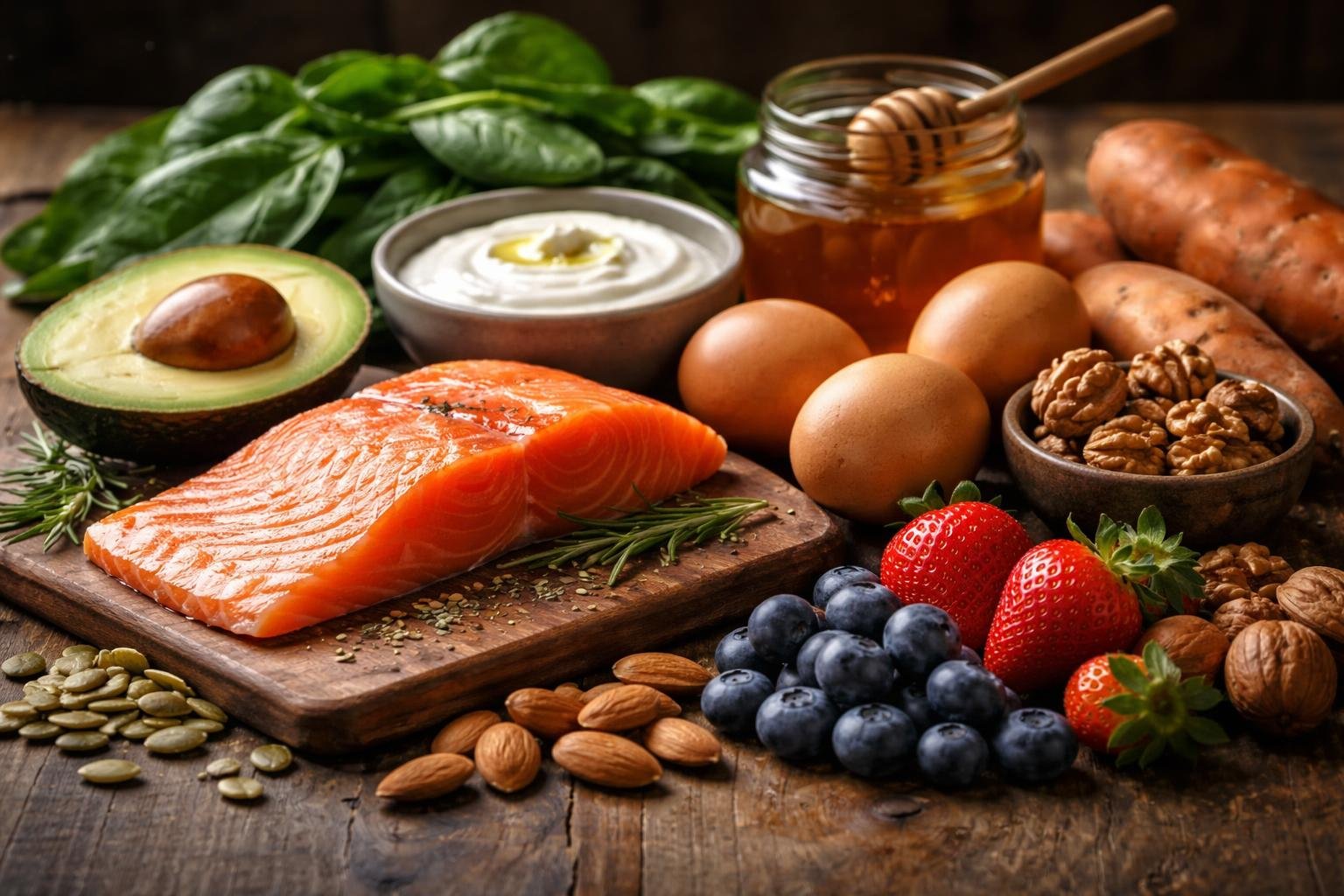
The connection between diet and hair health is clear. Hair follicles have a high metabolic rate and need constant nutrition to function properly. A deficiency in key nutrients can slow down growth or even lead to hair loss.
The good news is that simple changes to daily eating habits can make a difference. Adding the right foods to meals provides the building blocks hair needs to grow faster and look healthier. These 12 foods are backed by research and easy to find at any grocery store.
Table of Contents
Key Takeaways
- Eating nutrient-rich foods like fatty fish, eggs, and leafy greens can promote stronger and faster hair growth
- Specific vitamins and minerals including protein, omega-3s, iron, and biotin play essential roles in the hair growth cycle
- A balanced diet combined with proper hydration supports overall hair health and helps prevent hair loss
Why Nutrition Matters for Fast Hair Growth
Hair follicles need specific nutrients to function properly and produce strong, healthy strands. When the body lacks key vitamins, minerals, and proteins, hair growth slows down and existing hair becomes weak and prone to breakage.
How Nutritional Deficiencies Impact Hair Health
A nutritional deficiency can trigger hair loss by disrupting the normal hair growth cycle. Hair follicles rely on a steady supply of nutrients to stay in the active growth phase. When these nutrients run low, follicles shift into a resting phase earlier than normal.
Common deficiencies that lead to hair problems include:
- Iron deficiency causes reduced oxygen delivery to follicles
- Vitamin D deficiency weakens follicle function
- Biotin deficiency reduces keratin production
- Zinc deficiency triggers telogen effluvium, a reversible form of hair loss
People who notice increased shedding or thinning hair should consider whether their diet provides adequate nutrition. Blood tests can identify specific deficiencies that need correction through food or supplements.
Key Nutrients for Hair Growth
Several vitamins and minerals play direct roles in supporting healthy hair growth[1]. Vitamin C helps build collagen, which strengthens hair strands and prevents breakage. This vitamin also improves iron absorption from food sources.
The B-complex vitamins, particularly biotin and riboflavin, support cellular metabolism in hair follicles. Vitamin E acts as an antioxidant that protects follicles from damage caused by free radicals.
Minerals work alongside vitamins to maintain hair health. Iron carries oxygen to follicles through red blood cells. Zinc helps repair damaged hair tissue and keeps oil glands around follicles working properly. Selenium protects against oxidative stress that can damage hair cells.
The Role of Protein and Amino Acids
Hair follicles are made primarily of protein, which makes protein intake critical for hair growth. The body uses amino acids from dietary protein to build keratin, the structural protein that forms each hair strand.
When protein intake drops too low, the body redirects available protein to more vital functions. This shift pushes hair follicles into a resting phase, leading to noticeable hair loss within a few months.
Complete proteins from eggs, fish, and meat provide all essential amino acids needed for keratin synthesis. Plant proteins from beans and nuts also contribute to meeting daily protein needs. Adults should aim for adequate protein intake based on body weight to maintain healthy hair production and prevent protein-related hair loss.
12 Foods That Boost Hair Growth Fast
Eating the right foods provides essential nutrients that support healthy hair growth from the inside out. Protein, vitamins, minerals, and healthy fats work together to strengthen hair follicles and promote faster growth.
Eggs: Biotin, Protein, and More
Eggs rank among the best foods for hair growth[2] because they contain high amounts of protein and biotin. Hair follicles consist mostly of protein, making it essential for strong hair development. A single egg provides about 6 grams of protein.
Biotin helps produce keratin, the main protein in hair strands. Egg yolks contain especially high levels of biotin along with other nutrients like zinc and selenium. These minerals protect hair follicles from damage and support the growth cycle.
People who lack protein in their diet often experience hair loss or slower growth. Adding eggs to breakfast or meals provides an easy way to get these hair-healthy nutrients. The combination of protein and biotin in eggs makes them a complete food for supporting hair health.
Fatty Fish: Salmon, Herring, and Mackerel
Fatty fish provide omega-3 fatty acids that may help promote hair growth and density. Salmon, herring, and mackerel contain the highest levels of these beneficial fats. These fish also deliver protein, vitamin D3, selenium, and B vitamins.
Omega-3 fatty acids support the hair follicle growth cycle. A study of 120 women found that supplements containing omega-3 and omega-6 fatty acids reduced hair loss and increased hair density. The body cannot make omega-3s on its own, so getting them from food is important.
Vitamin D3 deficiency has been linked to hair loss in several studies. A 3-ounce serving of salmon provides significant amounts of vitamin D along with other nutrients. Eating fatty fish two to three times per week helps deliver these essential nutrients for hair health.
Leafy Greens: Spinach for Iron and Folate
Spinach delivers folate, iron, and vitamins A and C that support hair growth. One cup of spinach provides up to 20% of daily vitamin A needs. This vitamin helps produce sebum, the natural oil that keeps hair moisturized and healthy.
Iron carries oxygen to hair follicles through red blood cells. Low iron levels may cause[1] anemia, which connects to hair loss. Spinach offers a plant-based source of iron that helps fuel hair growth and repair.
Folate works with other B vitamins to support cell division in hair follicles. Dark leafy greens like spinach contain high amounts of folate. Adding spinach to salads, smoothies, or cooked dishes provides these essential nutrients in an easy-to-eat form.
Oysters: The Power of Zinc
Oysters contain more zinc per serving than almost any other food. One medium oyster provides up to 96% of daily zinc needs for women and 75% for men. This mineral plays a crucial role in the hair growth and repair cycle.
Zinc deficiency can cause telogen effluvium, a reversible type of hair loss. Taking zinc supplements or eating zinc-rich foods may reverse this type of hair loss. However, too much zinc from supplements can cause toxicity.
Getting zinc from foods like oysters[3] provides the mineral in safe, healthy amounts. The body absorbs zinc from oysters efficiently. People who don’t eat oysters can get zinc from other shellfish, beef, or pumpkin seeds.
Sweet Potatoes: Rich in Vitamin A
Sweet potatoes contain beta-carotene, which the body converts into vitamin A. A medium sweet potato provides up to 160% of daily vitamin A needs. This vitamin affects sebum production and helps keep the scalp healthy.
Vitamin A deficiency can lead to hair loss and dry, damaged hair. The vitamin supports cell growth in hair follicles. However, taking too much vitamin A through supplements can also cause hair loss.
Sweet potatoes offer a safe way to get vitamin A without the risk of oversupplementation. They also provide fiber and other nutrients. Baking, roasting, or mashing sweet potatoes makes them easy to include in meals.
Avocados: Healthy Fats and Vitamin E
Avocados provide healthy fats and vitamin E that protect hair from damage. One medium avocado contains 28% of daily vitamin E needs. This antioxidant prevents oxidative stress by neutralizing free radicals that can harm hair follicles.
A study found that people with hair loss experienced 34.5% more hair growth after taking vitamin E supplements for 8 months. Vitamin E also protects the scalp from damage. A healthy scalp creates better conditions for hair growth.
The healthy fats in avocados help the body absorb fat-soluble vitamins like vitamin A and vitamin E. These fats also keep hair moisturized and flexible. Adding avocado to salads, toast, or smoothies provides these beneficial nutrients.
Berries: Vitamin C and Antioxidants
Berries contain high levels of vitamin C and antioxidants that support hair growth. One cup of strawberries provides 85 milligrams of vitamin C, which equals up to 113% of daily needs. This vitamin protects hair follicles from free radical damage.
The body uses vitamin C to produce collagen, a protein that strengthens hair strands. Collagen helps prevent hair from becoming brittle and breaking. Vitamin C also helps the body absorb iron from plant-based foods.
Strawberries, blueberries, and raspberries all offer these benefits for hair growth[4]. The antioxidants in berries combat oxidative stress linked to hair loss and graying. Eating berries as snacks or adding them to breakfast provides these protective compounds.
Nuts: Almonds and Walnuts for Stronger Hair
Nuts deliver vitamin E, B vitamins, zinc, and essential fatty acids that prevent hair loss. One ounce of almonds provides 48% of daily vitamin E needs. Walnuts contain omega-3 fatty acids that support hair follicle health.
A deficiency in any of these nutrients may contribute to hair loss or slow growth. Nuts provide these nutrients in a convenient, portable form. They also
Essential Vitamins and Minerals for Hair Growth
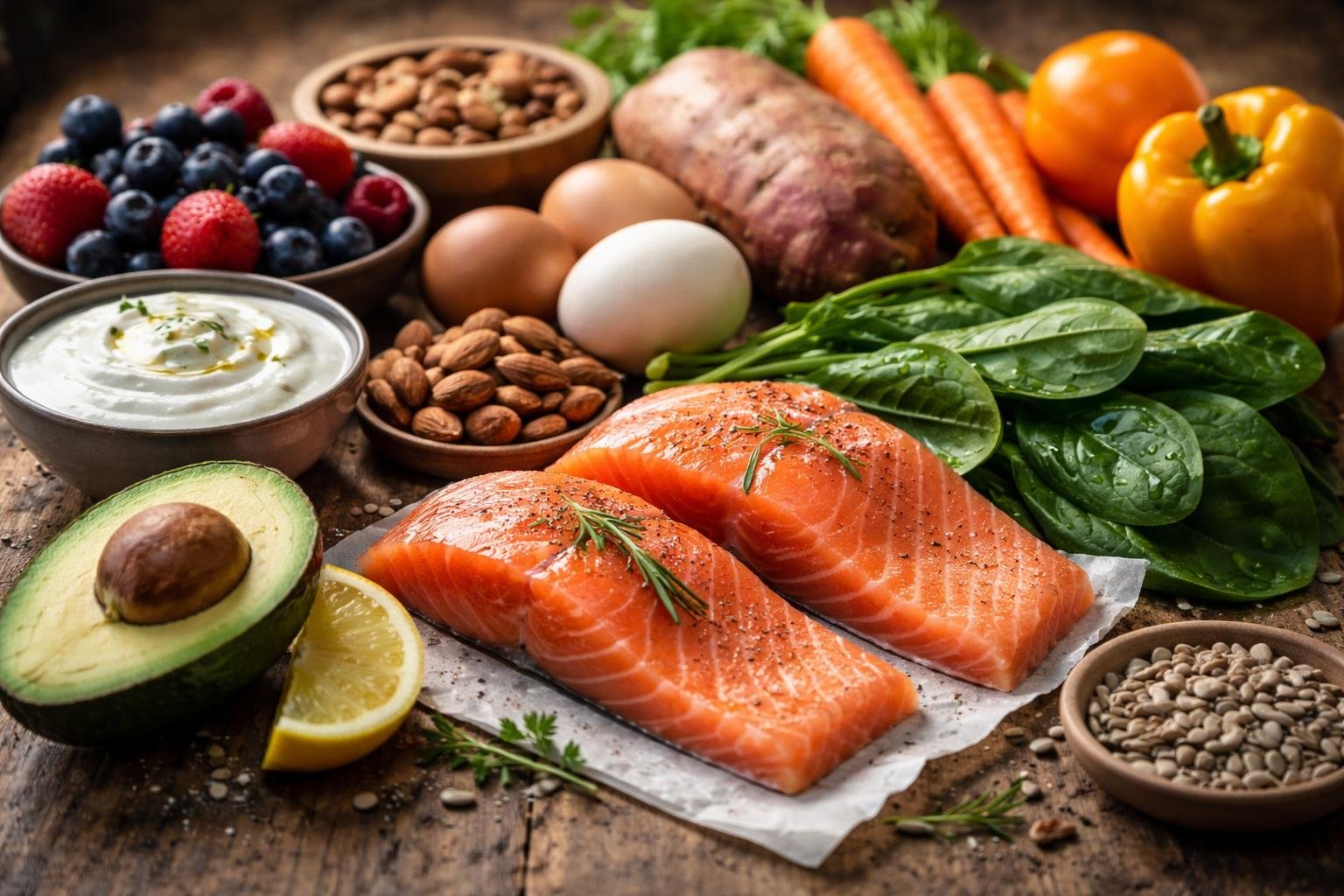
Hair follicles need specific nutrients to function properly and support healthy growth. Deficiencies in key vitamins and minerals can lead to thinning hair, slower growth, and increased shedding.
Vitamin C for Collagen and Iron Absorption
Vitamin C plays two critical roles in hair health. First, it helps the body produce collagen, a protein that strengthens hair structure and prevents breakage. Second, vitamin C improves iron absorption[3], which is essential for delivering oxygen to hair follicles.
Low iron levels often contribute to hair loss, particularly in women. Without enough vitamin C, the body struggles to absorb iron from food sources effectively.
Foods high in vitamin C include citrus fruits, strawberries, bell peppers, and broccoli. These foods also contain antioxidants that protect hair follicle cells from damage caused by free radicals.
Vitamin D and Its Link to Hair Loss
Vitamin D deficiency has been connected to various forms of hair loss. This nutrient helps create new hair follicles and maintains the growth cycle of existing ones.
Research shows that people with alopecia and other hair loss conditions often have lower vitamin D levels. The body produces vitamin D when skin is exposed to sunlight, but many people don’t get enough sun exposure.
Fatty fish like salmon provide vitamin D along with other hair-supporting nutrients. Fortified foods such as milk and cereals can also help meet daily requirements. Some individuals may need supplements to reach adequate levels.
Zinc and Selenium for Scalp Health
Zinc regulates the hair growth cycle[3] and supports the oil glands around hair follicles. Low zinc levels have been linked to hair shedding and slower growth. This mineral also helps repair damaged hair tissue.
Selenium protects hair follicles from oxidative stress and damage. Greek yogurt provides both selenium and other nutrients[3] that support hair health.
Key food sources include:
- Oysters (highest zinc content)
- Beef and chicken
- Pumpkin seeds
- Sunflower seeds
Both minerals work together to maintain a healthy scalp environment where hair can grow properly.
Biotin and B Vitamins for Stronger Strands
Biotin, also called vitamin B7, is widely recognized for supporting hair strength and growth. B vitamins help create red blood cells that carry oxygen and nutrients to the scalp and follicles.
Vitamin B12 deficiency can lead to hair loss and thinning. Dark leafy greens contain B vitamins and vitamin C[3] that work together to support healthy hair growth.
Eggs provide biotin along with protein, making them a complete food for hair health. Other B-vitamin sources include whole grains, nuts, and legumes. These vitamins are water-soluble, meaning the body doesn’t store them and needs regular intake through diet.
The Impact of Hydration and Healthy Fats
Water keeps hair strands strong and flexible, while omega-3 fatty acids and healthy fats from plant sources provide the building blocks for hair follicle health. These elements work together to prevent breakage and support the growth cycle.
Role of Water and Hydration in Hair Growth
Water makes up almost 25% of the weight of a single hair strand. When someone drinks enough water, their scalp stays moisturized and their hair follicles receive the nutrients they need to function properly.
Dehydration affects hair growth in several ways. It can cause:
- Dry, brittle hair that breaks easily
- A dry scalp that produces less sebum
- Slower hair growth rates
- Split ends and damaged cuticles
The hair shaft relies on moisture to maintain its strength and elasticity. When the body lacks water, it directs available hydration to vital organs first. Hair follicles get less priority, which means they may enter a resting phase earlier than normal.
Drinking at least 8 glasses of water daily helps maintain proper hydration levels. People living in hot climates or who exercise regularly need more water to compensate for fluid loss through sweat.
Benefits of Omega-3 Fatty Acids
Omega-3 fatty acids reduce inflammation around hair follicles and promote cell growth. These essential fats cannot be made by the body, so they must come from food sources.
Fatty fish like salmon, herring, and mackerel provide omega-3s that may support hair growth[2]. A study of 120 women found that supplements containing omega-3 and omega-6 fatty acids reduced hair loss and increased hair density.
Omega-3s offer specific benefits for hair:
- Nourish hair follicles with essential fatty acids
- Reduce scalp inflammation that can slow growth
- Add shine and elasticity to hair strands
- Prevent dry, flaky scalp conditions
Plant sources like flaxseeds and chia seeds also provide omega-3 fatty acids[2], though the body uses them less efficiently than fish-based omega-3s.
Importance of Healthy Fats from Nuts and Seeds
Nuts and seeds deliver vitamin E, zinc, selenium, and essential fatty acids in concentrated amounts. An ounce of almonds provides 48% of daily vitamin E needs.
Avocados provide vitamin E[1], which acts as an antioxidant to protect the scalp from oxidative stress. One medium avocado delivers 28% of daily vitamin E requirements. The healthy fats in avocados also keep hair moisturized and prevent dryness.
Sunflower seeds offer nearly 50% of daily vitamin E needs in just one ounce. They also contain B vitamins, zinc, and selenium that support the hair growth cycle.
Different nuts and seeds provide varied nutrients, so eating a mix delivers the best results. Walnuts contain alpha-linolenic acid, while pumpkin seeds offer high amounts of zinc. Adding these foods to meals helps protect hair follicles and strengthens individual strands.
Dietary Patterns and Lifestyle Tips for Optimal Hair Health
Eating patterns that emphasize whole foods and key nutrients can support hair follicle health. Managing stress, avoiding restrictive diets, and protecting hair from damage all work together with nutrition to maintain strong hair growth.
The Mediterranean Diet and Hair Growth
The Mediterranean diet provides many nutrients that support hair health through its emphasis on whole foods. This eating pattern includes fatty fish rich in omega-3s, nuts, seeds, olive oil, and plenty of vegetables.
Studies show this diet delivers high amounts of antioxidants, healthy fats, and vitamins that protect hair follicles. The combination of protein from fish and legumes plus iron from leafy greens creates a strong foundation for hair growth.
People following this pattern naturally consume many of the best foods for hair growth[2] without needing to track individual nutrients. The diet’s anti-inflammatory properties may also help reduce scalp inflammation that can interfere with the hair growth cycle.
Key Mediterranean foods for hair:
- Salmon and sardines for omega-3 fatty acids
- Extra virgin olive oil for vitamin E
- Chickpeas and lentils for plant-based protein
- Tomatoes and peppers for vitamin C
- Walnuts and almonds for zinc
Avoiding Hair-Damaging Deficiencies
Nutrient deficiencies represent one of the most common reversible causes of hair loss. Iron deficiency can trigger telogen effluvium, a condition where hair follicles enter a resting phase too early.
Elevate Your Health for Just $29.99/Month
Join the Precision Wellness Subscription at My Healing 365 and get discounted services, priority coaching access, virtual care, and exclusive wellness resources to support your physical, emotional, and hormonal health.
Join for $29.99/MonthLow levels of biotin, vitamin D, zinc, and B vitamins have all been linked to increased hair shedding. Women with female pattern hair loss often show lower iron stores even when they’re not anemic.
Getting tested for deficiencies helps identify specific problems. A doctor can check iron, vitamin D, and thyroid levels through blood work.
Restrictive diets that eliminate entire food groups put people at higher risk for multiple deficiencies. Crash diets and very low-calorie eating can shock the system and cause temporary hair loss weeks later.
Common deficiencies affecting hair:
- Iron (causes telogen effluvium)
- Vitamin D (linked to hair follicle cycling)
- Biotin (rare but impacts keratin production)
- Zinc (triggers hair shedding when low)
- Protein (essential for hair structure)
Lifestyle Factors Affecting Hair Thinning
Chronic stress can push hair follicles into a resting phase, leading to noticeable shedding months later. The body redirects resources away from hair growth during prolonged stress periods.
Sleep quality affects hormone balance and cellular repair processes needed for healthy hair growth[4]. Getting seven to nine hours of sleep supports the body’s natural growth cycles.
Excessive heat styling, tight hairstyles, and chemical treatments damage hair shafts and can weaken follicles over time. Using heat protection and giving hair breaks from styling helps prevent breakage.
Smoking reduces blood flow to the scalp and damages hair follicles through oxidative stress. Quitting smoking improves circulation and nutrient delivery to hair roots.
Regular scalp massage may improve blood flow to follicles. Some studies suggest this simple practice could help with hair thickness when done consistently.
Putting It All Together: Creating a Balanced Diet for Hair Growth
Getting enough hair-healthy nutrients requires mixing different food types throughout the day and watching portion sizes. People should combine both animal and plant foods to cover all essential vitamins and minerals their hair needs.
Combining Animal and Plant-Based Foods
A balanced approach to promoting hair growth through diet[1] means eating both animal and plant sources. Animal foods like eggs, fatty fish, and lean meat provide complete proteins and easily absorbed iron. These nutrients help build strong hair follicles and deliver oxygen to the scalp.
Plant foods offer different benefits. Spinach, nuts, seeds, and berries supply vitamins A, C, and E along with antioxidants. Sweet potatoes and avocados add healthy fats that support nutrient absorption.
A typical day might include:
- Breakfast: Eggs with spinach and berries
- Lunch: Salmon salad with mixed greens and avocado
- Dinner: Lean meat with sweet potato and bell peppers
- Snacks: Nuts, seeds, or Greek yogurt
This variety ensures the body gets protein, omega-3 fatty acids, iron, zinc, biotin, and vitamins needed for healthy hair growth.
Managing Portions and Avoiding Excess
While certain vitamins support hair health[2], too much of some nutrients can cause problems. Taking excessive vitamin A supplements may lead to hair loss rather than growth. The same applies to zinc, which can become toxic at high levels.
Food sources naturally provide safe amounts of these nutrients. A medium sweet potato gives enough beta-carotene without risking vitamin A toxicity. One medium oyster supplies adequate zinc without overdoing it.
Key portions to remember:
- Fatty fish: 3-4 ounces, 2-3 times per week
- Eggs: 1-2 per day
- Nuts: 1 ounce (about a handful) daily
- Leafy greens: 1-2 cups daily
People should focus on getting nutrients from whole foods rather than high-dose supplements. This approach prevents both deficiencies and excess intake.
When to Seek Professional Advice
Some situations require professional guidance beyond dietary changes. If someone experiences sudden or severe hair loss, a doctor should evaluate for underlying health conditions. Deficiencies in vitamins B12 and D, biotin, riboflavin, or iron[2] may need medical testing to confirm.
A registered dietitian can create personalized meal plans for people with:
- Restrictive diets (vegetarian, vegan, food allergies)
- Chronic health conditions affecting nutrient absorption
- Persistent hair thinning despite diet improvements
- Suspected vitamin or mineral deficiencies
Blood tests help identify specific deficiencies that diet alone might not fix. Doctors may recommend targeted supplementation when testing shows clear deficiencies. They can also check if medications or health conditions contribute to hair problems.
Professional support becomes important when hair loss affects quality of life or when simple dietary changes do not produce results within several months.
Frequently Asked Questions
Understanding which nutrients support hair growth and how to get them from food helps people make informed dietary choices. Specific vitamins, minerals, and proteins play distinct roles in strengthening hair and promoting faster growth.
What specific vitamins and minerals promote rapid hair growth?
Several vitamins and minerals directly support hair growth. Biotin helps produce keratin[2], the main protein in hair strands.
Vitamin C acts as an antioxidant that protects hair follicles from damage. It also helps the body absorb iron, which hair follicles need to function properly.
Vitamin E protects the scalp from oxidative stress. Studies show people with hair loss who took vitamin E supplements experienced 34.5% more hair growth[1] after eight months.
Iron carries oxygen to hair follicles through red blood cells. Zinc supports the hair growth and repair cycle. A lack of zinc can cause telogen effluvium, a reversible type of hair loss.
Can you provide a list of natural foods known to enhance hair thickness and strength?
Eggs provide protein and biotin, two nutrients essential for building strong hair. They also contain zinc and selenium.
Spinach delivers folate, iron, and vitamins A and C. One cup of spinach provides up to 20% of daily vitamin A needs.
Fatty fish like salmon and mackerel offer omega-3 fatty acids, protein, and vitamin D3. Sweet potatoes contain beta-carotene, which the body converts to vitamin A.
Avocados supply vitamin E and healthy fats. One medium avocado provides 28% of daily vitamin E requirements.
Nuts and seeds offer vitamin E, zinc, B vitamins, and essential fatty acids. Beans deliver plant-based protein, zinc, iron, biotin, and folate.
Are there any particular fruits or vegetables that have been scientifically proven to benefit hair health?
Berries contain high amounts of vitamin C with strong antioxidant properties. One cup of strawberries provides 85 milligrams of vitamin C, which equals 113% of daily needs.
The body uses vitamin C from berries to produce collagen. Collagen strengthens hair and prevents it from becoming brittle and breaking.
Sweet peppers provide even more vitamin C than berries. One yellow pepper delivers up to 456% of daily vitamin C needs for women and 380% for men.
Sweet potatoes offer beta-carotene that converts to vitamin A. A medium sweet potato contains enough beta-carotene to provide 160% of daily vitamin A requirements.
How does protein intake affect the rate of hair growth, and which foods are rich in hair-friendly proteins?
Hair follicles consist mostly of protein. A lack of protein in the diet may lead to hair loss.
Eggs serve as an excellent protein source for hair health. They provide complete protein along with biotin and other hair-supporting nutrients.
Fatty fish offer high-quality protein plus selenium, vitamin D3, and B vitamins. These nutrients work together to promote strong and healthy hair.
Meat provides protein that aids growth and helps repair hair follicles. A 3.5-ounce serving of cooked sirloin steak contains 29 grams of protein. Red meat also contains easily absorbed iron.
Beans offer a plant-based protein option. A 3.5-ounce serving of black beans provides protein along with 14% of daily zinc needs for women and 10% for men.
What role do omega-3 fatty acids play in hair development, and which foods are high in these nutrients?
Omega-3 fatty acids may support hair growth and reduce hair loss. A study of 120 women found that supplements containing omega-3 and omega-6 fatty acids plus antioxidants reduced hair loss and increased hair density.
Fatty fish like salmon, herring, and mackerel provide the most beneficial type of omega-3s. The body uses omega-3s from fish more efficiently than plant sources.
Flaxseeds and chia seeds offer plant-based omega-3 fatty acids. Two tablespoons of ground flaxseed provide 4.7 grams of omega-3s. While the body doesn’t use plant-based omega-3s as efficiently as those from fish, they still make a valuable addition to the diet.
Are there any dietary supplements recommended for those looking to boost hair growth, in addition to natural food sources?
Supplements can help correct specific nutrient deficiencies that cause hair loss. People with documented deficiencies in biotin, iron, zinc, or vitamin D may benefit from supplementation.
However, biotin deficiencies are uncommon in people who eat a balanced diet. Little evidence suggests that people without deficiencies benefit from taking extra biotin.
Taking too much of certain nutrients can cause problems. Excessive zinc intake can lead to toxicity. Too much vitamin A may actually cause hair loss rather than prevent it.
Getting nutrients from a balanced variety of healthy foods[3] is generally better than relying on supplements. Foods provide nutrients in appropriate amounts along with other beneficial compounds. People should consult a healthcare provider before starting supplements for hair growth.
Post Views: 3

























