Medically Reviewed
Dr. Jose Rossello, MD, PhD, MHCM
Preventive Medicine & Public Health Specialist
Last Reviewed: March 27, 2026
Many people follow daily beauty routines to look and feel their best. These habits often seem harmless and may even appear to improve appearance in the short term. However, some common beauty practices can actually harm your health over time.
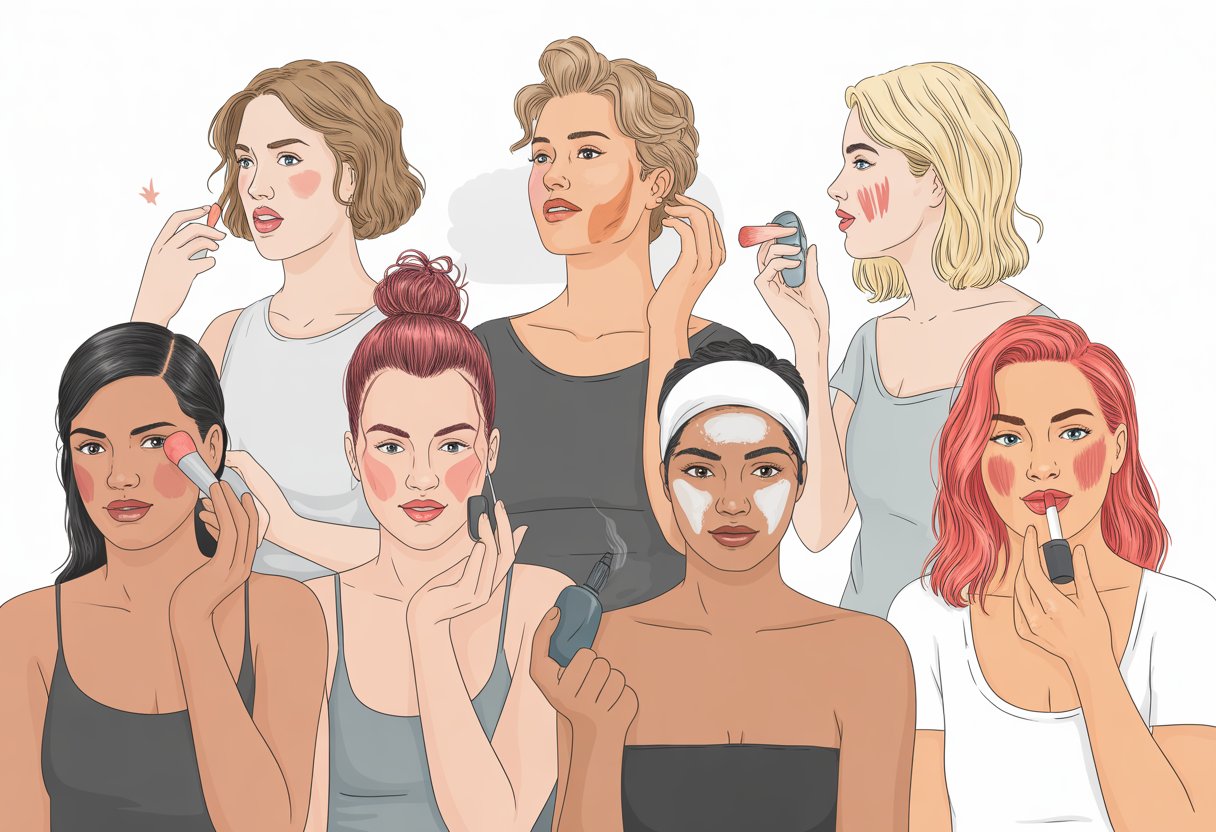
Certain popular beauty habits carry hidden health risks that range from skin damage to more serious medical conditions. From skincare routines to dietary choices, the pursuit of beauty sometimes comes at a cost. Understanding which habits pose real dangers helps people make better choices about their personal care routines.
The good news is that small changes can protect health without giving up self-care entirely. Learning to spot potentially harmful practices allows anyone to maintain their appearance safely. This guide covers seven common beauty habits that may be damaging to health[1] and provides practical ways to reduce risk.
Table of Contents
1) Sleeping with makeup on
Sleeping with makeup on[2] ranks as one of the most damaging beauty habits. It prevents the skin from completing its natural overnight repair process.
When makeup stays on the face during sleep, it mixes with oils and dead skin cells. This combination clogs pores and creates an environment where bacteria can grow. The result is often breakouts, blackheads, and irritated skin.
Cosmetics left on overnight also prevent the skin from breathing properly. The skin needs this time to renew itself and recover from daily exposure to environmental stressors.
Eye makeup poses additional risks when worn to bed. Mascara and eyeliner can flake into the eyes, causing irritation or infection. The delicate skin around the eyes becomes more prone to wrinkles and fine lines when makeup isn’t removed.
Getting less than six hours of sleep[3] already reduces the skin’s ability to repair itself. Adding makeup into the equation makes matters worse. The combination leads to dull, tired-looking skin and accelerates visible signs of aging.
Taking two minutes to cleanse the face before bed protects skin health and maintains a clearer complexion.
2) Over-exfoliating the skin
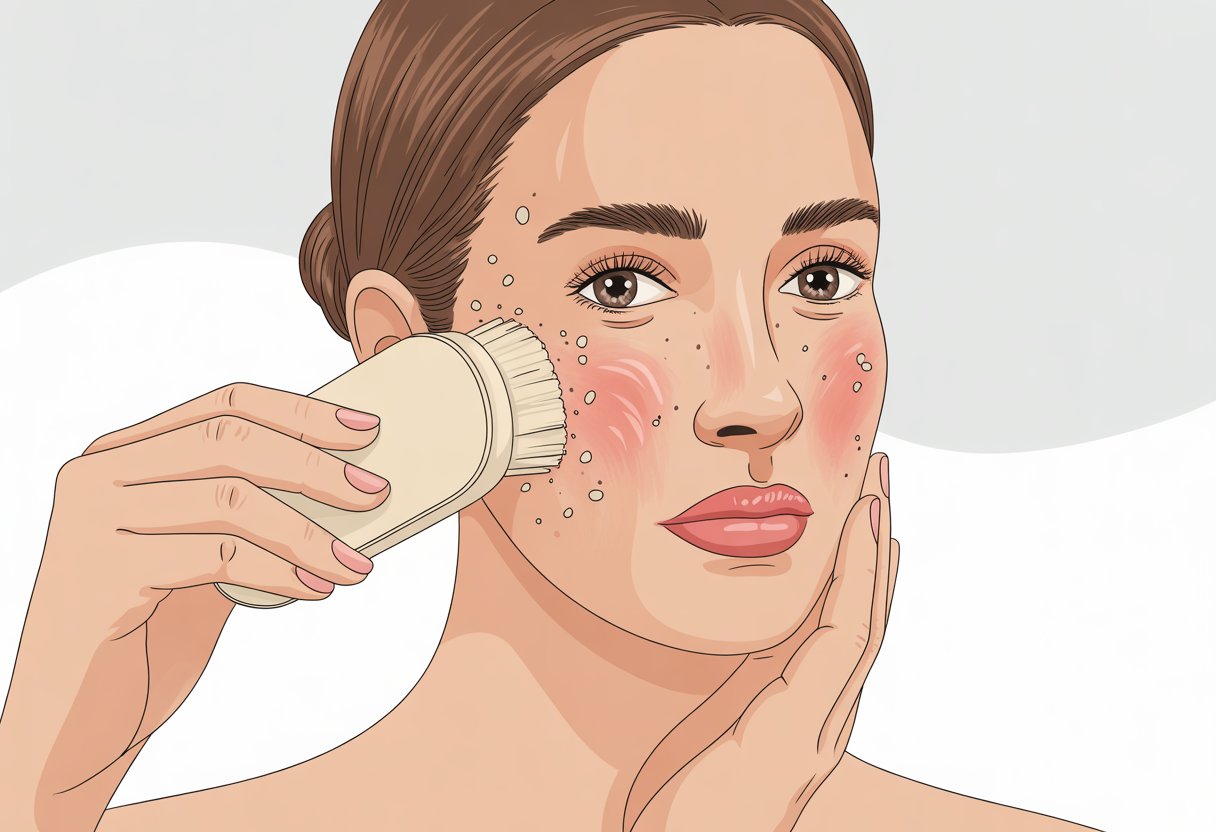
Many people scrub their skin too often thinking it will make their face look better. This common mistake can actually hurt the skin instead of helping it.
Exfoliating removes dead skin cells from the surface. When done gently and not too often, it can make skin look brighter. But aggressive scrubbing or over-exfoliation can damage the skin’s protective barrier[4], which leads to problems.
Over-exfoliating can cause inflammation, sensitivity, and breakouts[5]. The skin becomes red and irritated. It may feel tight or start to peel. Some people notice more acne after they exfoliate too much.
The skin needs time to heal between exfoliating sessions. Most dermatologists suggest exfoliating only two to three times per week at most. People with sensitive skin should do it even less often.
Using harsh scrubs with rough particles makes the problem worse. Chemical exfoliants can also be too strong if used daily. The key is finding the right balance for each person’s skin type.
3) Using tanning beds frequently
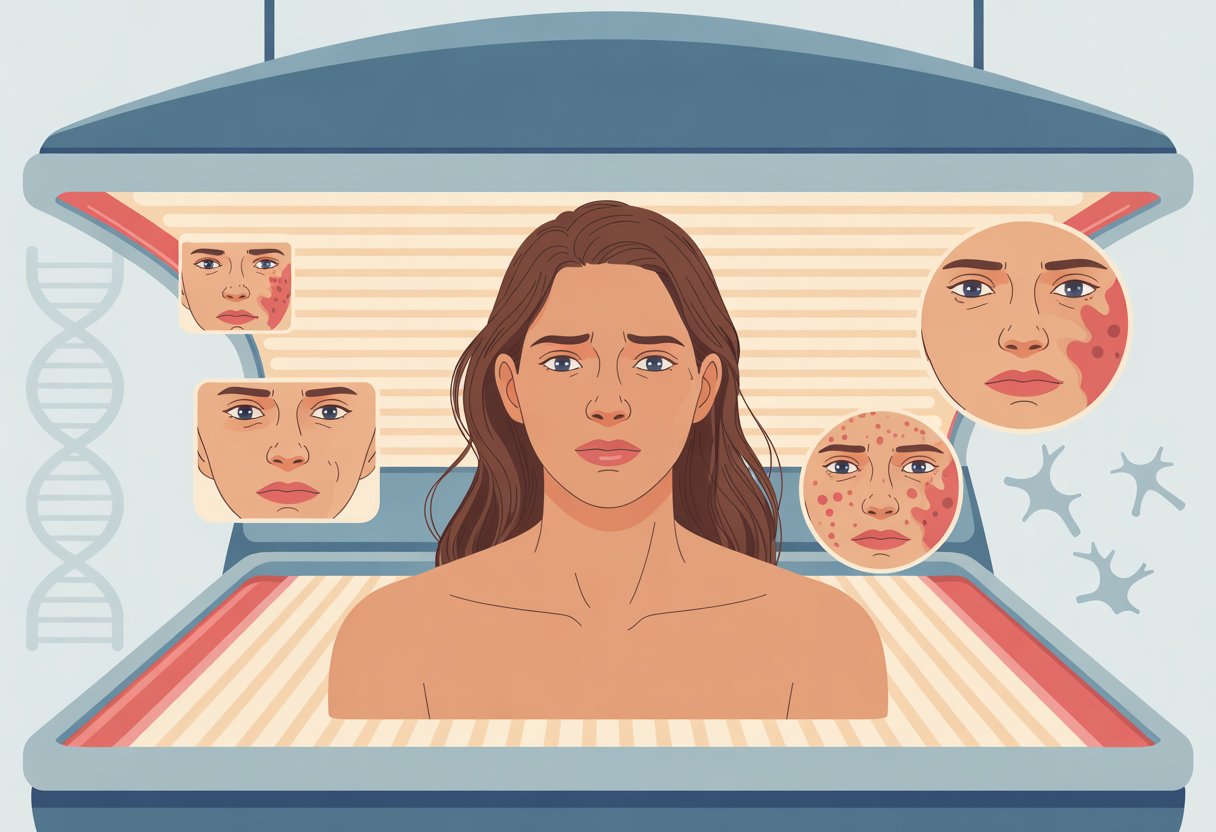
Tanning beds expose skin to harmful ultraviolet radiation that causes real damage. Many people think a base tan protects their skin, but this isn’t true.
Using tanning beds increases the risk of developing skin cancer[6]. The UV radiation from these devices damages skin cells in the same way the sun does. Health experts agree that the best amount of tanning bed usage is none[7].
Regular tanning bed use also speeds up skin aging. It creates wrinkles, dark spots, and a leathery texture over time.
Tanning salons sometimes give customers wrong information about these dangers[8]. They may claim tanning beds are safe or offer health benefits. This misleads people into thinking the practice is harmless.
One study showed that 90% of people who use tanning beds know the health risks but keep using them anyway[9]. A tan may look nice, but it signals skin damage. People who want darker skin should consider safer options like self-tanning lotions instead.
4) Neglecting to wash pillowcases regularly
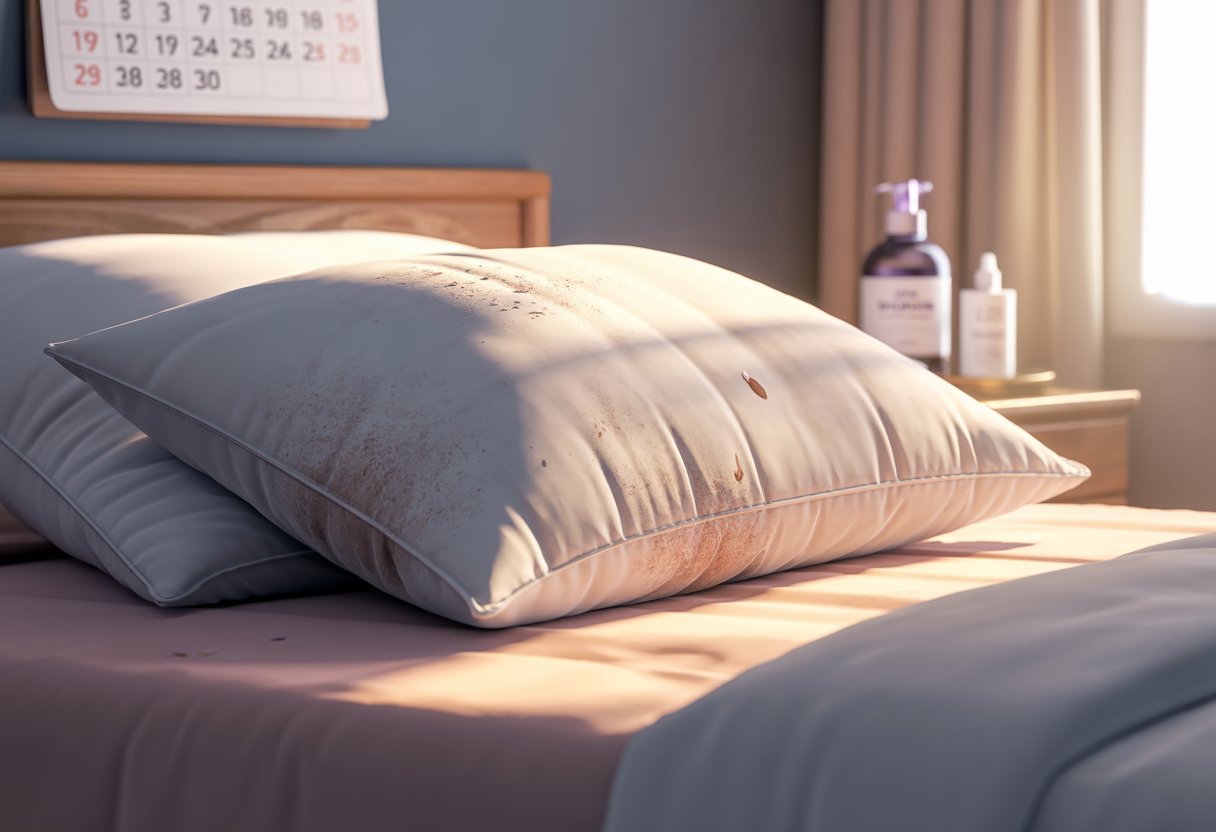
Pillowcases collect oil, dead skin cells, bacteria, and dirt every night. When someone sleeps on the same unwashed pillowcase for weeks, these buildup materials transfer back onto their face and hair.
Dirty pillowcases can damage skin and hair[10] more than many people realize. The accumulated bacteria and oils contribute to breakouts, skin irritation, and clogged pores.
Experts recommend washing pillowcases at least once a week[11]. People who sweat at night, use skincare products before bed, or have allergies should change them twice weekly. Those with acne-prone skin benefit even more from frequent changes.
Changing pillowcases regularly helps reduce acne and irritation[12]. Hot water kills bacteria effectively during washing. Proper drying prevents mold and mildew growth.
This simple habit takes minimal effort but protects skin and hair health. Clean pillowcases mean less exposure to irritants that cause problems overnight.
5) Applying harsh skincare products excessively
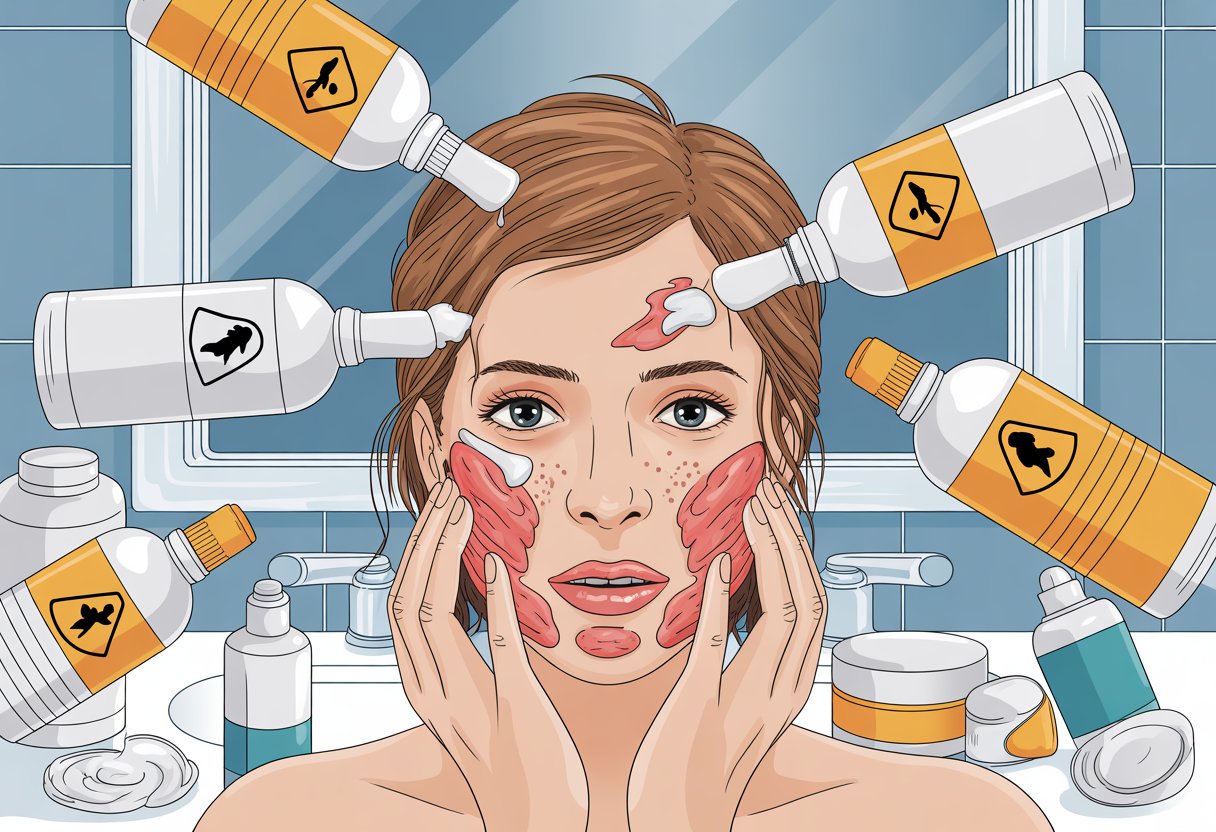
Using too many skincare products can backfire and hurt the skin instead of helping it. Overusing certain skincare ingredients can actually harm skin[13] rather than improve it.
Harsh products strip away the skin’s natural protective barrier. This leads to dryness, redness, and irritation. The skin becomes more sensitive over time.
Strong ingredients like retinoids, acids, and vitamin C work well in small amounts. But applying them too often or in high concentrations causes problems. The skin can become inflamed and damaged.
Harsh skincare products can cause dryness, irritation, and premature aging[14]. People often think more product means better results. This is not true.
The skin needs time to absorb and respond to active ingredients. Layering too many products at once overwhelms it. This creates stress instead of nourishment.
Some people develop chemical burns or allergic reactions from excessive use. Others experience breakouts as their skin tries to protect itself. The key is using gentle products in moderation and giving skin time to adjust.
6) Skipping sunscreen protection
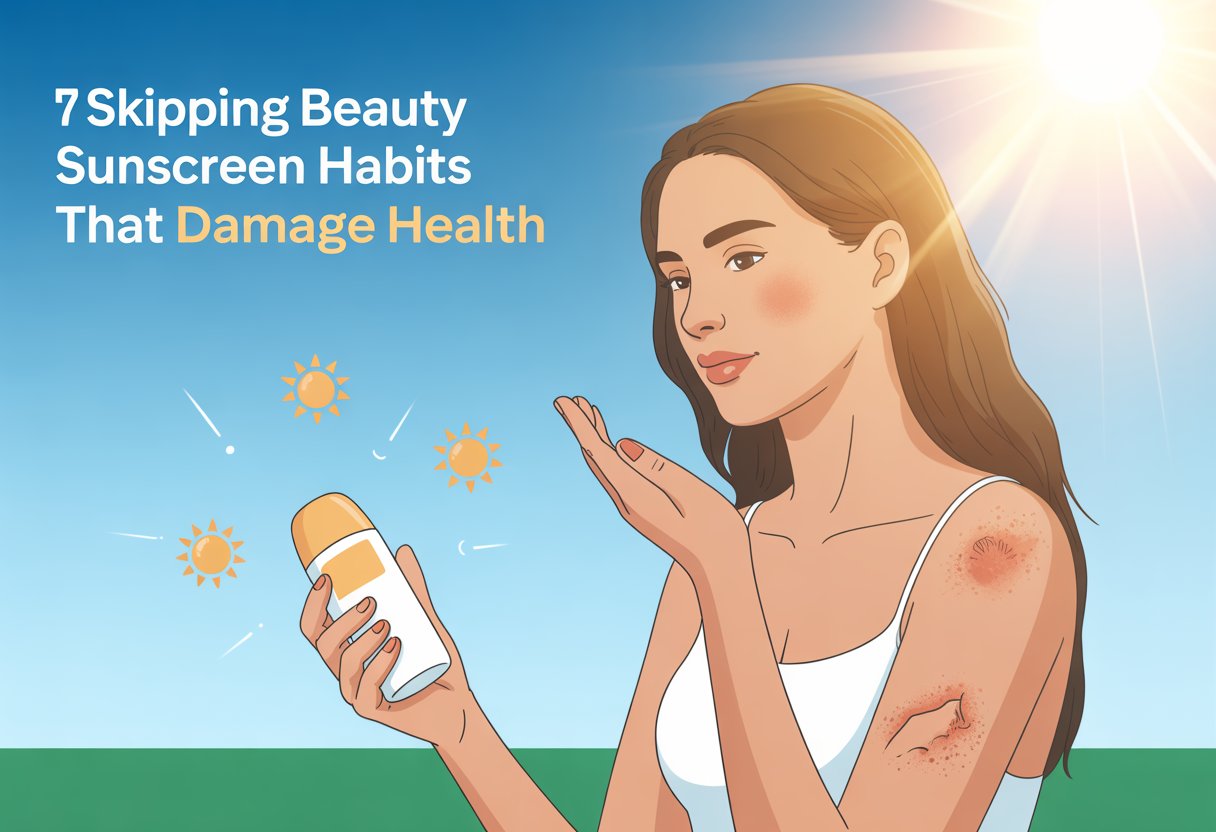
Many people skip sunscreen on cloudy days or when they stay indoors. However, skin is still exposed to UV radiation[15] even in these conditions.
UV rays pass through windows and clouds. This means skin gets damaged whether someone is outside or sitting near a window at home or work.
Not wearing sunscreen leads to premature aging. The skin develops wrinkles, dark spots, and rough texture over time. UV exposure also increases the risk of skin cancer.
Some people think makeup with SPF provides enough protection. But makeup alone typically doesn’t offer sufficient coverage. Most people don’t apply enough makeup to reach the stated SPF level.
Sunscreen should be applied every day as part of a regular routine. It protects the largest organ in the body from long-term damage. The effects of not wearing sunscreen[16] can have a lasting impact on both skin appearance and overall health.
A broad-spectrum sunscreen with at least SPF 30 works best. It needs to be reapplied every two hours when outdoors.
7) Following extreme or fad diets
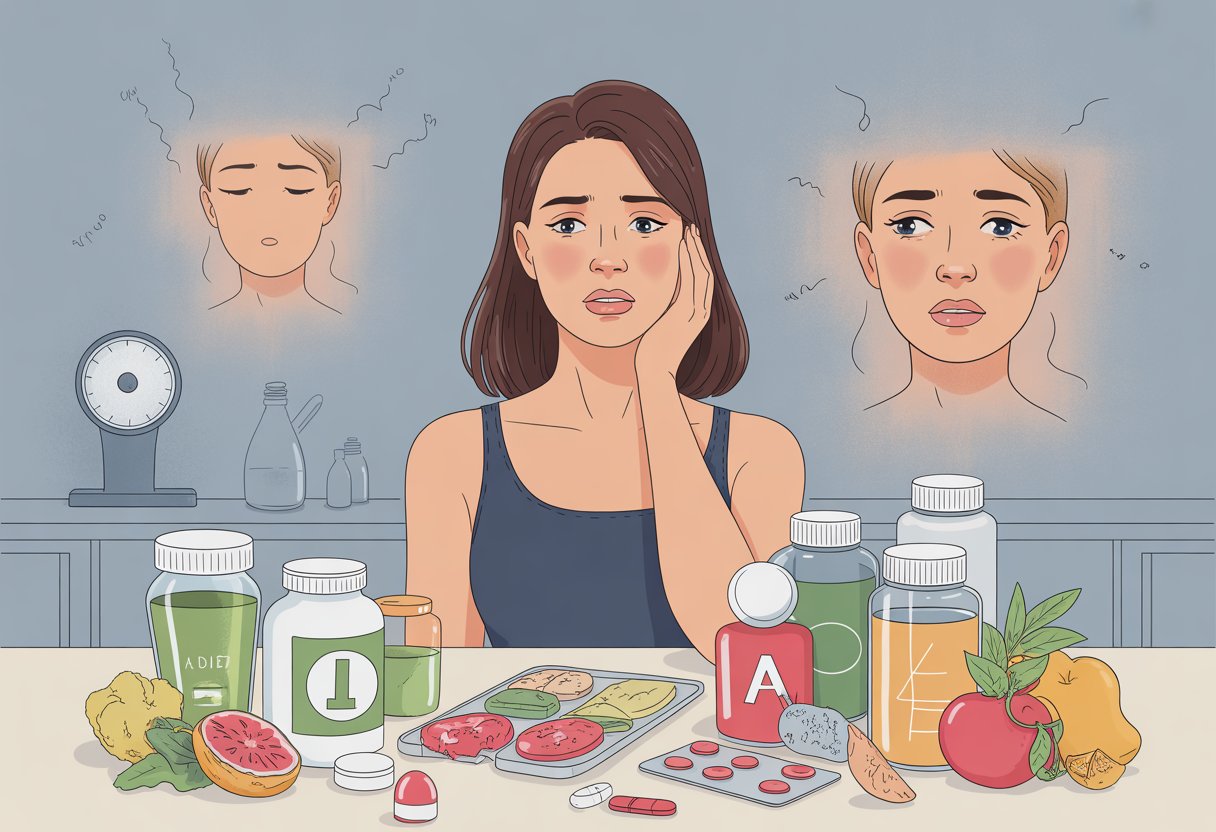
Many people try extreme diets to achieve quick beauty results. These eating plans often cut out entire food groups or severely limit calories. While they may lead to fast weight loss, they can harm the body in serious ways.
Fad diets can cause nutritional deficiencies[17] that affect skin, hair, and nails. When the body lacks essential vitamins and minerals, hair becomes brittle and may fall out. Skin can look dull and dry. Nails often become weak and break easily.
Extreme dieting also slows down metabolism. The body enters starvation mode and holds onto fat instead of burning it. This makes it harder to maintain weight loss over time.
Some people develop unhealthy relationships with food after trying multiple fad diets. They may experience mood swings, fatigue, and trouble concentrating. These diets rarely work long-term because they’re too hard to maintain.
Sustainable, science-based eating habits[18] provide better results for both health and appearance. Balanced meals with protein, healthy fats, and whole grains support natural beauty from the inside out.
Understanding the Risks of Harmful Beauty Habits
Many beauty routines cause immediate reactions like skin irritation or redness, while others create serious problems that only appear years later. People often believe that expensive products or popular treatments are automatically safe, but this assumption leads to preventable health issues.
Short-Term vs. Long-Term Health Effects
Short-term effects from beauty habits appear within hours or days of use. These include allergic reactions, skin rashes, eye irritation, and chemical burns. A person might notice red, itchy skin after using a new face cream or experience burning eyes from makeup remover.
Other immediate problems include headaches from strong fragrances, nausea from nail polish fumes, and respiratory irritation from aerosol sprays. These symptoms typically go away once someone stops using the product.
Long-term health effects develop slowly over months or years. UV exposure from nail lamps increases the risk of skin cancer on hands. Regular use of hair dyes containing certain chemicals may affect hormone levels. Sleeping in makeup repeatedly clogs pores and causes persistent acne or infections.
Some beauty habits damage internal organs over time. Hair straightening treatments with formaldehyde can harm the liver and kidneys. Heavy metals in some cosmetics accumulate in the body. These effects often go unnoticed until significant damage occurs.
Common Misconceptions About Beauty Practices
Many people assume that if a product sits on store shelves, it must be completely safe. Beauty products face less regulation than medications, and companies can sell items without proving they are harmless.
Another misconception is that natural or organic products cannot cause harm. Plant-based ingredients still trigger allergic reactions in many users. Essential oils can burn skin or cause sensitivity to sunlight.
Some believe expensive products work better and pose fewer risks than cheaper alternatives. Price does not guarantee safety or effectiveness. Both high-end and budget products can contain problematic ingredients.
People often think bad beauty habits[19] only affect appearance rather than overall health. Many common routines impact internal systems, not just skin or hair. Sharing makeup spreads bacteria and viruses between users, leading to infections beyond cosmetic concerns.
How to Prioritize Wellness While Maintaining Your Beauty Routine
Making small changes to daily beauty practices can protect long-term health without sacrificing results. Working with trained professionals helps identify which products and methods work best for individual needs.
Safer Alternatives for Everyday Beauty Habits
Switching to gentler products reduces exposure to harsh chemicals while still delivering effective results. People can look for beauty items labeled as fragrance-free, paraben-free, and phthalate-free to minimize skin irritation and potential hormone disruption.
Simple swaps include:
- Using mineral-based sunscreens with zinc oxide instead of chemical filters
- Choosing acetone-free nail polish removers
- Selecting aluminum-free deodorants
- Opting for clean makeup brands with transparent ingredient lists
Natural alternatives like coconut oil for makeup removal and sugar scrubs for exfoliation offer effective solutions without synthetic additives. These options are often less expensive and equally effective.
Everyday wellness habits that nourish both body and mind[20] create lasting beauty results. Drinking enough water, getting adequate sleep, and eating nutrient-rich foods support healthy skin from within. These foundational practices reduce the need for heavy makeup and intensive treatments.
Air-drying hair occasionally instead of constant heat styling prevents damage. When heat tools are necessary, applying a protective spray first creates a barrier against high temperatures.
Consulting Professionals for Personalized Advice
Dermatologists can evaluate individual skin types and recommend products that address specific concerns without causing harm. They identify which ingredients to avoid based on personal allergies, sensitivities, or existing conditions.
Licensed estheticians provide guidance on proper skincare routines and professional treatments. They assess skin health and suggest appropriate frequencies for procedures like chemical peels or microdermabrasion.
When to seek professional help:
- Persistent skin reactions or breakouts
- Hair loss or scalp issues
- Nail problems that don’t improve
- Questions about ingredient safety
Registered dietitians can connect nutrition to skin health and recommend dietary changes that improve appearance naturally. They create meal plans that support collagen production and reduce inflammation.
Regular check-ups with primary care doctors help monitor any health changes related to beauty product use. Blood tests can reveal vitamin deficiencies or hormone imbalances affecting hair, skin, and nails.
Frequently Asked Questions
Many beauty routines involve risks that people don’t recognize until damage appears. Understanding specific dangers helps protect skin health and prevent long-term problems.
Which everyday skincare and beauty habits can quietly harm your overall health?
Sleeping with makeup on blocks pores and prevents skin from repairing itself overnight. This habit leads to breakouts, irritation, and premature aging.
Not washing pillowcases regularly allows bacteria, oil, and dead skin cells to build up. These contaminants transfer back to the face and can cause acne and infections.
Using harsh skincare products too often strips away natural oils. The skin becomes dry, sensitive, and more prone to damage.
What common skincare mistakes do dermatologists consider off limits, and why?
Over-exfoliating ranks among the most damaging beauty practices[21] that people do regularly. Scrubbing too frequently or too hard removes the protective outer layer of skin.
Mixing too many active ingredients creates chemical reactions that irritate skin. Products like retinol, acids, and vitamin C need careful timing and spacing.
Skipping sunscreen exposes skin to UV damage daily. This mistake accelerates aging and increases skin cancer risk significantly.
How can over-exfoliating or using harsh scrubs damage the skin barrier and trigger inflammation?
The skin barrier contains protective oils and cells that keep moisture in and harmful substances out. Excessive exfoliation strips away this defense system.
When the barrier breaks down, skin loses water rapidly and becomes dehydrated. Bacteria and irritants can then penetrate more easily.
Inflammation develops as the skin tries to repair itself. Redness, burning, and increased sensitivity become common problems. The skin may also produce extra oil to compensate, which leads to more breakouts.
What health risks are linked to sleeping in makeup or not cleansing properly at night?
Makeup traps dirt, oil, and pollution against the skin for hours. This creates an environment where bacteria multiply rapidly.
Clogged pores develop into blackheads, whiteheads, and inflamed acne. Eye makeup left on overnight can cause eye infections and styes.
The skin cannot complete its natural renewal process when covered in products. Collagen production slows down and fine lines appear faster. Some people develop conditions like contact dermatitis from prolonged exposure to makeup ingredients.
How can frequent tanning (sunbeds or outdoor tanning) affect long-term skin and overall health?
UV exposure from tanning[1] damages DNA in skin cells. This damage accumulates over time and significantly raises skin cancer risk.
Tanning beds emit concentrated UV radiation that penetrates deep into skin layers. The radiation breaks down collagen and elastin, which causes sagging and wrinkles.
Regular tanning also weakens the immune system. It can damage eyes and increase the risk of cataracts. Dark spots and uneven pigmentation often develop years later.
What problems can arise from sharing makeup tools or using dirty brushes and sponges?
Bacteria, fungi, and viruses live on makeup tools and multiply in damp sponges. Sharing these items spreads infections between people.
Dirty brushes transfer old makeup, dead skin, and oil back onto clean skin. This causes breakouts and can lead to staph infections or pink eye.
Makeup sponges that stay wet become breeding grounds for mold. Using moldy sponges can trigger allergic reactions and skin rashes. Brushes need washing weekly, and sponges require replacement every few months.
Post Views: 6
References
- 7 Beauty Habits That Can Be Damaging To Health. https://www.timesnownews.com/web-stories/health/7-beauty-habits-that-can-be-damaging-to-health/photostory/100745848.cms Accessed March 28, 2026
- Sleeping with makeup on. https://www.womenshealthmag.com/beauty/a70432913/makeup-habits-bad-skin/ Accessed March 28, 2026
- Nighttime Habits That Are Ruining Your Skin. https://www.thehealthy.com/beauty/face-body-care/nighttime-habits-that-are-ruining-your-skin/ Accessed March 28, 2026
- Is Daily Exfoliation Secretly Damaging Your Skin? Here’s What Science Says. https://www.healthcouncilcanada.ca/is-daily-exfoliation-secretly-damaging-your-skin-heres-what-science-says/ Accessed March 28, 2026
- 7 Skincare Habits to Avoid for Healthier Skin – Solvaderm. https://www.solvadermstore.com/blogs/skin-care/skincare-habits Accessed March 28, 2026
- I Know Tanning Beds Are Dangerous, So Why Can’t I Quit?. https://www.refinery29.com/en-us/tanning-bed-addiction-skin-risks Accessed March 28, 2026
- Is it healthy to use a tanning bed weekly? How often is too much?. https://remedydaily.com/2024/01/25/is-it-healthy-to-use-a-tanning-bed-weekly-how-often-is-too-much/ Accessed March 28, 2026
- Americans are still tanning indoors—here’s why it’s so bad for your health. https://www.sharecare.com/beauty-personal-care/americans-tanning-indoors-why-bad-health Accessed March 28, 2026
- Are Tanning Beds Safe?. https://health.clevelandclinic.org/tanning-bed-dangers Accessed March 28, 2026
- Why Your Dirty Pillowcase Could Be Damaging Your Skin And Hair More Than Pollution. https://www.healthandme.com/health-wellness/why-your-dirty-pillowcase-could-be-damaging-your-skin-and-hair-more-than-pollution-article-152746516 Accessed March 28, 2026
- washing pillowcases at least once a week. https://www.thespruce.com/how-often-to-change-your-pillowcases-11883989 Accessed March 28, 2026
- Can Changing Your Pillowcase Improve Your Skin? (Guide). https://www.london-dermatology-centre.co.uk/blog/pillowcase-and-skin-health/ Accessed March 28, 2026
- Can overusing skincare products negatively affect your skin?. https://curology.com/blog/ask-an-expert-can-the-overuse-of-skincare-products-affect-your-skin/ Accessed March 28, 2026
- The Dangers of Harsh Skincare Products: How They Can Damage Your Skin – Nerd Skincare. https://www.nerdskincare.com/harsh-products/ Accessed March 28, 2026
- skin is still exposed to UV radiation. https://www.health.com/risks-of-not-wearing-sunscreen-11802199 Accessed March 28, 2026
- 7 Effects of Not Wearing Sunscreen & What to Do. https://www.colorescience.com/blogs/blog/effects-of-not-wearing-sunscreen Accessed March 28, 2026
- Fad Diets: Risks, Recognition, and Nutritional Deficiencies. https://www.benendenhospital.org.uk/health-news/helpful-tips/dont-fall-for-fad-diets/ Accessed March 28, 2026
- The Truth about Fad Diets and How to Build Healthy, Sustainable Habits. https://www.brownhealth.org/be-well/truth-about-fad-diets-and-how-build-healthy-sustainable-habits Accessed March 28, 2026
- Error 403. https://en.mui.today/lifestyle/7-Bad-Beauty-Habits-That-Harm-Your-Health-20240914-0010.html Accessed March 28, 2026
- 7 Everyday Wellness Habits for True Beauty From Inside Out. https://cosmeticsarenas.com/beauty-and-wellness-habits-for-glowing-skin-inside-out/ Accessed March 28, 2026
- 13 Common Beauty Practices That Do More Harm Than Good. https://shebudgets.com/lifestyle/bath-beauty/13-common-beauty-practices-that-do-more-harm-than-good/ Accessed March 28, 2026

















