Medically Reviewed
Dr. Jose Rossello, MD, PhD, MHCM
Preventive Medicine & Public Health Specialist
Last Reviewed: March 28, 2026
Thick, healthy hair doesn’t happen by accident. It requires understanding how hair grows and what it needs to thrive. Many people struggle with thin or slow-growing hair without knowing the simple changes that could make a real difference.

The path to longer, thicker hair combines proper nutrition, scalp care, protective styling habits, and damage prevention strategies that work together to support hair growth. While genetics play a role in hair texture and growth rate, there are proven strategies to achieve fuller, healthier hair[1] that anyone can implement. These methods focus on creating the best conditions for hair to grow strong and remain healthy from root to tip.
The following seven secrets address every aspect of hair health. They include dietary changes, product choices, styling techniques, and lifestyle adjustments that support hair growth naturally. Each strategy builds on the others to create a complete approach to achieving the thick, long hair people want.
Table of Contents
Key Takeaways
- Hair thickness and growth depend on proper nutrition, scalp health, and protective care routines
- Preventing damage through gentle handling and reduced heat styling is as important as promoting new growth
- Lifestyle factors like stress management and consistent hair care habits significantly impact hair health over time
Understanding the Science of Hair Growth

Hair grows through distinct biological phases that determine its length and thickness, while genetic and environmental factors play crucial roles in how fast and full hair becomes.
The Hair Growth Cycle Explained
Every hair follicle on the scalp moves through three distinct phases[2] that control hair growth. The anagen phase is the active growth period that lasts 2-7 years, and approximately 85-90% of hair is in this stage at any time. This phase determines how long hair can grow before it stops.
The catagen phase is a brief 2-3 week transition period. During this time, hair stops growing and detaches from its blood supply.
The telogen phase is the final resting period lasting about 3 months. Hair sheds naturally during this stage, and the follicle prepares to start a new anagen phase. Understanding these phases helps explain why people experience normal daily shedding of 50-100 hairs.
When stress or illness disrupts this cycle, hair can enter telogen phase prematurely, causing a condition called telogen effluvium that leads to noticeable hair loss.
Factors That Influence Hair Length and Thickness
Genetics determine the maximum length of the anagen phase and set limits on how long hair can grow. Some people naturally have longer growth phases that allow hair to reach greater lengths.
Hormones significantly affect hair growth rates. Changes during puberty, pregnancy, or menopause can speed up or slow down the growth cycle.
Nutrition directly impacts hair density and thickness. Key nutrients include:
- Protein – builds hair structure
- Iron – carries oxygen to follicles
- Biotin – supports keratin production
- Zinc – repairs hair tissue
A 2019 clinical trial showed that women who supplemented with biotin and zinc experienced 15% faster regrowth rates[2] after hair loss.
Age typically slows hair growth because the anagen phase shortens over time. This explains why many people notice their hair won’t grow as long as it did in younger years.
Common Myths About Growing Thicker Hair
Many widely believed claims about hair growth lack scientific support. Trimming hair does not make it grow faster because cuts don’t affect the follicle beneath the scalp. However, regular trims prevent split ends from traveling up the hair shaft, which helps maintain length.
Brushing hair 100 strokes daily does not stimulate faster growth. This practice actually causes breakage and scalp irritation that damages hair.
Expensive hair products don’t guarantee thicker, longer hair[3]. Results depend on active ingredients and consistent routines rather than price tags. Many affordable products contain the same beneficial compounds as luxury brands.
Washing hair frequently does not prevent growth or cause hair loss. The hair that falls during washing was already in telogen phase and ready to shed naturally.
Secret #1: Build a Growth-Boosting Nutrition Plan
What you eat directly affects how your hair grows and its overall health. Specific vitamins, minerals, proteins, and fatty acids provide the building blocks your hair needs to grow longer and stronger.
Key Vitamins and Minerals for Healthy Hair
Several essential nutrients play critical roles in supporting healthy hair growth. Biotin, also known as vitamin B7[4], stimulates keratin production to increase follicle growth. Adults need about 30 micrograms daily, which they can get from eggs, meat, fish, nuts, and sweet potatoes.
Vitamin D deficiencies can lead to hair loss conditions like alopecia and excessive shedding. People can boost their intake through fatty fish, cod liver oil, fortified cereals, and exposure to midday sun. The recommended dose is 600 IU daily for adults.
Vitamin C helps the body produce collagen and absorb iron while fighting oxidative stress that damages hair follicles. Citrus fruits, peppers, strawberries, and tomatoes provide this essential nutrient. Adults need 75-90 milligrams per day.
Vitamin E contains antioxidants that protect hair from damage. Studies show people taking vitamin E supplements for eight months experienced a 34.5% increase in hair growth. Sunflower seeds, spinach, avocados, and almonds are excellent sources.
Importance of Protein and Omega-3 Fatty Acids
Hair is made primarily of a protein called keratin, making protein intake essential for growth. Without enough protein, hair becomes weak and breaks easily.
Lean meats, eggs, fish, and plant-based options like lentils provide the amino acids needed to nourish hair follicles[5] and support new growth. People should include protein at each meal to maintain consistent levels.
Omega-3 fatty acids reduce inflammation around hair follicles and keep the scalp healthy. These healthy fats also add shine and prevent dryness. Fatty fish like salmon, mackerel, and sardines contain high amounts of omega-3s.
Plant sources include walnuts, flaxseeds, and chia seeds. Since the body cannot produce omega-3s on its own, getting them through diet or supplements is necessary for maintaining hair health.
Benefits of Hydration for Hair and Scalp
Water plays a vital role in transporting nutrients to hair follicles and maintaining scalp health. Dehydration can lead to dry, brittle hair that breaks easily and a flaky, irritated scalp.
Drinking enough water helps hair shafts stay flexible and strong. It also supports the natural oil production that keeps hair moisturized from root to tip. Most adults need about 8 glasses of water daily, though needs vary based on activity level and climate.
A well-hydrated scalp creates an optimal environment for hair growth. When the scalp has enough moisture, it can better support healthy follicle function and prevent issues like dandruff that interfere with growth.
Secret #2: Mastering Scalp Care for Maximum Growth
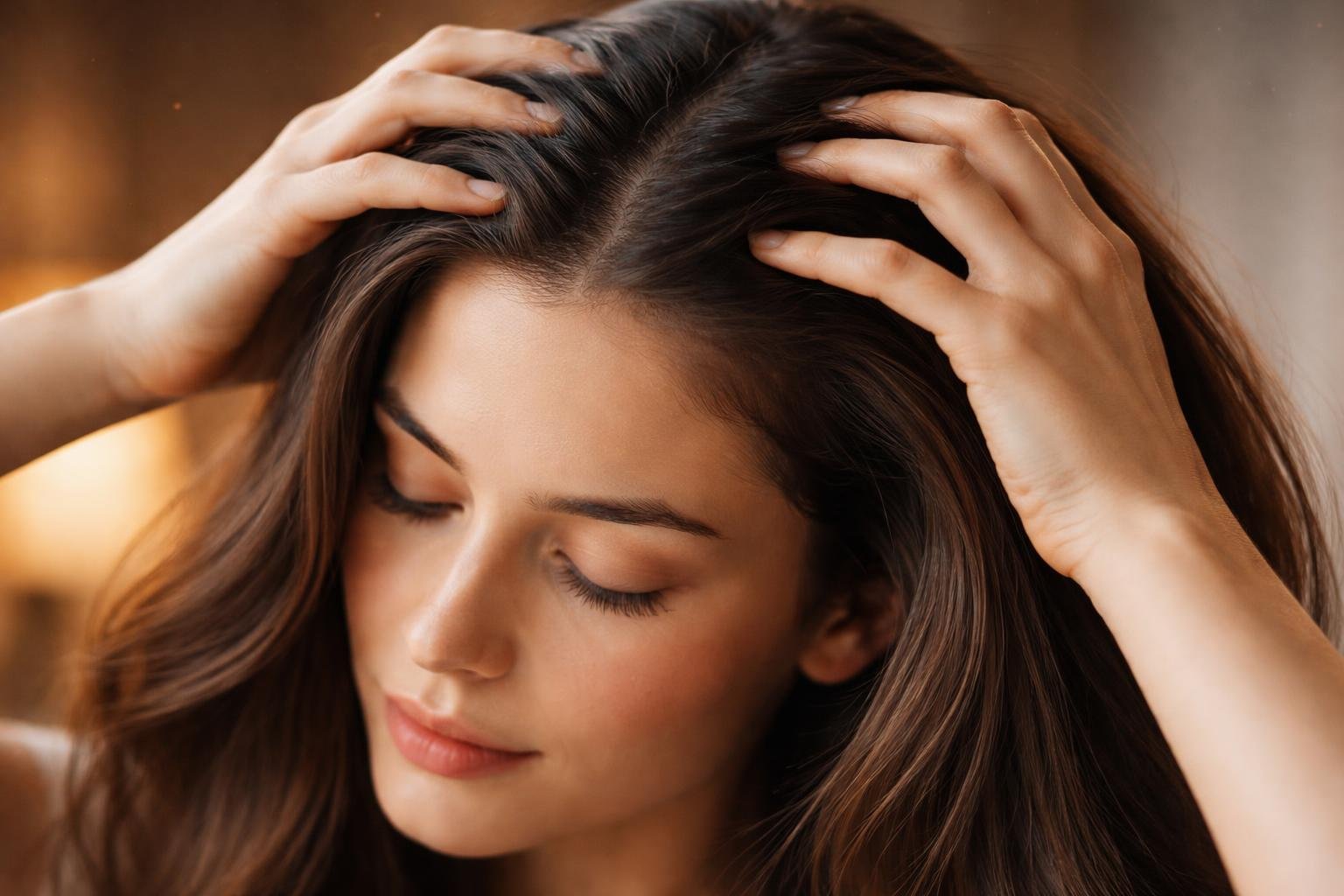
A healthy scalp creates the foundation for thicker, longer hair by supporting follicle function and removing barriers to growth. Regular scalp massage boosts blood flow[6], exfoliation clears away dead cells and buildup, and targeted treatments address specific scalp needs.
Daily Scalp Massage Techniques
Daily scalp massage takes just 5-10 minutes but delivers powerful results for hair growth. The technique involves using fingertips to apply gentle pressure in small circular motions across the entire scalp. This movement stimulates blood circulation, bringing oxygen and nutrients directly to hair follicles.
The best approach starts at the hairline and works backward toward the crown. Each section should receive 30-60 seconds of attention. Massage techniques increase blood circulation by up to 69%[6], creating an optimal environment for growth.
People can perform scalp massage in the shower while shampooing or during the evening as part of their routine. The key is consistency rather than intensity. Too much pressure can cause irritation, while gentle, regular massage promotes a healthy scalp environment without damage.
Scalp Exfoliation and Detox
Scalp exfoliation removes product buildup, dead skin cells, and excess oil that block follicles and slow growth. An oily scalp benefits from weekly exfoliation, while a dry scalp needs gentler treatment every 2-3 weeks.
Physical exfoliants include:
- Brown sugar mixed with olive oil
- Sea salt combined with coconut oil
- Specialized scalp scrub brushes with soft silicone bristles
Chemical exfoliants work differently:
- Salicylic acid dissolves oil and buildup
- Glycolic acid removes dead skin cells
- Apple cider vinegar balances pH levels
The exfoliation process should focus on the scalp rather than hair strands. Gentle circular motions lift away debris without causing irritation. After exfoliating, thorough rinsing prevents residue from remaining on the scalp. This practice creates a clean foundation that allows scalp treatments and natural oils to penetrate effectively.
Choosing the Right Scalp Treatments
Different scalp conditions require specific treatments to promote hair growth. An oily scalp needs lightweight, clarifying formulas that regulate sebum production. A dry scalp responds better to hydrating treatments with nourishing oils.
Rosemary oil delivers results matching prescription treatments[6] when applied twice weekly. Peppermint oil increases circulation and cooling sensation. Both should be diluted with carrier oils like jojoba or coconut before application.
For product buildup, clarifying shampoos remove residue without stripping natural oils. Tea tree oil treats inflammation and maintains scalp health through antimicrobial properties.
Treatment application schedule:
- Oil treatments: 2-3 times per week for 30 minutes
- Clarifying treatments: Once weekly for oily scalp, biweekly for dry scalp
- Leave-in serums: Daily application to problem areas
The most effective approach involves rotating treatments based on scalp needs rather than using the same product continuously.
Secret #3: Optimize Your Hair Care Routine
The right hair care routine involves choosing gentle cleansing products, providing deep moisture treatments, and maintaining consistent hydration to support hair growth and thickness.
Gentle Cleansing with Sulfate-Free Products
Sulfate-free shampoo protects the hair’s natural oils while still cleaning effectively. Traditional shampoos with sulfates strip away moisture and can damage the hair shaft over time.
A person should wash their hair 2-3 times per week rather than daily. This allows natural oils to nourish the scalp and hair strands.
Choosing the right cleanser matters:
- Sulfate-free formulas preserve moisture and prevent breakage
- Volumizing shampoo adds lift at the roots for thicker-looking hair
- Clarifying shampoo removes product buildup once every 1-2 weeks
People with oily scalps may need more frequent washing, while those with dry hair benefit from less frequent cleansing. The key is finding a balance that keeps the scalp clean without over-stripping natural oils that protect and strengthen hair strands.
Deep Conditioning and Hair Masks
Deep conditioning masks repair damage and strengthen hair from within. These treatments penetrate deeper than regular conditioners to restore moisture and protein.
A person should apply a deep conditioning mask once per week for best results. Hair masks work by filling in gaps along the hair shaft where damage has occurred.
Effective application methods include:
- Apply the mask to damp, towel-dried hair
- Focus on mid-lengths and ends rather than roots
- Leave on for 10-20 minutes or follow product instructions
- Rinse thoroughly with cool water
Deep conditioning masks that contain proteins help rebuild damaged strands. Those with moisturizing ingredients like oils and butters add softness and shine. People can alternate between protein and moisture-based masks depending on their hair’s needs.
The Role of Leave-In Conditioners and Moisture
Leave-in conditioner provides ongoing protection and hydration throughout the day. Unlike rinse-out products, these formulas stay in the hair to continuously deliver moisture and detangling benefits.
Hair moisture prevents breakage and allows strands to grow longer. Dry hair snaps easily and develops split ends that prevent length retention.
Benefits of leave-in conditioners:
- Reduce tangles and make hair easier to comb
- Protect against heat styling damage
- Lock in moisture between wash days
- Create a barrier against environmental stressors
A person should apply leave-in conditioner to damp hair after washing, focusing on the ends where hair is oldest and most prone to dryness. Those with fine hair need lighter formulas, while thick or coarse hair types benefit from richer creams. Consistent use of leave-in conditioners helps maintain healthy hair growth[7] by keeping strands flexible and strong.
Secret #4: Protect Hair from Damage and Breakage

Daily habits like heat styling, tight ponytails, and skipping trims create weak spots that prevent hair from reaching its full length potential. Protecting strands from these common threats keeps hair strong enough to grow longer and appear thicker.
Minimize Heat Styling and Use Heat Protectants
Excessive heat from blow dryers, flat irons, and curling tools breaks down the protein structure inside each strand. This damage shows up as brittle ends that snap off easily.
Limiting heat usage[8] helps maintain the natural moisture balance hair needs to stay flexible. People should aim to air-dry whenever possible and reserve heated tools for special occasions.
When heat styling becomes necessary, a heat protectant spray creates a barrier between the tool and the hair shaft. These products typically contain silicones or polymers that shield strands from temperatures up to 450°F.
Best practices for heat protection:
- Apply heat protectant to damp hair before blow drying
- Keep flat irons and curling wands below 300°F
- Use the lowest effective temperature setting
- Allow hair to cool completely between styling passes
The combination of reduced heat exposure and consistent protectant use can cut breakage rates significantly.
Avoid Tight and Damaging Hairstyles
Tight ponytails, braids, and buns pull on hair follicles and create stress points along the shaft. This constant tension weakens strands at the hairline and causes breakage around the temples.
Switching to gentle hair care practices[9] means choosing looser styles that don’t strain the roots. Silk scrunchies distribute pressure more evenly than elastic bands and reduce friction against the hair cuticle.
Protective styling alternatives include:
- Loose braids secured with fabric-covered ties
- Low buns positioned at the nape
- Half-up styles that leave most hair down
- Alternating the placement of parts and ponytails
People who must wear their hair up for work or activities should rotate between different styles. This prevents damage from concentrating in the same spots day after day.
Regular Trims to Prevent Split Ends
Split ends travel up the hair shaft like a run in stockings. A single split can work its way several inches upward if left untrimmed, forcing someone to cut off more length later.
Scheduling trims every 6-8 weeks stops this progression before it begins. The stylist only needs to remove a quarter-inch to eliminate damaged tips.
These small, frequent cuts actually help hair appear longer over time. Healthy ends look fuller and thicker than frayed ones, even at the same technical length.
People between salon visits can spot-check for splits by examining individual strands under good lighting. Any visible Y-shapes or white dots at the tips signal damage that needs attention.
Secret #5: Harness the Power of Oils and Hair Treatments
Natural oils and targeted treatments deliver nutrients directly to the scalp and hair follicles, creating an environment that supports stronger, thicker growth. These products work by moisturizing the scalp, reducing breakage, and providing essential fatty acids that hair needs to thrive.
Benefits of Natural Oils: Coconut, Castor, Argan, Almond
Coconut oil penetrates the hair shaft to prevent protein loss and strengthen strands from within. It contains medium-chain fatty acids that protect hair from damage and reduce breakage. Many people apply it as a pre-wash treatment or leave it on overnight.
Castor oil stands out for its ability to promote hair growth and thickness[10]. The ricinoleic acid in castor oil improves blood circulation to the scalp and may help nourish hair follicles. It has a thick consistency that works well when mixed with lighter oils.
Argan oil adds shine and softness without weighing hair down. Rich in vitamin E and antioxidants, it helps repair damaged hair and protects against heat styling. A few drops smoothed through the ends can tame frizz and split ends.
Almond oil moisturizes the scalp and strengthens hair. It contains biotin, magnesium, and fatty acids that support healthy growth. Regular scalp massages with almond oil may improve hair density over time.
Essential Oils for Hair Growth
Rosemary oil works as well as minoxidil[11] for stimulating hair growth by increasing cellular metabolism in the scalp. Studies show it can help prevent baldness and slow graying. Mix a few drops with a carrier oil like olive oil and massage into the scalp.
Peppermint oil creates a cooling sensation that boosts blood flow to hair follicles. Research indicates it increases follicle depth and number when applied regularly. Add two to three drops to shampoo or conditioner.
Lavender oil has antimicrobial properties that keep the scalp healthy while promoting hair follicle growth[12]. It also reduces stress, which can contribute to hair loss.
Tea tree oil treats scalp conditions like dandruff that can block follicles and slow growth. Its cleansing properties help create a healthy environment for hair to grow.
Incorporating Hair Growth Serums
Hair growth serums deliver concentrated ingredients directly to the scalp in lightweight formulas. These scalp treatments typically contain peptides, vitamins, or plant extracts that target specific growth factors.
Apply serums to clean, dry scalp and massage gently to improve absorption. Most products work best when used consistently, often twice daily. Look for serums with ingredients like biotin, caffeine, or saw palmetto.
Some serums combine multiple active ingredients for better results. Others focus on one key component at a higher concentration. The right choice depends on individual hair concerns and scalp sensitivity.
Growth serums complement other hair growth treatments rather than replace them. They work alongside proper nutrition, gentle styling, and stress management for the best outcomes.
Secret #6: Smart Styling Habits for Fuller-Looking Hair
The way you handle and style your hair daily affects its thickness and volume. Simple changes to brushing methods, sleep habits, and product choices can protect hair strands and create more body.
Brushing Techniques: Wide-Tooth Combs & Detangling
A wide-tooth comb prevents breakage that makes hair look thin and damaged. Regular brushes pull and snap strands, especially when hair is wet and fragile.
Starting at the ends and working upward prevents painful tangles and reduces stress on the roots. This method takes more time but saves hair from unnecessary damage. Wet hair stretches up to 50% more than dry hair, making it prone to breakage.
Best practices for detangling:
- Use a wide-tooth comb on damp hair after washing
- Never brush from roots to ends in one motion
- Hold sections of hair above where you’re combing to reduce pulling on the scalp
- Apply a leave-in conditioner or detangling spray before combing
For dry hair, a boar bristle brush distributes natural oils from scalp to ends. This creates shine and protects the hair shaft.
Choose Silk or Satin Pillowcases
Cotton pillowcases create friction that roughs up the hair cuticle overnight. This leads to frizz, breakage, and thinner-looking hair each morning.
A silk pillowcase reduces friction by up to 43% compared to cotton. The smooth surface lets hair glide instead of catching and pulling. Satin offers similar benefits at a lower price point, though pure silk provides the best results.
These materials also help hair retain moisture throughout the night. Cotton absorbs natural oils and any products applied before bed, leaving strands dry and brittle.
People who sleep on silk or satin pillowcases notice less hair in their brush and fewer split ends over time.
Volumizing Styling Products and Proper Application
The right products add instant volume and body[13] when applied correctly. Thickening mousses work best on damp hair before blow-drying, while root lifting sprays target the scalp area for maximum lift.
Application tips for thicker hair:
- Apply mousse to roots first, then work through to ends
- Use texturizing powder at the roots on dry hair for second-day volume
- Spray volumizing products 6 inches away from hair to avoid buildup
- Flip hair upside down when applying products for extra lift
Lightweight formulas prevent hair from looking greasy or weighed down. Heavy products flatten fine hair and make it appear thinner. A pea-sized amount of mousse or 2-3 sprays of root lifter provides enough product for most people.
Avoid applying conditioner or oils near the scalp, as these reduce volume. Focus these products on the mid-lengths and ends where hair needs moisture most.
Secret #7: Healthy Lifestyle Choices and Professional Support
Your daily habits and knowing when to get expert help play major roles in hair growth. Managing stress and getting proper rest directly affect how well your hair grows, while professional guidance can address underlying issues that basic care cannot fix.
Manage Stress and Sleep for Optimal Hair Health
Stress takes a real toll on hair growth. When someone experiences chronic stress, their body can push hair follicles into a resting phase too early. This leads to increased shedding and thinner hair over time.
Getting adequate sleep matters just as much. Hair follicles need time to repair and regenerate. Most adults need seven to nine hours of quality sleep each night for optimal hair health.
Effective stress management techniques include:
- Regular exercise like walking, yoga, or swimming
- Meditation or deep breathing exercises
- Taking breaks throughout the day
- Spending time on hobbies or activities you enjoy
Sleep quality improves with consistent bedtime routines. Going to bed at the same time each night helps regulate your body’s natural rhythms. Keeping your bedroom cool and dark also promotes better rest.
Lifestyle factors affect overall health[14], which directly impacts hair condition. People who manage stress well and prioritize sleep often see improvements in hair thickness and growth rate within a few months.
When to See a Trichologist or Dermatologist
A trichologist specializes in hair and scalp health. These professionals can identify specific issues affecting hair growth that may not be obvious to the average person.
Someone should consider professional help if they notice sudden hair loss, bald patches, or significant thinning. Other warning signs include persistent scalp irritation, unusual hair texture changes, or hair that breaks easily despite good care habits.
Dermatologists can prescribe medical treatments that over-the-counter products cannot match. They may recommend prescription medications, hormone tests, or nutritional assessments to find the root cause of hair problems.
Reasons to schedule a professional consultation:
- Hair loss that lasts more than six months
- Scalp conditions like severe dandruff or inflammation
- Family history of hair loss
- Sudden changes in hair texture or growth patterns
Professional treatments like platelet-rich plasma injections or specialized therapies may help when basic care routines fall short. Early intervention often leads to better outcomes for maintaining healthy hair.
Frequently Asked Questions

Many people want to know how quickly they can see results and what specific steps work best for their hair type. The answers depend on understanding realistic timelines and choosing methods backed by evidence.
What are natural methods to encourage hair growth for thicker, longer hair?
Scalp massages help stimulate blood flow[1] to hair follicles, which can support healthier growth over time. Using gentle, sulfate-free shampoos preserves the scalp’s natural oils and prevents irritation.
A protein-rich diet provides the building blocks hair needs to grow strong. Foods high in omega-3 fatty acids, biotin, and vitamins from fruits and vegetables all contribute to better hair health.
Regular trims every 8-12 weeks prevent split ends from traveling up the hair shaft. While trimming doesn’t make hair grow faster, it keeps strands healthier and prevents breakage that makes hair appear thinner.
Can hair thickness and length be enhanced in females using home remedies?
Deep conditioning hair masks can strengthen strands and reduce breakage when used weekly. These treatments work best when left on damp hair for 5-10 minutes before rinsing thoroughly.
Switching to a silk pillowcase reduces friction during sleep, which helps minimize hair breakage overnight. This simple change can preserve hair length by preventing damage that occurs from tossing and turning.
Avoiding tight hairstyles like ponytails and buns gives hair roots a break from constant tension. Traction from tight styles can damage follicles and lead to thinning over time.
What dietary changes could improve hair thickness and help in regrowing hair?
Increasing protein intake supports hair structure since hair is primarily made of keratin, a type of protein. Good sources include eggs, fish, chicken, legumes, and nuts.
Biotin and other B-vitamins support hair growth[1] and can be found in foods like sweet potatoes, spinach, and whole grains. For those who struggle to get enough nutrients from diet alone, hair supplements may help fill nutritional gaps.
Adding foods rich in iron and zinc helps prevent deficiencies that can lead to hair loss. Dark leafy greens, red meat, and pumpkin seeds provide these important minerals.
What are proven strategies for achieving thicker hair within a week?
No method can genuinely increase hair thickness in just one week since hair growth and strengthening take time. Hair typically grows about half an inch per month, so significant changes require weeks or months of consistent care.
Styling techniques can create the appearance of fuller hair immediately. Root lifting sprays, volumizing mousses, and texturizing powders add body and make hair look thicker right away.
Using a clarifying shampoo to remove product buildup can make hair appear fuller by allowing strands to move more freely. This one-time improvement doesn’t change actual hair thickness but improves how hair looks and feels.
Are there effective techniques to grow longer hair in a short span of seven days?
Hair cannot grow significantly longer in seven days since the biological growth rate is fixed. The average person’s hair grows about 0.1 millimeters per day, which equals less than one millimeter per week.
Protecting existing length becomes the priority when time is limited. Avoiding heat styling, brushing gently with a wide-toothed comb, and keeping hair moisturized all prevent breakage that shortens hair.
Staying hydrated and getting adequate sleep supports overall hair health, though results won’t appear within a week. These habits contribute to better hair growth over the long term.
What are the best practices for regrowing hair naturally over a period of three weeks?
Three weeks allows for the beginning stages of improvement, though visible results typically take 3-6 months[1]. During this initial period, focus on establishing healthy habits that support long-term growth.
Limiting hair washing to 2-3 times per week helps preserve natural oils that protect the scalp and hair. Using lukewarm water instead of hot water prevents unnecessary drying and damage.
Managing stress through exercise or meditation benefits hair health since chronic stress can disrupt the hair growth cycle. While three weeks won’t show dramatic changes, it’s enough time to start building sustainable routines.
Post Views: 18
References
- How to Get Thicker Hair: 7 Proven Tips for Fuller, Healthier Hair
– Wellbel. https://wellbel.com/blogs/journal/how-to-get-thicker-hair-7-proven-tips-for-fuller-healthier-hair Accessed April 1, 2026 - The Science Behind Hair Growth: How To Maximize Length And Strength. https://beautycarehandbook.com/the-science-behind-hair-growth-how-to-maximize-length-and-strength/ Accessed April 1, 2026
- The Science of Hair Growth: 10 Proven Methods to Get Thicker, Longer Hair in 2025. https://www.beautyohealth.com/2025/08/the-science-of-hair-growth-10-proven.html Accessed April 1, 2026
- These 7 Vitamins for Hair Growth Can Give You Longer, Thicker Locks. https://www.cnet.com/health/nutrition/vitamins-promote-hair-growth-give-long-locks/ Accessed April 1, 2026
- nourish hair follicles. https://www.verywellhealth.com/foods-for-hair-growth-11700430 Accessed April 1, 2026
- Scalp Care Tips for Hair Growth: Expert Secrets for Stronger Hair. https://theglossylocks.com/scalp-care-tips-for-hair-growth/ Accessed April 1, 2026
- Just a moment…. https://www.forhers.com/guides/how-to-get-thick-hair-in-a-month Accessed April 1, 2026
- How to Retain Length and Avoid Breakage on Natural Hair. https://www.hairobicsallnatural.com/hair-blog/how-to-retain-length-and-avoid-breakage-on-natural-hair/ Accessed April 1, 2026
- How to Prevent Hair Breakage: 7 Expert Tips That Actually Work. https://theglossylocks.com/how-to-prevent-hair-breakage/ Accessed April 1, 2026
- 5 Oils That Actually Boost Hair Growth—And How to Use Them Right — Haiirology. https://www.haiirology.com/blog/best-oil-for-hair-growth Accessed April 1, 2026
- Just a moment…. https://draxe.com/essential-oils/essential-oils-for-hair/ Accessed April 1, 2026
- Stronger, Longer, Thicker: 7 Best Essential Oils for Natural Hair Growth. https://www.freejobalert.com/article/stronger-longer-thicker-7-best-essential-oils-for-natural-hair-growth-10936 Accessed April 1, 2026
- 7 Tricks to Instantly Get Thicker, Fuller Hair in 2025. https://www.bizzbuzz.news/LifeStyle/7-tricks-to-instantly-get-thicker-fuller-hair-in-2025-1365500 Accessed April 1, 2026
- How to Grow Your Hair Faster, Thicker, and Stronger: 10 Expert Tips for Long, Healthy Hair. https://www.glamour.com/story/how-to-grow-your-hair-faster Accessed April 1, 2026

















