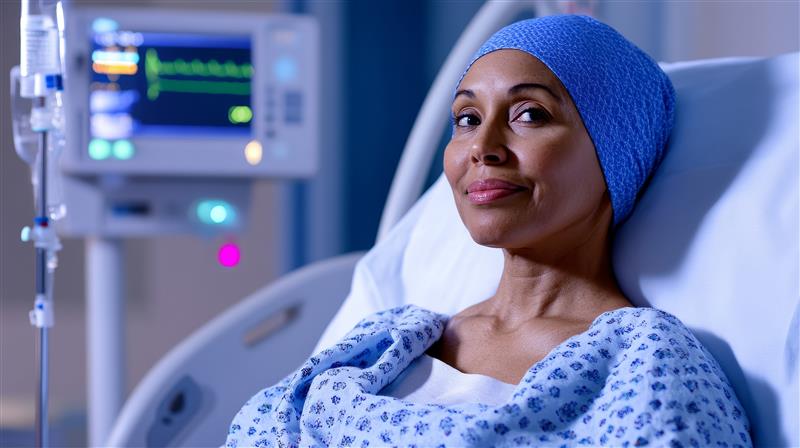
Chemotherapy is a drug treatment used to kill the fast-growing cancer cells in your body. It is also used for other diseases. But the experience, especially side effects, may differ depending on race. Here’s what you need to know to prepare yourself for treatments.
Table of Contents
Your Doctor Will Prescribe a Specific Delivery Method
Chemotherapy isn’t one size fits all. Your oncologist may recommend a specific delivery method based on the type and stage of your cancer.
Types of chemotherapy delivery methods
- IV chemoà Injected directly into a vein
- Oral chemoà taken as pills or capsules
- Intramuscular IM chemoà injected into the muscle
- Subcutaneous (SQ) chemoà injected into the fatty tissue under the skin
- Intra-arterial (IA) chemoà directly into an artery that feeds blood to the tumor
You May Experience Side Effects
Because chemotherapy also affects healthy cells in the body, such as those in the hair and skin, chemotherapy affects them too- leading to side effects.
According to cancer.org, common side effects include:
- hair loss
- Nausea and vomiting
- Appetite changes
- Depression
- Fertility problems
- Skin and nail changes
- Constipation
- Diarrhea
- Infection risk
- Peripheral neuropathy
Four Tips for Managing Side Effects
- Fatigue: take short naps and ask for help from your loved ones to complete tasks
- Hair loss: consider using a cold cap to prevent too much hair loss
- Infection risk: practice good hygiene and distance from those who are sick
- Mental health: join support groups or participate in counseling
When to call your cancer team about side effects:
- Fever above 100.5–101°F (or as instructed by your team)
- Bleeding or unexplained bruising
- Rash or signs of allergic reaction (swelling, severe itching, trouble swallowing)
- Intense chills
- Pain or soreness at the chemo injection or catheter site
- Unusual or severe pain, including intense headaches
- Shortness of breath or difficulty breathing → Call 911 first if severe
- Persistent diarrhea or vomiting
- Blood in stool or urine
Black Patients May Experience Chemotherapy Differently
Side effects of chemotherapy are not the same for everybody and can vary significantly by race. According to a study published in Cancer Epidemiology Biomarkers and Prevention in 2023, “among individual symptoms, Black women reported a higher prevalence of sweating, itching, numbness, change in taste and appetite, and hair loss.”
These findings emphasize the need for more inclusive clinical trials aimed at identifying chemotherapy drugs that are both effective and better tolerated across diverse populations. While these findings can feel discouraging, it is important to know that nobody must face this journey alone. Across the country, there are various organizations aimed at closing the gap in cancer care and providing resources to help those navigating through this journey.
How to Prepare For Your Chemo Day
Here are some things you can do that can make coping with the treatment side effects easier.
- Pack a chemo bag
Bring a bag with items that can bring comfort on treatment day, such as snacks, a book, headphones, a blanket, nausea medication, phone chargers, water, comfy socks etc.
2. Freeze meals
Cooking during chemotherapy can be a challenge due to the fatigue that may be experienced, so preparing meals ahead of time can be helpful.
3. Take care of yourself
Get lots of rest, drink water, get enough sleep, exercise, and eat balanced meals
4. Organize your calendar
Plan your schedule around your treatment days. Give yourself time to rest afterward in order to recover.
Elevate Your Health for Just $29.99/Month
Join the Precision Wellness Subscription at My Healing 365 and get discounted services, priority coaching access, virtual care, and exclusive wellness resources to support your physical, emotional, and hormonal health.
Join for $29.99/Month
Organizations Supporting Black Breast Cancer Patients:
- The Tiger Lily Foundation
The Tigerlily Foundation was founded by breast cancer survivor Maimah Karmo, which empowers young women through their cancer journeys with education, advocacy, and support services, ultimately striving to end disparities.
2. Sisters Network Inc.
Sisters Network Inc. is the only black breast cancer survivorship organization founded by four-time breast cancer survivor Karen Eubanks Jackson. This organization aims to assist thousands of women battling breast cancer through education, support, empowerment, and outreach.
3. African American Breast Cancer Alliance
The African American Breast Cancer Alliance was founded in 1990 by a group of black women survivors who recognized the lack of breast cancer awareness and support in their community. Their mission involves creating a supportive space for black women facing breast cancer.
4. The American Cancer Society Cancer Action Network’s Black Volunteer Caucus
The Black Volunteer Caucus focuses on policy change and equity ultimately working to decrease death and suffering in the Black community.
Resources
American Cancer Society: Types of Chemotherapy

























