Medically Reviewed
Dr. Jose Rossello, MD, PhD, MHCM
Preventive Medicine & Public Health Specialist
Last Reviewed: April 1, 2026
The beauty industry is changing. Beauty and wellness are converging into a unified approach that recognizes true beauty comes from overall health rather than just external appearance. This shift moves beyond surface-level fixes to address the deeper connections between physical health, mental well-being, and how people look and feel.
The beauty and wellness convergence[1] represents a fundamental change in how people think about self-care. Instead of treating beauty products and health practices as separate concerns, this integrated approach combines skincare routines with nutrition, stress management, and lifestyle choices. When someone nourishes their body from within while caring for their skin externally, the results are more lasting and authentic.
This guide explores practical strategies for merging beauty and wellness into daily life. Readers will learn how to build effective skincare routines, understand the role of nutrition in skin health, and discover relaxation techniques that enhance natural vitality. The goal is to provide clear, actionable information that helps people develop personalized approaches suited to their individual needs.
Table of Contents
Key Takeaways
- Beauty and wellness work together to create lasting results through combined internal health and external care practices
- A holistic approach includes skincare routines, proper nutrition, stress management, and personalized wellness strategies
- Understanding the connections between lifestyle choices and skin health leads to more authentic and sustainable beauty outcomes
What It Means When Beauty Meets Wellness
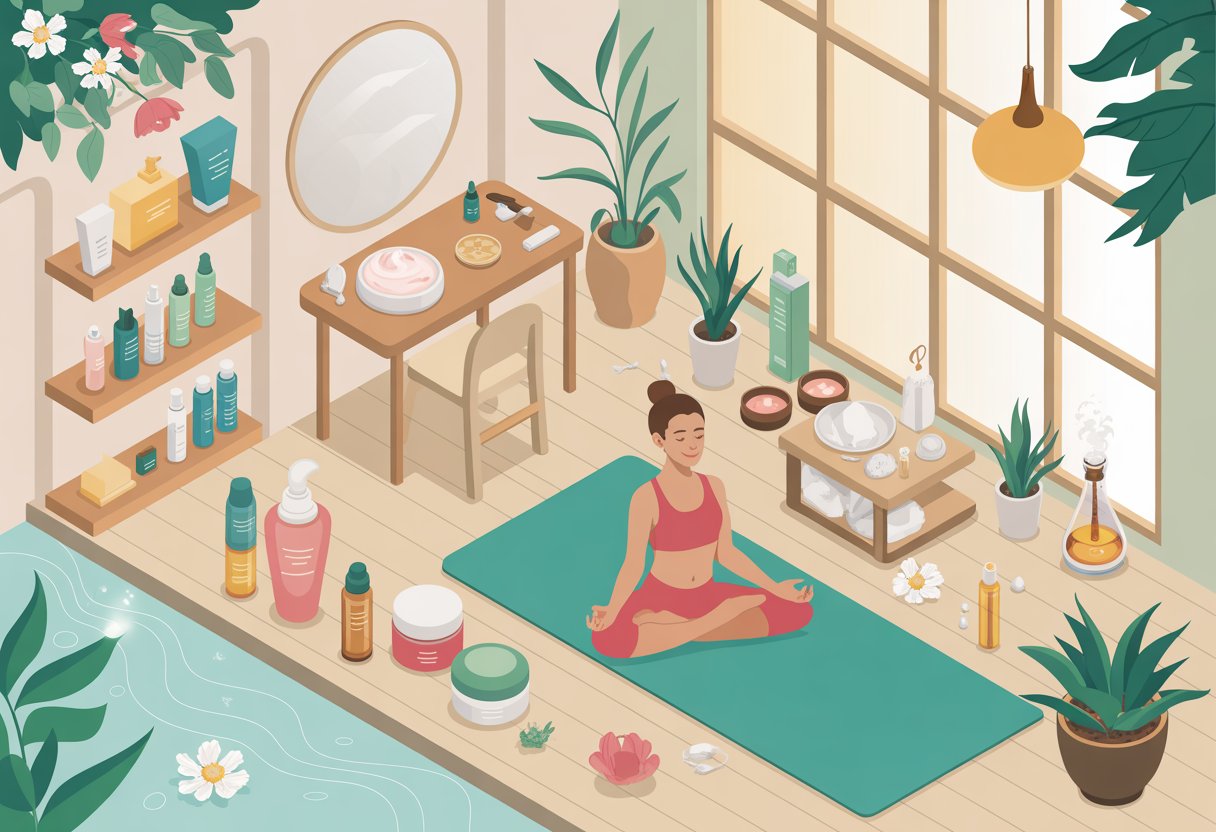
The convergence of beauty and wellness represents a fundamental shift in how people approach self-care. True beauty now extends beyond surface-level treatments to include physical health, mental balance, and overall vitality.
Defining the Beauty and Wellness Connection
The beauty and wellness connection[1] reflects the understanding that beauty goes deeper than skin-level concerns. This integrated approach recognizes that external appearance and internal health work together as one system.
Beauty and wellness now share common ground in several key areas:
- Product formulation that considers both aesthetic results and health benefits
- Treatment methods that address physical appearance and emotional well-being
- Lifestyle practices that support both looking good and feeling good
- Prevention focus rather than just covering up problems
The wellness and beauty industries have started to blend their expertise. Skincare brands now include ingredients that support cellular health. Spas offer services that promote relaxation alongside aesthetic improvements. Fitness centers incorporate beauty treatments into their wellness programs.
This connection means that people no longer need to choose between looking good and being healthy. They can pursue both goals through the same products and practices.
The Shift Toward Holistic Well-Being
Modern wellness is about harmony between different aspects of health. The old approach treated beauty as separate from wellness. People would use makeup to hide dark circles instead of addressing sleep problems. They would apply creams to dry skin without considering hydration or nutrition.
The new approach considers the whole person. It asks why skin problems exist instead of just treating symptoms. It looks at stress levels, diet quality, sleep patterns, and emotional state.
Aesthetics and wellness synergy[2] offers a path that addresses both appearance and inner balance. This means a facial treatment might include meditation elements. A workout class could incorporate skin-healthy breathing techniques.
People now expect beauty solutions to support their overall health goals. They want products that are safe, effective, and contribute to long-term wellness rather than quick fixes.
Why Inner Health Radiates Outward
The body shows internal health through external signs. Clear skin often reflects good digestion and balanced hormones. Shiny hair typically indicates proper nutrition. Bright eyes suggest adequate sleep and hydration.
When someone addresses wellness from the inside, beauty improvements follow naturally. Proper hydration plumps skin cells and reduces fine lines. Quality sleep allows skin to repair itself overnight. Stress management prevents inflammation that leads to breakouts and premature aging.
Nutrient intake directly affects appearance. Vitamins C and E support collagen production. Omega-3 fatty acids maintain skin barrier function. Antioxidants protect against environmental damage.
Physical activity boosts circulation, which delivers oxygen and nutrients to skin cells. Exercise also promotes the removal of toxins through sweat. Regular movement helps maintain muscle tone that supports facial structure.
The mind-body connection plays a role too. Chronic stress triggers cortisol release, which breaks down collagen and causes inflammation. Mental well-being practices like meditation and mindfulness can reduce these harmful effects and promote a more radiant appearance.
Fundamental Principles of Beauty and Wellness Integration
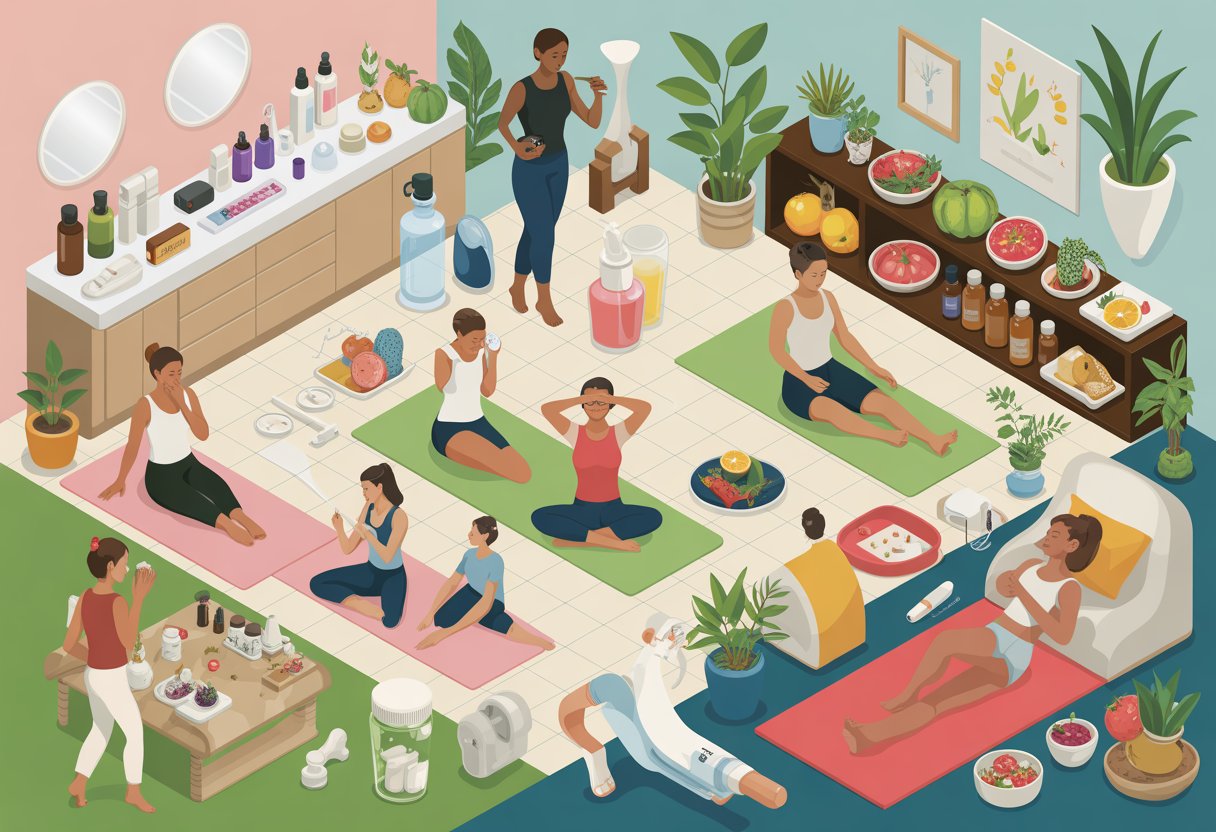
True beauty stems from practices that nourish both the body and mind. Self-care forms the base of any effective routine, while mindfulness transforms simple beauty tasks into meaningful rituals that support overall health.
Understanding Self-Care as the Foundation
Self-care represents the deliberate actions people take to maintain their physical, mental, and emotional health. It goes beyond occasional spa visits or face masks. Regular self-care includes getting enough sleep, staying hydrated, eating nutritious foods, and managing stress levels.
These basic practices directly affect how skin looks and feels. Poor sleep leads to dark circles and dull skin. Dehydration causes fine lines to appear more pronounced. Chronic stress triggers inflammation that shows up as breakouts or redness.
A solid self-care routine addresses wellness from the inside out. This means prioritizing seven to nine hours of sleep each night. It involves drinking water throughout the day. It requires setting boundaries to protect mental energy.
Essential self-care habits include:
- Establishing consistent sleep and wake times
- Drinking at least eight glasses of water daily
- Taking breaks from screens and digital devices
- Engaging in regular physical movement
- Scheduling time for relaxation without guilt
When people treat self-care as non-negotiable, their appearance naturally improves. The body has time to repair cells, balance hormones, and reduce inflammation.
The Importance of Mindfulness in Beauty Rituals
Mindfulness means paying full attention to the present moment without judgment. When applied to beauty rituals[3], this practice transforms routine tasks into moments of calm and connection.
A morning skincare routine becomes more than applying products. It turns into a deliberate act of self-respect. People notice the texture of cleanser on their skin. They feel the temperature of water. They observe their reflection with kindness rather than criticism.
This mental shift reduces stress and enhances results. Studies show that stress hormones interfere with skin barrier function and healing. Mindful beauty practices lower cortisol levels naturally.
Simple ways to add mindfulness include taking three deep breaths before starting a routine. People can focus on pleasant scents from products. They might notice how their face feels after each step. These small adjustments make beauty rituals feel restorative rather than rushed.
Daily Habits That Bridge Wellness and Aesthetics
Certain daily practices benefit both appearance and overall health simultaneously. These habits create lasting results because they address root causes rather than surface symptoms.
Morning sun exposure for 10-15 minutes helps regulate circadian rhythms for better sleep. It also provides vitamin D for skin health. Gentle facial massage while applying moisturizer improves circulation and promotes lymphatic drainage.
Daily bridge habits:
| Habit | Wellness Benefit | Beauty Benefit |
|---|---|---|
| Morning stretching | Reduces tension, improves posture | Increases blood flow to skin |
| Green tea consumption | Provides antioxidants, supports metabolism | Reduces inflammation and puffiness |
| Evening skincare routine | Signals wind-down time, improves sleep quality | Removes pollutants, allows skin repair |
| Scalp massage | Relieves headaches, reduces stress | Stimulates hair follicles, distributes oils |
Movement practices like yoga or walking support detoxification through sweat and improved circulation. This gives skin a natural glow. Balanced meals with protein, healthy fats, and vegetables provide building blocks for collagen production and cell renewal.
The key is consistency rather than perfection. Small actions repeated daily create compounding benefits over weeks and months.
Building a Comprehensive Skincare Routine
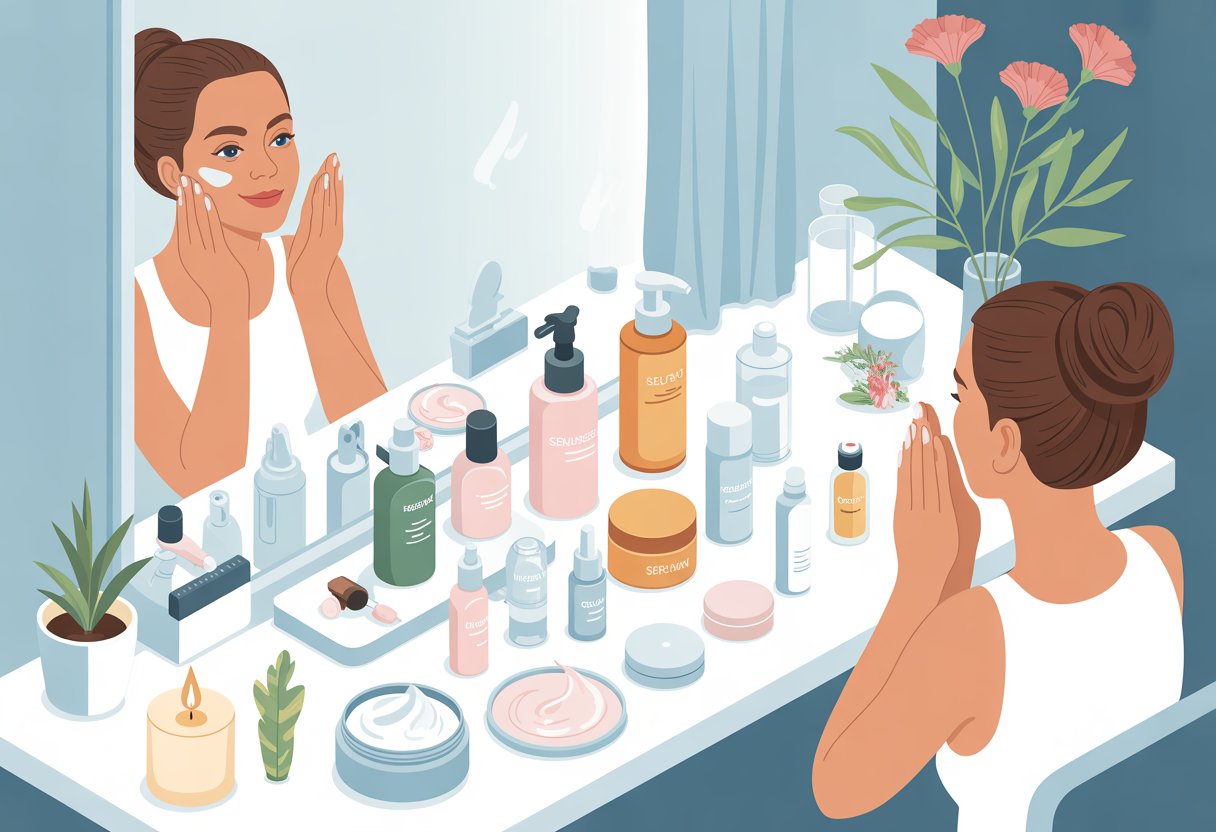
A solid skincare routine requires understanding the basic steps, selecting ingredients that match individual skin needs, and adapting the approach over time. The foundation starts with three essential steps and expands based on specific skin concerns and goals.
Step-by-Step Skincare Essentials
The core of any effective skincare routine consists of three fundamental steps: cleanse, moisturize, and protect. Cleansing removes oil and dirt buildup[4] that accumulates overnight and throughout the day, preventing clogged pores and bacterial growth.
Morning cleansing prepares the skin for the day ahead. It creates a clean base for other products to absorb properly.
Moisturizing follows cleansing and helps maintain the skin barrier. This barrier keeps harmful bacteria and pollutants out while locking in hydration. Every skin type needs moisture, though the formula type may vary.
Protection through sunscreen forms the third essential step. Daily sun protection prevents premature aging and protects against UV damage.
Beyond these basics, a “treat” step addresses specific concerns. This optional fourth step uses targeted ingredients like vitamin C, retinol, or acids. These treatments come in serums, toners, or oils and tackle issues such as breakouts, dryness, or signs of aging.
Choosing the Right Ingredients for Your Skin
Different skin types require different ingredient profiles for optimal skin health. Dry skin benefits from ceramides, hyaluronic acid, niacinamide, squalane, glycerin, and panthenol. These ingredients help restore moisture and strengthen the protective barrier.
Oily or acne-prone skin responds well to gel-based cleansers and lightweight formulas. These textures prevent additional oil buildup while still providing necessary hydration.
Individuals should match active ingredients to their primary concerns. Vitamin C brightens and evens tone. Retinol addresses fine lines and cell turnover. AHAs and BHAs exfoliate and clear pores.
The skin barrier requires protection from environmental pollutants, which accelerate aging. Antioxidant-rich ingredients defend against free radical damage from pollution and daily exposure.
Customizing Your Routine for Long-Term Health
Building healthy skincare habits in the twenties and thirties prepares skin for aging effects later. Early prevention strengthens the skin’s natural defenses and maintains its resilience over time.
A personalized approach to skincare[5] recognizes that individual needs change with seasons, life stages, and environmental factors. What works for one person may not suit another.
Starting simple prevents overwhelming the skin with too many products. A basic three-step routine establishes consistency before adding treatments.
Monitoring how skin responds guides adjustments. New products should be introduced one at a time to identify what helps or hinders progress. Patience allows time to see real results, as most skincare changes take weeks to become visible.
Enhancing Natural Glow and Skin Vitality
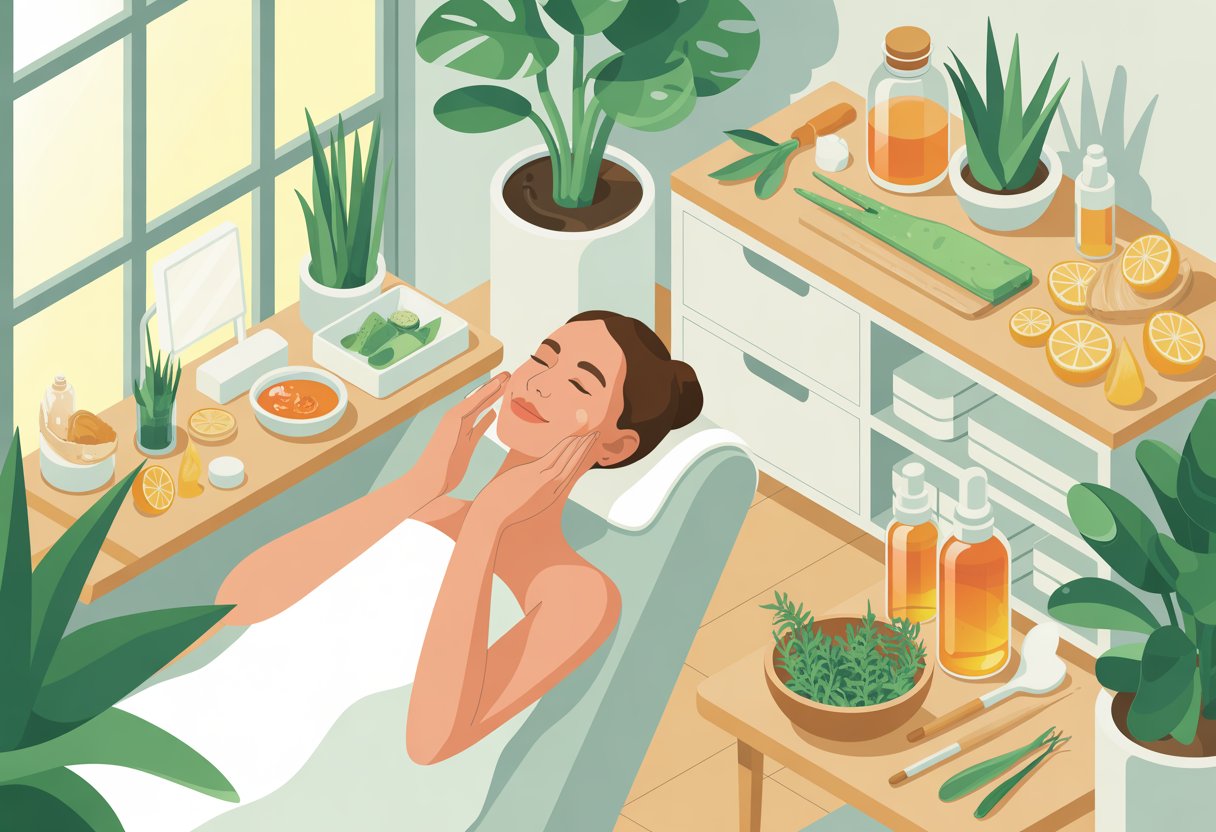
Achieving radiant skin requires attention to nutrition, structural protein support, and daily habits. The body needs specific nutrients to maintain healthy collagen and elastin levels, while simple lifestyle changes can protect and enhance skin’s natural luminosity.
Nourishing Skin from the Inside Out
The foods a person eats directly affect their skin’s appearance. Water keeps skin cells hydrated and helps flush out toxins that can make skin look dull. Drinking eight glasses of water daily supports skin moisture and elasticity.
Vitamins and minerals play specific roles in skin health. Vitamin C helps the body produce collagen and protects against damage from pollution. Vitamin E shields skin cells from harm caused by sun exposure. Foods like oranges, strawberries, almonds, and spinach deliver these essential nutrients.
Omega-3 fatty acids strengthen the skin’s barrier and reduce inflammation. Salmon, walnuts, and flaxseeds provide these healthy fats. Antioxidant-rich foods like blueberries and dark chocolate fight free radicals that age skin. Green tea contains compounds that calm redness and improve skin texture.
Supporting Collagen and Elastin Production
Collagen gives skin its firmness, while elastin allows it to stretch and bounce back. The body’s natural collagen production slows down after age 25. This decline leads to fine lines and sagging skin.
Certain nutrients boost the creation of these structural proteins:
- Vitamin C is required for collagen synthesis
- Copper helps link collagen and elastin fibers
- Proline and glycine are amino acids that form collagen’s structure
- Silica strengthens connective tissue
Bone broth provides collagen directly to the body. Citrus fruits, bell peppers, and kiwi supply vitamin C needed for collagen production. Nuts, seeds, and shellfish offer copper and other trace minerals.
Retinol and peptides in skincare products can stimulate collagen formation when applied to the skin. These ingredients signal skin cells to create more structural proteins.
Lifestyle Tips for a Luminous Complexion
Sleep gives skin time to repair damage from the day. During deep sleep, growth hormones peak and help rebuild collagen. Most adults need seven to nine hours per night for optimal skin renewal.
Sun protection prevents collagen breakdown and dark spots. Daily sunscreen with SPF 30 or higher blocks harmful UV rays. Wearing hats and seeking shade during peak hours adds extra protection.
Exercise increases blood flow to skin cells, delivering oxygen and nutrients. This boost creates a healthy flush and supports cell turnover. Even a 30-minute walk improves circulation and skin tone.
Stress releases cortisol, which breaks down collagen and triggers inflammation. Managing stress through deep breathing, meditation, or hobbies protects skin’s structure. Aesthetics and wellness synergy[3] combines inner calm with outer radiance for lasting results.
Gentle cleansing removes dirt without stripping natural oils. Harsh scrubbing damages the skin barrier and causes irritation. Pat skin dry instead of rubbing to maintain moisture.
The Role of Relaxation and Stress Management
Stress directly affects how a person looks and feels, triggering hormonal changes that show up on the skin, hair, and overall appearance. Regular relaxation practices and mindfulness techniques can reverse these effects by lowering cortisol levels and supporting the body’s natural repair processes.
Relaxation Techniques for Beauty Enhancement
Deep breathing exercises provide immediate benefits for skin health. When someone breathes deeply for just five minutes, oxygen flow to skin cells increases. This promotes natural radiance and helps reduce puffiness.
A simple technique involves inhaling for four counts, holding for four counts, and exhaling for eight counts. This pattern activates the body’s relaxation response within minutes.
Face yoga offers another effective approach. These gentle exercises release tension in facial muscles while improving circulation. The practice takes only 2-3 minutes and can be done while applying skincare products.
Quick relaxation methods include:
- Progressive muscle relaxation for the face and neck
- Gentle facial massage with upward strokes
- Guided visualization during skincare routines
- Power naps of 10-20 minutes
Each technique works by reducing stress hormones that interfere with skin cell renewal. Consistency matters more than duration when it comes to seeing results.
How Stress Impacts the Skin
When stress levels rise, the body produces more cortisol. This hormone triggers multiple skin problems[6] that affect appearance.
High cortisol levels increase oil production in the skin. This leads to more breakouts and acne. The hormone also slows down skin cell turnover, making the complexion look dull.
Stress affects skin through:
- Breaking down collagen and elastin
- Delaying wound healing
- Worsening existing conditions like eczema
- Creating inflammation throughout the body
- Reducing the skin’s ability to retain moisture
The damage happens at a cellular level. Stress accelerates oxidative stress, which speeds up aging. Fine lines and wrinkles appear more quickly when cortisol remains elevated.
Most people notice improvements within 48-72 hours of starting stress management practices. Better color and reduced puffiness appear first. More significant changes like fewer breakouts take 4-6 weeks of consistent self-care.
Mind-Body Practices for Lasting Results
Meditation stands out as one of the most effective tools for beauty enhancement. Regular practice lowers cortisol production, which helps maintain collagen levels in the skin.
Research shows that mindfulness meditation changes how the body responds to stress. Even 10 minutes daily can reduce inflammation markers that age the skin.
Movement-based practices offer dual benefits. Activities like yoga and tai chi combine physical exercise with breath awareness. This combination boosts circulation while calming the nervous system.
Effective mind-body approaches:
| Practice | Primary Benefit | Time Needed |
|---|---|---|
| Meditation | Hormone balance | 10-20 minutes |
| Yoga | Circulation boost | 20-30 minutes |
| Mindful walking | Stress reduction | 15-20 minutes |
| Body scanning | Tension release | 5-10 minutes |
These practices work by creating lasting changes in stress response patterns. The body learns to recover from stress more quickly, which protects skin health over time.
Combining multiple approaches creates the best results. Someone might start the day with breathing exercises, take a mindful walk at lunch, and end with gentle stretching. This layered approach to self-care keeps stress hormones balanced throughout the day.
Beauty Rituals for Holistic Wellness
Beauty rituals from different cultures combine physical care with mental and spiritual practices to support overall wellness. Daily habits that merge traditional wisdom with modern techniques help people maintain both outer appearance and inner balance.
Modern and Traditional Rituals Around the World
Ayurvedic practices use natural ingredients and specific techniques to promote skin health and body balance. Oil massage, known as abhyanga, involves applying warm oils to the skin before bathing to improve circulation and remove toxins. Surya Spa in Los Angeles blends Ayurvedic traditions with modern luxury[7] to create treatments that address both physical and mental wellness.
Japanese skincare rituals emphasize gentle layering of products and facial massage techniques. The multi-step approach includes cleansing, toning, and moisturizing with lightweight formulas that absorb into the skin. Face massage using tools like jade rollers or gua sha stones reduces puffness and promotes lymphatic drainage.
Korean beauty practices focus on hydration and prevention. Sheet masks provide concentrated ingredients directly to the skin while creating a moment of rest. Double cleansing removes makeup and daily buildup without stripping natural oils.
Integrating Wellness Practices Into Daily Life
Morning rituals set the tone for the day and require only 10-15 minutes. Dry brushing before showering stimulates circulation and exfoliates dead skin cells. Following with a quick face massage while applying moisturizer takes minimal time but provides multiple benefits.
Simple daily wellness habits:
- Drink water first thing in the morning
- Apply sunscreen as the final skincare step
- Practice deep breathing during product application
- Use evening skincare as a wind-down routine
Evening routines help transition into rest mode. Removing makeup thoroughly prevents clogged pores and skin irritation. Applying heavier creams or oils at night allows ingredients to work while the body repairs itself during sleep.
Consistency matters more than complexity. Starting with one or two practices and building gradually creates sustainable habits that support both beauty and wellness goals.
Massage, Circulation, and Skin Health
Massage improves blood flow to the skin, which helps deliver oxygen and nutrients while removing waste products. Better circulation supports natural detoxification and gives skin a healthier appearance.
Benefits of Facial and Body Massage
Facial massage helps reduce puffiness and tension in the face. The gentle pressure stimulates lymphatic drainage, which moves fluid and toxins away from tissues. This process can make the face look less swollen, especially around the eyes and cheeks.
Body massage works on larger muscle groups and broader areas of skin. It releases tension in tight muscles and increases blood flow throughout the body. The improved circulation brings fresh oxygen to skin cells and speeds up the removal of metabolic waste.
Regular massage can improve skin texture and tone. The mechanical action of massage increases collagen production over time. It also helps skincare products absorb better by warming the skin and opening pores.
Both facial and body massage reduce stress hormones like cortisol. Lower stress levels mean less inflammation in the body, which benefits skin health directly.
Improving Circulation and Detox with Massage
Massage moves blood through congested areas and into capillaries near the skin surface. This increased circulation delivers nutrients like vitamins and minerals that skin cells need to function properly. Better blood flow also carries away carbon dioxide and metabolic waste products.
The lymphatic system relies on movement to function since it has no pump like the heart. Massage provides this movement manually. Lymphatic drainage techniques use light, rhythmic strokes that follow the direction of lymph flow toward lymph nodes.
Improved detox through massage shows up as clearer skin and reduced puffiness. The body removes toxins more efficiently when lymph fluid moves properly. This process happens naturally but massage speeds it up significantly.
Key circulation benefits include:
- Increased oxygen delivery to skin cells
- Faster removal of waste products
- Better nutrient absorption
- Reduced fluid retention
At-Home Versus Professional Treatments
At-home massage costs nothing beyond the initial purchase of tools like jade rollers or gua sha stones. People can perform basic techniques daily with their hands or simple devices. Face massage takes five to ten minutes and works well as part of a morning or evening routine.
Professional treatments use advanced techniques that require training. Massage therapists understand anatomy and apply the right amount of pressure in specific areas. They can target problem areas more effectively than most people can at home.
Professional treatments offer:
- Deeper tissue work
- Specialized lymphatic drainage
- Expert assessment of skin and muscle issues
- Stronger, longer-lasting results
At-home methods work best for maintenance between professional sessions. They keep circulation active and help extend the benefits of professional work. Most people see good results with professional massage once a month and daily at-home techniques.
Personalized Approaches: Tailoring Wellness to Your Needs
Everyone’s body and skin respond differently to treatments and products. A wellness plan that works for one person may not deliver the same results for another.
Personal Wellness and Beauty Assessments
A proper assessment forms the foundation of any effective self-care strategy. This process typically includes examining skin type, identifying specific concerns, and evaluating lifestyle factors that affect beauty and wellness.
Skin assessments look at moisture levels, sensitivity, oil production, and visible issues like acne or fine lines. A person can conduct basic assessments at home by observing how their skin feels throughout the day and how it reacts to different products.
Professional assessments provide deeper insights. Dermatologists and estheticians use specialized tools to measure hydration, detect underlying damage, and analyze pore size. They also ask questions about diet, sleep patterns, stress levels, and current skincare routine practices.
Wellness assessments extend beyond the skin. They examine physical activity, nutrition habits, water intake, and sleep quality. These factors directly impact how skin looks and how the body functions. Blood tests can reveal vitamin deficiencies or hormonal imbalances that affect both beauty and overall health.
Customizing Treatments and Routines
After completing an assessment, the next step involves building a targeted plan. A customized skincare routine matches products to specific skin types and concerns rather than following generic advice.
Key elements to personalize:
- Product selection: Choose cleansers, serums, and moisturizers based on skin type
- Treatment frequency: Adjust exfoliation and masking schedules to individual tolerance
- Active ingredients: Select ingredients that address specific concerns like retinol for aging or salicylic acid for acne
- Application timing: Apply products when they work best for individual schedules
Wellness routines also require customization. Someone with high stress might prioritize meditation and adequate sleep. An athlete needs different nutrition and recovery practices than someone with a sedentary job. The timing of meals, types of exercise, and supplement choices should align with personal goals and body responses.
People should track their results and adjust their beauty and wellness approaches as needed. What works in winter might need modification in summer. Skin and body needs change with age, hormones, and life circumstances.
The Impact of Nutrition and Lifestyle on Beauty
What you eat and how you live directly affects how your skin looks and feels. Certain foods deliver nutrients that support skin health from the inside out, while basic habits like drinking enough water and getting quality sleep determine whether skin maintains its natural glow.
Foods That Promote Skin Health and Vitality
Protein-rich foods provide amino acids[8] that the body uses to build collagen, which keeps skin firm and smooth. Good sources include eggs, fish, chicken, beans, and Greek yogurt.
Fatty fish like salmon and sardines contain omega-3 fatty acids that reduce inflammation and help maintain the skin’s moisture barrier. These healthy fats work alongside omega-6s to keep skin cells functioning properly.
Colorful fruits and vegetables deliver antioxidants that protect skin from damage. Berries, tomatoes, bell peppers, and leafy greens provide different types of protective compounds. Vitamin C from citrus fruits and strawberries supports collagen production.
Key nutrients for healthy skin:
- Vitamin A – regulates oil production and cell turnover
- Zinc – supports healing and controls inflammation
- Vitamin E – protects cell membranes from oxidative stress
- B vitamins – help with cellular energy and stress response
Foods high in electrolytes, like coconut water and leafy greens, support cellular hydration better than water alone.
Hydration, Sleep, and Their Influence on Appearance
Drinking adequate water helps skin cells function and supports the removal of waste products. When combined with foods rich in healthy fats, water helps maintain skin moisture from within.
Sleep gives skin time to repair itself. During rest, blood flow to the skin increases, which brings oxygen and nutrients to cells. Poor sleep disrupts this process and can lead to dull, tired-looking skin.
The body produces most of its collagen during early morning hours. Getting 7-9 hours of quality sleep allows these repair processes to complete. Sleep deprivation also raises cortisol levels, which can trigger inflammation and break down collagen.
Blood circulation delivers nutrients and oxygen throughout the body, including to skin cells. Regular movement and adequate rest both support healthy circulation, giving skin a fresh appearance.
Emerging Trends in Beauty and Wellness
Medical spas are expanding their services to address whole-body health while new technologies deliver personalized skin solutions through artificial intelligence and advanced diagnostics.
Integrative Medical Spas and Retreats
Medical spas have evolved beyond basic facials and massages to offer comprehensive wellness services. These facilities now combine traditional spa treatments with preventative health screenings and medical-grade procedures.
Modern integrative spas provide services like full-body health scans that gather millions of data points in minutes. Some facilities use over 70 sensors to assess everything from skin conditions to cardiovascular function. This approach helps identify potential health issues before they become visible problems.
Key services at integrative medical spas include:
- Advanced skin analysis and customized treatment plans
- Nutritional counseling paired with beauty treatments
- Mental wellness programs designed to reduce stress
- Recovery therapies like red light treatment and cold therapy
These retreats recognize that beauty and wellness cannot be separated. They address factors like sleep quality, stress levels, and nutrition alongside traditional cosmetic concerns. The focus shifts from quick fixes to sustainable self-care practices that support long-term health and appearance.
Technological Innovations for Radiant Skin
AI-powered beauty technologies[9] are transforming how people approach skincare. These systems analyze skin conditions invisible to the naked eye and create customized treatment recommendations.
Artificial intelligence can now capture over 50 million data points from a single skin scan. The technology identifies concerns like subtle inflammation, hydration imbalances, and early signs of aging. It then adjusts skincare devices and suggests personalized product formulations.
Virtual try-on experiences let consumers test products digitally before purchasing. Custom formulation systems create products tailored to individual skin needs rather than offering generic solutions.
Benefits of AI skincare technology:
- Personalized routines that adapt as skin changes
- Early detection of potential skin issues
- Reduced waste from products that don’t work
- Data-driven recommendations based on proven results
Microbiome testing represents another technological advance. By analyzing the bacteria living on skin, companies recommend products that support healthy microbial balance rather than disrupting it.
Conclusion: Embarking on Your Beauty Meets Wellness Journey
The path forward in beauty and wellness requires action and commitment. Anyone can start this journey today by making small changes that honor both their appearance and their health.
Beauty and wellness work best when they support each other. A good skin care routine matters, but so does sleep, nutrition, and stress management. When someone focuses on both areas together, they see better results than targeting just one.
Starting points for your journey:
- Choose products with ingredients that support skin health at the cellular level
- Build a self-care routine that includes both beauty rituals and wellness practices
- Focus on how products and habits make you feel, not just how they make you look
- Give changes time to work before moving to the next trend
The beauty and wellness convergence[1] shows that looking good and feeling good are connected. This isn’t about perfection. It’s about finding what works for each person’s unique needs and goals.
Self-care means different things to different people. For some, it’s a morning skin care routine. For others, it’s meditation or exercise. The key is consistency and choosing practices that support long-term health.
Remember these principles:
- Real beauty reflects inner health
- Sustainable routines beat quick fixes
- Your journey is personal and unique
The tools and knowledge exist to create lasting change. Success comes from taking the first step and building habits that last.
Frequently Asked Questions
Sleep quality, stress management, and nutrition directly affect how skin looks and functions, while simple daily habits can deliver lasting improvements when they address both inner health and outer care.
How do lifestyle factors like sleep, stress, and nutrition influence skin health and appearance?
Sleep allows the skin to repair damage from UV exposure and environmental stressors. During deep sleep, the body increases blood flow to the skin and rebuilds collagen, which helps reduce wrinkles and age spots.
Poor sleep disrupts this repair process. People who consistently sleep less than seven hours often show more signs of aging, including fine lines, uneven pigmentation, and reduced elasticity.
Chronic stress triggers the release of cortisol, which breaks down collagen and increases oil production. This hormonal shift can lead to breakouts, inflammation, and a weakened skin barrier. Stress also impairs the skin’s ability to retain moisture.
Nutrition provides the building blocks for healthy skin cells. Diets rich in antioxidants, omega-3 fatty acids, and vitamins support collagen production and protect against oxidative damage. Processed foods and excess sugar can trigger inflammation that shows up as redness, puffiness, and accelerated aging.
Which daily habits provide the biggest combined benefits for both beauty and overall wellness?
Regular physical activity improves circulation, which delivers oxygen and nutrients to skin cells while removing waste products. Exercise also reduces stress hormones and promotes better sleep quality.
Drinking adequate water throughout the day maintains skin hydration from the inside out. Proper hydration supports the skin’s ability to function as a protective barrier and helps flush toxins that can contribute to dullness.
Consistent sun protection prevents up to 80 percent of visible aging signs. Daily SPF use protects against UV damage that causes wrinkles, dark spots, and loss of firmness while also reducing cancer risk.
Eating a balanced diet with plenty of vegetables, fruits, and healthy fats provides essential nutrients for skin repair and renewal. These foods contain vitamins, minerals, and antioxidants that support both cellular health and appearance.
What ingredients should be prioritized in skincare routines to support the skin barrier and long-term resilience?
Ceramides are lipids that naturally occur in the skin and make up about 50 percent of the skin barrier. Topical ceramides help restore barrier function, prevent moisture loss, and protect against irritants.
Niacinamide strengthens the skin barrier by increasing ceramide production. This ingredient also reduces inflammation, minimizes pore appearance, and helps regulate oil production without causing irritation.
Hyaluronic acid holds up to 1,000 times its weight in water. It draws moisture into the skin and helps maintain hydration levels throughout the day.
Peptides are amino acid chains that signal the skin to produce more collagen and elastin. Regular use can improve firmness and reduce the appearance of fine lines over time.
Antioxidants like vitamin C, vitamin E, and green tea extract protect against free radical damage from pollution and UV exposure. They also support the skin’s natural repair processes and can help fade dark spots.
How can gut health impact common concerns such as acne, inflammation, and dullness?
The gut microbiome influences skin health through the gut-skin axis. An imbalanced microbiome can trigger systemic inflammation that manifests as skin issues.
Poor gut health often leads to increased intestinal permeability, which allows toxins and bacteria to enter the bloodstream. This triggers an immune response that can worsen acne, eczema, and rosacea.
Beneficial gut bacteria help regulate the immune system and reduce inflammatory responses throughout the body. When gut bacteria are balanced, the skin experiences less redness, irritation, and breakouts.
Nutrient absorption depends on gut health. A compromised digestive system struggles to extract vitamins and minerals from food, which can lead to dull, tired-looking skin that lacks vitality.
Elevate Your Health for Just $29.99/Month
Join the Precision Wellness Subscription at My Healing 365 and get discounted services, priority coaching access, virtual care, and exclusive wellness resources to support your physical, emotional, and hormonal health.
Join for $29.99/MonthProbiotics and fermented foods support a diverse gut microbiome. Studies show that people who consume probiotic-rich foods often experience improvements in acne severity and skin hydration.
What is the most effective way to build a simple, sustainable routine that balances topical care with internal support?
Start with a basic skincare routine that includes a gentle cleanser, moisturizer, and sunscreen. These three products address fundamental skin needs without overwhelming the skin or the person using them.
Add one targeted treatment at a time based on specific concerns. Wait four to six weeks before introducing another product to monitor how the skin responds.
Focus on personalized wellness approaches[10] that align with individual health goals and lifestyle needs. What works for one person may not work for another due to differences in skin type, genetics, and environmental factors.
Prioritize internal support through consistent sleep schedules, stress management techniques, and whole food nutrition. These factors affect skin health more significantly than any single topical product.
Track progress with photos taken in similar lighting conditions every few weeks. This helps identify what actually works rather than relying on subjective impressions.
Which wellness practices are most effective for slowing visible signs of aging and improving skin vitality?
Regular strength training maintains muscle mass and bone density, which help preserve facial structure and prevent sagging. Muscle tissue also supports healthy metabolism and hormone balance.
Meditation and mindfulness practices lower cortisol levels and reduce oxidative stress. People who practice stress reduction techniques regularly often show fewer signs of premature aging.
Adequate protein intake supports collagen synthesis and cellular repair. The body needs sufficient amino acids to build and maintain skin structure.
Limiting alcohol consumption protects skin health since alcohol dehydrates the body and depletes essential nutrients. It also causes inflammation and dilates blood vessels, leading to redness and puffiness.
Prioritizing emotional wellbeing and inner health[11] contributes to self-confidence and overall vitality. Feeling good emotionally translates to better stress management, which directly benefits skin appearance.
Post Views: 7
References
- Beauty Meets Wellness Initiative. https://globalwellnessinstitute.org/initiatives/beauty-initiative/ Accessed April 3, 2026
- Harmony in Beauty: Aesthetics and Wellness Synergy Explored. https://resident.com/resource-guide/2025/06/28/beauty-meets-balance-exploring-aesthetics-and-wellness-synergy/ Accessed April 3, 2026
- Harmony in Beauty: Aesthetics and Wellness Synergy Explored. https://resident.com/resource-guide/2025/06/28/beauty-meets-balance-exploring-aesthetics-and-wellness-synergy Accessed April 3, 2026
- This Is How to Carry Out the Perfect Daily Skincare Routine. https://www.whowhatwear.com/perfect-skincare-routine Accessed April 3, 2026
- Build Your Perfect Skin Routine: A Step-by-Step Guide. https://www.dermalogica.com/blogs/living-skin/build-a-skin-routine Accessed April 3, 2026
- Easy Stress Management Techniques For Beauty Success. https://spavelous.com/easy-stress-management-techniques-for-beauty-success/ Accessed April 3, 2026
- Surya Ayurvedic Spa Los Angeles. https://suryawellness.com/ Accessed April 3, 2026
- Beauty Inside and Out: A Scientific Guide to Nutritional Skin Health. https://theluxurylifestylemagazine.com/beauty-inside-and-out-a-scientific-guide-to-nutritional-skin-health/ Accessed April 3, 2026
- What’s Hot in Beauty and Wellness? Experts Spill the Tea. https://beyondbeautylab.com/beauty-and-wellness-trends/ Accessed April 3, 2026
- Beauty Meets Wellness Initiative Trends. https://globalwellnessinstitute.org/initiatives/beauty-initiative/beauty-initiative-trends/ Accessed April 3, 2026
- emotional wellbeing and inner health. https://globalwellnessinstitute.org/wp-content/uploads/2018/09/Miami_Roundtable_Summary_Final.pdf Accessed April 3, 2026

























