
Medically Reviewed
Dr. Jose Rossello, MD, PhD, MHCM
Preventive Medicine & Public Health Specialist
Last Reviewed: April 18, 2026
Getting good sleep matters for your health, but many people struggle on a mattress that doesn’t work for them. The right mattress depends on your body weight, sleeping position, and personal comfort preferences, with most people needing a medium to medium-firm feel that supports proper spine alignment. Picking the wrong bed can lead to poor sleep, back pain, and wasted money.
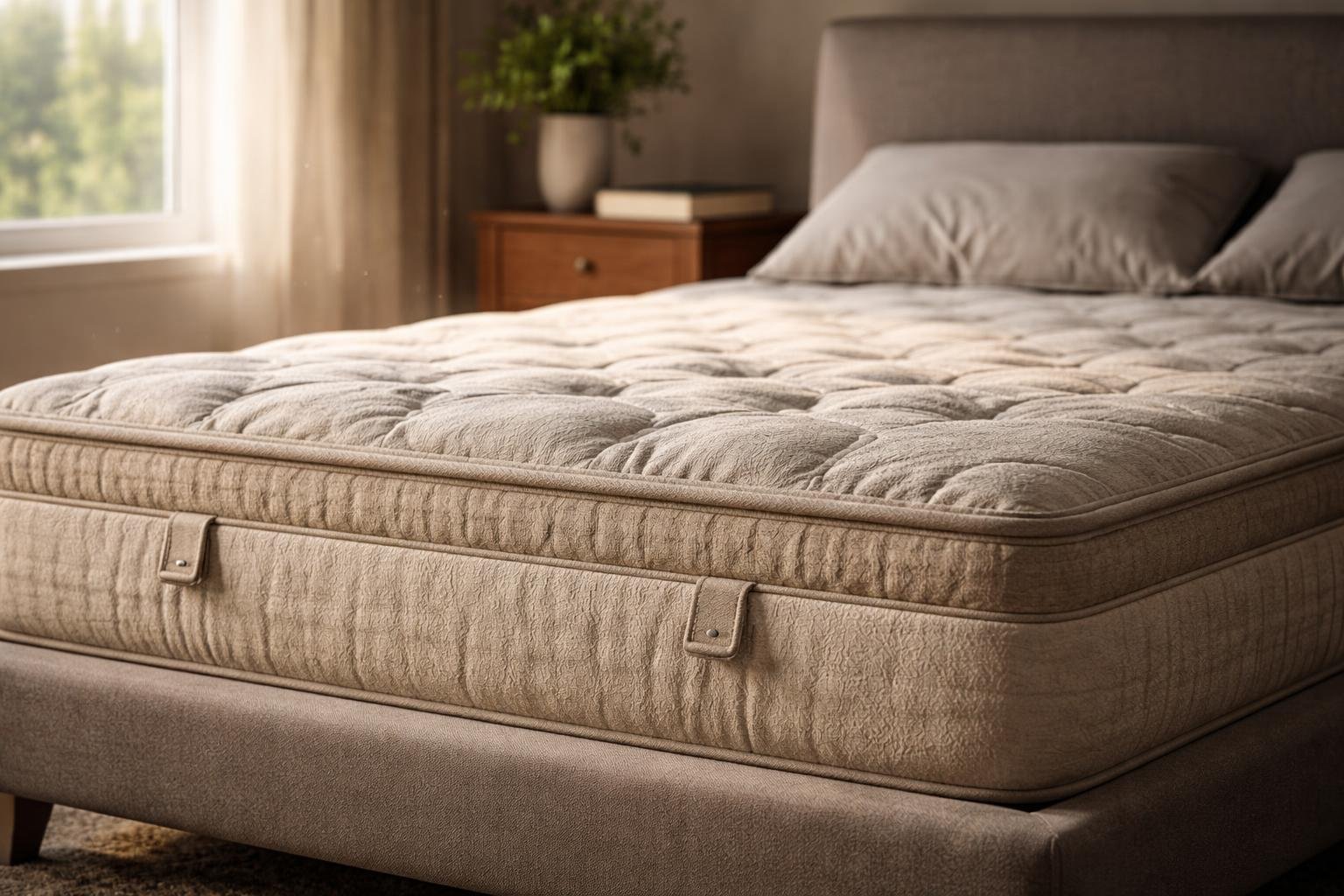
Choosing the right mattress[1] involves understanding different mattress types, firmness levels, and how your sleeping style affects what will feel comfortable. The mattress industry offers foam, hybrid, innerspring, latex, and airbed options at prices ranging from a few hundred to several thousand dollars. Each type works differently for different sleepers.
This guide breaks down what matters when buying a mattress[2] so shoppers can make a smart choice. It covers mattress materials, firmness ratings, performance factors like cooling and motion isolation, and how to match a bed to specific needs. With the right information, finding a mattress that delivers better sleep becomes much easier.
Table of Contents
Key Takeaways
- Mattress type and firmness should match your body weight and preferred sleeping position for proper support
- Different materials like foam, hybrid, and latex offer distinct benefits for comfort, cooling, and durability
- Testing firmness levels and understanding performance factors helps narrow down the best mattress for your needs
Understanding Mattress Types and Materials
Different mattress constructions use distinct materials that affect how they feel, perform, and last over time. The five main types include all-foam beds, hybrids that combine foam with coils, latex options, and traditional innerspring designs, each offering unique benefits for different sleep preferences.
Foam, Memory Foam, and Gel-Infused Foam
A foam mattress consists entirely of foam layers without any springs or coils. These beds typically feature multiple foam types stacked together to provide support and comfort.
Memory foam mattresses use viscoelastic foam that responds to body heat and pressure. This material contours closely to the sleeper’s shape, which helps relieve pressure points at the shoulders and hips. Memory foam also absorbs motion well, making it popular among couples.
Standard memory foam can trap body heat during sleep. Gel-infused foam addresses this issue by mixing cooling gel particles into the foam structure. The gel helps draw heat away from the body for a cooler sleep surface.
Many modern foam beds combine different foam densities and types. The top layers usually provide softer cushioning while firmer base layers offer structural support. Brands like Tempur-Pedic pioneered memory foam mattresses and remain popular choices, though many newer companies now offer similar constructions at lower prices.
Hybrid and Latex Mattresses
Hybrid mattresses[1] blend innerspring coil systems with substantial foam or latex comfort layers on top. This combination provides bounce from the coils plus pressure relief from the comfort materials.
Popular hybrid models include the Bear Elite Hybrid, WinkBed, Helix Midnight, and DreamCloud Original. The Nolah Evolution Hybrid and Brooklyn Bedding Aurora Luxe also use this construction style.
A latex mattress uses natural or synthetic rubber foam instead of petroleum-based foams. Latex offers responsive bounce with moderate contouring. It tends to sleep cooler than memory foam and lasts longer than most other materials.
Latex hybrid mattresses pair latex comfort layers with pocketed coil support cores. This design gives sleepers the durability and responsiveness of latex with added bounce and airflow from the springs. These beds work well for people who want eco-friendly materials without sacrificing support.
Innerspring and Coil-Based Designs
An innerspring mattress relies primarily on a coil system for support with minimal padding on top. Traditional innerspring beds use interconnected coils, while modern versions typically feature pocketed coils that move independently.
Pocketed coils offer better motion isolation than connected springs. Each coil sits in its own fabric sleeve and responds only to pressure directly above it. This prevents motion from transferring across the bed.
Spring mattresses generally provide more bounce and better airflow than all-foam options. The Saatva Classic represents a popular innerspring design that uses dual coil layers for enhanced support.
Comfort layers in coil mattresses determine how the bed feels. Thinner comfort systems create firmer surfaces that work well for stomach and back sleepers. Thicker padding adds cushioning for side sleepers who need more pressure relief at their shoulders and hips.
Choosing Mattress Firmness and Support
Mattress firmness directly affects comfort and sleep quality, while proper support keeps the spine aligned throughout the night. Understanding how these two factors work together helps shoppers find a bed that reduces pain and improves rest.
Firmness Levels Explained
Most manufacturers rate mattress firmness on a 10-point scale[3], with 1 being the softest and 10 being the firmest. A soft mattress typically rates between 2-3 and sinks considerably under body weight. A medium-firm mattress scores around 6 and provides moderate cushioning with less sinkage. A firm mattress rates 7-8 and offers minimal contouring.
Most people prefer firmness options between 4 and 7. These middle ratings work well for couples with different preferences and sleepers who change positions during the night.
Body weight plays a major role in how firm a bed feels. Lighter sleepers under 130 pounds usually need softer surfaces to get enough cushioning. People between 130-230 pounds typically prefer medium to medium-firm feels. Heavier sleepers over 230 pounds often need firmer beds to prevent excessive sinking.
Support and Spinal Alignment
Support differs from firmness. A mattress can be soft yet supportive[3] or firm but lack proper support. A supportive mattress keeps the spine in a neutral position regardless of sleep position.
Side sleepers need cushioning around the shoulders and hips while maintaining support. Without enough give, pressure builds up in these areas. Back sleepers require support under the lower back to prevent the midsection from sagging. Stomach sleepers need firmer surfaces to keep the hips from sinking too deep.
Choosing the best mattress for back pain[4] depends on sleep position and body type. Back sleepers between 130-230 pounds often benefit from medium to firm ratings. Side sleepers need softer surfaces to cushion pressure points. Poor spinal alignment from an unsuitable bed can worsen existing pain.
Pressure Relief Considerations
Pressure relief happens when a mattress cushions sensitive areas like shoulders, hips, and knees. Too much firmness creates pressure buildup. Too much sinkage can throw the spine out of alignment.
Side sleepers experience the most pressure concentration and typically need the most cushioning. A mattress firmness guide[5] helps match body weight with appropriate firmness for each position.
Heavier individuals need firmer beds to avoid sinking too deeply, even when sleeping on their side. Lighter sleepers can use softer options without losing support. People with joint pain or arthritis often prefer softer surfaces that cradle the body, while those with chronic back issues may need firmer support to maintain proper posture.
Sleep Positions and the Right Mattress Fit

The position someone sleeps in determines which parts of their body need the most support and cushioning. A mattress that works well for a side sleeper often feels uncomfortable for a stomach sleeper, and vice versa.
Side Sleepers
Side sleepers need a mattress that cushions their shoulders and hips. These are the body’s widest points and they create sharp pressure points when someone lies on their side.
A mattress that’s too firm will push back against the shoulders and hips. This causes discomfort and throws the spine out of alignment. A mattress that’s too soft lets these areas sink too deeply, creating a similar alignment problem.
Mattresses for side sleepers[1] should fall in the Medium Soft to Medium Firm range. This firmness level provides enough give to let the shoulders and hips sink in slightly while still supporting the rest of the body.
Elevate Your Health for Just $29.99/Month
Join the Precision Wellness Subscription at My Healing 365 and get discounted services, priority coaching access, virtual care, and exclusive wellness resources to support your physical, emotional, and hormonal health.
Join for $29.99/MonthPeople under 130 pounds who sleep on their side typically need a softer mattress. Side sleepers over 230 pounds usually need a Medium Firm option to prevent sinking too deeply.
Foam and hybrid mattresses work well for side sleepers because they contour to the body’s curves. This contouring helps keep the spine straight from the neck down to the lower back.
Back and Stomach Sleepers
Back and stomach sleepers put the most pressure on their lower back. The torso is the heaviest part of the body, and it can sink into a mattress that’s too soft.
When the midsection sinks too far, it creates a U-shape with the body. This position strains the lumbar spine and can lead to lower back pain.
A Medium Firm to Firm mattress[6] works best for these sleeping positions. Back sleepers need light to moderate contouring that supports the natural curve of the lower back without letting it sink too much.
Stomach sleepers typically need an even firmer mattress. A Firm option keeps the hips from dipping down and prevents the feeling of suffocation that can happen when lying face-down on a soft surface.
Heavier individuals who sleep on their back or stomach should lean toward the firmer end of the range. Lighter sleepers can choose something closer to Medium Firm.
Combination Sleepers
Combination sleepers change positions throughout the night. They might start on their side, roll to their back, and shift to their stomach before morning.
These sleepers need a mattress that works reasonably well in multiple positions. A Medium Firm mattress offers the best compromise[7] across different sleeping positions.
Responsiveness matters more for combination sleepers than for those who stay in one position. A responsive mattress makes it easier to shift positions without feeling stuck or fighting against the mattress.
Latex and hybrid mattresses tend to be the most responsive options. They bounce back quickly when someone moves, unlike memory foam which can create a sinking feeling.
If a combination sleeper spends most of the night in one particular position, they should choose their mattress based on that primary position instead of trying to split the difference.
Key Mattress Performance Factors
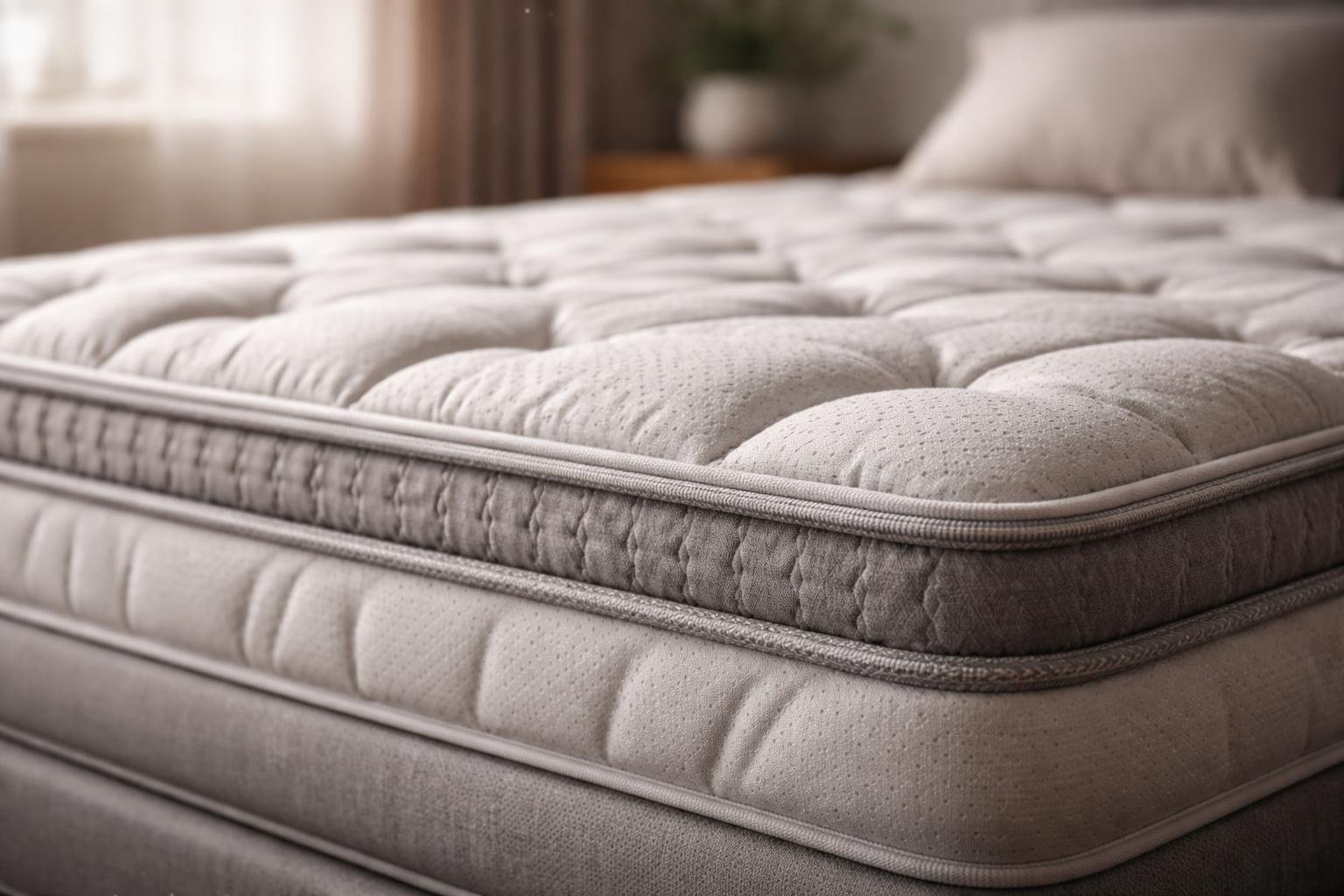
Beyond firmness and mattress type, several performance features affect sleep quality. These factors determine how well a mattress handles movement, supports the entire sleeping surface, and regulates temperature throughout the night.
Motion Isolation and Transfer
Motion isolation refers to how well a mattress absorbs movement from one side of the bed without disturbing a partner on the other side. This matters most for couples, especially when one person moves frequently during sleep or gets up at different times.
Foam mattresses excel at motion isolation because the material absorbs movement rather than transferring it across the surface. Memory foam provides the strongest motion isolation among all mattress types. Hybrid mattresses offer moderate motion isolation, depending on the thickness of their foam comfort layers.
Innerspring mattresses typically have poor motion transfer control. The connected coil systems in these beds transmit movement across the entire sleeping surface. People who share a bed and want minimal motion transfer should avoid traditional innerspring options or choose pocketed coil systems, which perform better than connected coils.
Edge Support and Durability
Edge support describes how well a mattress maintains its shape and stability along the perimeter. Strong edge support prevents the feeling of rolling off the bed and provides a larger usable sleeping surface. It also makes getting in and out of bed easier, which matters for people with mobility concerns.
Hybrid and innerspring mattresses generally provide the best edge support because their coil systems extend to the mattress edges. Foam and latex mattresses often have weaker edges that compress more under weight. Some manufacturers add reinforced foam perimeters to improve edge support in all-foam models.
Durability affects how long a mattress maintains its support and comfort. High-density foams and quality coil systems last longer than low-density materials. Latex mattresses typically offer the longest lifespan, often lasting 10-15 years. Most foam and hybrid mattresses last 7-10 years with proper care.
Cooling and Breathability Features
Temperature regulation plays a major role in sleep quality for many people. Hot sleepers need cooling mattresses[1] with features designed to prevent heat buildup during the night.
Breathability describes how well air flows through a mattress. Innerspring and hybrid mattresses naturally allow more airflow because of the open space in their coil systems. All-foam mattresses trap more heat unless they include specific cooling features.
Modern cooling mattresses use several technologies to manage temperature:
- Gel-infused foam pulls heat away from the body
- Phase change material absorbs and releases heat to maintain consistent temperature
- Copper or graphite infusions conduct heat away from the sleeping surface
- Open-cell foam structures improve airflow compared to traditional memory foam
A cooling cover adds another layer of temperature control. Many manufacturers use breathable fabrics or moisture-wicking materials in their cover designs. The best cooling mattress[2] options combine multiple cooling technologies rather than relying on a single feature.
Latex mattresses naturally sleep cooler than traditional memory foam because of their responsive, breathable structure. People who sleep hot should look for mattresses with multiple cooling features and avoid dense memory foam without temperature-regulating technology.
Sizing, Thickness, and Mattress Dimensions
Getting the right mattress size and thickness directly affects sleep quality and bedroom functionality. Understanding standard dimensions and how thickness impacts support helps narrow down options that fit both the sleeper’s body and their space.
Mattress Sizes Explained
Standard mattress sizes[8] range from Twin to California King, each designed for different sleeping arrangements and room sizes. A Twin measures 38 inches wide by 75 inches long and works well for children or single adults in smaller rooms. Twin XL adds 5 inches of length at 38 by 80 inches, making it popular for taller teenagers and college dorms.
Full mattresses measure 54 by 75 inches and can accommodate one adult comfortably or two adults who don’t mind close quarters. Queen size at 60 by 80 inches remains the most popular choice for couples, offering enough space without overwhelming most bedrooms.
King mattresses provide 76 by 80 inches of sleeping surface, ideal for couples who want maximum personal space or share the bed with children or pets. California King measures 72 by 84 inches, trading some width for extra length to accommodate taller sleepers.
Mattress Thickness and Comfort
Mattress thickness affects both comfort and support[8], with options ranging from 8 inches to over 14 inches. Most adults need at least 10 to 12 inches of thickness for proper spinal alignment and pressure relief. This standard range includes adequate comfort layers and a supportive core.
Side sleepers and people over 230 pounds typically need thicker mattresses of 12 to 14 inches. The extra depth provides better pressure relief at the shoulders and hips while preventing excessive sinking. Back and stomach sleepers between 130 and 230 pounds usually find 10 to 12 inches sufficient.
Thickness categories include:
- Low profile: 8 inches or less for children and specialty beds
- Slim: 8 to 10 inches for adults with mobility concerns
- Standard: 10 to 12 inches for most average-weight adults
- Thick: 12 to 14 inches for side sleepers and heavier individuals
- Extra thick: 14+ inches for maximum cushioning and durability
Thicker mattresses often last longer because they contain more substantial support cores that resist sagging over time.
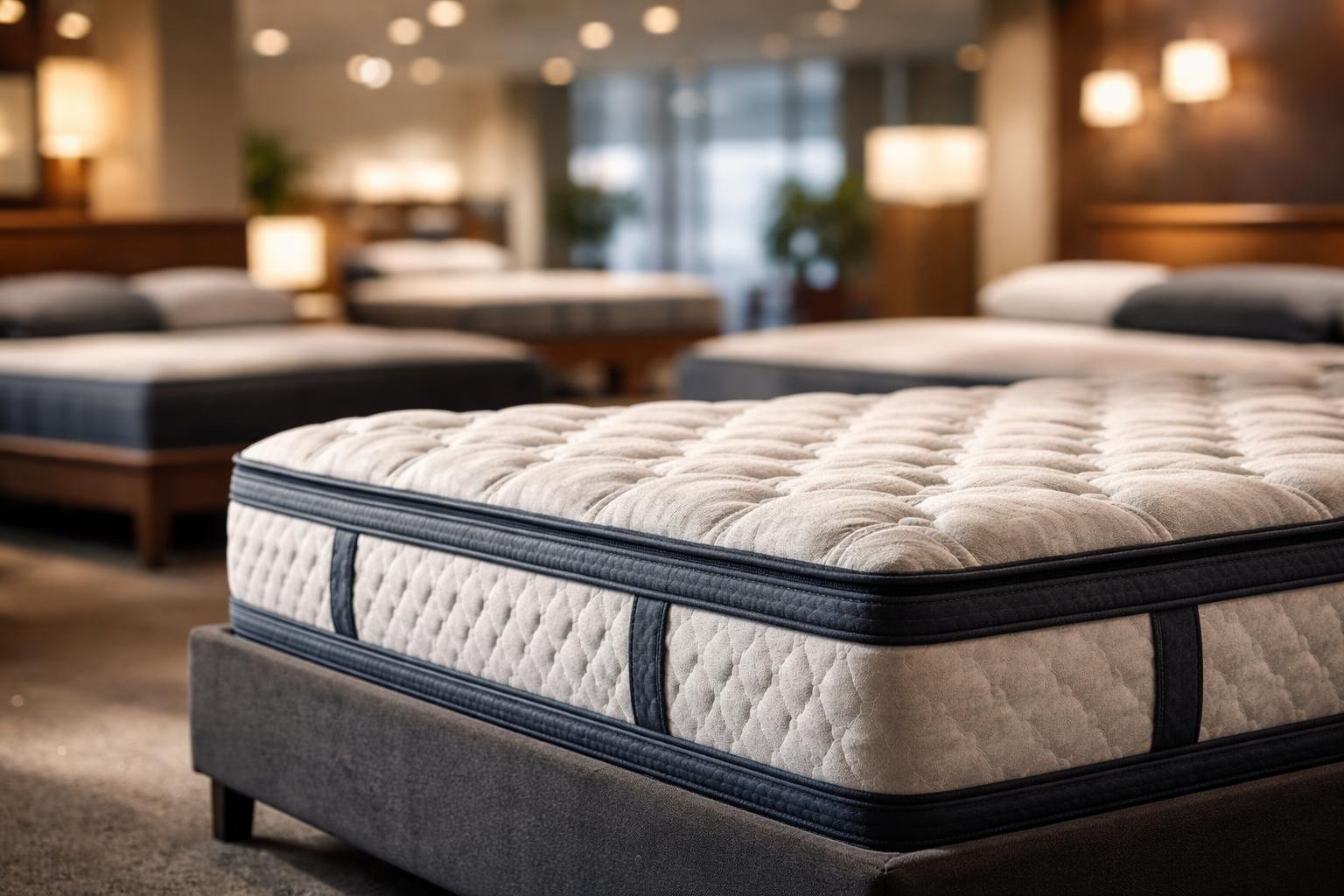
Buying a mattress requires careful consideration of where to shop, which brands offer the best value, and how to manage your budget. Understanding trial periods and return policies can protect your investment while you test whether a bed meets your needs.
Online vs. In-Store Purchase
Shopping at a mattress store allows customers to test different models in person and get immediate answers from sales staff. Many people prefer this hands-on approach when making such an important purchase.
However, online mattress retailers have changed the industry by offering lower prices and convenient home delivery. Most online mattress companies[9] provide detailed specifications, customer reviews, and comparison tools that help buyers make informed decisions without visiting a physical location.
The main advantage of in-store shopping is the ability to lie down on multiple beds and feel the differences firsthand. The drawback is that a quick test in a showroom doesn’t always predict long-term comfort. Online purchases eliminate pressure from salespeople and often cost less, but buyers can’t physically test the mattress before ordering.
Top Mattress Brands and Bed-in-a-Box Options
Several brands consistently earn high marks in mattress reviews for quality and performance. The Helix Midnight Luxe offers strong performance[9] across different testing categories with its hybrid design that balances cushioning and support.
Other top-rated options include the WinkBed for overall comfort, the Nectar Classic for budget-conscious shoppers, and the Saatva Classic for those seeking luxury features. Each brand specializes in different materials and firmness levels to accommodate various sleep preferences.
Bed-in-a-box options have become popular because they compress mattresses for easier shipping and setup. These products arrive at your door in a manageable package and expand to full size once unboxed. Most major online brands use this delivery method, making mattress shopping more accessible to people who can’t easily transport a full-size bed.
Trial Periods, Shipping, and Off-Gassing
Most reputable mattress retailers offer sleep trials that let buyers test the bed at home for an extended period. Trial periods typically range from 100 to 365 nights, with many companies requiring a 30-night break-in period before accepting returns.
Free shipping has become standard for mattress purchases in the lower 48 states. Companies usually deliver the bed to your doorstep, though some offer white glove delivery services that include setup and old mattress removal for an additional fee.
Off-gassing refers to the chemical smell that new mattresses sometimes release when first unpacked. This odor comes from materials used in manufacturing and usually disappears within a few days. Memory foam and polyfoam mattresses tend to have stronger initial odors than innerspring or latex models. Opening windows and allowing the mattress to air out in a well-ventilated room helps reduce the smell faster.
Setting a Budget and Understanding Mattress Price
Mattress prices vary widely based on materials, construction quality, and brand reputation. Budget options start around $500 to $800, mid-range beds cost $1,000 to $2,000, and luxury mattresses can exceed $3,000.
Price Range by Type:
- Budget foam mattresses: $500-$900
- Mid-range hybrids: $1,200-$2,000
- Luxury innerspring and latex: $2,000-$4,000+
Higher prices don’t always guarantee better sleep. The best mattress for any individual depends on their body type, sleep position, and personal preferences rather than cost alone.
Many retailers offer regular sales and promotions that can reduce mattress prices by 20% to 50%. Shopping during major holidays often yields the best deals. Some companies also provide financing options that spread payments over several months, making higher-priced beds more accessible to shoppers with tight budgets.
Frequently Asked Questions
Finding the right mattress involves understanding how firmness levels interact with body weight, how different materials address specific pain points, and what features matter most for shared beds versus solo sleepers.
How do I determine the best mattress firmness for my sleep position and body type?
Sleep position and body weight work together to determine ideal firmness. Side sleepers under 130 pounds[10] typically need softer mattresses rated 2-4 on the firmness scale to cushion shoulders and hips.
People between 130 and 230 pounds should select firmness based primarily on sleep position. Side sleepers in this weight range perform best with medium soft to medium firm options rated 4-6, while back sleepers benefit from medium to medium firm beds rated 5-6.
Stomach sleepers and those over 230 pounds[1] need firmer mattresses rated 7-8 to prevent the midsection from sinking too deeply. Heavier sleepers also require mattresses with high-density materials in the comfort layers to maintain support over time.
Body shape matters beyond just weight. People with broader shoulders or wider hips may need softer mattresses with more contouring even if their total weight suggests a firmer option.
What mattress type is best for side sleepers who experience shoulder or hip pressure?
Foam and hybrid mattresses deliver the best pressure relief for side sleepers experiencing shoulder or hip pain. These mattress types provide above-average contouring that cushions impact points where the body is widest.
Memory foam mattresses excel at conforming closely to the body’s shape. This material distributes weight evenly across the sleep surface rather than concentrating pressure at the shoulders and hips.
Hybrid mattresses combine foam comfort layers with coil support cores. They offer substantial pressure relief while maintaining better airflow than all-foam options and providing easier movement across the bed surface.
Innerspring mattresses often lack adequate pressure relief[11] for side sleepers. The coil systems in these beds create bouncier surfaces with limited contouring, which can leave shoulders and hips bearing too much concentrated weight.
How can couples choose a mattress that balances motion isolation and support for both partners?
Couples with different firmness preferences should consider airbeds with dual chambers. These mattresses allow each side to be adjusted to different firmness levels using a built-in pump controlled by smartphone or remote.
Motion isolation prevents movement on one side of the bed from disturbing a partner. Foam mattresses provide the strongest motion isolation because they absorb movement rather than transferring it across the surface.
Hybrid mattresses offer a middle ground[12] for couples who need both motion isolation and responsiveness. The foam comfort layers reduce motion transfer while coil support cores maintain enough bounce for easy position changes.
Edge support matters for couples who use the full mattress surface. Latex and hybrid options typically provide stronger edge support than all-foam beds, maximizing usable sleeping space.
What are the key differences between memory foam, latex, hybrid, and innerspring mattresses for sleep quality?
Memory foam mattresses provide the highest levels of pressure relief and motion isolation. They contour closely to body shape and absorb movement effectively, making them ideal for side sleepers and couples with different sleep schedules.
Latex mattresses deliver exceptional bounce and durability with moderate contouring. These beds respond quickly to position changes and maintain their supportive properties longer than other mattress types.
Hybrid mattresses blend innerspring support cores[7] with substantial foam or latex comfort systems. They balance contouring with responsiveness while promoting better airflow than all-foam options, resulting in lower heat retention.
Innerspring mattresses feature coil-based support with minimal additional layers. They offer the lowest price points and bounciest surfaces but typically lack adequate pressure relief for side sleepers.
Heat retention varies significantly across mattress types. Innerspring and hybrid beds sleep cooler than foam mattresses due to better airflow through their coil systems.
How can I confidently choose a mattress online without trying it in a store?
Online mattress shopping requires understanding firmness scales and return policies. Most online retailers use a 1-10 firmness scale to describe how their mattresses feel, with 5-6 representing medium to medium firm options that suit the widest range of sleepers.
Sleep trials offered by online mattress companies allow testing beds at home for extended periods. These trials typically last 90-120 nights and include free returns if the mattress doesn’t meet expectations.
Reading detailed specifications helps predict mattress performance. Look for information about foam density, coil gauge, and comfort layer thickness to assess durability and support levels before purchasing.
Visiting a local mattress store[13] as a research mission provides valuable reference points. Spending 10-15 minutes on display models helps identify preferred firmness levels and materials that can guide online purchases.
Customer reviews from verified purchasers reveal real-world performance. Focus on reviews from people with similar body types and sleep positions to gauge whether a mattress will meet specific needs.
Why are some shoppers moving away from memory foam, and what alternatives should they consider?
Heat retention drives many shoppers away from traditional memory foam mattresses. These beds trap body heat in their dense foam layers, creating uncomfortable sleeping temperatures for hot sleepers.
Memory foam’s slow response time frustrates combination sleepers who change positions frequently. The material takes time to reform after pressure is removed, making movement across the bed feel sluggish.
Latex mattresses provide a responsive alternative with better temperature regulation. Natural and organic latex options also appeal to eco-conscious shoppers seeking sustainable materials.
Hybrid mattresses address memory foam’s limitations[14] while maintaining pressure relief benefits. Their coil support cores promote airflow and responsiveness that memory foam lacks.
Newer foam technologies incorporate cooling gel infusions and open-cell structures. These innovations help some foam mattresses sleep cooler than traditional memory foam while preserving contouring properties.
Post Views: 5
References
- How to Choose a Mattress: Finding Your Perfect Match. https://www.sleepfoundation.org/mattress-information/how-to-choose-a-mattress Accessed April 19, 2026
- How to Choose a Mattress (Based on 400+ Mattress Tests). https://naplab.com/guides/how-to-choose-a-mattress/ Accessed April 19, 2026
- Mattress Firmness: Finding the Best Firmness for You!. https://www.sleepfoundation.org/mattress-construction/mattress-firmness Accessed April 19, 2026
- Mattress Firmness Guide (2026). https://www.mattressclarity.com/sleep-resources/mattress-firmness-guide/ Accessed April 19, 2026
- Mattress Firmness Scale & Guide – A Must Read Before Buying. https://www.sleepadvisor.org/mattress-firmness-guide/ Accessed April 19, 2026
- How to choose a mattress for your sleep position. https://www.tomsguide.com/wellness/mattresses/how-to-choose-a-mattress-for-your-sleep-position Accessed April 19, 2026
- How to Choose a Mattress: Sleeping Position, Body Type, and More. https://www.healthline.com/health/healthy-sleep/how-to-choose-a-mattress Accessed April 19, 2026
- How Thick Should a Mattress Be?. https://www.sleepfoundation.org/mattress-construction/how-thick-should-a-mattress-be Accessed April 19, 2026
- Best Mattress of 2026: Expert Tested and Sleeper Reviewed. https://www.sleepfoundation.org/best-mattress Accessed April 19, 2026
- How to Choose a Mattress. https://www.sleepadvisor.org/how-to-choose-a-mattress/ Accessed April 19, 2026
- How to Choose a Good Mattress: Best Sleep Picks. https://bedguides.com/how-to-choose-a-good-mattress/ Accessed April 19, 2026
- How to choose a mattress — tips from a Certified Sleep Coach. https://www.tomsguide.com/how-to/how-to-choose-a-mattress Accessed April 19, 2026
- Visiting a local mattress store. https://www.goodhousekeeping.com/home-products/a25695/mattress-buying-guide/ Accessed April 19, 2026
- forbes.com. https://www.forbes.com/sites/forbes-personal-shopper/article/how-to-buy-a-mattress/ Accessed April 19, 2026

























