
Medically Reviewed
Dr. Jose Rossello, MD, PhD, MHCM
Preventive Medicine & Public Health Specialist
Last Reviewed: May 1, 2026
Most people struggle with their hair at some point, whether it’s dealing with thinness, lack of growth, or just not achieving the look they want. The good news is that getting healthier, fuller hair is possible with the right combination of treatments, styling techniques, and understanding what your hair actually needs.

Modern hair care offers proven methods to address common problems like hair loss, slow growth, and damaged texture through treatments, extensions, and proper styling approaches. From understanding how hair grows to exploring options like professional hair extensions[1], there are real solutions that work for different hair types and goals.
This guide covers the basics of hair health, practical treatments that deliver results, and styling options that can transform your look. Whether someone wants longer hair, more volume, or just healthier strands, understanding these fundamentals makes all the difference.
Table of Contents
Key Takeaways
- Healthy hair starts with understanding growth cycles and addressing the root causes of thinning or damage
- Multiple treatment options exist for fuller hair, from medical solutions to extensions and proper care routines
- The right hairstyle and styling techniques can transform hair appearance while protecting its health
Understanding Your Hair Goals

Before starting any hair transformation, a person needs to know what they want to achieve and whether those goals match their natural hair characteristics. Taking time to evaluate current hair condition and set clear targets makes the path to better hair much simpler.
Identifying Your Ideal Hair Type
Every person has a natural hair type that includes specific characteristics like texture, density, and curl pattern. Hair types range from straight to wavy to curly to coily. Each type behaves differently and requires different care approaches.
Working with natural hair characteristics[2] rather than fighting against them leads to better results. Someone with naturally fine, straight hair will struggle to maintain thick, voluminous curls without constant styling. A person with coily hair texture will find it difficult to achieve bone-straight hair without damaging heat treatments.
The key is recognizing what the hair naturally does well. Straight hair often holds shine easily. Wavy hair can create effortless beachy textures. Curly and coily hair types provide natural volume and dimension.
Understanding porosity also matters. Low porosity hair resists moisture absorption. High porosity hair absorbs moisture quickly but loses it fast. Medium porosity hair balances both qualities.
Setting Realistic Expectations
Hair grows an average of half an inch per month or about six inches per year. This rate varies based on genetics, age, health, and care practices. Setting achievable hair resolutions[3] means accounting for these natural limits.
A person aiming for 12 inches of growth in one year sets themselves up for disappointment. However, targeting three to six inches with proper care is reasonable. Goals should be specific rather than vague. Instead of wanting “healthier hair,” someone might aim to reduce split ends by 50% or eliminate breakage at the crown.
Time frames keep goals on track. Setting a deadline like “grow hair to shoulder length by September” creates accountability. Breaking larger goals into smaller milestones helps maintain motivation throughout the journey.
Assessing Your Current Hair Health
Evaluating current hair condition[4] requires honest observation. A person should examine their hair for dryness, oiliness, breakage, split ends, and scalp health. They need to ask specific questions about texture, length satisfaction, and problem areas.
Key indicators to check:
- Split ends: Frayed or split tips signal damage
- Breakage: Short broken strands indicate weakness
- Texture: Rough or straw-like feel shows dryness
- Scalp condition: Flaking, itching, or excess oil affects hair growth
- Elasticity: Healthy hair stretches slightly when wet and returns to shape
Taking before photos helps track progress over time. Measuring length from a consistent point creates concrete data. Noting how hair responds to current products reveals what works and what doesn’t. This assessment creates a baseline for measuring improvement and helps form a personalized care routine[5] that addresses specific needs.
Hair Growth Fundamentals
Hair grows in predictable cycles controlled by follicles beneath the scalp, with genetics determining much of how fast and thick strands become. Understanding these biological processes helps set realistic expectations for any hair improvement plan.
Stages of the Hair Growth Cycle
Hair follicles move through three distinct phases that determine strand length and density. The anagen phase is the active growth period lasting two to seven years, during which cells divide rapidly at the root. About 90% of scalp hair exists in this stage at any given time.
The catagen phase is a brief transition lasting two to three weeks. Growth stops and the follicle shrinks away from the blood supply.
The telogen phase is a resting period of about three months. The old hair stays in place while a new strand begins forming underneath. When the new hair pushes through the scalp, the old one sheds. This is why losing 50 to 100 hairs daily is normal and not a sign of balding.
Key Factors Affecting Hair Growth
Several elements control how quickly and robustly hair grows. Nutrition plays a direct role since follicles need protein, iron, zinc, and B vitamins to produce new cells. Deficiencies in these nutrients can slow growth or trigger excessive shedding.
Blood circulation to the scalp delivers oxygen and nutrients to hair follicles. Poor circulation limits what reaches the roots.
Hormones significantly impact the growth cycle. Thyroid imbalances can disrupt normal patterns, while androgens like DHT can shrink follicles in people genetically prone to pattern hair loss. Stress hormones push more follicles into the telogen phase prematurely, causing temporary thinning.
Age naturally slows the anagen phase over time, reducing maximum hair length.
Genetics and Hair Follicles
DNA determines fundamental characteristics of each person’s hair follicles from birth. The number of follicles on the scalp—typically between 80,000 and 120,000—is fixed and cannot increase.
Genetic programming controls growth rate, which averages half an inch per month but varies by individual. Some people’s follicles naturally stay in anagen longer, allowing hair to grow past their waist, while others reach maximum length at shoulder level.
Genes also dictate strand thickness and follicle sensitivity to hormones. Androgenic alopecia affects people whose follicles carry specific genetic variants that make them responsive to DHT. This hereditary pattern can come from either parent’s side of the family.
Addressing Hair Loss and Thinning

Hair loss affects millions of people and can stem from various factors including genetics, hormones, and daily habits. Understanding the root causes and early warning signs helps people take action before thinning becomes more severe.
Common Causes of Hair Loss
Genetics plays the biggest role in hair loss for most people. Male and female pattern baldness runs in families and typically starts in the 30s or 40s, though it can begin earlier.
Hormonal changes cause significant hair thinning. Pregnancy, menopause, and thyroid problems all disrupt the normal hair growth cycle. Women often notice increased shedding three to six months after giving birth.
Stress-related factors include:
- Physical trauma or surgery
- Emotional stress from major life changes
- Severe illnesses or high fevers
- Crash diets or sudden weight loss
Medical conditions like autoimmune disorders attack hair follicles directly. Scalp infections and skin disorders also damage the areas where hair grows. Certain medications, particularly those for cancer, arthritis, and depression, list hair loss as a common side effect.
Recognizing Early Signs of Thinning
A widening part line often signals the start of female pattern hair loss. Women may notice their scalp becoming more visible through their hair, especially under bright lighting.
Increased shedding shows up in obvious places. More hair collects in the shower drain, on pillows, or in hairbrushes than usual. Losing 50 to 100 hairs daily is normal, but anything beyond that warrants attention.
Hair texture changes can indicate thinning even without obvious loss. Strands may feel finer or break more easily. Ponytails appear thinner, and hairstyles that once worked well no longer provide the same coverage.
Receding at the temples or crown happens most commonly in men. The hairline gradually moves backward, creating an M-shape pattern. Some people develop a bald spot at the top of their head that slowly expands.
Nutritional and Lifestyle Solutions
Protein intake matters because hair is made primarily of keratin, a protein structure. Adults should consume at least 50 grams of protein daily from sources like eggs, fish, beans, and lean meats.
Essential nutrients for hair health include:
- Iron (found in spinach, red meat, lentils)
- Zinc (present in oysters, beef, pumpkin seeds)
- Biotin (available in eggs, nuts, whole grains)
- Vitamin D (from sunlight, fatty fish, fortified foods)
Sleep quality affects hair growth cycles. Getting seven to nine hours of consistent sleep each night helps regulate hormones that control hair follicle function. Poor sleep elevates cortisol levels, which can trigger excessive shedding.
Managing stress through exercise, meditation, or therapy reduces hair loss related to anxiety. Regular physical activity improves blood flow to the scalp, delivering more nutrients to hair follicles.
Heat styling tools damage hair when used frequently. Limiting blow dryers, flat irons, and curling wands to once or twice weekly prevents breakage. Using a heat protectant spray before styling adds an extra layer of defense.
Elevate Your Health for Just $29.99/Month
Join the Precision Wellness Subscription at My Healing 365 and get discounted services, priority coaching access, virtual care, and exclusive wellness resources to support your physical, emotional, and hormonal health.
Join for $29.99/MonthTight hairstyles like braids, buns, and ponytails create tension on hair follicles. This constant pulling leads to traction alopecia, a type of hair loss that develops gradually[6] over time. Wearing hair loose or in looser styles prevents this damage.
Effective Treatments for Fuller Hair
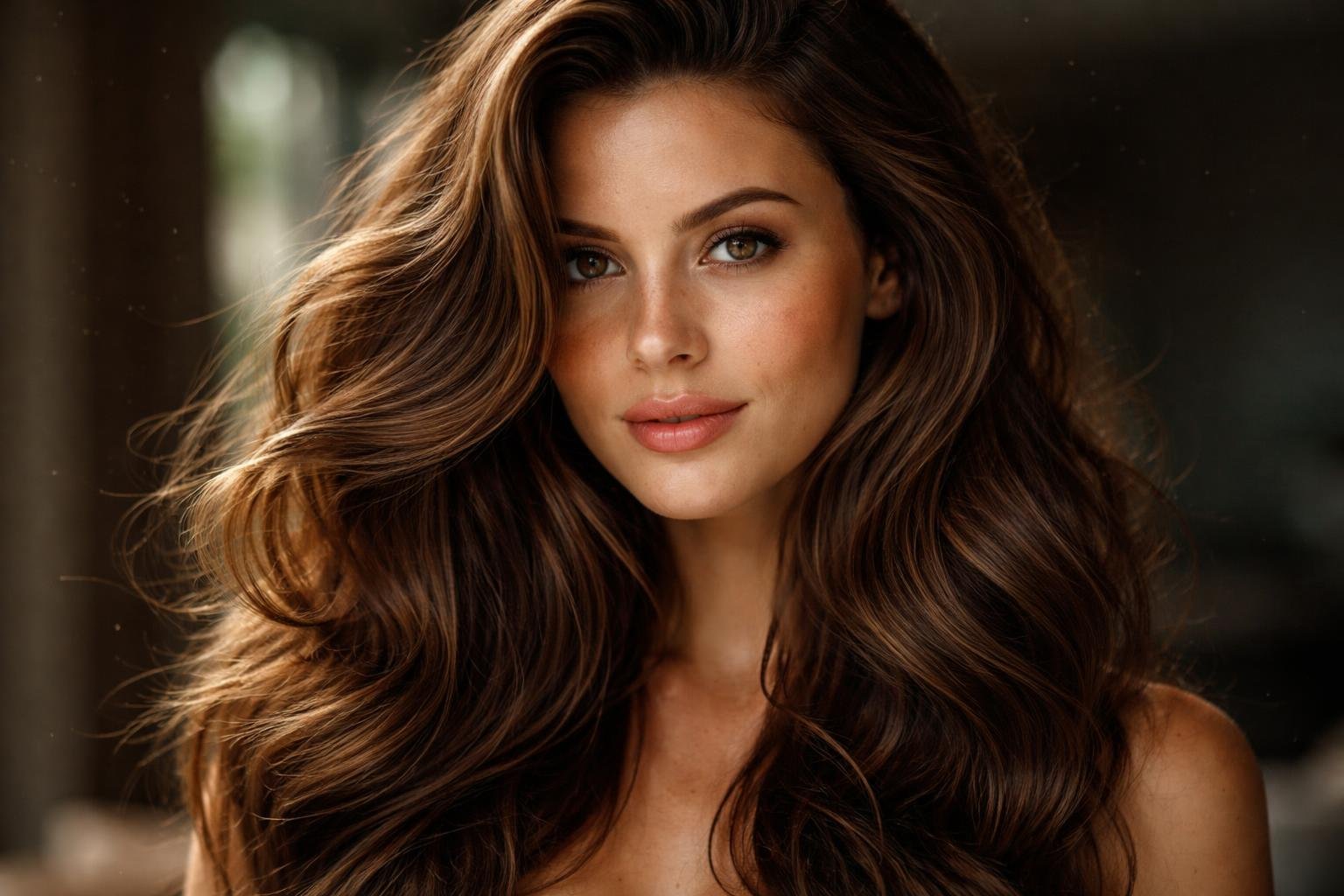
Several medical treatments can help restore hair thickness and density. These options range from using your body’s own healing properties to prescription medications and surgical procedures.
Platelet-Rich Plasma (PRP) Therapy
PRP therapy uses samples of your own blood to promote hair growth. A doctor spins your blood in a special machine to separate and concentrate the growth factors. These proteins affect how cells grow and heal.
The doctor then injects the concentrated platelets into your scalp. This process helps stimulate your hair follicles to grow new hair. Platelet-rich plasma treatments have shown good success[7] in clinical settings.
The treatment typically requires multiple sessions. Most people need three to four initial treatments spaced about a month apart. After that, maintenance sessions happen every few months to keep results.
PRP works best for people in the early stages of hair loss. It may not help if hair follicles have completely stopped working.
Medical and Prescription Options
Minoxidil is the most proven treatment for hair loss. It comes in a foam or liquid that you apply directly to your scalp twice daily. Products containing 5% minoxidil work better[7] than lower concentrations.
This medication extends the growth phase of your hair cycle. It can also change fine peach fuzz hairs back into thicker terminal hairs. You can buy minoxidil over the counter without a prescription.
Finasteride is another option that requires a doctor’s prescription. It reduces levels of hormones that cause hair follicles to shrink. Doctors often prescribe it to women experiencing hair thinning from menopause.
This medication is not recommended for pregnant women or those with a history of hormone-sensitive cancers. Talk to your doctor to see if you’re a good candidate.
Advanced Hair Transplant Techniques
Hair transplant surgery moves hair from thick areas to thin or bald spots. Doctors remove small sections of scalp with healthy follicles and transplant them to problem areas.
Modern techniques create natural-looking results. The two main methods are FUT (follicular unit transplantation) and FUE (follicular unit extraction). FUE leaves smaller scars and has a faster recovery time.
Results appear gradually over several months. Most people see full results within 12 to 18 months after surgery. Transplanted hair grows permanently because it comes from areas resistant to thinning.
This option works best for people with enough healthy donor hair. The procedure can be expensive and requires careful research to find an experienced surgeon.
Hairstyles and Texture Transformations
People can change their hair’s natural texture through chemical treatments or work with what they have using temporary styling methods. The choice between long and short cuts affects how texture appears and how much daily maintenance someone needs to commit to.
Changing Hair Texture: Perms & Beyond
A perm uses chemical solutions to break and reform the bonds in hair strands, creating lasting curls or waves. This process can last three to six months depending on hair growth and care.
Modern perms offer more options than the tight curls of past decades. People can choose loose beach waves, spiral curls, or body-boosting volume. The treatment works on most hair types but requires healthy hair to start with.
Chemical straightening treatments work in reverse, turning curly or wavy hair permanently straight. These include Japanese straightening and keratin treatments that smooth the hair cuticle.
Key considerations before getting a perm:
- Hair must be in good condition without excessive damage
- Color-treated hair needs extra care and assessment
- Regular trims help maintain the shape
- Special shampoos and conditioners extend the results
The process takes two to four hours at a salon. Damaged or over-processed hair may not hold a perm well or could break during treatment.
Temporary Styling Solutions
Heat styling tools offer quick texture changes without commitment. Flat irons straighten curly hair, while curling irons or wands add waves to straight hair. These changes last until the next wash.
Products like mousses, gels, and texturizing sprays help create or enhance texture temporarily. Embracing natural texture[8] has become more popular as people learn to work with their hair instead of against it.
Braiding damp hair creates waves without heat. Velcro rollers add volume at the roots. Twist-outs and braid-outs give natural hair defined curls and texture.
These methods protect hair better than daily heat styling. They also let people test different looks before making permanent changes.
Choosing Between Long and Short Hair
Short hairstyles[9] often require less daily styling time but need more frequent salon visits for maintenance. A pixie cut needs trimming every four to six weeks to keep its shape.
Long hair offers more styling versatility but takes more time to wash, dry, and style. It can be pulled back, braided, or worn down in different ways.
Hair texture affects how length looks and behaves. Curly hair appears shorter than it actually is because of shrinkage. Straight hair shows length more obviously.
Length considerations by texture:
- Curly hair: Long layers prevent triangle shapes
- Wavy hair: Works well at any length with proper cutting
- Straight hair: Blunt cuts at any length create strong lines
- Fine hair: Medium lengths often look fuller than very long styles
Face shape, lifestyle, and maintenance preferences all matter when choosing length. Someone who exercises daily might prefer shorter hair that dries quickly. People who like variety might want length they can style multiple ways.
Braids and Creative Hairstyling
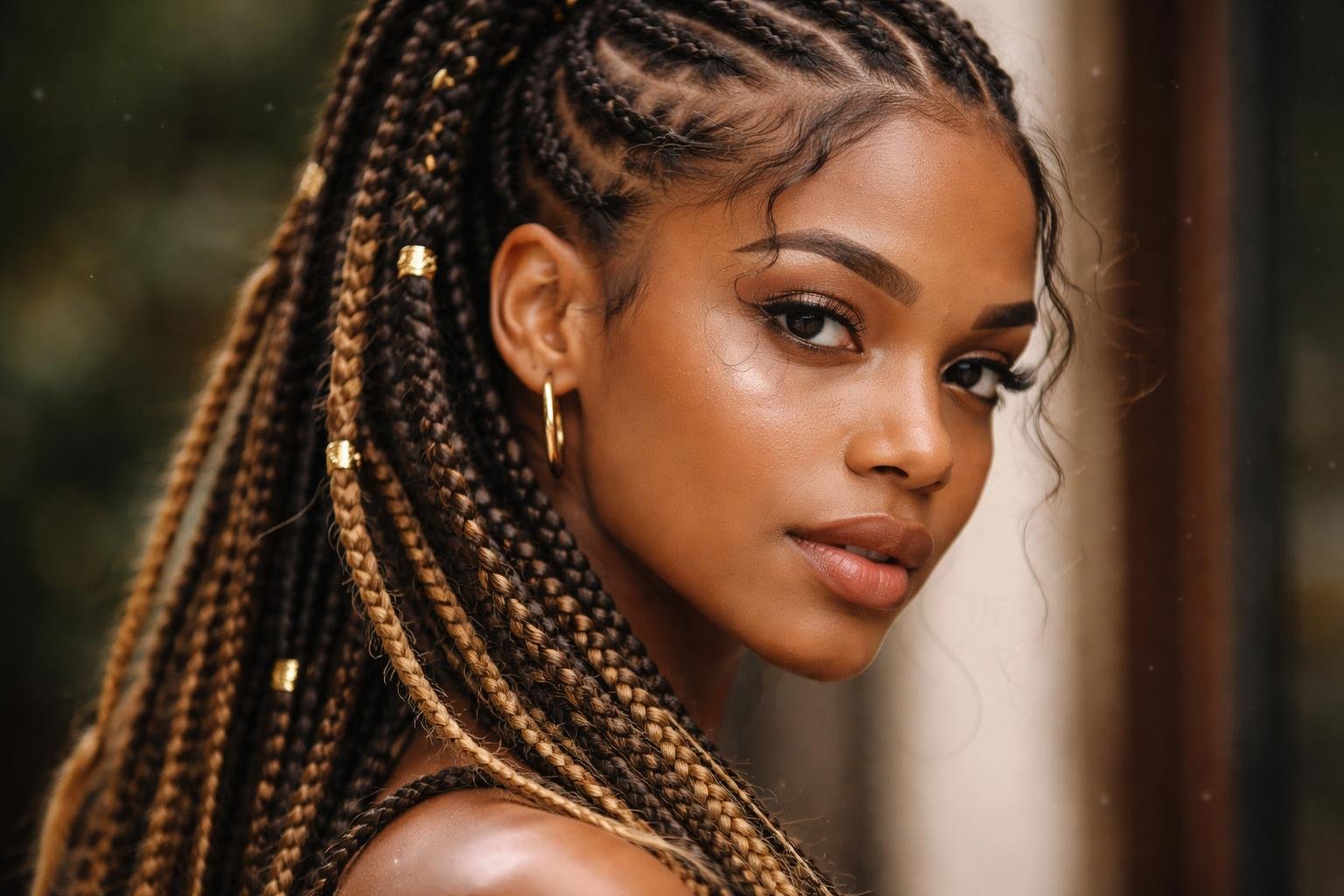
Braids offer a versatile approach to hair styling that works across different textures and lengths. The right braiding technique can protect hair from damage while creating looks that range from simple to elaborate.
Exploring Braided Hairstyles
The classic three-strand braid serves as the foundation for most braided hairstyles[10]. This basic technique involves dividing hair into three equal sections and crossing them over each other in a repetitive pattern.
French braids incorporate hair gradually as the braid moves down the head. This creates a sleek look that keeps hair secure against the scalp. Dutch braids use a similar technique but cross sections under instead of over, creating a raised effect.
Fishtail braids use only two sections of hair instead of three. The braider takes small pieces from the outside of each section and crosses them to the opposite side. This creates a detailed, intricate pattern that looks complex but becomes easy with practice.
Waterfall braids[11] let strands fall freely through the braid instead of incorporating all the hair. Box braids divide hair into small square sections and braid each one individually from root to tip.
Protective Styles for Length Retention
Protective styles keep hair ends tucked away and reduce daily manipulation. This helps prevent breakage and split ends that can slow down hair growth.
Cornrows lie flat against the scalp and can last for several weeks with proper care. The tight braiding pattern distributes tension evenly across the scalp rather than pulling on individual strands. Knotless braids start with natural hair and gradually add extensions, which reduces stress on the roots.
Key benefits of protective braiding:
- Minimizes heat styling damage
- Reduces friction from pillowcases and clothing
- Locks in moisture for longer periods
- Decreases tangles and knots
These styles work best when the scalp stays clean and moisturized. A light oil or leave-in conditioner helps prevent dryness during the weeks between installations.
Styling Tips for Different Hair Types
Fine hair benefits from looser braids that create the illusion of thickness. Pulling too tightly can cause breakage and make braids appear thin. A texturizing spray adds grip before braiding.
Thick hair requires patience and sectioning to manage volume. Dividing hair into smaller portions makes the braiding process smoother. A smoothing cream helps control flyaways without weighing hair down.
Curly and coily textures hold braids naturally without much product. These hair types need moisture before braiding to prevent dryness. A water-based leave-in conditioner prepares hair without creating buildup.
Medium-length hair works well with various braiding techniques[12] like boxer braids or side braids. Shorter hair can still achieve braided looks through smaller accent braids or cornrow patterns near the hairline. Hair extensions add length and volume for more elaborate braided styles.
Frequently Asked Questions
Building thicker hair requires patience, the right products, and understanding what works for your specific needs. Most people see results within three to six months when they address the root causes and follow a consistent routine.
What are the most effective ways to increase hair thickness and volume over time?
Regular scalp massage stimulates blood flow to hair follicles, which helps deliver nutrients that support thicker growth. A person should massage their scalp for five to ten minutes daily using gentle circular motions.
Protein-rich diets strengthen hair from the inside out. Hair is made of keratin, a protein, so eating eggs, fish, nuts, and beans provides the building blocks for stronger strands.
Volumizing products like mousse and root-lifting sprays add temporary fullness. For long-term thickness, biotin supplements and minoxidil treatments have shown proven results in clinical studies.
How can I identify the root cause of my hair thinning or shedding?
Tracking when and where hair loss occurs helps narrow down the cause. If someone notices thinning around the hairline and crown, hormonal changes or genetics are often responsible.
A pull test reveals how much shedding is normal. Gently tugging a small section of hair should release only one to three strands. More than that suggests excessive shedding.
Blood tests check for deficiencies in iron, vitamin D, and thyroid hormones. A doctor can run these tests to rule out medical conditions like anemia or thyroid disorders that cause hair loss.
Stress and diet changes often trigger temporary shedding called telogen effluvium. This type of hair loss usually resolves within six months once the trigger is removed.
Which hair care routine best supports healthy growth for my hair type and scalp condition?
Oily scalps need lightweight, sulfate-free shampoos used every other day to prevent buildup without stripping natural oils. A person with this scalp type should avoid heavy conditioners on their roots.
Dry scalps benefit from moisturizing shampoos and conditioners with ingredients like hyaluronic acid and glycerin. Shampooing two to three times per week prevents over-drying.
Fine hair requires volumizing products and gentle handling to avoid breakage. These hair types should use wide-tooth combs and avoid heavy oils that weigh hair down.
Thick or curly hair needs deep conditioning treatments once a week. These hair types retain less moisture, so leave-in conditioners and hair oils help maintain hydration.
What ingredients should I look for (and avoid) in shampoos, conditioners, and serums for stronger hair?
Beneficial ingredients include biotin, keratin, and niacinamide, which strengthen hair shafts and improve elasticity. Caffeine-based products stimulate follicles and promote growth.
Peptides and amino acids repair damage by filling gaps in the hair cuticle. Panthenol, also known as vitamin B5, adds moisture and prevents breakage.
Harsh sulfates like sodium lauryl sulfate strip away natural oils and cause dryness. Parabens and formaldehyde-releasing preservatives may irritate sensitive scalps.
Silicones create buildup over time that weighs hair down. While they provide temporary smoothness, they prevent moisture from penetrating the hair shaft.
How long does it typically take to see visible results from a new hair growth or repair regimen?
Hair grows about half an inch per month on average. This means noticeable length changes take at least three months of consistent care.
Strengthening treatments show results faster than growth products. A person might notice less breakage and smoother texture within four to six weeks.
Growth serums and supplements require longer commitment. Most clinical studies show visible thickness improvements after three to six months of daily use.
Patience matters because hair goes through growth cycles. The active growth phase lasts two to six years, so damaged hair needs time to shed and be replaced by healthier strands.
What’s the safest way to use heat styling while minimizing breakage and split ends?
Heat protectant sprays create a barrier between hair and hot tools. Applying these products to damp hair before blow-drying reduces damage by up to fifty percent.
Lower temperature settings work just as well with more passes. Thin or damaged hair should stay below 300 degrees Fahrenheit, while thick hair can handle up to 400 degrees.
Limiting heat styling to two or three times per week gives hair time to recover. Air-drying on alternate days preserves moisture and reduces stress on strands.
Ceramic and tourmaline tools distribute heat more evenly than metal plates. These materials prevent hot spots that cause burns and breakage.
Post Views: 17
References
- Get the dream hair you’ve always wanted with hair extensions | Health and Beauty Services | Mississauga / Peel Region. https://www.kijiji.ca/v-health-beauty-service/gta-greater-toronto-area/get-the-dream-hair-you-ve-always-wanted-with-hair-extensions/1728159984 Accessed May 6, 2026
- 403 Forbidden. https://www.allthingsbeauty.com/ph/hair/hair-care/hair-goals-per-hair-type.html Accessed May 6, 2026
- New Year, New Hair Goals: How to Set Achievable Hair Resolutions
– OrganiGrowHairCo. https://theorganibrands.com/blogs/news/new-year-new-hair-goals-how-to-set-achievable-hair-resolutions Accessed May 6, 2026 - Hair Goals. https://www.thehennaguys.com/blogs/hair/hair-goals Accessed May 6, 2026
- Defining Your Hair Goals
– RevAir. https://myrevair.com/blogs/news/defining-your-hair-goals Accessed May 6, 2026 - hair loss that develops gradually. https://www.verywellhealth.com/thinning-hair-8787241 Accessed May 6, 2026
- Platelet-rich plasma treatments have shown good success. https://www.womenshealthmag.com/beauty/a69278129/how-to-thicken-thinning-hair/ Accessed May 6, 2026
- 22 “I’ve Finally Embraced My Natural Texture” Hairstyles for Women Who Stopped Fighting Their Waves. https://hairstyletalk.com/ive-finally-embraced-my-natural-texture-hairstyles-for-women-who-stopped-fighting-their-waves/ Accessed May 6, 2026
- Hairstyles And Haircuts For Women And Men In 2026. https://www.thehairstyler.com/?virtual-hairstyler Accessed May 6, 2026
- 30 Gorgeous Hairstyles to Give You the Dream Hair You’ve Always Wanted. https://stylescatalog.com/hairstyles/30-gorgeous-hairstyles-to-give-you-the-dream-hair-youve-always-wanted/ Accessed May 6, 2026
- 50+ Stunning Hairstyle Braid Ideas: Easy Tutorials for Every Hair Type & Occasion. https://hairflowy.com/hairstyle-braid-ideas/ Accessed May 6, 2026
- 30 Braided Hairstyles to Snap You Out of Your Hair Rut. https://www.newbeauty.com/braided-hairstyles/ Accessed May 6, 2026
























