Medically Reviewed
Dr. Jose Rossello, MD, PhD, MHCM
Preventive Medicine & Public Health Specialist
Last Reviewed: May 20, 2026
Getting healthier hair doesn’t require expensive salon treatments or complicated routines. Small, simple changes to daily hair care habits can make a big difference in how hair looks and feels within just a few weeks. Most people unknowingly damage their hair through common mistakes like using the wrong pillowcase, brushing incorrectly, or applying too much heat.
The good news is that switching to healthier hair care habits[1] often costs less than sticking with damaging routines. Many effective swaps involve using what’s already available at home or making minor adjustments to existing products. These changes work by reducing friction, protecting hair from heat damage, and supporting the scalp’s natural health.
From the moment someone wakes up to how they style their hair before bed, every step offers a chance to choose healthier options. These practical swaps address common hair problems like breakage, frizz, dryness, and slow growth without requiring a complete routine overhaul.
Table of Contents
Key Takeaways
- Replacing cotton pillowcases with silk and switching to microfiber towels reduces friction that causes breakage and frizz
- Using lower heat settings on styling tools and always applying heat protectant prevents long-term damage to hair strands
- Weekly scalp massages, regular trims every 8-12 weeks, and deep conditioning treatments support stronger hair growth
Fundamental Swaps for Instantly Healthier Hair
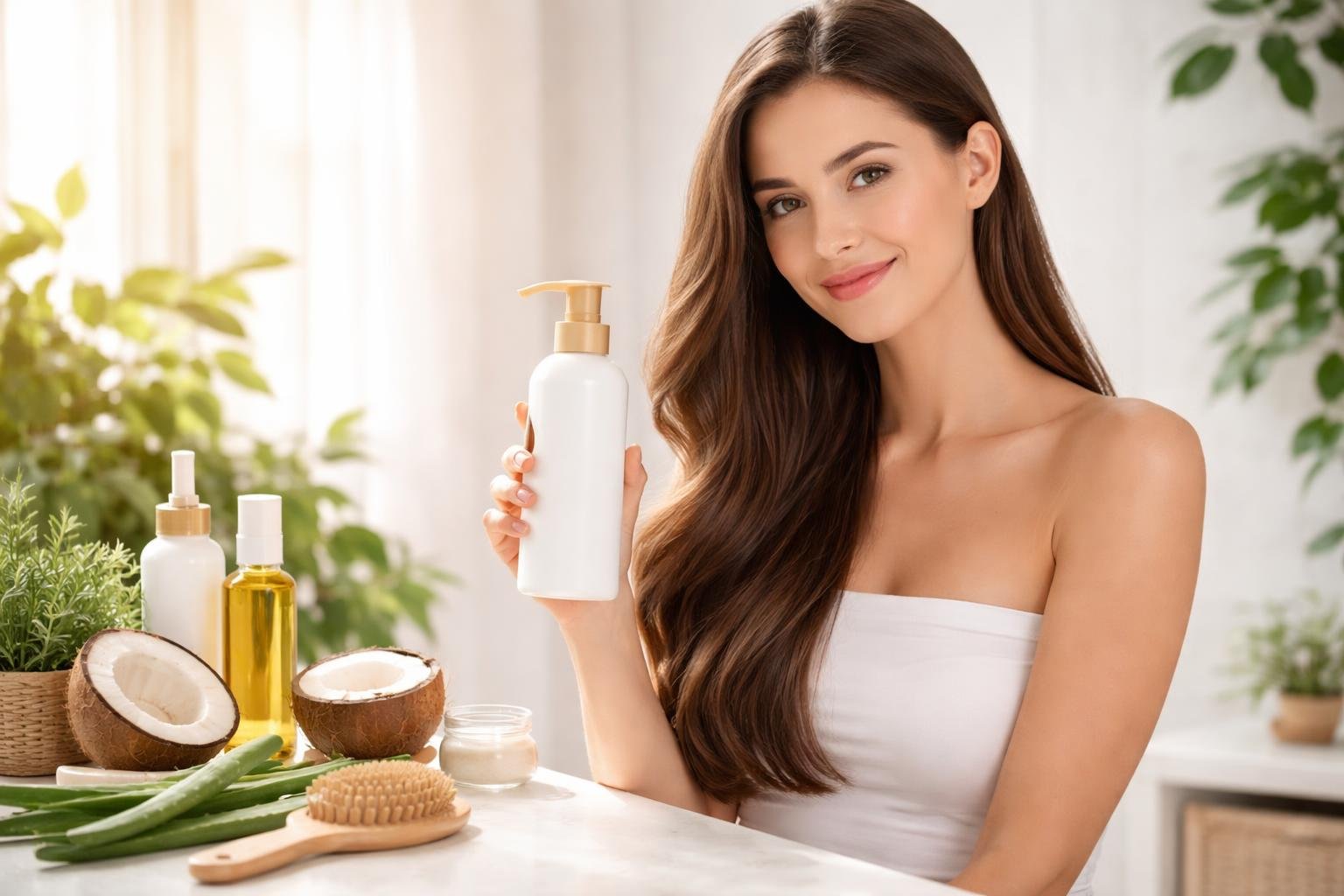
Making a few key changes to your haircare routine can dramatically improve hair health. The right products protect strands from damage while delivering essential moisture and nutrients.
Switch to Gentle, Sulfate-Free Shampoos
Sulfates are harsh detergents that strip away natural oils from the scalp and hair. These chemicals create a rich lather but leave strands dry and brittle over time.
Sulfate-free shampoos clean hair without removing protective oils. They use milder cleansing agents that maintain the scalp’s natural balance. People with color-treated hair especially benefit from this swap, as sulfates fade color faster.
The transition period may feel different at first. Hair might seem less squeaky-clean because it retains more natural moisture. This is actually a positive change that leads to softer, more manageable strands within a few weeks.
Look for shampoos labeled “sulfate-free” or check ingredient lists for sodium lauryl sulfate and sodium laureth sulfate. Avoiding these ingredients helps preserve healthy hair structure.
Adopt Leave-In Conditioner for Consistent Moisture
Leave-in conditioner provides ongoing hydration that rinse-out products cannot match. This product stays on the hair all day, continuously protecting and moisturizing strands.
Key benefits of leave-in conditioner:
- Detangles wet hair without causing breakage
- Creates a protective barrier against heat and environmental damage
- Reduces frizz throughout the day
- Adds shine without weighing hair down
Apply leave-in conditioner to damp hair after washing, focusing on mid-lengths to ends. A small amount goes a long way. Too much product can make hair look greasy or limp.
People with thick, curly, or damaged hair see the most dramatic results. The consistent moisture helps repair damage and prevents future breakage. Even those with fine hair can use lightweight formulas designed for their texture.
Replace Conventional Products with Natural Ingredients
Natural ingredients[2] often work as well as synthetic chemicals without the potential side effects. Coconut oil, argan oil, and shea butter deeply nourish hair without harsh additives.
Many conventional products contain silicones, parabens, and synthetic fragrances. These ingredients can build up on hair over time, making it look dull and lifeless. Natural alternatives provide benefits without the buildup.
Common natural swaps:
| Instead of | Use |
|---|---|
| Silicone serums | Pure argan oil |
| Chemical deep conditioners | Coconut oil masks |
| Synthetic styling products | Aloe vera gel |
Start by replacing one product at a time. This gradual approach helps identify which natural ingredients work best for individual hair types. Some people may need a clarifying wash initially to remove buildup from previous products before seeing full results from natural alternatives.
Upgrade Your Conditioning Routine
Regular conditioner alone may not provide enough moisture and strength for damaged or stressed hair. Deep treatments, protein additions, and natural oils can fill gaps in your hair care routine and address specific needs.
Incorporate Deep Conditioning Weekly
Deep conditioning treatments penetrate the hair shaft more effectively than regular conditioners. These products contain concentrated ingredients that repair damage and restore moisture over time.
Most people benefit from deep conditioning once a week[3], especially if they use heat tools or color their hair. The treatment should stay on hair for 15 to 30 minutes under a shower cap or warm towel. Heat helps the conditioning ingredients absorb better.
Look for deep conditioners with ingredients like shea butter, avocado oil, or keratin. Apply the product from mid-length to ends, avoiding the scalp unless it feels dry. Hair that feels brittle or looks dull often needs more frequent deep conditioning sessions.
Add Protein Treatment for Strength
Protein treatments rebuild the internal structure of damaged hair. Hair is made mostly of a protein called keratin, which breaks down from chemical processing, heat styling, and environmental stress.
Signs that hair needs protein include excessive stretching when wet, limp texture, or breakage. Protein treatments come in different strengths, from light leave-in products to intensive masks. Start with a light treatment every two weeks and adjust based on results.
Warning: Too much protein makes hair stiff and brittle. Balance protein treatments with moisturizing deep conditioners to maintain flexibility and softness.
Natural oils seal in moisture and add shine without heavy buildup. Different oils serve different purposes based on their molecular size and properties.
Popular hair oils and their benefits:
- Coconut oil penetrates the hair shaft and reduces protein loss during washing
- Jojoba oil mimics natural scalp oils and works well for all hair types
- Argan oil smooths frizz and adds shine without weighing hair down
Apply oils to damp hair after conditioning or use them as an overnight pre-shampoo treatment. A few drops go a long way. People with fine hair should focus oils on the ends only, while those with thick or coarse hair can apply from mid-length down.
Easy Styling Changes for Reduced Damage
Switching to gentler styling methods protects hair from heat damage and breakage. Lowering heat tool use, choosing air-drying techniques, and picking the right frizz control methods keep strands strong and healthy.
Reduce Heat Styling Frequency
Cutting back on hot tools prevents long-term damage to hair. Daily use of flat irons, curling wands, and blow dryers weakens the hair shaft and causes split ends.
People who limit heat styling to 2-3 times per week see noticeably stronger hair. On off days, they can embrace natural texture or use protective hairstyles that promote growth[4] like low buns secured with silk scrunchies.
When heat styling is necessary, applying a heat protectant spray creates a barrier between hair and high temperatures. Users should set tools to the lowest effective temperature, usually between 300-350°F for fine hair and 350-400°F for thick or coarse hair.
Planning hairstyles ahead helps reduce the temptation to grab hot tools daily. Simple options like braids, twists, or clips work well for busy mornings.
Air Dry or Use Low-Heat Methods
Air drying eliminates heat exposure entirely. After washing, people should gently squeeze excess water with a microfiber towel instead of rubbing, which causes friction damage.
A wide-tooth comb detangles wet hair without pulling or breaking strands. Starting from the ends and working up to the roots prevents knots from tightening.
Those who need faster drying can use the cool shot setting on their blow dryer. This low-heat option dries hair gradually without the damage from hot air. Keeping the dryer at least 6 inches away from the scalp reduces direct heat contact.
Some people prefer simple hairstyles that won’t damage hair[5] while it dries naturally. Loose braids or twists add wave without requiring any heat tools at all.
Choose Frizz-Reducing Techniques
Managing frizz without heat protects the hair cuticle. Applying a small amount of hair oil or anti-frizz serum to damp hair smooths flyaways naturally.
Sleeping on a silk or satin pillowcase reduces friction that causes morning frizz. These materials let hair glide smoothly instead of catching and roughing up the cuticle.
People with curly hair benefit from scrunching styling products into wet hair rather than brushing when dry. This technique defines curls and helps reduce frizz without heat damage.
A boar bristle brush distributes natural oils from scalp to ends, which creates shine and tames frizz. Brushing gently once or twice daily works better than aggressive styling that stresses strands.
Daily Habits to Support a Healthy Scalp
A clean scalp environment and gentle treatment of dryness create the foundation for stronger hair. Regular massage during washing improves circulation while natural remedies address flaking without harsh chemicals.
Adopt Gentle Cleansing and Massage
Proper cleansing focuses on the scalp rather than hair lengths. A person should massage shampoo directly into the scalp using fingertips in circular motions for 2-3 minutes. This technique removes dirt and product buildup while stimulating blood flow to hair follicles.
Water temperature matters for maintaining scalp health[6]. Lukewarm water prevents stripping natural oils that protect the scalp. Hot water can trigger excess oil production or worsen dryness.
Washing frequency depends on scalp type:
- Oily scalps may need daily or every-other-day washing
- Normal scalps benefit from 2-3 washes per week
- Dry scalps should limit washing to 1-2 times weekly
Sulfate-free shampoos clean effectively without irritating the scalp. A gentle scalp brush with soft silicone bristles can enhance the massage effect during cleansing.
Treat Dry or Flaky Scalp Naturally
A flaky scalp[7] responds well to natural moisturizing ingredients. Tea tree oil contains antifungal properties that reduce flaking when added to shampoo at 2-3 drops per wash. Aloe vera gel applied directly to the scalp soothes irritation and adds hydration.
Jojoba oil mimics the scalp’s natural sebum and balances oil production. A person can apply it to dry areas 30 minutes before washing. Coconut oil provides deep moisture for severely dry scalps when used as an overnight treatment.
Apple cider vinegar rinse helps restore pH balance:
- Mix 1 part vinegar with 4 parts water
- Apply after shampooing
- Leave for 2-3 minutes
- Rinse thoroughly
- Use once weekly maximum
Exfoliating once per week removes dead skin cells that contribute to flaking. A gentle scalp scrub or sugar mixed with oil works without causing irritation.
Optimizing Your Haircare Routine for Lasting Results
Finding the right washing schedule and alternating between different hair treatments helps maintain hair strength and moisture balance. These adjustments prevent product buildup and ensure hair gets the nutrients it needs without overloading it.
Adjust Frequency of Washing and Conditioning
Most people wash their hair too often, which strips away natural oils that protect and nourish strands. Hair type determines the ideal washing schedule. Fine or oily hair typically needs washing every other day, while thick or curly hair thrives with washing once or twice per week.
Building a haircare routine[8] based on individual hair goals requires paying attention to how hair responds to different schedules. Those with dry hair should extend time between washes and focus on conditioning mid-lengths to ends rather than roots.
Recommended Washing Frequency:
- Fine/oily hair: Every 1-2 days
- Normal hair: Every 2-3 days
- Thick/curly/dry hair: Every 4-7 days
People can use dry shampoo between washes to absorb excess oil at roots. Conditioning should happen after every shampoo session, but leave-in conditioners work best when applied 2-3 times per week on damp hair.
Rotate Treatments for Balanced Care
Hair needs different types of care depending on its current condition. Deep conditioning treatments add moisture, while protein treatments strengthen and repair damage. Alternating between these prevents hair from becoming too soft or too stiff.
A balanced healthy hair care routine[9] includes deep conditioning once per week for most hair types. Protein treatments should happen less frequently—every 2-4 weeks for damaged hair or every 6-8 weeks for healthy hair.
Treatment Rotation Schedule:
- Week 1: Deep conditioning mask
- Week 2: Regular conditioning
- Week 3: Deep conditioning mask
- Week 4: Protein treatment
Those with color-treated or chemically processed hair benefit from more frequent deep conditioning sessions. Signs that hair needs protein treatment include excessive stretching, limpness, or breakage. Hair that feels dry or brittle needs moisture-focused deep conditioning instead.
Complementary Swaps for Overall Wellness
Healthy hair doesn’t exist in isolation from the rest of the body. Supporting skin hydration and using versatile natural oils can enhance both hair care routines and overall appearance while simplifying product collections.
Prioritize Skin Hydration and Elasticity
Skin health directly impacts how the scalp functions and how well hair grows. Dehydrated skin loses elasticity over time, which can affect the delicate skin around the hairline and scalp.
Simple natural beauty swaps[10] can replace expensive products. Aloe vera gel works as a humectant that draws moisture into skin when applied to damp areas. Following up with a few drops of oil helps seal in that hydration.
For the delicate eye area, rice bran oil offers a gentle alternative to traditional eye cream. This oil contains vitamin E and ferulic acid that hydrate thin skin without added fragrances or fillers. Just a tiny amount patted gently with the ring finger provides nourishment.
Shea butter blended with rosehip oil supports skin elasticity throughout the body. Rosehip naturally contains vitamin A compounds that help with collagen production. This combination works especially well when massaged into skin after bathing while still slightly damp.
Incorporate Multipurpose Natural Oils
Jojoba oil serves multiple purposes across hair and skin care routines. Its molecular structure closely resembles human sebum, making it suitable for most skin types. A few drops can replace shine serums for hair ends or provide lightweight facial moisture.
Argan oil works similarly as a multipurpose option. It adds shine to dry hair without weighing it down and absorbs well into skin. Warming a drop or two between palms before smoothing over hair ends reduces frizz naturally.
Sunflower oil offers another versatile choice. It provides hydration for both hands and hair at a lower cost than specialty products. Mixed with aloe vera gel, it creates an effective hand treatment that absorbs quickly without greasiness.
Frequently Asked Questions
Making better choices for hair doesn’t require a complete overhaul of routines or expensive product lines. Small adjustments to daily habits, product ingredients, and styling tools can reduce damage and improve hair texture within weeks.
What are the quickest daily changes that can improve hair health?
Switching to lukewarm or cool water for the final rinse helps seal the hair cuticle and lock in moisture. Hot water opens the cuticle and strips natural oils that protect strands.
Reducing shampoo frequency to two or three times per week allows the scalp’s natural oils to condition hair. Over-washing removes these protective oils and leads to dryness.
Applying conditioner only from mid-length to ends prevents weighing down roots while providing moisture where hair needs it most. Roots produce enough natural oil on their own.
Which shampoo and conditioner ingredients should I swap out to reduce dryness and breakage?
Sulfates like sodium lauryl sulfate and sodium laureth sulfate create foam but strip hair of natural oils. Switching to sulfate-free shampoos[11] requires more manual scrubbing to lift dirt, but the gentle cleansers protect hair from drying out.
Parabens and phthalates act as preservatives but can irritate the scalp over time. Products labeled as clean beauty or natural typically exclude these ingredients.
Silicones coat hair to create temporary smoothness but build up over time and block moisture from penetrating strands. Water-soluble alternatives like panthenol provide shine without buildup.
What are healthier alternatives to heat styling that still give smooth results?
Air-drying with a microfiber towel or cotton t-shirt reduces frizz compared to standard terry cloth towels. The smoother fabric doesn’t rough up the hair cuticle.
Braiding damp hair before bed creates waves without heat damage. The size and tightness of the braid determines the wave pattern.
Foam rollers or flexi-rods set on dry or slightly damp hair produce curls overnight. These tools work without electricity or high temperatures that weaken hair bonds.
How can switching to a silk or satin pillowcase affect frizz, split ends, and shedding?
Cotton pillowcases create friction that roughens the hair cuticle and causes tangles during sleep. Silk and satin fabrics allow hair to glide smoothly across the surface.
This reduced friction means less breakage at the ends and along the hair shaft. Hair remains smoother in the morning with fewer knots to work through.
Elevate Your Health for Just $29.99/Month
Join the Precision Wellness Subscription at My Healing 365 and get discounted services, priority coaching access, virtual care, and exclusive wellness resources to support your physical, emotional, and hormonal health.
Join for $29.99/MonthSatin pillowcases also don’t absorb moisture from hair the way cotton does. This helps hair retain its natural oils and any leave-in products applied before bed.
Which hair ties and brushes are gentlest for preventing breakage and tangles?
Spiral hair ties and scrunchies distribute tension more evenly than traditional elastic bands. They don’t create the same tight crease that weakens hair at the point of contact.
Wide-tooth combs work best on wet hair because strands are more vulnerable to breakage when saturated. Starting from the ends and working up prevents pulling and snapping.
Boar bristle brushes distribute natural oils from roots to ends while detangling. The natural bristles are softer than plastic and less likely to catch and tear hair.
What simple diet and hydration swaps can support stronger, shinier hair?
Drinking enough water keeps hair hydrated from the inside. Dehydration affects hair texture and can make strands brittle and prone to breaking.
Adding protein-rich foods like eggs, fish, and beans provides the building blocks hair needs to grow strong. Hair is made primarily of a protein called keratin.
Omega-3 fatty acids from sources like salmon, walnuts, and flaxseeds nourish the scalp and support hair follicle health. A healthy scalp produces healthier hair strands.
Post Views: 5
References
- 20 Easy Changes To Make Your Hair Stronger And Healthier. https://flawlesshair.com/easy-hair-changes-for-stronger-healthier-hair/ Accessed May 21, 2026
- 15 Better Choice Hair Care Swaps
– Just Ingredients. https://justingredients.com/blogs/home/15-better-choice-hair-care-swaps Accessed May 21, 2026 - How to Make Your Hair Healthy Again: 15 Steps (with Pictures). https://www.wikihow.com/Make-Your-Hair-Healthy-Again Accessed May 21, 2026
- Protective Hairstyles That Promote Growth and Keep Maintenance Low – Vitally You. https://vitallyyou.co/2024/12/04/protective-hairstyles-low-maintenance-styles-that-promote-hair-growth/ Accessed May 21, 2026
- Simple Hairstyles That Won’t Damage Your Hair
– Smooth&Charming. https://smoothandcharming.com/blogs/news/simple-hairstyles-that-wont-damage-your-hair Accessed May 21, 2026 - 12 Simple Steps to Keep Your Scalp Healthy and Hair Stronger Than Ever. https://hairstyletalk.com/simple-steps-to-keep-your-scalp-healthy-and-hair-stronger-than-ever/ Accessed May 21, 2026
- MSN. https://www.msn.com/en-us/health/mindandbody/want-a-healthier-scalp-these-6-natural-fixes-actually-work-pros-say/ar-AA1UdSoR Accessed May 21, 2026
- The Ultimate Haircare Routine: Best Plan for Your Hair Goals. https://hastehair.com/haircare-routine/ Accessed May 21, 2026
- Just a moment…. https://www.forhers.com/blog/hair-care-routine Accessed May 21, 2026
- Why spend more? Use these natural beauty swaps instead! |. https://ohmightyhealth.com/simple-natural-swaps-for-skin-and-hair/ Accessed May 21, 2026
- 6 simple swaps to make in your hair routine for healthier curls – Curls by the Coast. https://curlsbythecoast.com/2024/01/06/6-simple-swaps-to-make-in-your-hair-routine-for-healthier-curls/ Accessed May 21, 2026