Medically Reviewed
Dr. Jose Rossello, MD, PhD, MHCM
Preventive Medicine & Public Health Specialist
Last Reviewed: May 27, 2026
Bad hair days happen to everyone, and they always seem to strike at the worst possible times. Whether it’s frizz that appears right before an important meeting, greasy roots when there’s no time for a wash, or flat hair that won’t hold any volume, these everyday hair problems can feel overwhelming. The good news is that most common hair issues can be fixed in just a few minutes using simple products and techniques that anyone can master.
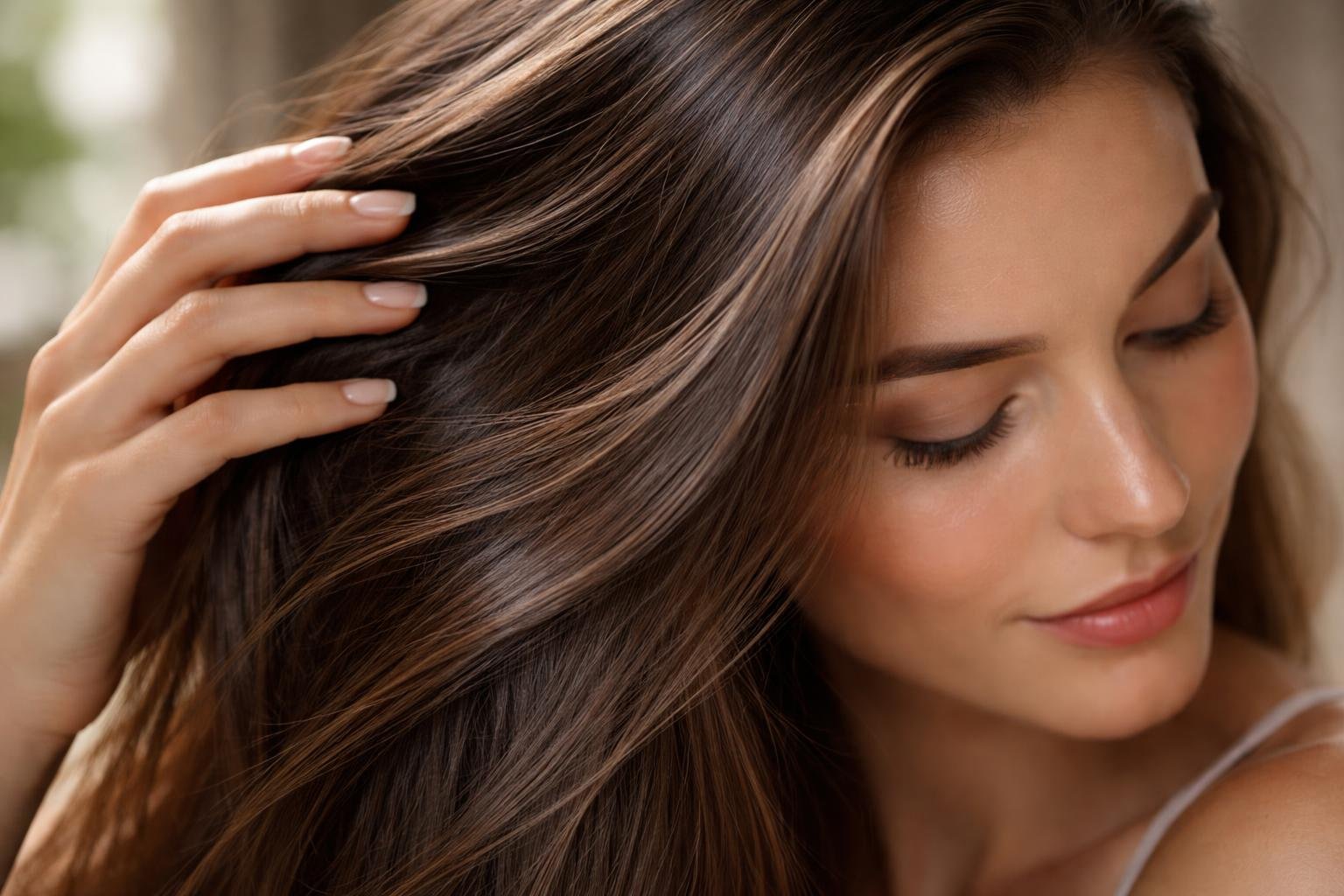
Most hair emergencies don’t require expensive salon visits or complicated routines—they just need the right quick fix applied at the right moment. Simple solutions for frizz, grease, flatness, and damage[1] can be done anywhere with minimal effort. From taming flyaways with a toothbrush and hairspray to refreshing oily roots with dry shampoo, these practical hacks deliver fast results when time is limited.
Understanding which fix works for each problem makes all the difference. This guide covers the most effective methods for handling hair emergencies on the go, along with tips for preventing these issues from happening in the first place.
Table of Contents
Key Takeaways
- Most common hair problems like frizz, grease, and flatness can be fixed in under five minutes with basic products
- Quick hair fixes[2] work as temporary solutions while a consistent routine provides long-term hair health
- Knowing which technique to use for each specific hair emergency helps anyone look polished and put together fast
Identifying Common Hair Problems
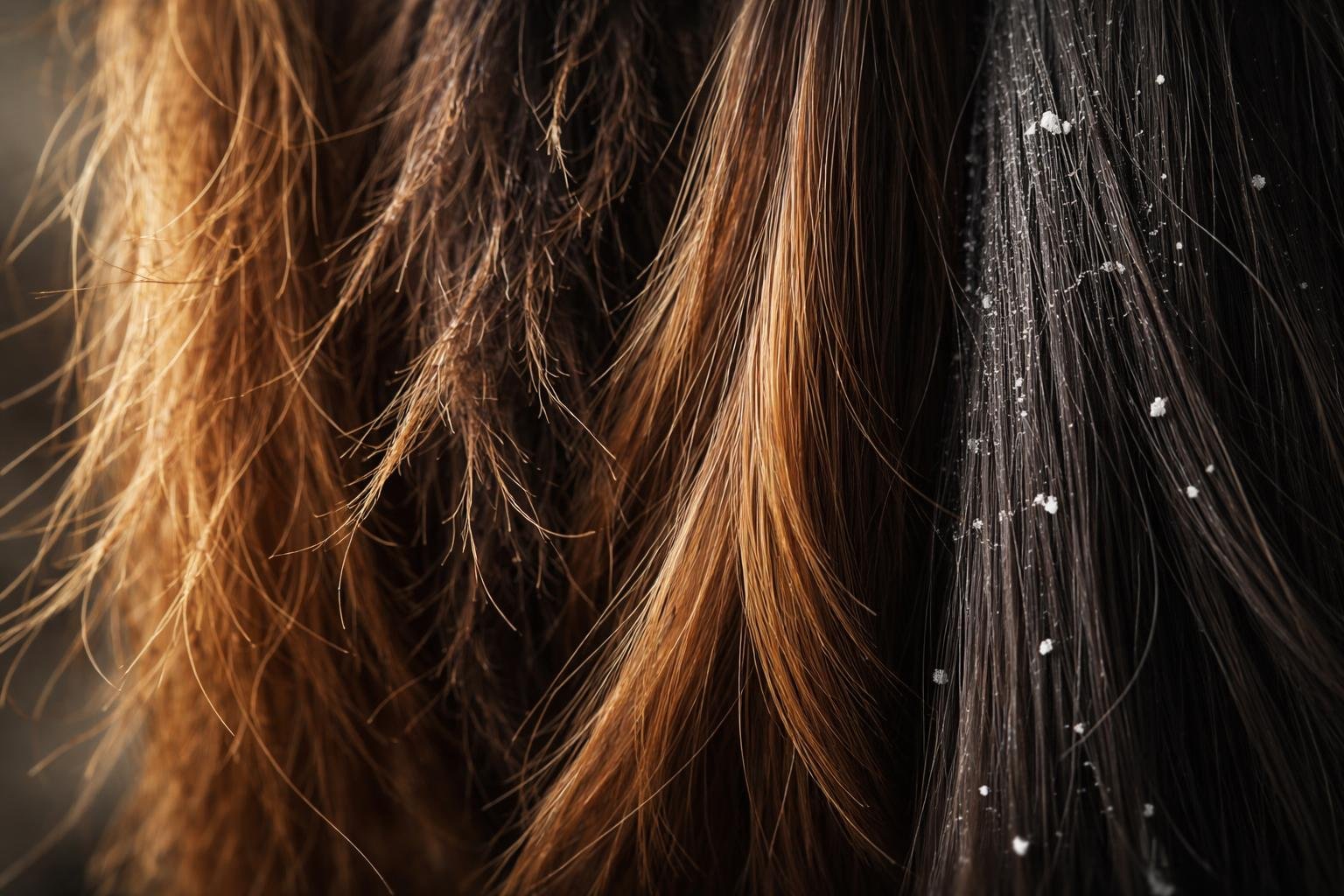
Hair problems show up in different ways, from visible flakes on the scalp to strands that won’t stay smooth. Learning to spot these issues early makes treatment faster and more effective.
Recognizing Frizz and Flyaways
Frizz appears when hair strands stick out in different directions instead of lying flat. This happens when the outer layer of hair called the cuticle gets damaged or lifted. Frizz can strike anywhere, anytime[3], even without humidity present.
A person can identify frizz by looking for these signs:
- Hair that puffs up or expands in size
- Strands that separate from the main hair body
- A rough or coarse texture when touched
- Hair that looks dull instead of shiny
Minor changes in keratin or moisture levels sometimes lead to unmanageable and frizzy hair. Over-exposure to styling irons, UV rays, chemicals, and hair color can also cause hair to poof with frizz. The presence of frizz usually means the hair is damaged and needs moisture.
Spotting Oily or Greasy Hair
Oily hair looks wet or shiny even hours after washing. The scalp produces natural oils called sebum, but too much creates a greasy appearance. Excess oil makes hair clump together and lose volume.
Common signs of oily hair include:
- Hair that looks flat against the head
- A shiny or wet appearance at the roots
- Greasiness that appears within 24 hours of washing
- Strands that stick together
The biggest culprit of an oily scalp is overwashing. When someone washes their hair more than two to three times a week, it dries out the scalp. To compensate, the scalp produces more oil. Hot water also stimulates the sebaceous glands, which leads to an increase in oil production.
Understanding Dry and Damaged Hair
Dry hair feels rough and looks dull. It breaks easily and often has a straw-like texture. Damaged hair[4] lacks the natural oils and proteins it needs to stay healthy.
Key indicators of dry and damaged hair:
- A rough texture that catches on fingers
- Hair that tangles easily
- Visible split ends at the tips
- Lack of shine or luster
- Increased breakage when brushing
Chemical treatments, heat styling, sun exposure, and chlorine all contribute to dryness. Sometimes underlying health issues like anemia, hyperthyroidism, hormonal imbalance, or menopause can reflect in hair texture. If hair feels rough, it is begging for protein and fatty acids like vitamin B5, omega 3, and omega 6.
Signs of Dandruff and Scalp Issues
Dandruff shows up as white or yellowish flakes on the scalp and shoulders. The skin on the scalp peels off in visible pieces. While many people mistake dandruff for poor hygiene, the primary causes are dry scalp, excess sebum, and sensitivity to certain products.
A person can identify dandruff by checking for:
- White or yellow flakes in hair and on clothing
- An itchy scalp
- Red or irritated skin on the scalp
- Flakes that increase when hair is scratched
Understanding these common hair issues[5] helps with choosing the right treatment. A dry scalp produces smaller, whiter flakes, while an oily scalp creates larger, yellowish flakes. The condition can be both embarrassing and challenging to treat without proper identification.
Quick Fixes for Frizz and Flyaways
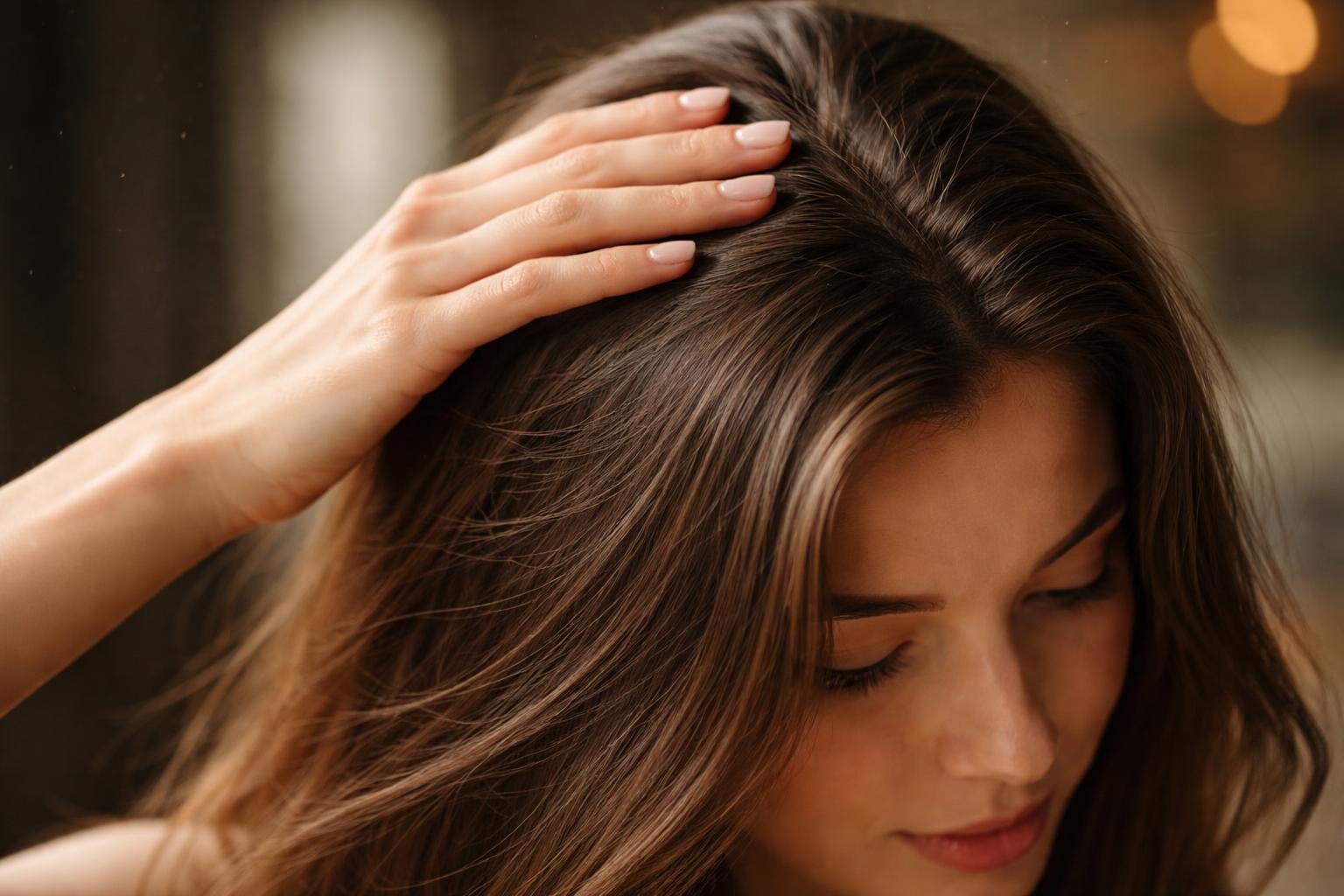
Frizz and flyaways respond quickly to the right products and techniques. Strategic application of leave-in treatments and portable solutions keeps hair smooth throughout the day.
Taming Frizz with Leave-In Products
Leave-in conditioner works as a foundation for frizz control by sealing the hair cuticle against humidity. A person should apply it to damp hair, focusing on the mid-lengths and ends while avoiding the roots to prevent greasiness.
Application Steps:
- Distribute a quarter-sized amount through damp hair
- Use a wide-tooth comb to ensure even coverage
- Layer with anti-frizz serum for extra protection
Anti-frizz serum provides an additional barrier when applied after leave-in conditioner. These products contain silicones that coat each strand and block moisture from entering the hair shaft. A pea-sized amount suffices for most hair types.
Smoothing cream offers heavier frizz control for thicker or coarser textures. Leave-in conditioner spray presents a lighter alternative for fine hair that needs moisture without weight. The key lies in layering hair care products correctly[6]—lighter formulas first, heavier ones last.
Instant Flyaway Control On the Go
Static electricity causes most flyaways, especially during dry winter months. A dryer sheet provides immediate static control[7] when gently run along the hair surface. Keep one in a purse or desk drawer for quick touch-ups.
Emergency Kit Essentials:
- Travel-sized anti-frizz serum
- Small hairbrush or comb
- Dryer sheets
- Bobby pins
A small amount of hand lotion rubbed between palms and smoothed over flyaways works in a pinch. The oils in lotion mimic hair products without adding bulk to a bag.
Bobby pins secure stubborn flyaways around the hairline or part. A light mist of hairspray on a clean toothbrush helps smooth down flyaway hairs[8] without making them stiff or crunchy.
Refresh and Revive: Solutions for Oily Hair and Greasy Roots
Dealing with excess oil requires both immediate fixes and smart styling choices. Dry shampoo absorbs sebum between washes, while strategic hairstyles can hide greasy roots until the next wash day.
Using Dry Shampoo for Greasy Scalp
Dry shampoo works by absorbing excess oil from the scalp and roots without water. The product typically comes in spray or powder form and contains ingredients that soak up sebum.
To apply properly, hold the bottle 6-8 inches from the head and spray directly onto the roots. Focus on the crown and hairline where oil tends to collect most. Let it sit for 30-60 seconds before massaging it into the scalp with fingertips or brushing it through.
For best results, some people use dry shampoo preventatively[9] by applying it to clean hair before bed. This helps absorb oils as they develop overnight. However, dry shampoo should not replace regular washing, as overuse can lead to product buildup on the scalp.
Application tips:
- Lift sections of hair for even coverage
- Wait before blending to let the product absorb oil
- Brush thoroughly to avoid white residue
- Apply at night for next-day freshness
Hairstyles to Conceal Oily Roots
Strategic styling can hide greasy roots while extending time between washes. A high ponytail pulls hair away from the face and disguises oily areas at the crown. The style also prevents hands from touching hair throughout the day, which transfers additional oils.
Braided styles work well because they incorporate greasy roots into the pattern. French braids, Dutch braids, and fishtail braids all hide oil while looking polished. Textured styles like beach waves also camouflage greasiness better than straight hair, since natural texture prevents oils from sliding down the hair shaft as quickly.
Top knots and messy buns gather hair at the crown where it appears intentionally sleek. Adding a headband or scarf draws attention away from oily areas. Wet-look hairstyles[9] using gel make greasy hair appear purposeful and stylish rather than unwashed.
Restoring Volume to Flat and Lifeless Hair
Flat hair needs immediate lift through strategic styling techniques and the right products. Teasing creates instant height at the roots, while volumizing formulas add lasting body throughout the day.
Teasing and Styling for Instant Lift
Teasing adds volume to fine hair[10] when done correctly. A person should use a fine-tooth comb and gently backcomb sections at the roots where extra lift is needed. The key is working in small sections and being gentle to avoid damage.
Start by lifting a one-inch section of hair straight up. Hold it taut and comb downward from mid-length toward the scalp in short strokes. Repeat two or three times, then smooth the top layer over the teased section.
Teasing works best for:
- Creating height at the crown
- Adding volume before an updo
- Lifting roots in specific areas
- Special occasions and events
Bobby pins help secure teased sections and maintain lift throughout the day. A light mist of hairspray sets the teased areas in place without making hair stiff. This technique should be used sparingly to protect hair health.
Adding Volume with Hair Products
The right hair care products make a significant difference for lifeless hair. Volumizing shampoos and conditioners[10] are specifically designed to avoid weighing down strands. These formulas cleanse without leaving heavy residue.
Lightweight mousses applied to damp hair provide texture and hold. A person should work the product through from roots to ends, focusing on the root area for maximum lift. Modern mousses no longer create stiff or crunchy results.
Root-lifting sprays[10] target the base of the hair where volume matters most. Spray directly at the roots before blow-drying for best results.
Best product types for instant volume:
- Dry shampoo: Absorbs oil and adds texture between washes
- Sea salt spray: Creates natural-looking body and movement
- Volumizing spray: Provides lift without heaviness
- Texturizing powder: Adds grip and fullness at the crown
Avoid heavy moisturizing formulas that flatten hair. These products work best on thick or coarse hair types.
Combating Dryness and Damage Instantly
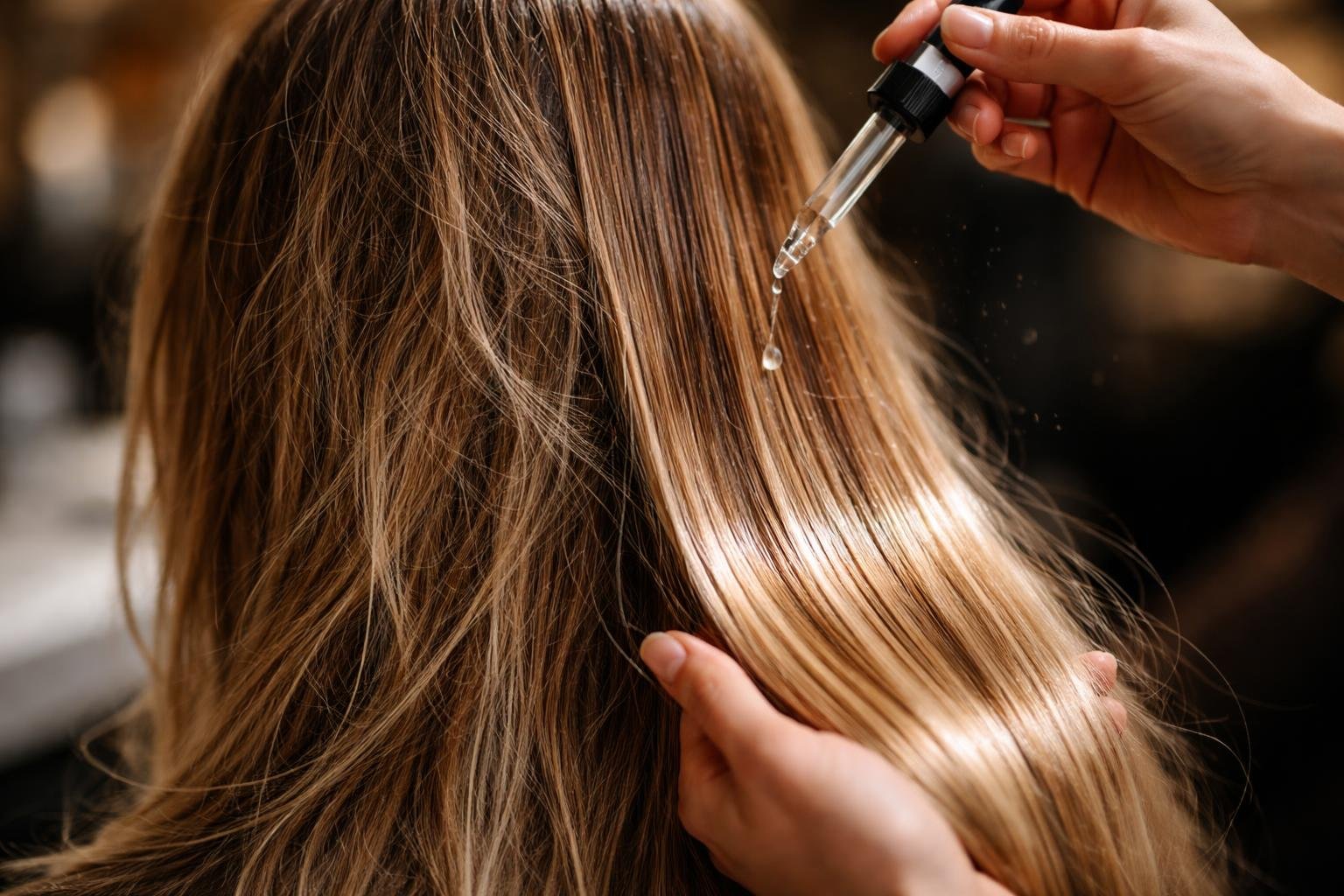
Dry hair needs immediate moisture to prevent further breakage and restore its healthy appearance. Deep conditioning treatments and targeted moisture boosters[11] can deliver fast results when hair looks dull or feels brittle.
Applying Deep Conditioner or Hair Masks
A hair mask provides intense hydration that regular conditioner cannot match. Look for formulas containing shea butter, coconut oil, or avocado oil to moisturize damaged strands effectively.
Apply the mask to damp hair and leave it on for at least 10 minutes. For better results, cover hair with a shower cap and leave the treatment on overnight. The cap traps heat and helps ingredients penetrate deeper into the hair shaft.
Bond-building treatments[12] repair broken protein bonds that occur when hair becomes damaged. Products like Olaplex work in as little as 10 minutes and can be used up to three times per week. These treatments won’t just add moisture—they actually fix structural damage.
For those seeking natural options, hot oil treatments warm oils like coconut or argan before application. The heat opens hair cuticles and allows oils to absorb more effectively.
Quick Moisture Boosters for Dry Ends
Leave-in conditioner offers instant hydration without requiring rinse time. Spray it on damp or dry hair to add moisture and make detangling easier. This product type is especially helpful for people with curly or frizzy hair textures.
Hair oil works on wet or dry hair to seal in moisture and add shine. Apply a small amount to the ends where hair is oldest and most prone to split ends. This creates a protective barrier that prevents further moisture loss.
A detangling spray[11] adds slip to dry strands and reduces breakage during brushing. Apply before combing through tangled sections to minimize pulling and snapping. These products often contain ingredients that smooth the hair cuticle for a sleeker appearance.
Addressing Dandruff and Scalp Issues
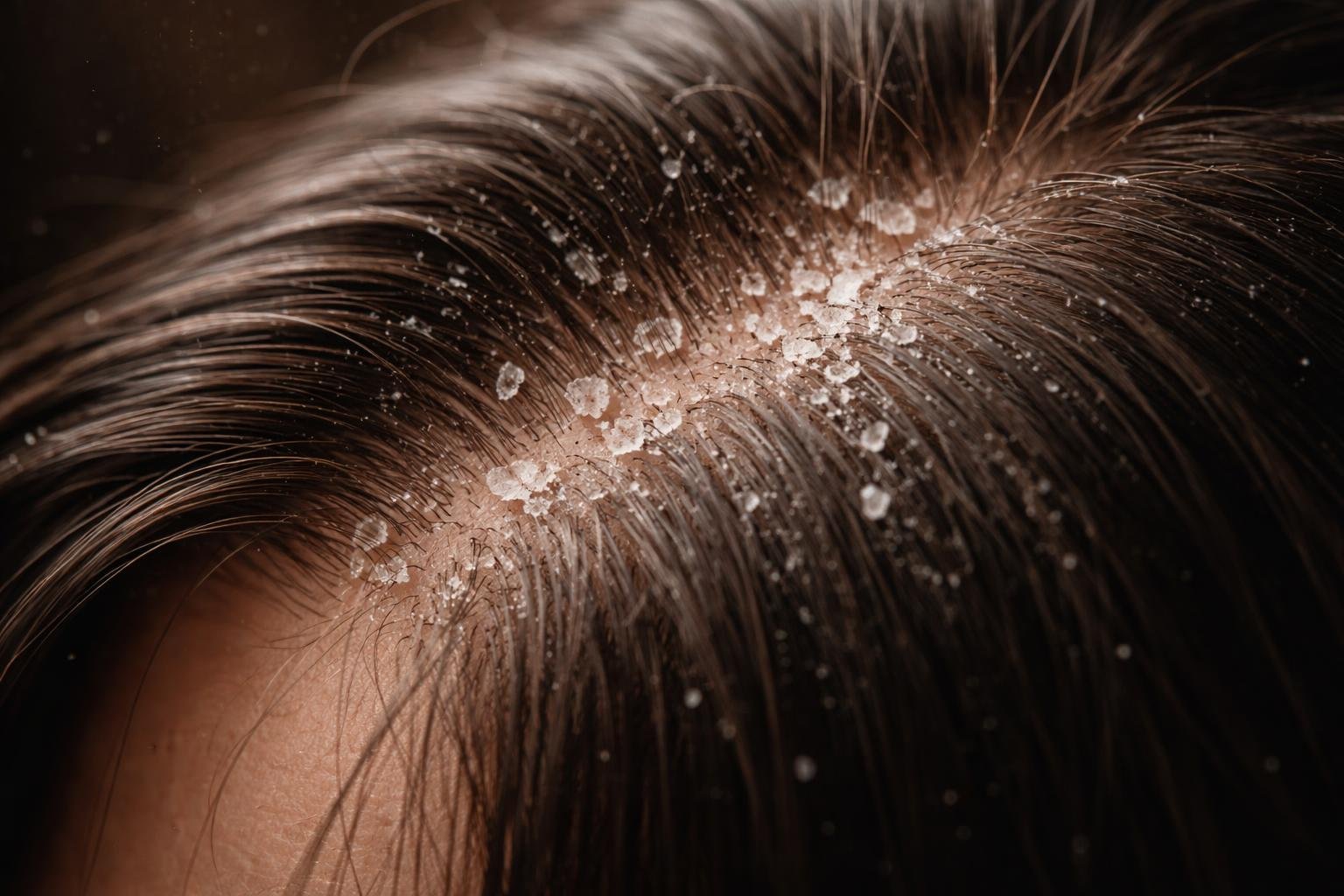
Dandruff affects many people and creates visible flakes that can be embarrassing. The right products and treatments can control flaking and soothe irritation quickly.
Choosing an Effective Anti-Dandruff Shampoo
Anti-dandruff shampoos contain specific active ingredients[13] that target the root causes of flaking. The most effective options include pyrithione zinc, ketoconazole, and selenium disulfide, which work as antifungal agents to reduce the microorganisms that contribute to dandruff.
People with mild dandruff should wash their hair daily until the condition is under control. Those who use styling products or dry shampoo need more frequent washing to prevent product buildup, which can worsen flaking.
Key ingredients to look for:
- Pyrithione zinc – Reduces fungus and bacteria
- Ketoconazole – Powerful antifungal agent
- Selenium disulfide – Slows skin cell turnover
Prescription versions of these ingredients contain higher concentrations than over-the-counter options. People should avoid coal tar derivatives, as these can be too harsh for the scalp and hair follicles. Results typically appear within one to two weeks of consistent use.
Quick Relief for Dry and Itchy Scalp
A dry scalp differs from true dandruff and requires different treatment approaches. Dry scalp produces small, fine flakes, while dandruff creates medium to large clumps that appear slightly oily[13].
For immediate relief, people can massage coconut oil into the scalp and leave it under a shower cap for 30 minutes before washing. Apple cider vinegar mixed with equal parts warm water helps balance the scalp’s pH level when massaged in for three to five minutes.
A clarifying shampoo removes buildup but should be followed with a moisturizing treatment. People should avoid sulfates, which strip natural oils and increase dryness. Brushing the hair regularly stimulates circulation and gently removes flaky buildup.
Essential oils like rosemary and lavender provide antimicrobial and anti-inflammatory benefits. These ingredients work more gently than medicated options but may take slightly longer to show results. Regular scalp oil treatments with baobab oil help maintain long-term hydration.
Protecting Hair from Heat and Environmental Damage
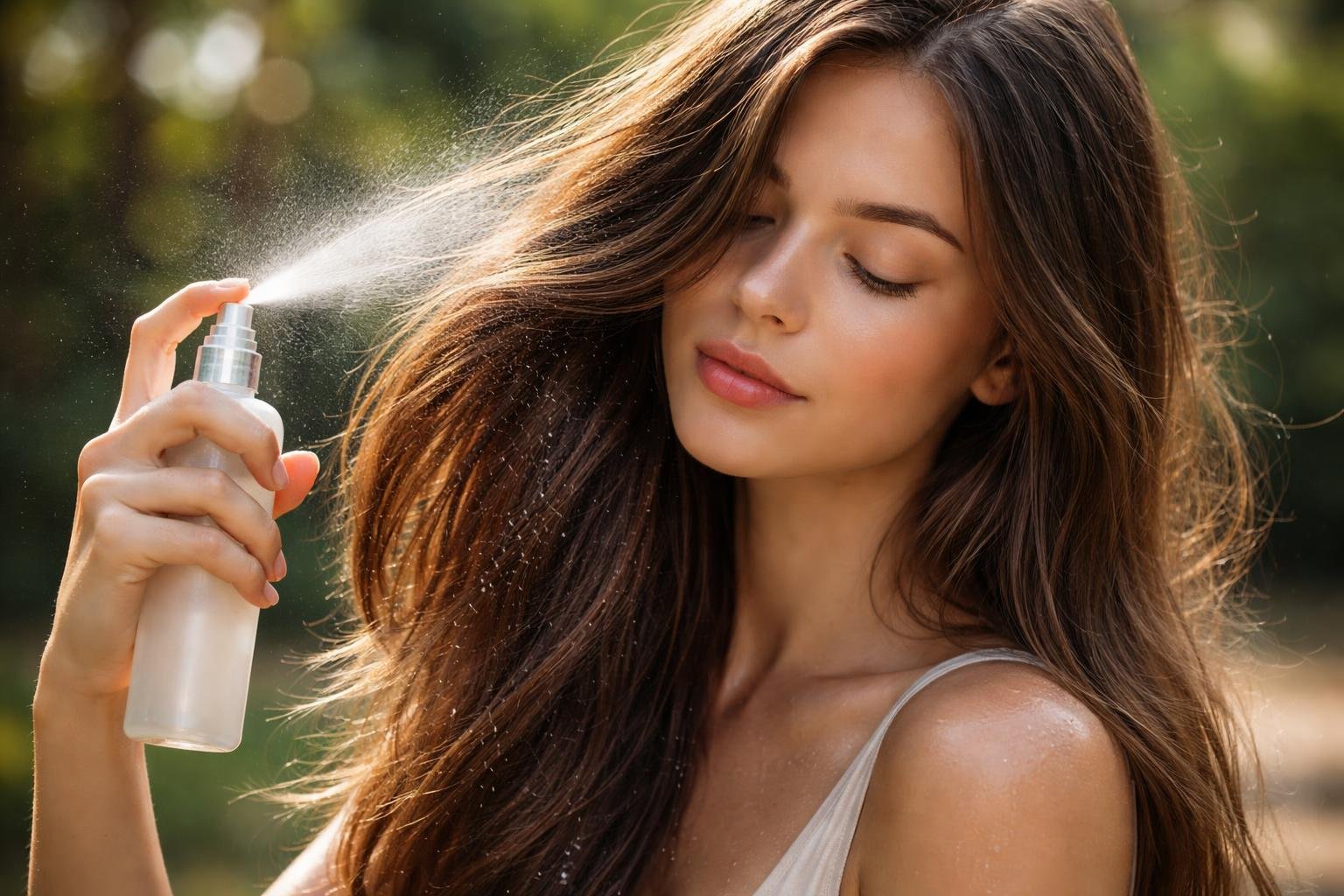
Using heat styling tools without proper protection can break down protein bonds in hair, while daily environmental exposure strips away natural moisture and causes long-term damage. Both require specific products and habits to maintain healthy hair.
Heat Protectant Essentials for Styling Tools
A quality heat protectant spray creates a barrier between hair and styling tools like flat irons and curling irons. These products work by coating each strand to prevent moisture loss and protein denaturation that leads to breakage[14].
Heat protectants should be applied to damp hair before blow-drying or to dry hair before using hot tools. Look for formulas containing ingredients like silicones, which provide a protective coating, or plant-based oils that add moisture while shielding hair from temperatures up to 450°F.
The application method matters. Spray products should be distributed evenly from roots to ends, working in small sections. Cream or serum formulas need to be rubbed between palms first, then smoothed over hair in thin layers.
Using heat styling tools on lower temperature settings[15] reduces damage even with a protectant applied. Most hair types don’t require maximum heat to achieve desired styles.
Preventing Damage from Daily Exposure
Environmental factors like sun, wind, and pollution constantly stress hair throughout the day. UV rays fade color and weaken protein structure, while pollutants settle on strands and cause buildup.
Wearing protective styles like braids, buns, or wraps minimizes friction and limits exposure to damaging elements. These styles are especially helpful on high-pollution days or during extended sun exposure.
Hair care products with built-in UV filters shield strands from sun damage. Leave-in conditioners and styling creams with SPF work similarly to sunscreen for skin, blocking harmful rays that dry out hair.
Regular deep conditioning treatments replenish moisture lost to environmental stressors. Products containing keratin, argan oil, or shea butter restore hydration and strengthen weakened hair. A weekly mask helps maintain the protective outer cuticle layer that guards against daily damage.
Quick Styling Tricks for Emergencies
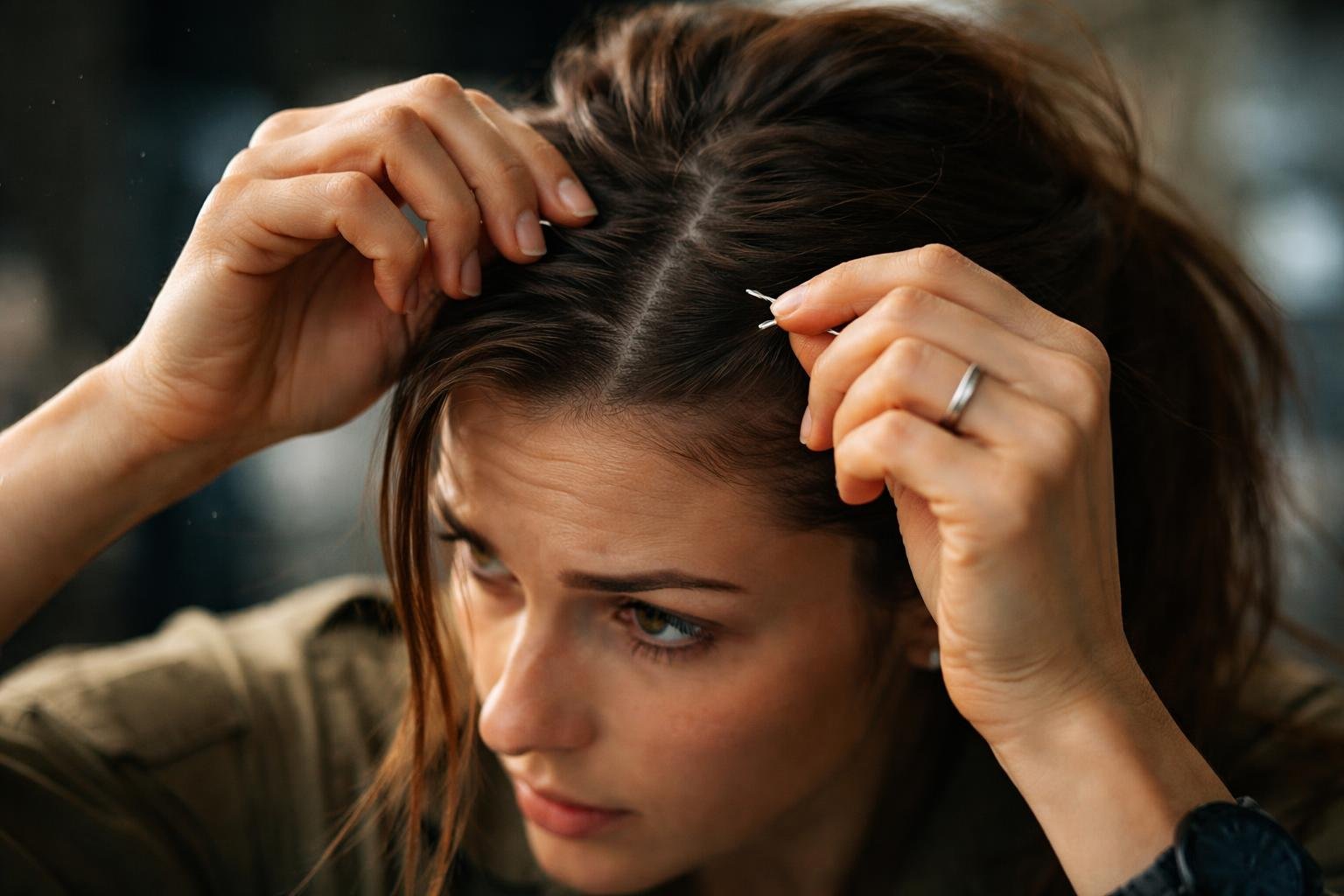
When hair won’t cooperate, the right styling technique can transform a disaster into an intentional look within minutes. Strategic styles like braids and updos work with problem hair instead of against it, while simple accessories turn flaws into features.
Braids and Updos for Bad Hair Days
A braid offers one of the fastest solutions when hair looks messy or greasy. A simple three-strand braid takes less than two minutes and hides oily roots while creating texture. Side braids work especially well for concealing unwanted volume or frizz.
Loose braids disguise hair that hasn’t been washed recently. The natural oils actually help the braid hold its shape better than freshly cleaned hair would.
A ponytail secured at the crown or nape provides instant polish when time is short. Adding bobby pins around the base covers thin spots and keeps flyaways in place. For extra volume, gently tease the ponytail with a wide-tooth comb before securing it.
An updo works for multiple hair emergencies from frizz to flatness[16]. A messy bun takes seconds to create and looks intentional rather than rushed. Twist sections of hair loosely and pin them with bobby pins in a random pattern for a relaxed style.
Emergency Solutions with Everyday Accessories
Bobby pins serve multiple purposes beyond basic securing. They can flatten bumps, hide damaged sections, or create decorative patterns that draw attention away from problem areas. Crossing two bobby pins in an X shape provides stronger hold than a single pin.
Headbands push greasy bangs off the face while adding style. Wide fabric headbands cover entire hairlines affected by oil or frizz. Thin metal headbands work better for adding a polished touch to otherwise messy hair.
Hair clips and barrettes turn limp or uncooperative sections into quick hair fixes[17]. A claw clip gathers hair into an instant updo without needing any other tools. Decorative clips on the sides create the appearance of an intentional style rather than a last-minute fix.
Scarves tied around ponytails or threaded through braids add color while disguising texture problems. A scarf wrapped around the head covers roots that need washing or color touch-ups.
Preventing and Addressing Hair Loss
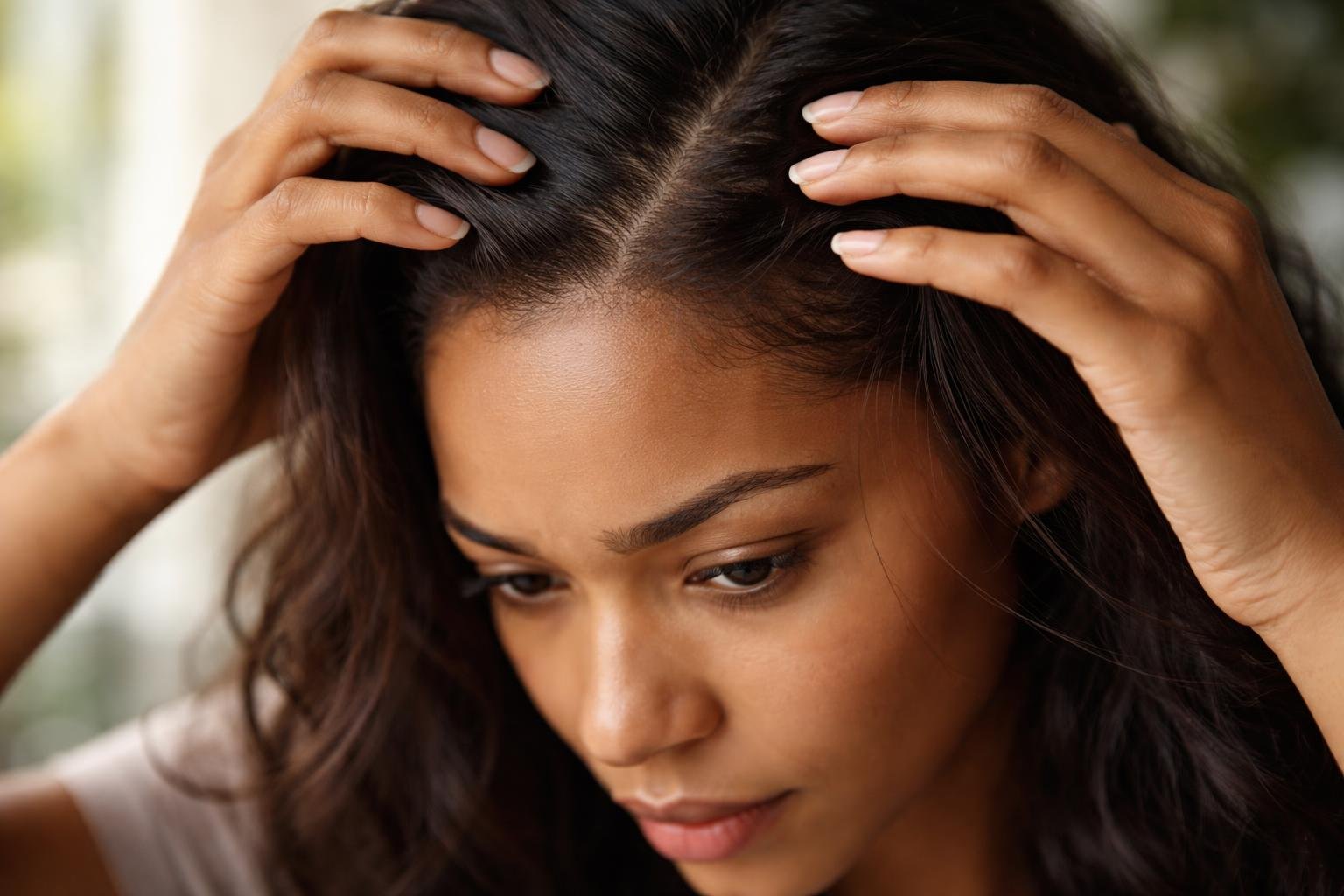
Several dietary changes and gentle hair care practices can help reduce hair shedding and promote healthier growth. These approaches work best when combined with consistent routines that protect hair from damage.
At-Home Remedies to Prevent Hair Loss
A Mediterranean diet rich in raw vegetables and fresh herbs[18] may help slow hair loss when consumed more than three days per week. Protein-rich foods like eggs, fish, beans, and chicken provide amino acids that build keratin, the main protein in hair follicles.
Vitamin D deficiency may connect to alopecia[18], so treating low levels could support regrowth. Biotin supplements help with fatty acid production essential to the hair growth cycle. A daily multivitamin containing vitamins A, B, C, and D plus iron, selenium, and zinc supports cell turnover needed for healthy hair.
Natural oils offer additional benefits. Coconut oil protects hair from grooming damage and UV exposure while massaging it into the scalp may improve blood flow. Olive oil deeply conditions hair and prevents breakage from dryness.
Essential oils like lavender, peppermint, and tea tree[18] mixed with carrier oils such as jojoba can be applied to the scalp for 10 minutes before washing. Always do a patch test first to check for allergic reactions.
Adopting a Supportive Hair Care Routine
Washing hair regularly with mild shampoo keeps the scalp clean and healthy. Harsh formulas dry out hair and cause breakage, so gentle products work better to prevent hair loss[19].
Skip tight braids or ponytails that pull on roots and lead to excessive shedding. Let hair air-dry when possible instead of using heat styling tools like curling irons or straighteners that damage the hair shaft.
Chemical treatments such as perms and hair dyes can harm hair and scalp. Organic alternatives without ammonia, peroxide, or PPD cause less damage. When selecting hair care products[20], look for formulas designed to strengthen strands rather than strip natural oils.
Avoid brushing or stretching hair while wet since it’s more vulnerable to breakage in this state. Use a deeply moisturizing conditioner regularly to maintain hair health and flexibility.
Frequently Asked Questions
Many people struggle with hair emergencies that need immediate solutions between salon visits or regular wash days. These practical fixes address the most pressing concerns from scalp irritation to damaged ends.
How can I quickly reduce dandruff and itching between washes?
Applying diluted apple cider vinegar directly to the scalp can provide fast relief from itching and flaking. Mix one part apple cider vinegar with two parts water in a spray bottle and apply it to the scalp.
Tea tree oil offers antimicrobial properties that combat the fungus causing dandruff. A person can add 5-10 drops of tea tree oil to their regular shampoo or mix it with a carrier oil like coconut oil for scalp massage.
Aloe vera gel applied directly to the scalp soothes irritation and reduces inflammation. The cooling effect provides immediate comfort while the natural compounds work to reduce flaking.
What are the fastest ways to tame frizz and flyaways when humidity is high?
A small amount of hair serum or oil smoothed over the hair surface creates a barrier against moisture. Focus on the mid-lengths and ends rather than the roots to avoid looking greasy.
Leave-in conditioners help deal with frizzy hair[4] by adding moisture and weight to unruly strands. Spray or work the product through damp or dry hair as needed.
Running dryer sheets over flyaways neutralizes static electricity instantly. This method works well for quick touch-ups when other products aren’t available.
How can I refresh oily roots and add volume without washing my hair?
Dry shampoo absorbs excess oil at the roots when applied correctly. Spray it 6-8 inches from the scalp, wait two minutes, then massage it in and brush through thoroughly.
Cornstarch or baby powder serves as an emergency alternative to dry shampoo. Apply a small amount to the roots with fingers or a makeup brush and blend well to avoid visible white residue.
Flipping the head upside down and blow-drying the roots on cool setting adds instant volume. The cool air sets the hair in an lifted position without adding more oil.
What’s the quickest fix for dry, brittle ends that look damaged?
Hair masks containing egg, olive oil, and avocado[4] provide intensive moisture to damaged ends. Leave the treatment on for 20-30 minutes before rinsing for noticeable improvement.
Applying a few drops of argan oil or coconut oil to the ends smooths the appearance immediately. Warm the oil between palms before working it through the driest sections.
A leave-in conditioning spray adds moisture and makes brittle hair more manageable throughout the day. Reapply as needed for continued softness.
How can I detangle severe knots without causing breakage?
Starting from the bottom of the knot and working upward prevents pulling and breakage. Hold the hair above the tangle to avoid tension on the scalp.
Applying conditioner or detangling spray to dry knots makes them easier to separate. The added slip allows fingers or a wide-tooth comb to glide through more smoothly.
Using fingers to gently separate large knots before introducing a comb reduces stress on the hair shaft. A wide-tooth comb or wet brush designed for detangling works best for stubborn tangles.
What should I do to temporarily repair the look of split ends until my next trim?
Hair serums containing silicones coat split ends and seal them together temporarily. Apply a tiny amount to the very ends of the hair for a smoother appearance.
Twisting small sections of hair and carefully trimming any ends that stick out reduces the frayed look. This emergency dusting technique removes only the most damaged pieces.
Rubbing the ends with oil[4] provides nourishment and minimizes the appearance of splits. Coconut oil, almond oil, or castor oil work well for this purpose.
Post Views: 4
References
Elevate Your Health for Just $29.99/Month
Join the Precision Wellness Subscription at My Healing 365 and get discounted services, priority coaching access, virtual care, and exclusive wellness resources to support your physical, emotional, and hormonal health.
Join for $29.99/Month- The 3-Minute Fixes for Common Hair Problems You Can Do Anywhere
– herbishh.com. https://herbishh.com/blogs/news/the-3-minute-fixes-for-common-hair-problems-you-can-do-anywhere Accessed May 28, 2026 - Page not found –. https://beachwaveperm.com/quick-hair-fixes/ Accessed May 28, 2026
- 10 Common Hair Problems And How To Fix Them
– SkinKraft
. https://skinkraft.com/blogs/articles/common-hair-problems Accessed May 28, 2026 - 11 Common Hair Problems And How To Fix Them. https://www.stylecraze.com/articles/common-hair-problems/ Accessed May 28, 2026
- 8 Common Hair Problems: Causes, Treatments & Solutions. https://www.drserkanaygin.com/blog/hair-problems/ Accessed May 28, 2026
- 10 Quick Fixes for Frizzy Hair and Flyaways – growmylifestyle.com. https://growmylifestyle.com/10-quick-fixes-for-frizzy-hair-and-flyaways/ Accessed May 28, 2026
- 15 Quick Ways To Tame Frizzy Hair And Prevent Flyaways. https://flawlesshair.com/quick-ways-to-tame-frizzy-hair-and-prevent-flyaways/ Accessed May 28, 2026
- smooth down flyaway hairs. https://www.byrdie.com/how-to-get-rid-of-flyaways-4686874 Accessed May 28, 2026
- Greasy Hair: 15 Ways To Care for Oily Hair. https://www.lorealparisusa.com/beauty-magazine/hair-care/all-hair-types/greasy-hair-quick-fix Accessed May 28, 2026
- volume to fine hair. https://www.byrdie.com/flat-hair-fixes-how-to-give-your-fine-hair-more-body-346260 Accessed May 28, 2026
- Deep conditioning treatments and targeted moisture boosters. https://www.realsimple.com/beauty-fashion/hair/hair-care/how-to-fix-damaged-hair Accessed May 28, 2026
- 7 Tips and Treatments on How To Fix Dry Hair. https://www.lorealparisusa.com/beauty-magazine/hair-care/dry-hair/dry-hair-care-routine Accessed May 28, 2026
- Anti-dandruff shampoos contain specific active ingredients. https://www.byrdie.com/how-to-get-rid-of-dandruff-fast-4842294 Accessed May 28, 2026
- Heat-damaged hair: 10 ways to treat it. https://www.healthshots.com/beauty/hair-care/how-to-fix-heat-damaged-hair/ Accessed May 28, 2026
- Heat-damaged hair: 10 ways to treat it. https://www.healthshots.com/beauty-hair-care/how-to-fix-heat-damaged-hair/ Accessed May 28, 2026
- Quick Fixes for Common Hair Emergencies: From Frizz to Flatness
– Mid America Beauty Supply. https://midamericabeauty.com/blogs/news/quick-fixes-for-common-hair-emergencies-from-frizz-to-flatness Accessed May 28, 2026 - Quick and Easy Hair Fixes for Last-Minute Styling. https://partnershair.co.za/blogs/hairs-how-with-lewis-thomas/quick-and-easy-hair-fixes-for-last-minute-styling-emergencies Accessed May 28, 2026
- Hair Loss Prevention: 22 Things You Can Do to Stop Hair Loss. https://www.healthline.com/health/hair-loss-prevention Accessed May 28, 2026
- Best ways to stop hair loss. https://www.medicalnewstoday.com/articles/how-to-stop-hair-loss Accessed May 28, 2026
- 6 Ways to Stop Hair Loss. https://health.clevelandclinic.org/how-to-stop-hair-loss Accessed May 28, 2026

























