Medically Reviewed
Dr. Jose Rossello, MD, PhD, MHCM
Preventive Medicine & Public Health Specialist
Last Reviewed: May 29, 2026
You see ads everywhere promising thicker, fuller hair in just weeks. The shelves are packed with serums, pills, and treatments that claim to end hair loss for good. With so many options and bold promises, it’s hard to know what actually works and what’s just marketing hype.

The truth is that only a few hair growth products have solid scientific evidence behind them, while most supplements and serums lack rigorous testing to back up their claims. Hair growth products can work, but they don’t work for everyone[1], and the results depend on the type of hair loss, how early treatment starts, and which product is used. Some FDA-approved medications have decades of research showing real results, while other popular treatments have little proof they do anything at all.
Understanding which products have real science behind them can save time, money, and disappointment. This article breaks down what actually works for hair growth, what the research shows, and what realistic results look like. It covers prescription treatments, over-the-counter options, supplements, and natural alternatives so readers can make informed choices about their hair.
Table of Contents
Key Takeaways
- Only a few hair growth treatments like minoxidil and finasteride have strong scientific evidence proving they work
- Most hair growth supplements and serums lack rigorous testing and may not deliver the results they promise
- Starting treatment early gives the best chance of slowing hair loss and regrowing hair that’s been lost recently
Understanding Hair Growth and Hair Loss
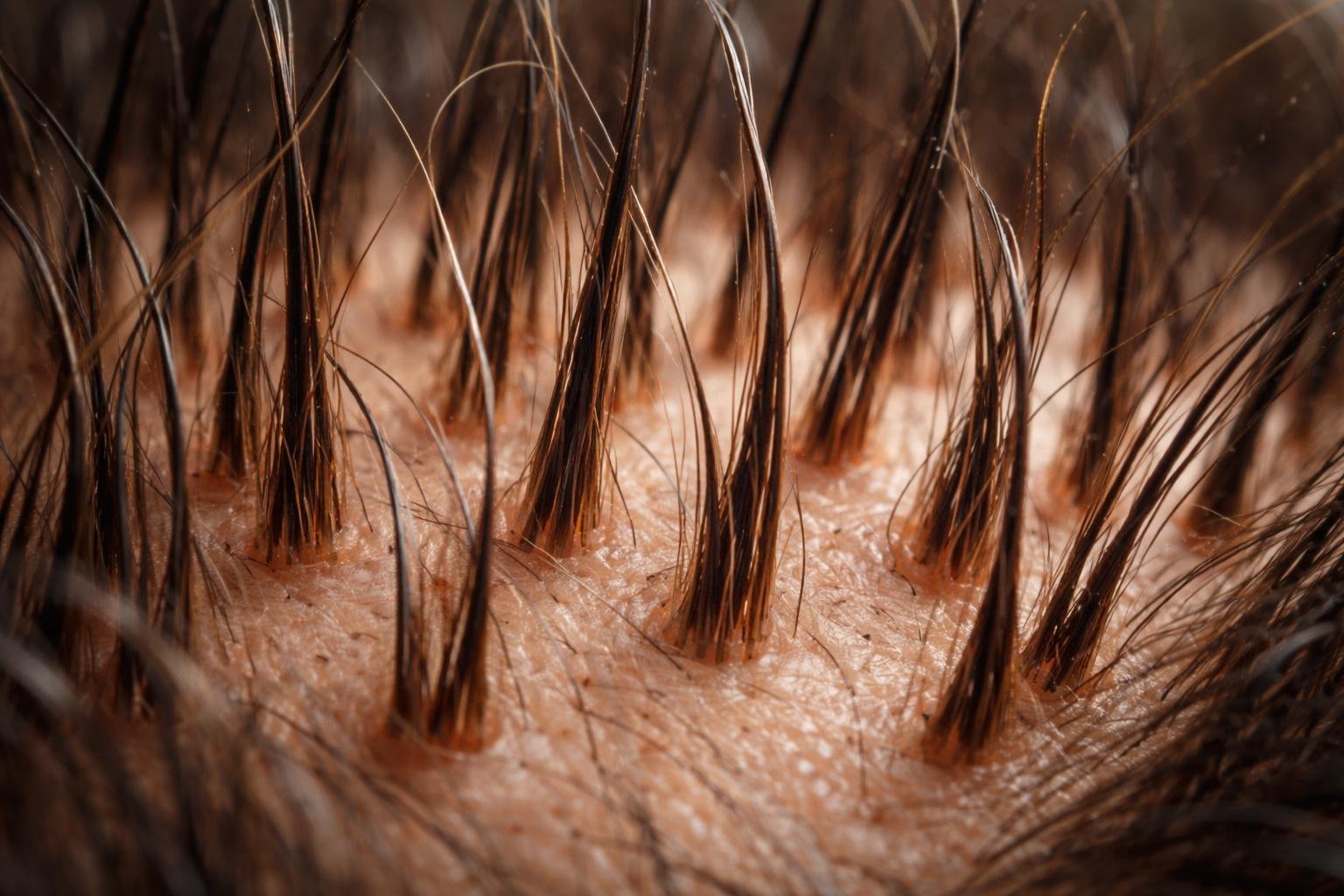
Hair grows in predictable cycles through three distinct phases, and disruptions to this process can lead to various types of hair loss. Common causes range from genetics and hormones to stress and nutritional deficiencies, while conditions like androgenetic alopecia and alopecia areata affect millions of people differently.
Hair Growth Cycle and Hair Follicles
Hair follicles produce hair through a repeating cycle of three phases. The anagen phase is the active growth period that lasts 2 to 7 years, during which hair grows about half an inch per month. The catagen phase is a short transition period of 2 to 3 weeks when growth stops and the follicle shrinks.
The telogen phase is the resting period lasting about 3 months. During this time, old hair remains in place while new hair begins growing underneath. People naturally shed 50 to 100 hairs daily as part of this cycle.
Each hair follicle operates independently on its own schedule. This is why people don’t lose all their hair at once. When something disrupts this cycle, it can push more follicles into the shedding phase at the same time, leading to noticeable hair loss.
Common Causes of Hair Loss
Genetics is the most common cause of hair loss in both men and women. Hormones, particularly dihydrotestosterone (DHT), shrink hair follicles over time in people who are genetically prone to this sensitivity.
Other major causes include:
- Stress and illness: Physical or emotional stress can trigger temporary shedding called telogen effluvium
- Nutritional deficiencies: Low iron, zinc, or protein can weaken hair growth
- Medical conditions: Thyroid disorders, autoimmune diseases, and hormonal imbalances affect hair health
- Medications: Certain drugs for blood pressure, depression, and arthritis may cause hair loss as a side effect
Age also plays a role, as hair follicles naturally slow down production over time. Women often experience changes during pregnancy, after childbirth, or during menopause due to shifting hormone levels.
Types of Alopecia and Pattern Hair Loss
Androgenetic alopecia is the medical term for pattern baldness[2] and affects about 50 million men and 30 million women in the United States. Men typically see a receding hairline and thinning at the crown, while female pattern hair loss causes overall thinning across the top of the scalp without complete baldness.
Alopecia areata is an autoimmune condition where the body attacks its own hair follicles. This creates round, smooth bald patches that can appear suddenly on the scalp or other areas. Hair may regrow on its own, but the condition can recur unpredictably.
Telogen effluvium causes temporary hair shedding when a large number of follicles enter the resting phase simultaneously. This type of hair loss often happens 2 to 3 months after a triggering event like surgery, severe illness, or extreme stress. Hair typically regrows once the underlying cause is addressed.
The Science Behind Hair Growth Products
Hair growth products work through specific biological mechanisms that target hair follicles and the scalp environment. These treatments rely on active ingredients that influence blood flow, hormone levels, and cellular activity to promote hair regrowth and improve hair density.
How Hair Growth Products Are Designed
Hair growth products are formulated based on understanding the hair growth cycle and what disrupts it. The hair shaft goes through three phases: growth, transition, and rest. Products aim to extend the growth phase and shorten the rest phase.
Manufacturers design formulations that can penetrate the scalp and reach hair follicles. Topical treatments like liquids and foams are created to absorb through the skin. Oral medications work from inside the body to affect hormone levels or nutrient availability.
Clinical studies[1] test these products on groups of people to measure effectiveness. Researchers track changes in hair count, thickness, and growth rate over several months. Products that show consistent results in controlled trials receive approval for treating specific types of hair loss.
Mechanisms: Stimulating Hair Regrowth
Different products use distinct mechanisms to trigger hair regrowth. Minoxidil increases blood flow to hair follicles and extends the growth phase of each hair. This helps thin hairs become thicker and can wake up dormant follicles.
Finasteride blocks DHT, a hormone that shrinks hair follicles in people with pattern baldness. By reducing DHT levels, the medication prevents further miniaturization of follicles. This allows existing hairs to maintain their thickness and supports new growth.
Some scalp treatments use ingredients that reduce inflammation or provide nutrients directly to follicles. JAK inhibitors work by suppressing immune system activity in people with autoimmune-related hair loss. Each mechanism targets a specific cause of thinning or loss.
Role of Scalp Health in Hair Growth
The scalp environment directly affects how well hair grows. A healthy scalp has proper blood circulation, balanced oil production, and no inflammation. These conditions allow follicles to function normally and produce strong hairs.
Scalp treatments address issues like buildup, dryness, or excess oil that can block follicles. Clean, well-nourished skin on the scalp supports better absorption of topical hair growth products. Poor scalp health can limit how well these treatments work.
Blood flow to the scalp delivers oxygen and nutrients that follicles need. Products that improve circulation help create better conditions for hair density improvements. Inflammation on the scalp can damage follicles and interrupt the growth cycle, which is why reducing it matters for regrowth.
Clinically Proven Hair Loss Treatments
Several FDA-approved medications and medical procedures have demonstrated real effectiveness in slowing hair loss and promoting regrowth. Minoxidil and finasteride remain the gold standard options, while newer therapies like platelet-rich plasma and laser devices show promising results for certain patients.
Minoxidil: Uses and Effectiveness
Minoxidil is available as a topical minoxidil solution or foam that people apply directly to the scalp. The medication comes in different strengths, with 5% minoxidil being the most common concentration for men and a lower percentage often recommended for women.
Rogaine, the brand-name version of minoxidil, has been available since 1987 for treating pattern baldness. The medication works by partially enlarging hair follicles and extending the growth phase of hair, though scientists still don’t fully understand the exact mechanism.
Treatments for thinning hair[3] typically require at least four to six months of consistent use before visible results appear. People who stop using minoxidil will likely lose any regrown hair within a few months.
Common side effects include scalp irritation, redness, and itching at the application site. Some users experience unwanted facial hair growth if the product spreads beyond the scalp area.
Finasteride and DHT Blockers
Finasteride is an oral prescription medication that blocks the conversion of testosterone into DHT, a hormone that shrinks hair follicles in people with pattern baldness. Propecia contains 1 mg of finasteride and is FDA-approved specifically for male pattern hair loss.
The medication slows hair loss rather than promoting significant regrowth in most users. Hair loss treatments in 2026[4] indicate that finasteride remains one of the most studied and effective options for men.
Elevate Your Health for Just $29.99/Month
Join the Precision Wellness Subscription at My Healing 365 and get discounted services, priority coaching access, virtual care, and exclusive wellness resources to support your physical, emotional, and hormonal health.
Join for $29.99/MonthDutasteride is a similar DHT blocker that some dermatologists prescribe off-label for hair loss. It blocks both types of the enzyme that converts testosterone to DHT, while finasteride only blocks one type.
Topical finasteride formulations are becoming more popular as they may reduce systemic side effects. Some men experience decreased sex drive, mood changes, or other hormonal effects from oral finasteride.
Women who are pregnant or may become pregnant should not handle finasteride tablets due to potential risks to male fetuses. Spironolactone serves as an alternative DHT blocker that board-certified dermatologists sometimes prescribe for women with hair loss.
Emerging Therapies: PRP and Laser Devices
Platelet-rich plasma (PRP) therapy involves drawing a patient’s blood, processing it to concentrate the platelets, and injecting it into the scalp. The growth factors in PRP may stimulate dormant hair follicles and improve hair density.
Studies show mixed results for PRP effectiveness, with some patients experiencing noticeable improvement while others see minimal change. The treatment typically requires multiple sessions spaced several weeks apart, followed by maintenance treatments.
Low-level laser devices deliver red light therapy to the scalp through handheld combs, caps, or helmets. These devices may increase blood flow to hair follicles and stimulate cellular activity.
The FDA has cleared several laser devices for treating hair loss, though the evidence for their effectiveness is less robust than for minoxidil or finasteride. People often use laser therapy alongside other hair loss treatments rather than as a standalone option.
Prescription Options and Professional Guidance
A board-certified dermatologist can diagnose the specific type of hair loss and recommend appropriate prescription medications. Different conditions require different approaches, and what works for androgenetic alopecia may not help autoimmune alopecia areata.
Dermatologists may prescribe oral minoxidil at low doses for certain patients who don’t respond well to topical formulations. A trichologist, a specialist in hair and scalp health, can provide additional guidance on scalp serum products and care routines.
People should seek treatment from physicians who are diplomates of the American Board of Hair Restoration Surgery for the best long-term results. These specialists have proven expertise in both medical and surgical management of hair loss.
Common prescription approaches include:
- Combination therapy with minoxidil and finasteride
- Topical corticosteroids for inflammatory scalp conditions
- JAK inhibitors for alopecia areata
- Custom-compounded scalp serums with multiple active ingredients
Early intervention produces better outcomes than waiting until significant hair loss has occurred.
Supplements and Nutritional Approaches
Hair growth supplements typically contain protein, collagen, omega-3 fatty acids, zinc, biotin, iron, and selenium. These products work best when hair loss stems from specific nutritional deficiencies rather than genetic or hormonal causes.
Biotin, Collagen, and Peptides
Biotin, also known as vitamin B7, is heavily marketed for hair growth despite limited scientific backing. The evidence supporting biotin supplements for hair growth[5] is mostly limited to case studies in children with a rare condition called familial uncombable hair syndrome. Adults over 19 need only 30 micrograms of biotin daily, which most people get from protein-rich foods like meat and eggs.
Biotin deficiencies are extremely rare in people eating a balanced diet. Those taking biotin supplements should know they can cause false lab results in heart and thyroid tests.
Collagen peptides show slightly more promise. A small study of 44 healthy women found that 2.5 grams of collagen peptides daily increased hair follicles and thickness. However, the research remains limited and many products combine collagen with other ingredients, making it hard to determine which component produces results.
Iron, Vitamin D, and Addressing Deficiencies
Iron plays a critical role in rapidly dividing cells like hair follicles. Low iron levels are associated with hair loss, particularly a type called telogen effluvium. Adults need between 8-27 milligrams daily depending on age, sex, and pregnancy status.
Taking iron supplements may help[5] if hair loss comes from an iron deficiency. However, there’s insufficient evidence that iron promotes growth in people with normal levels.
Vitamin D deficiency has been linked to various forms of hair loss. Testing vitamin D levels helps determine whether supplementation makes sense. Addressing specific nutritional deficiencies through blood work provides a more targeted approach than taking general hair supplements.
Common deficiencies linked to hair loss:
- Iron (especially in women)
- Vitamin D
- Zinc
- Protein
Popular Proprietary Blends and Nutraceuticals
Nutrafol and Viviscal represent two widely marketed proprietary blends for hair growth. These products contain multiple ingredients including marine proteins, biotin, and various botanical extracts. Nutrafol includes ingredients like curcumin and other anti-inflammatory compounds.
The challenge with proprietary blends is that research on combination products makes it difficult to identify which specific ingredients produce results. When multiple nutrients are tested together, isolating the effective components becomes nearly impossible.
These nutraceuticals cost significantly more than basic vitamin supplements. Consumers should weigh the higher price against the limited evidence showing they outperform addressing specific deficiencies through standard supplements or dietary changes. Healthcare providers recommend[6] consulting with a doctor or registered dietitian before starting any supplement regimen for hair loss.
Topical and Natural Alternatives

Many people seek gentler options beyond prescription medications for hair concerns. Caffeine, red light therapy, and melatonin applied to the scalp have the most evidence[7] supporting their effectiveness, while oils and plant extracts offer additional support with varying levels of research backing.
Scalp Serums and Treatments
A scalp serum delivers concentrated ingredients directly to hair follicles. These products often contain caffeine, peptides, or botanical extracts designed to improve circulation and nourish the scalp environment.
Topical treatments may serve as add-on therapies or alternatives[8] for those who cannot tolerate standard medications. Some formulas include growth factors or amino acid complexes that aim to strengthen existing hair.
A scalp treatment typically works best when applied to clean, dry skin. Users should massage the product gently to increase absorption. Results vary widely depending on the specific ingredients and the underlying cause of thinning.
The effectiveness of these products depends on consistent use over several months. Not all scalp serums contain clinically tested ingredients, so checking the formulation matters.
Plant-Based Extracts: Saw Palmetto, Rosemary, and PSO
Saw palmetto blocks DHT, a hormone linked to pattern hair loss. This botanical extract appears in many non-prescription formulas as a natural alternative to finasteride.
Rosemary oil has shown promise in small studies for promoting growth. One trial found it performed similarly to 2% minoxidil after six months of use. The oil may improve scalp circulation when massaged into the skin.
PSO, or pumpkin seed oil, contains phytosterols that may inhibit DHT production. Limited research suggests it could help maintain hair density in men with mild thinning.
These plant-based options generally cause fewer side effects than synthetic drugs. However, they also lack the extensive clinical testing that prescription treatments undergo. Individual responses vary considerably, and not everyone sees improvement.
Supporting Hair Health with Oils
Essential oils and nourishing oils have less evidence to support them[7] compared to other natural remedies, but many people use them for scalp health.
Commonly used oils include:
- Castor oil – thick consistency that may coat hair shafts
- Coconut oil – penetrates hair to reduce protein loss
- Jojoba oil – mimics natural scalp sebum
- Peppermint oil – creates a tingling sensation and may improve blood flow
These oils work primarily by moisturizing the scalp and reducing breakage rather than stimulating new growth. They can improve the appearance and texture of existing hair when used regularly.
Diluting essential oils in a carrier oil prevents irritation. Most experts recommend patch testing before applying any new oil to the entire scalp.
Safety, Side Effects, and Realistic Expectations
Hair growth products carry varying levels of risk depending on their ingredients and formulation. Understanding potential complications, temporary shedding phases, and evidence-based timelines helps users make informed decisions about treatment.
Potential Side Effects and Contraindications
Supplements often contain high doses of vitamins and minerals that can cause problems. Biotin can interfere with lab tests[9] used to diagnose heart attacks and thyroid conditions. Vitamin E increases bleeding risk, while excess vitamin A actually causes hair loss instead of preventing it.
Selenium overdose leads to hair and nail brittleness along with digestive and nerve problems. Saw palmetto may affect fetal development during pregnancy.
Topical treatments like minoxidil can lower blood pressure in some users. People with heart conditions or irregular heartbeats need medical clearance before use. Topical finasteride has been linked[9] to anxiety, depression, brain fog, and sexual dysfunction in men.
A 2024 case study connected the supplement Nutrafol to liver damage in one patient. The product contains turmeric, ashwagandha, and other ingredients with potential liver toxicity.
Understanding Initial Shedding
Many effective hair growth treatments trigger temporary hair shedding during the first 2-4 months of use. This occurs because the product pushes dormant hair follicles into an active growth phase, forcing out old hairs to make room for new growth.
Hair shedding from treatment differs from ongoing hair thinning caused by genetics or stress management issues. Treatment-related shedding stops after a few months, while untreated thinning hair continues to worsen over time.
Users should continue treatment through this phase unless side effects develop. Stopping too early prevents the new growth cycle from completing.
Setting Realistic Results and Timeframes
Hair regrowth requires several months of consistent use[10] before visible results appear. Most treatments need 3-6 months to show improvement, with full results taking 12 months or longer.
No product restores completely bald areas where follicles have died. Treatments work best on thinning hair with active but weakened follicles. Maintenance therapy continues indefinitely since stopping treatment causes new growth to fall out within months.
Products slow or stabilize hair loss more reliably than they stimulate dramatic regrowth. Results vary significantly between individuals[11] based on age, genetics, and the underlying cause of hair loss.
Expert Advice and Choosing the Right Solution

Finding the right hair growth solution requires understanding when professional help is necessary, how to assess product claims, and recognizing that lifestyle factors play a major role in hair health. A board-certified dermatologist can diagnose underlying conditions, while proper product evaluation prevents wasted time and money on ineffective treatments.
When to See a Dermatologist or Trichologist
Sudden hair loss or bald patches require professional evaluation. A board-certified dermatologist can diagnose medical conditions like alopecia areata, thyroid disorders, or autoimmune diseases that cause hair loss. They also prescribe medications like finasteride or spironolactone when over-the-counter options fail.
A trichologist specializes specifically in hair and scalp health. These experts analyze hair under microscopes and create treatment plans for issues like seborrheic dermatitis or product damage.
People should seek professional help when experiencing:
- Rapid or patchy hair loss
- Scalp pain, redness, or inflammation
- Hair shedding that exceeds 100-150 strands daily
- No improvement after 6 months of consistent treatment
Early intervention often leads to better outcomes. Many prescription medications require medical oversight[12] to ensure safe, effective use.
How to Evaluate Hair Growth Products
Checking ingredient lists separates effective products from marketing hype. Minoxidil remains the only FDA-approved over-the-counter ingredient proven to regrow hair. Products containing 2-5% minoxidil show the strongest evidence for results.
Key ingredients to look for include:
- DHT blockers: Saw palmetto or prescription finasteride
- Scalp nutrients: Biotin, zinc, iron, vitamin D
- Peptides: Support keratin structure and follicle health
- Anti-inflammatory compounds: Tea tree oil, salicylic acid, aloe vera
Avoid products making unrealistic promises like “regrow hair in 2 weeks” or those lacking clear ingredient information. Dermatologists recommend looking for evidence-based solutions[13] rather than trendy ingredients without research backing.
Check for third-party testing and clinical studies. Products tested on real users provide more reliable results than lab-only testing.
Lifestyle Factors and Stress Management
Stress management directly impacts hair growth cycles. Chronic stress pushes hair follicles into the telogen phase prematurely, causing excessive shedding. This condition, called telogen effluvium, affects millions of people.
Effective stress reduction techniques include meditation, regular exercise, and adequate sleep. These practices lower cortisol levels that interfere with healthy hair growth.
Nutritional deficiencies worsen hair loss. A diet rich in protein, iron, and omega-3 fatty acids supports follicle function. People with restrictive diets or digestive disorders may need supplements to fill gaps.
Other lifestyle factors include:
- Limiting heat styling and chemical treatments
- Using gentle, sulfate-free shampoos
- Avoiding tight hairstyles that create tension on follicles
- Getting 7-9 hours of sleep nightly
Combining topical treatments with lifestyle improvements produces better results than products alone. Hair grows slowly, so consistency matters more than any single intervention.
Frequently Asked Questions
Minoxidil and finasteride lead clinical research for hair regrowth, while treatment timelines typically span three to six months before visible changes occur. Safety profiles vary between medications, with some causing hormonal side effects that require medical supervision.
Which ingredients in hair growth products have the strongest clinical evidence for regrowth?
Minoxidil stands as one of the most proven ingredients for hair regrowth. Studies show it works to varying degrees for about two-thirds of people[1], with the best results seen in those under 40 who recently started experiencing hair loss.
Finasteride ranks as another ingredient with strong clinical backing for male-pattern hair loss. The medication blocks DHT production, a hormone that shrinks hair follicles over time. Clinical evidence shows it works for the majority of male patients who take it[1].
Spironolactone has proven effective for women with hormonal hair loss. JAK inhibitors also carry FDA approval for severe alopecia areata cases. Both medications target specific hair loss causes with documented clinical success rates.
How long does it typically take to see measurable results from a hair growth product?
Most hair growth treatments require three to six months of consistent use before visible results appear. The hair growth cycle moves slowly, which means patience becomes necessary for anyone starting treatment.
Minoxidil users typically notice initial changes around the three-month mark. Hair thickness often improves before new growth becomes visible. Some people see continued improvement for up to a year with regular application.
Finasteride follows a similar timeline, with most users observing changes between three and six months. Stopping treatment usually results in the loss of any gained improvements. This means long-term commitment is necessary to maintain results.
What side effects or risks should users watch for when using hair growth treatments?
Finasteride can cause sexual side effects in some users. The medication may lead to erectile dysfunction and breast tissue growth in men[1], making it important to discuss these risks with a doctor before starting treatment.
Minoxidil generally carries fewer serious side effects. Users may experience scalp irritation, redness, or flaking at the application site. Some people notice increased hair shedding during the first few weeks as older hairs fall out to make room for new growth.
Spironolactone is not recommended for men because it can cause severe side effects. Women using this medication should watch for dizziness, irregular periods, and breast tenderness. High-dose vitamin supplements can actually harm hair health when no deficiency exists.
How do dermatologist-recommended hair growth products differ from over-the-counter options?
Dermatologists prescribe medications based on the specific cause of hair loss. They can access stronger formulations and prescription-only options like finasteride and spironolactone. These treatments target hormonal and autoimmune causes that over-the-counter products cannot address.
Over-the-counter minoxidil products are available without a prescription. The active ingredient concentration matches prescription-strength versions in many cases. However, dermatologists can recommend proper application techniques and combination therapies for better results.
Board-certified dermatologists also order lab tests to identify vitamin deficiencies or underlying health conditions[1]. This targeted approach addresses root causes rather than just symptoms. Over-the-counter products work best for general hair thinning without specific medical causes.
Are hair growth products equally effective for women, including postpartum or menopause-related thinning?
Minoxidil works well for both men and women with pattern hair loss. It remains especially effective for treating androgenetic alopecia in females[1]. Women can use the topical or oral forms with similar success rates to men.
Finasteride gets prescribed off-label to postmenopausal women for pattern hair loss. The medication shows good results in this population. However, women of childbearing age should not take finasteride due to serious risks to fetal development.
Hormonal hair loss during menopause often responds well to spironolactone. This medication addresses the hormonal imbalances that cause thinning during this life stage. Postpartum hair loss usually resolves on its own within several months without treatment needed.
What should consumers look for in reviews to identify credible feedback versus marketing claims?
Credible reviews include specific timelines and realistic expectations. Users who mention waiting three to six months before seeing results provide more trustworthy information than those claiming instant changes. Reviews that discuss both positive outcomes and limitations tend to be more honest.
Marketing claims often promise dramatic results without mentioning the gradual nature of hair regrowth. Reviews paid for or incentivized by companies may exaggerate benefits. Consumers should look for detailed descriptions of actual experiences rather than vague statements about amazing transformations.
Before-and-after photos with consistent lighting and angles offer better evidence than professional marketing images. Reviews that mention side effects or challenges alongside benefits show balanced perspectives. Multiple reviews describing similar experiences across different platforms suggest more reliable feedback than isolated testimonials.
Post Views: 9
References
- Hair Growth Products: Do They Work?. https://www.uhhospitals.org/blog/articles/2025/11/hair-growth-products-do-they-work Accessed June 1, 2026
- pattern baldness. https://www.elle.com/beauty/hair/a68004769/hair-growth-myths-explained-2025/ Accessed June 1, 2026
- Best Treatments for Thinning Hair: What Really Works?. https://www.webmd.com/beauty/thinning-hair Accessed June 1, 2026
- Hair Loss: These Are the Best Treatments, Medications In 2026. https://www.healthline.com/health-news/best-hair-loss-treatments-2026-experts Accessed June 1, 2026
- biotin supplements for hair growth. https://www.verywellhealth.com/hair-growth-supplements-7970840 Accessed June 1, 2026
- The Truth About Hair Growth Supplements: Do They Really Work?. https://www.longlifenutri.com/blogs/news/the-truth-about-hair-growth-supplements-do-they-really-work Accessed June 1, 2026
- Access to this page has been denied. https://www.goodrx.com/well-being/alternative-treatments/natural-hair-growth-products-remedies Accessed June 1, 2026
- Do Hair Growth Products Work?. https://www.huffpost.com/entry/do-hair-growth-products-work_l_68ffb6fbe4b0ebfddfbb24db Accessed June 1, 2026
- Biotin can interfere with lab tests. https://www.womenshealthmag.com/beauty/a65130958/are-hair-loss-supplements-safe/ Accessed June 1, 2026
- The Truth About Hair Regrowth. https://atlantahairsurgeon.com/the-truth-about-hair-regrowth-separating-fact-from-fiction/ Accessed June 1, 2026
- The Truth about Hair Loss Supplements: Do They Really Work?. https://healthcentre.nz/the-truth-about-hair-loss-supplements-do-they-really-work/ Accessed June 1, 2026
- How to Choose the Best Hair Growth Products: A Guide for 2025. https://www.clinicadvisor.com/hair-loss-and-baldness/how-choose-best-hair-growth-products Accessed June 1, 2026
- Dermatologists recommend looking for evidence-based solutions. https://www.shape.com/dermatologist-approved-hair-growth-products-8781210 Accessed June 1, 2026

























