Medically Reviewed
Dr. Jose Rossello, MD, PhD, MHCM
Preventive Medicine & Public Health Specialist
Last Reviewed: April 18, 2026
Many people wonder if they can ditch their monthly gym fees and work out at home instead. A home gym can replace a gym membership for most people, but the right choice depends on your fitness goals, budget, and lifestyle preferences. Both options offer real benefits, and neither is automatically better for everyone.

The debate between home gyms and gym memberships[1] involves comparing costs, equipment access, and personal workout habits. A home gym requires money upfront but saves on monthly fees over time. A gym membership provides access to more machines and classes but costs money every month for as long as you keep it.
This article breaks down the key differences between working out at home and paying for a gym membership. It covers everything from costs and equipment to motivation and results, helping readers make the best choice for their fitness journey.
Table of Contents
Key Takeaways
- Home gyms cost more upfront but save money over time compared to monthly membership fees
- Gym memberships provide more equipment variety and professional support while home gyms offer better convenience and privacy
- The best choice depends on individual fitness goals, budget, available space, and what keeps someone motivated to work out consistently
Comparing Costs: Upfront Investments vs. Ongoing Fees
The financial decision between home and gym options depends on upfront equipment costs, monthly membership fees, and how long someone plans to work out regularly. Breaking down these numbers reveals when each option makes sense financially.
Calculating Breakeven Points
Building a home gym typically costs[2] between $2,150 and $13,750, with an average of $7,750. A basic setup with dumbbells, a bench, and resistance bands runs around $500 to $1,000, while a full garage gym with a power rack, barbell, plates, and cardio equipment reaches $3,000 to $5,000.
Monthly gym membership costs range from $10 for budget chains to $100+ for premium facilities. At $50 per month, a member pays $600 annually.
Someone who spends $3,000 on home gym equipment breaks even after 50 months (just over 4 years) compared to a $60 monthly membership. The breakeven timeline shortens dramatically for households with multiple users splitting the cost.
Hidden Expenses and Savings
Commercial gym memberships carry costs beyond the base fee[3]. Additional expenses include:
- Initiation or enrollment fees ($50-$200)
- Parking fees ($5-$10 per visit)
- Gas or transportation costs
- Class fees ($15-$30 per session)
- Personal training add-ons
Home gym equipment eliminates these recurring costs. Exercisers save time otherwise spent commuting, which translates to indirect savings. However, home equipment requires occasional maintenance like replacing cables, bands, or treadmill belts. Climate-controlled storage prevents rust and wear, potentially adding to utility bills in a garage gym setup.
Resale Value and Equipment Upgrades
Quality home gym equipment retains 40-60% of its original value when well-maintained. Power racks, barbells, and weight plates hold value better than cardio machines or specialized equipment. Someone who buys a $2,000 power rack can often resell it for $800-$1,200 after several years.
Equipment needs evolve as fitness levels improve. Upgrading from basic dumbbells to adjustable sets or adding specialty bars creates additional costs. Commercial gyms provide access to new equipment without upgrade expenses, though they may charge premium prices for access to the latest machines or functional training areas.
Used equipment markets offer significant savings, with items selling at 50-70% off retail prices.
Access to Equipment and Variety

Commercial gyms typically offer dozens of machines and tools, while home gyms require careful selection of a few key pieces. The gap between what’s available at each location affects workout options and the ability to change routines over time.
Cardio Machines and Alternatives
A gym membership gives access to commercial training spaces[3] with multiple cardio machines including treadmills, ellipticals, exercise bikes, and rowers. Most facilities have several of each type, so users can switch between options or choose based on their fitness goals.
Home gym owners usually pick one or two cardio machines due to space and cost limits. A treadmill takes up significant floor space and costs $500 to $3,000 for quality models. A stationary bike or rower offers a smaller footprint and lower price point while still providing effective cardio workouts.
Alternatives like jump ropes, stepping platforms, or outdoor running eliminate equipment costs entirely. These options work well for people who don’t need machine-based cardio variety.
Strength Training Options at Home and Gym
Commercial gyms stock cable machines, Smith machines, leg presses, and dedicated equipment for specific muscle groups. They also provide full sets of dumbbells from 5 to 100+ pounds and multiple barbells with weight plates.
Home strength training can be built around a power rack, adjustable dumbbells, and a barbell set. This combination covers most major exercises including squats, bench press, deadlifts, and rows. Kettlebells and resistance bands add variety without requiring much storage space.
The upfront investment for home strength equipment ranges from $1,000 to $2,000 according to comparisons between home gyms and gym memberships[1]. Quality adjustable dumbbells alone cost $300 to $500, while a solid power rack runs $400 to $800.
Specialized and Group Fitness Equipment
Gyms provide specialized equipment like battle ropes, TRX systems, medicine balls, plyometric boxes, and sleds that most people won’t buy for home use. Group fitness classes use this equipment along with specialized cardio machines and studio spaces.
Access to workout classes[1] gives members structured training in yoga, spinning, HIIT, and other formats. These classes require specific setups that aren’t practical to recreate at home.
Home gym owners can purchase some specialized items like resistance bands, a pull-up bar, or a single kettlebell set. However, replicating the full range of gym options means either spending thousands more or accepting limited variety in training methods.
Motivation, Accountability, and Consistency

The mental side of fitness often matters more than the physical equipment available. Staying motivated to work out regularly takes different forms whether someone exercises at home or drives to a commercial gym.
Staying Inspired at Home
Working out alone can feel isolating for people who thrive on group energy. Working out with others can motivate people to work harder[4] and make difficult exercises more enjoyable. However, crowded gyms intimidate some people or make them feel self-conscious around strangers.
Home gyms offer privacy but require self-discipline. Someone might skip workouts when no one is watching. The key is creating triggers that remind people to exercise. Seeing equipment in a bedroom or living room serves as a visual cue to start moving.
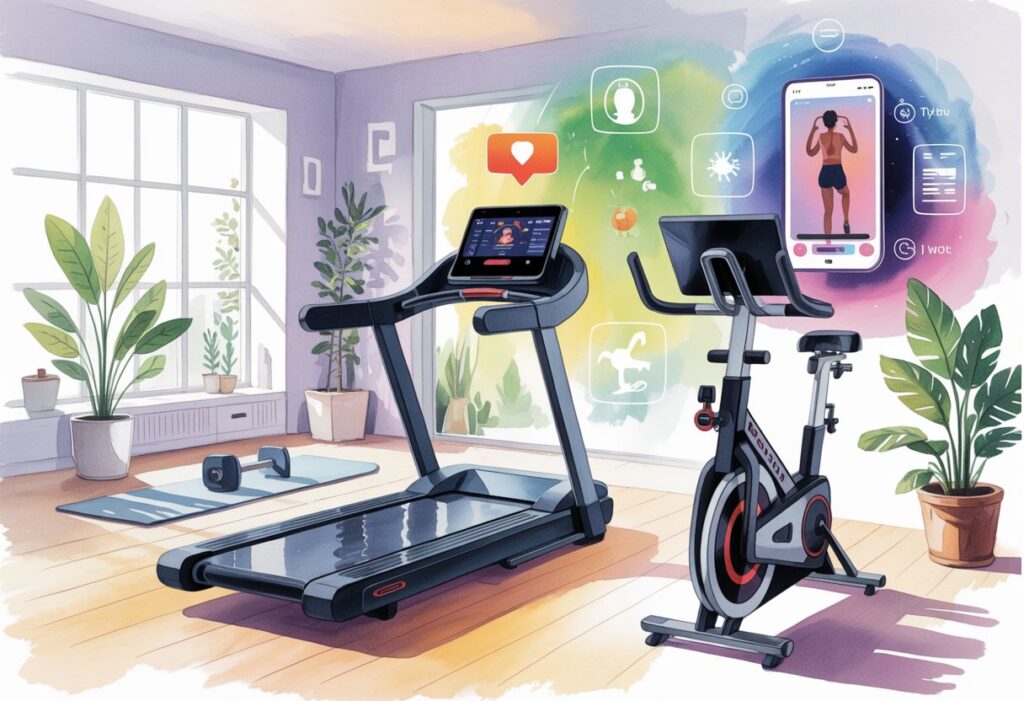
Many smart home gym systems now offer live classes and virtual workouts that recreate the group fitness experience. These features help people who need social interaction stay engaged without leaving their house.
Accountability Partners and Personal Trainers
An accountability partner helps people stick to their workout routine through check-ins and shared goals. Friends or family members can fill this role whether they exercise together in person or connect virtually.
Personal trainers provide expert guidance that many gym-goers need to see results. At commercial gyms, personal training sessions cost between $35 and $120 per hour based on location and trainer experience. This expense adds up quickly on top of membership fees.
Modern home gym equipment includes built-in coaching from certified personal trainers at a fraction of the cost. These programs offer personalized workout plans and form corrections without the hourly rate.
Avoiding Workout Plateaus
Muscle growth depends on progressive overload, which means gradually increasing workout intensity over time. People who use the same weights or do the same exercises stop seeing improvements.
Commercial gyms provide variety through different machines and equipment. Home gyms need strategic planning to challenge muscles in new ways. Smart systems track performance data and automatically adjust resistance levels as someone gets stronger.
Changing exercises every few weeks prevents boredom and physical plateaus. People should switch between different movement patterns, rep ranges, and training styles. Even bodyweight exercises become more effective when someone adds tempo changes or increases volume.
Convenience, Privacy, and Lifestyle Integration

A home workout space offers control over the exercise environment, schedule, and who shares the space. These factors can make the difference between consistent training and missed sessions.
Customizing Your Workout Environment
Setting up a home gym allows complete control over the space’s look, feel, and function. The exerciser can choose equipment that matches specific goals, whether that’s a power rack for strength training or a rowing machine for cardio work.
Music selection becomes entirely personal. There’s no need for headphones or tolerance of unwanted playlists. The temperature stays at a preferred level without negotiating with other members.
Equipment placement can be arranged for optimal workflow. Mirrors go where they’re most useful. Storage solutions keep weights and accessories organized exactly how the user wants them.
The design choices extend to wall colors, flooring materials, and lighting. Some people prefer bright, energizing spaces while others want calm, focused environments. A garage gym can reflect personal taste without compromise.
Time Management and Flexibility
Travel time disappears with a home gym. There’s no driving to the facility, searching for parking, or waiting for equipment. A 30-minute workout stays 30 minutes instead of becoming an hour-long commitment.
Exercise sessions can happen at any hour. Early morning lifters can train before the household wakes up. Night shift workers can exercise at 2 AM without gym hour restrictions.
This flexibility with workout times[3] helps people maintain consistency even during busy periods. A free 20 minutes becomes usable training time rather than too short for a gym trip.
Showering and changing happens in private bathrooms. No gym bag is needed. No locker room queues exist.
Family and Household Considerations
Multiple household members can use the same equipment without coordinating separate gym memberships. Parents can exercise while children play nearby, eliminating childcare concerns.
Partners can work out together on their own schedule. Teenagers can learn proper form in a judgment-free environment. The investment serves the entire household rather than just one person.
Privacy matters for many exercisers. There are no eyes watching during difficult exercises or unflattering movements. Getting changed and showered happens without sharing facilities with strangers. This comfort level often leads to more consistent training habits.
Fitness Results: Which Approach Delivers Better Outcomes?
The results someone achieves from working out depend more on effort and consistency than location. Both home gyms and traditional gym memberships can deliver strong fitness results when paired with structured workouts and clear goals.
Home vs. Gym for Strength Training
Building muscle and getting stronger requires progressive overload, which means gradually increasing the weight or resistance over time. Commercial gyms offer barbells, cable machines, and heavy dumbbells that make it easier to add weight as someone gets stronger.
Home gyms can still deliver solid strength training results. Push-ups, pull-ups, and squats build functional strength without any equipment. Resistance bands, adjustable dumbbells, and kettlebells provide enough resistance for most people to gain muscle and improve their strength levels.
Gyms provide more potential for strength-building[5] with heavier weights and specialized machines, but home workouts build meaningful strength for everyday activities. Someone training for powerlifting or bodybuilding competitions will likely need gym equipment. Most people working toward general fitness goals can make excellent progress at home with basic equipment.
Cardio Workouts and Progress Tracking
Cardio workouts improve heart health and burn calories regardless of where they happen. Running outside, using a treadmill at the gym, or following a high-intensity interval training video at home all raise the heart rate and build endurance.
Gyms often have treadmills, ellipticals, and stationary bikes with built-in screens that track distance, calories, and heart rate. These metrics help people monitor their progress over time. Home cardio options include jump rope, running stairs, or bodyweight circuits that require no equipment at all.
Many people use fitness watches or phone apps to track their cardio sessions at home. These tools measure heart rate, steps, and workout duration just as effectively as gym equipment displays. The key to cardio progress is maintaining consistency and gradually increasing intensity or duration.
Adapting to Changing Fitness Goals
Fitness goals often change as people progress. Someone might start with weight loss, then shift to building muscle, and later focus on training for a specific event like a race.
Traditional gyms make it easier to pivot between different workout routines. They have equipment for every training style, from Olympic lifting platforms to swimming pools. A person can try new group fitness classes or switch from machines to free weights without buying anything new.
Home gyms require more planning when goals shift. Someone who started with yoga might need to buy weights when they decide to build strength. However, basic equipment like resistance bands and adjustable dumbbells work for multiple training styles. Many people find that a small collection of versatile equipment handles most goal changes without needing a full gym.
Professional Support and Social Aspects

Gyms offer built-in communities and expert guidance that can be hard to replicate at home. The availability of trainers, structured classes, and fellow gym-goers creates a different workout environment than exercising alone.
Group Fitness Classes and Community
Traditional gyms provide immediate access to group fitness classes led by certified instructors. These workout classes range from yoga and Pilates to high-intensity interval training and cycling. Class schedules typically offer multiple time slots throughout the day to fit different routines.
The energy in group classes often pushes people to work harder than they might on their own. Participants feed off each other’s effort and enthusiasm during challenging portions of the workout. Regular attendees often form friendships with classmates who show up at the same times each week.
Home gyms now offer virtual class options through streaming platforms and smart equipment. These digital classes provide professional instruction but lack the physical presence of other participants. Some people find virtual workouts motivating enough, while others miss the in-person atmosphere.
Personal Training and Coaching Options
Joining a gym gives direct access to personal trainers who can assess form, create customized programs, and provide accountability. Sessions with a personal trainer typically cost between $35 and $120 per hour depending on location and experience level. Many gyms include one or two complimentary sessions with new memberships.
Trainers spot exercises, correct technique issues immediately, and adjust workouts based on real-time feedback. This hands-on approach helps prevent injuries and ensures proper progression. Some people need this level of attention to stay safe and make consistent progress.
Home gym equipment now includes AI-powered coaching through systems that track performance and suggest weights. These technologies provide form feedback through cameras and sensors. However, they cannot physically assist with heavy lifts or provide the same level of personalized attention as an in-person trainer.
Social Motivation and Networking
The gym environment creates natural opportunities for social interaction and motivation[6] during workouts. Regular gym-goers often develop workout partnerships and accountability relationships. Seeing familiar faces can make showing up feel less like a chore.
Some people perform better when others are watching or working out nearby. The presence of other exercisers creates subtle competition that pushes effort levels higher. Gym conversations also provide networking opportunities and social connections outside of work or family settings.
Elevate Your Health for Just $29.99/Month
Join the Precision Wellness Subscription at My Healing 365 and get discounted services, priority coaching access, virtual care, and exclusive wellness resources to support your physical, emotional, and hormonal health.
Join for $29.99/MonthHome workouts eliminate travel time and crowded equipment but can feel isolating for extroverted individuals. The lack of external accountability makes it easier to skip sessions or cut workouts short. People who thrive on social energy may struggle to maintain motivation without the gym community.
Space, Setup, and Home Gym Design

Setting up a home gym requires careful planning to match your training goals with available space. The right equipment choices and layout can create an effective workout environment that justifies canceling a commercial gym membership.
Choosing the Right Home Gym Equipment
The foundation of any home gym starts with a barbell, weight plates, and a rack or squat stand. These three items allow someone to perform the most effective strength exercises like squats, deadlifts, and bench presses.
An adjustable bench adds versatility for incline pressing and rowing movements. Rubber bumper plates work better than iron plates in most home settings because they reduce noise and protect floors when dropped.
Essential starting equipment includes:
- Olympic barbell (20kg or 45lbs)
- Power rack or squat stand with safety arms
- Adjustable bench
- 300-400 pounds of weight plates
- Rubber flooring or stall mats
Building a home gym in phases helps spread costs over time. Someone can start with just a barbell and plates, then add a rack within a few months, followed by a bench and additional weights. This approach keeps the initial investment around $500-800 instead of $2,000-3,000 all at once.
Specialized equipment like cable machines or leg presses can wait until the basics are established. These additions make sense only after someone has consistently used their core equipment for several months.
Maximizing Limited Space
A garage gym typically needs 100-150 square feet[7] for a functional setup with a rack, barbell, and walking space. Ceiling height matters more than floor space for many lifters.
Pull-ups and overhead presses require at least 8 feet of clearance. Someone with 7-foot ceilings should choose a short power rack or skip overhead movements entirely.
Wall-mounted racks fold against the wall when not in use, saving 4-6 feet of floor space compared to a full power cage. These work well in spare bedrooms or small garages where every square foot counts.
Space-saving strategies:
- Mount plate storage vertically on walls
- Use adjustable dumbbells instead of multiple fixed pairs
- Install foldable racks or benches
- Store barbells on wall-mounted holders
Leaving 2-3 feet of clearance around equipment prevents injuries during lifts. A cramped gym creates safety hazards when someone needs to bail from a failed squat or walk around loaded barbells.
Essential vs. Optional Equipment
Essential equipment enables compound movements that build strength across multiple muscle groups. Optional equipment targets specific muscles or adds convenience.
Essential equipment:
- Barbell and plates
- Rack with safety features
- Flat or adjustable bench
- Protective flooring
Optional equipment:
- Dumbbells (adjustable or fixed)
- Cable machine or pulley system
- Specialty bars (trap bar, safety squat bar)
- Cardio machines (rower, bike, treadmill)
Someone focused on general strength needs only the essentials. A bodybuilder might add cables and dumbbells for isolation exercises. A CrossFit athlete could prioritize bumper plates and a pull-up bar over a traditional bench.
The difference between essential and optional depends on training style. A powerlifter considers a deadlift platform essential while a runner views it as unnecessary. Smart buyers match their equipment list to their actual workout routine rather than buying items they hope to use someday.
Tech, Apps, and Interactive Workout Solutions

Modern fitness technology brings professional guidance and structured programming into home gyms through smart equipment, live coaching, and on-demand classes. These tools can match or exceed what traditional gyms offer in terms of instruction and variety.
Smart Home Gym Systems
Smart home gym technology[8] transforms basic equipment into interactive training platforms. Systems like Tonal use electromagnetic resistance and built-in screens to deliver guided workouts while tracking performance data. The device adjusts weight automatically based on the user’s power output.
Mirror-based systems display instructors on reflective surfaces so users can watch their form while following along. Some models include two-way cameras that enable real-time form corrections from certified trainers. Tempo Studio uses 3D sensing technology to monitor movement and suggest proper technique without human supervision.
Peloton bikes and treadmills combine hardware with subscription content to recreate studio cycling and running classes. The equipment tracks metrics like output, resistance, and cadence while streaming live and recorded sessions.
Virtual Personal Training and Classes
Remote coaching services assign dedicated trainers who design custom programs and monitor progress through apps. These trainers adjust workouts based on feedback and performance data without requiring in-person meetings.
Fitness apps use individual inputs to generate personalized training plans. Programs account for experience level, available equipment, and goals to create appropriate progressions.
Studio-style platforms offer thousands of on-demand classes across different formats. Users access yoga, strength training, cardio, and specialized workouts whenever they want. Live classes add scheduled structure and real-time interaction with instructors.
Popular Platforms and Subscriptions
Major fitness platforms include:
- Peloton: Requires Peloton equipment; offers cycling, running, strength, and yoga classes
- iFIT: Powers NordicTrack and ProForm equipment; features global workout routes and automatic equipment adjustments
- Mirror/Lululemon Studio: Works with Mirror hardware; provides diverse class formats with form-checking features
- Apple Fitness+: Integrates with Apple Watch; delivers varied workout styles without specialized equipment
Monthly subscriptions typically range from $10 to $40 per month. Some platforms require specific hardware purchases while others work with basic equipment or bodyweight exercises.
Hygiene, Maintenance, and Safety Considerations

Keeping workout spaces clean and safe requires different approaches at home versus commercial facilities. Home gym owners take on full responsibility for equipment upkeep, while gym members rely on staff maintenance protocols.
Cleanliness and Maintenance at Home
Home gym equipment needs regular cleaning to prevent dirt buildup and bacteria growth. Users should wipe down machines, weights, and mats after each workout with disinfectant spray or cleaning wipes.
Floor sweeping or vacuuming removes dust and debris that can damage moving parts. Monthly deep cleaning includes checking cables, inspecting bolts, and lubricating joints on machines like treadmills and rowing machines.
Proper maintenance extends equipment lifespan[9] and prevents costly repairs. Home gym owners control their workout environment completely, which means they know exactly how clean their space stays. This eliminates concerns about shared equipment touched by dozens of people daily.
Safety Practices for Home and Gym
Commercial gyms typically employ staff who monitor proper equipment use and respond to emergencies. Home gym users work out alone without immediate assistance if injuries occur.
Safety precautions include keeping a phone nearby, using proper form, and avoiding exercises beyond current skill levels. Equipment placement matters too. Machines need at least three feet of clearance on all sides for safe movement and emergency exits.
Home gyms lack the professional trainers who spot dangerous behaviors at commercial facilities. Users should install mirrors to check form and ensure stable flooring that prevents slips. Weight collars, safety bars, and non-slip mats reduce accident risks significantly.
Equipment Durability and Replacement
Quality home gym equipment costs more upfront but lasts years with proper care. Budget machines often break down faster and need earlier replacement.
Commercial gyms replace worn equipment regularly as part of facility maintenance. Home owners must budget for eventual replacement of worn parts like treadmill belts, cable pulleys, and resistance bands. Most cardio machines need service every 12-24 months depending on usage frequency.
Checking manufacturer warranties before purchase protects against defective products. Signs equipment needs replacement include unusual noises, wobbling frames, frayed cables, or resistance that feels inconsistent.
Making the Right Choice for Your Fitness Journey
The decision between building a home gym or joining a gym depends on individual circumstances, budget constraints, and workout preferences. Each person needs to evaluate their specific situation and what will keep them consistent with exercise.
Assessing Your Needs and Priorities
A person should start by examining their current fitness level and what they want to achieve. Someone training for a specific sport might need specialized equipment only available at commercial facilities. Others focusing on basic strength training can get excellent results with minimal home equipment.
Schedule flexibility plays a major role in this decision. People with unpredictable work hours or family responsibilities often benefit from home workout convenience[1]. They can exercise at any time without travel.
Space availability matters too. A small apartment might only accommodate resistance bands and adjustable dumbbells. A garage or spare room offers more options for equipment variety.
Personal motivation style is equally important. Some people thrive working out alone while others need the energy of group classes or training partners to stay committed.
Balancing Budget, Motivation, and Goals
The financial comparison between home gym vs gym membership[10] requires looking beyond monthly fees. Gym memberships typically cost $50 to $100 per month depending on location and amenities. A basic home setup costs $1,000 to $2,000 upfront but pays for itself within two years.
Motivation sources differ between people. Those who draw energy from others might struggle exercising alone at home. The social aspect of a gym keeps many people accountable and consistent.
Fitness goals should guide equipment decisions. Building muscle mass requires progressive overload with heavier weights over time. Beginners might start with bodyweight exercises and basic equipment before investing in specialized gear.
Combining Home and Gym Solutions
Many people find success using both options rather than choosing one exclusively. A hybrid approach offers flexibility and variety while managing costs.
Someone might maintain a basic gym membership for access to specific machines or classes while keeping essential equipment at home for quick workouts. This strategy works well for busy schedules and provides backup options.
Another approach involves building a home gym gradually while staying at a commercial facility. A person can purchase one piece of equipment every few months until they have everything needed. This spreads out costs and allows time to learn what equipment they actually use.
Some individuals alternate between phases of gym membership and home training based on their current goals or life circumstances. They might join a gym during winter months and train outdoors or at home during warmer weather.
Frequently Asked Questions
Building a home gym involves understanding the right equipment, space requirements, costs, and training limitations. Safety and motivation also play key roles in making home training work long-term.
What equipment is essential to build an effective home workout setup?
A basic home gym needs adjustable dumbbells, a flat bench, and resistance bands to cover most strength training exercises. These items allow someone to perform dozens of movements targeting all major muscle groups.
A pull-up bar adds upper body pulling options that dumbbells cannot replicate. For leg training, resistance bands or a set of heavier dumbbells help maintain adequate intensity.
Cardio equipment is optional depending on goals. A jump rope costs less than $20 and provides high-intensity cardio in minimal space. Runners might prefer investing in a treadmill if outdoor conditions are limiting.
How much space is typically needed to train comfortably at home?
Most people can perform a full workout in a 6-by-8-foot area. This space allows room to lie down for floor exercises, step forward for lunges, and move freely during standing movements.
Ceiling height matters for overhead pressing and pull-ups. Standard 8-foot ceilings work for most people, though taller individuals may need to modify movements or use lower equipment positions.
Storage space for equipment adds another consideration. Adjustable dumbbells and folding benches minimize storage needs compared to full rack systems and multiple fixed-weight options.
What is the realistic upfront cost of a home workout setup compared with monthly dues?
A functional home gym with adjustable dumbbells, a bench, and bands costs between $300 and $800. Budget chains charge $10 to $25 per month, while mid-range facilities run $30 to $60 monthly.
The home equipment pays for itself in 10 to 27 months compared to budget memberships. Against mid-tier gyms, the break-even point comes between 5 and 13 months.
Quality matters for longevity. Cheap equipment may need replacement within a year, while commercial-grade options last a decade or more. The initial investment determines both immediate costs and long-term value.
Which training goals are easiest to achieve at home, and which are harder without a facility?
General fitness, weight loss, and moderate strength gains work well at home. Basic equipment provides enough resistance and variety for these goals without specialized machines.
Bodybuilding and maximal strength development become harder without extensive equipment. Progressive overload requires adding weight regularly, which demands either expensive adjustable systems or accumulating many fixed-weight options.
Sport-specific training often needs facilities with specialized equipment. Powerlifters need squat racks and barbells with heavy plates. Swimmers require pools. Team sport athletes benefit from court or field access.
How do you maintain consistency and motivation when training without a gym environment?
Scheduling workouts at the same time daily builds routine and removes decision-making. Treating home sessions with the same commitment as gym appointments[11] helps maintain attendance.
Creating a dedicated workout space separates training from relaxation areas. Even a corner with equipment signals it’s time to exercise rather than rest.
Tracking progress through logs or apps provides tangible evidence of improvement. Recording weights lifted, reps completed, or measurements taken shows results that maintain motivation when external accountability is absent.
What are the safety and form considerations when lifting at home without a trainer present?
Learning proper form through video instruction or initial coaching prevents injury when training alone. Recording personal workout videos allows form checks between sessions.
Avoiding failure on exercises without safety equipment protects against accidents. Bench pressing to failure without spotters or safety bars risks getting pinned under the barbell.
Starting with lighter weights and progressing slowly reduces injury risk. Adding 5 pounds per week allows the body to adapt while building confidence in movement patterns without immediate supervision.
Post Views: 4
References
- Home Gym vs. Gym Membership (Which One Is Better for You?). https://totalshape.com/equipment/gym-membership-vs-home-gym/ Accessed April 18, 2026
- Home Gym vs. Gym Membership: Which Is the Better Investment for Your Lifestyle?. https://www.realtor.com/advice/home-improvement/home-gym-membership-investment-roi/ Accessed April 18, 2026
- Is Buying Home Gym Equipment Worth It? Home Gym vs. Gym Membership. https://www.ritfitsports.com/blogs/article/is-buying-home-gym-equipment-worth-it-home-gym-vs-gym-membership Accessed April 18, 2026
- How Does a Home Gym Compare to a Gym Membership? – Tonal. https://tonal.com/blogs/all/home-gym-vs-gym-membership/ Accessed April 18, 2026
- Gyms provide more potential for strength-building. https://www.health.com/home-workouts-vs-gym-11903217 Accessed April 18, 2026
- Home Gym vs Gym Membership: Which Is Right For You?. https://powerliftingtechnique.com/home-gym-vs-gym-membership/ Accessed April 18, 2026
- Build Your Dream Home Gym: Equipment, Layout, and Setup Plan. https://www.ritfitsports.com/blogs/article/build-your-dream-home-gym-equipment-layout-and-setup-plan Accessed April 18, 2026
- Page Not Found. https://www.garagegymreviews.com/smart-home-gyms-changing-at-home-fitness Accessed April 18, 2026
- How to Maintain your Home Gym. https://musclesquad.com/blogs/fitness-equipment/how-to-maintain-your-home-gym Accessed April 18, 2026
- Page Not Found. https://www.garagegymreviews.com/home-gym-vs-gym-membership Accessed April 18, 2026
- Just a moment…. https://www.planetfitness.com/about-planet-fitness/customer-service Accessed April 18, 2026

























