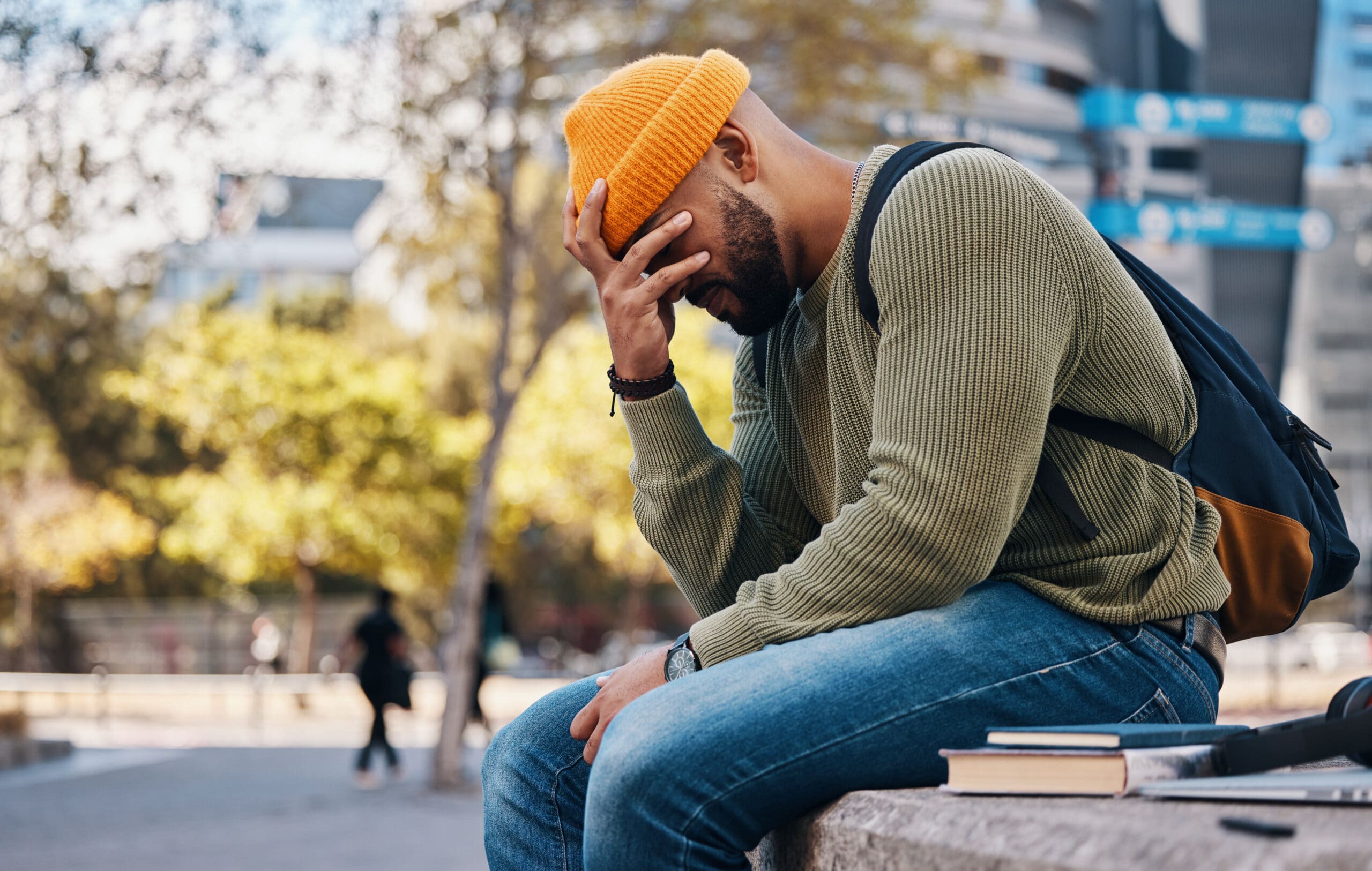
College is a time of significant transitions. Students are stepping out of their comfort zones, making hard decisions, and learning to balance independence with responsibility. That growth can be exhilarating, but it can also be overwhelming. The holiday season, with its mix of family expectations, financial pressures, and cultural traditions, often magnifies those challenges.
Dr. Annelle Primm, M.D., MPH, Senior Medical Director of the Steve Fund, has spent her career addressing mental health disparities. She explains how the break between semesters can be both restorative and isolating, and what families and communities can do to help students feel supported.
Table of Contents
Independence Meets Family Traditions
“College students who have grown accustomed to independence may have to readjust to their family environment when they come home for the holidays,” Dr. Primm says. That shift can spark conflicts over routines or even political beliefs. For students without supportive home environments, the break can feel isolating rather than restorative.
Signs Your Student May Be Struggling
Families should pay close attention to changes in behavior. Dr. Primm points to withdrawal from activities, sleeping much more or less than usual, or significant shifts in appetite. “Persistent sadness, hopelessness, or frequent tearfulness are important signals,” she explains. More concerning signs include talk of being a burden, reckless behavior, or giving away meaningful possessions.
While all students face stress, Black students often shoulder additional burdens. “Financial concerns may affect Black students disproportionately,” Dr. Primm notes, pointing to the ripple effects of job losses among Black families. Grief also weighs heavily, as shorter life spans in Black communities mean young people often face losses earlier.
“These pressures converge during the holidays, when financial strain intensifies, and family absences feel most acute,” she says.
Belonging Can Feel Complicated
Returning home can strengthen a sense of belonging through cultural traditions and family connections. But for some, it highlights differences. “If the student’s family is conflicted about them attending college and the student has adopted new ways of thinking, they may feel out of place or estranged,” Dr. Primm observes.
For those staying on campus, an empty environment can amplify loneliness. Social media often compounds the feeling, showing peers surrounded by family and celebration.
Family Moves That Make a Difference
Dr. Primm recommends mindfulness meditation as a way to reduce stress. “Take one step at a time so as to focus on the here and now,” she says. She also urges families to start open, judgment-free conversations, validate students’ experiences, and respect their independence while maintaining connection.
The Steve Fund’s Holiday Mental Health Toolkit offers practical tips and reflection tools to help families navigate this season.
Faith and Community as Healing Spaces
Churches and community groups can play a vital role in reducing stigma. “It is important for people to know that mental health concerns do not signify a failure of faith,” Dr. Primm explains. Trusted messengers can reassure students that seeking help is not a weakness but a strength.
Tech Can Connect or Disconnect
Platforms like My Digital Sanctuary foster community through love, hope, and creativity. But Dr. Primm cautions, “Anything in excess can be problematic. Exclusive reliance on technology without in-person connection may be a barrier to strong mental health.”
Building Year-Round Support
Dr. Primm stresses that support cannot be seasonal. “Creating cultures of care on campus that take into consideration lived experiences should be a goal of the administration, faculty, and staff,” she says. Sustained change requires transparent reporting, inclusion of Black student voices, and dedicated funding.
The holidays should be more than getting through the challenging moments. With care, honesty, and lasting commitment, families and communities can create spaces where students feel seen, supported, and embraced not only during the season of celebration but throughout the year.
Resources:

















