Medically Reviewed
Dr. Jose Rossello, MD, PhD, MHCM
Preventive Medicine & Public Health Specialist
Last Reviewed: April 10, 2026
Your body responds to stress every day, but when that stress never seems to end, it can start affecting your health in serious ways. Chronic stress can trigger and worsen a range of health problems, from heart disease and diabetes to digestive issues and autoimmune conditions. Research shows that stress-related chronic diseases are the leading cause of death[1] in developed countries.
The connection between ongoing stress and illness happens through specific pathways in the body. When someone experiences constant stress, their body releases hormones like cortisol that were meant for short-term emergencies. Over time, this repeated activation of the stress response[2] can lead to high blood pressure, inflammation, and changes in the brain that contribute to anxiety and depression.
Understanding how stress affects health is the first step toward protecting the body from its harmful effects. The good news is that people can learn to manage stress better and reduce its impact on their physical and mental wellbeing.
Table of Contents
Key Takeaways
- Chronic stress triggers the release of hormones that can damage nearly every system in the body over time
- Long-term stress increases the risk of serious conditions including heart disease, diabetes, depression, and autoimmune disorders
- Learning effective stress management techniques can help reverse some stress-related health problems and improve overall wellbeing
Understanding Stress and Its Types
Stress manifests in different forms with distinct effects on the body. Acute stress provides short-term activation, while chronic stress creates lasting changes in multiple body systems through sustained hormone release.
Acute vs. Chronic Stress
Acute stress occurs in response to immediate threats or challenges. This short-term reaction lasts minutes to hours and resolves once the threat passes. Examples include taking a test, giving a presentation, or narrowly avoiding a car accident.
The body returns to normal after acute stress episodes. Heart rate slows, breathing steadies, and stress hormones decrease to baseline levels.
Chronic stress is long-term stress[3] that continues for weeks or months. It stems from ongoing situations like financial problems, relationship conflicts, or workplace issues. Unlike acute stress, chronic stress can affect both physical and psychological well-being[4] by causing anxiety, insomnia, muscle pain, high blood pressure, and a weakened immune system.
The key difference lies in duration and resolution. Acute stress energizes and motivates without lasting harm. Chronic stress keeps the body in a constant state of alert, preventing recovery.
The Natural Stress Response
The brain perceives a threat and triggers the fight-or-flight response. The sympathetic nervous system activates immediately, preparing the body for action.
The adrenal glands release catecholamines, including epinephrine (also called adrenaline). These hormones increase heart rate, elevate blood pressure, and boost energy supplies. Breathing becomes faster to supply more oxygen to muscles.
If stress continues, the hypothalamic-pituitary-adrenal (HPA) axis activates. This system produces cortisol and other glucocorticoids like corticosterone. Cortisol keeps the body on high alert[1] by providing energy through metabolic changes.
The parasympathetic nervous system eventually counteracts these effects when the threat ends. This allows the body to rest and recover.
Physiological and Psychological Stress
Physiological stress creates measurable physical changes in the body. Blood tests reveal elevated cortisol levels. Heart rate and blood pressure readings show cardiovascular activation. Muscle tension increases throughout the body.
These physical markers appear regardless of whether stress comes from physical danger or mental pressure. The body responds similarly to a deadline and a physical threat.
Psychological stress involves mental and emotional reactions. It includes worry, anxiety, irritability, and difficulty concentrating. This type of stress affects mood, behavior, and cognitive function.
Common psychological symptoms:
- Racing thoughts
- Difficulty making decisions
- Feeling overwhelmed
- Memory problems
- Constant worrying
Both types interact continuously. Stress hormones like cortisol and other stress hormones can disrupt almost all the body’s processes[5], creating a cycle where physical changes worsen psychological symptoms and vice versa.
How Chronic Stress Impacts the Body
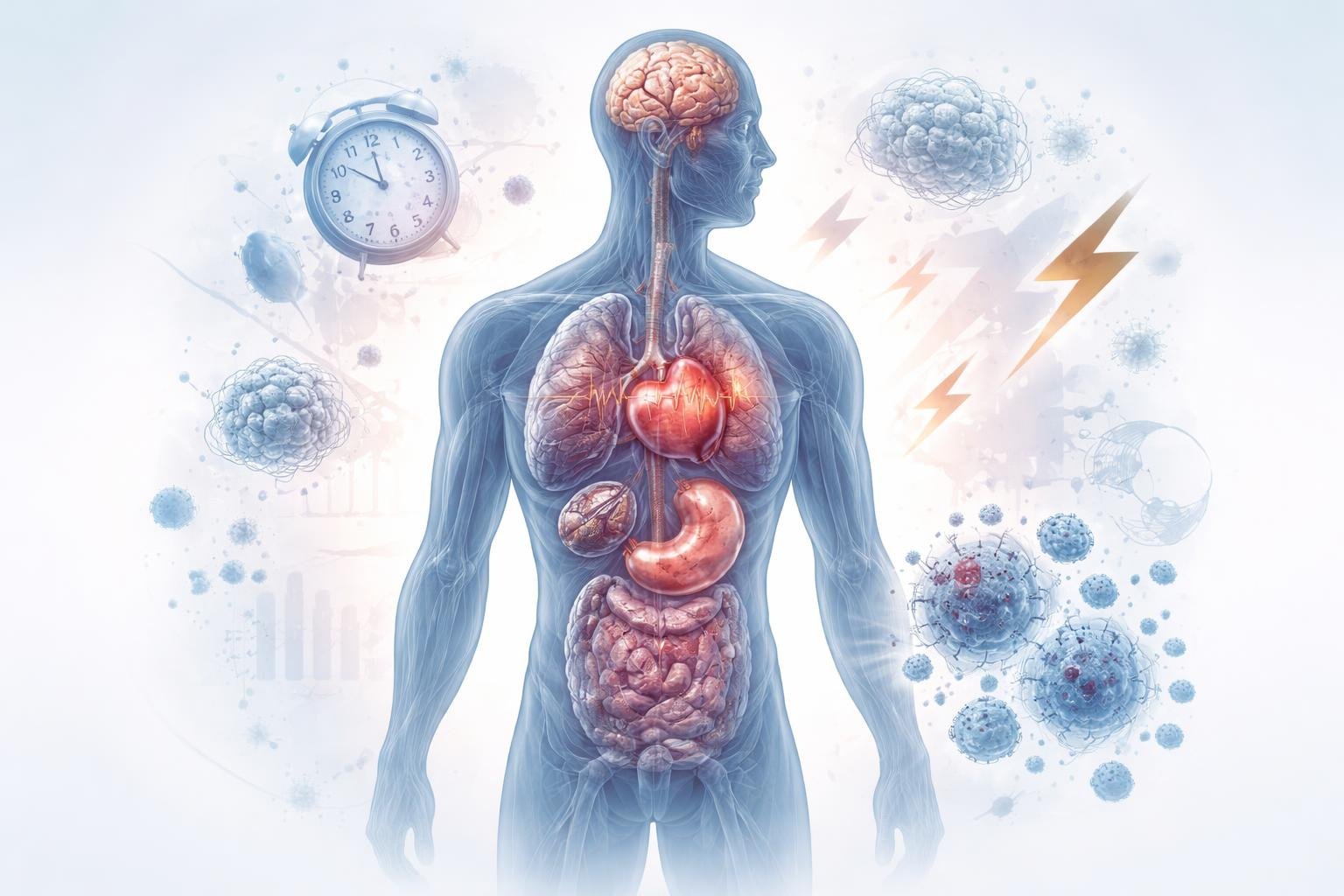
When stress becomes a constant presence rather than a temporary response, it triggers widespread changes throughout the body. The continuous activation of stress hormones[5] disrupts cardiovascular function, weakens digestive processes, and compromises immune defenses.
Cardiovascular Effects
Chronic stress puts significant strain on the heart and blood vessels[6]. When someone experiences ongoing stress, their heart beats faster and blood vessels constrict to distribute oxygen-rich blood throughout the body. This response is helpful in short bursts but becomes damaging when it persists.
The repeated elevation of stress hormones contributes to hypertension, one of the primary risk factors for serious complications. Over time, chronic stress promotes the formation of artery-clogging deposits[2] that lead to atherosclerosis. These fatty buildups narrow the arteries and restrict blood flow.
People under long-term stress face higher risks of developing coronary artery disease and experiencing heart attacks or strokes. The constant pressure on the cardiovascular system creates wear and tear that accelerates aging of blood vessels and heart tissue.
Digestive and Metabolic Consequences
Stress hormones redirect energy away from digestion and toward immediate survival functions. This shift causes multiple problems in the digestive tract and metabolism.
Individuals dealing with chronic stress often develop irritable bowel syndrome, ulcers, and other gastrointestinal issues. The stress response changes how quickly food moves through the intestines and increases stomach acid production. These changes irritate the digestive system lining and disrupt normal function.
Long-term stress also affects metabolic health[7]. Cortisol triggers the release of glucose into the bloodstream, which helps during emergencies but becomes harmful when it happens constantly. This persistent elevation in blood sugar reduces insulin sensitivity and raises the risk of developing diabetes. The body’s ability to regulate energy and store fat becomes impaired, contributing to weight gain and metabolic disorders.
Immune System Disruption
The immune system suffers considerably under prolonged stress exposure. Chronic stress creates a wear-and-tear effect on the body[8] as the stress response system stays activated without relief.
Stress hormones suppress certain immune functions, making people more vulnerable to infections and illnesses. At the same time, chronic stress can trigger excessive inflammation throughout the body. This inflammation contributes to the development and progression of chronic illness.
The immune disruption extends to physical symptoms many people experience daily. Muscle tension becomes persistent rather than temporary, leading to chronic pain in the neck, shoulders, and back. Headaches occur more frequently as blood vessels and muscles respond to ongoing stress signals. The body remains in a state of heightened alert that prevents proper healing and recovery.
Stress and Mental Health
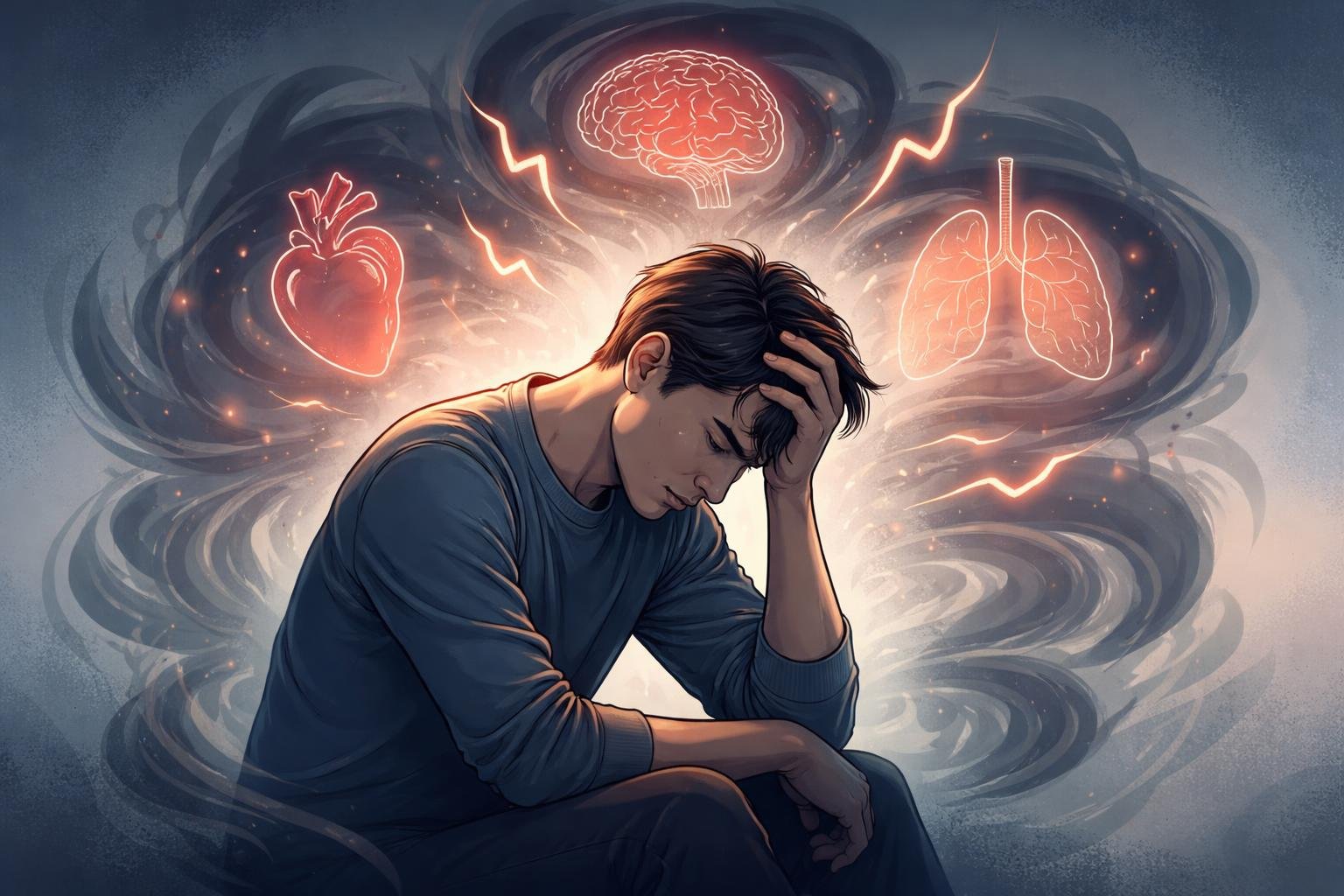
Chronic stress directly affects brain chemistry and can lead to serious mental health conditions including depression, anxiety disorders, and problems with memory and thinking. The constant flood of stress hormones changes how the brain functions and can make existing mental health issues worse.
Depression and Mood Disorders
Chronic stress can contribute to the development[4] of major depressive disorder and other mood problems. When someone experiences ongoing stress, their brain’s ability to regulate emotions becomes impaired. This makes it harder to feel pleasure or motivation in daily activities.
People dealing with both stress and depression often experience increased feelings of hopelessness and fatigue. They may withdraw from friends and family, making it harder to recover. Common stress symptoms like difficulty sleeping, irritability, and low energy can overlap with depression, creating a cycle that becomes difficult to break.
The relationship between stress and mood disorders works both ways. Stress can trigger depression in some people, while having depression makes daily stressors feel more overwhelming.
Anxiety Disorders and PTSD
The relentless pressure of chronic stress shares a complex link[9] with anxiety disorders and post-traumatic stress disorder. Stress is often a core component of these conditions rather than just a trigger. When the body stays in a constant state of alert, it can develop into generalized anxiety disorder or panic attacks.
Post-traumatic stress disorder and acute stress disorder both involve the brain’s inability to process and recover from stressful events. People with PTSD may experience flashbacks, severe anxiety, and an exaggerated stress response to normal situations.
Common anxiety-related stress symptoms include:
- Racing thoughts and constant worry
- Physical tension and muscle pain
- Difficulty sleeping or insomnia
- Rapid heartbeat and breathing problems
Cognitive Decline and Memory
Prolonged exposure to stress hormones can damage areas of the brain responsible for memory and learning. High levels of cortisol can shrink the hippocampus, the brain region that forms new memories. This leads to problems with concentration, decision-making, and remembering information.
People under chronic stress often report brain fog and trouble focusing on tasks. They may forget appointments, lose track of conversations, or struggle to learn new skills. These cognitive problems can affect work performance and daily functioning.
Burnout represents an extreme form of chronic stress that severely impacts mental clarity. When someone reaches burnout, they experience emotional exhaustion, reduced performance, and difficulty completing even simple mental tasks.
Root Causes and Triggers of Chronic Stress
Chronic stress develops from various sources that persist over time, wearing down mental and physical health. These include daily pressures like work demands and money troubles, past traumatic experiences that continue affecting people, and broader social or environmental challenges that create ongoing strain.
Everyday Stressors
Daily life contains multiple sources of chronic stress[10] that build up over time. Work stress ranks among the most common triggers, especially when combined with job insecurity that makes people worry about losing their income.
Financial difficulties create constant pressure. When bills pile up or unexpected expenses appear, the body stays in a heightened stress state. This never-ending worry about money affects sleep, relationships, and health.
Job demands contribute significantly to stress levels. Long hours, tight deadlines, and difficult coworkers all add to the burden. People who feel they cannot change their work situation often experience the most severe effects.
Common Daily Stressors:
- Heavy workloads and unrealistic deadlines
- Financial pressures and debt
- Job instability and career uncertainty
- Time pressures and scheduling conflicts
- Relationship difficulties
Trauma and Adverse Experiences
Traumatic events leave lasting marks that can trigger chronic stress years later[11]. Past abuse, whether physical, emotional, or sexual, changes how the brain processes threats. People who experienced trauma often stay on high alert even when safe.
Childhood experiences particularly shape stress responses in adulthood. Early exposure to violence, neglect, or unstable home environments programs the stress system to react more strongly to everyday challenges.
Single traumatic events can also create ongoing stress. Car accidents, natural disasters, or sudden losses may resolve physically but continue affecting mental health. The body remembers these experiences and may overreact to similar situations.
Social and Environmental Factors
Poverty creates sustained stress[10] that affects entire communities. Limited access to healthcare, safe housing, and nutritious food keeps people in constant survival mode. This environmental stress compounds other challenges.
A dysfunctional marriage or family generates daily tension. Living with conflict, criticism, or emotional distance drains psychological resources. People in these situations often feel trapped with no clear path to improvement.
Social isolation adds another layer of strain. Lack of support networks means fewer resources to handle problems. Community factors like neighborhood safety, noise pollution, and crowding all contribute to baseline stress levels that never fully disappear.
Chronic Stress and Disease Progression
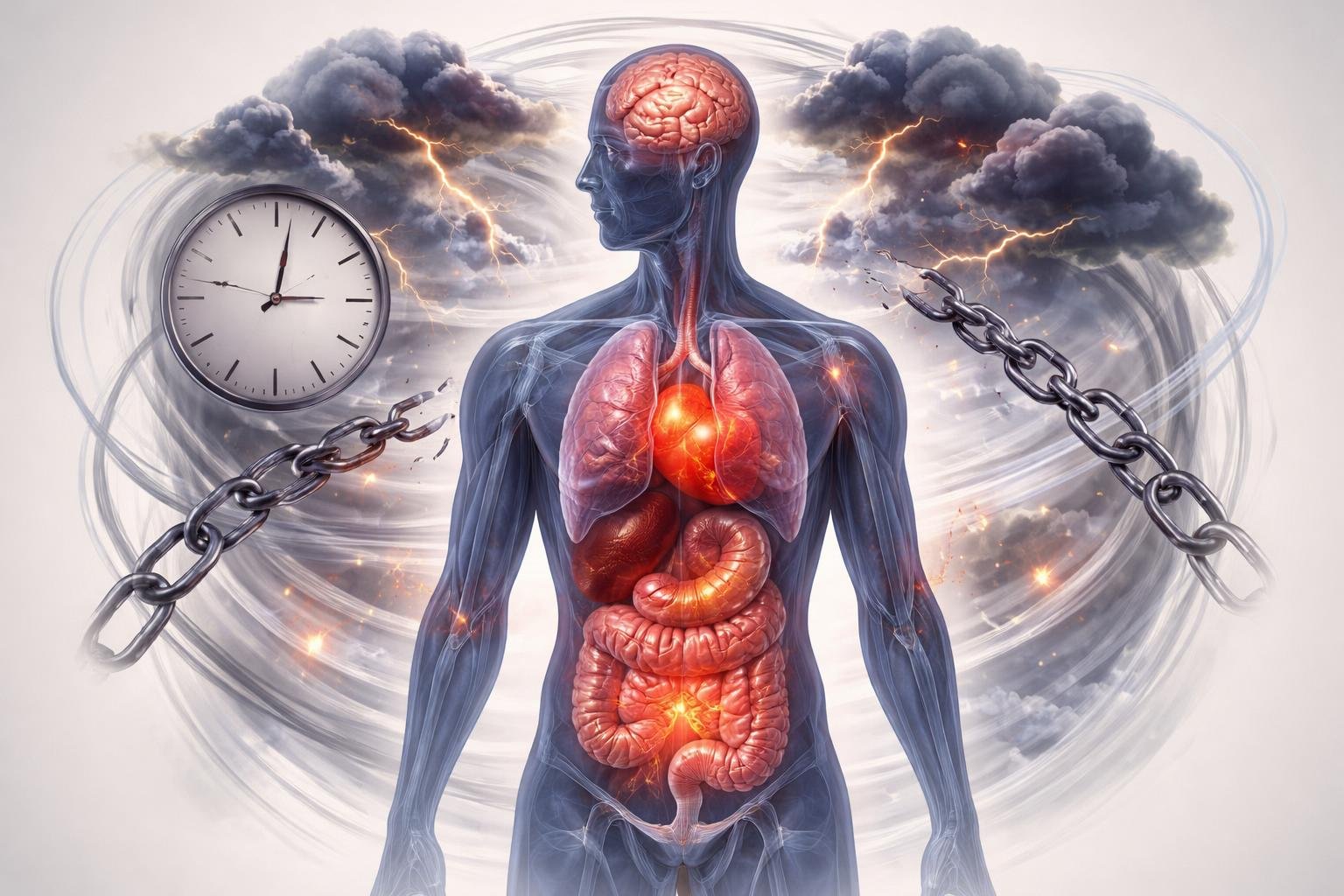
Chronic stress triggers biological changes that directly contribute to the development and worsening of multiple health conditions. Research shows clear links between prolonged stress exposure and diseases affecting the heart, immune system, digestive tract, and brain.
Connections to Chronic Disease
Chronic stress contributes to high blood pressure, promotes artery-clogging deposits, and causes brain changes[2] that affect mental health. The body’s stress response system, when activated repeatedly, damages multiple organ systems over time.
The connection between stress and chronic illness affects these major areas:
- Cardiovascular system: Elevated cortisol levels increase heart disease risk
- Immune function: Stress weakens the body’s ability to fight infections
- Digestive health: People under chronic stress frequently experience irritable bowel syndrome, acid reflux, and inflammatory bowel disease
- Metabolic disorders: Stress is linked to Type II diabetes and obesity[10]
Chronic pain conditions like back pain[1] show significant improvements when patients participate in stress reduction programs. The relationship between stress and cancer has also been documented, as stress hormones can affect tumor growth and cancer progression.
Stress-Related Disorders
Mental health conditions develop when the brain’s stress processing systems become overwhelmed. Chronic stress can affect both physical and psychological well-being by causing anxiety, insomnia, muscle pain, and a weakened immune system[4].
Common stress-related disorders include:
- Anxiety disorders
- Depression
- Post-traumatic stress disorder (PTSD)
- Substance abuse and behavioral addictions
Sleep disruption represents a major consequence of chronic stress. Elevated cortisol levels at night interfere with natural sleep cycles, creating a harmful loop where poor sleep further increases stress levels.
The interplay between physical and mental health in chronic disease[12] requires addressing both aspects for effective treatment. Individuals with chronic conditions face heightened stress levels, which then worsen their physical symptoms.
Effective Stress Management and Reduction Strategies
Managing stress effectively requires a combination of proven techniques that address both the mind and body. Research shows that behavioral stress reduction programs can enhance medical treatment effectiveness[1] and help reverse disease progression when applied consistently.
Behavioral Interventions
Behavioral stress reduction programs focus on changing how individuals perceive and respond to stressful situations. These programs teach three core strategies: re-education to transform threats into opportunities, refocusing attention on beneficial stimuli, and replacing harmful coping mechanisms with healthy ones.
Cognitive Behavioral Therapy (CBT) stands out as one of the most effective behavioral interventions. This structured approach helps people identify negative thought patterns and replace them with more realistic perspectives. CBT teaches practical coping strategies that individuals can apply in daily situations.
Acceptance and Commitment Therapy offers another evidence-based option. This approach encourages people to accept difficult emotions rather than fighting them while committing to actions that align with personal values. The technique proves particularly helpful for those dealing with chronic stress-related conditions.
Group-based behavioral programs provide additional benefits through shared experiences and mutual support. Participants learn from each other while developing new coping mechanisms under professional guidance.
Therapeutic Approaches
Professional therapeutic support provides structured guidance for stress management. Psychotherapy offers a safe space to explore stress triggers and develop personalized coping strategies. Licensed therapists can identify underlying issues that contribute to chronic stress and help patients build lasting resilience.
Different therapeutic modalities work for different people. Some individuals benefit from talk therapy that explores past experiences, while others respond better to solution-focused approaches. The key is finding a therapist whose methods match individual needs and preferences.
Therapy sessions typically occur weekly or biweekly, depending on severity and individual circumstances. Many people notice improvements within 8-12 sessions, though some situations require longer-term support. Remote therapy options have made professional help more accessible than ever before.
Lifestyle and Mind-Body Techniques
Mind-body practices create a powerful relaxation response[5] that counters stress effects. Meditation and mindfulness train the brain to stay present rather than dwelling on worries. Even 10-15 minutes daily can reduce stress hormones and improve emotional regulation.
Mindfulness-Based Stress Reduction (MBSR) combines meditation, body awareness, and gentle yoga into an 8-week structured program. Studies demonstrate that MBSR participants experience significant reductions in anxiety and improvements in overall wellbeing.
Deep breathing exercises activate the parasympathetic nervous system, which calms the body’s stress response. Simple techniques like box breathing (inhaling for 4 counts, holding for 4, exhaling for 4, holding for 4) can be practiced anywhere.
Yoga merges physical movement with breath control and meditation. Regular practice improves flexibility, reduces muscle tension, and promotes mental clarity. Different styles offer varying intensity levels to match individual fitness and preferences.
Journaling helps process emotions and identify stress patterns. Writing about stressful experiences for just 15-20 minutes can provide clarity and emotional release.
Building Stress Resilience
Stress resilience represents the ability to adapt and recover from difficult situations. Building resilience requires developing multiple protective factors rather than relying on a single approach.
Social support forms the foundation of stress resilience. Strong relationships with family, friends, or community groups provide emotional validation and practical assistance during challenging times. People with robust social support networks[13] recover from stress more quickly and experience fewer negative health effects.
Regular physical activity builds both physical and mental resilience. Exercise releases endorphins, improves sleep quality, and provides a healthy outlet for tension. Aim for at least 150 minutes of moderate activity weekly.
Adequate sleep strengthens the body’s ability to handle stress. Most adults need 7-9 hours nightly for optimal resilience. Establishing consistent sleep schedules and creating relaxing bedtime routines support this goal.
Time management skills prevent stress from accumulating. Breaking large tasks into smaller steps, setting realistic deadlines, and learning to say no when necessary all contribute to manageable stress levels. The American Psychological Association[4] emphasizes that making lifestyle changes to reduce stress is essential for preventing serious health problems.
Frequently Asked Questions
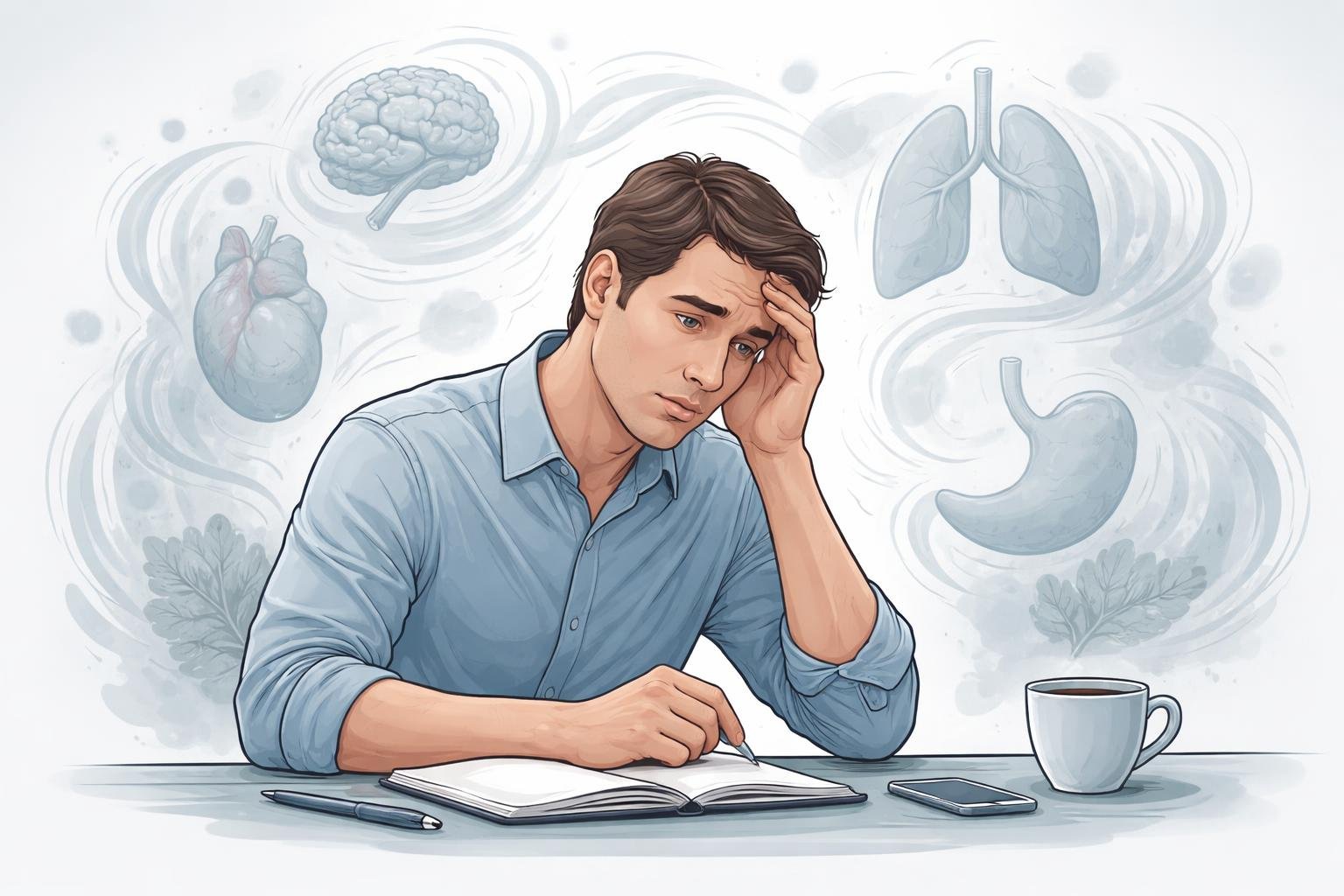
Stress affects the body through multiple systems and can lead to serious health problems over time. Understanding which conditions are linked to stress and what options exist for treatment helps people take action to protect their health.
What are the common chronic illnesses that can be triggered by stress?
Chronic stress contributes to several serious health conditions. Cardiovascular disease, diabetes, and cancer[1] have well-documented connections to prolonged psychological stress.
The digestive system often shows stress-related problems. People under chronic stress frequently develop irritable bowel syndrome, acid reflux, and inflammatory bowel disease[14] due to changes in gut motility and stomach acid production.
Mental health conditions also emerge from ongoing stress exposure. Depression and anxiety disorders commonly develop in response to daily stressors. Post-traumatic stress disorder represents another stress-related condition that affects both mental and physical health.
Autoimmune diseases show links to stress as well. Chronic stress impairs stress hormone receptors[15], which reduces the body’s natural anti-inflammatory responses and can trigger autoimmune conditions.
How does long-term exposure to stress affect the body?
The body responds to stress by activating the sympathetic nervous system and releasing hormones like cortisol and epinephrine. These hormones increase heart rate, blood pressure, and blood sugar levels to prepare for immediate action.
When stress continues for weeks or months, these physical changes become harmful. Cortisol stays elevated and disrupts nearly every system in the body. The hormone affects the nervous, immune, cardiovascular, respiratory, reproductive, musculoskeletal, and integumentary systems.
Elevate Your Health for Just $29.99/Month
Join the Precision Wellness Subscription at My Healing 365 and get discounted services, priority coaching access, virtual care, and exclusive wellness resources to support your physical, emotional, and hormonal health.
Join for $29.99/MonthThe immune system weakens under prolonged stress. Stress can weaken the immune system[16], making people more susceptible to infections and immune-related diseases. Cortisol reduces the number of infection-fighting white blood cells and suppresses antibody production.
Inflammation increases throughout the body during chronic stress. This persistent inflammation damages blood vessels and organs. It also contributes to the development of heart disease and other chronic conditions.
The brain undergoes structural changes with ongoing stress exposure. The amygdala, which processes fear and threat responses, becomes more active. Meanwhile, areas responsible for memory and decision-making can shrink.
What treatments are available for managing chronic stress-related conditions?
Medical treatments target the specific conditions that stress triggers or worsens. Doctors prescribe medications for high blood pressure, diabetes, and other physical symptoms. Mental health professionals use antidepressants and anti-anxiety medications to treat mood disorders.
Behavioral Stress Reduction Programs offer non-medical approaches to managing stress. These programs teach people skills to change how they perceive and respond to stressful situations. Research shows these interventions can improve both psychological and physical health markers.
Three main strategies help people manage their stress responses. Re-education involves learning to view potential threats as opportunities through increased knowledge. Refocusing teaches people to shift attention toward beneficial stimuli rather than threatening ones.
Recoping helps individuals replace harmful coping mechanisms with healthy alternatives. This might include exercise instead of alcohol use or talking to friends instead of withdrawing socially.
Healthcare providers often combine medical treatments with behavioral programs. This comprehensive approach addresses both the physical symptoms and the underlying stress responses. Treatment plans may include therapy, medication, lifestyle changes, and stress management techniques.
Can stress and anxiety directly cause any illnesses?
Stress and anxiety trigger biological changes that lead to illness development. The body’s stress response system activates the hypothalamic-pituitary-adrenal axis, which releases cortisol and other hormones that alter normal body functions.
These hormonal changes directly damage body tissues over time. Cortisol weakens the protective lining of the intestines and increases stomach acid production. This biological process causes digestive disorders to develop.
Stress can make people sick[17] by disrupting the immune system’s ability to fight infections. The body produces fewer white blood cells and antibodies when cortisol levels remain high. This makes infections more likely and more severe.
Cardiovascular problems develop through stress-induced changes in blood pressure and heart rate. Chronic activation of the sympathetic nervous system forces the heart to work harder constantly. Blood vessels become damaged from sustained high pressure and inflammation.
Research has identified specific genes that chronic stress activates. These genes are associated with tumor growth, immune system dysfunction, and metabolic disorders. The activation of these genes represents a direct pathway from stress to disease development.
What are the potential long-term consequences of untreated chronic stress?
Prolonged stress disrupts sleep, weakens the immune system, increases inflammation, and raises the risk of heart disease[18]. These changes compound over time and lead to more severe health problems.
Heart disease and stroke become more likely with years of untreated stress. The cardiovascular system experiences constant strain from elevated blood pressure and heart rate. Blood vessels develop damage from inflammation and may become blocked or rupture.
Type 2 diabetes can develop as stress hormones continuously affect blood sugar regulation. Cortisol causes the liver to release more glucose and makes cells less responsive to insulin. Over time, this leads to chronically elevated blood sugar levels.
Mental health deteriorates without intervention. Depression and anxiety disorders worsen and may become treatment-resistant. Cognitive decline accelerates as brain structures change under prolonged stress exposure.
The immune system loses its ability to protect against both infections and cancer. Chronic inflammation damages DNA and interferes with normal cell repair processes. This creates conditions favorable for tumor development and autoimmune diseases.
Is it possible for chronic stress to be fatal?
Chronic stress can lead to life-threatening conditions. Heart attack or heart failure[17] represent potential fatal outcomes of stress-induced cardiovascular disease.
The combination of high blood pressure, inflammation, and blood vessel damage increases the risk of sudden cardiac events. Stress hormones can trigger dangerous heart rhythms in people with existing heart conditions. Blood clots form more easily when inflammation remains high.
Stroke
Post Views: 12
References
- Checking your browser. https://pmc.ncbi.nlm.nih.gov/articles/PMC11353953/ Accessed April 12, 2026
- Understanding the stress response. https://www.health.harvard.edu/healthy-aging-and-longevity/understanding-the-stress-response Accessed April 12, 2026
- Stress: What It Is, Symptoms, Management & Prevention. https://my.clevelandclinic.org/health/diseases/11874-stress Accessed April 12, 2026
- chronic stress can affect both physical and psychological well-being. https://www.apa.org/topics/stress/chronic Accessed April 12, 2026
- Chronic stress puts your health at risk. https://www.mayoclinic.org/healthy-lifestyle/stress-management/in-depth/stress/art-20046037 Accessed April 12, 2026
- STRESS EFFECTS. https://www.stress.org/stress-effects/ Accessed April 12, 2026
- How Long-Term Stress Affects Your Body. https://health.umms.org/mental-health/how-long-term-stress-affects-your-body/ Accessed April 12, 2026
- Chronic stress creates a wear-and-tear effect on the body. https://www.apa.org/topics/stress/body Accessed April 12, 2026
- The Impact Of Chronic Stress On Mental Health. https://mentalhealthproviders.org/mental-health/impact-of-chronic-stress-on-mental-health/ Accessed April 12, 2026
- Chronic Stress | Fact Sheets. https://www.yalemedicine.org/conditions/stress-disorder Accessed April 12, 2026
- chronic stress years later. https://www.omicsonline.org/open-access-pdfs/effects-of-chronic-stress-causes-consequences-and-coping-strategies.pdf Accessed April 12, 2026
- Stress Management in Chronic Disease. https://psychology.iresearchnet.com/health-psychology/stress-management-health/stress-management-in-chronic-disease/ Accessed April 12, 2026
- The Role of Stress Management in Chronic Disease Prevention – Credo Health. https://www.credo.health/health-and-wellbeing/the-role-of-stress-management-in-chronic-disease-prevention/ Accessed April 12, 2026
- How Stress Contributes to Chronic Illness. https://www.sciencenewstoday.org/how-stress-contributes-to-chronic-illness Accessed April 12, 2026
- Stress Triggers Autoimmune Diseases: Fact or Fiction?. https://www.psychologytoday.com/us/blog/creating-wellbeing-wherever-you-are/202509/stress-triggers-autoimmune-diseases-fact-or-fiction Accessed April 12, 2026
- The Link Between Stress and Chronic Illness: What You Need to Know. https://healthcentre.nz/the-link-between-stress-and-chronic-illness-what-you-need-to-know/ Accessed April 12, 2026
- Access to this page has been denied. https://www.goodrx.com/health-topic/mental-health/stress-sickness Accessed April 12, 2026
- Prolonged stress disrupts sleep, weakens the immune system, increases inflammation, and raises the risk of heart disease. https://www.medicaldaily.com/can-stress-make-you-sick-understanding-chronic-stress-symptoms-effects-link-illness-473946 Accessed April 12, 2026

























