Medically Reviewed
Dr. Jose Rossello, MD, PhD, MHCM
Preventive Medicine & Public Health Specialist
Last Reviewed: March 9, 2026
Wellness goes beyond just feeling good for a day or two. It requires attention to three connected parts of human life: the mind, the body, and the soul. When these areas work together in balance, people experience better health, more energy, and a deeper sense of purpose.
True wellness happens when someone nurtures their mental clarity, physical health, and spiritual connection at the same time, creating harmony across all aspects of life. The mind, body, and spirit represent three interconnected aspects[1] that each contribute to overall well-being in unique ways. Mental health affects how someone thinks and feels. Physical health determines energy levels and daily function. Spiritual health connects a person to meaning and purpose.
Many people focus on just one area and wonder why they still feel off balance. A person might exercise regularly but ignore stress. Someone else might meditate daily but eat poorly. This guide explores practical ways to care for all three areas and build lasting wellness habits that support a fuller, healthier life.
Table of Contents
Key Takeaways
- True wellness requires balancing mental health, physical vitality, and spiritual connection together
- Daily practices like mindfulness, proper nutrition, and movement create harmony across mind, body, and soul
- Sustainable wellness comes from consistent habits that nurture all three areas throughout life
Understanding True Wellness and the Mind-Body-Soul Connection
True wellness goes beyond physical health to include mental clarity, emotional balance, and spiritual fulfillment. These three aspects work together to create a complete sense of well-being that affects every part of a person’s life.
What Is True Wellness?
True wellness represents a complete state of health that includes physical, mental, and spiritual dimensions. It moves beyond the simple absence of illness to embrace vitality and balance in all areas of life.
Physical wellness involves maintaining a healthy body through proper nutrition, regular movement, and adequate rest. Mental wellness includes clear thinking, emotional stability, and the ability to handle stress effectively. Spiritual wellness connects to a person’s sense of purpose, meaning, and connection to something greater than themselves.
This comprehensive view recognizes that integrating mind, body, and spirit[1] creates lasting health. A person cannot achieve complete wellness by focusing on only one area while neglecting others. Each dimension influences and supports the others in important ways.
The Interconnectedness of Mind, Body, and Soul
The mind-body-soul connection describes how thoughts, physical health, and spiritual well-being constantly interact. When one area experiences problems, the other areas feel the impact.
Mental stress creates physical symptoms like headaches, muscle tension, and digestive issues. Poor physical health affects mood, concentration, and emotional stability. A lack of spiritual connection can lead to feelings of emptiness that impact both mental and physical health.
The mind-body connection is a scientifically supported, bidirectional relationship[2] that affects health in measurable ways. Emotions trigger chemical changes in the body. Physical conditions influence thoughts and feelings. Spiritual practices can reduce stress and improve both mental and physical outcomes.
This interconnectedness means that improving one area naturally benefits the others. Exercise lifts mood while strengthening the body. Meditation calms the mind while supporting physical healing processes.
Benefits of Achieving Mind-Body-Soul Harmony
People who achieve balance across all three dimensions experience significant improvements in their daily lives. Physical health improves through reduced inflammation, better immune function, and increased energy levels.
Mental benefits include sharper focus, better emotional control, and greater resilience when facing challenges. The ability to handle stress increases while anxiety and depression symptoms often decrease.
Holistic wellness[3] creates enhanced resilience against illness and improves overall life satisfaction. Sleep quality improves, relationships become more fulfilling, and people report a stronger sense of purpose and direction.
Key benefits include:
- Reduced physical pain and tension
- Improved emotional regulation
- Greater mental clarity and focus
- Stronger immune system function
- Enhanced ability to cope with stress
- Deeper sense of meaning and purpose
Nurturing the Mind: Mental Health and Emotional Well-Being

Mental health forms the foundation of overall wellness, affecting how people think, feel, and respond to life’s challenges. Building resilience, managing stress effectively, and developing self-awareness create lasting emotional well-being that supports every aspect of daily life.
Building Mental and Emotional Resilience
Resilience helps people bounce back from setbacks and adapt to difficult situations. It’s not something someone either has or doesn’t have—it develops through practice and intentional habits.
Strong social connections build emotional well-being by providing support during tough times. People who maintain close relationships with family, friends, or community groups handle stress better than those who isolate themselves.
Key resilience-building practices include:
- Setting realistic goals and taking small steps toward them
- Accepting that change is part of life
- Learning from past challenges and applying those lessons
- Maintaining perspective during difficult situations
Regular physical activity strengthens mental health alongside the body. Exercise releases chemicals in the brain that improve mood and reduce feelings of depression. Even 30 minutes of movement most days makes a measurable difference in emotional stability.
Cultivating a Positive Mindset
A positive mindset doesn’t mean ignoring problems or pretending everything is perfect. It means approaching challenges with a constructive attitude and focusing on solutions rather than dwelling on obstacles.
Gratitude practices rewire the brain over time. When someone writes down three things they appreciate each day, their mind gradually shifts toward noticing positive aspects of life rather than only problems. This simple habit improves mood and overall mental well-being within weeks.
Limiting negative self-talk strengthens emotional health. Many people speak to themselves more harshly than they would ever speak to a friend. Recognizing critical inner voices and replacing them with balanced thoughts creates a healthier mental environment.
Surrounding oneself with positive influences matters too. The people, media, and environments someone regularly engages with shape their outlook and mental state.
Managing Stress and Reducing Anxiety
Chronic stress raises cortisol levels, weakens the immune system, and increases risks for various health problems. Effective stress management techniques[4] protect both physical and mental health.
Deep breathing exercises calm the nervous system quickly. When someone breathes slowly and deeply for just five minutes, their heart rate slows and stress hormones decrease. Box breathing—inhaling for four counts, holding for four, exhaling for four, and holding again for four—works especially well during anxious moments.
Daily habits that reduce anxiety:
- Setting boundaries with work and technology
- Breaking large tasks into smaller, manageable steps
- Spending time in nature or green spaces
- Practicing progressive muscle relaxation before bed
Mindfulness meditation helps people observe their thoughts without getting caught up in them. Regular practice, even for short periods, improves focus and decreases anxiety over time.
Practicing Self-Compassion and Self-Awareness
Self-compassion means treating oneself with the same kindness offered to a struggling friend. People who practice self-compassion experience better mental health and recover from setbacks more quickly than those who are self-critical.
When mistakes happen, acknowledging them without harsh judgment allows for growth. Self-compassion recognizes that imperfection is part of being human, not a personal failure.
Self-awareness involves understanding one’s own emotions, triggers, and patterns. Journaling helps develop this awareness by creating space to process feelings and identify recurring themes. Writing for just ten minutes each evening reveals insights about emotional responses and behavioral patterns.
Recognizing emotional triggers prevents automatic reactions. When someone knows what situations cause stress or anxiety, they can prepare coping strategies in advance or avoid unnecessary exposure.
Therapy provides professional support for developing both self-compassion and self-awareness. Working with a trained therapist helps people understand their mental and emotional patterns more deeply and develop healthier responses to life’s challenges.
Mindfulness and Meditation Practices
Mindfulness and meditation offer practical tools for reducing stress and improving mental clarity through simple daily practices. These techniques help people connect their mind and body while building greater awareness of the present moment.
Benefits of Mindfulness
Mindfulness meditation can reduce stress, symptoms of depression, anxiety, sleep disturbance and pain[5] while contributing to overall well-being. Research shows that regular practice decreases stress and anxiety by training the mind to focus on the present rather than worrying about the future.
The practice improves mood by helping people avoid dwelling on negative past events. Studies indicate that consistent mindfulness meditation can be as effective as antidepressant medication for managing anxiety.
Physical benefits include reduced pain severity and improved pain acceptance across various conditions. Regular mindfulness practice changes the neuronal pathways of the brain[5], increasing activity in regions involved in memory and emotional regulation. Additional benefits include improved immune function, decreased blood pressure in some individuals, and better focus throughout the day.
Starting a Meditation Practice
People can meditate anywhere, though a quiet space works best for beginners. The key is choosing an anchor or object of focus, which is typically the breath but can also be sounds, emotions, or physical sensations.
A comfortable posture helps maintain alertness during practice. People can sit with eyes closed or open with a soft gaze. Listening to guided audio[6] helps both novice and advanced practitioners stay focused.
Starting with short sessions builds the meditation habit gradually. When the mind wanders, practitioners should gently return attention to their anchor without judgment. Using phrases like “how interesting” instead of critical thoughts helps develop a curious, open mindset toward whatever arises during practice.
Mindfulness in Daily Life
Mindfulness is a form of present-moment awareness[5] that people can practice throughout their day, not just during formal meditation. This means noticing what happens in the body and surroundings as events unfold in real time.
The opposite of mindfulness is operating on autopilot, where people go through motions without awareness. Simple activities become mindfulness practices when done with full attention. This includes eating meals slowly while noticing flavors and textures, walking while feeling each step, or listening to others without planning responses.
Each moment offers a fresh opportunity to return to present awareness. When the mind wanders to past regrets or future worries, people can acknowledge these thoughts and redirect attention to current sensations or tasks at hand.
Honoring the Body: Physical Health and Energy

Physical health forms the foundation for daily energy levels and overall wellness. Building healthy habits around movement, nutrition, and rest creates sustained vitality that supports all other areas of life.
The Foundations of Physical Wellness
Physical wellness starts with basic daily choices about food, water, and rest. The body needs a balanced diet that includes fruits, vegetables, whole grains, lean proteins, and healthy fats to function properly. These foods provide the nutrients that fuel energy production and support every system in the body.
Quality sleep ranks equally important for physical health. Adults need seven to nine hours each night for the body to repair tissues, balance hormones, and restore energy. Poor sleep disrupts metabolism and weakens immune function.
Hydration affects energy levels throughout the day. Water supports digestion, carries nutrients to cells, and regulates body temperature. Most adults need eight glasses daily, though individual needs vary based on activity level and climate.
Key Physical Wellness Habits:
- Eating balanced meals at regular intervals
- Drinking water consistently throughout the day
- Maintaining a consistent sleep schedule
- Limiting processed foods and excess sugar
Fitness and Physical Movement
Regular physical activity strengthens the heart, builds muscle, and improves flexibility. Adults should aim for at least 150 minutes of moderate aerobic activity or 75 minutes of vigorous activity per week[7], along with strength training twice weekly.
Movement creates energy rather than depleting it. Physical activity triggers the release of endorphins that boost mood and reduce stress. Exercise also improves circulation, delivering more oxygen to tissues and enhancing overall vitality.
Different types of movement serve different purposes. Aerobic activities like walking, swimming, or cycling build cardiovascular endurance. Strength training preserves muscle mass and bone density. Flexibility work through stretching or yoga maintains range of motion and prevents injury.
The best fitness routine includes variety and consistency. Starting with short sessions and gradually increasing duration makes exercise more sustainable. Finding activities that feel enjoyable rather than burdensome increases the likelihood of maintaining regular physical activity long-term.
Vitality Through Self-Care
Self-care practices protect physical health and restore energy reserves. Rest days between intense workouts allow muscles to recover and grow stronger. Adequate recovery prevents burnout and reduces injury risk.
Body awareness helps identify early signs of fatigue or strain. Listening to physical signals guides decisions about when to push harder and when to rest. Ignoring these signals leads to exhaustion and illness.
Simple self-care actions make significant differences in daily energy:
- Taking short movement breaks during sedentary work
- Stretching tight muscles before they become painful
- Applying heat or cold to sore areas
- Scheduling regular health checkups
Physical self-care extends beyond exercise to include practices that reduce tension. Massage, foam rolling, and proper posture all contribute to feeling more comfortable and energized in the body. These habits compound over time to create lasting vitality and resilience.
Holistic Nutrition and Nourishing Your Body
Proper nutrition involves choosing whole foods that support physical health, practicing awareness during meals, and using supplements strategically when needed. These three elements work together to create a foundation for lasting wellness.
Balanced Diet for Optimal Health
A balanced diet includes whole grains, lean proteins, healthy fats, and a variety of fruits and vegetables. These foods provide the vitamins, minerals, and nutrients the body needs to function properly.
Whole grains like quinoa, brown rice, and oats offer fiber and sustained energy. Lean proteins from fish, chicken, beans, and legumes help build and repair tissues. Healthy fats from nuts, seeds, avocados, and olive oil support brain function and hormone production.
Holistic nutrition emphasizes eating foods[8] as close to their natural state as possible. This means avoiding processed foods with added sugars, artificial ingredients, and preservatives.
Key components of a balanced plate:
- Half the plate: vegetables and fruits
- Quarter of the plate: whole grains
- Quarter of the plate: lean protein
- Small amount: healthy fats
Different colored fruits and vegetables provide different nutrients. Orange foods like carrots and sweet potatoes contain beta-carotene. Dark leafy greens offer iron and calcium. Berries provide antioxidants that protect cells from damage.
Mindful and Intuitive Eating
Mindful eating means paying full attention to the experience of eating and drinking. It involves noticing the colors, smells, textures, and flavors of food.
This practice helps people recognize true hunger and fullness signals. Rather than eating based on external cues like the time of day or food availability, individuals learn to trust their body’s natural wisdom.
Steps for mindful eating:
- Eat without distractions like phones or television
- Chew food slowly and thoroughly
- Notice when feeling satisfied, not overly full
- Recognize emotional eating patterns
Intuitive eating goes hand in hand with mindfulness. It rejects rigid diet rules and encourages listening to what the body needs. Some days the body may need more protein. Other days it may crave vegetables or carbohydrates.
The practice of mindful eating[9] helps people develop a healthier relationship with food. It reduces stress around eating and promotes better digestion.
Holistic Nutrition and Supplements
Supplements can fill nutritional gaps when diet alone falls short. However, they work best as additions to a healthy diet, not replacements for whole foods.
Common situations where supplements may help include vitamin D deficiency in areas with limited sunlight, vitamin B12 for vegetarians and vegans, and omega-3 fatty acids for those who don’t eat fish regularly.
Quality matters when choosing supplements. Third-party testing ensures products contain what they claim without harmful contaminants. Some certifications to look for include USP, NSF, and ConsumerLab.
Supplements to consider:
- Multivitamin: covers basic nutritional needs
- Vitamin D3: supports bone and immune health
- Omega-3s: reduce inflammation
- Probiotics: promote gut health
- Magnesium: aids muscle and nerve function
Before starting any supplement, individuals should consult with a healthcare provider. Some supplements interact with medications or may not be appropriate for certain health conditions. Blood tests can identify specific deficiencies that need addressing.
Whole foods remain the best source of nutrition because they contain fiber, phytochemicals, and other beneficial compounds that supplements cannot fully replicate.
Movement and Exercise for the Mind, Body & Soul
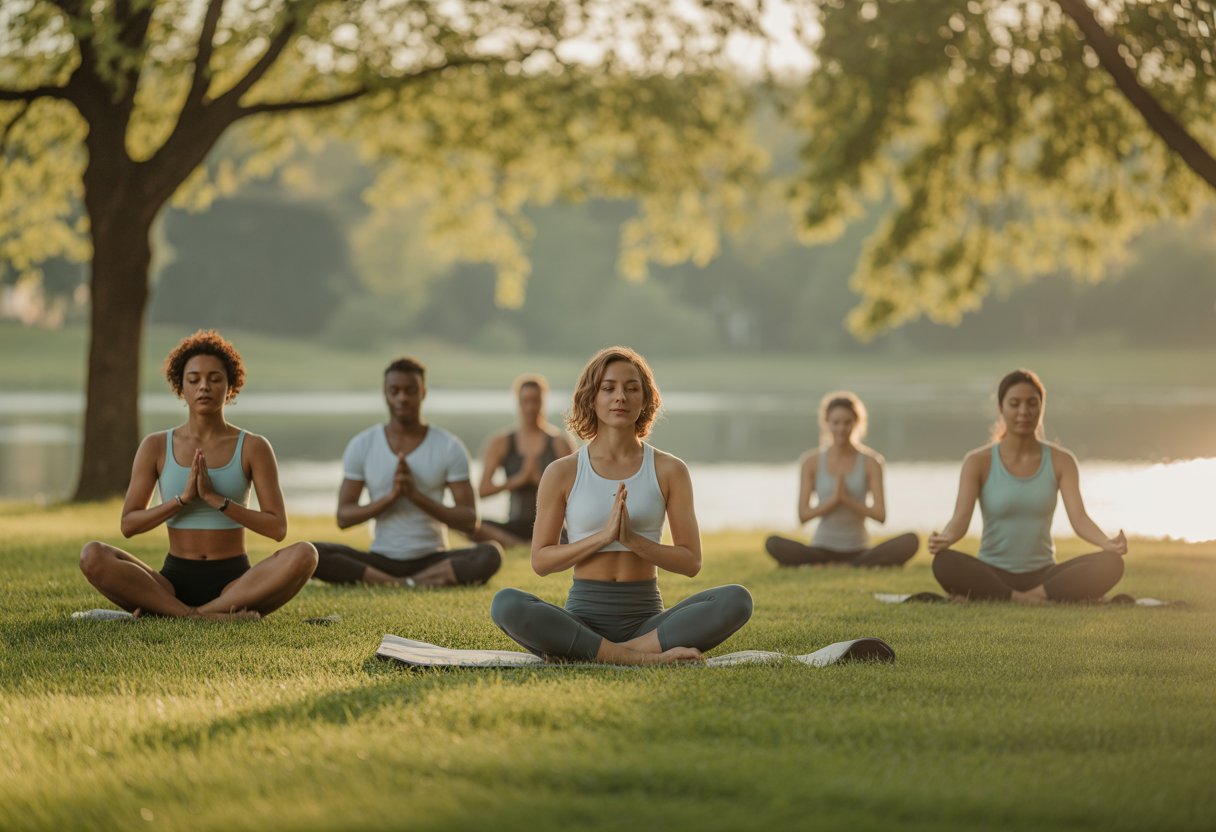
Physical activity strengthens muscles, sharpens mental focus, and nurtures emotional balance. Different forms of movement offer unique benefits that address all three aspects of wellness.
Benefits of Regular Exercise
Exercise does more than build strength and endurance. It triggers the release of endorphins, which naturally improve mood and reduce feelings of anxiety and depression.
Regular physical movement promotes neuroplasticity, allowing the brain to form new connections that enhance memory and learning. This process keeps the mind sharp as people age.
Physical activity also improves sleep quality and helps regulate stress hormones like cortisol. People who exercise consistently report better emotional stability and higher energy levels throughout the day.
The body benefits from improved cardiovascular health, stronger bones, and better immune function. These physical improvements create a foundation for mental clarity and spiritual well-being.
Integrating Movement into Daily Life
Small changes make physical activity more accessible without requiring major time commitments. Taking the stairs instead of the elevator, parking farther from entrances, or doing light stretches during work breaks adds up over time.
Walking meetings combine productivity with movement. A 10-minute walk after meals aids digestion and helps regulate blood sugar levels.
Standing desks and desk exercises prevent the negative effects of prolonged sitting. Simple movements like shoulder rolls, neck stretches, and ankle circles keep blood flowing and reduce muscle tension.
Household activities like gardening, cleaning, and playing with children or pets count as physical activity. These tasks burn calories while accomplishing practical goals.
Yoga, Dance, and Tai Chi
Yoga, Pilates, mindful movement, breathwork, and meditation[10] address more than just muscles by reducing stress, balancing emotions, and sharpening mental focus while fostering spiritual wellness. Yoga combines physical poses with controlled breathing to improve flexibility, balance, and inner calm.
Dance therapy integrates movement with emotional expression[11], fostering a deep connection between the mind and body through improvisational movement that helps people explore feelings and release tension. Dance styles ranging from ballet to free-form movement offer creative outlets for self-expression.
Tai chi uses slow, deliberate movements paired with deep breathing to improve balance and coordination. This ancient practice reduces stress and promotes a meditative state that quiets mental chatter. Regular practice strengthens core muscles while cultivating patience and mindfulness.
Holistic Healing and Alternative Therapies
Alternative therapies[12] like acupuncture, massage, and energy healing offer natural approaches to wellness that work alongside conventional treatments. These practices focus on restoring balance throughout the entire person rather than just treating symptoms.
Acupuncture and Traditional Chinese Medicine
Acupuncture involves inserting thin needles into specific points on the body to restore energy flow and promote healing. This practice comes from Traditional Chinese Medicine, which views health as a balance between opposing forces called yin and yang.
Traditional Chinese Medicine includes several treatment methods beyond acupuncture. Herbal medicine uses plant-based remedies to address various health concerns. Practitioners may also recommend dietary changes, movement practices like tai chi, and cupping therapy.
The treatment approach considers the whole person. Practitioners examine the tongue, check the pulse, and ask detailed questions about lifestyle and symptoms. This information helps them create personalized treatment plans.
Research shows acupuncture may help with chronic pain, headaches, and nausea. Many people use it for stress reduction and overall wellness maintenance.
Massage Therapy and Chiropractic Care
Massage therapy manipulates soft tissues to reduce tension, improve circulation, and promote relaxation. Different techniques serve different purposes. Swedish massage uses long, flowing strokes for relaxation. Deep tissue massage targets deeper muscle layers to release chronic tension. Sports massage helps athletes prevent injuries and recover faster.
Regular massage sessions can reduce stress hormones and boost immune function. Many people find relief from back pain, muscle soreness, and tension headaches through consistent treatment.
Chiropractic care focuses on the spine and nervous system. Chiropractors perform adjustments to correct misalignments that may cause pain or limit movement. These manual manipulations aim to restore proper joint function and reduce nerve interference.
Holistic healing approaches[13] using chiropractic and massage are often equally effective as conventional treatments for certain conditions. Both therapies work well together and can complement medical care.
Energy Healing and Reiki
Energy healing works with the body’s natural energy fields to promote balance and wellness. Practitioners believe that blocked or imbalanced energy contributes to physical and emotional problems.
Reiki is a Japanese technique where practitioners place their hands lightly on or above the body. They channel energy to activate healing processes and restore harmony. Sessions typically last 60 to 90 minutes and leave people feeling deeply relaxed.
Other energy-based practices[12] include qigong and therapeutic touch. These methods use breathwork, movement, or hand positions to influence energy flow.
People often report reduced anxiety, better sleep, and increased overall well-being after energy healing sessions. While scientific research continues to explore these practices, many find them helpful for stress management and emotional balance.
Aromatherapy and Herbal Remedies
Aromatherapy uses essential oils extracted from plants to support physical and emotional health. People inhale the oils, apply them to skin with a carrier oil, or add them to baths. Different scents produce different effects. Lavender promotes relaxation and better sleep. Peppermint increases alertness and eases headaches. Eucalyptus supports respiratory health.
Common Essential Oil Uses:
- Stress relief: Chamomile, bergamot, ylang-ylang
- Energy boost: Rosemary, lemon, grapefruit
- Pain management: Ginger, frankincense, marjoram
Herbal remedies use plants to prevent or treat health issues. These natural remedies come as teas, capsules, tinctures, or topical applications. Ginger helps with nausea and inflammation. Echinacea may reduce cold duration. Turmeric offers anti-inflammatory benefits.
People should talk with healthcare providers before starting herbal medicine. Some herbs interact with medications or may not be safe during pregnancy. Quality matters too, so choosing reputable brands ensures safety and effectiveness.
Fostering Soulful Living and Spiritual Well-Being
Spiritual well-being forms a foundation for finding meaning and purpose in daily life. Building spiritual connections, practicing techniques for inner peace, and engaging in self-discovery work together to create a sense of wholeness and fulfillment.
Developing a Spiritual Connection
A spiritual connection involves recognizing something greater than oneself, whether through religious faith, nature, or personal beliefs. This connection provides guidance during difficult times and helps people live according to their values.
Many individuals find that their faith or belief in a higher power helps them navigate challenges and feel whole. Spiritual practices offer comfort and support when facing life’s obstacles. People with strong spiritual foundations often report feeling happier and more focused after engaging in their chosen practices.
Ways to develop spiritual connection include:
- Engaging in prayer or meditation
- Spending time in nature
- Participating in religious or spiritual communities
- Reading spiritual texts or literature
- Practicing gratitude daily
The soul benefits from regular spiritual attention just as the body needs exercise. This aspect of wellness helps people find their purpose and understand their place in the world.
Practices for Inner Peace and Joy
Inner peace develops through intentional practices that calm the mind and nurture the spirit. Meditation and mindfulness serve as powerful tools for reducing stress and creating a sense of tranquility. These practices help people stay present and aware of their current moment.
Rituals provide structure and meaning to daily life. Simple rituals like morning meditation, evening gratitude exercises, or weekly nature walks create consistency and anchor spiritual practice. Connection with nature offers particular benefits for spiritual renewal and peace.
Effective practices include:
- Daily meditation sessions of 10-20 minutes
- Mindfulness exercises during routine activities
- Deep breathing techniques
- Journaling about thoughts and feelings
- Spending time outdoors regularly
Joy and fulfillment emerge when people align their actions with their values and maintain regular spiritual practices. These activities reduce anxiety, improve emotional balance, and create lasting contentment. Physical activity like walking or yoga also supports spiritual well-being by connecting body and spirit.
Self-Discovery and Personal Growth
Self-discovery involves understanding personal strengths, values, and triggers through reflection and exploration. This process leads to deeper self-awareness and authentic living. Personal growth occurs when people actively work to improve themselves and expand their understanding.
Nurturing mind, body and soul[14] requires attention to all dimensions of wellness. People grow by challenging themselves with new experiences, learning from mistakes, and staying open to change.
Self-discovery activities include:
- Keeping a reflection journal
- Trying new hobbies or skills
- Seeking feedback from trusted friends
- Working with a therapist or spiritual advisor
- Setting personal development goals
The journey of self-discovery takes time and patience. People who invest in personal growth often find greater satisfaction in relationships, work, and daily activities. This inner work creates resilience and helps individuals respond to life’s challenges with wisdom rather than reaction.
Integrating Mind-Body-Soul Practices for Balance
Balance emerges when someone actively combines physical activities, mental awareness, and spiritual connection into their daily life. Building meaningful relationships and establishing consistent routines support long-term wellness while creating space for both personal growth and genuine contentment.
Finding Balance in Modern Life
Modern life pulls people in multiple directions at once. Work demands, family responsibilities, and social obligations leave little time for self-care.
Finding balance requires setting clear boundaries around time and energy. People need to identify their priorities and make conscious choices about where to invest their attention. This means saying no to some commitments to create space for holistic practices[7] that support overall well-being.
Daily practices that restore balance include:
- Morning meditation or stretching before starting work
- Scheduled breaks during the day for breathing exercises
- Evening wind-down routines without screens
- Weekly time blocks for activities that bring joy
Physical rest plays an equal role with activity. Someone who exercises intensely needs adequate recovery time. The same applies to mental work and emotional processing.
Creating Meaningful Connections
Strong relationships contribute directly to wellness. People who maintain close connections with family, friends, or community groups experience better physical and mental health outcomes.
Meaningful connections require intentional effort. This includes regular check-ins with loved ones, active listening during conversations, and showing up during difficult times. Quality matters more than quantity.
Spiritual well-being[15] often grows through shared practices. Joining a meditation group, attending community gatherings, or volunteering creates bonds while supporting personal growth.
Digital connections cannot replace face-to-face interaction. Someone seeking true wellness should prioritize in-person meetings and activities that foster genuine human contact. These experiences provide emotional support and reduce feelings of isolation.
Mindful Routines and Healthy Lifestyles
A healthy lifestyle starts with consistent daily routines. Waking at the same time, eating nutritious meals, and moving the body regularly create stability.
Mindful eating means paying attention to food choices and hunger signals. Someone practicing mindfulness notices how different foods affect their energy and mood. They choose whole foods over processed options and eat without distractions.
Physical activity works best when paired with awareness. Walking in nature combines exercise with connection to the natural environment[1]. Yoga links movement with breath and mental focus.
Essential components of a mindful routine:
- Consistent sleep schedule
- Balanced meals at regular times
- Movement that feels enjoyable rather than forced
- Time for reflection or journaling
Healthy habits develop through small, repeated actions. Starting with one or two changes and building gradually leads to lasting results. Someone who tries to change everything at once typically struggles to maintain their wellness journey.
Sustaining True Wellness Throughout Your Life
Maintaining wellness requires consistent effort through habit formation, resilience during difficult times, and flexibility to adjust practices as life circumstances change. Long-term success depends on creating routines that fit naturally into daily life while staying open to new approaches that support personal growth.
Building Lasting Healthy Habits
Small daily actions create the foundation for a healthy lifestyle that supports longevity. Research shows that habits form through repetition over time, with most people needing about 66 days of consistent practice before a behavior becomes automatic.
Starting with manageable changes increases success rates. Someone might begin with five minutes of breathing exercises each morning, then gradually extend the practice as it becomes routine. Adding one new vegetable to meals each week proves more sustainable than overhauling an entire diet overnight.
Effective habit-building strategies include:
- Linking new behaviors to existing routines (meditation after brushing teeth)
- Setting specific times for activities rather than vague intentions
- Tracking progress through journaling to maintain accountability
- Creating environmental cues that trigger desired behaviors
The key involves choosing practices that align with individual preferences and schedules. Some people thrive with morning yoga sessions, while others prefer evening walks. Experimenting helps identify which activities feel natural rather than forced.
Overcoming Challenges on Your Wellness Journey
Everyone encounters obstacles that disrupt their wellness journey. Illness, job changes, family responsibilities, and unexpected stress can derail even the most committed individuals.
Self-reflection helps identify patterns that lead to setbacks. Through journaling, people can recognize triggers that cause them to abandon healthy practices. Someone might notice they skip exercise during work deadlines or turn to unhealthy foods when feeling lonely.
Common challenges and practical solutions:
| Challenge | Approach |
|---|---|
| Lack of time | Break activities into 10-minute segments throughout the day |
| Low motivation | Find an accountability partner or join a group |
| Stress overload | Prioritize one key practice like breathing exercises |
| Physical limitations | Modify activities or explore gentler options like forest bathing |
Building flexibility into routines prevents all-or-nothing thinking. Missing one workout or meditation session does not erase previous progress. The focus should remain on returning to healthy practices rather than dwelling on interruptions.
Evolving Your Wellness Approach Over Time
Bodies, minds, and life circumstances change, requiring adjustments to wellness practices. What works at age 30 may need modification at 50 or 70.
Personal growth naturally shifts priorities and interests over time. Someone who once found peace through intense exercise might later discover that gardening or practicing gratitude provides deeper satisfaction. These changes reflect maturation rather than failure.
Regular check-ins help assess whether current practices still serve their intended purpose. Quarterly reviews allow people to evaluate what feels beneficial and what has become mechanical or burdensome. This process helps individuals connect with their inner self and stay aligned with evolving needs.
Life transitions often demand new approaches to integrated wellness[1]. Retirement opens opportunities for activities that work schedules previously prevented. Parenthood requires creative solutions for maintaining self-care alongside new responsibilities. Each phase presents chances to explore different practices while maintaining core principles of balance.
Staying curious about emerging wellness practices keeps approaches fresh. New research continually reveals benefits of activities like forest bathing or specific breathing techniques that weren’t widely known decades ago.
Frequently Asked Questions
A holistic wellness program integrates physical activity, mental health practices, proper nutrition, and spiritual connection. These elements work together to reduce stress, balance emotions, and support overall health through daily habits and mindful choices.
What are the essential components of a holistic wellness program?
A holistic wellness program addresses the physical, mental, emotional, and spiritual aspects of health. Holistic health recognizes that true wellness comes from the interconnectedness[16] of these dimensions rather than treating isolated symptoms.
Physical components include regular exercise and proper nutrition. Mental and emotional elements involve stress management and self-awareness practices. Spiritual aspects focus on finding meaning and purpose in life.
Common holistic wellness practices include mindfulness, meditation, yoga[7], proper nutrition, regular exercise, and connecting with nature. These practices help create balance across all areas of wellness.
How can one achieve balance in physical, mental, and spiritual health?
Balance requires attention to all three areas simultaneously. A person cannot focus only on physical fitness while ignoring mental stress or spiritual emptiness.
Daily check-ins help maintain awareness of each area. Someone might ask themselves how their body feels, what emotions they’re experiencing, and whether they feel connected to their values and purpose.
Practices like yoga combine physical movement with mental focus and spiritual awareness. This integration makes it easier to address multiple wellness areas at once.
What practices can effectively reduce stress and promote mental well-being?
Meditation helps calm the mind and reduce anxiety. Regular practice trains the brain to respond more calmly to stressful situations.
Mindfulness involves paying attention to the present moment without judgment. This practice can happen during daily activities like eating, walking, or working. It helps reduce worry about the future and regret about the past.
Deep breathing exercises activate the body’s relaxation response. Even five minutes of focused breathing can lower heart rate and blood pressure.
Physical activity releases endorphins that improve mood. Exercise also provides a healthy outlet for processing difficult emotions.
What role does nutrition play in maintaining a healthy mind and body?
Food provides the building blocks for brain function and physical energy. The nutrients a person eats directly affect mood, concentration, and overall mental clarity.
Whole foods like vegetables, fruits, lean proteins, and whole grains support stable blood sugar levels. This stability helps prevent mood swings and energy crashes throughout the day.
Processed foods high in sugar and unhealthy fats can increase inflammation in the body. This inflammation affects both physical health and mental well-being.
Proper hydration supports cognitive function and physical performance. Even mild dehydration can cause fatigue, headaches, and difficulty concentrating.
Can regular physical exercise influence your emotional and spiritual state?
Exercise affects emotional health through chemical changes in the brain. Physical activity increases endorphins, serotonin, and dopamine, which all improve mood and reduce symptoms of depression and anxiety.
Movement helps process and release stored emotional tension in the body. Many people find that after exercise, they feel mentally clearer and emotionally lighter.
Physical challenges can build mental resilience and confidence. Achieving fitness goals translates into a greater sense of capability in other life areas.
Some people experience spiritual connection through movement practices. Activities in nature, like hiking or outdoor yoga, can create feelings of awe and connection to something larger than oneself.
What methods can help in detoxifying the body and calming the mind?
Adequate water intake helps flush toxins through the kidneys and digestive system. Most adults need about eight glasses of water daily, though individual needs vary.
Sweating through exercise or sauna use eliminates certain toxins through the skin. This process also promotes relaxation and stress relief.
Sleep allows the brain to clear metabolic waste that builds up during waking hours. Seven to nine hours of quality sleep supports both physical detoxification and mental clarity.
Limiting processed foods, alcohol, and caffeine reduces the toxic load on the body. This reduction allows natural detoxification systems to work more efficiently.
Practices like journaling help detoxify the mind from repetitive thoughts and worries. Writing down concerns creates mental space and often provides new perspectives on problems.
Post Views: 17
References
- Body, Mind, Soul: Your Journey to Integrated Wellness. https://continentalhospitals.com/blog/integrating-mind-body-and-spirit-a-holistic-approach-to-wellness/ Accessed March 13, 2026
- The Mind–Body Connection: Understanding Their Link. https://positivepsychology.com/body-mind-integration-attention-training/ Accessed March 13, 2026
- The Holistic Approach to Wellness: Integrating Mind, Body, and Spirit. https://digitalnaturopath.com/2024/12/the-holistic-approach-to-wellness-integrating-mind-body-and-spirit/ Accessed March 13, 2026
- Nurturing Mind, Body, Spirit: Your Complete Guide to Holistic Wellness. https://dianarangaves.com/2025/06/26/nurturing-mind-body-spirit-your-complete-guide-to-holistic-wellness/ Accessed March 13, 2026
- Attention Required!. https://www.hopkinsmedicine.org/health/wellness-and-prevention/mindfulness-meditation Accessed March 13, 2026
- Guided Meditations. https://www.uclahealth.org/uclamindful/guided-meditations Accessed March 13, 2026
- Holistic Wellness: Integrating Mind, Body, and Spirit – AIHCP. https://aihcp.net/2024/08/19/holistic-wellness-integrating-mind-body-and-spirit/ Accessed March 13, 2026
- Holistic Nutrition: Nourishing Your Body and Soul. https://avocadu.com/holistic-nutrition/ Accessed March 13, 2026
- The Role of Nutrition in Holistic Living: Fueling the Mind, Body, and Spirit. https://digitalnaturopath.com/2025/01/the-role-of-nutrition-in-holistic-living-fueling-the-mind-body-and-spirit/ Accessed March 13, 2026
- Mind Body Soul Connection: Simple Steps for Healing and Balance. https://dianarangaves.com/2025/09/23/mind-body-soul/ Accessed March 13, 2026
- Top 10 Holistic Exercises for Mind-Body Connection. https://realitypathing.com/top-10-holistic-exercises-for-mind-body-connection/ Accessed March 13, 2026
- Alternative therapies. https://www.betterhelp.com/advice/therapy/what-is-alternative-holistic-therapy-therapies-that-address-mind-body-health/ Accessed March 13, 2026
- What Is Holistic Healing? About, Benefits & Approach. https://www.optimumhealth.org/blog/holistic-healing-finding-the-balance-between-body-mind-and-spirit-to-achieve-true-wellness Accessed March 13, 2026
- Holistic approaches to mental wellness: Nurturing mind, body and soul. https://www.thisiscalmer.com/blog/nurturing-mind-body-and-soul Accessed March 13, 2026
- Integrating Mind, Body, and Spirit: The Core of Holistic Health. https://digitalnaturopath.com/2025/04/integrating-mind-body-and-spirit-the-core-of-holistic-health/ Accessed March 13, 2026
- 404 Not Found. https://therike.com/blogs/holistic-health-the-balance-of-the-body-mind-spirit-and-emotions/holistic-health-balancing-body-mind-spirit-and-emotions-for-true-wellness-1 Accessed March 13, 2026

















