Medically Reviewed
Dr. Jose Rossello, MD, PhD, MHCM
Preventive Medicine & Public Health Specialist
Last Reviewed: April 27, 2026
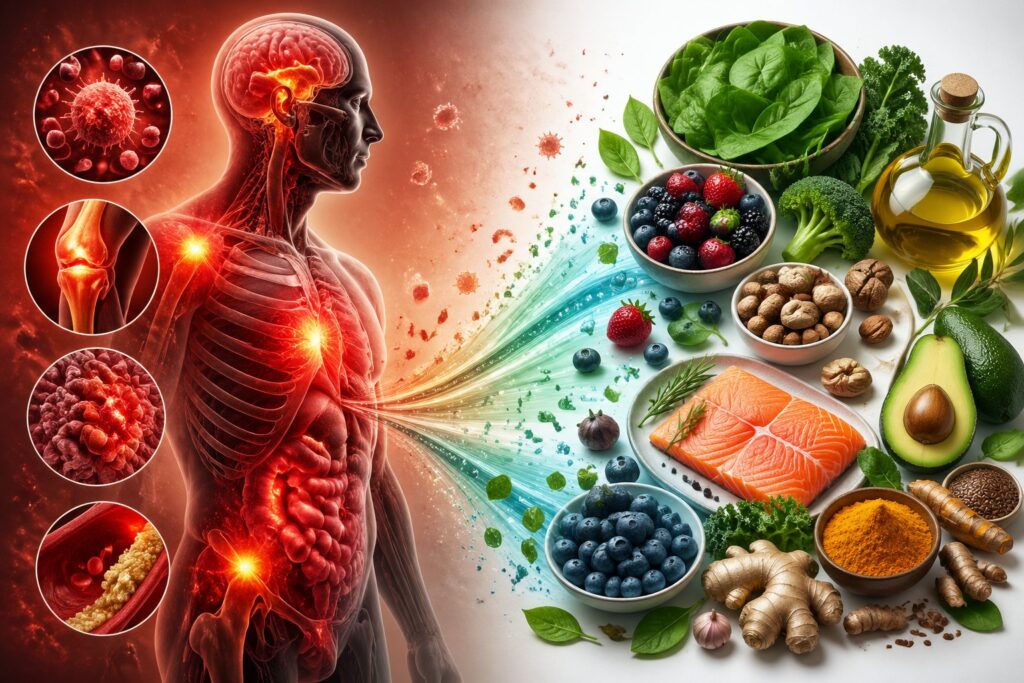
Your body’s immune system triggers inflammation to protect against injury and infection. While this acute inflammatory response helps fight off threats, chronic inflammation that persists over time can damage tissues and organs. An anti-inflammatory diet that emphasizes whole foods like fruits, vegetables, fatty fish, and nuts while limiting processed foods can help reduce chronic inflammation and lower the risk of diseases including heart disease, diabetes, and arthritis.
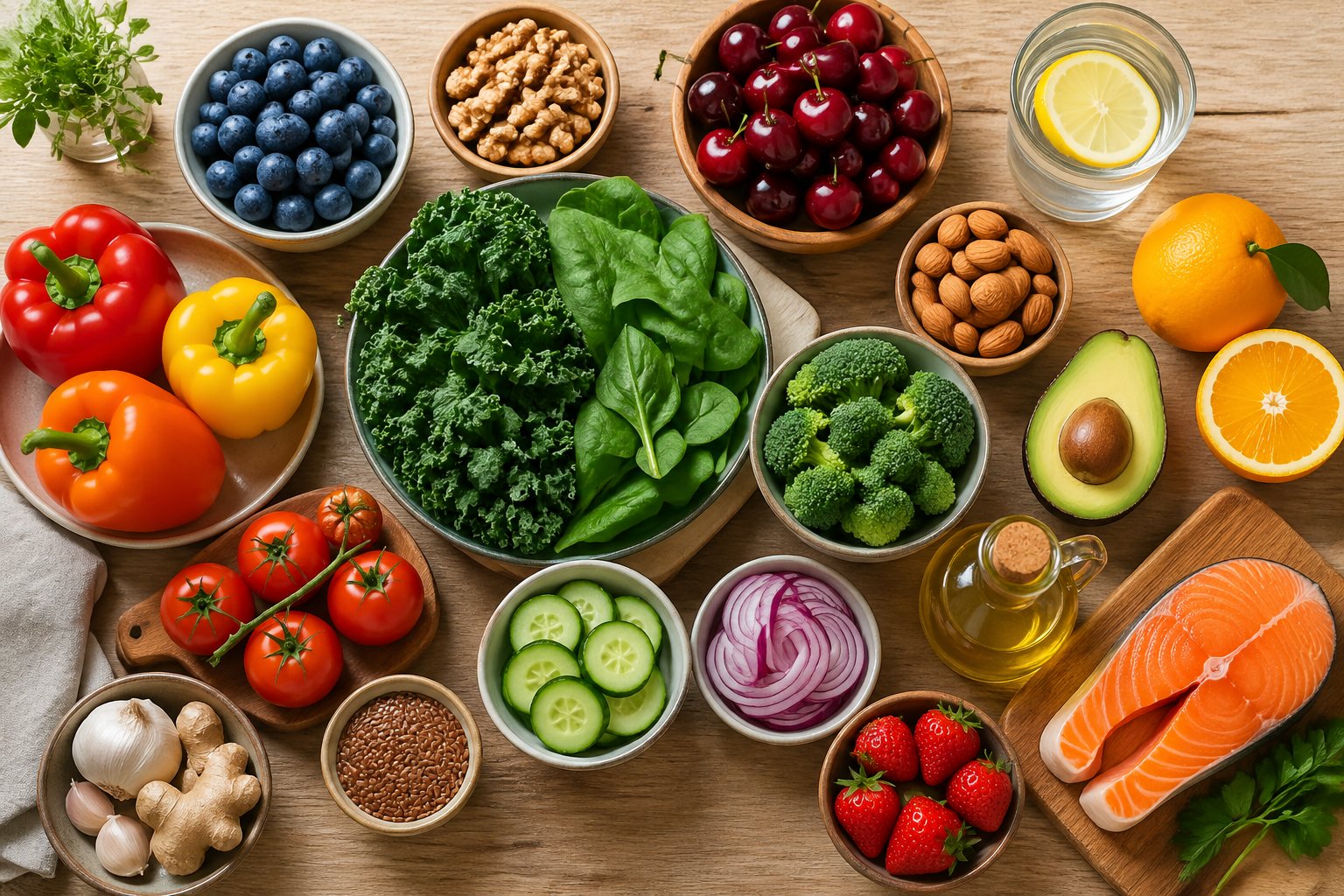
The connection between foods that fight inflammation[1] and overall health has been studied extensively. Research shows that certain food components have anti-inflammatory effects that work independently of weight loss alone. This means the right dietary choices can directly impact inflammation levels in the body.
Making strategic changes to what goes on the plate doesn’t require complicated meal plans or expensive supplements. Simple swaps and additions can create meaningful reductions in inflammatory markers throughout the body.
Table of Contents
Key Takeaways
Understanding Inflammation and Its Impact on Health
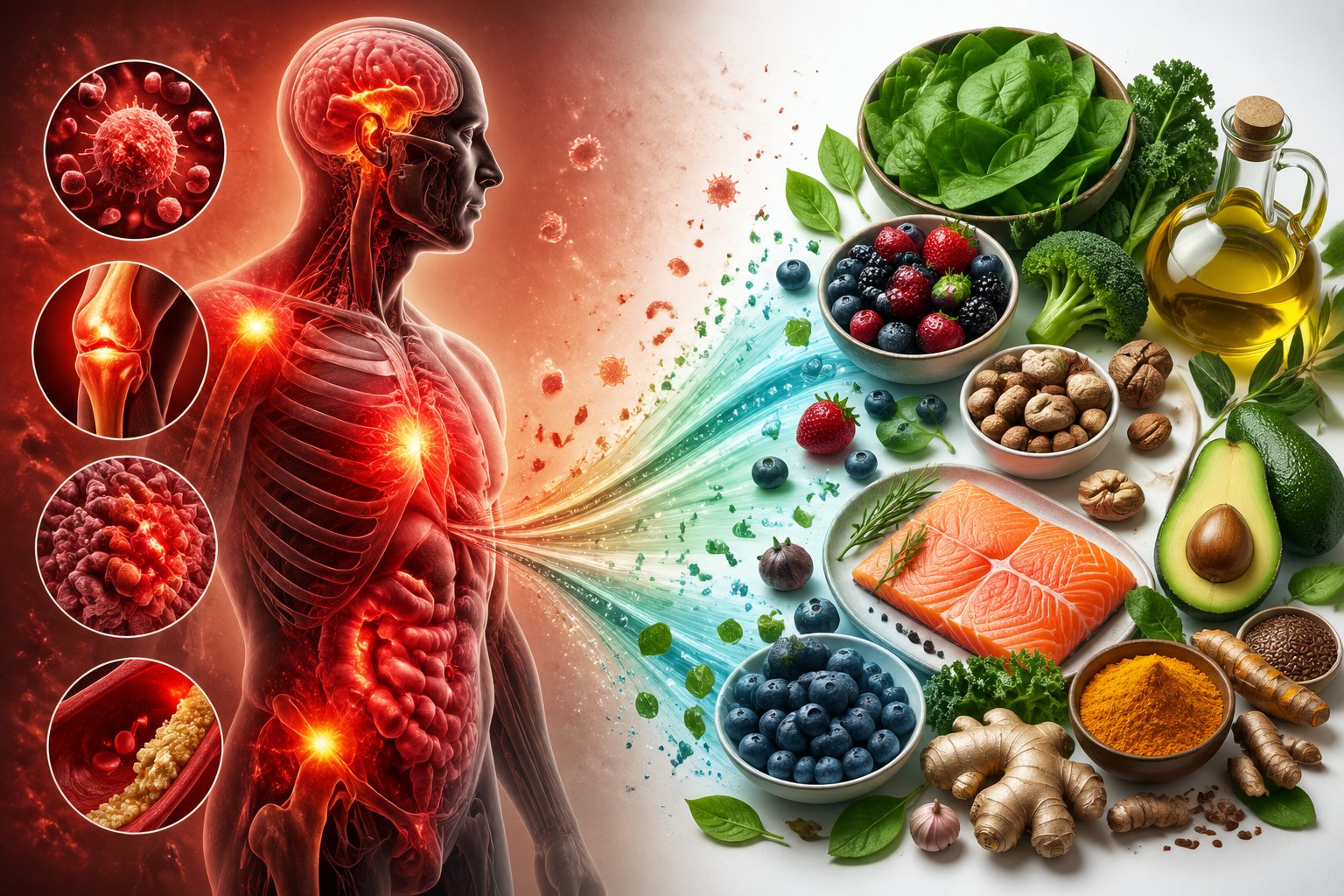
Inflammation serves as the body’s defense system against harm, but when it persists long-term, it contributes to serious health conditions including heart disease, type 2 diabetes, and autoimmune disorders.
Types and Causes of Inflammation
The body produces two distinct forms of inflammatory response. Acute inflammation appears quickly when someone cuts their finger or sprains an ankle. This type brings redness, swelling, heat, and pain to the injured area. It typically resolves within hours or days once healing occurs.
Chronic inflammation works differently. It persists for months or years, often without obvious symptoms. This ongoing immune system activation[4] can damage healthy tissues over time.
Several factors trigger chronic inflammation:
- Poor diet high in processed foods and added sugars
- Obesity and excess body fat, especially around the midsection
- Lack of physical activity
- Chronic stress
- Poor sleep habits
- Smoking and excessive alcohol
Systemic inflammation affects the entire body rather than one specific area. This widespread immune response creates an environment where diseases can develop more easily.
Chronic Inflammation and Disease Risks
Persistent inflammation plays a role in many serious health conditions. Heart disease develops[5] when inflammation damages blood vessel walls and promotes plaque buildup. Type 2 diabetes becomes more likely as inflammation interferes with how cells respond to insulin.
Cancer risk increases because chronic inflammation can damage DNA and create conditions that allow abnormal cells to grow. Depression has links to inflammatory processes in the brain that affect mood regulation.
Joint conditions like rheumatoid arthritis and lupus occur when the immune response attacks healthy tissue. Inflammatory bowel disease, including ulcerative colitis, causes ongoing inflammation in the digestive tract. These autoimmune disorders share a common feature: the body’s defense system mistakenly targets its own cells.
Research shows that people with higher inflammation levels face greater risks for multiple chronic diseases simultaneously.
Inflammatory Markers and Immune Function
Medical tests measure specific substances that indicate inflammation levels in the body. C-reactive protein stands out as one of the most commonly tested inflammatory markers. Doctors measure this protein in blood samples to assess inflammation severity.
Higher C-reactive protein levels suggest more active inflammation. Normal values fall below 3 mg/L, while readings above 10 mg/L indicate significant inflammatory activity.
Other important markers include:
- Interleukin-6 (IL-6)
- Tumor necrosis factor (TNF)
- Erythrocyte sedimentation rate (ESR)
The immune response functions properly when inflammation turns on to fight threats and turns off when healing completes. Problems arise when this system stays activated constantly. Chronic activation exhausts immune cells and prevents them from responding effectively to real threats like infections or injuries.
Core Diet Approaches for Reducing Inflammation
Several proven eating patterns can help reduce inflammation through strategic food choices and meal planning. The most effective approaches focus on whole foods, plant-based ingredients, and limiting processed items.
Overview of the Anti-Inflammatory Diet
An anti-inflammatory diet[2] emphasizes eating whole, unprocessed foods while avoiding items that trigger inflammatory responses in the body. This approach isn’t a single strict meal plan but rather a way of choosing foods that support the body’s natural healing processes.
The core principle involves eating more fruits, vegetables, whole grains, legumes, fish, poultry, nuts, and seeds. These foods contain compounds that help fight inflammation at the cellular level. At the same time, people should avoid ultra-processed foods, added sugars, refined grains, and excessive saturated fats.
Foods that reduce inflammation include those rich in fiber, omega-3 fatty acids, antioxidants, and polyphenols. These nutrients work together to lower inflammatory markers in the blood and protect cells from damage. The diet also limits white bread, sugary drinks, processed meats, and deep-fried foods that promote inflammation.
Mediterranean Diet and DASH Diet Principles
The Mediterranean diet and DASH diet[4] both align closely with anti-inflammatory eating patterns. These established approaches provide clear frameworks for those who prefer structured guidelines.
The Mediterranean diet focuses on:
- Olive oil as the primary fat source
- Fish and seafood several times per week
- Plenty of vegetables, fruits, and whole grains
- Nuts, seeds, and legumes daily
- Limited red meat and sweets
The DASH diet emphasizes similar principles with additional focus on reducing sodium intake. Both eating patterns have strong research supporting their ability to lower inflammation markers and reduce disease risk.
Importance of Whole Foods and Minimally Processed Choices
Whole foods form the foundation of eating to reduce inflammation. These include items that come directly from nature without significant processing or added ingredients.
Examples of whole foods include:
- Fresh vegetables and fruits
- Brown rice and other whole grains
- Dried beans and lentils
- Plain nuts and seeds
- Fresh fish and poultry
Reading food labels helps identify processed items to avoid. Products with long ingredient lists, added sugars, artificial sweeteners, or refined flours typically promote inflammation. The more a food has been altered from its natural state, the more likely it contains inflammatory ingredients.
Choosing minimally processed options means selecting oatmeal over sugary cereal, brown rice instead of white rice, and fresh vegetables rather than packaged meals. This shift provides more fiber, vitamins, minerals, and beneficial plant compounds that help the body manage inflammation naturally.
Top Anti-Inflammatory Foods to Include
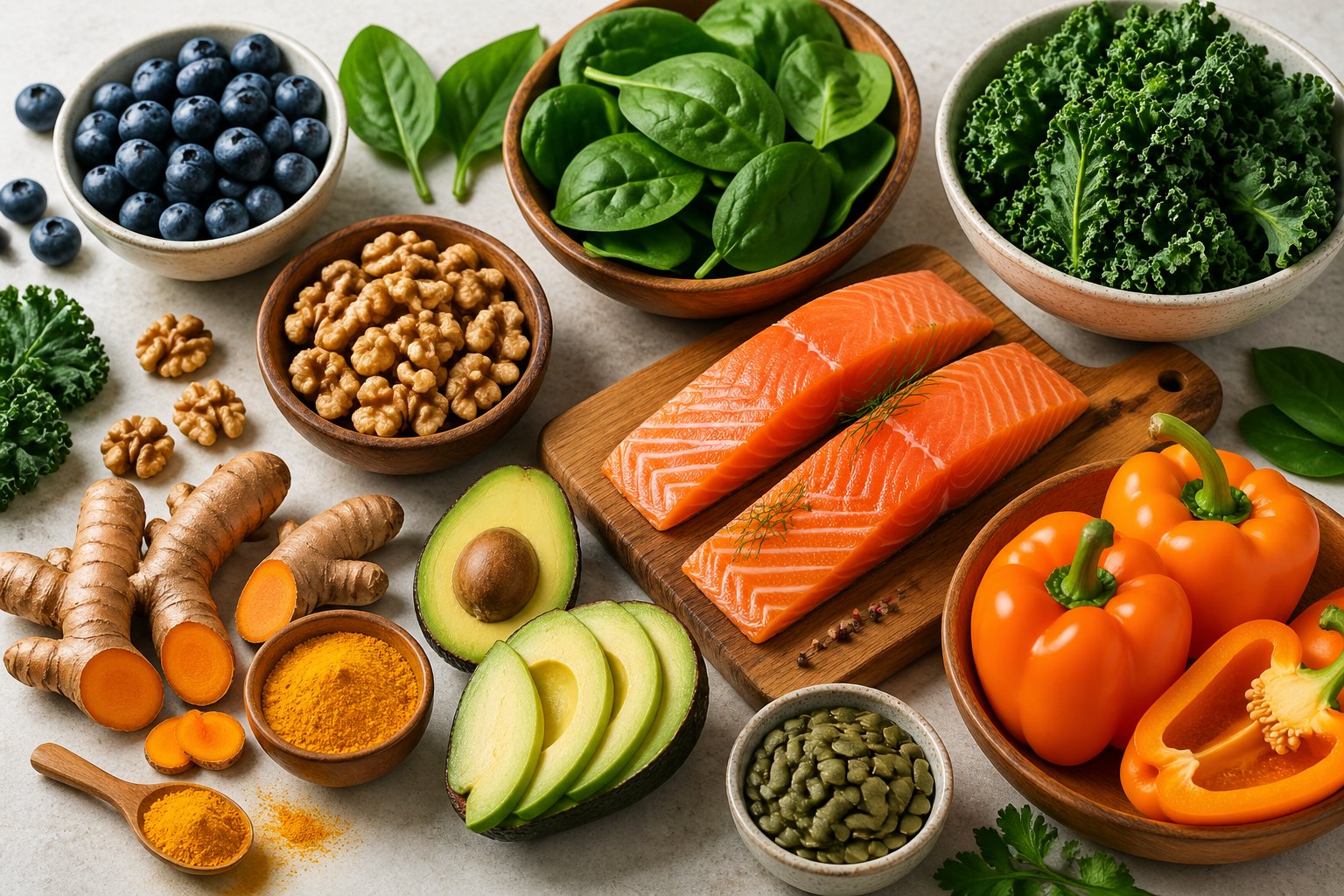
Certain foods contain compounds that actively fight inflammation in the body. Foods like fatty fish, almonds, and avocados are packed with essential nutrients[6] that help protect against chronic disease.
Fruits and Vegetables Packed With Antioxidants
Berries rank among the most powerful anti-inflammatory fruits available. Blueberries, strawberries, and cherries contain high levels of antioxidants called polyphenols that reduce inflammation markers in the body. These compounds give berries their deep colors and provide protection against cellular damage.
Leafy greens like spinach and kale deliver vitamin C and other antioxidants that combat inflammation. Dark leafy vegetables contain compounds that neutralize harmful molecules in the body. They work best when eaten regularly as part of daily meals.
Sweet potatoes offer a different set of anti-inflammatory benefits. They contain beta-carotene and other antioxidants that support immune function. The orange flesh indicates high levels of beneficial compounds that reduce inflammation throughout the body.
Beneficial Fats: Olive Oil, Avocado, and Omega-3 Sources
Olive oil provides monounsaturated fats that lower inflammation levels. Extra virgin olive oil contains the highest amounts of beneficial compounds. It works well as a replacement for butter and other saturated fats in cooking.
Avocado delivers both monounsaturated fats and fiber that support overall health. The healthy fats in avocado help the body absorb nutrients from other foods. One avocado contains enough unsaturated fats to benefit inflammation levels when eaten regularly.
Walnuts stand out among nuts for their omega-3 fatty acid content. They provide ALA, a plant-based form of omega-3s that reduces inflammation. A small handful of walnuts each day supplies meaningful amounts of these healthy fats.
Fatty Fish and Seafood Options
Fatty fish contain the highest levels of omega-3 fatty acids found in food. Salmon, mackerel, tuna, and sardines all provide EPA and DHA, two types of omega-3s that strongly reduce inflammation. These compounds work differently than plant-based omega-3s and offer unique benefits.
Eating fatty fish two to three times per week provides enough omega-3s to lower inflammation markers. Fresh and canned options both deliver these beneficial fats. Sardines and mackerel cost less than salmon but provide similar anti-inflammatory benefits.
Nuts, Seeds, and Legumes for Inflammation Control
Nuts deliver a combination of healthy fats, fiber, and antioxidants. Almonds, walnuts, and other varieties contain compounds that reduce inflammation when eaten regularly. A serving of one ounce provides benefits without excessive calories.
Elevate Your Health for Just $29.99/Month
Join the Precision Wellness Subscription at My Healing 365 and get discounted services, priority coaching access, virtual care, and exclusive wellness resources to support your physical, emotional, and hormonal health.
Join for $29.99/MonthSeeds like chia and flaxseed offer omega-3 fatty acids in plant form. Ground flaxseed works better than whole seeds because the body absorbs more nutrients. Both seeds mix easily into smoothies, yogurt, and baked goods.
Beans and other legumes provide fiber and plant compounds that lower inflammation. Black beans, lentils, and chickpeas all contain nutrients that support gut health and reduce inflammatory markers. Greek yogurt pairs well with beans in meals and adds protein that supports the body’s natural anti-inflammatory processes.
Herbs, Spices, and Beverages With Anti-Inflammatory Benefits
Adding certain herbs, spices, and drinks to your daily routine can help lower inflammation in the body. These natural options work by reducing inflammatory markers and may provide relief similar to some medications.
Anti-Inflammatory Herbs and Spices to Add
Turmeric stands out as one of the most powerful anti-inflammatory spices[7] available. The spice contains curcumin, which blocks molecules that activate genes promoting inflammation. Studies show that taking 112-4,000 mg of curcumin daily for 3 days to 36 weeks significantly reduces inflammatory markers.
Curcumin only makes up 3% of turmeric by weight, and the body does not absorb it well on its own. Black pepper contains piperine, which can increase curcumin absorption by up to 2,000%[7]. People should look for curcumin supplements that include black pepper extract for better results.
Ginger provides anti-inflammatory benefits[8] through more than 100 active compounds. Taking 1,000-3,000 mg daily for 4-12 weeks reduces markers like C-reactive protein. Research shows ginger may reduce joint pain and increase joint mobility in people with osteoarthritis.
Other effective anti-inflammatory herbs and spices include:
- Garlic – Contains sulfur compounds that reduce inflammatory markers and raise antioxidant levels
- Cinnamon – Taking 1,500-4,000 mg daily reduces inflammation and raises antioxidant levels
- Cardamom – Three grams daily can reduce inflammatory markers and increase antioxidant status by 90%
- Rosemary – Rich in rosmarinic acid, which reduces pain and stiffness in osteoarthritis
- Sage – Contains compounds that help fight inflammation
- Cumin – Offers anti-inflammatory properties through its active compounds
Teas, Red Wine, and Dark Chocolate in Moderation
Green tea contains polyphenols, particularly epigallocatechin-3-gallate (EGCG), that provide strong anti-inflammatory effects. Studies show EGCG helps reduce inflammation in conditions like ulcerative colitis and Crohn’s disease[7]. People with ulcerative colitis who took an EGCG supplement daily for 56 days saw a 58% improvement in symptoms.
Green tea polyphenols also benefit people with osteoarthritis, rheumatoid arthritis, and gum diseases. A person can brew green tea leaves into tea or take matcha powder and green tea extract supplements.
Red wine and dark chocolate both contain polyphenols that may help reduce inflammation when consumed in moderation. The key word is moderation, as excessive alcohol intake causes inflammation rather than reducing it. Dark chocolate with high cocoa content provides beneficial compounds without the negative effects of added sugar found in milk chocolate.
These beverages and foods work best as part of an overall anti-inflammatory diet rather than as standalone treatments.
Foods and Ingredients That Can Worsen Inflammation

Certain foods trigger inflammatory responses in the body that can lead to chronic health problems over time. Red meat, processed meats, refined carbohydrates, and foods high in added sugar[3] are the main culprits that people should limit or avoid.
Processed Meats and Refined Carbohydrates
Processed meats like bologna, bacon, sausage, and lunchmeat contain compounds that promote inflammation in the body. These meats often include high levels of saturated fat and preservatives that trigger immune responses. Red meat such as steak and hamburgers also contributes to inflammation when consumed regularly.
Refined carbohydrates pose similar problems. Bread and pasta made with white flour cause rapid spikes in blood sugar that can increase inflammatory markers. Commercial baked goods like snack cakes, pies, cookies, and brownies combine refined flour with added sugar and unhealthy fats.
Deep fried items such as French fries, fried chicken, and donuts are particularly harmful. The high-heat cooking process creates inflammatory compounds that the body must process.
Unhealthy Fats and Sugary Drinks
Trans fats rank among the most inflammatory ingredients available. These fats appear in margarine, microwave popcorn, refrigerated biscuits and dough, and nondairy coffee creamers. While saturated fats from animal products also contribute to inflammation, trans fats are worse.
Sugary drinks including soda, bottled tea drinks, and sports drinks[9] flood the body with added sugar without any nutritional benefit. Foods high in added sugar like candy, jelly, and syrup have the same effect. The body responds to these sugar surges with inflammatory processes that damage tissues over time.
Many sauces and dressings contain hidden sugar and trans fats that can cancel out the benefits of otherwise healthy foods.
Reading Food Labels and Identifying Inflammatory Foods
Food manufacturers use over 50 different names for added sugar in their products. Ingredients like “cane crystals” and “crystallized cane juice” are sugar in disguise. Any ingredient name ending in “ose” typically indicates a form of sugar.
People should avoid any product listing partially hydrogenated oils in the ingredients. These are trans fats regardless of how they’re described on packaging.
Key label warnings:
- Partially hydrogenated oils (trans fats)
- Ingredients ending in “ose” (sugars)
- Cane crystals or cane juice
- Multiple sweeteners listed separately
Checking ingredient lists helps people identify inflammatory foods that might otherwise seem harmless[3]. Many prepared foods contain hidden sources of sugar, unhealthy fats, and other inflammatory ingredients.
Lifestyle Factors That Support an Anti-Inflammatory Diet
Diet alone doesn’t control inflammation in the body. Moving regularly, getting enough rest, and managing daily stress work together with healthy eating to lower inflammation levels.
Regular Exercise and Physical Activity
Physical activity reduces inflammation markers in the blood. People who exercise regularly show lower levels of C-reactive protein and other inflammatory compounds compared to those who stay inactive.
Moderate exercise works best for fighting inflammation. Walking for 30 minutes five days per week can make a measurable difference. Swimming, cycling, and strength training also help reduce inflammatory responses.
Too much intense exercise without rest can actually increase inflammation temporarily. The body needs recovery time between workouts. A balanced routine that includes both activity and rest days supports the immune system better than overtraining.
Recommended weekly activity:
- 150 minutes of moderate exercise (brisk walking, casual biking)
- 75 minutes of vigorous exercise (running, swimming laps)
- Two strength training sessions
Adequate Sleep and Stress Management
Sleep deprivation triggers inflammation throughout the body. Adults who sleep less than six hours per night have higher levels of inflammatory markers than those who get seven to nine hours.
Poor sleep disrupts the immune system and increases stress hormones like cortisol. These hormones can damage healthy cells and promote chronic inflammation over time.
Chronic stress keeps the body in a constant state of alert. This prolonged activation causes immune cells to release inflammatory chemicals even when no real threat exists.
Managing stress through breathing exercises, meditation, or yoga helps lower inflammation. Even 10 minutes of daily relaxation practice can reduce stress hormone levels and support immune function.
Supplements and Additional Tips
Fish oil supplements contain omega-3 fatty acids that may help reduce inflammation. These supplements provide EPA and DHA, the same anti-inflammatory compounds found in fatty fish like salmon and sardines.
Typical doses range from 1,000 to 3,000 mg of combined EPA and DHA daily. People who don’t eat fish regularly might benefit from supplementation.
Other supplements like turmeric and ginger show promise in studies, but whole food sources often work better. The body absorbs nutrients from real foods more effectively than isolated compounds.
Drinking enough water supports all anti-inflammatory efforts. Dehydration can worsen inflammation and prevent the body from removing waste products properly. Aim for eight glasses of water daily, adjusting for activity level and climate.
Frequently Asked Questions
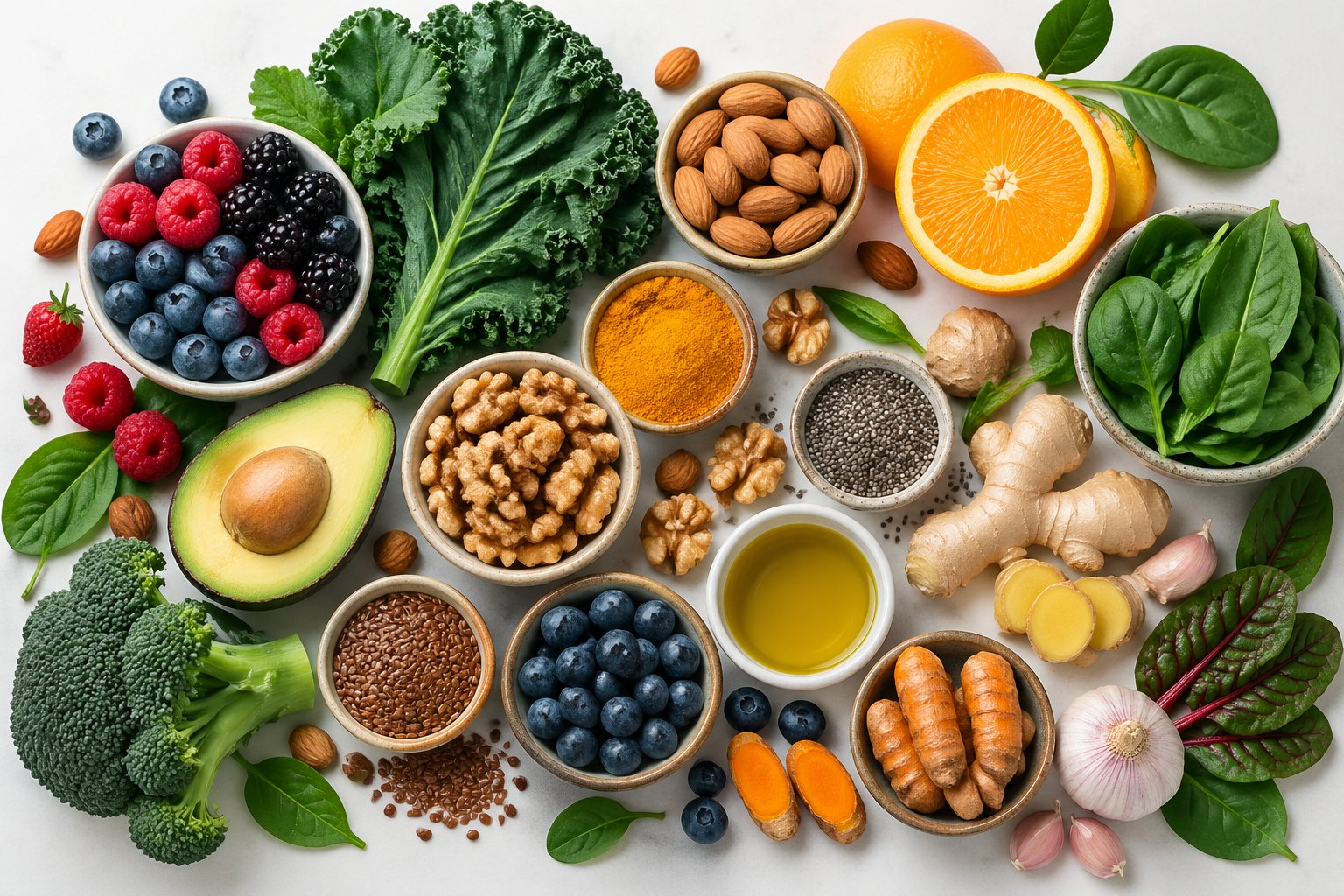
Certain whole foods like fatty fish and colorful vegetables can lower inflammation, while packaged and sugary foods tend to increase it. Making small dietary swaps and staying consistent can lead to meaningful improvements in how the body responds to inflammation over time.
Which foods are most effective for lowering inflammation in the body?
Fatty fish like salmon, mackerel, sardines, and tuna[4] contain omega-3 fatty acids that help fight inflammation. These fish provide powerful compounds that reduce inflammatory responses in the body.
Brightly colored fruits and vegetables such as tomatoes, carrots, squash, and broccoli contain antioxidants that lessen the effect of free radicals. Free radicals damage cells and promote inflammation throughout the body.
Whole grains like barley, oats, and bran provide fiber that helps control inflammation. Legumes including beans and lentils also deliver high amounts of fiber and other anti-inflammatory compounds.
Nuts and seeds offer unsaturated fats and other beneficial nutrients. Almonds, pecans, walnuts, flaxseeds, and pumpkin seeds all support the body’s anti-inflammatory processes.
Berries, dark chocolate, tea, and coffee contain polyphenols, which are plant chemicals that fight inflammation. Olive oil and avocado oil provide healthy fats that reduce inflammatory responses.
What are the fastest dietary changes to help reduce inflammation?
Cutting out sugary drinks like sodas represents one of the quickest ways to reduce inflammation. These beverages contain added sweeteners that spike blood sugar and trigger inflammatory responses.
Removing ultra-processed foods from meals can make an immediate difference. Foods like microwaveable dinners, hot dogs, chicken nuggets, and packaged baked goods contain salt, added sugars, and saturated fat that promote inflammation.
Switching from white bread and pasta to whole grain versions helps reduce inflammation quickly. White flour leads directly to a pro-inflammatory state in the body.
Adding more colorful vegetables to each meal increases antioxidant intake right away. The more variety and color on a plate, the more natural inflammation-fighting compounds a person consumes.
What drinks can help reduce inflammation and support recovery?
Water remains the best choice for staying hydrated and supporting the body’s natural anti-inflammatory processes. Proper hydration helps cells function normally and removes waste products.
Green tea and black tea contain polyphenols that may help reduce inflammation. These plant compounds support the body’s ability to fight inflammatory responses.
Coffee also provides polyphenols and antioxidants that can help manage inflammation. Drinking coffee without added sugar or artificial sweeteners maximizes these benefits.
Smoothies made with berries, leafy greens, and other whole fruits and vegetables deliver concentrated amounts of anti-inflammatory nutrients. Adding ingredients like ginger or turmeric may provide additional benefits.
What foods and ingredients should be avoided because they commonly trigger inflammation?
Ultra-processed foods with added sweeteners[4] rank among the worst inflammation triggers. Cookies, baked goods, candy, flavored yogurts, and jarred sauces with added sugar all promote inflammatory responses.
Processed and cured meats like hot dogs, bacon, and deli meats contain compounds that increase inflammation. These foods also tend to be high in sodium and saturated fat.
Refined grains including white bread, white pasta, and sugary cereals lack fiber and nutrients. They cause rapid blood sugar spikes that trigger inflammation.
Deep-fried foods contain damaged fats that promote inflammatory processes. Butter, cheese, and ice cream provide saturated fats that can increase inflammation when consumed in large amounts.
Sugar substitutes like aspartame, erythritol, and sucralose may trigger inflammation despite having no calories. Stevia and monk fruit appear to be better options, though ultra-processed foods should still be avoided[4] even if they contain these sweeteners.
How can an anti-inflammatory eating plan help with chronic inflammation over time?
Dietary changes that minimize inflammation[3] show the strongest evidence for reducing the risk of arthritis, gastrointestinal problems, and heart disease. These eating patterns also help manage diabetes and may slow cognitive decline.
Chronic inflammation keeps the immune system constantly activated, sending cells and chemicals throughout the body. This ongoing process can last months or years, increasing the risk of conditions like rheumatoid arthritis and heart disease.
An anti-inflammatory diet emphasizing whole foods[10] may lower the risk of chronic diseases by managing the body’s inflammatory response. Consistent dietary changes help reduce perpetual swelling, redness, and pain.
Following patterns like the Mediterranean diet or DASH diet provides a structured approach to anti-inflammatory eating. These plans naturally include many foods that fight inflammation while limiting those that promote it.
What are common signs that inflammation may be affecting the body?
Persistent pain in joints or muscles can indicate ongoing inflammation. This discomfort may worsen over time if inflammatory triggers continue.
Chronic fatigue and low energy levels often accompany inflammatory conditions. The body uses significant resources to maintain inflammatory responses, leaving less energy for daily activities.
Digestive issues including bloating, cramping, or irregular bowel movements may signal inflammation in the gut. Diet plays a major role in gut health and inflammatory responses.
Skin problems like rashes, redness, or acne can reflect inflammatory processes. What a person eats directly impacts skin health and inflammation levels.
Frequent infections or slow healing may indicate that chronic inflammation is affecting immune system function. The body’s constant inflammatory state can weaken its ability to respond to new threats.
Post Views: 7
References
- Foods that fight inflammation. https://www.health.harvard.edu/healthy-aging-and-longevity/foods-that-fight-inflammation Accessed April 29, 2026
- Anti-Inflammatory Diet: Foods List and Benefits. https://health.clevelandclinic.org/anti-inflammatory-diet Accessed April 29, 2026
- Attention Required!. https://www.hopkinsmedicine.org/health/wellness-and-prevention/anti-inflammatory-diet Accessed April 29, 2026
- Quick-start guide to an anti‑inflammation diet. https://www.health.harvard.edu/diet-and-nutrition/quick-start-guide-to-an-antiinflammation-diet Accessed April 29, 2026
- Healthy habits for reducing chronic inflammation. https://www.mdanderson.org/cancerwise/how-to-reduce-inflammation-in-the-body.h00-159853767.html Accessed April 29, 2026
- Foods like fatty fish, almonds, and avocados are packed with essential nutrients. https://www.verywellhealth.com/anti-inflammatory-foods-2505929 Accessed April 29, 2026
- 9 Herbs and Spices That Fight Inflammation. https://www.healthline.com/nutrition/anti-inflammatory-herbs Accessed April 29, 2026
- Ginger provides anti-inflammatory benefits. https://www.verywellhealth.com/anti-inflammatory-spices-11945069 Accessed April 29, 2026
- Sugary drinks including soda, bottled tea drinks, and sports drinks. https://www.health.com/inflammatory-foods-to-avoid-11899692 Accessed April 29, 2026
- anti-inflammatory diet emphasizing whole foods. https://www.verywellhealth.com/anti-inflammatory-diet-88752 Accessed April 29, 2026

























