
Medically Reviewed
Dr. Jose Rossello, MD, PhD, MHCM
Preventive Medicine & Public Health Specialist
Last Reviewed: April 12, 2026
Many people struggle with their hair at some point, feeling frustrated by damage, dryness, or simply falling out of love with their look. The good news is that with the right approach to hair care and styling, anyone can transform their relationship with their locks. Falling in love with your hair again starts with understanding your unique hair type, building a solid care routine, and making choices that support both hair and scalp health.
Taking care of your hair is important[1] not just for appearance but also for confidence and well-being. Whether someone deals with heat damage, chemical processing, or natural texture challenges, there are practical steps they can take. From selecting the right products to trying nourishing treatments, each small change adds up to healthier, more beautiful hair.
The journey to loving one’s hair doesn’t happen overnight. It requires patience, consistency, and a willingness to work with natural texture rather than against it. With proven strategies for moisture, protection, and styling, anyone can achieve the hair they’ve been hoping for.
Table of Contents
Key Takeaways
- Healthy hair requires understanding one’s unique hair type and using products designed for specific needs
- Regular deep conditioning treatments and protective styling help repair damage and prevent future breakage
- How well someone cares for their hair[1] and maintains regular trims are the two main factors they can control
Embracing Your Unique Hair

Every person’s hair has distinct characteristics that make it special. Learning to work with these natural features rather than against them creates the foundation for healthy hair and a simpler hair routine.
Appreciating Your Natural Hair Texture
Embracing natural hair texture[2] starts with accepting what grows from the scalp. Many people spend years fighting their natural waves, curls, or coils with heat tools and chemical treatments. This constant battle damages hair health over time.
Natural texture offers unique benefits. Wavy hair provides volume without effort. Curly hair holds styles longer. Straight hair dries quickly and shows shine easily.
The key is finding products and techniques that enhance what already exists. Someone with tight curls needs different moisture levels than someone with loose waves. Experimenting with different styles[3] helps identify what works best.
Protection matters too. Satin pillowcases reduce friction during sleep. Wide-tooth combs prevent breakage. These simple changes help people love their hair again by reducing daily damage.
Understanding Hair Type and Porosity
Hair type and porosity determine how hair responds to products and styling. The four main types range from straight (Type 1) to coily (Type 4). Each type has subtypes labeled A, B, and C based on curl tightness.
Porosity measures how hair absorbs moisture. Low porosity hair resists water and products sit on the surface. High porosity hair absorbs quickly but loses moisture fast. Normal porosity balances both.
Testing porosity is simple. Drop a clean hair strand in water. Hair that floats has low porosity. Hair that sinks quickly has high porosity. This information shapes the entire hair routine.
| Porosity Level | Product Choice | Application Method |
|---|---|---|
| Low | Lightweight liquids | Apply to damp hair with heat |
| Normal | Creams and lotions | Apply to wet or damp hair |
| High | Heavy butters and oils | Layer products to seal moisture |
Understanding these factors helps select products that actually work instead of wasting money on items that don’t match hair needs.
Establishing a Healthy Hair Care Routine
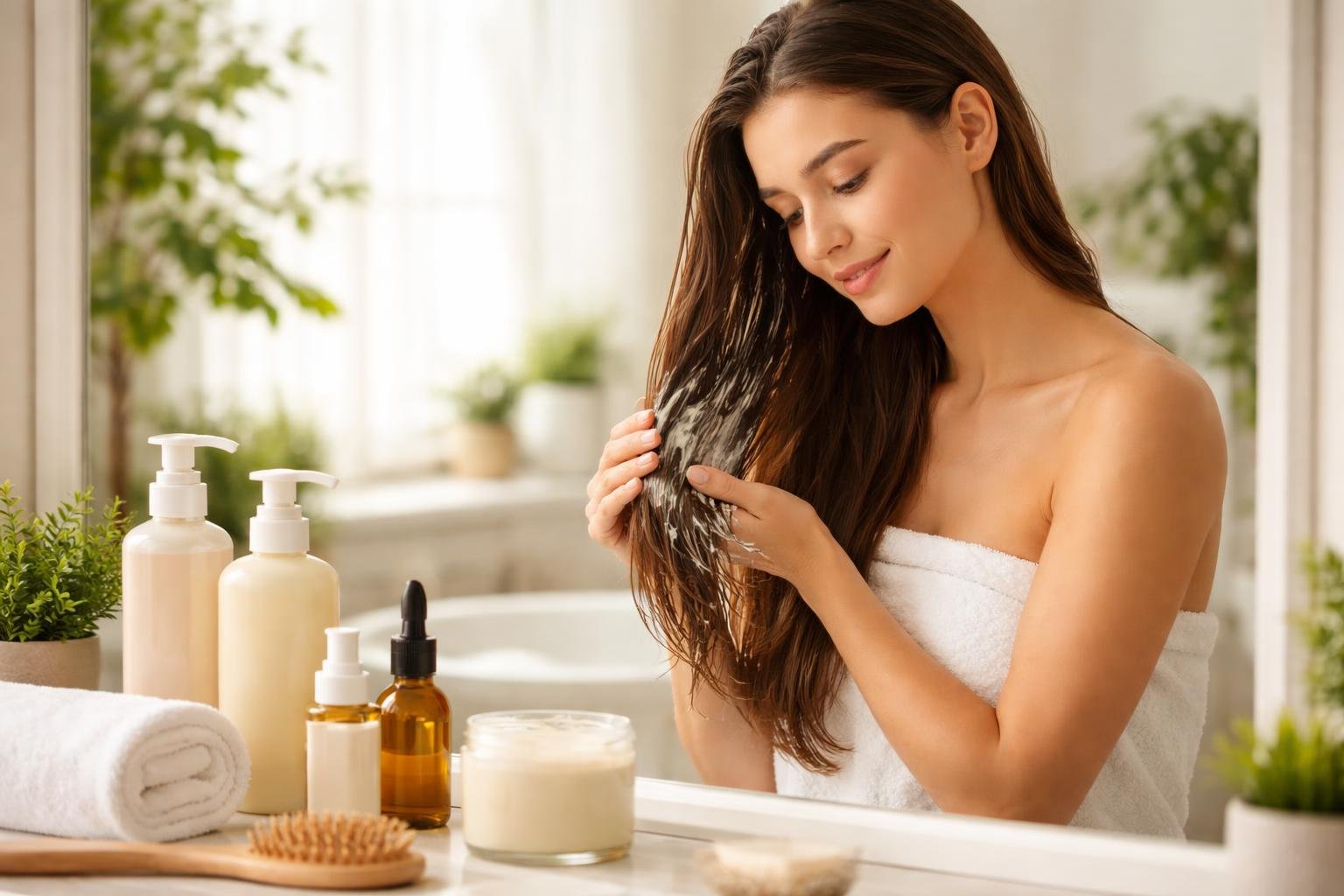
A solid hair care routine protects hair from damage and keeps it looking its best. The right daily practices and nighttime habits work together to maintain moisture, prevent breakage, and support scalp health.
Daily Maintenance Essentials
Choosing shampoo and conditioner that match your hair type[4] forms the foundation of any hair routine. People with fine hair should apply conditioner from mid-length down to avoid weighing down roots. Those with dry or chemically treated hair benefit from more frequent conditioning.
Washing frequency depends on individual scalp needs. Some people need daily cleansing while others do better with less frequent washing. The key is finding what works without stripping natural oils or leaving buildup.
Heat styling should be minimized whenever possible. When using hot tools, applying a heat protectant product first prevents damage. Keeping temperatures on low to medium settings also helps preserve hair health.
Important daily practices include:
- Using lukewarm water for washing
- Gently detangling with a wide-tooth comb
- Avoiding tight hairstyles that pull on roots
- Protecting hair from sun exposure with hats or UV products
Regular scalp care through gentle cleansing[5] prevents issues like flaking or irritation.
Creating an Effective Nighttime Routine
Sleeping on silk or satin pillowcases reduces friction between hair and fabric. These materials help hair retain moisture and prevent frizz that cotton creates. They also keep styled hair looking fresh longer.
Loose braids or twists protect hair during sleep without causing tension damage. Swapping rubber bands for silk scrunchies prevents breakage at the hairline. Hair should never be tied too tightly before bed.
Applying leave-in treatments or oils at night gives products time to absorb. A few drops of argan oil, coconut oil, or jojoba oil nourish strands while sleeping. This creates softer, more manageable hair by morning.
People can alternate between protein treatments one week and deep moisturizing treatments the next. This balance strengthens hair without causing buildup. Establishing consistency in a hair routine[6] delivers better results than sporadic care.
Choosing the Right Hair Products
The foundation of any effective hair care routine starts with selecting products that match your specific hair type and concerns. Sulfate-free and moisturizing formulas offer particular benefits that can transform how your hair looks and feels.
Selecting Shampoo and Conditioner
Understanding your hair type is the first step toward choosing shampoo and conditioner[7] that actually work. Fine hair needs lightweight formulas that won’t weigh it down, while thick or coarse hair requires richer, more hydrating products.
People with curly hair should focus on moisture-rich options since natural oils struggle to travel down the hair shaft. Color-treated hair needs specialized formulas that protect against fading and damage.
Key factors to consider when selecting products:
- Hair texture (fine, medium, or coarse)
- Scalp condition (oily, dry, or sensitive)
- Specific concerns (frizz, volume, or damage repair)
- Chemical treatments (color, relaxers, or keratin)
A good shampoo cleanses the scalp[8] without stripping natural oils. The right conditioner restores moisture, softness, and manageability to the hair shaft.
Benefits of Sulfate-Free and Moisturizing Options
Sulfate-free shampoo has become increasingly popular because traditional sulfates can strip hair of its natural oils. These harsh cleansers create a rich lather but often leave hair dry and brittle.
Switching to sulfate-free options helps maintain the hair’s natural moisture barrier. This is especially important for color-treated hair, as sulfates can cause color to fade more quickly.
Moisturizing shampoo and conditioner work together to replenish hydration in dry or damaged hair. These products typically contain nourishing ingredients like coconut oil, shea butter, or jojoba oil that penetrate the hair shaft.
Benefits of moisturizing hair products include:
- Reduced frizz and improved smoothness
- Enhanced shine and softness
- Better protection against heat damage
- Longer-lasting color vibrancy
Natural, nutrient-rich ingredients[9] support hair from root to tip without the harsh effects of synthetic chemicals.
Intensive Treatments for Hair Revival
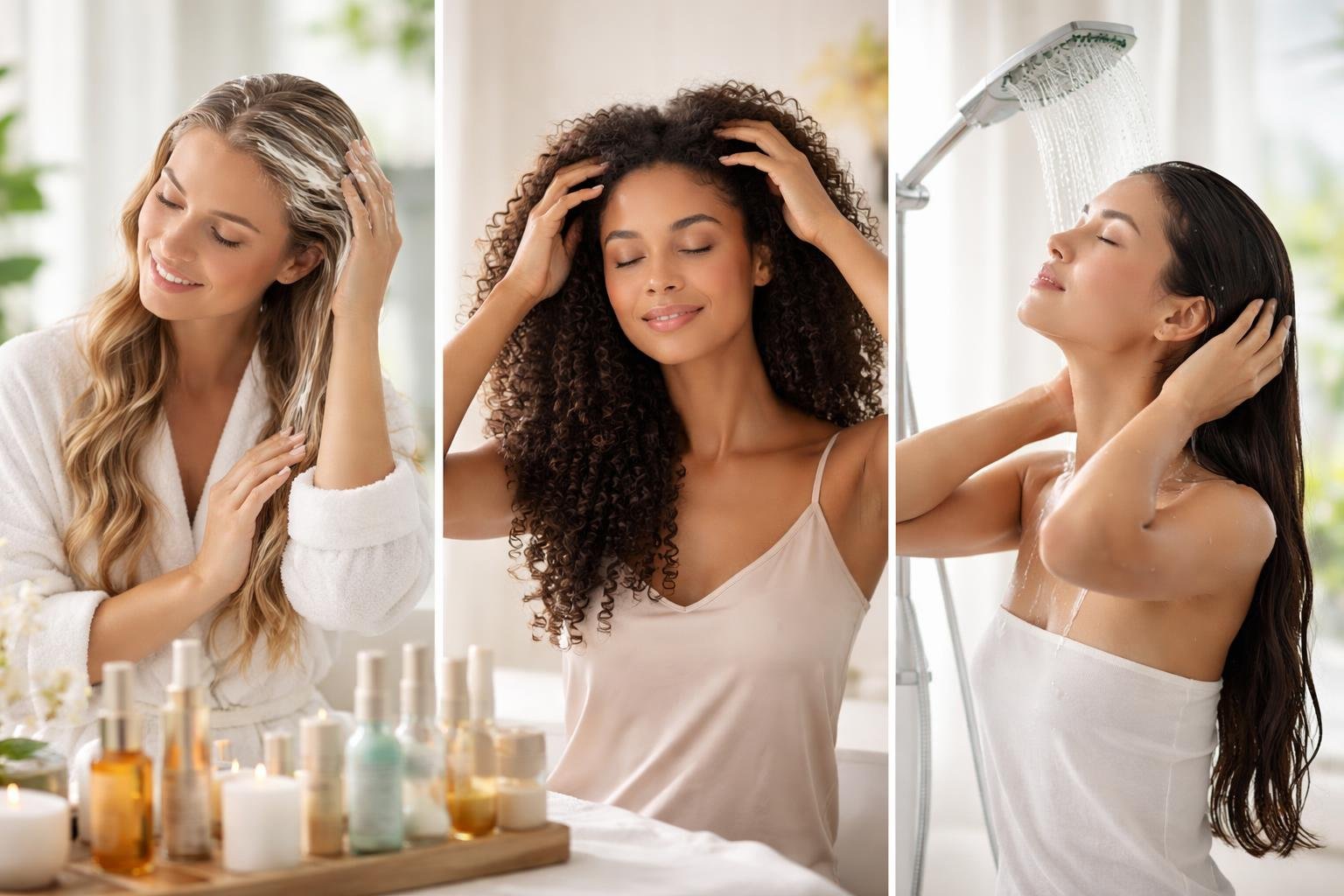
Damaged hair needs more than daily conditioner to bounce back to health. Protein-rich treatments rebuild broken bonds while moisture-based formulas restore hydration and shine.
Deep Conditioning and Hair Masks
Deep conditioning works by delivering concentrated nutrients into the hair shaft for several minutes or longer. Unlike regular conditioner that stays on for 30 seconds, these treatments penetrate deeper to repair damage from heat styling, chemical treatments, and environmental stress.
Hair masks with protein[10] help rebuild the internal structure of weakened strands. Rice water protein, vitamin B5, and plant-based collagen strengthen hair from the inside out. For ultra-dry hair, masks containing castor oil, glycerin, and shea butter attract water molecules to seal in moisture.
Weekly application schedule:
- Apply to clean, damp hair
- Focus on mid-lengths to ends
- Leave on for 15-30 minutes
- Rinse with cool water to seal cuticles
Some overnight masks can keep hair hydrated for up to 72 hours[10] using lightweight ingredients like hyaluronic acid and coconut water. These formulas work while sleeping without making hair look flat or greasy.
Hot Oil Treatments for Hydration
Hot oil treatments coat each strand with protective moisture that penetrates the hair cuticle. Warming oils like coconut, argan, or passionfruit oil helps them absorb better into dry, brittle hair.
The treatment involves heating oil to a comfortable temperature and applying it from roots to ends. Covering hair with a warm towel or shower cap for 20-30 minutes allows maximum absorption. This process fights scalp buildup and balances sebum production while reducing frizz.
Best oils for different needs:
- Coconut oil: Deep moisture for very dry hair
- Argan oil: Lightweight shine for fine hair
- Castor oil: Promotes growth and thickness
- Avocado oil: Repairs damage and smooths flyaways
Hot oil treatments work especially well before shampooing. The oil protects hair during washing and rinses out cleanly without leaving heavy residue.
Styling Without Compromise
Heat styling tools can create beautiful looks when used correctly with the right protection. The key is choosing appropriate temperatures and always creating a barrier between hot tools and hair strands.
Minimizing Heat Damage
Temperature control makes the biggest difference in preventing harm to hair. Fine or damaged hair needs temperatures between 250-300°F, while medium textures work well at 300-350°F. Thick or coarse hair can handle up to 400°F, but only when necessary.
Working with smaller sections allows heat to distribute evenly[11], which means less need to go over the same area multiple times. One slow, controlled pass works better than three quick ones.
Hair should be at least 60-70% dry before using a blow dryer. Towel-drying with a microfiber cloth removes excess water without roughing up the hair’s outer layer. This simple step cuts down the time hair needs to be exposed to heat.
Quality tools with ceramic or tourmaline plates distribute heat more evenly than cheap alternatives. Adjustable temperature settings are essential since different hair types and styles need different levels of heat.
Using Heat Protectant Sprays
Heat protectant spray creates a protective barrier that slows moisture loss and reduces direct contact between hot tools and hair. Professional stylists view this product as non-negotiable for anyone who uses heated styling tools.
The spray should be applied evenly from roots to ends on damp hair before any heat styling begins. This ensures complete coverage across all strands. Many formulas contain silicones that lock in shine and proteins that strengthen hair structure.
Spray formulas work best for blow-drying because they coat hair evenly without weighing it down. Lightweight serums or creams can also provide protection when using flat irons or curling wands. The product only works when applied before heat exposure[12], not after.
This single step significantly reduces long-term damage while allowing people to achieve their desired styles.
Boosting Scalp and Hair Health
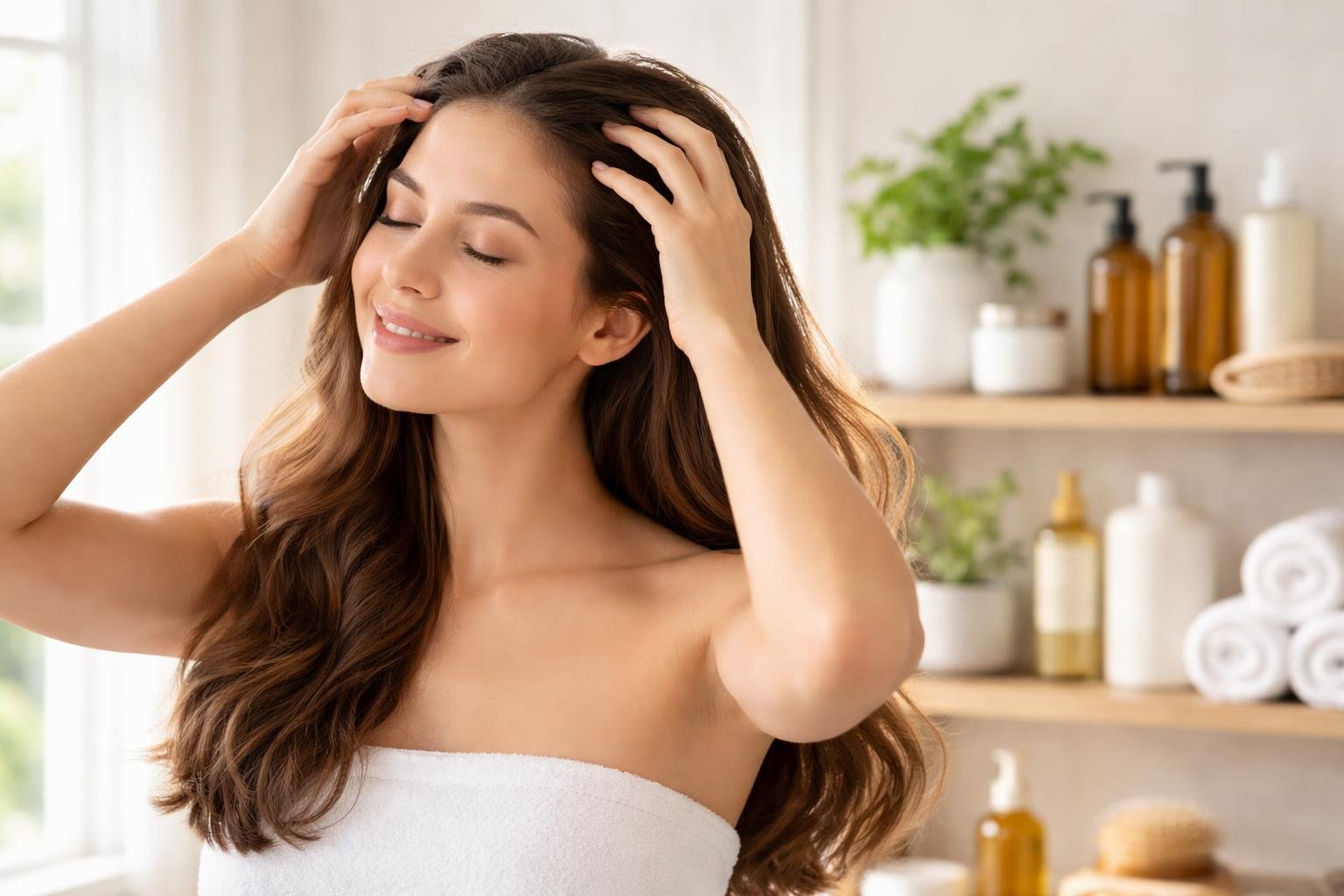
A healthy scalp creates the foundation for strong, vibrant hair through proper massage techniques and targeted care practices. Regular attention to scalp wellness can improve circulation, reduce dryness, and support better hair growth.
Scalp Massage Techniques
Scalp massage increases blood flow to hair follicles and helps distribute natural oils throughout the hair. Using fingertips rather than nails, a person should apply gentle pressure in small circular motions across the entire scalp for 5-10 minutes.
The technique works best when starting at the hairline and moving toward the crown. Applying slight pressure while moving the scalp (not just the hair) stimulates circulation effectively. Massage techniques can nourish the scalp[13] for stronger hair when done consistently.
Benefits of regular scalp massage include:
- Reduced tension and stress
- Better product absorption
- Improved hair thickness over time
- Enhanced relaxation
Adding a few drops of oil like jojoba or coconut can make the massage more effective. The practice takes just minutes but delivers results when performed three to four times weekly.
Scalp Care for Growth and Wellness
Maintaining scalp health[14] requires balancing cleanliness with moisture retention. A healthy scalp appears pink, smooth, and free from flakes or excess oil buildup.
Washing hair too frequently strips natural oils, while infrequent washing allows buildup that clogs follicles. Most people benefit from washing every 2-3 days with a gentle shampoo. The water temperature matters—hot water dries out the scalp while lukewarm water cleanses without damage.
Following tips from dermatologists[5] helps prevent common scalp issues. Avoiding harsh chemicals, limiting heat styling, and eating a balanced diet rich in vitamins support scalp wellness. Antioxidants from fruits and vegetables protect scalp cells from damage.
Signs of an unhealthy scalp include persistent itching, redness, excessive flaking, or thinning hair. Addressing these issues early prevents more serious problems from developing.
Addressing Specific Hair Goals
Different hair concerns require targeted approaches. Understanding your specific needs helps you choose the right treatments and products for better results.
Preventing and Managing Hair Loss
Hair loss affects millions of people and can stem from various causes including genetics, hormonal changes, stress, and nutritional deficiencies. A board-certified dermatologist can diagnose the specific type of hair loss and recommend appropriate treatments.
For hereditary hair loss called androgenetic alopecia, topical treatments like Rogaine can help slow progression. Treatment options also include[4] vitamin supplementation with products like Viviscal or Nutrafol, oral medications such as spironolactone or finasteride, and procedures like platelet-rich plasma injections.
Stress-related hair loss, known as telogen effluvium, often occurs after major life events. The good news is that hair growth typically returns to normal once stress levels decrease. Daily washing does not cause increased hair loss, despite common myths.
A nutrient-dense diet supports hair follicle health. Key nutrients include iron, vitamin D, B vitamins, vitamin C, copper, and omega-3 fatty acids. Leafy vegetables, eggs, nuts, avocado, and citrus fruits all contribute to stronger hair.
Product Recommendations by Hair Type
Fine Hair:
- Use deep conditioning masks once a week or less to avoid weighing down strands
- Apply conditioner from mid-length downward, not at roots
- Choose lightweight, volumizing formulas
- Avoid heavy oils and silicone-based products
Dry or Chemically Treated Hair:
Sensitive Scalps:
- Choose sulfate-free shampoos that clean without stripping natural oils
- Avoid formaldehyde, phthalates, and harsh chemicals
- Look for gentle, moisturizing formulas
People with oily scalps may need more frequent washing, while those with dry hair should reduce wash frequency to preserve natural oils.
Enhancing Curls with Specialized Products
Curly hair requires specific care to maintain definition and prevent frizz. The right curl cream provides hold while keeping curls soft and touchable.
Moisture is essential for healthy curls. Deep conditioning treatments should focus on hydration using ingredients like coconut oil, jojoba oil, glycerin, and squalene. These ingredients lock moisture into the hair shaft and coat the cuticle for smoother strands.
Heat styling damages curly hair more than straight hair types. Air drying or using heatless styling methods preserves curl patterns and prevents breakage. When heat is necessary, always apply a heat protectant and use low to medium temperatures.
Curl-Friendly Practices:
- Sleep on silk or satin pillowcases to reduce friction
- Avoid tight hairstyles that cause breakage
- Use wide-tooth combs instead of brushes
- Apply leave-in conditioner with heat protection
Protein treatments every other week strengthen curly hair, while deep moisturizing treatments on alternate weeks maintain hydration balance. This rotation prevents protein overload while keeping curls bouncy and defined.
Frequently Asked Questions
Damaged hair can be restored through natural treatments, protective styling, and targeted products. Recovery time depends on the severity of damage and consistent care routines.
How can I repair damaged hair fast at home?
Deep conditioning treatments provide quick improvement for damaged hair. A person can massage warm olive oil onto the scalp[15] and leave it in for 45 minutes before washing. Olive oil penetrates the hair shaft and protects it from within while providing antioxidant benefits.
Another fast option involves mixing one tablespoon of apple cider vinegar, two tablespoons of olive oil, and three egg whites. This mask should stay on the hair for 30 minutes under a shower cap before shampooing.
Yogurt works well for dull, damaged hair. Apply half a cup to damp hair and leave it on for 20 minutes before washing.
What are the best natural methods to repair damaged hair overnight?
Overnight oil treatments provide deep nourishment while sleeping. Castor oil massaged into the scalp and through the hair helps moisturize and reduce hair fall when left on for several hours.
A person should rub a small amount of hair oil on the ends[15] before bed for extra moisture. Argan oil, olive oil, or almond oil work best for this purpose.
Wrapping hair in a silk scarf or sleeping on a silk pillowcase prevents friction damage during the night. Cotton pillowcases create frizz and breakage through their abrasive texture.
How can I stop hair breakage naturally at home?
Proper brushing technique prevents unnecessary breakage. A person should detangle hair from the ends upward rather than from roots to tips. Using a wide-toothed comb or boar bristle brush reduces stress on hair strands.
Hair should never be tied too tightly. Loose braids, buns, and ponytails with soft hair elastics protect hair follicles and prevent shedding.
Avoiding heat styling tools stops breakage at its source. If heat must be used, it should only happen once or twice per week with a heat protectant applied first.
Can damaged hair be repaired without cutting it?
Damaged hair can improve without cutting through consistent care and natural treatments. Split ends cannot reconnect once they form, but a henna treatment helps seal and repair them temporarily.
Mix henna powder with avocado oil, an egg, and water to form a thick paste. Leave this mixture on hair for two hours before rinsing with lukewarm water.
Regular deep conditioning restores moisture to dry, damaged strands. This process should happen at least once per week to cleanse the scalp completely and rebuild hair strength.
Does damaged hair grow back healthy, and how long does it take?
New hair growth emerges healthy from the scalp regardless of existing damage. The damaged portions remain until they grow out or get cut off. Hair grows approximately half an inch per month on average.
Complete recovery depends on the length of damaged hair and the severity of the damage. A person with shoulder-length hair showing six inches of damage needs about 12 months to grow it out completely.
Proper nutrition supports healthy hair growth from the roots. Eggs provide protein that serves as a major source of hair nutrition and promotes growth.
Which hair products are most effective for transforming dry, damaged hair?
Leave-in conditioners protect damp hair and should be applied after washing before air drying. These products seal moisture into the hair shaft and prevent further dehydration.
Heat protectants create a barrier between hair and styling tools. They must be applied before any straightening or curling to prevent heat damage.
Hair sunscreen shields strands from ultraviolet rays when spending time outdoors. Regular use prevents sun damage that leads to dryness and brittleness.
Diluted shampoo cleans hair without stripping natural oils. Mix one to two pumps of shampoo in half a mug of water before applying to avoid product buildup and excessive dryness.
Post Views: 2
References
- 9 Tips to Help You Fall in Love With Your Hair Again – ToDye. https://www.todye.com/blog/9-tips-to-help-you-fall-in-love-with-your-hair-again/ Accessed April 12, 2026
- How to Embrace Your Natural Hair Texture: A Guide to Celebrating Your Unique Locks. https://www.dermablogger.com/how-to-embrace-your-natural-hair-texture-a-guide-to-celebrating-your-unique-locks Accessed April 12, 2026
- Discover The Joy Of Texture: How To Embrace Natural Hair And Celebrate Your Unique Beauty. https://beautycarehandbook.com/how-to-embrace-natural-hair/ Accessed April 12, 2026
- Choosing shampoo and conditioner that match your hair type. https://www.byrdie.com/tips-for-healthy-hair-4690766 Accessed April 12, 2026
- Tips for healthy hair. https://www.aad.org/public/everyday-care/hair-scalp-care/hair/healthy-hair-tips Accessed April 12, 2026
- Daily Hair Care Routines: Establishing Consistency for Healthy Hair
– GK Hair USA. https://www.gkhair.com/blogs/all-blog-posts/daily-hair-care-routines-establishing-consistency-for-healthy-hair Accessed April 12, 2026 - Organic pages. https://smytten.com/blogs/haircare/how-to-choose-the-right-hair-products Accessed April 12, 2026
- Choosing Hair Products That Match Your Hair Care Goals
– Kpure. https://thekpure.com/blogs/news/how-to-choose-the-best-hair-products-for-your-needs Accessed April 12, 2026 - Healthy Hair Routine Guide: Tips & Recommendations. https://purcorganics.com/healthy-hair-routine-guide-tips-products/ Accessed April 12, 2026
- Hair masks with protein. https://www.oprahdaily.com/beauty/hair/g44336689/best-hair-repair-products/ Accessed April 12, 2026
- Heat Styling Tips That Won’t Damage Your Hair. https://glossstreet.com/heat-styling-tips-that-wont-damage-your-hair/ Accessed April 12, 2026
- Hair styling without damage. https://www.aad.org/dermatology-a-to-z/health-and-beauty/hair-care/stop-hair-damage/styling-without-damage Accessed April 12, 2026
- How to Improve Scalp Health Naturally: Tips for Stronger, Healthier Hair. https://theglossylocks.com/how-to-improve-scalp-health-naturally/ Accessed April 12, 2026
- How to Maintain Scalp Health for Stronger Hair (+ 10 Tips). https://hastehair.com/maintain-scalp-health/ Accessed April 12, 2026
- Hair Care Tips: 10 Simple Tricks For Healthier Hair. https://www.stylecraze.com/articles/best-hair-care-tips-and-tricks/ Accessed April 12, 2026
















