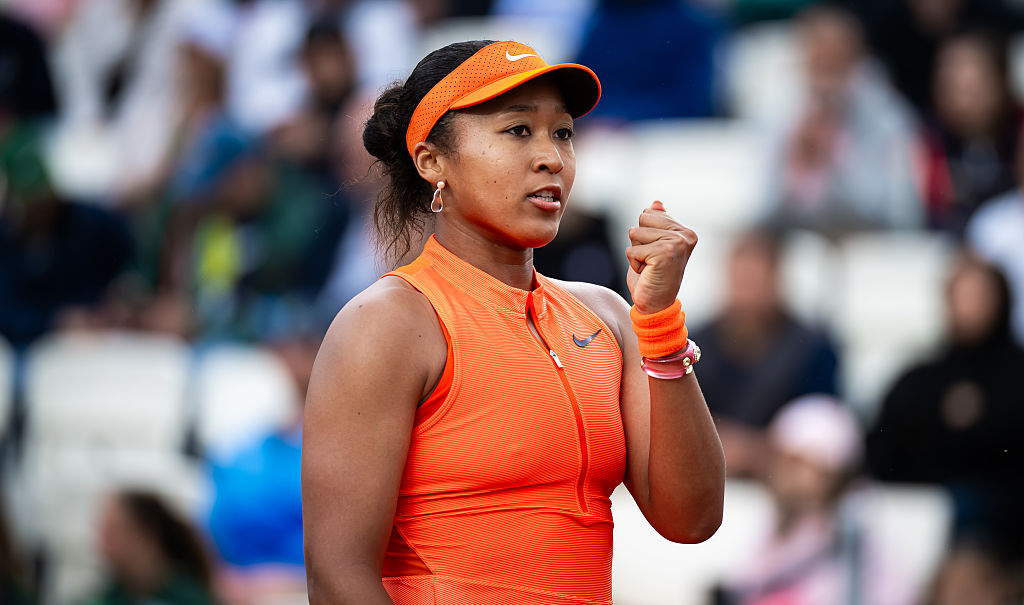
Motherhood has reshaped Naomi Osaka in ways she never expected. The four-time Grand Slam champion has spent most of her life performing under intense pressure, but raising her daughter, Shai, has introduced a different kind of emotional weight. It has pushed her to rethink how she moves through her days, how she asks for support, and how she defines success outside of tennis.
Table of Contents
Letting Go of Perfection
Osaka spoke about these shifts while discussing her partnership with OLLY during a recent interview with PEOPLE. She reflected on the pressure many mothers feel to manage everything at once and how overwhelming that can become. She shared that she is still learning how to release those expectations and give herself room to breathe.
“I feel like there’s always something that makes me feel like moms want to do everything,” she said. “And that is a really tough ask that we put on ourselves.”
Osaka, now 28, is raising her daughter while rebuilding her flow on the court and managing a demanding public life. She is clear that she is not chasing a perfect balance. Instead, she is learning to let each part of her life take up space when it needs to.
“And for me, I feel like everything has its place in my life. And honestly, I have a really amazing support system, so yeah, I would say they help me balance it really well,” she said.
That alignment took time. Osaka admitted that her first year back in tennis came with intense pressure. Much of it came from her own expectations. She wanted to excel in every role she held as an athlete, mother, and public figure.
The Power of Asking for Help
One of the biggest lessons Osaka has learned is the importance of asking for support. “I’m the type of person that has a lot of pride, and I don’t like inconveniencing people, so I tend to hold off until the last second. But I realized that most people want to help, and when you ask for help, it’s not an inconvenience,” she said. “It took a long time for me to realize that in my life.”
Her honesty lands at a time when many parents are often struggling. A national survey from The Ohio State University Wexner Medical Center found that 66 percent of parents say the demands of parenting feel isolating and lonely, and nearly two in five feel they have no one to support them in that role. That reality mirrors what so many mothers experience behind closed doors. Osaka’s openness reflects a growing shift in how women talk about motherhood. It is no longer about performing strength. It is about acknowledging the need for community.
Co-Parenting, Priorities, and Finding Joy
Osaka welcomed her daughter with rapper Cordae in July 2023. Although the two have since separated, she says co-parenting has been grounded in one shared priority. Their daughter comes first.
“She makes sure she’s the priority. That’s the type of personality she has,” she said. “She’s just the light of so many people’s lives.”
Osaka describes her daughter as curious, expressive, and already developing a strong sense of self. She brings an energy that people immediately gravitate toward. For Osaka, prioritizing her daughter doesn’t feel like a sacrifice.
Elevate Your Health for Just $29.99/Month
Join the Precision Wellness Subscription at My Healing 365 and get discounted services, priority coaching access, virtual care, and exclusive wellness resources to support your physical, emotional, and hormonal health.
Join for $29.99/MonthOsaka said she may be biased as a mom, but her daughter is “such an incredible joy,” and prioritizing her never feels difficult.
When Mothers Speak Openly
Osaka’s honesty lands in a moment when maternal mental health is finally being discussed out loud, yet so many women still move through those early months feeling unseen. By naming the pressure, the identity shifts, and the emotional labor that comes with new motherhood, she gives language to experiences many parents carry in silence.
Celebrity stories won’t fix the structural failures in postpartum care or mental-health access. What they can do is widen the doorway. They make truth feel permissible. They remind mothers that asking for support isn’t a shortcoming, and that strength has never meant doing everything alone.
Motherhood isn’t linear. It moves between joy and exhaustion, and the ongoing effort to adapt as things evolve. And for many women, healing starts when they realize they don’t have to hold every part of it by themselves, whether that support comes from a partner, a friend, a professional, or simply giving themselves permission to speak honestly about what they’re feeling.
Resources:
Naomi Osaka Opens Up About the ‘Really Tough’ Pressure of Motherhood (Exclusive)

























