
Medically Reviewed
Dr. Jose Rossello, MD, PhD, MHCM
Preventive Medicine & Public Health Specialist
Last Reviewed: May 28, 2026
Your body uses inflammation as a natural defense mechanism against injury and infection. When you cut your finger or catch a cold, your immune system triggers an acute inflammatory response to heal and protect you. This short-term inflammation is normal and helpful.

Chronic inflammation occurs when this immune response never shuts off, creating a persistent state that can damage healthy cells and tissues over time. Research shows that chronic inflammation is directly linked[1] to serious health conditions including heart disease, diabetes, cancer, and brain disorders. Unlike acute inflammation that resolves in days or weeks, chronic inflammation can last for months or years.
The body’s immune system can become overactive due to various factors like poor diet, lack of exercise, stress, and environmental triggers. Understanding how inflammation works and what drives it to become chronic helps people make informed choices about their health. Many common beliefs about inflammation are based on myths rather than facts[2], making it important to separate what science actually shows from popular assumptions.
Table of Contents
Key Takeaways
- Chronic inflammation differs from acute inflammation because it persists long-term and can damage healthy tissues instead of healing them
- Major chronic diseases like heart disease, diabetes, and cancer share inflammation as a common underlying factor in their development
- Lifestyle changes including diet, exercise, and stress management can reduce inflammatory responses based on scientific evidence
Understanding Inflammation: Acute vs. Chronic

The immune system triggers two distinct types of inflammatory responses that serve different purposes in the body. Acute inflammation acts as a protective mechanism that resolves quickly, while chronic inflammation persists over time and can contribute to various health problems.
The Body’s Immune Response
When the body detects an injury or infection, the immune system immediately activates its defense mechanisms. White blood cells rush to the affected area, releasing chemical messengers called cytokines that coordinate the inflammatory response.
Macrophages arrive at the site to consume harmful bacteria and damaged tissue. These specialized immune cells also release additional signaling molecules that attract more white blood cells to the area. The entire process creates the familiar signs of inflammation: redness, warmth, swelling, and pain.
This immune response protects tissues from further damage and prevents infections from spreading. The immune pathways involved in this process are highly regulated under normal circumstances. Once the threat is eliminated, anti-inflammatory signals tell the immune system to stop producing inflammatory molecules and begin the healing process.
What Triggers Acute Inflammatory Reactions
Acute inflammation occurs[3] in response to injuries like cuts, sprains, or burns. The body also launches this type of immune response when fighting viral infections such as colds or the flu.
Physical trauma to tissues triggers an immediate release of inflammatory molecules. A bacterial infection causes the immune system to attack invading microorganisms. Even a splinter or insect bite can activate acute inflammation as the body works to remove the foreign object.
These inflammatory reactions typically last only a few days or weeks. The inflammation subsides naturally once the injury heals or the infection clears. Short-term use of ice or over-the-counter medications can help manage symptoms if needed, though the body usually handles the process on its own.
How Chronic, Low-Grade Inflammation Develops
Chronic inflammation develops[4] when immune pathways remain activated for months or years. Several factors can trigger this persistent immune response: ongoing stress, lack of sleep, poor diet, or excess body fat.
Visceral fat cells that surround internal organs can trigger the immune system to attack them as threats. The immune system continues pumping out white blood cells and inflammatory cytokines indefinitely. This creates a state of systemic inflammation throughout the body.
Unlike acute inflammation, low-grade inflammation doesn’t produce obvious physical symptoms. The inflammation operates silently in the background, potentially affecting multiple organ systems. Research links this type of inflammation[3] to heart disease, diabetes, cancer, arthritis, and inflammatory bowel diseases.
Key Causes and Drivers of Persistent Inflammatory States
Multiple factors contribute to chronic inflammation, from daily food choices to environmental exposure. Poor diet quality, excess body weight, stress, inadequate sleep, and disrupted gut bacteria all trigger inflammatory responses that persist over time.
The Impact of Diet and Processed Foods
The western diet drives inflammation through several mechanisms. Processed foods contain high levels of refined carbs, added sugars, and unhealthy fats that activate inflammatory pathways in the body. These foods often include advanced glycation end products, which form during high-heat processing and directly trigger immune responses.
A high-sugar diet causes rapid blood glucose spikes that increase oxidative stress and inflammatory markers. Refined carbohydrates behave similarly, breaking down quickly into simple sugars. An inflammatory diet typically includes:
- Ultra-processed snacks and meals with artificial additives
- Refined grains like white bread and pastries
- Sugary beverages and sweets
- Trans fats found in fried and packaged foods
- Excessive red and processed meats
These foods lack the anti-inflammatory compounds found in whole foods like fruits, vegetables, and fish. The absence of fiber, antioxidants, and omega-3 fatty acids means the body has fewer tools to resolve inflammation naturally.
Role of Obesity and Lifestyle Factors
Obesity creates a state of chronic inflammation[5] through excess fat tissue, particularly around organs. Fat cells in people with obesity release inflammatory molecules including TNF-α and IL-6. This process worsens as fat tissue expands and becomes dysfunctional.
Physical activity directly counters inflammation by reducing inflammatory markers in the blood. Regular exercise helps control weight and improves how cells respond to insulin. People who remain sedentary miss these protective benefits.
Sleep deprivation elevates inflammatory chemicals throughout the body. Poor sleep quality disrupts the immune system’s normal rhythms and prevents proper tissue repair. Most adults need seven to nine hours of quality sleep each night.
Chronic stress keeps the body in a heightened inflammatory state. Stress hormones like cortisol, when elevated long-term, actually promote rather than suppress inflammation. This creates a cycle where stress fuels inflammation and inflammation affects mental health.
Environmental and Psychological Stressors
Air pollution contains fine particles that enter the lungs and bloodstream, triggering widespread inflammatory responses. These particles activate immune cells and increase production of inflammatory proteins. People living in areas with heavy traffic or industrial activity face higher exposure.
Environmental toxins from pesticides, heavy metals, and industrial chemicals accumulate in body tissues over time. These substances disrupt normal cellular function and activate inflammatory pathways. Common sources include:
- Cigarette smoke and secondhand smoke
- Household cleaning products
- Plastics containing BPA
- Contaminated water supplies
Psychological stress from work pressure, relationship problems, or financial worry maintains elevated inflammation levels. The mind-body connection means emotional distress translates into physical inflammatory responses that affect organs and tissues throughout the body.
Gut Microbiome and Imbalances
The microbiome contains trillions of bacteria that influence immune function and inflammation levels. A healthy gut has diverse bacterial species that produce anti-inflammatory compounds. When harmful bacteria outnumber beneficial ones, the gut barrier weakens.
This imbalance, called dysbiosis, allows bacterial fragments to leak into the bloodstream. The immune system detects these fragments as threats and mounts an inflammatory response. Factors disrupting the microbiome include antibiotics, poor diet, and chronic stress.
Processed foods feed harmful bacteria while starving beneficial species. Fiber-rich whole foods do the opposite, supporting bacteria that produce short-chain fatty acids with anti-inflammatory properties. The gut microbiome also affects how the body processes nutrients and regulates metabolism.
Major Diseases Linked to Chronic Inflammation
Research shows that chronic inflammation contributes to cardiovascular disease, diabetes, cancer, and autoimmune disorders[6]. These conditions share a common pattern where the body’s inflammatory response becomes overactive and damages healthy tissues over time.
Cardiovascular Disease and Heart Health
Chronic inflammation plays a central role in atherosclerosis[7], the buildup of plaque in arteries that leads to heart disease. When blood vessels experience ongoing inflammation, immune cells enter artery walls and contribute to plaque formation. This process increases the risk of both heart attack and stroke.
Higher levels of inflammatory markers in the blood predict future cardiovascular problems. People with elevated C-reactive protein often face greater risks of developing heart disease even when other risk factors appear normal.
The connection between inflammation and cardiovascular disease explains why some people develop heart problems despite having normal cholesterol levels. Inflammation damages the inner lining of blood vessels, making them more vulnerable to plaque accumulation and blockages.
Diabetes and Insulin Resistance
Inflammation triggers metabolic changes that interfere with insulin function[8], leading to insulin resistance. This condition forces the pancreas to produce more insulin to maintain normal blood sugar levels. Over time, this stress can result in type 2 diabetes.
Fat tissue, particularly around the abdomen, releases inflammatory chemicals that disrupt how cells respond to insulin. These inflammatory signals prevent glucose from entering cells properly, causing blood sugar to rise.
Type 1 diabetes also involves inflammation, though through a different mechanism. The immune system mistakenly attacks insulin-producing cells in the pancreas. Metabolic syndrome, a cluster of conditions including high blood pressure and abnormal cholesterol, shares this inflammatory foundation with diabetes.
Autoimmune and Inflammatory Disorders
Autoimmune diseases occur when chronic inflammation causes the immune system to attack the body’s own tissues. In rheumatoid arthritis, inflammation targets joint tissue, causing pain, swelling, and eventual joint damage. The inflammatory response becomes self-perpetuating, creating cycles of tissue damage and repair.
Multiple chronic inflammatory disorders affect different body systems[9]:
- Lupus attacks multiple organs including skin, kidneys, and joints
- Multiple sclerosis damages the protective coating around nerves
- Inflammatory bowel disease causes ongoing inflammation in the digestive tract
- Colitis specifically affects the colon lining
These conditions share similar inflammatory pathways despite affecting different organs. Hepatitis involves liver inflammation that can become chronic and lead to serious complications. Each disorder demonstrates how sustained inflammation destroys healthy tissue and impairs normal organ function.
Cancer and Tumor Progression
Chronic inflammation creates conditions that help cancer cells develop and spread. Inflammatory chemicals damage DNA and interfere with normal cell repair processes. This damage can cause cells to grow abnormally and resist normal death signals.
Long-term inflammation contributes to several cancer types[10], with particularly strong links to colorectal cancer. People with inflammatory bowel disease face higher cancer risks because ongoing inflammation in the colon creates an environment where abnormal cells thrive.
Inflammation also helps existing tumors grow by promoting blood vessel formation that feeds cancer cells. Inflammatory signals can suppress the immune system’s ability to recognize and destroy cancer cells, allowing tumors to progress undetected.
The Role of Inflammatory Biomarkers and Immune Signaling
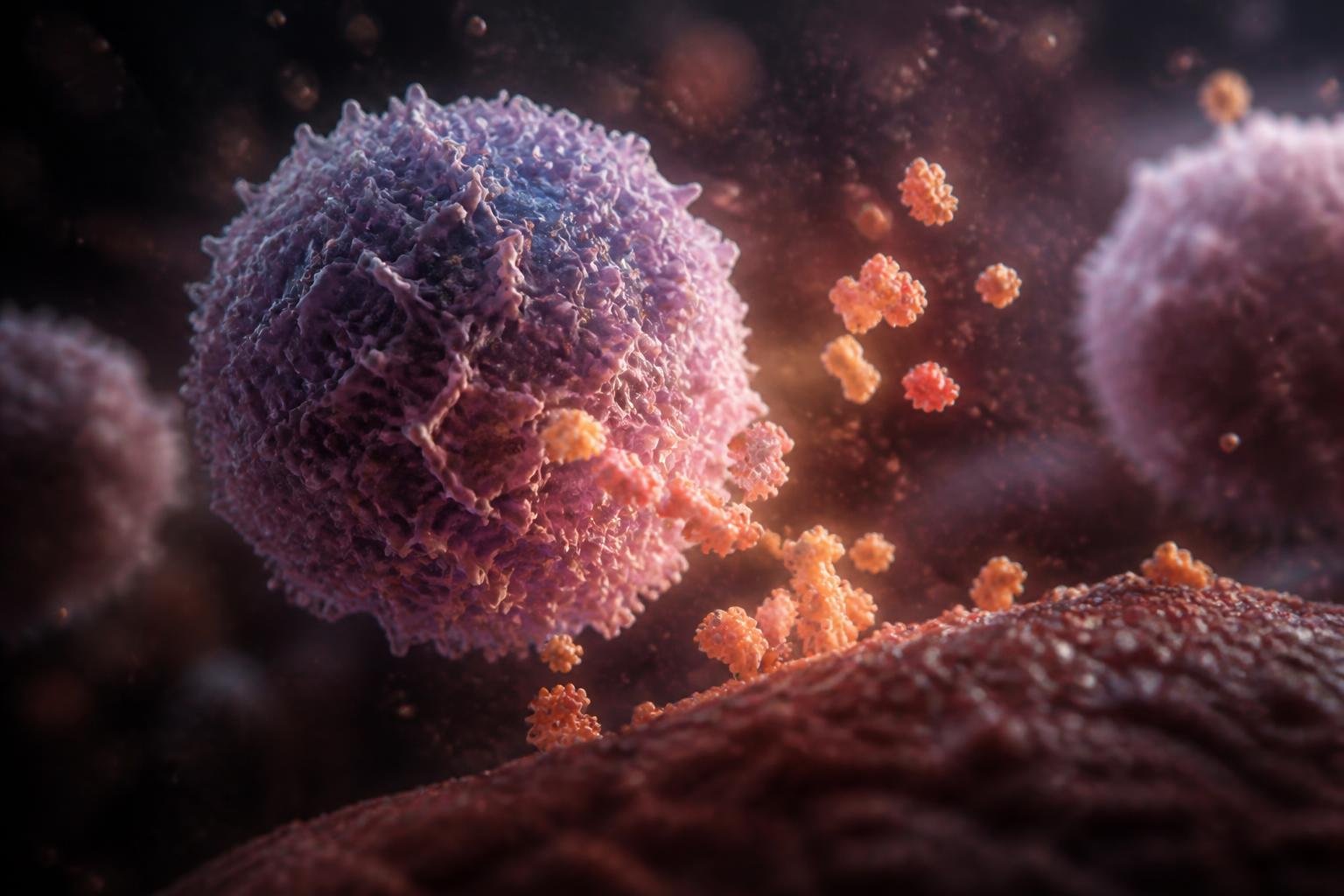
Inflammatory biomarkers serve as measurable indicators of inflammation in the body. These molecules help doctors track disease activity and guide treatment decisions for patients with chronic conditions.
C-Reactive Protein (CRP) and Inflammatory Markers
C-reactive protein stands as one of the most widely used inflammatory markers in clinical practice. The liver produces CRP in response to inflammation throughout the body. Doctors measure CRP levels through simple blood tests.
Normal CRP levels typically fall below 3 mg/L. Levels between 3-10 mg/L suggest moderate inflammation. Values above 10 mg/L indicate significant inflammatory activity.
Common inflammatory markers include:
- CRP (C-reactive protein)
- ESR (erythrocyte sedimentation rate)
- Neutrophil-to-lymphocyte ratio
- Platelet-to-lymphocyte ratio
Systemic immune-inflammatory biomarkers[7] have been linked to the risk and severity of various diseases. These markers help doctors distinguish between acute and chronic inflammatory states.
Key Cytokines: IL-6 and Others
Interleukin-6 (IL-6) functions as a central inflammatory cytokine in the immune response. It triggers the production of CRP and other acute-phase proteins. IL-6 plays roles in both protective and harmful inflammation.
Other important inflammatory cytokines include tumor necrosis factor (TNF), interleukin-1 (IL-1), and various interferons. These molecules coordinate inflammatory signaling networks[11] between different immune cells. They regulate cell activation, migration, and specialized immune functions.
Cytokines can promote inflammation or help resolve it. The balance between pro-inflammatory and anti-inflammatory signals determines disease outcomes.
Monitoring and Identifying Inflammatory Activity
Blood tests for inflammatory biomarkers[12] help track chronic disease progression. Doctors use these measurements to assess treatment effectiveness. Regular monitoring reveals patterns that single measurements might miss.
Immune biomarkers can predict disease risk[13] and guide treatment choices. Different cell types contribute unique inflammatory signatures. Recent research shows that specific immune cell populations drive inflammation in different diseases.
Patients with autoimmune conditions often show elevated markers during flares. Tracking these changes helps adjust medications before symptoms worsen. The goal involves achieving low inflammatory activity while minimizing treatment side effects.
Reducing Inflammation: Evidence-Based Lifestyle Strategies

Several proven methods can help reduce inflammation through daily choices. These include eating specific foods, staying active, managing stress levels, and supporting the body’s natural defense systems.
Dietary Approaches: What to Eat and Avoid
An anti-inflammatory diet focuses on whole foods rather than individual superfoods. Research shows that eating patterns like the Mediterranean diet[14] consistently reduce inflammation markers in the body.
Foods to include:
- Fruits and vegetables of all colors
- Whole grains like oats and brown rice
- Fatty fish rich in omega-3 fatty acids (salmon, sardines, mackerel)
- Nuts, seeds, and legumes
- Olive oil and avocados
Foods to limit or avoid:
- Sugary drinks and desserts
- Highly processed foods
- Refined carbohydrates
- Excessive red meat
- Trans fats and partially hydrogenated oils
The impact of individual foods[15] on body-wide inflammation is relatively small. The overall pattern matters more than any single ingredient. Replacing inflammatory foods with anti-inflammatory foods provides dual benefits by both reducing triggers and adding protective compounds.
Exercise, Sleep, and Daily Movement
Physical activity helps counter inflammation through regulation of the immune system[15]. Exercise affects white blood cells and chemical messengers called cytokines, which play key roles in inflammatory responses.
Regular movement does not require intense workouts. Moderate activities like walking, swimming, or cycling provide anti-inflammatory benefits. Consistency matters more than intensity for most people.
Sleep quality directly affects inflammation levels. Poor sleep increases inflammatory markers and weakens immune function. Adults need seven to nine hours of quality sleep each night to maintain healthy inflammatory responses.
Maintaining a healthy weight through physical activity and balanced eating prevents fat-related inflammation. Excess fat in cells stimulates body-wide inflammation and raises the risk of conditions that cause additional inflammation.
Stress Management and Avoidance of Toxins
Chronic stress triggers repeated releases of stress hormones that contribute to chronic inflammation[16]. The body cannot distinguish between physical threats and psychological stressors, so ongoing worry or anxiety keeps inflammatory pathways active.
Elevate Your Health for Just $29.99/Month
Join the Precision Wellness Subscription at My Healing 365 and get discounted services, priority coaching access, virtual care, and exclusive wellness resources to support your physical, emotional, and hormonal health.
Join for $29.99/MonthEffective stress management techniques include:
- Deep breathing exercises
- Mindfulness meditation
- Yoga or tai chi
- Regular relaxation practices
Environmental toxins create inflammatory responses in the body. Cigarette smoke stands out as a major inflammatory trigger. Toxins inhaled in cigarette smoke trigger inflammation[15] in airways, damage lung tissue, and increase disease risk.
Other environmental toxins to minimize include air pollution, harsh chemical cleaners, and pesticides. Using natural cleaning products and choosing organic produce when possible reduces toxic exposure.
Supporting Gut and Immune Health
The microbiome plays a central role in regulating inflammation throughout the body. Gut bacteria influence immune responses and produce compounds that either promote or reduce inflammation.
Probiotics from fermented foods support healthy gut bacteria. Yogurt, kefir, sauerkraut, kimchi, and kombucha provide beneficial microbes. Prebiotic fiber from vegetables, fruits, and whole grains feeds these helpful bacteria.
A diverse diet creates a diverse microbiome, which researchers link to better inflammatory control. Eating 30 different plant foods each week supports microbial diversity. This includes vegetables, fruits, nuts, seeds, herbs, and spices.
Avoiding unnecessary antibiotics protects the microbiome. While antibiotics save lives when needed, overuse disrupts beneficial bacteria and can trigger inflammatory responses. Taking probiotics during and after antibiotic treatment helps restore microbial balance.
Common Myths and Misconceptions About Inflammation

Many people misunderstand how inflammation works and what role it plays in health and disease. Inflammation is complicated and often misunderstood[2], leading to false beliefs about its causes, effects, and treatment options.
Is Inflammation Always Harmful?
Acute inflammation serves as the body’s natural defense system. When someone cuts their finger or catches a cold, inflammation helps fight infection and heal damaged tissue.
This type of inflammation is temporary and beneficial. Without it, minor injuries could become life-threatening infections.
Chronic inflammation operates differently. It persists at low levels over months or years. This ongoing inflammatory response can damage healthy tissue and contribute to disease development.
The key difference lies in duration and purpose. Acute inflammation protects and heals. Chronic inflammation causes harm when it continues beyond what the body needs.
Completely eliminating inflammation would be dangerous. The body needs inflammatory responses to survive everyday threats. A person without any inflammation cannot fight off bacteria, viruses, or recover from physical injuries.
Can Diet Alone Prevent Chronic Disease?
The connection between food and inflammation is more complex than social media suggests. While certain diets promote better health, it’s not clear their benefits are due to reducing inflammation[2].
Research shows that switching from a typical Western diet to patterns like the Mediterranean diet improves health. These improvements happen through multiple pathways, not just inflammation reduction.
No single food acts as an inflammation cure. Claims about specific foods like blueberries, kale, or garlic preventing disease oversimplify how nutrition affects the body. These foods offer nutrients and health benefits, but they don’t work as anti-inflammatory medication.
Diet plays one role among many factors in chronic disease development. Genetics, physical activity, sleep quality, stress levels, and environmental exposures all contribute to disease risk. An inflammatory lifestyle involves more than just food choices.
Symptom Awareness vs. Silent Inflammation
Some types of inflammation produce obvious symptoms. People with rheumatoid arthritis feel pain, notice swelling, and experience stiffness when their joints become inflamed. These clear signals tell them when inflammation increases.
Many chronic conditions involve inflammation that causes no specific symptoms[2]. The inflammation associated with obesity, diabetes, and cardiovascular disease often operates silently.
A person cannot feel this type of inflammation. They might have elevated inflammatory markers in their blood while feeling completely normal. This creates a false sense of security.
Silent inflammation requires medical testing to detect. Blood tests measuring C-reactive protein and other markers help doctors identify chronic inflammation. Regular health screenings become important for catching these hidden processes early.
Understanding Limits of Anti-Inflammatory Approaches
Anti-inflammatory treatments have clear benefits for specific conditions. Medications that reduce inflammation help manage arthritis, inflammatory bowel disease, and certain autoimmune disorders.
These treatments work best when inflammation directly causes symptoms and tissue damage. They become less useful when inflammation accompanies a disease without driving it.
Inflammation accompanies many chronic diseases, but it isn’t always clear that inflammation is the direct cause[2]. Sometimes inflammation results from disease rather than causing it. Treating the inflammation alone won’t fix the underlying problem.
Keeping chronic inflammation in check matters for long-term health. However, the goal is balance, not elimination. The body needs some inflammatory capacity to function properly.
Healthy lifestyle practices offer the most sustainable approach. These include regular physical activity, adequate sleep, stress management, and balanced nutrition. Together, these habits help maintain appropriate inflammatory responses without suppressing the immune system’s protective functions.
Frequently Asked Questions

Chronic inflammation develops from specific triggers and behaves differently than the body’s normal healing response. Understanding these patterns helps people identify risk factors and take steps to protect their long-term health.
What are the most common underlying causes of chronic inflammation in the body?
Ongoing infections like Lyme disease and hepatitis C[17] keep the immune system activated for months or years. The body cannot turn off its inflammatory response when these infections persist.
Autoimmune disorders cause the immune system to attack healthy tissue. This creates continuous inflammation as the body mistakes its own cells for threats.
Excess body weight, particularly visceral fat around organs, creates metabolic stress that triggers inflammatory responses. Environmental irritants like air pollution[17] also activate immune cells over time.
Lifestyle factors play a major role. Smoking, poor sleep quality, and chronic stress keep inflammation levels elevated in the body.
How can you tell the difference between acute inflammation and chronic inflammation?
Acute inflammation appears suddenly and lasts days to weeks[18]. It causes visible signs like redness, warmth, pain, and swelling at the injury site.
Chronic inflammation develops gradually and can last months, years, or a lifetime. It often produces no obvious symptoms that people can feel or see.
People with rheumatoid arthritis notice when their joints become inflamed because they experience increased pain and stiffness. But inflammation linked to obesity, diabetes, or heart disease typically causes no specific warning signs.
The timing matters too. Acute inflammation settles down once the body controls the injury or infection. Chronic inflammation continues even after the original trigger disappears or when no clear medical cause exists.
Which chronic diseases are most strongly linked to long-term inflammation?
Heart disease and atherosclerosis involve blood vessel inflammation[18] that contributes to plaque buildup. Stroke risk increases when this inflammation damages arteries over time.
Type 2 diabetes develops alongside inflammatory processes in the body. The inflammation interferes with how cells respond to insulin.
Cancer has connections to chronic inflammation in multiple ways. Persistent inflammation can damage DNA and create conditions that allow abnormal cells to grow[18].
Alzheimer’s disease and other forms of dementia show evidence of brain inflammation. Autoimmune conditions like rheumatoid arthritis are defined by their inflammatory nature.
What lifestyle factors most reliably reduce chronic inflammation over time?
Diet changes make a measurable difference. Switching from a typical Western diet to eating patterns like the Mediterranean diet improves health through multiple mechanisms, including reducing inflammation.
Regular physical activity helps lower inflammatory markers in the blood. Exercise also helps maintain a healthy weight, which reduces the metabolic stress that triggers inflammation.
Sleep quality affects immune function and inflammatory processes. Getting adequate, consistent sleep allows the body to regulate its inflammatory responses properly.
Stress management techniques help because chronic psychological stress keeps inflammatory pathways activated. Quitting smoking removes a major source of ongoing inflammatory damage to tissues.
What medical tests or biomarkers are used to identify chronic inflammation?
C-reactive protein (CRP) testing measures a substance the liver produces in response to inflammation. High-sensitivity CRP tests can detect lower levels of chronic inflammation.
Erythrocyte sedimentation rate (ESR) shows how quickly red blood cells settle in a test tube. Faster settling indicates inflammation in the body.
Complete blood counts reveal elevated white blood cells, which suggests immune system activation. Specific immune cell counts help doctors understand what type of inflammatory process is occurring.
Cytokine panels measure inflammatory signaling molecules in the blood. These tests show how actively immune cells are communicating and triggering inflammatory responses.
Can chronic inflammation be reversed, and what determines whether it becomes long-term?
Identifying and removing the specific trigger is the first step[17] toward reversing chronic inflammation. When doctors can eliminate the underlying cause, inflammation levels often decrease.
The type of trigger matters. Inflammation from lifestyle factors like poor diet or excess weight often improves when people make changes. Autoimmune conditions require ongoing management since the immune system continues attacking healthy tissue.
Treatment success depends on addressing root causes rather than just suppressing inflammation. A person with rheumatoid arthritis needs medication that targets the disease process, not just anti-inflammatory drugs that reduce symptoms.
Some cases become permanent when tissue damage occurs or when the immune system develops long-lasting changes. Early intervention gives people the best chance of preventing chronic inflammation from becoming a lifelong condition.
Post Views: 2
References
- Frontiers. https://www.frontiersin.org/journals/medicine/articles/10.3389/fmed.2024.1434533/full Accessed May 29, 2026
- Inflammation myths and misconceptions. https://www.health.harvard.edu/healthbeat/inflammation-myths-and-misconceptions Accessed May 29, 2026
- Understanding acute and chronic inflammation. https://www.health.harvard.edu/healthy-aging-and-longevity/understanding-acute-and-chronic-inflammation Accessed May 29, 2026
- Acute vs. chronic inflammation. https://www.uclahealth.org/news/article/acute-vs-chronic-inflammation Accessed May 29, 2026
- Obesity creates a state of chronic inflammation. https://www.verywellhealth.com/what-causes-inflammation-11777094 Accessed May 29, 2026
- Chronic inflammation in the etiology of disease across the life span. https://www.nature.com/articles/s41591-019-0675-0 Accessed May 29, 2026
- Inflammation and Chronic Disease. https://www.frontiersin.org/research-topics/58529/inflammation-and-chronic-disease/magazine Accessed May 29, 2026
- Link Between Inflammation and Chronic Diseases: Key Causes, Blood Markers, and Prevention Tips. https://health.medicaldialogues.in/health-topics/link-between-inflammation-and-chronic-diseases-key-causes-blood-markers-and-prevention-tips-dr-h-guru-prasad-143763 Accessed May 29, 2026
- An Overview of Inflammatory Diseases. https://link.springer.com/chapter/10.1007/978-981-96-2112-5_1 Accessed May 29, 2026
- All about inflammation. https://www.health.harvard.edu/healthy-aging-and-longevity/all-about-inflammation Accessed May 29, 2026
- ScienceDirect. https://www.sciencedirect.com/science/article/pii/S2543106425000146 Accessed May 29, 2026
- Just a moment…. https://www.tandfonline.com/doi/full/10.1080/14737159.2023.2215928 Accessed May 29, 2026
- Immune biomarkers can predict disease risk. https://www.technologynetworks.com/immunology/articles/immune-biomarkers-as-markers-of-health-and-disease-403286 Accessed May 29, 2026
- Attention Required!. https://www.hopkinsmedicine.org/health/wellness-and-prevention/anti-inflammatory-diet Accessed May 29, 2026
- An action plan to fight unhealthy inflammation. https://www.health.harvard.edu/blog/an-action-plan-to-fight-unhealthy-inflammation-202205052739 Accessed May 29, 2026
- Healthy habits for reducing chronic inflammation. https://www.mdanderson.org/cancerwise/how-to-reduce-inflammation-in-the-body.h00-159853767.html Accessed May 29, 2026
- What really causes chronic inflammation in the body?. https://www.eurekahealth.com/resources/what-causes-chronic-inflammation-en Accessed May 29, 2026
- Why all the buzz about inflammation – and just how bad is it?. https://www.health.harvard.edu/blog/why-all-the-buzz-about-inflammation-and-just-how-bad-is-it-202203162705 Accessed May 29, 2026

























