Medically Reviewed
Dr. Jose Rossello, MD, PhD, MHCM
Preventive Medicine & Public Health Specialist
Last Reviewed: June 22, 2026
Healthcare organizations face growing threats to patient safety, data security, and regulatory compliance every day. Health risk assessment tools help hospitals and medical facilities identify vulnerabilities, prioritize mitigation efforts, and prevent serious issues before they cause harm to patients or operations. These specialized platforms go beyond basic tracking to provide structured frameworks for analyzing clinical risks, cybersecurity threats, and operational weaknesses.
The right risk assessment tools in healthcare enable organizations to make data-driven decisions that protect patients and maintain trust. From monitoring hospital-acquired infections to preventing data breaches, these solutions address the unique challenges medical environments face. They help teams spot medication errors, identify supply chain gaps, and respond to emerging threats faster.
Understanding how to select and implement effective health risk assessment frameworks can transform an organization’s ability to deliver safe, high-quality care. This guide walks through the core concepts, essential platforms, and best practices that healthcare leaders need to build a strong risk management program.
Table of Contents
Key Takeaways
- Health risk assessment tools identify clinical, operational, and cybersecurity vulnerabilities before they escalate into serious patient safety or compliance issues
- Effective implementation requires integration with existing systems, staff training, and regular updates to address evolving regulatory requirements and emerging threats
- Organizations that use structured risk assessment frameworks reduce adverse events, strengthen data protection, and maintain compliance with HIPAA and other healthcare regulations
Core Concepts of Health Risk Assessment
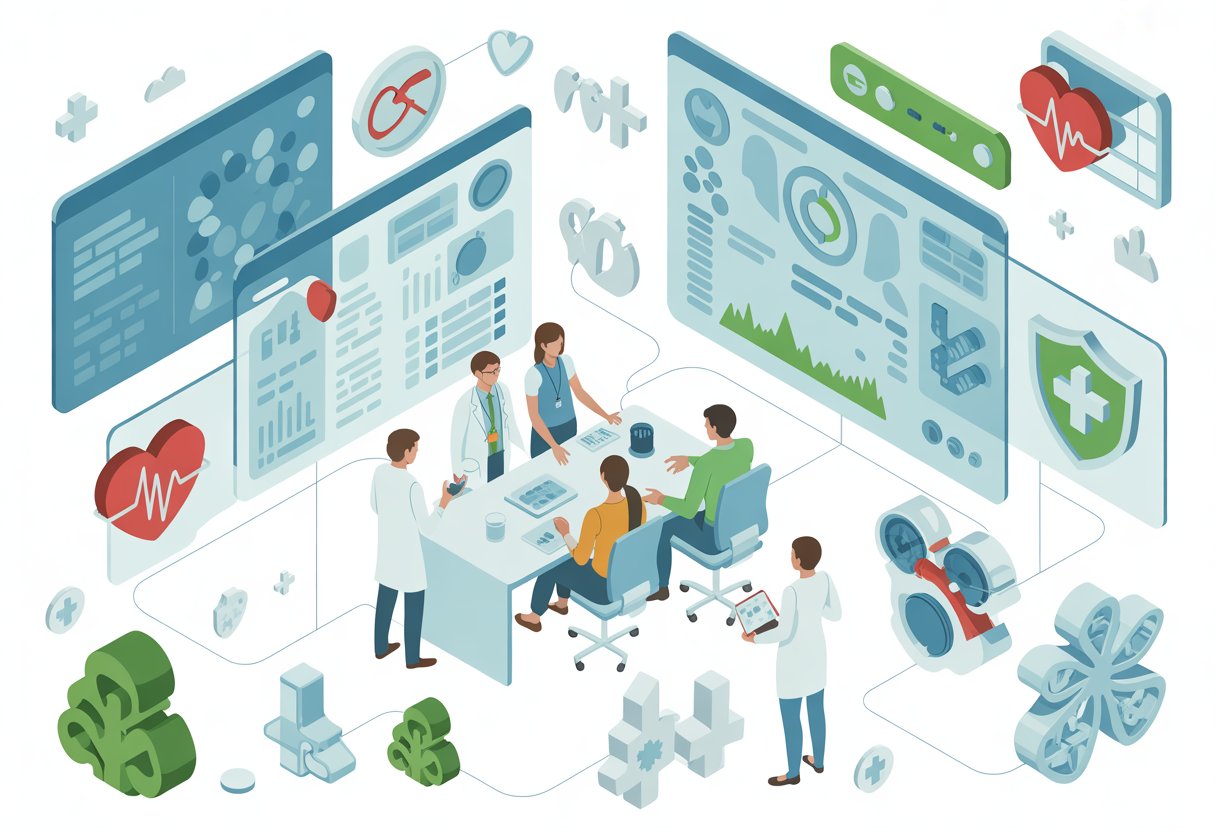
Health risk assessment in healthcare settings relies on structured principles that guide teams in identifying and managing potential dangers to patients. These core concepts involve systematic evaluation methods, collaborative team approaches, and a focus on protecting patients from preventable harm.
Principles of Risk Assessment in Healthcare
Risk assessment in healthcare follows a systematic process to identify, analyze, and evaluate potential hazards before they cause harm. The process begins with hazard identification, where teams examine all possible sources of risk, from medication errors to equipment failures.
Assessment teams then analyze the likelihood and severity of each identified risk. They assign risk levels based on how often an event might occur and how serious the consequences could be. High-probability, high-severity risks receive immediate attention and resources.
Healthcare organizations use standardized frameworks to ensure consistency across different departments and facilities. These frameworks help staff evaluate risks using the same criteria and terminology. Teams document their findings in risk registers that track identified hazards, their severity ratings, and planned mitigation strategies.
The final step involves determining residual risk, which is the danger that remains after control measures are in place. Organizations must decide whether residual risks are acceptable or if additional safeguards are needed.
The Role of Multidisciplinary Teams
Effective health risk assessment requires input from various healthcare professionals who bring different perspectives and expertise. A multidisciplinary team typically includes physicians, nurses, pharmacists, administrators, and quality improvement specialists.
Each team member contributes unique knowledge about specific risk areas. Nurses identify bedside safety concerns, while pharmacists spot medication-related hazards. Administrators understand system-level vulnerabilities that clinical staff might miss.
These teams meet regularly to review incidents, analyze trends, and develop prevention strategies. They use data from multiple sources, including patient reports, electronic health records, and safety event databases. The collaborative approach helps identify risks that might be invisible to individual departments working alone.
Team members share responsibility for implementing and monitoring risk reduction initiatives across the organization.
Importance for Patient Safety
Patient safety stands as the primary goal of healthcare risk assessment programs. Systematic risk evaluation prevents medical errors, reduces adverse events, and protects patients from unnecessary harm during treatment.
Organizations that conduct regular risk assessments experience fewer preventable injuries and deaths. They identify problems before they reach patients, allowing staff to fix system weaknesses proactively. This approach shifts the focus from reacting to incidents to preventing them entirely.
Risk assessment also builds a culture where staff feel comfortable reporting potential hazards without fear of punishment. When healthcare workers can speak up about safety concerns, organizations gain valuable information about hidden risks in daily operations.
The financial benefits are significant too. Preventing adverse events reduces malpractice claims, shortens hospital stays, and decreases the cost of treating complications from medical errors.
Key Health Risk Assessment Frameworks
Three major frameworks shape how healthcare organizations identify, prioritize, and manage risks: ISO 31000 provides enterprise-wide governance, NIST offers system-level rigor, and combining both creates a complete view of clinical, operational, and cybersecurity threats.
ISO 31000 in Healthcare
ISO 31000 takes an enterprise risk view that aligns cybersecurity decisions with patient safety, quality, and business priorities. The framework helps organizations set context, define risk criteria, assess and treat risks, and continually improve through structured governance.
Healthcare teams use ISO 31000 to establish risk appetite and enterprise-wide criteria that apply across departments. This approach ensures that risk assessment decisions consider multiple dimensions—confidentiality, integrity, availability, patient safety, legal requirements, and financial impact.
The framework integrates naturally with existing change management processes. Organizations can evaluate new medical devices, third-party connections, and clinical workflow changes against consistent risk criteria. Each assessment feeds into a centralized risk register where stakeholders track inherent risk, planned treatments, residual risk, and review dates.
ISO 31000 requires clear ownership and accountability. Risk owners must document treatment decisions, obtain executive approval for accepted risks, and schedule regular reviews to verify that controls remain effective.
NIST Risk Management Framework
The NIST Risk Management Framework provides a system-level lifecycle through seven steps: Prepare, Categorize, Select, Implement, Assess, Authorize, and Monitor. This structured approach works best for high-impact systems that handle mission-critical data or electronic protected health information.
Organizations apply NIST RMF when they need rigorous control selection and ongoing authorization. The Categorize step determines system impact levels based on the sensitivity of data and potential harm from breaches. Select maps specific controls to those risk levels, while Implement puts safeguards in place.
The Assess phase verifies control effectiveness through testing and healthcare risk assessment activities. Authorize requires leadership sign-off before systems go live, with documented acceptance of any residual risks. Monitor ensures continuous oversight through dashboards, audits, and integration with the organization’s risk register.
NIST RMF excels at managing complex environments spanning electronic health records, cloud services, and internet-of-medical-things devices.
Integration of Multiple Frameworks
Organizations achieve the strongest protection by using frameworks together rather than choosing just one. ISO 31000 defines governance and enterprise criteria, while NIST RMF handles system-level authorization for critical assets.
The integration follows a clear pattern: establish enterprise governance with ISO 31000, apply NIST RMF to high-impact systems, then map all results back to a unified risk register. This approach prevents duplicate work and creates a single source of truth for risk decisions.
Teams can map controls once and reuse evidence across multiple audits and assessments. The combined view helps executives understand technical exposure in business terms while giving technical staff clear requirements. Integration also strengthens change management by requiring risk reviews before deploying new systems or connecting third parties.
Healthcare organizations rely on specialized platforms to identify, track, and prioritize risks across their operations. These tools transform raw data into actionable insights that protect patient safety and maintain regulatory compliance.
Automated Risk Assessment Systems
Automated risk assessment systems scan healthcare environments continuously to detect vulnerabilities before they become serious problems. These platforms use algorithms to analyze patterns in clinical workflows, IT infrastructure, and operational processes.
The systems reduce manual workload by automatically collecting data from multiple sources. They flag potential issues like medication errors, cybersecurity threats, or compliance gaps in real time. Staff receive instant notifications when risk thresholds are exceeded.
Modern automated systems integrate with electronic health records and compliance platforms. This connection allows them to correlate patient data with safety incidents automatically. The integration eliminates duplicate data entry and improves accuracy across departments.
Centralized Risk Registers
A risk register serves as a single database where organizations document all identified risks, their severity levels, and mitigation strategies. Healthcare teams use this living risk register to track risks from discovery through resolution.
The register includes details like risk descriptions, likelihood ratings, potential impact, assigned owners, and current status. Teams update entries as circumstances change or new information emerges. This ongoing maintenance keeps the register relevant and useful.
Centralized registers improve communication between departments by providing one shared source of truth. Compliance officers, clinical staff, and IT teams can all access the same risk information. Leadership uses the register during audits and strategic planning sessions.
Heat Maps for Risk Prioritization
Heat maps provide visual representations of risk severity using color-coded grids. These graphics plot risks based on two factors: likelihood of occurrence and potential impact on operations or patient safety.
High-priority risks appear in red zones, indicating they need immediate attention and resources. Medium-level risks show in yellow or orange, while low-priority items appear in green. This visual system helps teams quickly identify where to focus mitigation efforts.
Healthcare organizations use heat maps during board meetings and departmental reviews. The graphics make complex risk data accessible to stakeholders who may not have technical expertise. Teams can compare risk levels across different periods to measure whether their mitigation strategies are working.
Failure Mode and Effect Analysis in Healthcare
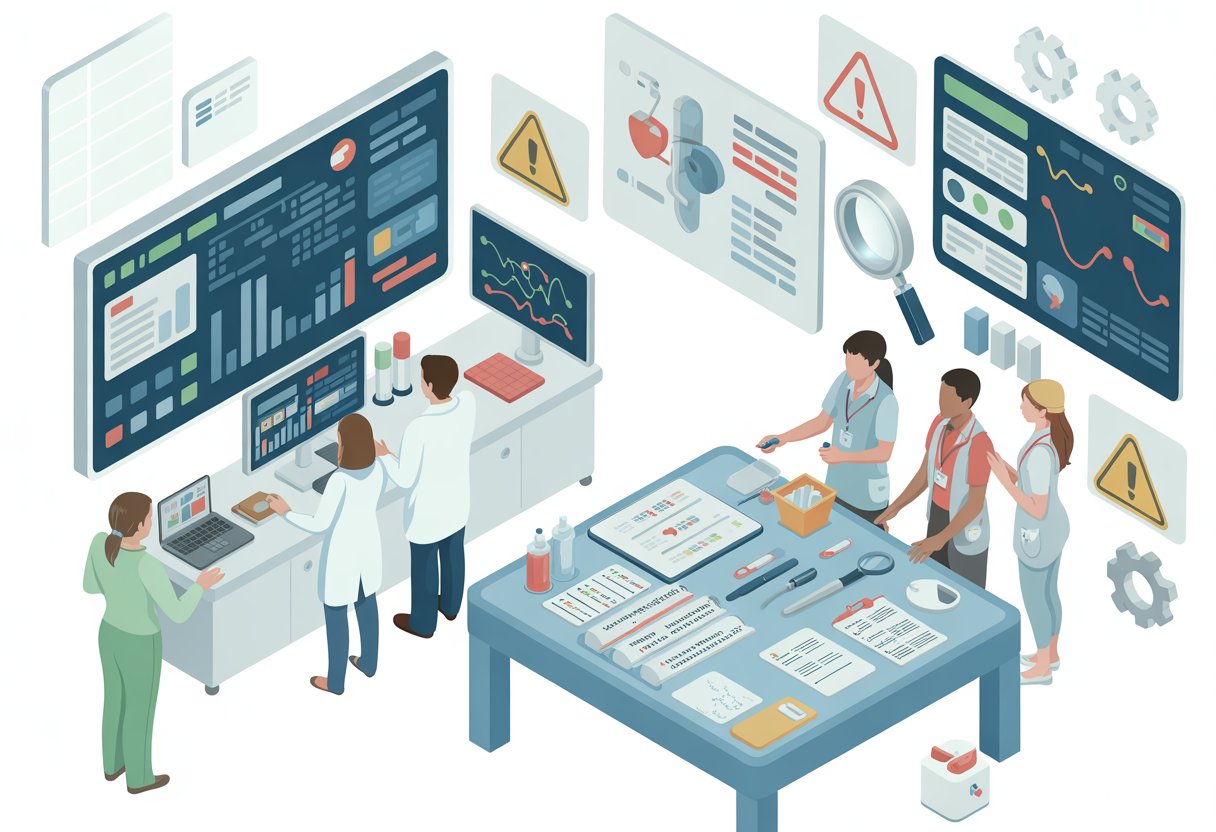
Healthcare organizations use specialized risk assessment methods to identify potential problems before they harm patients. Failure Mode and Effects Analysis (FMEA) and its healthcare-specific version, HFMEA, help medical teams find weak points in their processes and fix them proactively.
Overview of FMEA and HFMEA
FMEA is a systematic method for evaluating processes to identify where and how they might fail. Engineers originally developed this tool for high-risk industries like aviation and nuclear power. Healthcare adapted this approach to address the unique challenges of medical care.
Healthcare Failure Mode and Effect Analysis (HFMEA) streamlines the traditional FMEA process for medical settings. The VA National Center for Patient Safety designed HFMEA specifically for healthcare environments. It combines the detectability and criticality steps into a decision tree format.
HFMEA replaces the complex risk priority number calculation with a simpler hazard score. Healthcare teams read this score directly from a hazard matrix table. This simplification makes the tool easier for busy medical staff to use.
Application to Healthcare Processes
Medical teams apply HFMEA to complex, high-risk processes like medication administration and blood transfusions. The method identifies potential vulnerabilities before they result in adverse events. Healthcare organizations use it to examine any process where failure could harm patients.
Common applications include:
- Medication delivery systems – analyzing drug ordering, preparation, and administration
- Surgical procedures – reviewing pre-operative through post-operative care steps
- Laboratory processes – examining specimen collection and test result reporting
- Equipment use – evaluating medical device operation and maintenance
The proactive approach identifies potential failures and their causes before services are provided. Teams work through each step of a process to spot where things could go wrong.
Benefits and Limitations
HFMEA helps healthcare teams prevent problems rather than react to them. The structured approach ensures organizations examine processes thoroughly and systematically. It generates specific remedial actions to address identified risks.
Key benefits include improved patient safety, reduced adverse events, and better process understanding. Teams gain insights into how different parts of their systems interact.
The method does have limitations. It requires significant time and staff resources to complete properly. Teams need training to use the tool effectively. The process works best when organizations commit to implementing the recommended changes, not just identifying risks.
Incident Reporting and Root Cause Analysis
Healthcare organizations use incident reporting systems and root cause analysis to identify safety problems and prevent future harm to patients. These tools help teams understand why events happen and create better systems to protect people.
Incident Reporting Systems
Incident reporting systems[1] collect information about adverse events, near misses, and safety concerns in healthcare settings. Staff members submit reports when something goes wrong or almost goes wrong during patient care.
These systems work best when healthcare workers feel safe reporting problems without fear of punishment. Organizations need to make reporting easy and fast so staff will actually use the system. Reports should capture key details like what happened, when it occurred, who was involved, and what the outcome was.
The data from these systems helps leaders spot patterns and trends. For example, if multiple staff report medication errors in one unit, that signals a system problem that needs fixing. Leaders can use reporting data to create environments where nurses speak up about errors and help find solutions.
Conducting Root Cause Analysis
Root Cause Analysis (RCA) is a process used to learn how and why errors occurred in healthcare. Teams investigate serious events to find the underlying system problems that allowed them to happen.
The RCA process looks beyond individual mistakes to find deeper issues. A team gathers information, maps out what happened, and asks “why” multiple times to get to the root causes. They examine policies, equipment, communication, training, and other system factors.
The Institute for Healthcare Improvement created RCA2 (Root Cause Analyses and Actions) to emphasize that finding causes is not enough. Teams must also identify and implement actions to fix the problems. The Action Hierarchy tool helps teams choose the strongest solutions that will create lasting improvements.
Lessons Learned From Events
The real value of incident reporting and root cause analysis comes from applying what teams learn. After completing an investigation, organizations need to share findings and implement changes across all affected areas.
Strong actions include redesigning processes, adding safety checks, and improving equipment or technology. Weak actions like reminding staff to be more careful rarely prevent future events. Teams should focus on changes that make it hard for errors to happen again.
Healthcare facilities must track whether their improvements actually work. They monitor the same types of events over time to see if numbers go down. Organizations also share lessons with other departments and facilities so everyone can benefit from what was learned.
Implementing Risk Assessment in Clinical Settings
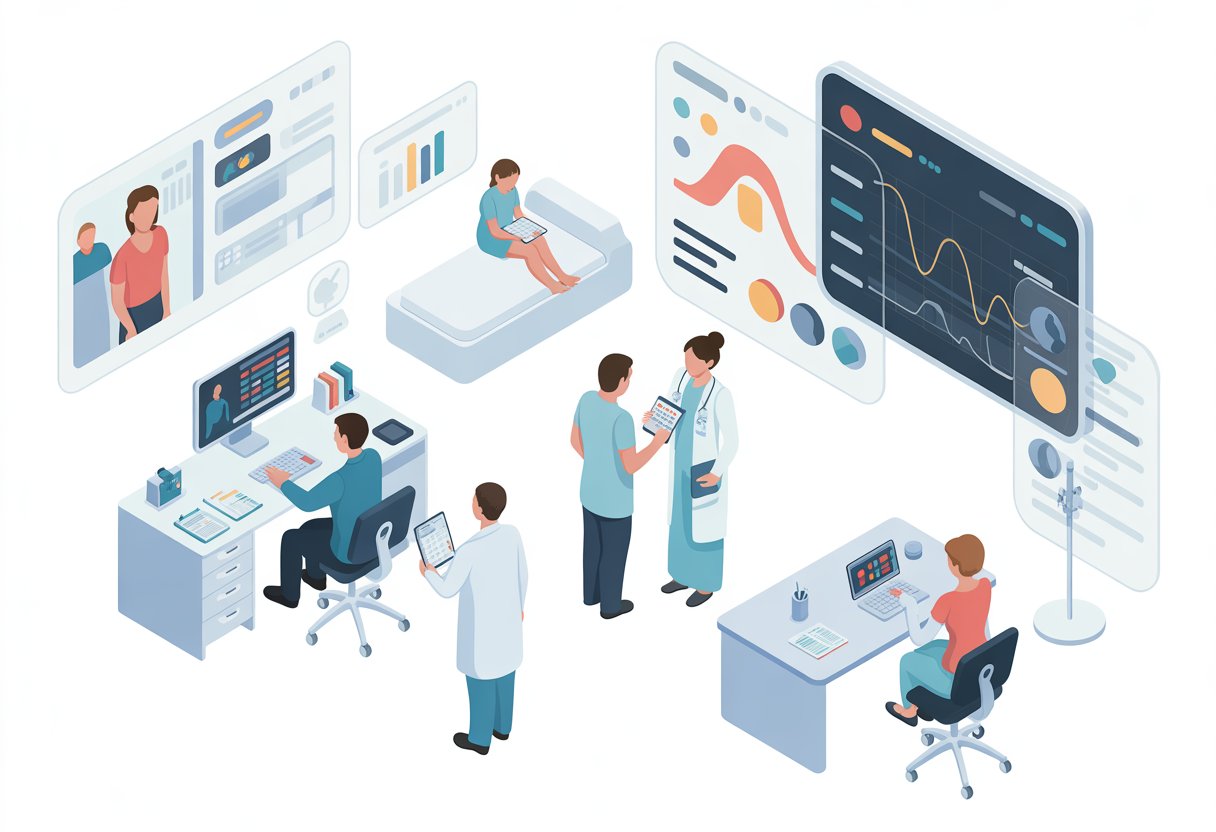
Clinical settings require systematic approaches to identify patient vulnerabilities and deliver appropriate care. Electronic health records serve as the foundation for data collection, while healthcare teams use this information to create targeted interventions for those who need them most.
Use of Electronic Health Records
Electronic health records streamline the risk assessment process by consolidating patient data into a single, accessible platform. These systems automatically track vital signs, lab results, medication histories, and previous diagnoses that help identify risk patterns.
Many EHR platforms include built-in risk scoring algorithms that flag patients based on specific criteria. For example, a patient with elevated blood pressure readings over multiple visits might trigger an alert for cardiovascular risk. These automated notifications save time and reduce the chance of missing critical warning signs.
Healthcare organizations can customize EHR templates to capture risk factors specific to their patient populations. A diabetes clinic might include fields for HbA1c trends and foot examination findings, while a cardiac unit focuses on ejection fraction and fluid status. This customization ensures that risk assessment tools capture relevant clinical data for each specialty.
Confidentiality protections within EHR systems ensure that sensitive risk data remains secure. Role-based access controls limit who can view certain information, while audit trails track every user who accesses patient records.
Role of Healthcare Professionals
Physicians, nurses, and allied health staff each contribute unique perspectives to the risk assessment process. Nurses often spend the most direct time with patients and can identify behavioral changes or physical symptoms that indicate elevated risk. Physicians interpret clinical data and order appropriate diagnostic tests or interventions.
Care coordinators play a key role in following up with high-risk patients after discharge. They schedule appointments, verify medication adherence, and connect patients with community resources. Pharmacists review medication lists to identify potential drug interactions or contraindications that could increase patient risk.
Regular team meetings allow healthcare professionals to discuss complex cases and share observations. A social worker might note housing instability that increases fall risk, while a physical therapist identifies mobility limitations. This collaborative approach creates a more complete picture of each patient’s risk profile.
Targeted Interventions for High-Risk Patients
Patients identified as high-risk receive intensified monitoring and preventive care. A patient at risk for readmission might get daily phone calls for the first week after discharge, while someone with poorly controlled diabetes receives more frequent endocrinology appointments.
Healthcare teams develop individualized care plans that address specific risk factors. These plans might include:
- More frequent monitoring through home health visits or remote monitoring devices
- Medication adjustments to optimize disease management
- Education sessions about warning signs and when to seek care
- Referrals to specialists for complex conditions
- Care coordination to ensure smooth transitions between settings
Some organizations create dedicated high-risk clinics where patients receive comprehensive assessments in a single visit. These clinics bring together multiple specialists and support services to address all aspects of a patient’s health simultaneously.
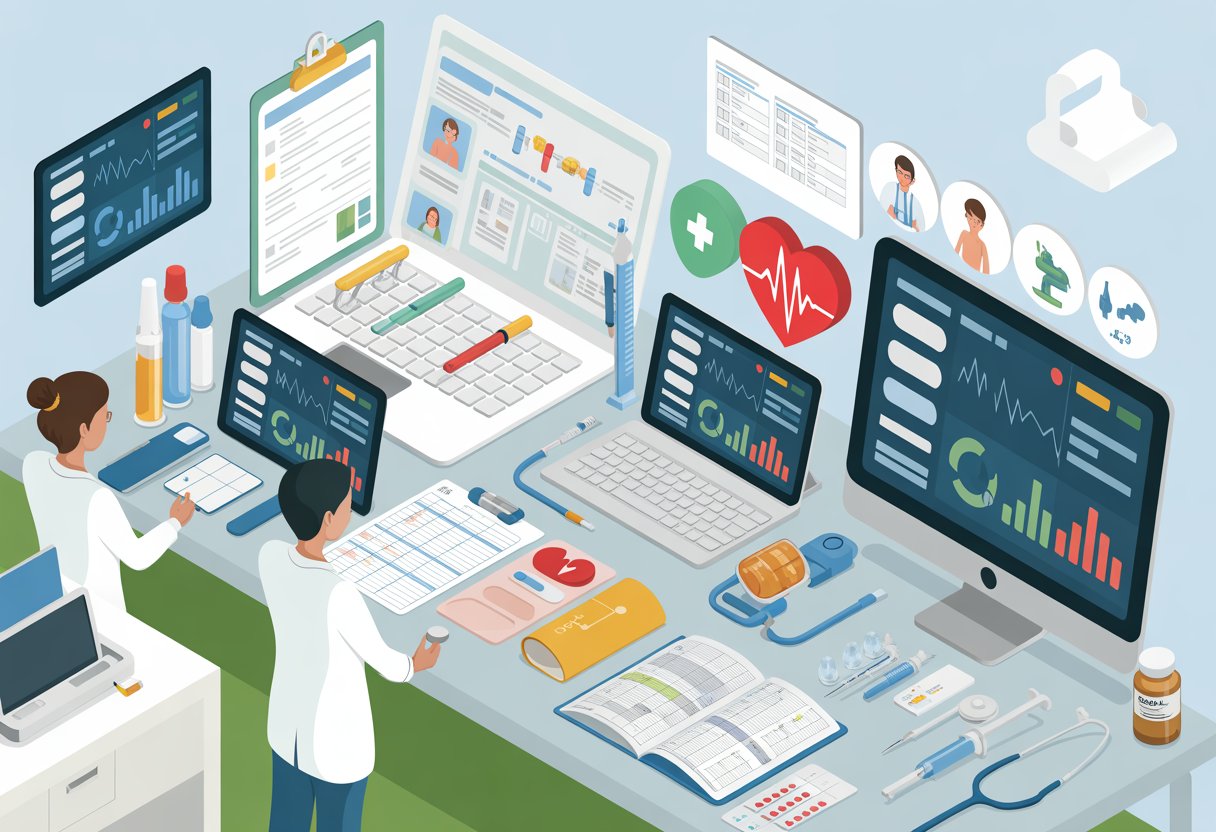
Healthcare organizations use different categories of risk assessment tools to evaluate patient safety, predict outcomes, and maintain compliance. These tools range from automated clinical systems to standardized assessment scales that help providers make informed decisions about patient care.
Clinical Decision Support Tools
Clinical decision support systems integrate patient data with medical knowledge to help healthcare providers make better treatment decisions. These tools analyze patient information in real time and provide alerts, reminders, and recommendations based on evidence-based guidelines.
Many hospitals use these systems to flag potential medication interactions or identify patients at high risk for falls or infections. The software pulls data from electronic health records and applies clinical algorithms to spot problems before they harm patients.
These tools work particularly well for identifying threats and enhancing patient safety across different care settings. They can predict complications like sepsis or readmission risk by analyzing multiple data points simultaneously. Providers receive actionable insights at the point of care, which helps them adjust treatment plans quickly.
HRA and Health Risk Appraisals
A health risk appraisal (HRA) collects information about a person’s lifestyle, medical history, and biometric data to estimate their risk for developing certain health conditions. These assessments typically include questions about smoking, exercise habits, diet, family history, and current health status.
Organizations use HRA tools to screen large populations and identify individuals who need preventive interventions. The assessment generates a personalized report showing areas of concern and recommendations for risk reduction.
Healthcare systems and employers often deploy these tools during wellness programs or annual health screenings. The data helps care teams prioritize outreach to high-risk individuals and allocate resources effectively. An HRA might reveal that a patient has elevated cardiovascular risk, prompting earlier intervention and monitoring.
Specialized Risk Scales
Healthcare facilities rely on specialized assessment tools designed for specific clinical scenarios[2]. These validated instruments measure particular risks like pressure ulcers, falls, nutritional deficiencies, or suicide risk.
Common examples include the Morse Fall Scale, Braden Scale for pressure injury risk, and various pain assessment tools. Each scale uses specific criteria and scoring systems developed through research and clinical testing.
Nurses and clinicians complete these assessments at admission and regular intervals throughout a patient’s stay. The scores trigger specific prevention protocols or care interventions. A high fall risk score might lead to bed alarms, frequent rounding, and mobility assistance. These standardized scales create consistency across care teams and ensure no patient falls through the cracks.
Managing Residual and Emerging Risks
Healthcare organizations face risks that persist even after controls are in place, while new threats constantly develop. Regular monitoring catches these evolving dangers before they cause harm, and updated documentation keeps response plans current.
Continuous Monitoring and Review
Healthcare facilities must assess security controls and organizational risks at a frequency that supports risk-based decisions to protect information. This ongoing monitoring approach prevents gaps in protection.
Organizations should schedule risk reviews monthly or quarterly depending on their size and complexity. Each review examines whether existing controls still work as intended and whether residual risk levels remain acceptable.
Identifying and evaluating residual risk helps organizations maintain a strong security posture and better protect their assets from threats. Teams track key risk indicators like incident frequency, control failures, and near-miss events. When indicators exceed acceptable thresholds, immediate action is required.
Change Management Strategies
Change management processes must address how operational shifts affect risk levels. New technologies, staff changes, or procedure updates can introduce unexpected vulnerabilities or alter existing risk profiles.
Healthcare teams should evaluate every significant change for potential risk impacts before implementation. This includes new medical devices, software updates, facility modifications, and policy revisions. A formal approval process ensures stakeholders review and accept any increase in residual risk.
Proactive emerging risk management requires organizations to anticipate threats and opportunities through horizon scanning and futures studies. Teams develop flexible response options that adapt as situations evolve. Communication plans help staff understand why changes occur and what their role is in managing new risks.
Updating the Living Risk Register
A living risk register documents all identified risks and changes as new information becomes available. Healthcare organizations update their registers whenever risks are discovered, controls are modified, or threat levels shift.
Each register entry includes the risk description, current controls, residual risk rating, and assigned owner. Updates happen after incident reviews, audit findings, or scheduled reassessments. Staff members responsible for specific risks submit changes when their area’s threat landscape evolves.
The register guides resource allocation by showing which risks need additional attention. Leaders review high-priority items during monthly meetings and adjust budgets or staffing accordingly. Digital risk management platforms automate notifications when updates occur, keeping all stakeholders informed.
Ensuring Data Privacy and Compliance
Healthcare organizations must protect patient information while meeting strict legal standards. This requires strong confidentiality measures, understanding of federal regulations, and systems that can withstand regulatory audits.
Maintaining Confidentiality
Patient confidentiality forms the foundation of trust in healthcare delivery. Electronic health records contain sensitive medical information that requires protection at every access point.
Healthcare providers must secure all devices that store or access patient data. This includes computers, tablets, mobile phones, and even copiers that store digital information. Security risk analysis must review all electronic devices that capture, store, or modify protected health information.
Staff training plays a critical role in maintaining confidentiality. Employees need clear policies about who can access patient records and under what circumstances. Access controls should limit data visibility based on job roles and responsibilities.
Encryption protects data both when stored and during transmission. Healthcare organizations should encrypt databases, backup systems, and communications between facilities. Password policies and multi-factor authentication add additional layers of security against unauthorized access.
Regulatory Requirements
HIPAA establishes the baseline requirements for protecting patient health information in the United States. All covered entities must conduct security risk analyses regardless of practice size.
The Agency for Healthcare Research and Quality provides resources to help healthcare organizations understand their compliance obligations. Providers cannot rely solely on their EHR vendor for compliance. Installing certified electronic health records does not automatically fulfill security requirements.
Risk analysis must be ongoing rather than a one-time activity. Organizations need to review and update their security protections regularly as systems change and new threats emerge. Healthcare providers participating in EHR incentive programs must conduct reviews during each reporting period.
Organizations operating internationally face additional complexity. In 2026, healthcare organizations must comply with 144 national privacy laws while managing patient data across borders.
Audit Readiness
Regulatory audits require documented evidence of compliance efforts. Organizations need systematic approaches rather than simple checklists to demonstrate they have conducted thorough security risk analyses.
Documentation should include:
- Risk assessment records showing identified vulnerabilities
- Remediation plans addressing security gaps
- Policy updates reflecting current practices
- Training logs proving staff education
- Incident reports documenting breaches and responses
Healthcare organizations need audit-ready approaches that support regulatory oversight without disrupting daily operations. This includes maintaining current inventories of all systems containing patient data and records of who accesses information.
Regular internal audits help identify compliance gaps before regulatory reviews. These assessments should test both technical safeguards and administrative procedures. Organizations that discover deficiencies during risk analysis must address them through their risk management process, though they do not need to eliminate all risks before attestation.
Impact of Risk Assessment on Costs and Outcomes
Systematic risk assessment delivers measurable financial benefits by preventing complications, reducing length of stay, and focusing resources on high-risk patients. Healthcare organizations that implement structured screening and targeted controls see lower complication rates and improved patient safety metrics.
Reducing Healthcare Costs
Risk assessment tools cut costs by preventing expensive adverse events before they occur. A single hospital-acquired pressure injury can add $10,000 to $40,000 in treatment costs, while a serious fall may extend a hospital stay by six to twelve days.
When staff use validated screening instruments to identify at-risk patients early, they can deploy preventive measures that cost far less than treating the resulting harm. Pressure-relieving mattresses and repositioning schedules prevent ulcers. Bed alarms and supervised toileting rounds stop falls.
Implementing infection risk templates and prevention bundles reduces device-associated infections that drive up antibiotic use and intensive care admissions. Organizations also avoid costs tied to litigation, regulatory penalties, and lost reimbursement when payers deny payment for preventable complications.
Measuring Success in Patient Safety
Healthcare organizations track both outcome and process measures to demonstrate that risk assessment improves patient safety. Key outcome indicators include fall rates per 1,000 patient days, pressure injury incidence, hospital-acquired infection rates, and medication error frequency.
Process measures show whether staff complete assessments on time and follow through with recommended interventions. Compliance with falls screening at admission, daily skin inspections for high-risk patients, and proper use of transfer equipment all predict better outcomes.
Dashboards display unit-level performance in real time so leaders can identify gaps and share successful practices across teams. Regular audits verify that documented risk scores match actual clinical practice and that interventions reach the right patients.
Value of Targeted Interventions
Targeted interventions deliver better outcomes than universal precautions because they match intensity to individual patient risk. A frail patient with multiple falls risk factors receives intensive interventions—frequent rounding, mobility aids, and environmental modifications—while a low-risk patient does not receive unnecessary restrictions.
This approach improves both safety and patient experience. High-risk patients get the protection they need without delay. Lower-risk patients avoid over-treatment that limits mobility, increases costs, and may cause iatrogenic harm.
Nutrition screening with validated tools identifies patients who benefit most from supplements and dietitian consultations, preventing malnutrition-related complications in vulnerable groups. Manual handling assessments guide safe patient transfers for those with limited mobility while maintaining independence for others.
Frequently Asked Questions
Health risk assessment tools raise common questions about their function, accuracy, and proper use. Understanding these key areas helps both individuals and organizations make informed decisions about implementing and interpreting risk assessments.
What are health risk assessment tools, and how do they work?
Health risk assessment tools are confidential questionnaires and data collection systems that evaluate a person’s health status, lifestyle habits, and potential risk factors. These tools combine structured questions about medical history and behavior with optional biometric screenings to create a complete picture of health risks.
The tools use a scoring model that translates responses into risk categories. Most assessments analyze factors like blood pressure, cholesterol levels, exercise habits, nutrition, sleep patterns, and stress levels to identify areas of concern.
After collecting data, the system generates personalized feedback and recommendations. The results show which health risks are present and suggest specific actions to reduce those risks.
Which types of health risk tools are most suitable for individuals versus organizations?
Individuals typically benefit from simple online assessments that focus on personal lifestyle factors and preventive care needs. These tools often include immediate feedback about nutrition, physical activity, and screening recommendations for conditions like heart disease or diabetes.
Organizations need more comprehensive platforms that can handle data from large groups of employees. Workplace health risk assessments collect information across entire populations to identify trends and design targeted wellness programs.
Corporate tools must integrate with existing HR systems and provide aggregate reporting while protecting individual privacy. They also need to track participation rates and measure program outcomes over time.
What data do health risk tools typically require, and how accurate are the results?
Most health risk assessments collect information about lifestyle habits including nutrition, exercise, sleep, and stress management. They also ask about preventive care such as screenings and immunizations.
Questions typically cover chronic conditions like high blood pressure, high cholesterol, and weight management. Mental well-being questions assess emotional resilience and burnout risk.
The accuracy of results depends on the honesty of responses and the quality of biometric data when included. Self-reported information can be less precise than clinical measurements, but patterns across multiple data points still provide valuable health insights.
How should risk scores and assessment outputs be interpreted for practical decision-making?
Risk scores typically place individuals into categories such as low, medium, or high risk for specific health conditions. These categories help prioritize which health areas need immediate attention versus long-term monitoring.
The outputs should be viewed as starting points for conversations with healthcare providers rather than definitive diagnoses. Assessment results identify potential concerns that warrant further medical evaluation or lifestyle changes.
Organizations should look at aggregate data to spot trends across their population. High rates of stress or inactivity in certain departments can guide targeted wellness initiatives and resource allocation.
What privacy, security, and compliance considerations apply when using health risk tools?
Health data requires strict confidentiality measures to protect personal information. Compliant platforms must align with data protection regulations and use encrypted storage with secure cloud infrastructure.
Employers should only receive anonymized, aggregate reporting that shows population trends without revealing individual results. Participants must give clear opt-in consent before completing assessments.
The platform should explain how data will be used and stored. Transparent communication about privacy protections builds trust and increases participation rates among employees.
How often should a health risk assessment be repeated, and what factors should trigger an update?
Most organizations administer health risk assessments annually or as part of a new wellness program cycle. This frequency allows time to implement changes and measure progress in risk reduction.
Individuals should retake assessments when major life changes occur. Events like starting a new medication, experiencing significant weight changes, or developing new health conditions warrant an updated evaluation.
Changes in lifestyle habits also trigger the need for reassessment. Starting a new exercise program, quitting smoking, or experiencing increased stress levels can shift risk profiles enough to benefit from fresh evaluation and updated recommendations.
Post Views: 5

Elevate Your Health for Just $29.99/Month
Join the Precision Wellness Subscription at My Healing 365 and get discounted services, priority coaching access, virtual care, and exclusive wellness resources to support your physical, emotional, and hormonal health.
Join for $29.99/MonthMedically Reviewed
Dr. Jose Rossello, MD, PhD, MHCM
Preventive Medicine & Public Health Specialist
Last Reviewed: June 22, 2026
Healthcare organizations face growing threats to patient safety, data security, and regulatory compliance every day. Health risk assessment tools help hospitals and medical facilities identify vulnerabilities, prioritize mitigation efforts, and prevent serious issues before they cause harm to patients or operations. These specialized platforms go beyond basic tracking to provide structured frameworks for analyzing clinical risks, cybersecurity threats, and operational weaknesses.
The right risk assessment tools in healthcare enable organizations to make data-driven decisions that protect patients and maintain trust. From monitoring hospital-acquired infections to preventing data breaches, these solutions address the unique challenges medical environments face. They help teams spot medication errors, identify supply chain gaps, and respond to emerging threats faster.
Understanding how to select and implement effective health risk assessment frameworks can transform an organization’s ability to deliver safe, high-quality care. This guide walks through the core concepts, essential platforms, and best practices that healthcare leaders need to build a strong risk management program.
Key Takeaways
- Health risk assessment tools identify clinical, operational, and cybersecurity vulnerabilities before they escalate into serious patient safety or compliance issues
- Effective implementation requires integration with existing systems, staff training, and regular updates to address evolving regulatory requirements and emerging threats
- Organizations that use structured risk assessment frameworks reduce adverse events, strengthen data protection, and maintain compliance with HIPAA and other healthcare regulations
Core Concepts of Health Risk Assessment
Health risk assessment in healthcare settings relies on structured principles that guide teams in identifying and managing potential dangers to patients. These core concepts involve systematic evaluation methods, collaborative team approaches, and a focus on protecting patients from preventable harm.
Principles of Risk Assessment in Healthcare
Risk assessment in healthcare follows a systematic process to identify, analyze, and evaluate potential hazards before they cause harm. The process begins with hazard identification, where teams examine all possible sources of risk, from medication errors to equipment failures.
Assessment teams then analyze the likelihood and severity of each identified risk. They assign risk levels based on how often an event might occur and how serious the consequences could be. High-probability, high-severity risks receive immediate attention and resources.
Healthcare organizations use standardized frameworks to ensure consistency across different departments and facilities. These frameworks help staff evaluate risks using the same criteria and terminology. Teams document their findings in risk registers that track identified hazards, their severity ratings, and planned mitigation strategies.
The final step involves determining residual risk, which is the danger that remains after control measures are in place. Organizations must decide whether residual risks are acceptable or if additional safeguards are needed.
The Role of Multidisciplinary Teams
Effective health risk assessment requires input from various healthcare professionals who bring different perspectives and expertise. A multidisciplinary team typically includes physicians, nurses, pharmacists, administrators, and quality improvement specialists.
Each team member contributes unique knowledge about specific risk areas. Nurses identify bedside safety concerns, while pharmacists spot medication-related hazards. Administrators understand system-level vulnerabilities that clinical staff might miss.
These teams meet regularly to review incidents, analyze trends, and develop prevention strategies. They use data from multiple sources, including patient reports, electronic health records, and safety event databases. The collaborative approach helps identify risks that might be invisible to individual departments working alone.
Team members share responsibility for implementing and monitoring risk reduction initiatives across the organization.
Importance for Patient Safety
Patient safety stands as the primary goal of healthcare risk assessment programs. Systematic risk evaluation prevents medical errors, reduces adverse events, and protects patients from unnecessary harm during treatment.
Organizations that conduct regular risk assessments experience fewer preventable injuries and deaths. They identify problems before they reach patients, allowing staff to fix system weaknesses proactively. This approach shifts the focus from reacting to incidents to preventing them entirely.
Risk assessment also builds a culture where staff feel comfortable reporting potential hazards without fear of punishment. When healthcare workers can speak up about safety concerns, organizations gain valuable information about hidden risks in daily operations.
The financial benefits are significant too. Preventing adverse events reduces malpractice claims, shortens hospital stays, and decreases the cost of treating complications from medical errors.
Key Health Risk Assessment Frameworks
Three major frameworks shape how healthcare organizations identify, prioritize, and manage risks: ISO 31000 provides enterprise-wide governance, NIST offers system-level rigor, and combining both creates a complete view of clinical, operational, and cybersecurity threats.
ISO 31000 in Healthcare
ISO 31000 takes an enterprise risk view that aligns cybersecurity decisions with patient safety, quality, and business priorities. The framework helps organizations set context, define risk criteria, assess and treat risks, and continually improve through structured governance.
Healthcare teams use ISO 31000 to establish risk appetite and enterprise-wide criteria that apply across departments. This approach ensures that risk assessment decisions consider multiple dimensions—confidentiality, integrity, availability, patient safety, legal requirements, and financial impact.
The framework integrates naturally with existing change management processes. Organizations can evaluate new medical devices, third-party connections, and clinical workflow changes against consistent risk criteria. Each assessment feeds into a centralized risk register where stakeholders track inherent risk, planned treatments, residual risk, and review dates.
ISO 31000 requires clear ownership and accountability. Risk owners must document treatment decisions, obtain executive approval for accepted risks, and schedule regular reviews to verify that controls remain effective.
NIST Risk Management Framework
The NIST Risk Management Framework provides a system-level lifecycle through seven steps: Prepare, Categorize, Select, Implement, Assess, Authorize, and Monitor. This structured approach works best for high-impact systems that handle mission-critical data or electronic protected health information.
Organizations apply NIST RMF when they need rigorous control selection and ongoing authorization. The Categorize step determines system impact levels based on the sensitivity of data and potential harm from breaches. Select maps specific controls to those risk levels, while Implement puts safeguards in place.
The Assess phase verifies control effectiveness through testing and healthcare risk assessment activities. Authorize requires leadership sign-off before systems go live, with documented acceptance of any residual risks. Monitor ensures continuous oversight through dashboards, audits, and integration with the organization’s risk register.
NIST RMF excels at managing complex environments spanning electronic health records, cloud services, and internet-of-medical-things devices.
Integration of Multiple Frameworks
Organizations achieve the strongest protection by using frameworks together rather than choosing just one. ISO 31000 defines governance and enterprise criteria, while NIST RMF handles system-level authorization for critical assets.
The integration follows a clear pattern: establish enterprise governance with ISO 31000, apply NIST RMF to high-impact systems, then map all results back to a unified risk register. This approach prevents duplicate work and creates a single source of truth for risk decisions.
Teams can map controls once and reuse evidence across multiple audits and assessments. The combined view helps executives understand technical exposure in business terms while giving technical staff clear requirements. Integration also strengthens change management by requiring risk reviews before deploying new systems or connecting third parties.
Healthcare organizations rely on specialized platforms to identify, track, and prioritize risks across their operations. These tools transform raw data into actionable insights that protect patient safety and maintain regulatory compliance.
Automated Risk Assessment Systems
Automated risk assessment systems scan healthcare environments continuously to detect vulnerabilities before they become serious problems. These platforms use algorithms to analyze patterns in clinical workflows, IT infrastructure, and operational processes.
The systems reduce manual workload by automatically collecting data from multiple sources. They flag potential issues like medication errors, cybersecurity threats, or compliance gaps in real time. Staff receive instant notifications when risk thresholds are exceeded.
Modern automated systems integrate with electronic health records and compliance platforms. This connection allows them to correlate patient data with safety incidents automatically. The integration eliminates duplicate data entry and improves accuracy across departments.
Centralized Risk Registers
A risk register serves as a single database where organizations document all identified risks, their severity levels, and mitigation strategies. Healthcare teams use this living risk register to track risks from discovery through resolution.
The register includes details like risk descriptions, likelihood ratings, potential impact, assigned owners, and current status. Teams update entries as circumstances change or new information emerges. This ongoing maintenance keeps the register relevant and useful.
Centralized registers improve communication between departments by providing one shared source of truth. Compliance officers, clinical staff, and IT teams can all access the same risk information. Leadership uses the register during audits and strategic planning sessions.
Heat Maps for Risk Prioritization
Heat maps provide visual representations of risk severity using color-coded grids. These graphics plot risks based on two factors: likelihood of occurrence and potential impact on operations or patient safety.
High-priority risks appear in red zones, indicating they need immediate attention and resources. Medium-level risks show in yellow or orange, while low-priority items appear in green. This visual system helps teams quickly identify where to focus mitigation efforts.
Healthcare organizations use heat maps during board meetings and departmental reviews. The graphics make complex risk data accessible to stakeholders who may not have technical expertise. Teams can compare risk levels across different periods to measure whether their mitigation strategies are working.
Failure Mode and Effect Analysis in Healthcare
Healthcare organizations use specialized risk assessment methods to identify potential problems before they harm patients. Failure Mode and Effects Analysis (FMEA) and its healthcare-specific version, HFMEA, help medical teams find weak points in their processes and fix them proactively.
Overview of FMEA and HFMEA
FMEA is a systematic method for evaluating processes to identify where and how they might fail. Engineers originally developed this tool for high-risk industries like aviation and nuclear power. Healthcare adapted this approach to address the unique challenges of medical care.
Healthcare Failure Mode and Effect Analysis (HFMEA) streamlines the traditional FMEA process for medical settings. The VA National Center for Patient Safety designed HFMEA specifically for healthcare environments. It combines the detectability and criticality steps into a decision tree format.
HFMEA replaces the complex risk priority number calculation with a simpler hazard score. Healthcare teams read this score directly from a hazard matrix table. This simplification makes the tool easier for busy medical staff to use.
Application to Healthcare Processes
Medical teams apply HFMEA to complex, high-risk processes like medication administration and blood transfusions. The method identifies potential vulnerabilities before they result in adverse events. Healthcare organizations use it to examine any process where failure could harm patients.
Common applications include:
- Medication delivery systems – analyzing drug ordering, preparation, and administration
- Surgical procedures – reviewing pre-operative through post-operative care steps
- Laboratory processes – examining specimen collection and test result reporting
- Equipment use – evaluating medical device operation and maintenance
The proactive approach identifies potential failures and their causes before services are provided. Teams work through each step of a process to spot where things could go wrong.
Benefits and Limitations
HFMEA helps healthcare teams prevent problems rather than react to them. The structured approach ensures organizations examine processes thoroughly and systematically. It generates specific remedial actions to address identified risks.
Key benefits include improved patient safety, reduced adverse events, and better process understanding. Teams gain insights into how different parts of their systems interact.
The method does have limitations. It requires significant time and staff resources to complete properly. Teams need training to use the tool effectively. The process works best when organizations commit to implementing the recommended changes, not just identifying risks.
Incident Reporting and Root Cause Analysis
Healthcare organizations use incident reporting systems and root cause analysis to identify safety problems and prevent future harm to patients. These tools help teams understand why events happen and create better systems to protect people.
Incident Reporting Systems
Incident reporting systems[1] collect information about adverse events, near misses, and safety concerns in healthcare settings. Staff members submit reports when something goes wrong or almost goes wrong during patient care.
These systems work best when healthcare workers feel safe reporting problems without fear of punishment. Organizations need to make reporting easy and fast so staff will actually use the system. Reports should capture key details like what happened, when it occurred, who was involved, and what the outcome was.
The data from these systems helps leaders spot patterns and trends. For example, if multiple staff report medication errors in one unit, that signals a system problem that needs fixing. Leaders can use reporting data to create environments where nurses speak up about errors and help find solutions.
Conducting Root Cause Analysis
Root Cause Analysis (RCA) is a process used to learn how and why errors occurred in healthcare. Teams investigate serious events to find the underlying system problems that allowed them to happen.
The RCA process looks beyond individual mistakes to find deeper issues. A team gathers information, maps out what happened, and asks “why” multiple times to get to the root causes. They examine policies, equipment, communication, training, and other system factors.
The Institute for Healthcare Improvement created RCA2 (Root Cause Analyses and Actions) to emphasize that finding causes is not enough. Teams must also identify and implement actions to fix the problems. The Action Hierarchy tool helps teams choose the strongest solutions that will create lasting improvements.
Lessons Learned From Events
The real value of incident reporting and root cause analysis comes from applying what teams learn. After completing an investigation, organizations need to share findings and implement changes across all affected areas.
Strong actions include redesigning processes, adding safety checks, and improving equipment or technology. Weak actions like reminding staff to be more careful rarely prevent future events. Teams should focus on changes that make it hard for errors to happen again.
Healthcare facilities must track whether their improvements actually work. They monitor the same types of events over time to see if numbers go down. Organizations also share lessons with other departments and facilities so everyone can benefit from what was learned.
Implementing Risk Assessment in Clinical Settings
Clinical settings require systematic approaches to identify patient vulnerabilities and deliver appropriate care. Electronic health records serve as the foundation for data collection, while healthcare teams use this information to create targeted interventions for those who need them most.
Use of Electronic Health Records
Electronic health records streamline the risk assessment process by consolidating patient data into a single, accessible platform. These systems automatically track vital signs, lab results, medication histories, and previous diagnoses that help identify risk patterns.
Many EHR platforms include built-in risk scoring algorithms that flag patients based on specific criteria. For example, a patient with elevated blood pressure readings over multiple visits might trigger an alert for cardiovascular risk. These automated notifications save time and reduce the chance of missing critical warning signs.
Healthcare organizations can customize EHR templates to capture risk factors specific to their patient populations. A diabetes clinic might include fields for HbA1c trends and foot examination findings, while a cardiac unit focuses on ejection fraction and fluid status. This customization ensures that risk assessment tools capture relevant clinical data for each specialty.
Confidentiality protections within EHR systems ensure that sensitive risk data remains secure. Role-based access controls limit who can view certain information, while audit trails track every user who accesses patient records.
Role of Healthcare Professionals
Physicians, nurses, and allied health staff each contribute unique perspectives to the risk assessment process. Nurses often spend the most direct time with patients and can identify behavioral changes or physical symptoms that indicate elevated risk. Physicians interpret clinical data and order appropriate diagnostic tests or interventions.
Care coordinators play a key role in following up with high-risk patients after discharge. They schedule appointments, verify medication adherence, and connect patients with community resources. Pharmacists review medication lists to identify potential drug interactions or contraindications that could increase patient risk.
Regular team meetings allow healthcare professionals to discuss complex cases and share observations. A social worker might note housing instability that increases fall risk, while a physical therapist identifies mobility limitations. This collaborative approach creates a more complete picture of each patient’s risk profile.
Targeted Interventions for High-Risk Patients
Patients identified as high-risk receive intensified monitoring and preventive care. A patient at risk for readmission might get daily phone calls for the first week after discharge, while someone with poorly controlled diabetes receives more frequent endocrinology appointments.
Healthcare teams develop individualized care plans that address specific risk factors. These plans might include:
- More frequent monitoring through home health visits or remote monitoring devices
- Medication adjustments to optimize disease management
- Education sessions about warning signs and when to seek care
- Referrals to specialists for complex conditions
- Care coordination to ensure smooth transitions between settings
Some organizations create dedicated high-risk clinics where patients receive comprehensive assessments in a single visit. These clinics bring together multiple specialists and support services to address all aspects of a patient’s health simultaneously.
Healthcare organizations use different categories of risk assessment tools to evaluate patient safety, predict outcomes, and maintain compliance. These tools range from automated clinical systems to standardized assessment scales that help providers make informed decisions about patient care.
Clinical Decision Support Tools
Clinical decision support systems integrate patient data with medical knowledge to help healthcare providers make better treatment decisions. These tools analyze patient information in real time and provide alerts, reminders, and recommendations based on evidence-based guidelines.
Many hospitals use these systems to flag potential medication interactions or identify patients at high risk for falls or infections. The software pulls data from electronic health records and applies clinical algorithms to spot problems before they harm patients.
These tools work particularly well for identifying threats and enhancing patient safety across different care settings. They can predict complications like sepsis or readmission risk by analyzing multiple data points simultaneously. Providers receive actionable insights at the point of care, which helps them adjust treatment plans quickly.
HRA and Health Risk Appraisals
A health risk appraisal (HRA) collects information about a person’s lifestyle, medical history, and biometric data to estimate their risk for developing certain health conditions. These assessments typically include questions about smoking, exercise habits, diet, family history, and current health status.
Organizations use HRA tools to screen large populations and identify individuals who need preventive interventions. The assessment generates a personalized report showing areas of concern and recommendations for risk reduction.
Healthcare systems and employers often deploy these tools during wellness programs or annual health screenings. The data helps care teams prioritize outreach to high-risk individuals and allocate resources effectively. An HRA might reveal that a patient has elevated cardiovascular risk, prompting earlier intervention and monitoring.
Specialized Risk Scales
Healthcare facilities rely on specialized assessment tools designed for specific clinical scenarios[2]. These validated instruments measure particular risks like pressure ulcers, falls, nutritional deficiencies, or suicide risk.
Common examples include the Morse Fall Scale, Braden Scale for pressure injury risk, and various pain assessment tools. Each scale uses specific criteria and scoring systems developed through research and clinical testing.
Nurses and clinicians complete these assessments at admission and regular intervals throughout a patient’s stay. The scores trigger specific prevention protocols or care interventions. A high fall risk score might lead to bed alarms, frequent rounding, and mobility assistance. These standardized scales create consistency across care teams and ensure no patient falls through the cracks.
Managing Residual and Emerging Risks
Healthcare organizations face risks that persist even after controls are in place, while new threats constantly develop. Regular monitoring catches these evolving dangers before they cause harm, and updated documentation keeps response plans current.
Continuous Monitoring and Review
Healthcare facilities must assess security controls and organizational risks at a frequency that supports risk-based decisions to protect information. This ongoing monitoring approach prevents gaps in protection.
Organizations should schedule risk reviews monthly or quarterly depending on their size and complexity. Each review examines whether existing controls still work as intended and whether residual risk levels remain acceptable.
Identifying and evaluating residual risk helps organizations maintain a strong security posture and better protect their assets from threats. Teams track key risk indicators like incident frequency, control failures, and near-miss events. When indicators exceed acceptable thresholds, immediate action is required.
Change Management Strategies
Change management processes must address how operational shifts affect risk levels. New technologies, staff changes, or procedure updates can introduce unexpected vulnerabilities or alter existing risk profiles.
Healthcare teams should evaluate every significant change for potential risk impacts before implementation. This includes new medical devices, software updates, facility modifications, and policy revisions. A formal approval process ensures stakeholders review and accept any increase in residual risk.
Proactive emerging risk management requires organizations to anticipate threats and opportunities through horizon scanning and futures studies. Teams develop flexible response options that adapt as situations evolve. Communication plans help staff understand why changes occur and what their role is in managing new risks.
Updating the Living Risk Register
A living risk register documents all identified risks and changes as new information becomes available. Healthcare organizations update their registers whenever risks are discovered, controls are modified, or threat levels shift.
Each register entry includes the risk description, current controls, residual risk rating, and assigned owner. Updates happen after incident reviews, audit findings, or scheduled reassessments. Staff members responsible for specific risks submit changes when their area’s threat landscape evolves.
The register guides resource allocation by showing which risks need additional attention. Leaders review high-priority items during monthly meetings and adjust budgets or staffing accordingly. Digital risk management platforms automate notifications when updates occur, keeping all stakeholders informed.
Ensuring Data Privacy and Compliance
Healthcare organizations must protect patient information while meeting strict legal standards. This requires strong confidentiality measures, understanding of federal regulations, and systems that can withstand regulatory audits.
Maintaining Confidentiality
Patient confidentiality forms the foundation of trust in healthcare delivery. Electronic health records contain sensitive medical information that requires protection at every access point.
Healthcare providers must secure all devices that store or access patient data. This includes computers, tablets, mobile phones, and even copiers that store digital information. Security risk analysis must review all electronic devices that capture, store, or modify protected health information.
Staff training plays a critical role in maintaining confidentiality. Employees need clear policies about who can access patient records and under what circumstances. Access controls should limit data visibility based on job roles and responsibilities.
Encryption protects data both when stored and during transmission. Healthcare organizations should encrypt databases, backup systems, and communications between facilities. Password policies and multi-factor authentication add additional layers of security against unauthorized access.
Regulatory Requirements
HIPAA establishes the baseline requirements for protecting patient health information in the United States. All covered entities must conduct security risk analyses regardless of practice size.
The Agency for Healthcare Research and Quality provides resources to help healthcare organizations understand their compliance obligations. Providers cannot rely solely on their EHR vendor for compliance. Installing certified electronic health records does not automatically fulfill security requirements.
Risk analysis must be ongoing rather than a one-time activity. Organizations need to review and update their security protections regularly as systems change and new threats emerge. Healthcare providers participating in EHR incentive programs must conduct reviews during each reporting period.
Organizations operating internationally face additional complexity. In 2026, healthcare organizations must comply with 144 national privacy laws while managing patient data across borders.
Audit Readiness
Regulatory audits require documented evidence of compliance efforts. Organizations need systematic approaches rather than simple checklists to demonstrate they have conducted thorough security risk analyses.
Documentation should include:
- Risk assessment records showing identified vulnerabilities
- Remediation plans addressing security gaps
- Policy updates reflecting current practices
- Training logs proving staff education
- Incident reports documenting breaches and responses
Healthcare organizations need audit-ready approaches that support regulatory oversight without disrupting daily operations. This includes maintaining current inventories of all systems containing patient data and records of who accesses information.
Regular internal audits help identify compliance gaps before regulatory reviews. These assessments should test both technical safeguards and administrative procedures. Organizations that discover deficiencies during risk analysis must address them through their risk management process, though they do not need to eliminate all risks before attestation.
Impact of Risk Assessment on Costs and Outcomes
Systematic risk assessment delivers measurable financial benefits by preventing complications, reducing length of stay, and focusing resources on high-risk patients. Healthcare organizations that implement structured screening and targeted controls see lower complication rates and improved patient safety metrics.
Reducing Healthcare Costs
Risk assessment tools cut costs by preventing expensive adverse events before they occur. A single hospital-acquired pressure injury can add $10,000 to $40,000 in treatment costs, while a serious fall may extend a hospital stay by six to twelve days.
When staff use validated screening instruments to identify at-risk patients early, they can deploy preventive measures that cost far less than treating the resulting harm. Pressure-relieving mattresses and repositioning schedules prevent ulcers. Bed alarms and supervised toileting rounds stop falls.
Implementing infection risk templates and prevention bundles reduces device-associated infections that drive up antibiotic use and intensive care admissions. Organizations also avoid costs tied to litigation, regulatory penalties, and lost reimbursement when payers deny payment for preventable complications.
Measuring Success in Patient Safety
Healthcare organizations track both outcome and process measures to demonstrate that risk assessment improves patient safety. Key outcome indicators include fall rates per 1,000 patient days, pressure injury incidence, hospital-acquired infection rates, and medication error frequency.
Process measures show whether staff complete assessments on time and follow through with recommended interventions. Compliance with falls screening at admission, daily skin inspections for high-risk patients, and proper use of transfer equipment all predict better outcomes.
Dashboards display unit-level performance in real time so leaders can identify gaps and share successful practices across teams. Regular audits verify that documented risk scores match actual clinical practice and that interventions reach the right patients.
Value of Targeted Interventions
Targeted interventions deliver better outcomes than universal precautions because they match intensity to individual patient risk. A frail patient with multiple falls risk factors receives intensive interventions—frequent rounding, mobility aids, and environmental modifications—while a low-risk patient does not receive unnecessary restrictions.
This approach improves both safety and patient experience. High-risk patients get the protection they need without delay. Lower-risk patients avoid over-treatment that limits mobility, increases costs, and may cause iatrogenic harm.
Nutrition screening with validated tools identifies patients who benefit most from supplements and dietitian consultations, preventing malnutrition-related complications in vulnerable groups. Manual handling assessments guide safe patient transfers for those with limited mobility while maintaining independence for others.
Frequently Asked Questions
Health risk assessment tools raise common questions about their function, accuracy, and proper use. Understanding these key areas helps both individuals and organizations make informed decisions about implementing and interpreting risk assessments.
What are health risk assessment tools, and how do they work?
Health risk assessment tools are confidential questionnaires and data collection systems that evaluate a person’s health status, lifestyle habits, and potential risk factors. These tools combine structured questions about medical history and behavior with optional biometric screenings to create a complete picture of health risks.
The tools use a scoring model that translates responses into risk categories. Most assessments analyze factors like blood pressure, cholesterol levels, exercise habits, nutrition, sleep patterns, and stress levels to identify areas of concern.
After collecting data, the system generates personalized feedback and recommendations. The results show which health risks are present and suggest specific actions to reduce those risks.
Which types of health risk tools are most suitable for individuals versus organizations?
Individuals typically benefit from simple online assessments that focus on personal lifestyle factors and preventive care needs. These tools often include immediate feedback about nutrition, physical activity, and screening recommendations for conditions like heart disease or diabetes.
Organizations need more comprehensive platforms that can handle data from large groups of employees. Workplace health risk assessments collect information across entire populations to identify trends and design targeted wellness programs.
Corporate tools must integrate with existing HR systems and provide aggregate reporting while protecting individual privacy. They also need to track participation rates and measure program outcomes over time.
What data do health risk tools typically require, and how accurate are the results?
Most health risk assessments collect information about lifestyle habits including nutrition, exercise, sleep, and stress management. They also ask about preventive care such as screenings and immunizations.
Questions typically cover chronic conditions like high blood pressure, high cholesterol, and weight management. Mental well-being questions assess emotional resilience and burnout risk.
The accuracy of results depends on the honesty of responses and the quality of biometric data when included. Self-reported information can be less precise than clinical measurements, but patterns across multiple data points still provide valuable health insights.
How should risk scores and assessment outputs be interpreted for practical decision-making?
Risk scores typically place individuals into categories such as low, medium, or high risk for specific health conditions. These categories help prioritize which health areas need immediate attention versus long-term monitoring.
The outputs should be viewed as starting points for conversations with healthcare providers rather than definitive diagnoses. Assessment results identify potential concerns that warrant further medical evaluation or lifestyle changes.
Organizations should look at aggregate data to spot trends across their population. High rates of stress or inactivity in certain departments can guide targeted wellness initiatives and resource allocation.
What privacy, security, and compliance considerations apply when using health risk tools?
Health data requires strict confidentiality measures to protect personal information. Compliant platforms must align with data protection regulations and use encrypted storage with secure cloud infrastructure.
Employers should only receive anonymized, aggregate reporting that shows population trends without revealing individual results. Participants must give clear opt-in consent before completing assessments.
The platform should explain how data will be used and stored. Transparent communication about privacy protections builds trust and increases participation rates among employees.
How often should a health risk assessment be repeated, and what factors should trigger an update?
Most organizations administer health risk assessments annually or as part of a new wellness program cycle. This frequency allows time to implement changes and measure progress in risk reduction.
Individuals should retake assessments when major life changes occur. Events like starting a new medication, experiencing significant weight changes, or developing new health conditions warrant an updated evaluation.
Changes in lifestyle habits also trigger the need for reassessment. Starting a new exercise program, quitting smoking, or experiencing increased stress levels can shift risk profiles enough to benefit from fresh evaluation and updated recommendations.
Post Views: 5

























