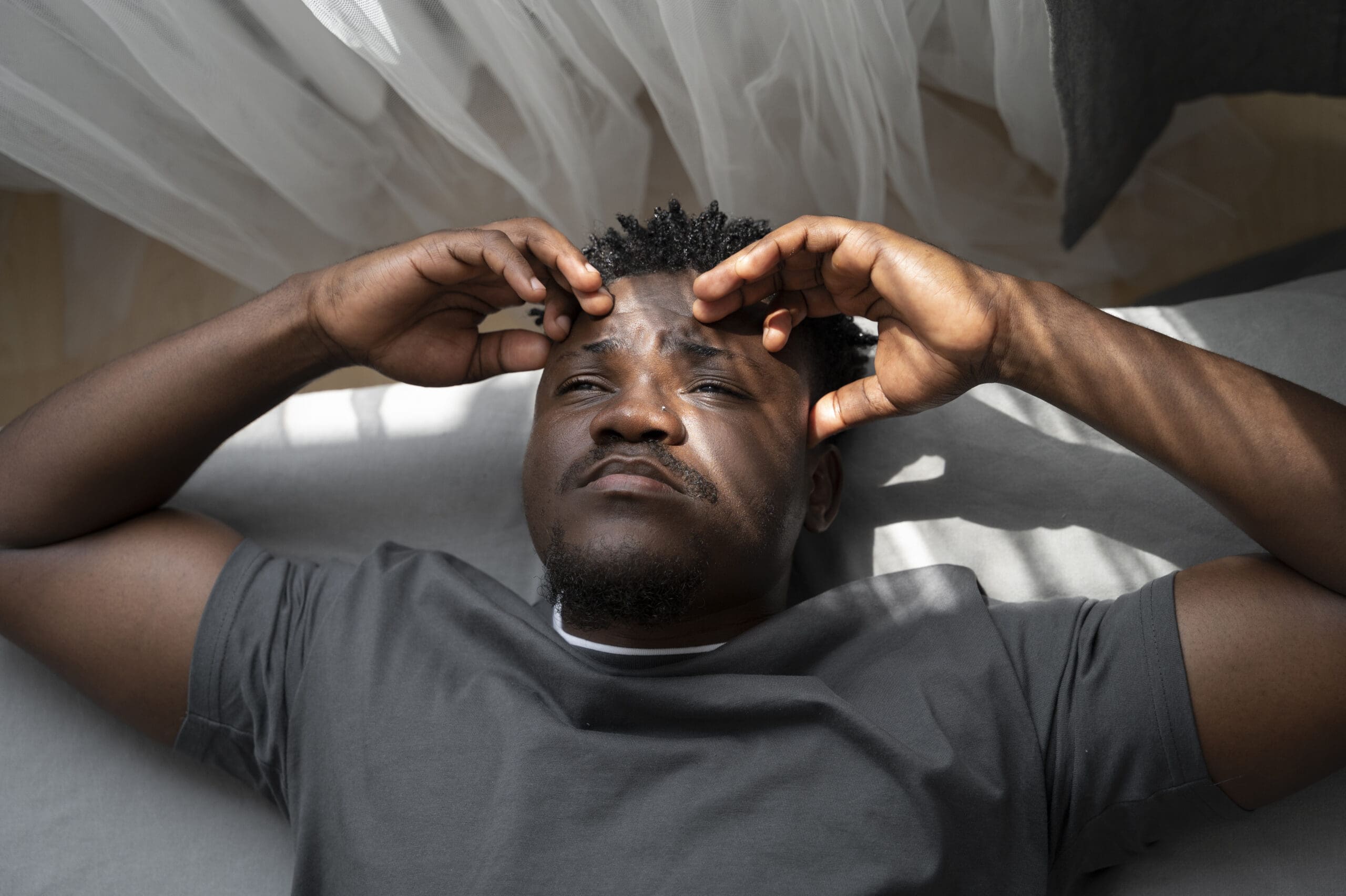
In many Black families, bipolar I disorder does not look like the version most people expect.
Variations in BD‑1 symptoms are common, and clinicians can miss the diagnosis when the presentation does not match what they expect. For Black patients, that gap often leads to delayed care.
To help families understand what BD-1 can look like and how to advocate for culturally grounded care, Kevin Williams, MS, MPAS, PA-C, CEO and Lead Clinician at OnPoint Behavioral Health, and Dr. Crystal Nelson, a board-certified psychiatrist and CEO of Blueprint Psychiatry, share what they want Black families to know.
Table of Contents
How BD-1 Shows Up
“Bipolar I disorder is defined by at least one manic episode,” Williams says. “That can look like decreased need for sleep, increased energy, racing thoughts, impulsivity, overspending, starting multiple projects or feeling invincible. In more severe cases, mania can include psychosis. Depression often follows or alternates with mania.”
BD‑1 usually begins in late adolescence or early adulthood, but families often overlook early symptoms when they interpret mood changes as stress, personality shifts or temporary overwhelm.
“Symptoms do not show up the same way for everyone,” he says. “They are filtered through culture, trauma, family systems and socioeconomic stressors. For some people, mania looks more like irritability than euphoria. Depression might be described as physical exhaustion rather than sadness.”
Williams sees this often in his practice.
“Textbook mania is euphoric and expansive. But in many of my Black patients, it shows up as irritability, agitation, decreased sleep or impulsivity. They may describe feeling restless or on edge, not elevated.”
He adds that BD-1 is about patterns. “If we take the time to understand the pattern, we are far more likely to get the diagnosis right.”
Why Misdiagnosis Happens
Misdiagnosis is common. Clinicians often label Black patients with depression, anxiety or schizophrenia before they even consider BD‑1.
“Misdiagnosis happens when we treat the symptom in front of us and don’t look at the pattern over time,” Williams says. “If someone comes in depressed, they may be diagnosed with major depressive disorder unless we pause to ask about prior periods of decreased sleep or increased energy. If they arrive in crisis with psychosis, the assumption may be schizophrenia.”
Cultural context also shapes how symptoms are interpreted.
“In some Black families, there is a strong belief that what happens in the house stays in the house,” he says. “Emotional struggles may be minimized until they become severe. If a clinician is not aware of that, they might assume the person’s experience came out of nowhere.”
Historical mistrust matters too. “If someone seems guarded, that may not be resistance. It may be protection.”
Stereotypes can also distort clinical judgment. “Irritability or intensity can be misread as aggression instead of mood instability.”
What a First Visit Should Provide
Dr. Nelson says families should leave the first appointment with clarity and a plan.
Elevate Your Health for Just $29.99/Month
Join the Precision Wellness Subscription at My Healing 365 and get discounted services, priority coaching access, virtual care, and exclusive wellness resources to support your physical, emotional, and hormonal health.
Join for $29.99/Month“Families should leave with a clear understanding of the suspected diagnosis, what symptoms to watch for and what the next steps will be,” she says. “Ask questions and make sure everyone understands the treatment and safety plan before leaving.”
She adds that families should know when to seek urgent help and what resources are available. “Distress often increases when there is no clear action plan.”
How Families Can Support
While waiting for treatment to take effect or for a correct diagnosis, Dr. Nelson recommends three steps.
“Keep stress levels as low as possible. Maintain a routine. Encourage medication consistency.”
Williams adds that early recognition matters. “Living with BD-1 doesn’t always look dramatic. Early symptoms can look like irritability, poor sleep or impulsive decisions. If we only respond when it becomes extreme, we have missed the first opportunities to help.”
Rebuilding Trust After Misdiagnosis
“Take a deep breath and remember that mental health treatment is highly individualized,” Dr. Nelson says. “Finding a medication that works can take time.”
She notes that pharmacogenomic testing can help guide treatment. “Tests like the GeneSight test analyze how your genes may affect medication outcomes. Those results inform your clinician about how you may break down or respond to certain medications.”
Creating Safety for Honest Conversations
For Williams, trust begins with listening. “I let the patient take me on their journey.”
Dr. Nelson adds that clinicians should normalize honesty. “Simple statements like It is okay to not be okay can help patients feel safe opening up.”
Dr. Nelson recommends support that feels culturally affirming and trustworthy. She points to NAMI, faith communities, trusted family members, community mentors and directories like Therapy for Black Girls and Psychology Today.
“Support systems that feel safe, trusted and culturally affirming can make a meaningful difference,” she says.
Staying Connected to Care
“What helps someone stay connected is feeling like they are not being judged and not being rushed,” Williams says. “We set specific, achievable goals. When patients see progress, even small progress, they are more likely to stay engaged.”
Accessibility matters too. “If they are concerned about side effects or unsure about something, they know how to reach me. Transparency builds trust and trust keeps people in care.”
If This Feels Familiar
“The most important first step is to connect with a mental health clinician,” Dr. Nelson says. “A culturally competent evaluation should leave someone feeling safe, heard and respected.”
Williams adds, “BD-1 is a medical condition, not a character flaw. When there is less fear and judgment in the home, people are more willing to get help.”
Resources:
Kevin Williams | Discover Compassionate Care Today — OnPoint Behavioral Health
Dr. Crystal Nelson – Blueprint TMS
Gene Test for Mental Health Medications | GeneSight
National Alliance on Mental Illness (NAMI)
Psychology Today: Health, Help, Happiness + Find a Therapist

























