Medically Reviewed
Dr. Jose Rossello, MD, PhD, MHCM
Preventive Medicine & Public Health Specialist
Last Reviewed: March 31, 2026
Beauty goes beyond makeup and styling. Real beauty starts when someone takes care of themselves from the inside out through regular self-care practices. When a person treats themselves with kindness and respect, that care shows up in how they look, act, and feel.
Self-care creates a positive cycle that affects every part of life. When someone prioritizes their mental health, sets healthy boundaries, and practices self-love, they develop a natural confidence that others notice. This inner work transforms how a person sees themselves and how they project beauty to the world[1].
The connection between self-care and beauty is not about following trends or meeting outside standards. It involves building habits that support well-being and learning to appreciate one’s unique qualities. Taking care of yourself[2] helps develop the kind of beauty that lasts and grows stronger over time.
Table of Contents
Key Takeaways
- Self-care builds confidence and inner beauty that shows through physical appearance
- Setting boundaries and practicing mindfulness strengthens self-love and emotional health
- Accepting yourself and treating your body with respect creates lasting beauty that goes beyond looks
Why Self-Care Is the Foundation of Your Most Beautiful Self
Self-care creates the base for how people look and feel about themselves. When someone takes care of their physical, mental, and emotional needs, they build confidence and inner strength that shows on the outside.
Defining Self-Care Beyond the Basics
Self-care means more than face masks and bubble baths. According to the World Health Organization, self-care involves taking care of physical, mental, emotional, and spiritual aspects[3] of life to promote health and prevent disease.
This includes eating regular, balanced meals and staying hydrated. It means getting enough sleep each night and exercising in ways that feel good. Self-care also covers managing stress through healthy activities and keeping up with medical appointments.
Mental self-care involves practices that keep the mind healthy and active. This might include reading, solving puzzles, or learning new skills. It also means practicing gratitude and seeking help from professionals when needed.
Social self-care focuses on building and keeping healthy relationships with friends and family. People who lack strong connections often experience more stress and engage in unhealthy behaviors.
Nurturing Yourself Inside and Out
Self-love grows when people consistently meet their own needs. True beauty shines from within and reflects how someone sees, treats, and cares for themselves[1].
Taking time for physical care improves how the body looks and functions. Regular exercise tones muscles and improves skin health. Proper nutrition gives skin a natural glow and helps hair and nails grow strong.
The connection between inner care and outer appearance runs deep. When people practice loving yourself through positive self-talk and setting boundaries, their confidence increases. This confidence changes posture, facial expressions, and overall presence.
Emotional wellness directly affects physical appearance. Stress shows up as tired eyes, dull skin, and tension in the face. Managing emotions through healthy coping strategies reduces these visible signs and creates a more relaxed, vibrant appearance.
The Essential Connection Between Self-Love and Beauty
When someone treats themselves with kindness and acceptance, it changes how they present themselves to the world. Self-love builds a foundation that allows both inner beauty and outer confidence to flourish naturally.
How Self-Love Shapes the Way You See Yourself
Self-love directly influences how a person perceives their own appearance and worth. When someone practices loving yourself, they stop comparing themselves to unrealistic standards and start appreciating their unique features. This shift in perspective builds genuine confidence that shows in posture, facial expressions, and overall presence.
People who embrace self-love notice specific changes in their self-perception. They focus on what makes them feel good rather than fixating on perceived flaws. Their inner beauty begins to shine through[1] as they develop a more positive relationship with their reflection.
This transformation affects daily choices. Someone with strong self-love chooses skincare routines and beauty practices that honor their needs rather than punish their body. They invest time in self-care because they believe they deserve it, not because they need to fix something wrong.
The Role of Compassion in Personal Transformation
Self-compassion acts as the driving force behind lasting beauty changes. When a person treats themselves with the same kindness they would offer a friend, they create space for real growth. This gentle approach reduces stress, which directly impacts skin health, sleep quality, and overall appearance.
Compassion allows someone to make mistakes without harsh self-judgment. If they skip a skincare routine or eat something they planned to avoid, they respond with understanding instead of criticism. This mindset prevents the stress cycle that often leads to poor self-care habits.
Taking time for self-care routines boosts self-esteem[4] and promotes mental well-being. The act of nurturing oneself sends a message of self-worth that transforms how a person carries themselves. Their confidence grows not from achieving perfection but from accepting themselves fully.
Confidence: The Most Beautiful Thing You Can Wear
Real beauty starts from within, and confidence plays a bigger role in attractiveness than any makeup or outfit ever could. When someone carries themselves with assurance and self-acceptance, they naturally draw others in through their energy and presence.
Building Confidence Through Daily Rituals
Small daily practices create the foundation for lasting confidence. A morning routine that includes positive self-talk can shift someone’s entire mindset before the day begins. Simple acts like looking in the mirror and acknowledging one strength or achievement help rewire negative thought patterns.
Physical self-care rituals also strengthen confidence. Taking time for a relaxing bath, doing skincare, or getting dressed in clothes that feel good sends a message of self-worth. These aren’t shallow activities—they’re declarations that a person values themselves enough to invest time and care.
Journaling offers another powerful tool for building confidence[5]. Writing down accomplishments, no matter how small, creates a record of capability. On difficult days, reviewing past wins provides concrete evidence of strength and resilience.
Consistency matters more than perfection. Even spending five minutes each day on confidence-building activities compounds over time into meaningful change.
Letting Go of Comparison
Social media makes constant comparison almost unavoidable. Research shows that increased social media use connects directly to lower self-esteem, particularly among young people. One study found that 34% of adults felt down or low because of body image concerns, with 19% reporting feelings of disgust toward themselves.
The truth is that beauty confidence[6] comes from embracing individuality rather than trying to fit predetermined standards. The most admired people often share one trait: they make no apologies for who they really are.
Breaking free from comparison requires active effort. Unfollowing accounts that trigger insecurity helps protect mental health. Limiting screen time reduces exposure to unrealistic beauty standards. Focusing on personal progress instead of others’ highlight reels shifts perspective back to what actually matters.
Confidence Breeds Beauty in Everyday Life
Confidence transforms how people move through the world. Someone who believes in their worth walks differently, speaks more clearly, and engages more authentically with others. This self-assurance creates a magnetic quality that has nothing to do with conventional attractiveness.
Ways confidence shows up daily:
- Speaking up in meetings or social situations
- Setting boundaries without guilt
- Trying new experiences despite fear of failure
- Accepting compliments gracefully
- Wearing what feels right rather than what’s trendy
The relationship between confidence and beauty[7] works both ways. Taking care of oneself builds confidence, and that confidence makes someone appear more attractive to others. This creates a positive cycle where self-care and self-assurance reinforce each other.
Treating oneself with the same kindness shown to a best friend makes a significant difference. Most people would never tell a friend they weren’t good enough, yet they repeat these messages to themselves daily.
Embracing Inner Beauty as Your True Essence
Inner beauty reflects the qualities that define who someone is at their core. It shows through acts of kindness and genuine self-acceptance.
What Inner Beauty Really Means
Inner beauty represents the values, character, and emotional qualities that exist beneath physical appearance. It includes traits like compassion, empathy, honesty, and self-love. These qualities shape how a person treats others and themselves.
Key components of inner beauty include:
- Self-acceptance and self-love
- Emotional intelligence
- Integrity and honesty
- Compassion for others
- Resilience during challenges
When someone develops their inner beauty, they create a foundation that doesn’t fade with time. Physical features change as people age, but inner qualities can grow stronger. A person who cultivates self-love learns to appreciate their worth beyond external validation.
Inner beauty influences how others perceive someone. People often feel drawn to those who demonstrate genuine care and emotional depth. This attraction goes deeper than surface-level appearance.
Radiating Kindness and Authenticity
Authenticity means showing up as one’s true self without pretending to be someone else. When people embrace authenticity, they stop trying to meet impossible standards. They speak honestly and act according to their values.
Kindness serves as one of the most visible expressions of inner beauty. Small acts like listening without judgment or offering help create meaningful connections. These actions reflect a person’s character more accurately than any physical trait.
Living authentically requires courage. Society often pressures people to conform or hide parts of themselves. Those who embrace their inner beauty and radiate confidence[8] understand that being genuine attracts the right people into their lives.
When someone combines kindness with authenticity, they create an energy that others notice. This combination makes them approachable and trustworthy. Their presence feels comfortable because they don’t put on a false persona.
Celebrating Your Outer Beauty With Self-Respect
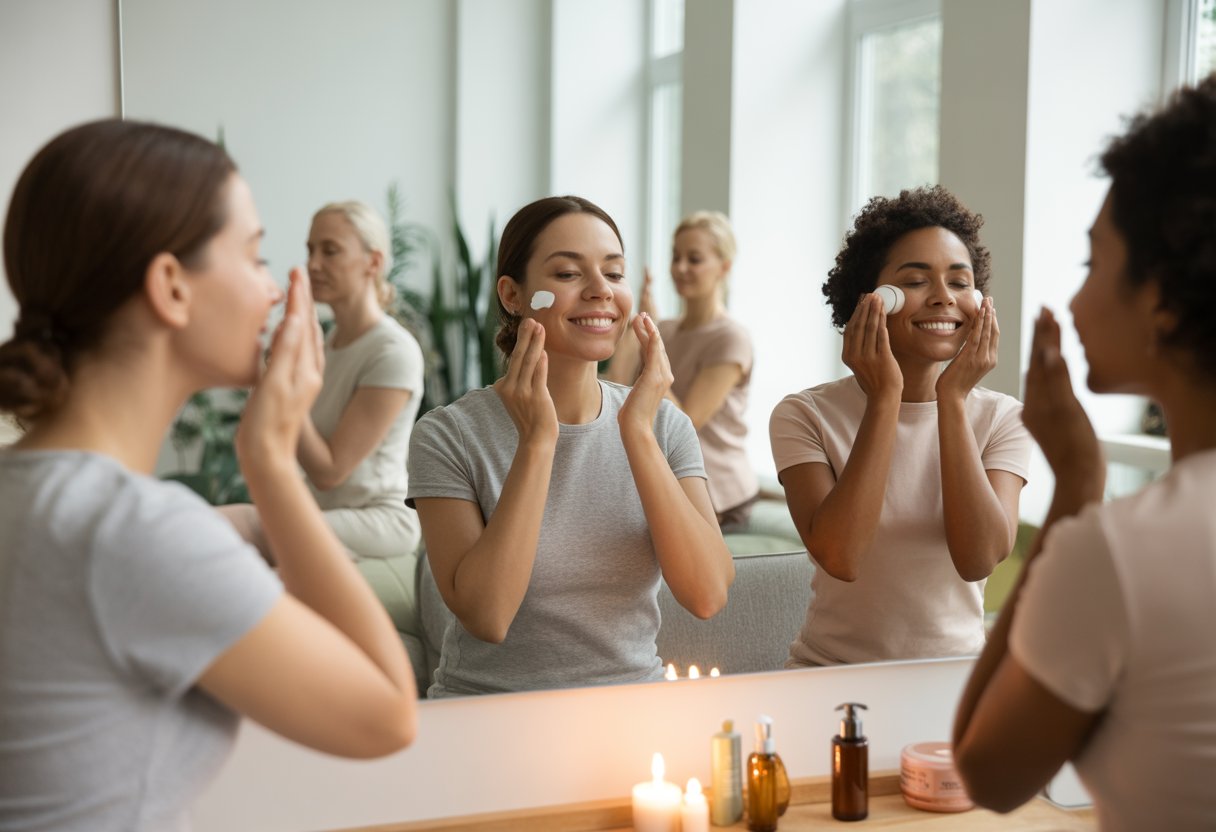
Taking care of your physical appearance becomes more meaningful when it comes from a place of self-respect rather than insecurity. When someone honors their body and projects a positive self-image, they express their worth to the world in a visible way.
Honoring Your Appearance Through Self-Care
Self-respect shows up in how a person treats their body on a daily basis. This means getting enough sleep, staying hydrated, and eating foods that provide real nutrition. It also includes basic grooming habits that help someone feel clean and put-together.
When a person respects themselves, they dress in clothes that fit well and make them feel comfortable. They don’t need expensive items or the latest trends. They simply choose what makes them feel good in their own skin.
Physical self-care also includes movement that feels enjoyable rather than punishing. Walking, dancing, stretching, or any activity that gets the body moving helps maintain health. These choices reflect how much someone values themselves.
Simple ways to honor your appearance:
- Maintain a consistent sleep schedule
- Drink water throughout the day
- Wear clothes that fit your current body
- Practice basic hygiene habits
- Move your body in ways you enjoy
The Power of a Positive Self-Image
How a person sees themselves matters more than how others see them. Beauty that radiates from within[1] comes from feeling connected to personal worth and carrying oneself with genuine self-respect.
A positive self-image doesn’t mean ignoring areas for growth. It means treating oneself with kindness while working toward goals. This mindset helps someone focus on their strengths instead of obsessing over perceived flaws.
People with healthy self-images tend to present themselves with more confidence. They make eye contact, stand tall, and speak clearly. These behaviors naturally enhance outer beauty without any cosmetic changes.
Building a stronger self-image:
- Limit time comparing yourself to others online
- Practice positive self-talk daily
- Focus on what your body can do
- Surround yourself with supportive people
- Challenge negative thoughts about your appearance
Authenticity: The Power of Being Yourself
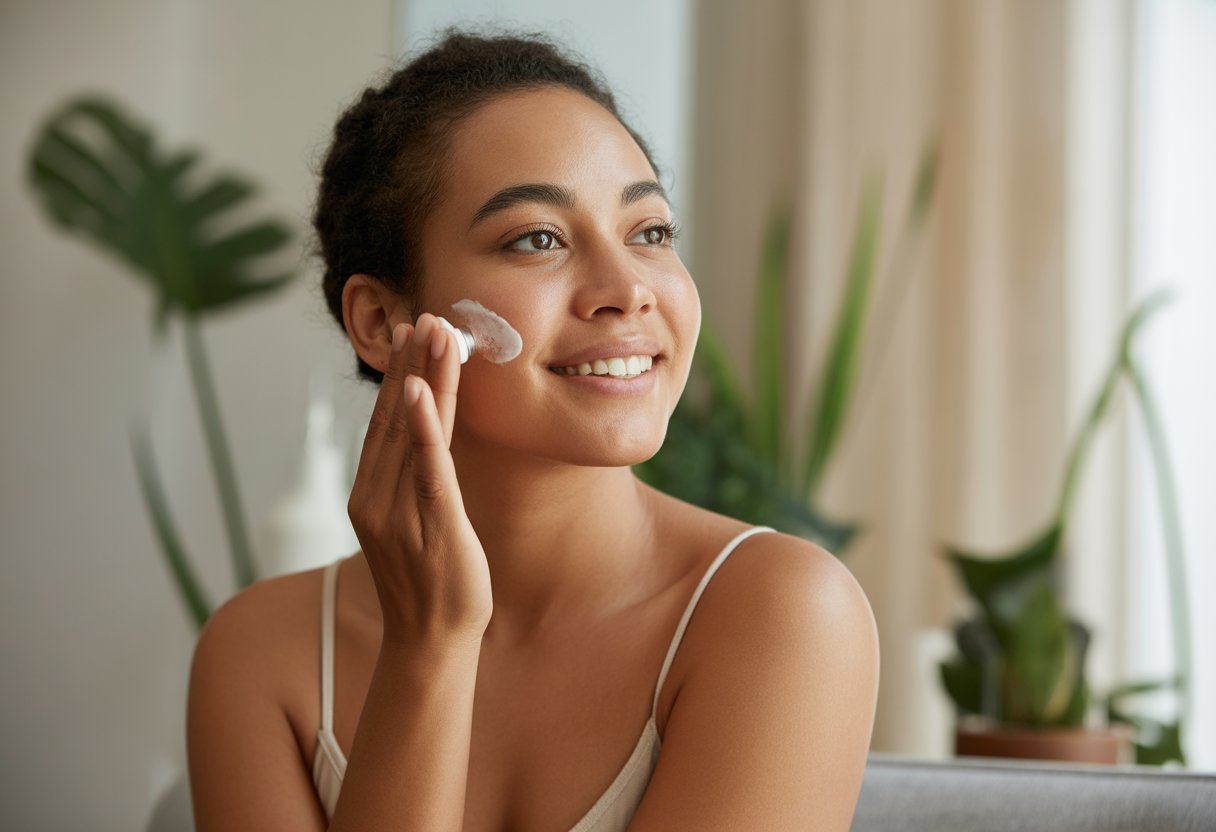
Being yourself means accepting who you are and expressing your true thoughts and feelings without pretending to be someone else. When people stop trying to meet everyone else’s standards, they build stronger confidence and feel more at peace with themselves.
Embracing Your Uniqueness
Every person has qualities that make them different from others. These differences include personality traits, interests, physical features, and life experiences. Authentic people embrace their unique qualities[9] rather than trying to fit into what society expects.
Accepting yourself starts with recognizing what makes you different. Some people have freckles, while others have scars. Some prefer quiet activities, while others thrive in social settings. None of these traits are better or worse than others.
Ways to embrace your uniqueness:
- Write down three things that make you different from your friends
- Stop comparing yourself to others on social media
- Wear clothes that feel comfortable and match your style
- Share your honest opinions even when they differ from the group
When people embrace their uniqueness, they stop wasting energy trying to be someone they’re not. This shift allows them to focus on what truly matters to them. The beauty in imperfection comes from accepting flaws as part of being human, not obstacles to fix.
Living Authentically in a World of Expectations
Society creates pressure to act certain ways, look specific ways, and achieve particular goals. Family members, friends, and social media all send messages about who people should be. Living authentically means staying true to personal values[10] even when outside forces push in different directions.
People face authenticity challenges at work, in relationships, and on social media. A person might hide their true interests to fit in with coworkers. Someone else might agree with friends even when they disagree inside.
Signs of authentic living:
- Making decisions based on personal values, not others’ approval
- Setting boundaries when requests don’t align with priorities
- Admitting mistakes instead of making excuses
- Choosing relationships that allow honest expression
Being authentic fosters trust and open communication[9], which creates deeper connections with others. People who live authentically report feeling less stressed because they don’t maintain false images. They build self-confidence by honoring their own needs and desires.
Setting Boundaries as an Act of Self-Care
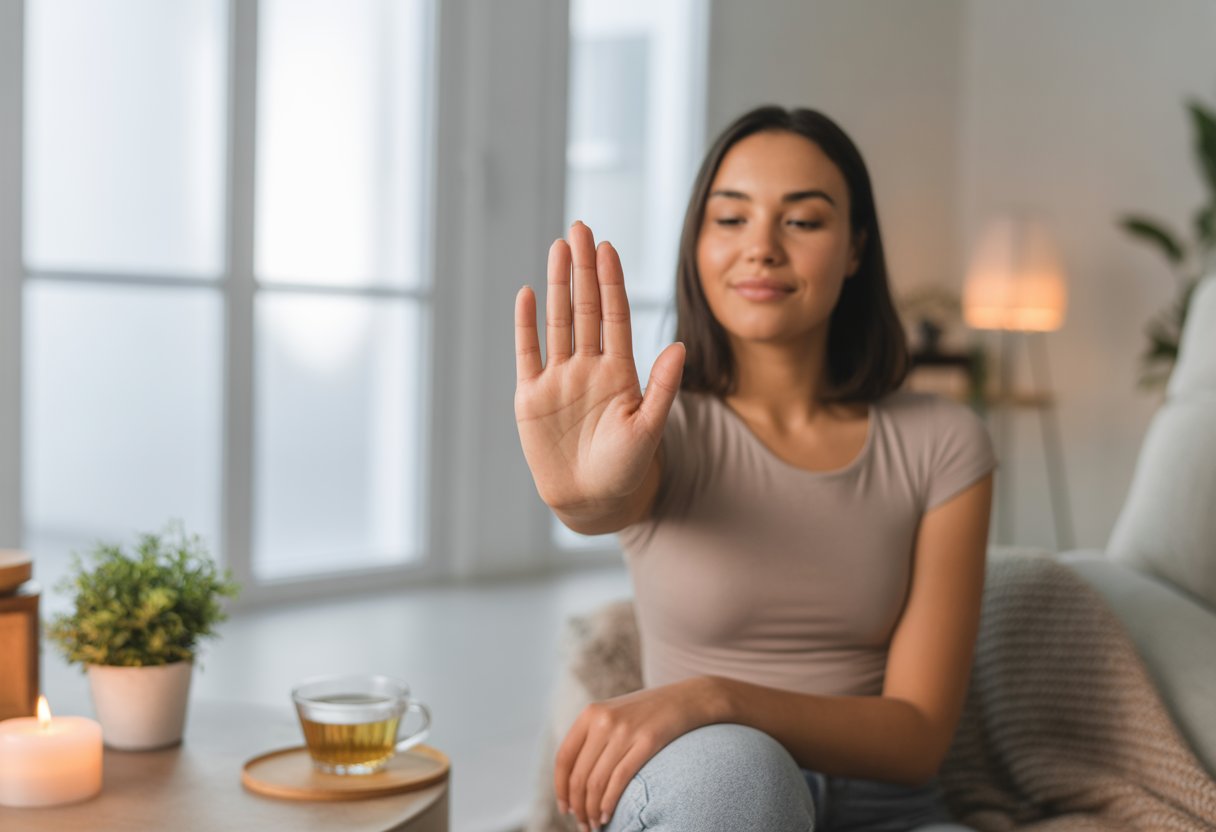
Protecting your time, energy, and emotional well-being[11] creates space for genuine self-love and healthier relationships. Learning to say no without feeling guilty transforms how people experience daily interactions and stress levels.
Why Boundaries Are Essential to Emotional Well-Being
Boundaries define what behaviors are acceptable in relationships. They keep both people safe and respected.
Without clear limits, people often feel drained, resentful, or overwhelmed. These feelings signal that personal boundaries have been crossed or ignored.
Setting healthy boundaries requires self-awareness[12]. People need to know what they’re comfortable with in different situations. This understanding changes based on the relationship type and context.
Healthy boundaries include:
- Declining requests that don’t align with your values
- Expressing feelings honestly and respectfully
- Making expectations clear instead of assuming others will guess
- Addressing problems directly with the person involved
When someone repeatedly violates boundaries despite clear communication, the relationship may be unhealthy. Maintaining limits protects mental health and prevents burnout.
Self-love means putting your needs first as an adult. This isn’t selfish. It’s necessary for staying healthy enough to care for others.
Saying No Without Guilt
Many adults struggle with guilt when setting boundaries. Some were taught in childhood that expressing needs was selfish or bad.
The process becomes easier with three simple steps. First, state the boundary clearly and calmly without raising your voice. Second, express what you want rather than what you don’t want. Third, accept any discomfort that follows, whether guilt, shame, or worry.
That discomfort is temporary. It doesn’t mean the boundary was wrong.
People with healthy relationships will respect limits even if they feel disappointed initially. Those who push back, ignore boundaries, or try to make you feel guilty reveal relationship problems that already existed.
Remember these facts:
- You don’t need to over-explain your decisions
- Apologizing for boundaries undermines them
- Everyone has the right to say what they will and won’t do
Boundaries strengthen relationships built on mutual respect. They end relationships based on manipulation or control.
The Role of Mindfulness and Meditation in Inner Radiance
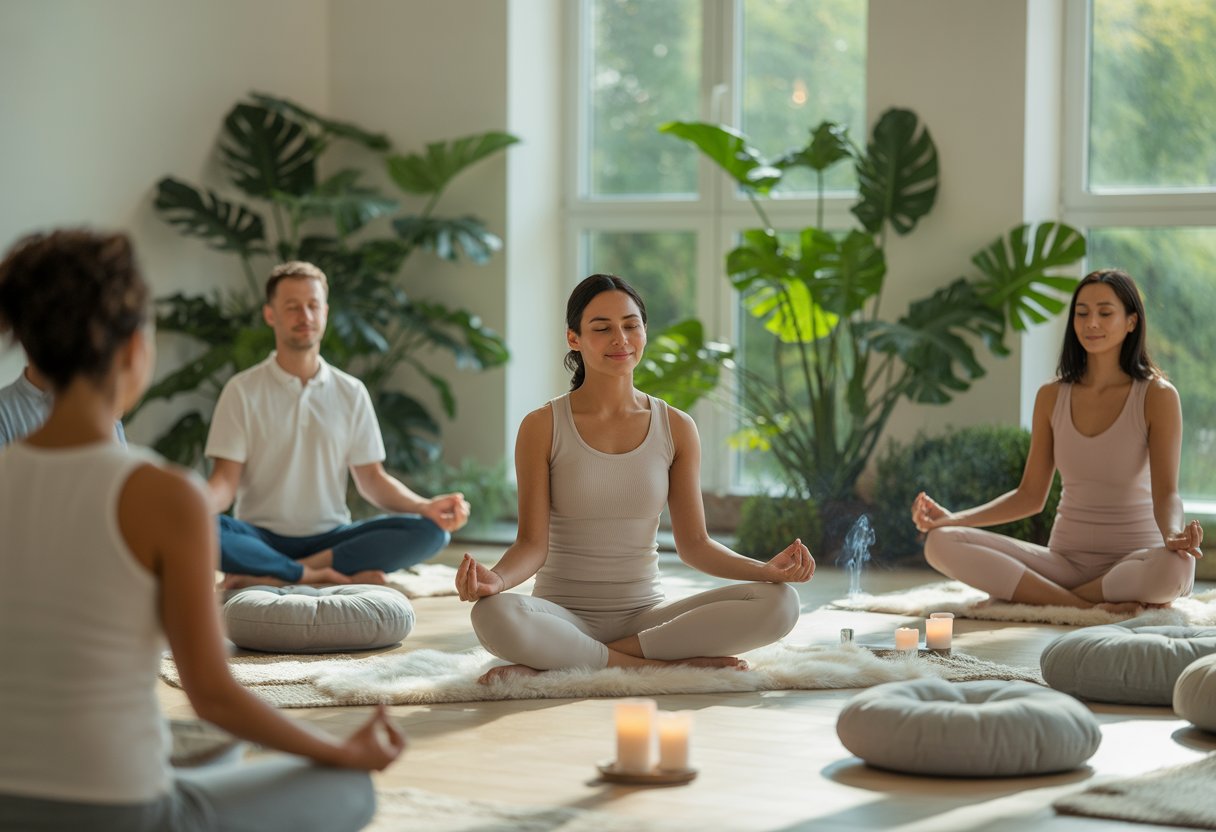
Meditation builds a foundation for self-love by creating mental clarity and reducing stress. Regular practice helps people connect with their inner selves and develop a calm presence that shows on the outside.
Simple Meditation Practices for Beginners
Starting a meditation practice doesn’t require special equipment or hours of free time. A person can begin with just five minutes each day in a quiet space.
The STOP practice offers a straightforward approach[13] for newcomers. It involves four steps: Stop what you’re doing, Take a breath, Observe your thoughts and feelings, and Proceed with awareness.
Basic breathing meditation works well for first-timers:
- Sit comfortably with eyes closed
- Focus attention on each breath
- Notice when the mind wanders
- Gently return focus to breathing
Body scan meditation provides another accessible option. A person lies down and mentally scans from head to toe, noticing any tension or sensation without judgment. This practice takes 10-15 minutes and helps build awareness of physical needs.
Consistency matters more than duration. Practicing at the same time daily helps establish a routine that becomes easier to maintain.
Staying Present to Enhance Your Beauty
Being fully aware during self-care activities[14] transforms routine tasks into moments of self-love. When someone applies moisturizer mindfully, they notice the texture, scent, and sensation rather than rushing through the motion.
Present-moment awareness reduces the stress that accelerates aging. Chronic stress affects skin health, sleep quality, and energy levels. A person who practices mindfulness throughout the day experiences less tension in facial muscles and maintains a more relaxed expression.
Mindful moments can happen during:
- Morning skincare routines
- Meals and hydration
- Movement and stretching
- Evening wind-down activities
Treating oneself with kindness during difficult moments builds genuine confidence. This self-compassion shows through body language, tone of voice, and overall demeanor. The inner peace developed through staying present creates an authentic glow that goes beyond surface appearance.
Self-Care Inspiration: Quotes That Empower Beauty and Confidence
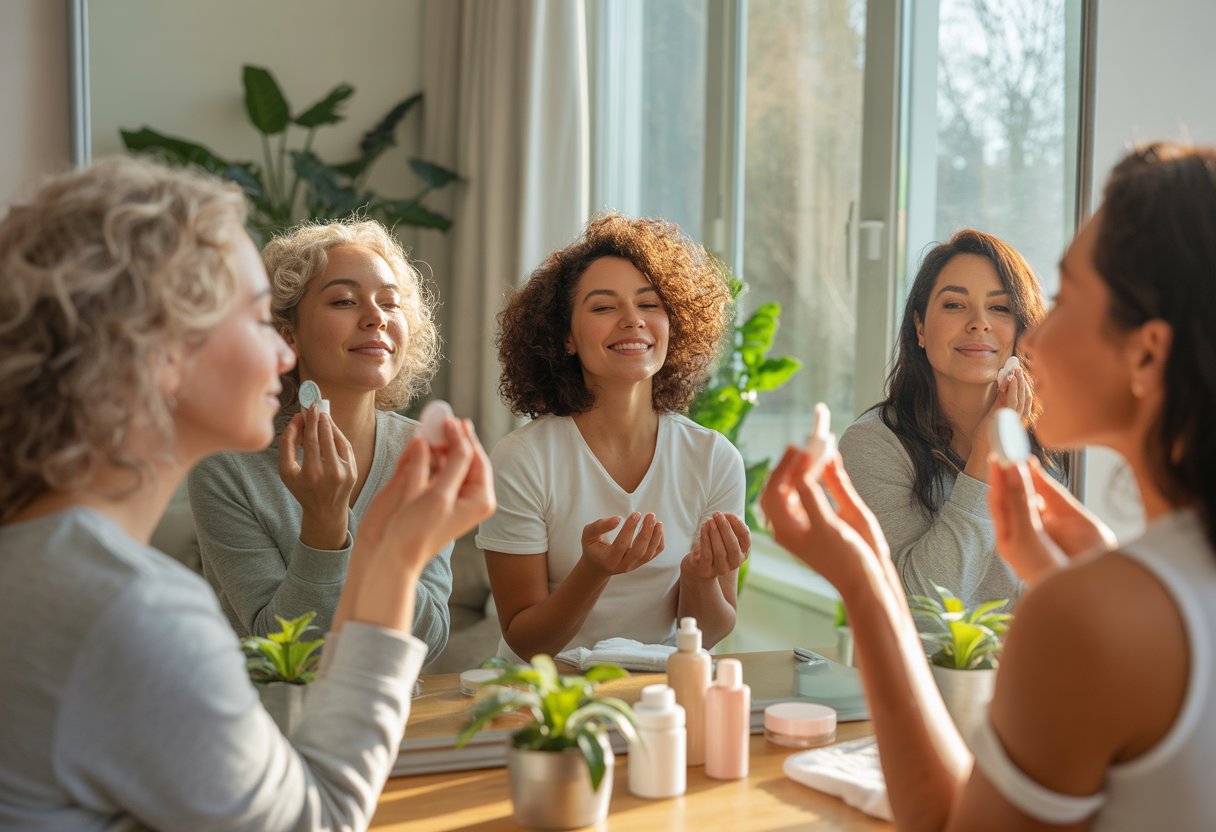
Words have power to shift how people see themselves. The right quote can remind someone of their worth when doubt creeps in or help them recognize beauty that goes beyond what they see in the mirror.
Confidence Quotes to Boost Self-Worth
Confidence starts from within, and powerful words can reinforce that truth. Venus Williams once said, “You have to believe in yourself when no one else does—that makes you a winner right there.” This type of message reminds people that self-belief doesn’t depend on outside approval.
Strong confidence quotes focus on self-acceptance:
- “Loving yourself isn’t vanity. It’s sanity.” — Katrina Mayer
- “Too many people overvalue what they are not and undervalue what they are.” — Malcolm S. Forbes
- “The only person who can pull me down is myself, and I’m not going to let myself pull me down anymore.” — C. JoyBell
These beauty confidence quotes[7] help people recognize their inherent value. They push back against the idea that confidence needs to come from perfect looks or achievements. Instead, they emphasize that believing in yourself is both necessary and deserved, regardless of circumstances.
Beauty Quotes That Redefine Standards
Traditional beauty standards often feel limiting and unrealistic. The best beauty quotes challenge these narrow definitions. Coco Chanel captured this perfectly: “Beauty begins the moment you decide to be yourself.”
Elizabeth Kubler-Ross offered another perspective on what makes someone truly beautiful. She noted that the most beautiful people are those who have faced struggle and loss but found their way through. These experiences give them compassion and understanding that fills them with a deep concern for others.
Self beauty quotes[15] often emphasize that real beauty includes imperfections. Sandra Bierig explained that accepting ourselves means valuing our flaws just as much as our strengths. This approach helps people stop chasing an impossible ideal and start appreciating who they actually are.
Empowering Words for Every Day
Daily reminders help maintain a self-care mindset when life gets busy or stressful. Cecilia Tran kept it simple: “Self-care means giving yourself permission to pause.” This quote acknowledges that taking breaks isn’t lazy—it’s essential.
Anne Lamott used a practical comparison: “Almost everything will work again if you unplug it for a few minutes, including you.” Her words normalize the need to step back and recharge. Deborah Day added that nourishing yourself in ways that help you grow is both possible and worthwhile.
Quotes about self-care[2] work best when they’re actionable. Elyse Santilli offered a morning routine: “Grab a coffee. Journal your intentions. Get to work. Create miracles.” These empowering quotes turn abstract concepts into concrete steps people can follow each day.
Celebrating Imperfections and Finding Beauty in Them
Real beauty comes from accepting who you are, flaws and all. When people stop trying to be perfect, they open the door to genuine self-love and discover their inner beauty.
Beauty in Imperfection and Vulnerability
Nobody is perfect, and that’s what makes each person unique. The Japanese philosophy of Wabi-Sabi teaches that imperfections hold their own beauty[16] and add character to who someone is.
When people show their vulnerable side, they create deeper connections with others. A scar tells a story of healing. Laugh lines show a life filled with joy. These marks make someone real and relatable.
Self-love grows when someone:
- Stops comparing themselves to unrealistic standards
- Accepts their physical traits as part of their story
- Recognizes that flaws don’t define their worth
Vulnerability takes courage. When someone shares their struggles or insecurities, they give others permission to do the same. This honesty builds trust and genuine relationships that perfect facades never could.
Turning Flaws Into Strengths
The traits someone considers flaws often become their greatest assets. A person who thinks they’re too sensitive might actually have strong empathy skills. Someone who sees themselves as stubborn might possess valuable determination.
Embracing imperfections leads to personal growth[17] and helps people move past unrealistic expectations. Instead of hiding perceived weaknesses, people can reframe how they see these qualities.
A loud laugh becomes infectious joy. Being too curious turns into a love of learning. Overthinking transforms into careful planning.
This shift in perspective changes everything. When someone stops fighting against their nature, they free up energy for actual growth. They learn what makes them special instead of trying to fit a mold that was never meant for them.
Sustaining Your Most Beautiful Self for the Long Term
Building a self-care practice that lasts requires flexibility and commitment to personal growth. The key lies in establishing consistent habits while remaining open to change as life circumstances and needs shift over time.
Creating a Lifelong Self-Care Routine
A sustainable self-care routine starts with small, manageable habits that fit naturally into daily life. Someone might begin with just five minutes of morning stretching or evening journaling rather than attempting a complete lifestyle overhaul.
The most successful routines include activities across multiple areas of well-being:
- Physical care: Regular movement, nutritious meals, and adequate sleep
- Mental care: Reading, puzzles, or learning new skills
- Emotional care: Healthy expression of feelings and setting boundaries
- Social care: Regular connection with loved ones
- Spiritual care: Meditation, nature time, or meaningful practices
Consistency matters more than perfection. Engaging in self-care has been clinically proven to reduce or eliminate anxiety and depression[18] while increasing happiness and building resilience. A person develops self-love and confidence by honoring commitments to themselves, even on difficult days.
Adjusting Practices as You Grow
Self-care needs change throughout different life stages and circumstances. What worked at age 25 might not serve someone at 45, and that’s perfectly normal.
Regular check-ins help identify when adjustments are needed. Someone might ask themselves quarterly whether current practices still bring joy and meet their needs. Self-care means doing things that are difficult or uncomfortable[19], like eating nutritious foods daily, even when preferences evolve.
Life transitions often require new approaches. A new parent needs different self-care than a college student. Career changes, health shifts, or relationship developments all signal times to reassess and modify routines.
The willingness to adapt practices demonstrates self-love rather than failure. Confidence grows when someone recognizes their changing needs and responds with compassion.
Frequently Asked Questions
Self-care and beauty practices raise many practical questions about how to get started, stay consistent, and see real results. The answers often come down to understanding basic principles and making small daily choices that add up over time.
What are the core pillars that support long-term beauty and wellbeing?
Long-term beauty and wellbeing rest on four main pillars: proper sleep, balanced nutrition, regular movement, and stress management. These foundational elements work together to support healthy skin, hair, and overall appearance from the inside out.
Sleep allows the body to repair skin cells and produce collagen. Most adults need seven to nine hours of quality rest each night for optimal skin regeneration.
Nutrition provides the building blocks for healthy tissue. Eating plenty of vegetables, fruits, healthy fats, and protein gives skin the vitamins and minerals it needs to stay strong and glowing.
Movement increases blood flow to deliver oxygen and nutrients throughout the body. Even 20 to 30 minutes of daily activity can improve skin tone and reduce inflammation.
Stress management protects against the harmful effects of elevated cortisol. Taking time to check in with yourself[20] helps identify what support someone needs each day.
How does a consistent self-care routine influence skin health and overall appearance?
A consistent self-care routine creates visible improvements in skin texture, tone, and clarity over time. Regular cleansing removes dirt and oil that can clog pores and cause breakouts.
Daily moisturizing keeps the skin barrier strong and prevents dryness. When someone applies products at the same time each day, the skin learns to expect and use those nutrients efficiently.
Consistency matters more than complexity. Research shows that people who stick to a simple routine see better results than those who occasionally use many products.
Studies reveal that 64 percent of consumers report their beauty routines are important for mental wellbeing[21]. This mental health benefit creates a positive cycle where feeling good encourages continued care.
The physical act of applying skincare also reduces stress hormones. This happens because gentle self-touch during product application activates the body’s relaxation response.
What are the 4 C’s of self-care, and how can they be applied in daily life?
The 4 C’s of self-care are connection, competence, coping, and confidence. These elements help someone build a well-rounded approach to personal wellbeing.
Connection means building and maintaining relationships with others and oneself. Someone can apply this by scheduling regular calls with friends or setting aside quiet time for reflection.
Competence involves developing skills and knowledge that create a sense of capability. This might include learning a new skincare technique or mastering a healthy recipe.
Coping refers to healthy strategies for managing stress and difficult emotions. Deep breathing, journaling, or a calming beauty ritual can serve as effective coping tools.
Confidence grows from the other three C’s working together. When someone feels connected, competent, and able to cope, they naturally develop stronger self-assurance.
Which self-care habits deliver the most noticeable results for energy, mood, and confidence?
Getting adequate sleep produces the most dramatic improvements in energy levels and mood. Most people notice a significant difference within just a few days of sleeping seven to eight hours consistently.
Regular physical activity boosts endorphins and improves mood within 20 to 30 minutes. Even a short walk can shift someone’s mental state and increase alertness.
Drinking enough water throughout the day prevents fatigue and supports clear thinking. Many people mistake dehydration for low energy or poor concentration.
Engaging in self-care activities helps maintain physical health and mental wellbeing[22]. A daily skincare routine creates visible improvements that boost confidence.
Eating balanced meals with protein and vegetables stabilizes blood sugar. This prevents energy crashes and mood swings throughout the day.
How can someone build a simple, sustainable self-care routine that fits a busy schedule?
Building a sustainable routine starts with identifying just two or three non-negotiable habits. Someone might choose a five-minute morning skincare routine, a 10-minute evening walk, and a consistent bedtime.
Stacking new habits onto existing ones makes them easier to remember. Applying moisturizer right after brushing teeth or doing stretches while coffee brews requires no extra time.
Starting small prevents overwhelm and builds momentum. A person can begin with washing their face each night, then gradually add steps as that habit becomes automatic.
Setting realistic time blocks helps protect self-care time. Even five minutes of dedicated attention creates benefits when practiced daily.
Making self-care the path of least resistance helps consistency become normal[21]. Keeping products visible and easily accessible removes barriers to daily practice.
What is the difference between self-care and beauty routines, and how do they work together?
Self-care encompasses all activities that support physical, mental, and emotional health. Beauty routines are one specific type of self-care that focuses on skin, hair, and personal appearance.
Self-care includes practices like rest, healthy eating, exercise, and stress management. These habits create the foundation for overall wellbeing and natural beauty.
Beauty routines involve external care like cleansing, moisturizing, and grooming. These rituals offer benefits for both mental wellbeing and physical appearance[21].
The two work together because outer care reflects inner health. Someone who sleeps well, manages stress, and eats nutritious food will see those choices reflected in their skin and hair.
Beauty routines also support broader self-care goals by creating moments of calm and self-connection. The act of caring for one’s appearance sends a message to the mind that the person matters and deserves attention.
Post Views: 16
References
- Why Your Most Beautiful Self Begins with Self-Love. https://chayhealth.com/why-your-most-beautiful-self-begins-with-self-love/ Accessed April 4, 2026
- parade.com. https://parade.com/1070248/maureenmackey/self-care-quotes/ Accessed April 4, 2026
- self-care involves taking care of physical, mental, emotional, and spiritual aspects. https://www.verywellhealth.com/what-is-self-care-5212781 Accessed April 4, 2026
- Nurturing the Self: The Intersection of Beauty Science and Self-Care. https://www.sciencetimes.com/articles/46275/20230929/nurturing-the-self-the-intersection-of-beauty-science-and-self-care.htm Accessed April 4, 2026
- 25 Inspiring Beauty Confidence Quotes to Live By. https://dreamdashjournal.com/25-inspiring-beauty-confidence-quotes/ Accessed April 4, 2026
- The Most Beautiful Thing You Can Wear is Confidence. https://bestselfmedia.com/beautiful-confidence/ Accessed April 4, 2026
- 125 Beauty Confidence Quotes to Help You Remember How Beautiful You Are. https://thechiclife.com/2022/11/beauty-confidence-quotes.html Accessed April 4, 2026
- Embrace Your Inner Glow: 30 Quotes About Self-Confidence and Beauty. https://vocal.media/bookclub/embrace-your-inner-glow-30-quotes-about-self-confidence-and-beauty Accessed April 4, 2026
- Authenticity: How to Be Your Authentic Self (Examples & Strategies). https://status.net/articles/authenticity-authentic-self-examples-strategies/ Accessed April 4, 2026
- Living authentically means staying true to personal values. https://www.verywellmind.com/live-with-authenticity-7483232 Accessed April 4, 2026
- Why Setting Boundaries Is Essential for Self-Care and Well-Being — Abundance Therapy Center. https://www.abundancetherapycenter.com/blog/why-setting-boundaries-is-crucial-for-self-care Accessed April 4, 2026
- How to Set Healthy Boundaries & Build Positive Relationships. https://positivepsychology.com/great-self-care-setting-healthy-boundaries/ Accessed April 4, 2026
- A Guide to Practicing Self-Care with Mindfulness. https://www.mindful.org/a-guide-to-practicing-self-care-with-mindfulness/ Accessed April 4, 2026
- Mindfulness And Self-Image: Embracing Inner And Outer Transformation . https://mindowl.org/mindfulness-and-self-image-embracing-inner-and-outer-transformation/ Accessed April 4, 2026
- 100+ Self Beauty Quotes for Confidence, Love & Body Positivity. https://lifearchitekture.com/blogs/quotes-affirmations/self-beauty-quotes Accessed April 4, 2026
- Finding Beauty In Imperfection – Embracing The Flaws That Make Us Unique. https://www.brainzmagazine.com/post/finding-beauty-in-imperfection-embracing-the-flaws-that-make-us-unique Accessed April 4, 2026
- Embracing Imperfection: The Beauty of Being Human –. https://johnnyholland.org/2023/08/embracing-imperfection-the-beauty-of-being-human/ Accessed April 4, 2026
- How to Establish a Self-Care Routine That Actually Sticks (5 min read). https://stellishealth.com/how-to-establish-a-self-care-routine-that-actually-sticks/ Accessed April 4, 2026
- How to Start a Self-Care Routine. https://www.lifeextension.com/wellness/sleep-relaxation/best-self-care-routine Accessed April 4, 2026
- Attention Required!. https://herviewfromhome.com/25-questions-for-checking-in-with-yourself/ Accessed April 4, 2026
- Pamper Yourself Pretty with These Simple Self-Care Beauty Routines. https://beyondbeautylab.com/beauty-and-self-care/ Accessed April 4, 2026
- Frequently Asked Questions. https://u.osu.edu/sarahfoglewebsite/frequently-asked-questions/ Accessed April 4, 2026

















