Medically Reviewed
Dr. Jose Rossello, MD, PhD, MHCM
Preventive Medicine & Public Health Specialist
Last Reviewed: April 10, 2026
Losing hair can be stressful and confusing, whether it happens gradually or suddenly. While more than 50 million men and 30 million women in the United States experience hereditary hair loss, many other factors can contribute to thinning hair, including poor diet, thyroid issues, iron deficiency, and significant stress. The good news is that natural solutions may help address hair loss without requiring expensive treatments or medications.
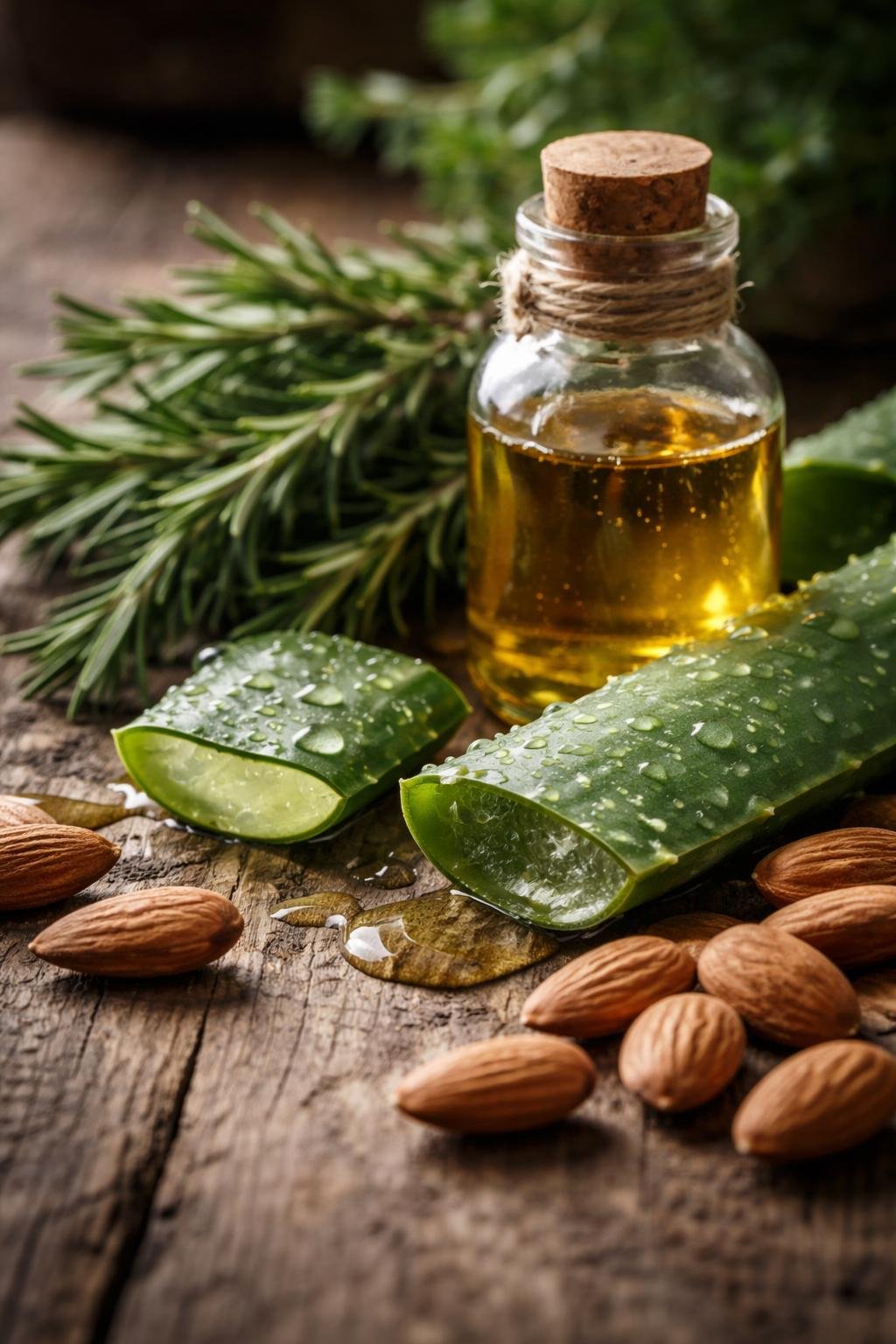
Natural remedies for hair loss include options like rosemary oil, peppermint oil, scalp massage, and certain dietary changes that work by increasing blood flow to the scalp, strengthening hair follicles, and addressing nutritional deficiencies. These natural approaches to treating hair loss[1] often require patience, as results typically take three to six months to become visible. However, many of these remedies carry low risk and can be done at home with minimal cost.
Before starting any natural remedy, it’s important to work with a healthcare provider to identify the underlying cause of hair loss. Understanding whether hair loss stems from genetics, nutrition, hormones, or other factors helps determine which natural treatments will be most effective. Testing remedies on a small patch of skin first can prevent potential irritation.
Table of Contents
Key Takeaways
- Natural remedies like rosemary oil and scalp massage can promote hair growth by increasing blood flow and strengthening follicles
- Identifying the root cause of hair loss with a healthcare provider is essential before starting any treatment
- Most natural hair growth remedies[2] require three to six months of consistent use before showing results
Understanding Hair Loss: Causes and Types
Hair loss affects over 80 million Americans and can stem from genetics, hormones, medical conditions, or everyday habits. The type and cause determine whether hair loss is temporary or permanent, and understanding these distinctions helps people choose the right treatment approach.
Common Causes of Hair Loss
Hair loss can result from multiple factors[3] including genetics, hormonal changes, stress, nutrient deficiencies, and medical conditions. Hereditary hair loss represents the most common cause, affecting more than 50 million men and 30 million women in the United States.
Hormonal changes during pregnancy, childbirth, menopause, and thyroid disorders frequently trigger hair shedding. Significant weight loss and chronic iron deficiency also contribute to thinning hair. Medical conditions like autoimmune diseases can attack hair follicles directly.
Stress-related hair loss occurs when physical or emotional trauma pushes hair follicles into a resting phase. Poor diet lacking essential vitamins and minerals weakens hair structure. Certain medications, including those for cancer, arthritis, depression, and heart problems, list hair loss as a side effect.
Hair care practices like tight hairstyles, chemical treatments, and excessive heat styling damage follicles over time. Each cause requires different treatment strategies for effective management.
Different Types of Hair Loss
Alopecia areata is an autoimmune condition where the immune system attacks hair follicles, creating round patches of hair loss on the scalp or body. This type can be unpredictable and may resolve on its own or progress to total scalp or body hair loss.
Telogen effluvium causes temporary hair shedding when large numbers of follicles enter the resting phase simultaneously. This condition typically occurs three to six months after a triggering event like surgery, severe illness, or childbirth.
Traction alopecia develops from repeated pulling or tension on hair from tight hairstyles, braids, or hair extensions. The constant stress on follicles can lead to permanent damage if not addressed early.
Cicatricial alopecia refers to scarring hair loss where inflammation destroys hair follicles and replaces them with scar tissue. This permanent condition includes several subtypes caused by inflammatory skin conditions.
Non-scarring hair loss preserves the hair follicles, making regrowth possible with proper treatment. Most common types fall into this category.
Pattern Baldness in Men and Women
Androgenetic alopecia, commonly called pattern baldness, is the hereditary form of hair loss affecting both sexes differently. Male pattern baldness typically begins with a receding hairline and thinning at the crown, eventually creating an M-shaped hairline or complete baldness on top.
Female pattern baldness presents as overall thinning[4] across the scalp, particularly along the part line, rather than distinct bald patches. Women rarely experience complete baldness but may notice significantly reduced hair density.
This condition results from genetic predisposition combined with hormones called androgens. Hair follicles gradually shrink over time, producing shorter and finer hair strands until they stop growing altogether.
The condition affects approximately 50 million men and 30 million women in the United States. It can begin as early as the teenage years or develop later in life.
Identifying Temporary and Permanent Hair Loss
Temporary hair loss maintains intact hair follicles that can resume normal growth once the underlying cause resolves. Telogen effluvium, nutritional deficiencies, and stress-related shedding fall into this category and typically reverse within six to twelve months.
Permanent hair loss occurs when follicles are destroyed or irreversibly damaged. Scarring alopecia creates permanent bald areas where scar tissue replaces follicles. Advanced androgenetic alopecia may permanently miniaturize follicles beyond recovery.
Physical examination of the scalp reveals important clues. Smooth, shiny skin without visible pores suggests follicle destruction, while intact skin texture indicates potential for regrowth. A pull test, where a doctor gently tugs hair strands, determines whether excessive shedding is occurring.
The pattern and location of hair loss also provide diagnostic information. Patchy loss suggests alopecia areata, while gradual thinning in specific patterns points to androgenetic alopecia. Consulting a healthcare provider ensures accurate diagnosis and appropriate treatment selection.
Key Considerations Before Starting Natural Remedies
Starting natural treatments requires proper planning and awareness to ensure safety and effectiveness. Medical evaluation helps identify underlying causes, while proper testing prevents adverse reactions.
Assessing the Cause with Medical Evaluation
Working with a healthcare provider is the first step before trying any hair loss treatment. A doctor can identify specific causes like thyroid disorders, iron deficiency, hormonal imbalances, or genetic factors.
More than 50 million men and 30 million women[5] in the United States experience hereditary hair loss. Other people lose hair due to stress, medication side effects, or nutritional gaps. The right remedy depends on the root cause.
A dermatologist can perform blood tests and scalp examinations. These tests reveal whether hair loss stems from a medical condition that needs specific treatment. Some causes require prescription medication rather than natural approaches alone.
Safety and Patch Testing
Natural products can still cause reactions on sensitive skin. Testing a small area before full application helps prevent scalp irritation and allergic responses.
Apply the remedy to a small patch of skin on the arm or behind the ear. Leave it on for 24 to 48 hours and watch for redness, itching, or swelling. If no reaction occurs, the product is likely safe for the scalp.
Important safety steps:
- Dilute concentrated oils with carrier oils
- Wash hands thoroughly after applying treatments like peppermint or onion juice
- Stop use immediately if irritation develops
- Avoid getting products in the eyes
Anything applied to the scalp gets absorbed into the bloodstream. This makes ingredient safety particularly important for overall health.
Setting Realistic Expectations
Natural remedies work slowly and require consistent use over several months. Most natural solutions take three to six months[5] to show visible results.
These treatments help prevent hair loss and support regrowth but may not reverse severe balding. They work best when started early in the hair loss process. Results vary between individuals based on age, genetics, and the underlying cause.
Apply treatments every two to three days rather than daily. Regular use matters more than frequency. Skipping applications or stopping too soon prevents benefits from developing.
Natural remedies often work better as part of a broader approach that includes proper nutrition, stress management, and gentle hair care practices.
The 6 Most Effective Natural Remedies for Hair Loss
Several natural hair loss remedies have shown promise in studies for supporting hair regrowth and improving hair thickness. These topical treatments work by nourishing the hair follicle, boosting scalp circulation, and creating better conditions for natural hair growth.
Coconut Oil for Scalp and Hair Health
Coconut oil works primarily as a preventive treatment rather than a solution for regrowing hair. Research shows it can help prevent hair loss by protecting hair strands from protein loss and damage.
This oil penetrates the hair shaft more effectively than many other oils. It creates a protective barrier around each strand. People can apply coconut oil directly to the scalp and hair in both liquid and solid forms.
The risk of using coconut oil is low, making it a safe option to try. While studies show limited evidence for dramatic improvements in hair growth or hair thickness, it provides moisture and protection. Users should apply it every two to three days rather than daily for best results.
Rosemary Oil for Stimulating Growth
Rosemary oil has proven similarly effective as minoxidil[5] in promoting hair growth according to research studies. This rosemary essential oil extract stimulates the hair follicle and encourages new growth.
The oil should be massaged directly into the scalp with firm pressure. This vigorous massage increases both absorption and blood flow to the area. Better scalp circulation means more nutrients reach the hair follicles.
Users typically need three to six months of consistent use before seeing visible results. Applying rosemary oil every other night or every few days works better than daily application. The oil provides a natural alternative to over-the-counter medications for those seeking natural hair loss remedies.
Peppermint Oil to Boost Circulation
Peppermint oil increases blood flow to the scalp through a process called vasodilation. The menthol in peppermint oil makes blood vessels larger, which allows more blood to reach the hair follicles. Animal studies have demonstrated this oil’s ability to stimulate hair growth.
Unlike some other oils, peppermint oil requires dilution before use. Mix it with a carrier oil like coconut or jojoba oil. After dilution, massage the mixture directly into the scalp.
The increased scalp circulation from peppermint oil creates better conditions for hair regrowth. Users must wash their hands thoroughly after application to avoid skin irritation on other areas. This precaution prevents the strong menthol from causing discomfort to sensitive areas like the eyes.
Onion Juice for Follicle Nourishment
Studies on people have shown that onion juice promotes hair growth effectively. The sulfur content in onions provides the key benefit. Sulfur helps strengthen hair strands, reduces inflammation, and hydrates the scalp.
Onion juice can be applied directly to the scalp without dilution. Extract the juice by blending or grating onions and straining the liquid. Rub the fresh juice into areas experiencing hair loss.
The main drawback is the strong odor that comes with onion juice. Users should plan to wash their hair after the treatment period. Hands need thorough washing after application to remove the smell and prevent eye irritation.
Red Ginseng to Support Hair Growth
Red ginseng is a widely-used herbal remedy that has demonstrated hair growth benefits in research. Studies show it helps transition the hair follicle from its resting phase to a more active growth phase. This shift can improve hair thickness over time.
The remedy needs dilution with another oil before application. Some people prefer using it in small droplet form directly on the scalp. Either method allows the ginseng to work on the follicles.
Red ginseng carries relatively low risk for side effects. The potential benefits make it worth considering as part of a natural approach to hair loss. Like other natural remedies, patience is required since results take several months to appear.
Scalp Massage for Improved Thickness
Research demonstrates that scalp massage can increase hair thickness[5] without any additional products. The technique works by boosting blood flow to the scalp. Better circulation means more oxygen and nutrients reach the hair follicles.
People can use their fingers or specialized scalp massager tools. Both methods prove equally effective. The key is consistent application several times per week.
Massage techniques include:
- Circular motions with fingertips
- Gentle kneading across the scalp
- Light pulling of small sections of hair
- Tapping motions to stimulate blood flow
Scalp massagers are available at low cost online and in drugstores. However, using fingers costs nothing and provides the same benefits. Sessions lasting five to ten minutes several times weekly can support overall scalp health and natural hair growth.
Other Promising Natural Options for Hair Loss
Several additional natural remedies show potential for supporting hair thickening and natural hair growth. These options work through various mechanisms, from blocking hormones that contribute to hair loss to nourishing the scalp with essential nutrients.
Pumpkin Seed Oil Benefits
Pumpkin seed oil contains compounds that may help reduce hair loss by blocking DHT, a hormone linked to male and female pattern baldness. In a 2014 study, men who took 400 mg of pumpkin seed oil daily for 24 weeks experienced a 40% increase in hair count compared to those who received a placebo.
The oil is rich in zinc, iron, and omega-3 fatty acids. These nutrients support healthy hair growth by nourishing hair follicles from within.
People can take pumpkin seed oil as a supplement or apply it directly to the scalp. When used topically, it should be mixed with a carrier oil to prevent irritation.
Saw Palmetto and DHT Blocking
Saw palmetto works by inhibiting the enzyme that converts testosterone into DHT. High levels of DHT can shrink hair follicles and lead to progressive hair thinning.
Research suggests that saw palmetto may be particularly effective for androgenetic alopecia. One study found that 38% of men who took saw palmetto supplements experienced hair growth improvements.
The herb is available in capsule form, liquid extracts, and topical solutions. Most studies use doses between 200-320 mg daily for oral supplements. Results typically take three to six months to become visible.
Geranium and Lemon Oils
Geranium oil promotes hair growth by improving circulation to the scalp. The increased blood flow delivers more oxygen and nutrients to hair follicles. A 2017 study found that geranium oil significantly increased hair growth in mice.
Lemon oil helps control excess oil production and dandruff. It contains high levels of vitamin C, which strengthens hair strands and prevents breakage.
Both oils must be diluted with a carrier oil before application. A typical ratio is 2-3 drops of essential oil per tablespoon of carrier oil. Apply the mixture to the scalp and leave it on for 30 minutes before washing.
Castor Oil, Aloe Vera, and Amla Oil
Castor oil contains ricinoleic acid, which improves scalp health and moisturizes hair follicles. While scientific evidence is limited, many people report thicker hair after regular use. The oil’s thick consistency helps coat hair strands and protect them from damage.
Aloe vera soothes the scalp and reduces inflammation that can interfere with hair growth. It contains vitamins A, C, and E that contribute to healthy cell turnover. Aloe vera also works well as a base for mixing other natural remedies.
Amla oil, derived from Indian gooseberry, strengthens hair and prevents premature graying. It’s rich in vitamin C and antioxidants that protect follicles from oxidative stress. Traditional medicine has used amla oil for centuries to promote natural hair growth.
Essential Nutritional and Lifestyle Factors
What people eat and how they live directly affects their hair health. Specific nutrients support the hair growth cycle, while certain lifestyle choices can either strengthen hair follicles or contribute to thinning.
The Role of Diet in Hair Loss
Diet plays a critical role in maintaining healthy hair and preventing excessive shedding. When the body lacks essential nutrients, it prioritizes vital organs over hair follicles, which can lead to noticeable hair loss. Nutritional deficiencies rank among the most common causes[6] of hair thinning.
Processed foods often lack the vitamins and minerals needed for optimal hair health. These foods can also increase inflammation in the body, which may disrupt the normal hair growth cycle. People who consume diets high in refined sugars and unhealthy fats often experience more hair problems than those who eat whole, nutrient-dense foods.
Wild-caught fish, particularly salmon, provides omega-3 fatty acids that reduce scalp inflammation and support hair density. Pumpkin seeds offer zinc and omega-6 fatty acids, both important for hair structure. Bone broth contains collagen and amino acids that help strengthen hair follicles from within.
Key Nutrients for Healthy Hair
Several nutrients stand out as particularly important for maintaining strong, healthy hair:
- Biotin supports keratin production and may improve hair thickness
- Omega-3 fatty acids reduce inflammation and nourish hair follicles
- Iron helps red blood cells carry oxygen to hair follicles
- Vitamin D assists in creating new follicles
- Zinc regulates hormone levels that affect hair growth
- Protein provides the building blocks for hair structure
Fish oil supplements deliver concentrated omega-3s when dietary intake falls short. The omega-6 fatty acids found in certain nuts and seeds also contribute to scalp health when consumed in proper balance with omega-3s.
Supplements and Their Potential
Hair growth supplements can fill nutritional gaps, but they work best alongside a healthy hair care routine. Viviscal, a popular supplement containing marine proteins and biotin, has shown promise in clinical studies for improving hair density. However, supplements may take three to six months[5] to produce visible results.
Biotin supplements remain widely used, though people with adequate biotin intake may not see additional benefits. Fish oil capsules provide omega-3s for those who don’t regularly eat fatty fish. Before starting any supplement regimen, individuals should consult with their healthcare provider to identify potential deficiencies and avoid interactions with medications.
Optimizing Scalp Health and Preventing Further Hair Loss
A healthy scalp provides the foundation for strong hair growth, while poor scalp care and damaging habits can accelerate hair loss. Addressing inflammation, choosing gentle styling methods, and establishing a proper routine can protect existing hair and support regrowth.
Managing Scalp Inflammation and Infection
Scalp inflammation disrupts normal hair growth cycles and can lead to increased shedding. Common causes include dandruff, seborrheic dermatitis, and psoriasis, which create irritation and weaken hair follicles.
Elevate Your Health for Just $29.99/Month
Join the Precision Wellness Subscription at My Healing 365 and get discounted services, priority coaching access, virtual care, and exclusive wellness resources to support your physical, emotional, and hormonal health.
Join for $29.99/MonthThe scalp microbiome plays a critical role in maintaining healthy skin. When harmful bacteria or fungi overgrow, they can trigger scalp infection and inflammation. Tea tree oil has antimicrobial properties that help balance the scalp microbiome when diluted and applied topically.
People experiencing persistent redness, itching, or flaking should consult a healthcare provider. Some conditions require medical treatment rather than home remedies alone. Keeping the scalp clean without over-washing helps maintain natural oils while preventing buildup that feeds harmful microorganisms.
Avoiding Harmful Hairstyles and Products
Tight hairstyles create constant tension on hair follicles, leading to traction alopecia. This type of hair loss occurs when pulling forces damage the follicle over time. Braids, ponytails, and buns worn too tightly can cause permanent hair loss if continued for years.
Hairstyles to avoid or modify:
- High ponytails with elastic bands
- Tight braids or cornrows
- Hair extensions that pull at the roots
- Buns secured tightly against the scalp
Harmful ingredients in hair products[5] can damage hair and affect overall health. Alcohol often appears in the first three ingredients of many hair products, but it dries out hair and makes it prone to breakage. Chemical treatments like bleaching and perming weaken hair structure and should be minimized.
Building an Effective Hair Care Routine
An effective routine focuses on gentle cleansing and nourishment without harsh chemicals. Washing hair two to three times per week typically maintains cleanliness while preserving natural oils. Over-washing strips protective sebum, while under-washing allows buildup that clogs follicles.
Products with caffeine, menthol, or mint[5] increase blood flow to the scalp when applied topically. These ingredients support scalp health by improving circulation to hair follicles.
Heat styling tools should be used sparingly and always with a heat protectant. Air-drying hair when possible reduces damage from blow dryers and flat irons. Wide-tooth combs work better than fine-tooth combs for detangling, especially on wet hair that breaks more easily.
A simple massage with fingertips for five minutes several times per week can increase hair thickness[5] by boosting blood flow to the scalp. This technique requires no special tools and costs nothing to implement.
Frequently Asked Questions
Natural hair loss treatments require patience and consistency, with most remedies taking three to six months to show visible results. Different approaches work for different people depending on the underlying cause of hair loss.
What home remedies can help in regrowing hair naturally within three weeks?
No natural remedy can regrow hair within three weeks. Hair growth is a slow process that typically takes three to six months before visible results appear.
Scalp massages may help increase blood flow to hair follicles. A person can perform these massages daily using their fingertips or a scalp massaging tool.
Rosemary oil applied to the scalp every few days may support hair growth over time. The treatment needs consistent application for several months to potentially show benefits.
Which natural treatments are effective for enhancing hair growth and thickness?
Rosemary oil has shown similar effectiveness[5] to minoxidil in promoting hair growth when applied to the scalp regularly. The oil should be massaged vigorously into the scalp to increase absorption and blood flow.
Peppermint oil diluted with another carrier oil can stimulate hair growth by increasing blood vessel size. This vasodilation effect brings more blood flow to the scalp and hair follicles.
Red ginseng helps transition hair follicles from the resting phase to the active growth phase. The herb should be diluted with a carrier oil before application to the scalp.
How can women immediately address hair fall at home?
No immediate solution exists to stop hair fall completely. The first step involves working with a healthcare provider to identify the underlying cause of hair loss.
Common causes in women include thyroid disorders, iron deficiency, significant weight loss, and hormonal changes from childbirth. Treating the root cause provides the most effective long-term solution.
Coconut oil may help prevent further hair loss when applied regularly. While it works better as a preventive measure than a regrowth treatment, it carries very low risk of side effects.
What are the top home remedies known to stimulate hair growth?
Onion juice applied directly to the scalp has shown positive results in studies. The sulfur content in onions may help strengthen hair, reduce inflammation, and hydrate the scalp.
Scalp massage increases hair thickness by boosting blood flow to the area. Regular massage using fingers or a massage tool can support overall scalp health.
Peppermint oil and rosemary oil both work by increasing blood flow to the scalp[7]. These oils need dilution with carrier oils before application.
How can I naturally treat hair fall and encourage regrowth?
A person should test any new topical treatment on a small patch of skin first. Waiting one to two days helps identify potential allergic reactions or irritation before full scalp application.
Natural remedies work best when applied every two to three days rather than daily. Overuse can lead to scalp irritation or other unwanted effects.
Hair care products containing caffeine, menthol, or mint can increase blood flow when applied to the scalp. A person should avoid products listing alcohol in the first three ingredients, as it dries out hair and makes it prone to breakage.
What are some traditional Indian remedies that promote hair growth and thickness?
Coconut oil serves as both a hair treatment and full-body moisturizer. It comes in both liquid and solid forms and can be safely absorbed into the bloodstream.
Red ginseng represents a widely-used herbal remedy in traditional medicine. Studies show it may improve hair thickness and activate dormant hair follicles.
Onion juice, despite its strong odor, has demonstrated effectiveness in promoting hair growth[8]. A person should wash their hands thoroughly after applying this treatment to avoid spreading the smell or irritating other skin areas.
Post Views: 16

























