Medically Reviewed
Dr. Jose Rossello, MD, PhD, MHCM
Preventive Medicine & Public Health Specialist
Last Reviewed: May 30, 2026
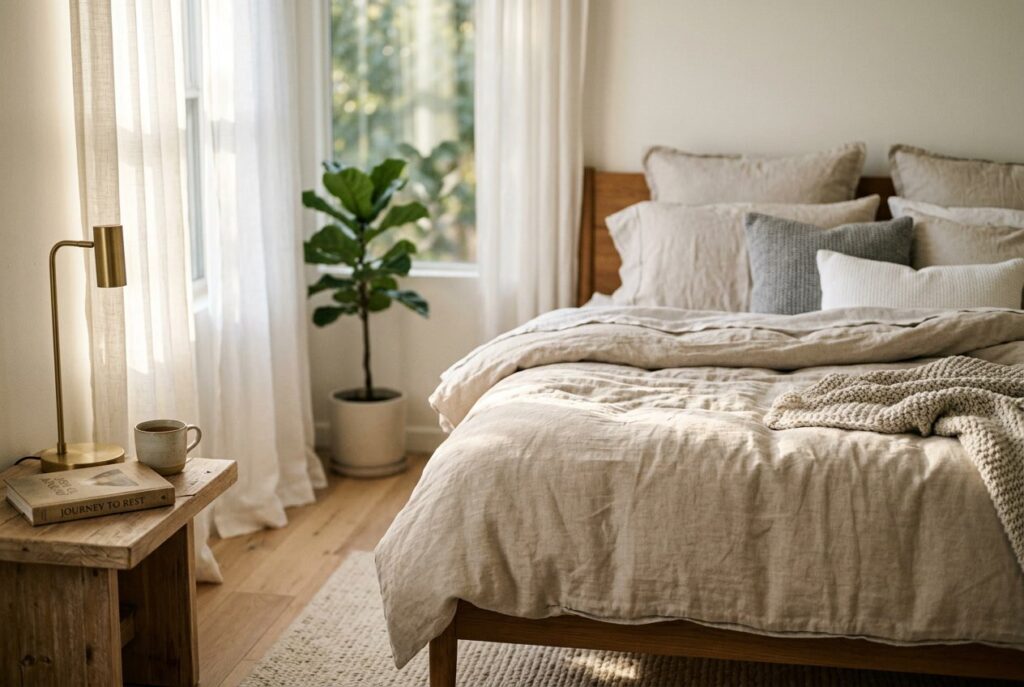
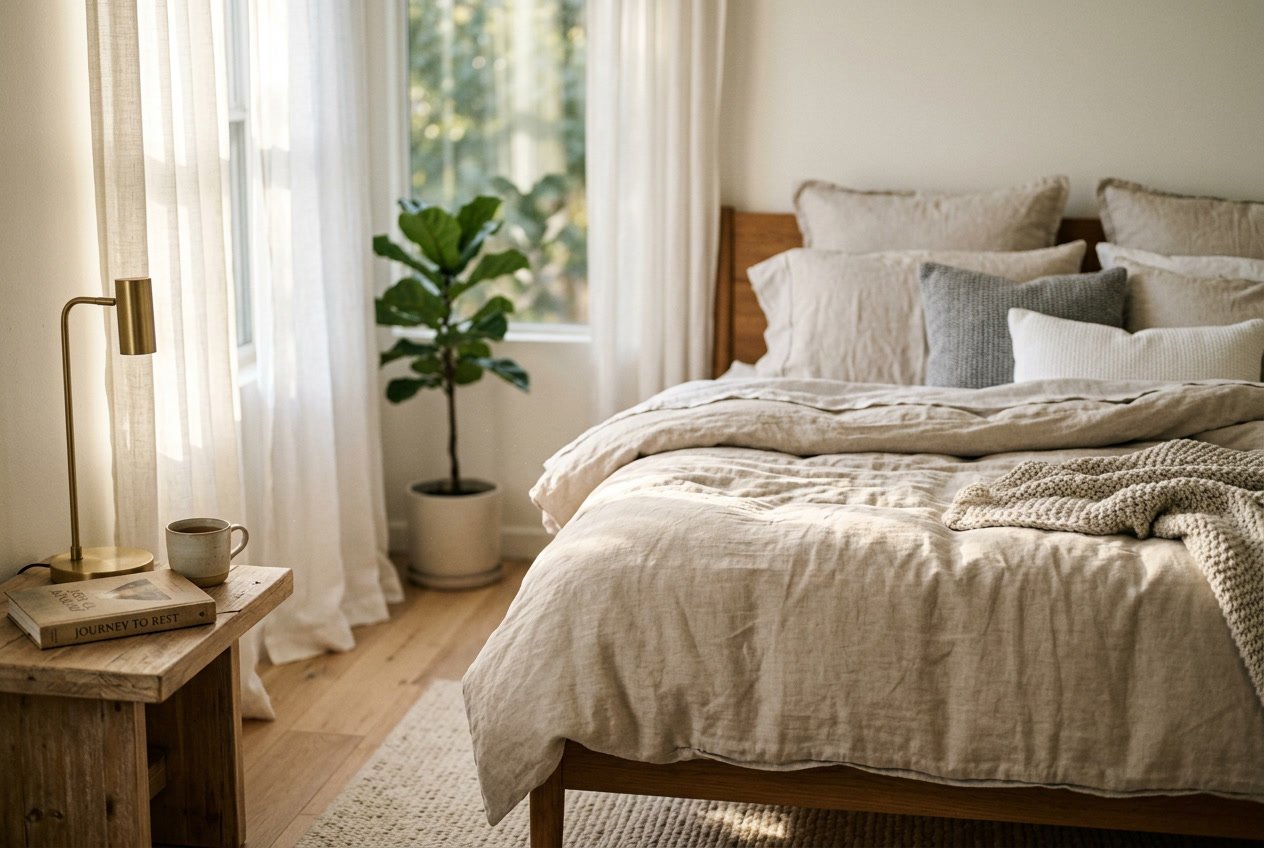
You don’t need to book an expensive resort or travel far to experience deep rest and renewal. A sleep retreat at home transforms your bedroom into a personal sanctuary designed specifically for better sleep and relaxation. Creating a sleep sanctuary[1] involves more than just buying new pillows—it’s about designing a complete environment that supports your mind and body’s natural need for quality rest.
Building an at-home wellness retreat gives you control over every detail of your sleep space. From the temperature and lighting to the sounds and scents you experience, each element can be customized to match your preferences. This approach to turning your home into a personal retreat[2] works whether you live in a small apartment or a large house.
The process doesn’t require a complete room renovation or designer budget. Simple changes to your bedroom setup can make a real difference in how well you sleep and how refreshed you feel each morning. With the right strategies, anyone can create a peaceful home environment that promotes genuine relaxation and better rest.
Table of Contents
Key Takeaways
- A home sleep retreat uses simple changes to lighting, scent, and sound to create better rest conditions
- Building a sleep sanctuary focuses on creating calm through bedding choices, room layout, and sensory elements
- At-home wellness retreat practices include mindfulness activities and smart solutions that support natural sleep patterns
Establishing the Foundation for Rest
The physical environment sets the stage for quality sleep through thoughtful choices in color, material, and natural elements. These foundational decisions work together to create a calming atmosphere that supports the body’s natural sleep rhythms.
Choosing a Calming Color Palette
The colors surrounding a sleep space directly impact the nervous system and overall relaxation. Nature-inspired tones like soft sage greens, dusty blues, and warm grays[3] naturally lower heart rate and blood pressure.
Cool tones in the blue and green families promote the deepest sense of calm. Muted shades work better than saturated colors for bedroom walls.
For those unable to repaint, these sleep-inducing hues can appear through bedding, curtains, or artwork. Neutral bases like soft beige, warm taupe, or gentle cream provide versatility while maintaining tranquility.
Effective color choices for sleep:
- Pale blue: Reduces stress and promotes calmness
- Soft green: Connects to nature and eases tension
- Warm gray: Creates a cozy, grounded feeling
- Lavender: Combines calming blue with gentle warmth
Bringing in Natural Materials and Textures
Natural materials create an inviting environment that encourages rest. Wood furniture, bamboo accents, and stone accessories ground the space with organic authenticity.
Layering different textures adds depth without visual clutter. Crisp cotton sheets paired with a chunky knit throw create tactile interest. A plush area rug beside the bed offers softness underfoot during nighttime movements.
Linen, wool, and silk provide temperature regulation while adding natural beauty. These breathable fabrics work with the body instead of trapping heat or moisture.
Texture combinations that enhance sleep:
- Cotton sheets with velvet pillows
- Jute rug beneath wooden bed frame
- Bamboo blinds with linen curtains
- Wool throw over smooth duvet
Incorporating Natural Elements
Bringing the outdoors in[3] transforms a bedroom into a restorative retreat. Indoor plants like snake plant, lavender, and jasmine actively improve air quality while promoting relaxation.
Snake plants release oxygen at night, making them ideal bedroom companions. Lavender’s scent naturally reduces anxiety and supports deeper sleep. These plants require minimal maintenance while providing maximum benefit.
Natural elements extend beyond living plants. A small water fountain creates soothing ambient sound. Driftwood pieces or river stones add organic shapes that soften modern spaces.
Best plants for sleep sanctuaries:
- Snake plant (releases nighttime oxygen)
- Lavender (calming fragrance)
- Jasmine (reduces anxiety)
- Peace lily (air purification)
Position plants where they receive appropriate light without cluttering bedside tables. Hanging planters or corner floor plants maximize benefits while maintaining clear surfaces for sleep essentials.
Optimizing Lighting and Scent
Light and smell work together to tell your body when it’s time to rest. The right lighting helps your brain produce melatonin, while calming scents trigger relaxation responses that prepare you for sleep.
Layering Dimmable Lighting
A sleep retreat needs multiple light sources at different brightness levels. Overhead lights should have dimmer switches, while bedside lamps and wall sconces provide softer options for evening hours.
Key lighting layers include:
- Overhead fixtures for general room lighting
- Table lamps for reading and tasks
- Wall-mounted lights for ambient glow
- Nightlights for safe nighttime movement
Dimmable lighting lets people adjust brightness based on the time of day and activity. Bright white light works well in the morning, while warm, dim light in the evening supports natural sleep patterns. Each light source should serve a specific purpose rather than flooding the entire room with the same intensity.
Using Dimmer Switches for Ambience
Dimmer switches transform standard fixtures into flexible lighting tools. They let people gradually reduce light levels as bedtime approaches, which signals the brain to start producing sleep hormones.
Installing dimmer switches on overhead lights costs between $15 and $50 per switch. Most work with LED bulbs, though compatibility should be checked before purchase. The gradual transition from bright to dim creates a calming environment[3] that supports the body’s natural wind-down process.
Smart dimmers offer scheduling features that automatically adjust lighting at set times. This removes the need to manually dim lights each evening and ensures consistent light exposure patterns.
Infusing Calming Scents
Certain scents directly affect the nervous system and promote relaxation. Lavender reduces heart rate and blood pressure, while chamomile and vanilla create soothing effects that help people fall asleep faster.
Scent can be added to a bedroom through several methods:
- Linen spray applied to sheets and pillowcases
- Reed diffusers that release fragrance continuously
- Scented candles used before bedtime (never while sleeping)
- Sachets placed in drawers or under pillows
The key is keeping fragrances subtle rather than overwhelming. Strong scents can cause headaches or irritation that disrupts sleep instead of supporting it.
Utilizing Essential Oil Diffusers
An essential oil diffuser disperses plant-based oils into the air as a fine mist. These devices provide consistent, controlled scent delivery without flame or heat risks.
Ultrasonic diffusers use water and vibration to create a cool mist. They run quietly and often include timer settings that shut off automatically after 1-4 hours. This prevents over-scenting the room during sleep.
Popular essential oils for sleep:
- Lavender for stress reduction
- Bergamot for anxiety relief
- Cedarwood for grounding effects
- Roman chamomile for gentle relaxation
People should add 3-5 drops of essential oils to the diffuser’s water reservoir. Running the diffuser for 30-60 minutes before bed fills the room with scent without creating an overpowering environment. Some diffusers include dim LED lights that add soft ambiance to the bedroom space.
Soundscapes and Sensory Enhancements
Natural sounds help the brain relax and prepare for sleep, while reducing unwanted noise creates a more peaceful home environment. Simple additions like water features combine both visual and auditory calm.
Incorporating Nature Sounds
Indoor natural soundscaping techniques[4] use recordings or devices that play water sounds, rainfall, birdsong, and rustling leaves to create a tranquil atmosphere. These sounds lower heart rate and reduce stress hormones in the body.
Smart sound machines and wireless speakers offer the most flexibility for bedroom use. Many models include timers that fade sounds gradually as sleep deepens. Apps provide another option with libraries of customizable nature sounds.
Volume matters more than most people realize. The sound should be barely audible once someone settles into bed. Positioning speakers 6-10 feet from the bed prevents the audio from becoming intrusive.
Certain nature sounds work better at different times. Gentle rain or ocean waves suit the beginning of sleep. Forest sounds with occasional bird calls help maintain sleep through the night without causing wake-ups.
Minimizing Noise Distractions
External noise disrupts sleep cycles even when it doesn’t fully wake someone. Sound absorption materials[4] like thick curtains, area rugs, and upholstered furniture reduce echo and block outside sounds.
Heavy drapes over windows cut traffic noise significantly. Curtains with thermal backing provide dual benefits of temperature control and sound dampening. Hanging them from ceiling to floor maximizes effectiveness.
Door sweeps and weatherstripping seal gaps that let hallway or household noise enter. These inexpensive additions make an immediate difference in rooms near busy areas.
Soft textures throughout the bedroom absorb sound waves better than hard surfaces. Accent pillows, throw blankets, and padded headboards all contribute to a quieter space. Wall hangings or tapestries add another layer of sound reduction.
Adding a Tabletop Fountain
A small fountain creates calming water sounds[4] while masking background noise from neighbors or street traffic. The gentle trickling provides consistent white noise that many find more soothing than electronic alternatives.
Self-contained tabletop models fit on nightstands or dressers without installation. Look for adjustable flow settings to control the volume and sound pattern. Quieter pumps prevent mechanical humming that defeats the purpose.
Placement near natural elements like plants amplifies the calming effect. The combination of greenery and flowing water strengthens the connection to nature indoors. Positioning the fountain where moonlight or soft lamplight catches the water adds visual interest.
Regular maintenance keeps the sound pleasant. Cleaning the pump monthly and refilling with distilled water prevents mineral buildup that changes the sound quality. Most fountains use minimal electricity and water.
Creating Spaces for Relaxation and Mindfulness
A sleep retreat works best when it includes dedicated areas for calming activities beyond rest. Specific zones for meditation, reading, and journaling help create routines that signal the mind to slow down before bed.
Designing a Meditation Nook
A meditation space needs minimal elements to function well. The area should include comfortable floor seating like a cushion or low pouf, positioned where natural light enters the room during morning hours.
Serene minimalist designs[5] work particularly well for meditation areas. A simple setup might include a single floor cushion on a jute rug with neutral walls in shades like Accessible Beige or Edgecomb Gray.
The best meditation nooks stay close to the ground. Low seating creates a grounded feeling that supports focused breathing and stillness. A person can add one or two plants to bring life into the space without creating visual clutter.
Lighting matters more than decorative items. Sheer curtains filter harsh sunlight into a softer glow. The space should avoid bright overhead lights that feel jarring during quiet practice.
Storage for meditation items belongs nearby but out of sight. A small basket can hold a timer, blanket, or incense without disrupting the clean aesthetic.
Setting Up a Reading Nook
A reading nook needs proper lighting and back support to encourage long sessions with a book. The ideal spot sits near a window with a comfortable chair or cushioned bench that supports the lower back.
Task lighting is essential for evening reading. A floor lamp with an adjustable arm lets a person direct light onto the page without straining their eyes. Warm-toned bulbs between 2700K and 3000K create a relaxing atmosphere that won’t interfere with sleep preparation.
Texture adds comfort to reading spaces. Layer soft throws and pillows in natural fabrics like cotton or linen. A small side table holds drinks, glasses, or the current book.
The nook should feel separate from the sleeping area even if space is limited. A room divider, tall plant, or bookshelf can create visual separation between the reading zone and the bed.
Integrating Journaling Practices
Journaling before bed helps process thoughts that might otherwise interrupt sleep. A small writing desk or lap desk provides a stable surface, though many people prefer writing while seated in bed with pillows supporting their back.
The journaling area needs adequate lighting from a bedside lamp or desk light. Keep supplies simple: a notebook, pen, and perhaps a timer for those who want to limit their writing session to 10 or 15 minutes.
Mindfulness practices[6] pair naturally with journaling routines. A person might start with three deep breaths before writing, then record thoughts without judgment or editing. This practice clears mental clutter before sleep.
Store journals within arm’s reach of the bed. A nightstand drawer or small basket keeps writing materials accessible for middle-of-the-night thoughts that need capturing before returning to rest.
Enhancing Sleep Quality with Smart Solutions
Creating darkness, organizing belongings efficiently, and adding comfort-focused details transform a bedroom into a space optimized for rest. These practical upgrades work together to eliminate common sleep disruptions and create an environment that supports natural sleep patterns.
Installing Blackout Curtains for Darkness
Light exposure directly affects the body’s production of melatonin, the hormone that regulates sleep cycles. Even small amounts of light from streetlamps, car headlights, or early morning sun can disrupt this natural process and reduce sleep quality.
Blackout curtains block 99% of outside light, creating complete darkness that signals the brain it’s time to sleep. These curtains feature tightly woven fabric with multiple layers or a special backing that prevents light penetration. They mount like standard curtains but require proper installation to work effectively.
For maximum light blocking, curtains should extend at least 4-6 inches beyond the window frame on each side. The rod needs to sit 4-6 inches above the window to prevent light gaps at the top. Adding a wrap-around curtain rod or attaching the fabric edges to the wall with velcro strips eliminates light leaks along the sides.
Additional benefits include:
- Reduced outside noise by up to 25%
- Better temperature control by blocking heat or cold
- Protection of furniture and bedding from sun damage
- Increased privacy during all hours
Embracing Smart Storage Solutions
Clutter creates visual stress and makes it harder for the mind to relax before sleep. Smart storage solutions[7] keep items organized and surfaces clear, promoting a calmer bedroom environment.
Under-bed storage containers maximize unused space while keeping seasonal clothing, extra linens, or shoes out of sight. Choose options with wheels for easy access and solid lids to prevent dust accumulation. Bedside tables with drawers or shelves contain books, medications, and electronics without creating surface clutter.
Wall-mounted shelves and floating nightstands free up floor space in smaller bedrooms. These solutions keep necessities within reach while maintaining an open, uncluttered feel. Closet organizers with specific sections for different items make it easier to put things away consistently.
A designated charging station outside the bedroom or in a drawer keeps devices accessible but removes the temptation to use them before sleep. This simple change supports better sleep hygiene by reducing screen time and blue light exposure.
Personal Touches for Comfort
Individual comfort preferences vary significantly, making personalization essential for quality sleep. Temperature, texture, and sensory elements should match what helps each person relax most effectively.
Weighted blankets provide deep pressure stimulation that reduces anxiety and promotes calmness for many sleepers. These blankets typically weigh 10% of body weight and distribute pressure evenly across the body. Memory foam or latex pillows offer different support levels based on sleep position and personal preference.
Aromatherapy diffusers with lavender, chamomile, or cedarwood oils create calming scents that signal relaxation. White noise machines or apps mask disruptive sounds from neighbors, traffic, or household activity. The ideal bedroom temperature ranges from 60-67°F, but personal preference determines the exact setting.
Soft, breathable bedding in natural fibers like cotton or linen regulates temperature better than synthetic materials. Layer blankets of different weights to adjust warmth throughout the night without overheating. These comfort-focused additions create a space that feels personally inviting and conducive to rest.
Implementing At-Home Wellness Retreat Practices
Creating a wellness retreat at home requires intentional practices that support better sleep and mental clarity. Simple changes like reducing screen time, bringing natural elements indoors, and tailoring the space to personal needs can transform an ordinary home into a restorative sanctuary.
Digital Detox for Sleep and Serenity
Technology use before bed disrupts sleep quality and prevents the mind from winding down properly. A digital detox helps calm the nervous system[8] and creates space for genuine relaxation.
Setting clear boundaries with devices makes a significant difference. People should establish a no-phone zone in the bedroom and stop using screens at least one hour before sleep. This includes televisions, tablets, smartphones, and computers.
Essential digital detox practices include:
- Charging phones outside the bedroom
- Using a traditional alarm clock instead of a phone
- Setting specific times to check email and social media
- Turning off notifications during evening hours
- Reading physical books instead of e-readers with backlit screens
Some people find it helpful to use apps like Calm or meditation programs during the day, but these should be scheduled carefully. Technology can support wellness goals when used intentionally, but it should never dominate the retreat experience or interfere with sleep preparation.
Connecting with Nature Indoors
Bringing natural elements into the home[8] creates a calming environment that supports better sleep and reduces stress. Plants, natural materials, and organic textures help ground a space and improve air quality.
Low-maintenance plants work well for beginners. Succulents, air plants, and snake plants require minimal care while purifying the air. A small tabletop fountain adds soothing water sounds that promote relaxation.
Natural materials create warmth and visual calm:
| Material | Benefits | Best Uses |
|---|---|---|
| Wood | Adds warmth, reduces visual stress | Furniture, flooring, decorative items |
| Stone | Grounding, cooling effect | Accents, fountains, healing stones |
| Bamboo | Sustainable, calming texture | Window treatments, furniture |
| Terracotta | Earthy, warm tones | Planters, decorative pieces |
Artwork featuring nature scenes provides similar grounding effects. Using earth-tone color palettes in sage, sand, and muted blues reinforces the connection to the natural world and enhances the retreat atmosphere.
Building a Personalized At-Home Retreat
A successful at-home retreat[9] starts with understanding individual needs and preferences. Each person responds differently to various wellness practices, so customization matters more than following strict rules.
Setting clear intentions guides the entire retreat experience. Someone might focus on improving sleep quality, reducing stress, or simply disconnecting from daily pressures. Writing down these goals helps maintain focus throughout the process.
Key elements of personalization:
- Choosing scents that personally resonate (lavender for some, eucalyptus for others)
- Selecting music or sound frequencies between 432 and 528 hertz
- Creating a dedicated meditation space in a quiet, low-traffic area
- Scheduling retreat time when interruptions are least likely
- Starting with a few calming items and adding more gradually
The space itself should feel inviting rather than overwhelming. A simple meditation corner with a soft cushion, candle, and essential oil diffuser provides enough structure for a DIY wellness retreat[10] without requiring major renovations. People can transform a reading nook, window seat, or unused corner into a peaceful sanctuary with minimal effort and expense.
Frequently Asked Questions
Getting quality sleep at home involves making specific changes to your bedroom setup, daily habits, and sleep products. These answers cover practical steps anyone can take to improve their sleep environment and nighttime routine.
How can I design a calming bedroom layout that supports deeper, more consistent sleep?
A bedroom layout that promotes sleep starts with removing clutter and organizing the space. Visual stress from messy rooms[11] makes it harder to relax and fall asleep.
The bed should be positioned away from direct light sources and not facing a television or computer screen. Furniture placement matters less than keeping the space clean and free of items that create mental distraction.
Storage solutions help keep clothes, papers, and other items out of sight. Dressers with drawers work better than open shelving that displays everything. The goal is to make the bedroom feel like a dedicated sleep space rather than a multipurpose room.
Nightstands should only hold sleep-related items like a lamp, book, or glass of water. Work materials, exercise equipment, and hobby supplies belong in other rooms.
What temperature, humidity, and ventilation settings are ideal for a sleep-friendly room?
The best bedroom temperature for sleep falls between 60 and 67 degrees Fahrenheit. Most people sleep better in cooler rooms because body temperature naturally drops during sleep.
Humidity levels should stay between 30 and 50 percent. Too much moisture in the air makes the room feel stuffy, while too little dries out nasal passages and skin.
Elevate Your Health for Just $29.99/Month
Join the Precision Wellness Subscription at My Healing 365 and get discounted services, priority coaching access, virtual care, and exclusive wellness resources to support your physical, emotional, and hormonal health.
Join for $29.99/MonthGood air circulation prevents stuffiness without creating drafts. A ceiling fan on low speed or a small fan pointed away from the bed keeps air moving. Opening a window slightly works when outdoor temperatures allow it.
A programmable thermostat can lower the temperature automatically before bedtime. This helps the body prepare for sleep without requiring manual adjustments each night.
How can I reduce light and noise at night without doing a full renovation?
Blackout curtains or blackout blinds block outside light from streetlamps and early morning sun. These window treatments attach to existing curtain rods without permanent installation.
Light-blocking curtain liners add darkness to regular curtains people already own. Draft stoppers placed at the bottom of doors prevent light from hallways or other rooms from entering.
White noise machines mask disruptive sounds like traffic, neighbors, or household noises. Fans also create consistent background sound that covers irregular noises. Earplugs offer another option for people who prefer complete silence.
Heavy curtains and rugs absorb sound in addition to blocking light. Weatherstripping around windows and doors reduces both noise and drafts. These solutions require minimal effort and no construction work.
What is the 3-2-1 bedroom method, and how do I apply it to my nightly routine?
The 3-2-1 method creates a structured wind-down routine before bed. Three hours before sleep, people should finish eating their last meal to allow for proper digestion.
Two hours before bed means stopping work-related tasks and mentally demanding activities. This gives the brain time to shift from active problem-solving to a calmer state.
One hour before sleep requires turning off all screens including phones, tablets, computers, and televisions. Blue light from devices interferes with melatonin production and makes falling asleep harder.
During that final hour, people can read physical books, take warm baths, practice light stretching, or do other relaxing activities. The method works because it establishes clear boundaries between daytime activities and sleep preparation.
Which bedding materials and mattress features best balance comfort, support, and cooling?
Cotton and linen sheets breathe well and help regulate body temperature throughout the night. Thread counts between 200 and 400 offer the best combination of softness and durability without trapping heat.
Mattresses with good edge support and proper spinal alignment prevent aches and improve sleep quality. Memory foam provides pressure relief but can retain heat, while innerspring mattresses offer better airflow. Hybrid mattresses combine foam comfort with coil support and cooling.
Pillows should match sleeping position. Side sleepers need thicker pillows to fill the space between the head and mattress, while back sleepers need medium-height pillows. Stomach sleepers require thin pillows to avoid neck strain.
Natural materials like wool and bamboo in mattress covers wick away moisture. Mattress protectors with cooling technology add another layer of temperature control without changing the feel of the bed.
What is a simple three-ingredient sleep mixture, and when should it be taken for best results?
A basic sleep mixture combines warm milk, honey, and a pinch of nutmeg or cinnamon. The milk contains tryptophan, an amino acid that helps produce sleep-promoting hormones.
Honey provides natural sugars that prevent blood sugar drops during the night. The small amount of nutmeg or cinnamon adds flavor and contains compounds that may support relaxation.
This mixture should be consumed 30 to 60 minutes before bedtime. Drinking it too close to sleep may require a bathroom trip that disrupts rest.
The drink works best when paired with other good sleep habits like consistent bedtimes and a dark, cool room. It serves as a relaxing ritual rather than a standalone sleep solution.
Post Views: 4
References
- Sleep Sanctuary Design: 10 Expert Eco-Friendly Tips. https://cozybedquarters.com/sleep-sanctuary-design-ideas/ Accessed June 1, 2026
- 12 Ways to Turn Your Home Into a Personal Retreat. https://thegoodmotherproject.com/12-ways-to-turn-your-home-into-a-personal-retreat/ Accessed June 1, 2026
- 20 Ways to Turn Your Bedroom into a Relaxing Sleep Sanctuary. https://www.homeaswemakeit.com/20-ways-to-turn-your-bedroom-into-a-relaxing-sleep-sanctuary/ Accessed June 1, 2026
- Indoor Natural Soundscaping Techniques to Create Calming Home Ambience. https://onehometherapy.com/indoor-natural-soundscaping-techniques-to-create-calming-home-ambience/ Accessed June 1, 2026
- 19 Meditation Room Ideas to Create a Calm and Peaceful Space. https://homecollective.org/meditation-room-ideas/ Accessed June 1, 2026
- Creating a Mindfulness Space at Home. https://welovetomeditate.com/blog/mindfulness-practices/creating-a-mindfulness-space-at-home Accessed June 1, 2026
- 8 Smart Devices to Make Your Bedroom More Relaxing. https://smarthomeace.com/8-smart-devices-to-make-your-bedroom-more-relaxing/ Accessed June 1, 2026
- digital detox helps calm the nervous system. https://www.bhg.com/create-wellness-retreat-at-home-11839253 Accessed June 1, 2026
- How To Create A Holistic Lifestyle Retreat In Your Own Home For Ultimate Wellness. https://drzam.com/creating-a-holistic-wellness-retreat-at-home/ Accessed June 1, 2026
- DIY Retreat: How To Have A Travel-Inspired Retreat At Home. https://littlelosttravel.com/diy-wellness-retreat-at-home/ Accessed June 1, 2026
- Create Your Peaceful Sleep Sanctuary: The Ultimate Guide to a Relaxing Bedroom Setup. https://blog.mavigadget.com/create-your-peaceful-sleep-sanctuary-the-ultimate-guide-to-a-relaxing-bedroom-setup/ Accessed June 1, 2026























