Medically Reviewed
Dr. Jose Rossello, MD, PhD, MHCM
Preventive Medicine & Public Health Specialist
Last Reviewed: April 28, 2026
Hair damage shows up as split ends, frizz, dryness, and breakage. Many people wonder if they can fix these problems without harsh chemicals or expensive salon treatments. The good news is that natural methods can help improve hair health, though they work differently than many expect.
Most hair damage cannot be truly reversed because hair is made of dead cells that cannot repair themselves, but natural treatments can improve the appearance and condition of damaged hair while protecting new growth from future harm. Natural remedies and proper hair care[1] can smooth down raised cuticles, add moisture, and prevent additional damage. The key is understanding what natural approaches can and cannot do.
Success depends on using the right combination of treatments and changing daily habits. Natural oils, masks, and gentle hair care practices help restore shine and strength over time. The damaged portions of hair will eventually need to be trimmed away, but protecting hair from heat and chemical damage[2] allows healthier new growth to take its place.
Table of Contents
Key Takeaways
- Hair damage cannot be fully reversed since hair consists of dead cells, but natural treatments can improve its appearance and protect new growth
- Regular trims combined with natural oils, masks, and gentle care help restore shine and reduce breakage
- Avoiding heat styling, harsh chemicals, and damaging habits prevents further damage while healthier hair grows in
Understanding Hair Damage
Hair damage occurs when the protective outer layer breaks down from chemical treatments, heat styling, or environmental stress. The cuticle lifts or cracks, leading to visible problems like breakage, split ends, and texture changes.
Types of Hair Damage
Chemical damage happens when dye, bleach, or relaxers disrupt protein bonds inside the hair shaft. Bleach creates fissures in the cuticle[3] and exposes the inner cortex to further harm.
Heat damage occurs when styling tools exceed 300°F. High temperatures permanently alter keratin structure and weaken each strand.
Mechanical damage results from rough brushing, tight hairstyles, and excessive tension. This type causes hair breakage along the shaft and at the roots.
Environmental damage comes from UV radiation and pollution. UVB rays cause 2-5 times greater protein loss[3] compared to other environmental factors.
Signs and Symptoms
Split ends appear when the hair shaft splits into two or more pieces at the tip. About 18% of women report this common damage marker.
Frizzy hair indicates lifted cuticles that no longer lie flat. Humidity makes this worse because damaged strands absorb moisture unevenly.
Rough texture affects 47% of women and 30% of men. Hair feels scratchy or straw-like instead of smooth.
Tangles form more easily when the cuticle is damaged. Hair catches on itself because the surface isn’t smooth anymore.
Increased breakage shows up as short pieces in your brush or sink. The hair snaps under normal tension instead of stretching.
The Hair Cuticle and Its Role
The hair cuticle makes up about 10% of each strand’s total mass. It wraps around the cortex in overlapping layers like roof shingles.
When intact, the cuticle protects the inner cortex and locks moisture inside. Lipid layers between cuticle cells seal the structure and create shine.
The cuticle contains 95% keratin[3] held together by disulfide bonds. These bonds give hair its strength and elasticity against daily stress.
Once the cuticle lifts or breaks, the cortex loses protein and moisture rapidly. This creates a cycle where damaged hair becomes more vulnerable to additional harm. The cuticle cannot repair itself because hair is made of dead cells without regenerative ability.
Common Causes of Hair Damage
Hair damage happens when the protective outer layer of each strand breaks down. Heat styling and chemical treatments[4] weaken hair structure, while pollution and sun exposure cause additional harm.
Heat Styling and Chemical Treatments
Blow dryers, flat irons, and curling irons expose hair to temperatures that can reach 400 degrees Fahrenheit. This intense heat breaks down the protein bonds in hair strands, making them brittle and prone to breakage.
Using a heat protectant before styling creates a barrier between hot tools and hair. This product helps reduce damage by distributing heat more evenly across strands.
Chemical treatments like hair dye, bleach, perms, and relaxers strip away natural oils and weaken the hair shaft. These processes open the hair cuticle to deposit or remove color and change texture. Repeated chemical treatments cause cumulative damage that becomes harder to reverse over time.
Professional colorists recommend waiting at least 6-8 weeks between chemical services. This gives hair time to recover and rebuild strength.
Environmental Stressors
UV rays from the sun break down hair proteins just like they damage skin. Extended sun exposure causes color fading, dryness, and a rough texture.
Pollution particles stick to hair and scalp, creating buildup that blocks moisture. Air pollution and harsh weather[5] break down hair fibers over time.
Chlorine from swimming pools and salt water from oceans strip natural oils from hair. Both leave strands dry and tangled after exposure.
Hard water contains minerals like calcium and magnesium that coat hair shafts. This buildup makes hair feel stiff and look dull. Installing a shower filter helps reduce mineral deposits on hair.
Wind and cold weather cause friction that leads to breakage and split ends. Wearing protective styles or covering hair in harsh conditions helps prevent environmental damage.
Nutritional Deficiencies
Hair needs specific nutrients to stay strong and healthy. Lack of protein leads to weak, thin strands that break easily. Hair is made mostly of keratin, a protein that requires adequate dietary protein to produce.
Iron deficiency causes hair to become brittle and fall out more than normal. Women are especially at risk due to monthly blood loss. Foods like lean meat, beans, and fortified cereals provide necessary iron.
Low levels of biotin, zinc, and vitamins A, C, and E affect hair growth and strength. These nutrients support cell production and protect against oxidative stress. A balanced diet with eggs, nuts, leafy greens, and fish supplies these vitamins naturally.
Dehydration shows up in hair before other parts of the body. Drinking at least eight glasses of water daily keeps hair moisturized from the inside out.
Improper Hair Care Habits
Overwashing strips natural oils that protect and moisturize hair. Most people only need to shampoo 2-3 times per week. Those with very oily hair or active lifestyles may need more frequent washing.
Brushing wet hair causes it to stretch and snap. Hair is most fragile when damp. A wide-tooth comb gently detangles without pulling or breaking strands.
Rough towel-drying creates friction that damages the hair cuticle. Patting hair dry or wrapping it in a microfiber towel reduces breakage.
Cotton pillowcases create friction during sleep that leads to tangles and breakage. Switching to a silk pillowcase allows hair to glide smoothly as you move at night.
Tight hairstyles like ponytails, buns, and braids pull on hair roots. This tension causes breakage around the hairline and temples. Loose styles and soft hair ties prevent this type of damage.
Skipping regular trims allows split ends to travel up the hair shaft. Cutting hair every 6-8 weeks removes damaged ends before they worsen. A leave-in conditioner helps seal moisture and protect ends between trims.
Is It Possible to Reverse Hair Damage Naturally?
Natural methods can improve hair health and appearance, but they work best on surface-level damage rather than structural breakage. The extent of repair depends on the type and severity of damage present.
Can Natural Methods Fully Repair Hair?
Natural approaches can restore shine, smoothness, and manageability to hair that looks dull or feels rough. Hair is made of dead protein, so once it’s severely damaged at the structural level, no treatment can truly “heal” it back to its original state.
Surface damage responds well to natural solutions. Coconut oil penetrates the hair shaft and helps reduce protein loss during washing. Gentle hair care practices like air drying and avoiding heat tools prevent further damage from occurring.
Deep splits and breaks cannot be reversed through natural methods alone. The damaged portions remain compromised regardless of treatment. Daily scalp massages can stimulate hair follicles[6] and encourage healthier new growth, but they won’t repair existing breaks.
The most effective natural strategy combines protective care with patience. As new, healthy hair grows from the scalp, damaged ends can be gradually trimmed away.
Realistic Expectations and Limitations
Natural methods require time and consistency to show results. Most people notice improvements in hair texture and appearance within four to eight weeks of starting a new routine.
Certain types of damage have clear limits. Chemical processing, excessive heat styling, and mechanical breakage create permanent structural changes. Natural treatments can minimize the appearance of this damage but cannot reverse it completely.
Nutrient deficiencies can affect hair health[7], and addressing them through diet or supplements may support better growth. However, genetics, hormones, and underlying health conditions also play significant roles that natural remedies alone cannot fully address.
Setting realistic goals helps maintain motivation. Improving hair’s overall condition, reducing breakage, and growing stronger new hair are achievable outcomes. Expecting severely damaged hair to return to perfect condition is not.
Benefits of Choosing Natural Solutions
Natural methods offer several advantages for those looking to repair damaged hair naturally[8]. They typically cost less than salon treatments and harsh chemical products.
Key benefits include:
- Fewer harsh chemicals that could cause additional damage
- Lower risk of scalp irritation or allergic reactions
- Sustainable practices that support long-term hair health
- Gentler approach suitable for regular use
Natural solutions also address hair health from multiple angles. Managing stress through physical activity and mindfulness[9] supports overall wellness, which reflects in hair quality. Using gentle shampoos and moisturizing conditioners protects hair during regular washing.
These methods work well alongside other treatments. Someone can use natural oils and protective styling while also getting regular trims or seeking medical advice for underlying issues affecting hair growth.
Natural Remedies for Repairing Damaged Hair
Kitchen ingredients and natural oils can penetrate the hair shaft to restore moisture and rebuild protein structure from the inside out. These remedies work by nourishing the scalp, strengthening weakened strands, and creating a protective barrier against future damage.
Moisturizing Oil Treatments
Coconut oil stands out among moisturizing treatments because its lauric acid penetrates deep into the hair shaft rather than sitting on the surface. A person should warm the oil slightly and apply it to damp hair, focusing on the ends where damage tends to be worst. Leave it on for at least 30 minutes or overnight for deeper conditioning.
Olive oil creates a protective layer around each strand while delivering vitamins A and E that repair damaged cuticles. Natural oils like coconut can reduce breakage by up to 94%[10] when mixed properly with carrier oils. Castor oil works best for those dealing with thinning or brittle hair because it contains ricinoleic acid that strengthens weak spots.
Pumpkin seed oil provides zinc and omega-3 fatty acids that support hair structure. Mix 2-3 tablespoons of any oil with a few drops of rosemary or peppermint oil for added scalp stimulation. Apply the mixture once or twice weekly, then rinse thoroughly with a sulfate-free shampoo.
Protein-Rich Hair Masks
Hair needs protein to rebuild its keratin structure after heat styling or chemical treatments damage it. Eggs contain amino acids that fill microscopic gaps in damaged strands, making them an effective protein-rich treatment for rebuilding weakened cuticles[10]. Mix two eggs with one tablespoon of olive oil and apply to damp hair for 20-30 minutes.
A banana hair mask delivers potassium and B vitamins that strengthen hair from root to tip. Mash one ripe banana until smooth, add one egg, and apply the mixture to hair sections. The combination smooths the cuticle layer while reducing frizz and breakage.
Avocado hair masks work well for extremely dry or damaged hair because they contain healthy fats and biotin. Blend one ripe avocado with two tablespoons of coconut oil until creamy. Apply to hair and leave on for 30 minutes before rinsing. These masks should be used once or twice per week for best results.
Scalp Massage and Stimulation
Scalp massage increases blood flow to hair follicles, which delivers more nutrients to support stronger growth. A person should use their fingertips to apply gentle pressure in circular motions for 5-10 minutes daily. This simple technique helps distribute natural oils from the scalp down the hair shaft.
Adding essential oils boosts the benefits of regular massage. Rosemary oil improves circulation and has been shown to support hair health when applied to the scalp. Peppermint oil creates a cooling sensation that stimulates follicles and promotes healthier growth patterns.
Mix 3-4 drops of rosemary or peppermint oil with a tablespoon of coconut or olive oil before massaging into the scalp. Leave the treatment on for at least 30 minutes, then wash as usual. A leave-in conditioner can be applied afterward to lock in moisture and protect strands throughout the day.
Daily Habits to Strengthen and Protect Hair
Simple changes in daily routines can prevent breakage and maintain hair strength. Washing techniques, detangling methods, and overnight protection all play direct roles in keeping strands healthy.
Gentle Washing and Drying
Water temperature matters when washing hair. Hot water lifts the cuticle and strips natural oils, while lukewarm water cleanses effectively without causing dryness.
Shampooing should focus on the scalp rather than the hair length. Rubbing shampoo directly into the ends can damage hair and cause unnecessary friction[11]. People should massage the scalp with fingertips and let the lather rinse through the rest of the hair.
Conditioner works differently. It belongs on the mid-lengths and ends where hair needs moisture most. Applying it to the scalp can weigh hair down and create buildup.
After washing, aggressive towel drying causes breakage. Blotting hair gently with a microfiber towel or soft cotton t-shirt absorbs water without roughing up the cuticle. Wringing or twisting wet hair creates weak points that snap easily.
Detangling Techniques
Wet hair stretches more easily and breaks when pulled. Starting detangling at the ends and working upward prevents yanking through knots.
A wide-tooth comb works better than a brush on wet hair. The wider spacing between teeth reduces tension on individual strands. For stubborn tangles, applying a leave-in conditioner adds slip and makes combing easier.
Brushing frequency also affects hair health. Once or twice daily is enough for most people. Excessive brushing can weaken the cuticle over time.
Protective Styling and Sleep Solutions
Sleeping on cotton pillowcases creates friction that roughs up the hair cuticle overnight. A silk pillowcase reduces this friction and helps hair retain moisture. Satin pillowcases offer similar benefits at a lower cost.
Loose braids or low buns prevent hair damage[12] during sleep. Tight hairstyles pull at the roots and cause breakage, especially at the crown and hairline. Fabric-covered hair ties distribute pressure more evenly than thin elastics.
For longer hair, wrapping it in a silk or satin scarf before bed provides extra protection. This method works particularly well for textured or curly hair types that tend toward dryness.
Restoring and Supporting Healthy Hair Growth
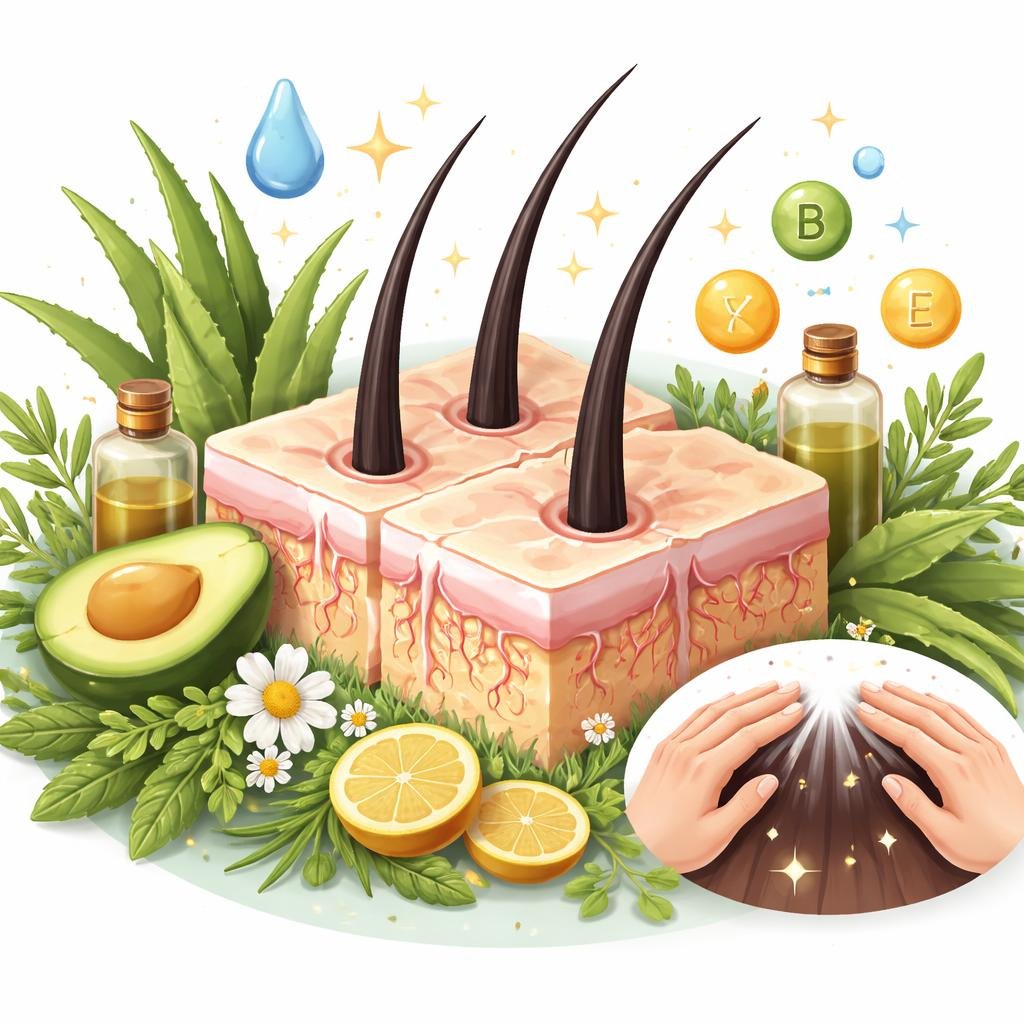
Healthy hair growth depends on a well-nourished scalp, proper blood flow, and adequate nutrients that support the hair growth cycle. Addressing these foundational elements helps damaged hair recover while promoting stronger new growth.
Scalp Health and Circulation
A healthy scalp creates the foundation for strong hair growth. Poor scalp health can lead to clogged follicles, inflammation, and reduced blood flow that limits nutrient delivery to hair roots.
Regular scalp massages improve circulation and stimulate hair follicles. Massaging the scalp for 5-10 minutes daily increases blood flow to the area. This enhanced circulation delivers more oxygen and nutrients to follicles.
Natural oils like jojoba and argan[13] help maintain scalp moisture and reduce dryness. These oils also have anti-inflammatory properties that soothe irritation. Keeping the scalp clean without overwashing prevents buildup that blocks follicles.
Gentle exfoliation removes dead skin cells and product residue. Using a soft brush or scalp scrub once weekly keeps pores clear. Avoid harsh scrubbing that damages the scalp or hair follicles.
Nutritional Support for Hair
Hair needs specific nutrients to grow strong and healthy. Protein forms the building blocks of hair strands, while vitamins and minerals support follicle function.
Key nutrients for hair health:
- Biotin strengthens hair structure and reduces breakage
- Iron carries oxygen to follicles and prevents shedding
- Vitamin D helps create new follicles and supports the growth cycle
- Omega-3 fatty acids nourish the scalp and reduce inflammation
- Zinc aids in tissue repair and oil gland function
A diet rich in eggs, fish, nuts, leafy greens, and lean meats provides these essential nutrients. Protein-rich foods and proper hydration[1] play a key role in hair strength and growth.
Supplements can fill nutritional gaps when diet alone falls short. Taking biotin supplements may improve hair thickness in people with deficiencies. However, consulting a healthcare provider ensures appropriate dosing and addresses any underlying health issues.
Understanding the Hair Growth Cycle
Hair grows in distinct phases that determine its length and lifespan. Understanding this cycle helps set realistic expectations for recovery.
The anagen phase lasts 2-7 years and is the active growth period. About 85-90% of hair stays in this phase at any time. The catagen phase is a 2-3 week transition when growth stops. The telogen phase lasts about 3 months as a resting period before hair sheds.
Damaged hair often experiences disrupted cycles. Stress, poor nutrition, or harsh treatments can push more hairs into telogen effluvium, causing excessive shedding. This condition typically resolves within 6 months once triggers are addressed.
New healthy hair takes time to grow[1], with most people seeing improvement in 4-6 weeks for texture changes. Significant length and density improvements require 6-12 months as hair progresses through complete growth cycles.
Hair grows approximately half an inch per month during anagen. Treatments like minoxidil can extend this growth phase in some individuals. Natural methods focus on optimizing conditions for the body’s natural growth patterns.
Frequently Asked Questions
Natural hair repair involves combining protective daily habits with targeted treatments that address specific types of damage. The most effective approaches focus on preventing further breakdown while supporting healthier growth from the roots.
What natural remedies can be used for repairing damaged hair?
Coconut oil stands out as one of the most effective natural treatments for damaged hair. Its properties can prevent hair damage[14] by protecting strands from environmental stressors like sun, wind, saltwater, and chlorine. People with dry hair should apply coconut oil one to three times weekly, either before or after washing.
Argan oil works well for smoothing the hair cuticle and adding shine. It contains fatty acids that help seal moisture into the hair shaft.
Apple cider vinegar rinses can restore the hair’s natural pH balance. Mix one part vinegar with two parts water and use it as a final rinse after shampooing.
Egg masks provide protein that temporarily strengthens hair structure. Beat one or two eggs and apply them to damp hair for 20 minutes before rinsing with cool water.
How can one prevent and treat hair breakage effectively at home?
Hair breakage prevention starts with gentle handling techniques. Use wide-tooth combs on wet hair and start detangling from the ends rather than the roots. Loop brushes cause less mechanical stress than traditional bristle brushes.
Heat styling should stay below 365°F to avoid breaking down keratin bonds. Apply a heat protectant before using any hot tools, and limit thermal styling to two or three times per week.
Deep conditioning treatments with keratin and amino acids can reduce damage significantly. Studies show regular protein-based masks lead to a 77% reduction in damage after five sessions.
Protective hairstyles like braids or buns reduce daily manipulation and friction. Silk or satin pillowcases also minimize breakage during sleep compared to cotton.
Are there any methods to repair hair follicles naturally?
Hair follicle health depends heavily on proper nutrition and scalp circulation. Iron, zinc, and vitamin D all support follicle function and healthy hair growth. Dietary patterns rich in omega fatty acids from fish and nuts improve scalp health and reduce inflammation.
Scalp massage increases blood flow to hair follicles. Using fingertips to apply gentle pressure for five to ten minutes daily can stimulate circulation.
A balanced diet and stress management can significantly improve hair health[15] and potentially stimulate regrowth in specific cases. However, completely reversing all types of follicle damage naturally may not be possible in severe situations.
Green tea contains antioxidants that may support follicle health. Drinking two to three cups daily or applying cooled green tea to the scalp provides these benefits.
What are the best practices for quick hair repair at home?
Quick hair repair depends on the extent of damage[16] and the consistency of care routines. With regular treatment and nourishment, improvements can appear within a few weeks to months. Severe damage may require professional intervention and longer-term treatment.
Washing hair with sulfate-free shampoo five to six times weekly reduces dryness while preserving natural oils essential for repair. Cold water rinses seal the cuticle and lock in moisture better than hot water.
Leave-in conditioners with UV protection shield hair from environmental damage throughout the day. They work on both wet and dry strands without adding greasiness.
Elevate Your Health for Just $29.99/Month
Join the Precision Wellness Subscription at My Healing 365 and get discounted services, priority coaching access, virtual care, and exclusive wellness resources to support your physical, emotional, and hormonal health.
Join for $29.99/MonthTrimming split ends every six to eight weeks prevents damage from traveling up the hair shaft. This practice doesn’t make hair grow faster, but it keeps existing strands healthier.
Is it possible to restore hair health with natural treatments?
Natural treatments can improve hair appearance and manageability, but they have limitations. Once heat or chemicals break protein bonds in the hair shaft, topical products cannot reverse permanent structural damage.
Deep conditioners and masks temporarily smooth the cuticle and improve texture. However, these effects typically fade after one or two washes.
Natural ingredients like honey, aloe vera, and avocado provide moisture and temporary smoothing. These treatments help damaged hair look and feel better without chemically altering its structure.
Incorporating natural remedies into a consistent routine[17] works better than occasional intensive treatments. Daily protection matters more than periodic repair attempts.
What are the top recommended approaches for natural hair regrowth?
Vitamin D, gut health, and proper nutrient balance play crucial roles[7] in hair restoration and overall wellness. Addressing nutritional deficiencies through diet or supplementation supports natural regrowth from within.
Protein-rich foods provide the building blocks for keratin production. Include lean meats, eggs, legumes, and nuts in daily meals to support hair strength.
Herbal remedies like rosemary oil and peppermint oil may stimulate hair growth when massaged into the scalp. Research suggests these oils can improve circulation and promote follicle activity.
Reducing stress through meditation, exercise, or adequate sleep supports hormonal balance that affects hair growth. Chronic stress can push follicles into resting phases, slowing down natural regrowth cycles.
Post Views: 14
References
- 17 Easiest Ways How To Repair Damaged Hair Naturally
– Scandinavianbiolabs.com. https://scandinavianbiolabs.com/blogs/hair-loss/how-to-repair-damaged-hair-naturally Accessed April 30, 2026 - Repair Damaged Hair Naturally: 7 Proven Remedies. https://www.growglam.com/how-to-repair-damaged-hair-naturally-7-proven-home-remedies/ Accessed April 30, 2026
- Can Damaged Hair Be Reversed? Causes, Fixes & Prevention Tips. https://theglossylocks.com/can-damaged-hair-be-reversed/ Accessed April 30, 2026
- How to Repair Damaged Hair Naturally. https://www.drmalaymehta.com/blog/how-to-repair-damaged-hair-naturally/ Accessed April 30, 2026
- How to Repair Damaged Hair Naturally at Home: A Complete Guide
– Zobha. https://zobhalife.com/blogs/news/how-to-repair-damaged-hair-naturally-at-home-a-complete-guide Accessed April 30, 2026 - How to Stop Hair Loss and Regrow Hair Naturally at Home. https://www.wikihow.com/Regrow-Hair-Naturally Accessed April 30, 2026
- Reversing Hair Loss Naturally using Gut Health & Nutrient Balance. https://www.bellechanics.com/blog/reversing-hair-loss-naturally Accessed April 30, 2026
- How to Regrow Hair Naturally: 12 Proven Methods. https://vitaminsforwoman.com/beauty/regrow-hair-naturally/ Accessed April 30, 2026
- Natural hair regrowth tips and home remedies. https://www.medicalnewstoday.com/articles/320155 Accessed April 30, 2026
- Repair Hair Breakage Naturally: 15 DIY Remedies That Actually Work. https://theglossylocks.com/repair-hair-breakage-naturally/ Accessed April 30, 2026
- 10 hair care habits that can damage your hair. https://www.aad.org/public/everyday-care/hair-scalp-care/hair/habits-that-damage-hair Accessed April 30, 2026
- 33 Ways To Make Weak Or Damaged Hair Stronger. https://flawlesshair.com/ways-to-make-weak-or-damaged-hair-stronger/ Accessed April 30, 2026
- Repair Damaged Hair Naturally. https://www.growglam.com/how-to-repair-damaged-hair-naturally-2026/ Accessed April 30, 2026
- 10 Natural Remedies to Repair Your Damaged Hair at Home . https://www.chemist-4-u.com/guides/hair/10-natural-remedies-to-repair-your-damaged-hair-at-home/ Accessed April 30, 2026
- Can Hair Loss Be Reversed Naturally?. https://necolebitchie.com/can-hair-loss-be-reversed-naturally/ Accessed April 30, 2026
- 10 Ways to Revive and Restore Damaged Hair. https://hairstreet.com/10-ways-to-revive-and-restore-damaged-hair/ Accessed April 30, 2026
- How to Repair Damaged Hair Naturally: Easy Tips to Restore Shine and Strength at Home. https://looksniceonme.com/how-to-repair-damaged-hair-naturally/ Accessed April 30, 2026

























