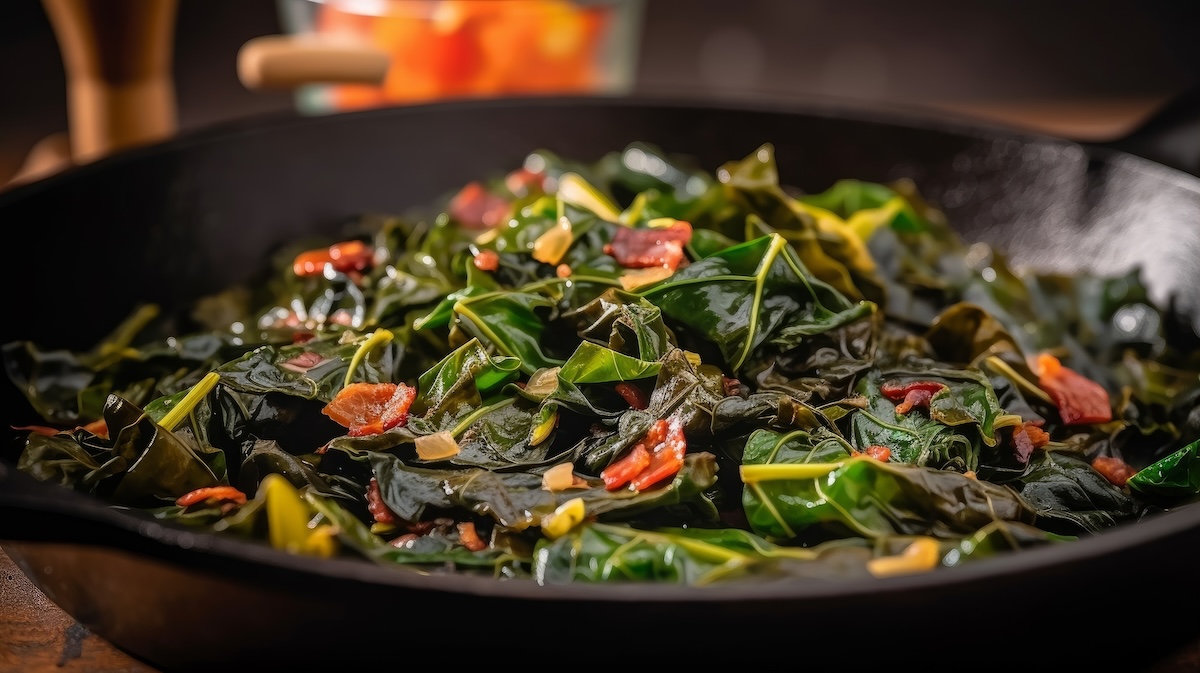
Living with Crohn’s disease can make eating feel complicated, especially for Black patients whose cultural foods carry deep emotional and family significance. While Crohn’s is a chronic inflammatory bowel disease that affects the digestive tract, its impact reaches far beyond the gut. It influences identity, access to food, and the daily quality of life. To better understand how Black patients can honor their culture while managing their symptoms, Black Health Matters spoke with Leigh Marshall, a licensed dietitian who specializes in “your version of healthy” nutrition and digestive health.
Table of Contents
Cooking With Culture and Care
One of the most effective ways to make traditional foods Crohn’s‑friendly is by adjusting how they are prepared. Ms. Marshall encourages patients to lean into cooking methods that soften textures and reduce irritation during digestion. These include:
- Slow‑cooking meats until they fall off the bone
- Using crockpots, stews, and braised dishes
- Over‑cooking greens to soften the fiber
- Cutting vegetables very finely
- Modifying textures through mashing, shredding, or blending
- Serving smaller portions to avoid overwhelming the gut
These methods allow patients to keep the essence of their cultural dishes while making them easier on the digestive system.
Ingredients and Seasoning Choices
Ingredients and seasonings play a major role in how the body responds to food. Ms. Marshall guides patients toward simple, whole ingredients that maintain flavor without triggering symptoms. She recommends:
- Using real vegetables instead of powdered versions
- Choosing raw ingredients over bottled when possible
- Selecting vegan bottled seasonings when needed
- Exploring lower‑sodium blends like Dano’s
- Reintroducing spices slowly, since they can irritate the gut if added too quickly
- Sticking to natural sources of heat rather than artificial spice blends
- Considering vegan meals when appropriate, while being mindful of flavor profiles that may aggravate symptoms
Ms. Marshall also created a seasoning line grounded in faith, nourishment, and mindful eating.
Sweets and Managing Cravings
Sugar is a common trigger for Crohn’s Disease flare‑ups. This includes refined sugars, artificial sweeteners, and high‑fructose corn syrup. Ms. Marshall notes that cravings can sometimes reflect emotional needs or nutrient gaps, oftentimes resulting in the need for magnesium.
She offers Crohn’s‑friendly alternatives that can satisfy a sweet tooth without causing inflammation:
- Date‑based treats
- Ripe bananas for natural sweetness
- Monk fruit sugar
- Dark chocolate (75% or higher), including brands like Lily’s
- Honey in small amounts
These options help patients enjoy sweetness in a way that supports gut health.
Elevate Your Health for Just $29.99/Month
Join the Precision Wellness Subscription at My Healing 365 and get discounted services, priority coaching access, virtual care, and exclusive wellness resources to support your physical, emotional, and hormonal health.
Join for $29.99/MonthFor many Black and low‑income patients, access to nutritious food can be inconsistent. That inconsistency can worsen inflammation and flare‑ups. Ms. Marshall focuses on realistic, affordable foods that fit Crohn’s‑friendly guidelines.
She recommends:
- Shopping at farmers’ markets for discounted produce
- Buying staples like rice and eggs from dollar stores
- Choosing canned salmon, while being mindful of sodium and oil
- Using frozen spinach and vegetables for convenience and cost
- Cooking sweet potatoes without the skin, especially when slow‑cooked
- Keeping spices simple and gentle
- Preparing stews, soups, and slow‑cooked meals that stretch ingredients
- Adjusting textures to make affordable foods easier to digest
These strategies help patients maintain a supportive diet without financial strain.
Support, Community, and Cultural Connection
It is common for Crohn’s patients to feel isolated, not just because of the disease, but because culturally relevant information is limited. Ms. Marshall encourages patients to seek out:
- Support groups
- Online communities
- Providers who understand cultural food traditions
Your Health, Your Table
Ms. Marshall emphasizes that Crohn’s Disease management is never one‑size‑fits‑all. Instead, it is about adapting cultural dishes in ways that support digestion, reduce inflammation, and still feel familiar. Through thoughtful cooking methods, ingredient swaps, affordable shopping strategies, and community support, Black patients can protect their gut health without giving up the flavors and traditions that matter most.
You can visit Ms. Leigh Marshall’s website to purchase her handcrafted spices here.
Use the code: BHM for a discounted price!

























