Medically Reviewed
Dr. Jose Rossello, MD, PhD, MHCM
Preventive Medicine & Public Health Specialist
Last Reviewed: April 28, 2026
Feeling good in your own skin goes beyond what you see in the mirror. It’s about how you treat yourself, what you put into your body, and the daily habits that shape how you feel. Many people struggle with skin confidence because they focus only on appearance instead of the bigger picture of overall wellness.

Confidence comes from a combination of caring for your skin, nourishing your body from the inside out, and shifting your mindset to appreciate what makes you unique. When someone starts honoring their body[1] through simple daily practices, they often notice changes in both how their skin looks and how they feel about themselves. Small steps like staying hydrated, getting enough sleep, and building a basic skincare routine can make a real difference.
The path to feeling confident doesn’t require fancy products or perfect results. It requires consistency, patience, and a willingness to celebrate what your body can do[2] rather than only focusing on how it looks. This approach helps build lasting confidence that shows through in every part of life.
Table of Contents
Key Takeaways
- Skin confidence builds through consistent self-care habits, healthy eating, and proper rest rather than quick fixes
- Shifting focus from appearance alone to overall wellness creates more sustainable confidence and appreciation for your body
- Simple daily practices like mindful skincare routines and stress management can improve both how your skin looks and how you feel
Understanding the Foundation of Skin Confidence
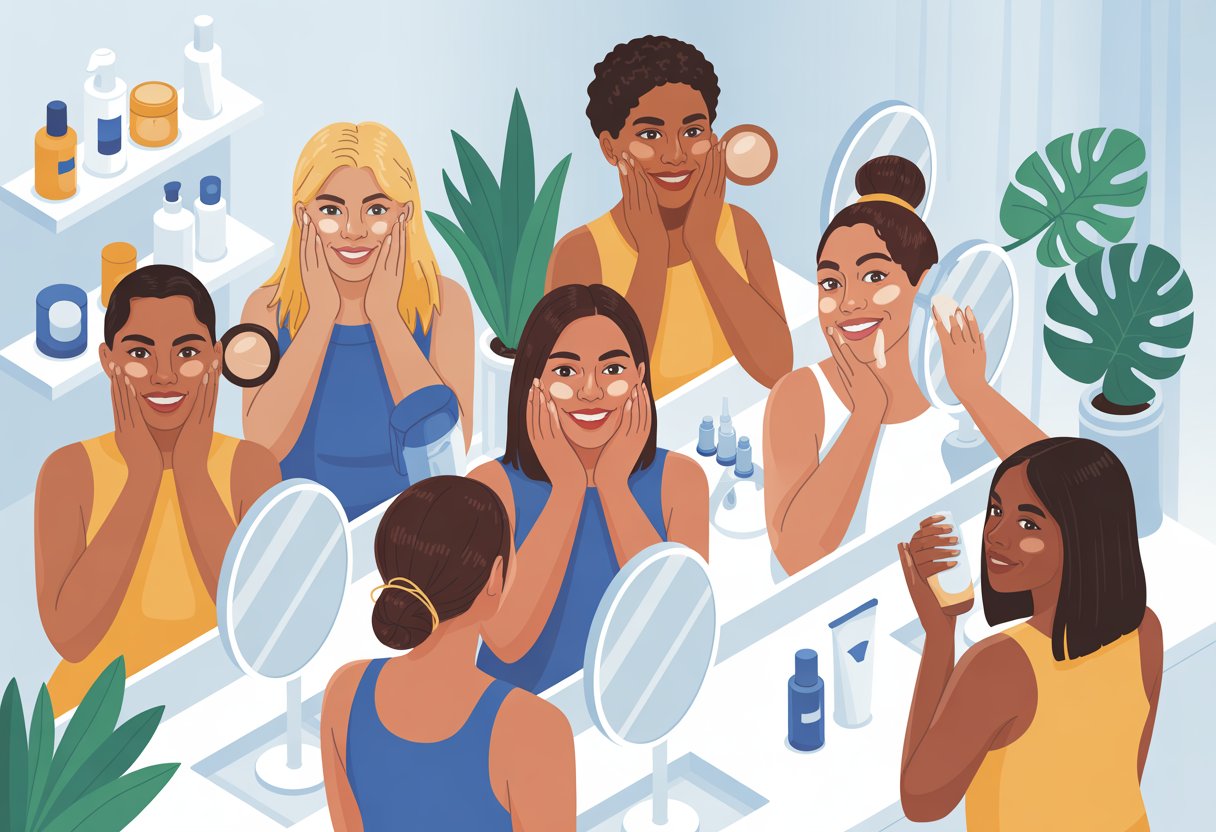
Skin confidence stems from a blend of self-acceptance and healthy skin habits rather than achieving flawless perfection. Building this foundation requires separating internal self-worth from external validation and establishing personal beauty standards that reflect individual values.
What True Confidence in Your Skin Means
True skin confidence means feeling comfortable in one’s own body regardless of minor imperfections or blemishes. It involves accepting natural skin variations like texture, tone differences, and occasional breakouts without losing self-worth.
People with genuine body confidence recognize that healthy skin looks different on everyone. They focus on maintaining skin health through consistent care rather than chasing impossible ideals. This mindset shift allows them to appreciate their skin’s protective functions and natural characteristics.
Key markers of authentic skin confidence include:
- Feeling comfortable going makeup-free in public
- Not obsessing over every pore or mark
- Focusing on skin health over appearance alone
- Handling compliments and criticism with balance
Research shows that people with skin conditions often experience lower self-esteem[3], but those who develop true confidence learn to separate their identity from their skin’s appearance.
Inner Confidence vs. Appearance
Inner confidence comes from self-acceptance and personal values, while appearance-based confidence depends on external factors like clear skin or compliments. The distinction matters because external validation fluctuates constantly.
Someone relying solely on their appearance may feel anxious when experiencing a breakout or skin reaction. Their self-confidence drops with each new blemish. In contrast, a person with strong inner confidence maintains their sense of self-worth even when their skin looks less than perfect.
Building inner confidence requires addressing negative self-talk and challenging beliefs about appearance. Many people develop self-confidence by focusing on their capabilities, relationships, and character traits beyond physical looks. This creates a stable foundation that supports them through skin changes, aging, and temporary conditions.
The most resilient form of confidence combines both elements. People acknowledge their appearance matters while refusing to let it define their entire identity.
Defining Your Own Beauty Standards
Rejecting unrealistic beauty standards starts with identifying which external influences shape personal beliefs about skin. Social media, advertising, and peer groups often promote edited images that create impossible expectations.
Individuals can establish realistic beauty standards by examining what they genuinely value versus what others expect. This process involves questioning whether their skincare goals reflect personal desires or societal pressure. Someone might realize they want even skin tone for themselves but feel pressured about eliminating every wrinkle.
Steps to create personal beauty standards:
- Identify which beauty ideals cause stress or shame
- Recognize edited or filtered images as unrealistic
- Follow diverse accounts showing varied skin types
- Focus on health markers over aesthetic perfection
Creating individualized standards means accepting that healthy skin practices contribute to well-being[4] without demanding perfection. This approach builds sustainable confidence rooted in self-care rather than comparison.
Building a Positive Mindset for Beautiful Skin
Your thoughts about yourself directly affect how your skin looks and feels. When someone develops positive mental habits, they create a foundation for both inner confidence and outer radiance.
Affirmations and Positive Self-Talk
Daily affirmations help rewire negative thought patterns into supportive ones. A person can start their morning by looking in the mirror and saying statements like “I am worthy of care” or “My skin deserves kindness.” These simple phrases might feel awkward at first, but they build self-worth over time.
Challenging negative self-talk through affirmations[1] creates positive statements that emphasize inner strengths. Someone struggling with their appearance can counter critical thoughts by reminding themselves of their capabilities and resilience. The key is consistency rather than perfection.
Effective affirmation practices include:
- Writing down three positive statements each morning
- Repeating affirmations while applying skincare products
- Recording voice memos to play back during difficult moments
- Placing sticky notes with encouraging words on bathroom mirrors
These techniques work because the brain gradually accepts repeated messages as truth. A person who regularly practices positive self-talk will notice shifts in how they view themselves and their skin.
Practicing Self-Acceptance
Self-acceptance means acknowledging all parts of oneself without harsh judgment. Someone doesn’t need perfect skin to feel valuable or beautiful. They can recognize their skin concerns while still appreciating what their body does for them daily.
Going makeup-free challenges people to see their natural complexion and learn to love it exactly as it is[1]. This practice pushes someone outside their comfort zone but builds genuine acceptance over time.
A person can practice self-acceptance by identifying one feature they appreciate each day. Maybe they notice how their skin feels soft after moisturizing or how their eyes light up when they smile. These small observations train the mind to focus on positives rather than perceived flaws.
Embracing Self-Love Daily
Self-love requires ongoing actions that demonstrate care and respect for oneself. It goes beyond occasional treats to become a daily commitment to personal well-being and empowerment.
Daily self-love practices include:
- Taking mindful showers that feel relaxing rather than rushed
- Drinking water first thing in the morning
- Moving the body in ways that bring joy
- Maintaining a consistent skincare routine
Someone builds self-love by honoring their body’s needs throughout the day. They might slow down to breathe when feeling anxious or stressed. They could choose foods that make them feel energized and healthy.
Keeping a gratitude journal helps shift focus toward positive aspects of life and appearance. A person writes down a few things they appreciate about themselves or their day. This simple habit trains the mind to notice beauty and goodness rather than fixating on problems.
Combating Unrealistic Beauty Standards
Media shapes how people view beauty, but learning to recognize these influences helps build confidence. Understanding what makes beauty realistic and celebrating different body types creates a healthier relationship with one’s appearance.
Recognizing Media Influences
Social media platforms constantly show edited and filtered images that don’t reflect reality. These images create false standards that make people feel inadequate about their natural appearance.
Over 78% of young girls experience anxiety[5] because of these unrealistic beauty standards. Photos often undergo heavy editing, special lighting, and professional makeup that aren’t part of everyday life. Influencers and celebrities rarely show unfiltered moments.
Common media distortions include:
- Smoothed skin with no texture or pores
- Altered body proportions
- Perfect lighting that hides natural shadows
- Strategic poses that aren’t sustainable
People need to remember that what they see online doesn’t represent how most people look in real life. Taking breaks from social media and unfollowing accounts that trigger negative feelings helps protect mental health. Avoiding comparisons to others on social media[6] reduces pressure to meet impossible standards.
Embracing Realistic Beauty
Real beauty includes texture, variation, and individuality. Skin has pores, lines, and natural color changes. Bodies come in different shapes and sizes, all equally valid.
Self-acceptance starts with understanding that imperfections are normal and human. Stretch marks, scars, freckles, and wrinkles tell a person’s unique story. These features don’t need fixing or hiding.
Building body confidence means focusing on how the body feels rather than only how it looks. Health and strength matter more than matching a specific appearance. Confidence comes from within rather than external validation[2].
People can practice self-acceptance by speaking kindly to themselves and challenging negative thoughts. Instead of criticizing perceived flaws, they can appreciate what their bodies do for them daily.
Celebrating Diversity
Beauty exists across all ages, sizes, skin tones, and abilities. No single standard defines attractiveness. Different cultures and communities have varied perspectives on what looks beautiful.
Challenging beauty standards[7] helps improve well-being and self-esteem for everyone. When people celebrate diverse appearances, they create space for others to feel confident too.
Ways to celebrate diversity:
- Follow accounts showing various body types and features
- Compliment others on non-appearance traits
- Support brands that use diverse models
- Speak up against narrow beauty ideals
Everyone deserves to feel comfortable in their skin regardless of whether they match current trends. Embracing differences rather than trying to look identical creates a healthier environment. Real confidence grows when people stop trying to fit unrealistic molds and start appreciating their authentic selves.
Developing a Nurturing Skincare Routine
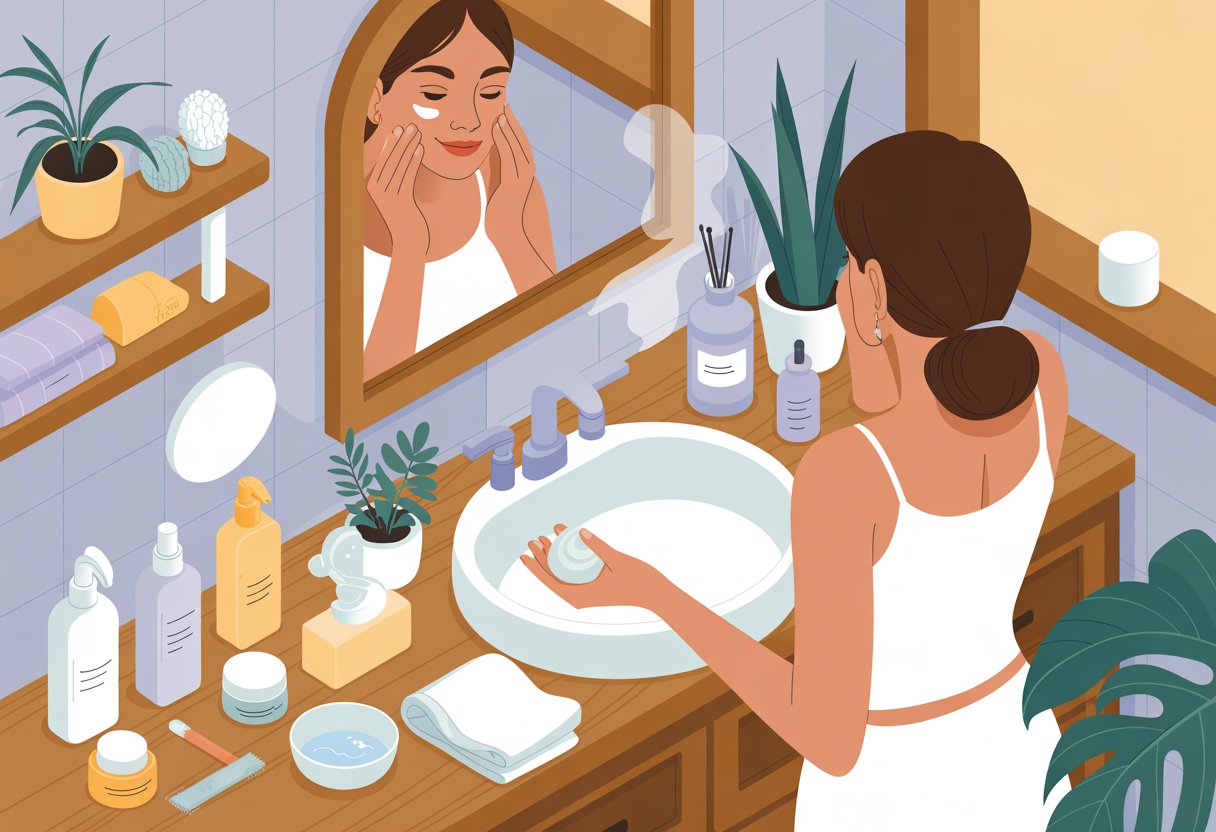
A solid skincare routine starts with proper cleansing and removes dead skin cells through gentle exfoliation. Keeping skin hydrated from both inside and out helps maintain a healthy barrier that supports clear, glowing results.
Cleansing and Exfoliation Essentials
Cleansing removes dirt, oil, and makeup that builds up throughout the day. A gentle cleanser works best for most skin types and won’t strip away natural oils. People should cleanse twice daily – once in the morning and once before bed.
Exfoliation helps remove dead skin cells that can clog pores and make skin look dull. There are two main types: physical exfoliants use small particles to scrub the skin, while chemical exfoliants use acids like AHAs or BHAs. Most people benefit from exfoliating 2-3 times per week.
Over-exfoliating can damage the skin barrier and cause irritation. Signs of too much exfoliation include redness, tightness, and increased sensitivity. Finding the right skincare routine step by step[8] helps build consistency without overdoing it.
Importance of Hydration
Hydrated skin looks plumper and healthier. Moisturizers lock in water and create a protective barrier on the skin’s surface. Ingredients like glycerin and hyaluronic acid draw moisture into the skin.
Drinking water throughout the day supports skin health from within. While topical products provide direct hydration, people also need to stay hydrated by drinking enough fluids. This combination of internal and external hydration gives the best results.
Different skin types need different levels of moisture. Oily skin benefits from lightweight, oil-free formulas. Dry skin needs richer creams with nourishing ingredients. Building a beauty routine that supports confidence[9] includes choosing products that match individual needs.
Skincare for Acne and Flawless Skin
Acne happens when pores get blocked with oil and dead skin cells. Bacteria can then grow in these blocked pores, causing inflammation and breakouts. A consistent skincare routine helps prevent this cycle.
Key ingredients for acne-prone skin:
- Salicylic acid (unclogs pores)
- Benzoyl peroxide (kills bacteria)
- Niacinamide (reduces inflammation)
- Retinoids (prevent clogged pores)
People with acne should avoid heavy, pore-clogging products. Non-comedogenic moisturizers provide hydration without causing new breakouts. Flawless skin takes time and patience – most acne treatments need 6-8 weeks to show visible improvement.
Picking or squeezing blemishes can lead to scarring and spread bacteria. A spot treatment applied directly to active breakouts works better than full-face application for many people.
Mindfulness and Wellness Practices
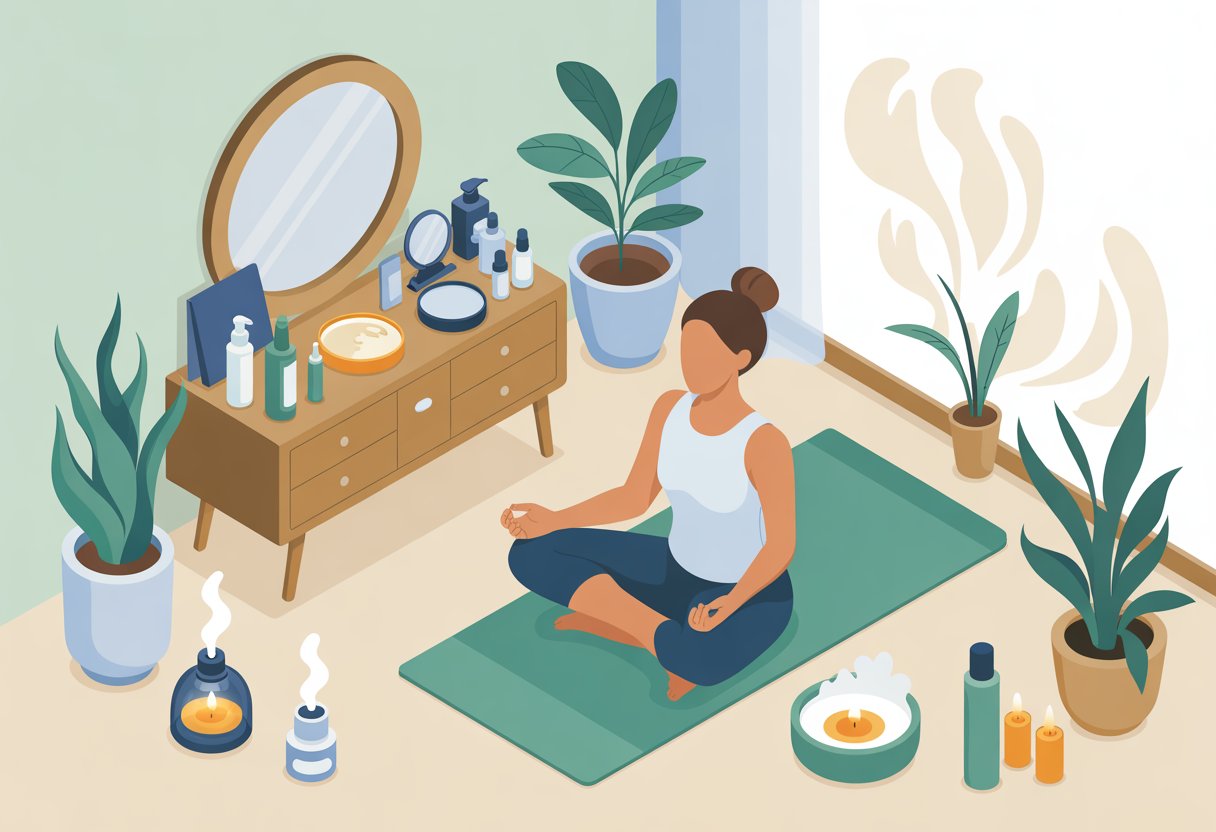
Building a strong connection between mind and body creates a foundation for lasting confidence. These practices help reduce stress, strengthen self-awareness, and support both mental clarity and physical well-being.
Meditation for Self-Confidence
Meditation trains the mind to focus on the present moment rather than dwelling on perceived flaws or past experiences. Regular practice helps quiet negative self-talk and builds a more compassionate inner voice.
Starting with just five minutes daily can make a noticeable difference. Practitioners can sit comfortably, close their eyes, and focus on their breath. When critical thoughts about appearance arise, they acknowledge them without judgment and return attention to breathing.
Body scan meditation works particularly well for building confidence. This technique involves mentally scanning from head to toe, noticing sensations without criticism. It helps people develop a neutral, accepting relationship with their physical form.
Consistency matters more than duration. Even brief daily sessions strengthen the neural pathways that support self-acceptance and calm.
Yoga for Physical and Emotional Empowerment
Yoga combines movement, breath work, and mental focus to build strength and flexibility. The practice teaches people to appreciate what their bodies can do rather than fixating on how they look.
Power poses in yoga, such as warrior poses and mountain pose, naturally boost confidence through body positioning. Standing tall with shoulders back sends signals to the brain that promote feelings of strength and capability.
Benefits of regular yoga practice:
- Improved posture and body awareness
- Reduced stress hormones
- Increased muscle tone and flexibility
- Better sleep quality
- Enhanced mood regulation
The physical challenges in yoga provide opportunities to push past self-imposed limitations. Each small achievement on the mat translates to greater self-trust off the mat.
Daily Mindfulness Techniques
Mindfulness through skincare[10] transforms routine tasks into calming, self-aware practices. Focusing on the textures, scents, and sensations of applying products shifts awareness away from stress and toward the present moment.
Simple techniques fit easily into existing routines. While washing the face, one can notice the temperature of water, the feel of cleanser, and the sensation of each stroke. This intentional approach creates mental clarity while caring for skin.
Taking breaks from social media during self-care routines protects mental space. Comparison often undermines confidence, so setting aside device-free time allows authentic connection with oneself.
Deep breathing exercises work anywhere and anytime stress arises. Inhaling for four counts, holding for four, and exhaling for six activates the body’s relaxation response within minutes.
Nourishing Your Body for Glowing Skin
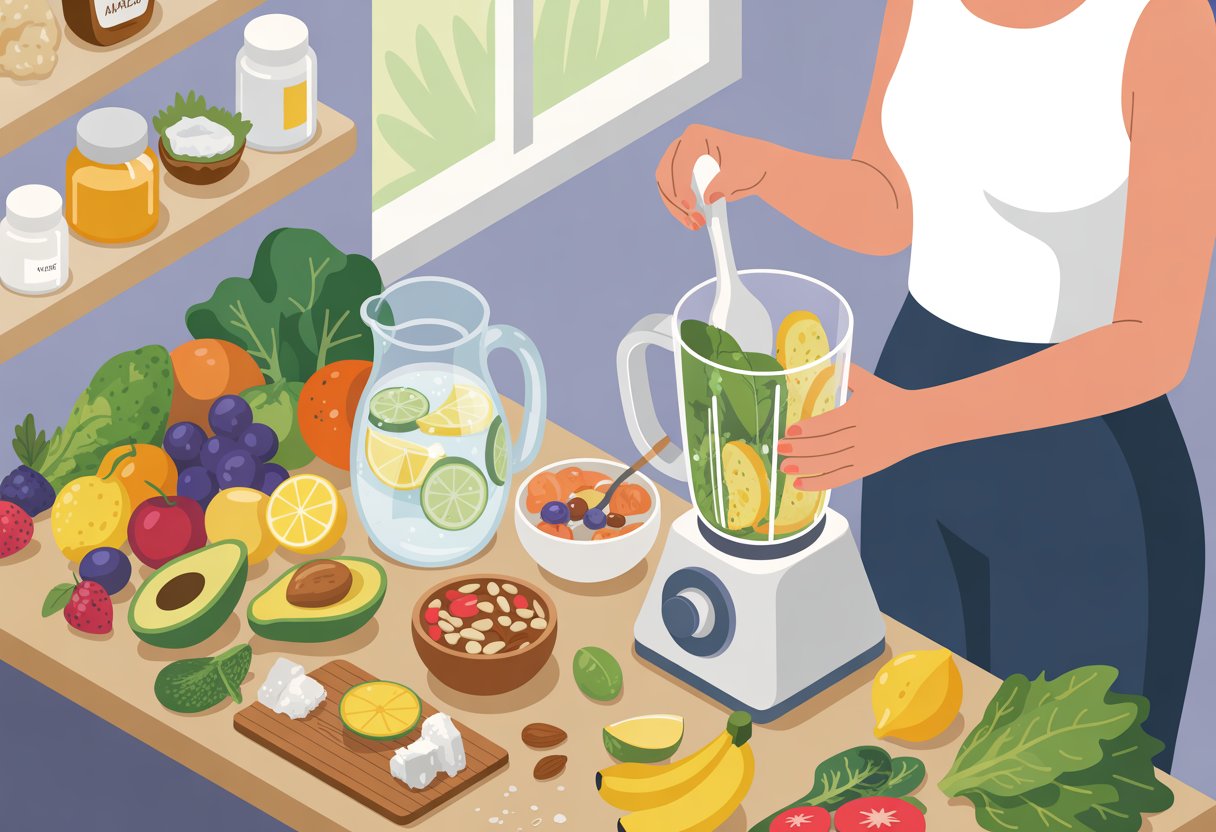
What someone puts into their body affects how their skin looks on the outside. Proper hydration keeps skin cells functioning well, while the right nutrients support a healthy complexion that reflects inner vitality.
Staying Hydrated from the Inside Out
Water plays a key role in maintaining skin health and appearance. When the body gets enough fluids, skin cells stay plump and function properly.
Drinking water throughout the day helps flush out toxins that can make skin look dull. Most people need about 8 glasses of water daily, though individual needs vary based on activity level and climate.
Signs of proper hydration include:
- Skin that bounces back quickly when gently pinched
- Fewer fine lines and wrinkles
- A natural glow without looking oily
- Reduced puffiness around the eyes
Herbal teas, fruits with high water content, and vegetables all contribute to daily hydration needs. Limiting caffeine and alcohol helps too, since both can dehydrate the body. Hydrated skin[11] shows better texture and tone than dehydrated skin.
Nutrition and Self-Worth
The foods someone chooses reflect how they value themselves. Eating nutrient-rich foods shows self-respect and builds confidence from within.
A diet rich in vitamins, minerals, and antioxidants supports skin repair and renewal. Leafy greens provide vitamin A for cell turnover. Citrus fruits and berries offer vitamin C for collagen production. Nuts and seeds contain vitamin E to protect against damage.
Omega-3 fatty acids from fish, flaxseeds, and walnuts reduce inflammation and keep skin supple. Protein from lean meats, beans, and legumes provides building blocks for new skin cells.
Proper nutrition[11] impacts more than just beauty. It affects skin oil levels, breakouts, and signs of aging. When someone feeds their body well, they’re investing in their health and showing themselves they matter.
Healthy Habits for Lasting Energy
Sleep gives skin time to repair itself overnight. During rest, the body produces new collagen and increases blood flow to the skin.
Getting 7 to 9 hours of quality sleep each night allows cells to regenerate properly. Poor sleep shows up as dark circles, puffiness, and a dull complexion.
Daily habits that support skin health:
- Sleeping on clean pillowcases to reduce oil and bacteria buildup
- Using two pillows to minimize morning puffiness
- Managing stress through exercise or relaxation techniques
- Avoiding smoking and excessive alcohol
Regular physical activity increases blood circulation, delivering oxygen and nutrients to skin cells. Exercise also helps manage stress, which can trigger skin problems. These consistent habits build energy that lasts throughout the day while supporting a clear, healthy complexion.
Daily Self-Care Rituals That Boost Confidence
Building daily rituals that nurture inner balance[12] helps people develop genuine confidence in their appearance. Simple acts of self-care can strengthen both mindset and physical well-being when practiced consistently.
Creating Calming Routines
A predictable skincare routine provides more than just surface-level benefits. Consistent habits support mental health[13] by reducing stress and creating a sense of control during chaotic times.
Morning and evening routines work with the body’s natural rhythms. A gentle cleanser in the morning signals the start of the day. At night, moisturizer helps the mind wind down while supporting skin repair.
These routines release feel-good brain chemicals like endorphins and dopamine. Even thinking about self-care can reduce cortisol, the stress hormone that affects both mood and skin health.
Key elements of an effective routine:
The ritual itself matters as much as the products used. Taking five minutes to focus on each step transforms basic hygiene into an act of self-love.
Pampering Without Pressure
Self-care should feel enjoyable, not like another chore on a to-do list. People can add simple touches that make their routine feel special without requiring extra time or money.
Playing music during a skincare routine creates a spa-like atmosphere. Lighting a candle adds sensory pleasure. Gentle facial massage while applying moisturizer promotes mindfulness and helps products absorb better.
The goal is progress, not perfection. Beauty rituals support confidence and well-being[14] when they inspire good feelings rather than stress about achieving flawless results.
Even small improvements in skin health build self-esteem over time. Taking action on concerns like dryness or uneven tone restores a sense of agency over one’s body and appearance.
Embracing Imperfections and Overcoming Insecurities
Skin confidence grows when people learn to accept their unique features and stop comparing themselves to unrealistic standards. Building self-acceptance takes practice, but specific strategies can help anyone develop stronger body confidence and inner peace with their appearance.
Dealing with Acne and Skin Challenges
Acne affects most people at some point in their lives. It doesn’t define a person’s worth or beauty. People with acne can build self-confidence by focusing on treatment options that work for their skin type while practicing self-acceptance during the healing process.
A gentle skincare routine helps many people manage breakouts. This includes washing the face twice daily, using non-comedogenic products, and avoiding picking at blemishes. Some people benefit from over-the-counter treatments containing benzoyl peroxide or salicylic acid.
When acne persists, a dermatologist can provide prescription treatments. These might include topical retinoids, antibiotics, or other medications. Treatment takes time to work, usually several weeks or months.
Building inner confidence while dealing with skin challenges means recognizing that clear skin doesn’t determine someone’s value. Many successful, attractive people have dealt with acne. The journey to clearer skin is just one part of a person’s story, not the whole narrative.
Celebrating Unique Features
Every person has distinct skin characteristics that make them who they are. Freckles, moles, birthmarks, and natural skin texture all contribute to individual beauty. These features tell a person’s unique story.
People often worry that others notice their perceived flaws more than they actually do. In reality, everyone stays focused on their own insecurities[15] rather than scrutinizing others. This means the features someone worries about rarely receive the attention they imagine.
Celebrating unique characteristics starts with shifting perspective. A beauty mark isn’t a flaw. Natural skin texture isn’t something to hide. These features distinguish one person from another in meaningful ways.
Body confidence grows when people identify specific things they appreciate about their appearance. This might include smooth areas of skin, a warm skin tone, or how their face looks when they smile. Writing down these positive observations daily helps reinforce self-acceptance.
Letting Go of Comparison
Social media shows filtered, edited versions of reality. Comparing real skin to these artificial images damages self-confidence. Nobody’s skin looks flawless in every light or angle, despite what photos suggest.
Professional lighting, makeup, and digital editing create the appearance of perfect skin in advertisements and online posts. Even models and celebrities don’t look like their own photos in real life. Understanding this helps people release unrealistic expectations.
Building authentic body confidence means measuring progress against personal goals, not against other people’s appearances. Each person’s skin responds differently to products, stress, sleep, and diet. What works for someone else might not work the same way for everyone.
People can protect their mental health by curating their social media feeds carefully. Following accounts that promote realistic beauty standards and self-acceptance creates a healthier digital environment. Unfollowing accounts that trigger negative comparison helps maintain inner confidence.
Real confidence comes from accepting current appearance while working toward personal health goals. This balanced approach allows people to care for their skin without obsessing over perceived imperfections that others barely notice.
Celebrating Your Journey Toward Empowerment
Building confidence in your skin takes time and intentional effort. Tracking small wins, sharing positive messages with others, and maintaining consistent habits help people stay committed to their self-acceptance goals.
Tracking Your Progress
Keeping a record of confidence milestones helps people see how far they’ve come. They can start a journal where they write down moments when they felt good about their body or times they chose self-love over self-criticism. These entries don’t need to be long or elaborate.
Some people take photos at different stages of their journey. These images serve as visual reminders of their transformation, not in how their body looks, but in how they carry themselves. Others prefer tracking specific actions like wearing an outfit they previously avoided or speaking kindly to themselves for a full week.
A simple tracking method includes:
- Daily check-ins noting one thing they appreciated about their body
- Weekly reflections on challenges they overcame
- Monthly reviews of how their mindset has shifted
This practice shows them that body positivity is a journey[2] with real, measurable progress over time.
Sharing Affirmations with Others
Speaking positive statements out loud to friends or family strengthens their impact. When people share their affirmations with trusted individuals, they create accountability and build a support system. They might tell a friend, “I’m learning to appreciate my body for what it can do,” which reinforces the belief for themselves.
Group settings like body-positive communities or social media circles offer spaces where people exchange encouraging messages. They can post affirmations that resonate with them or create their own statements that others might need to hear.
Common affirmations to share:
- “My worth isn’t tied to my appearance”
- “I deserve to feel comfortable in my skin”
- “My body is capable and strong”
When others respond positively to these messages, it creates a cycle of empowerment that benefits everyone involved.
Staying Motivated for Long-Term Confidence
Self-confidence requires ongoing maintenance rather than a one-time achievement. People need strategies that keep them engaged with their body positivity goals even when motivation dips. They can schedule regular activities that reinforce their connection to their body, like movement practices they enjoy or self-care routines that make them feel good.
Setting small, achievable goals prevents burnout. Instead of aiming for complete body acceptance immediately, they might focus on one area at a time. Perhaps they work on appreciating their legs this month by choosing clothes that make them feel good or trying a new physical activity.
They should also revisit their reasons for starting this journey. Writing down why body confidence matters to them creates a touchstone they can return to during difficult moments. This document reminds them of the benefits they’ve already experienced and the life they’re building through self-acceptance.
Expressing Confidence Through Your Style
The clothes you wear and how you present yourself create a direct path to feeling confident in your skin. When someone chooses outfits that fit their body well and embraces natural beauty, they build genuine self-assurance that shows.
Dressing for Body Confidence
Choosing clothes that fit properly makes an immediate difference in how confident someone feels. Well-fitted clothing flatters natural body shapes rather than fighting against them. A person should focus on pieces that highlight their favorite features instead of following every trend.
The right fit matters more than brand names or price tags. Clothes that are too tight create discomfort and self-consciousness throughout the day. Pieces that are too loose can make someone appear smaller or less put-together than they feel inside.
Different body types look best in specific cuts and styles. Someone with an hourglass shape might choose belted dresses that define their waist. A person with broader shoulders could wear V-neck tops to create balance. The goal is finding what makes each individual feel powerful and comfortable.
Color choices also affect body confidence. Darker shades can create a slimming effect when desired. Bright colors draw attention to areas someone wants to showcase. Understanding fashion psychology[16] helps people make intentional choices that boost their confidence levels.
Make-Up Free Days and Natural Beauty
Going without makeup helps people develop confidence in their natural appearance. Skin that gets regular breaks from cosmetics often looks healthier and clearer over time. This creates a positive cycle where someone feels more comfortable showing their bare face.
Natural beauty starts with good skincare rather than heavy coverage. A simple routine with cleanser, moisturizer, and sunscreen keeps skin healthy. When skin looks its best naturally, the need for makeup decreases.
Make-up free days teach people to appreciate their unique features. Freckles, natural lip color, and bare lashes become familiar instead of flaws to hide. This shift in perspective builds lasting confidence that doesn’t depend on cosmetics.
Starting small makes the transition easier. Someone might skip makeup on weekends first, then gradually add weekday mornings. Each make-up free outing builds comfort with natural appearance.
Accessories That Reflect Inner Confidence
The right accessories complete an outfit while expressing personality. A bold necklace or statement earrings draw attention and show someone isn’t afraid to stand out. These pieces communicate confidence without saying a word.
Quality accessories elevate even simple outfits. A leather belt, structured bag, or classic watch adds polish to casual clothes. These items signal that someone values themselves enough to pay attention to details.
Accessories should feel authentic to the wearer’s style. Someone who loves color might choose bright scarves or patterned bags. A minimalist might prefer simple metal jewelry and neutral bags. Personal style through fashion[17] becomes a form of self-expression when accessories match inner personality.
Comfort matters as much as appearance. Shoes that hurt make it impossible to walk confidently. Heavy earrings create distraction instead of adding beauty. The best accessories enhance confidence without causing physical discomfort.
Frequently Asked Questions
Building a skincare routine that delivers real results requires understanding which products work for specific concerns and how long to wait before expecting changes. The right combination of ingredients and techniques can address texture issues, dark spots, breakouts, and oil control while protecting the skin barrier.
What daily skincare routine helps improve skin texture and tone without irritating sensitive skin?
A gentle cleanser used twice daily removes dirt and oil without stripping the skin. People with sensitive skin should look for fragrance-free formulas with minimal ingredients.
After cleansing, a hydrating toner or essence helps prepare the skin for treatment products. These products add moisture and balance the skin’s pH levels.
Treatment serums with ingredients like niacinamide or hyaluronic acid come next. These ingredients improve texture and tone while being gentle enough for sensitive skin types.
A moisturizer locks in all the previous layers and keeps the skin protected. Morning routines must end with sunscreen to prevent further damage and discoloration.
Which ingredients are most effective for reducing the appearance of dark spots and uneven pigmentation?
Vitamin C brightens the skin and fades dark spots over time. This antioxidant works best when applied in the morning under sunscreen.
Niacinamide reduces the appearance of hyperpigmentation and works well with other brightening ingredients. It also helps strengthen the skin barrier while addressing discoloration.
Retinoids increase cell turnover to fade dark spots faster. They work best when applied at night and require consistent sunscreen use during the day.
Alpha hydroxy acids like glycolic acid and lactic acid exfoliate the skin surface to reveal brighter skin underneath. These acids should be introduced slowly to avoid irritation.
How can I strengthen my skin barrier while still treating breakouts and congestion?
A damaged skin barrier needs ceramides, fatty acids, and cholesterol to repair itself. These ingredients appear in many barrier-repair moisturizers and serums.
Gentle exfoliation with salicylic acid treats breakouts without compromising the barrier. This ingredient penetrates pores to clear congestion while being less harsh than physical scrubs.
People should avoid using too many active ingredients at once. Layering multiple strong treatments can weaken the barrier and make breakouts worse.
Introducing one new treatment at a time helps identify what works without overwhelming the skin. The barrier needs time to adjust to new products.
What are the best ways to minimize the look of pores and control excess oil throughout the day?
Niacinamide helps regulate oil production and reduces the appearance of pores[18] when used consistently. It works well in both serums and moisturizers.
Salicylic acid keeps pores clear by dissolving oil and dead skin cells inside them. Clean pores appear smaller and less noticeable.
Clay masks used once or twice weekly absorb excess oil without overdrying the skin. These masks work best when left on for only the recommended time.
Blotting papers throughout the day remove surface oil without disturbing makeup or skincare. Oil-free moisturizers with mattifying properties also help control shine.
How long does it typically take to see visible results after starting a new skincare regimen?
Most people notice initial changes in skin texture and hydration within two to four weeks. These early improvements include smoother, more supple skin.
Dark spots and hyperpigmentation take longer to fade, usually requiring eight to twelve weeks of consistent use. Some stubborn spots may take several months to improve.
Retinoid results become visible around the three-month mark for most users. Fine lines, texture, and tone continue improving with ongoing use beyond six months.
The skin’s natural cell turnover cycle takes approximately 28 days in young adults. This cycle slows with age, which explains why results take longer for older individuals.
What should I look for when choosing a moisturizer and sunscreen for my skin type?
Oily skin types need lightweight, gel-based moisturizers that hydrate without adding excess oil. Non-comedogenic formulas prevent clogged pores and breakouts.
Dry skin requires richer creams with ingredients like hyaluronic acid, glycerin, and ceramides. These ingredients attract and seal in moisture for lasting hydration.
Sunscreen should offer broad-spectrum protection with at least SPF 30. Physical sunscreens with zinc oxide or titanium dioxide work well for sensitive skin.
Chemical sunscreens with avobenzone or octinoxate absorb quickly and work better under makeup. People should choose formulas that feel comfortable enough to wear daily.
Combination skin often benefits from using different products on different areas. A lighter moisturizer on the T-zone and richer formula on the cheeks addresses varying needs.
Post Views: 5
References
- 7 Ways to Feel Confident in Your Own Skin, As Told by Experts. https://qureskincare.com/blogs/skin/7-ways-to-feel-confident-in-your-own-skin-as-told-by-experts Accessed April 29, 2026
- Body Positivity and Confidence: How to Feel Empowered in Your Own Skin. https://nevermorelane.com/body-positivity-and-confidence-how-to-feel-empowered-in-your-own-skin/ Accessed April 29, 2026
- Discover How Skin Health Affects Self-Esteem: The Psychological Impact of Clear Skin. https://www.ourmental.health/mind-body-connection/clear-skin-stronger-self-esteem-the-psychological-benefits-of-healthy-skin Accessed April 29, 2026
- Feeling Confident in Your Own Skin: Health and Beauty Tips. https://wellbeingmagazine.com/feeling-confident-in-your-own-skin-health-and-beauty-tips/ Accessed April 29, 2026
- Break Free from Unrealistic Beauty Standards: 9 Amazing Tips for a Positive Body Image. https://www.drbrahma.com/tips-to-overcome-unrealistic-beauty-standards/ Accessed April 29, 2026
- 5 Proven Strategies to Feel Confident in Your Skin at Any Age – Freedom. https://you.stonybrook.edu/freedom/2025/01/22/5-proven-strategies-to-feel-confident-in-your-skin-at-any-age/ Accessed April 29, 2026
- Challenging Beauty Standards: Embracing Non-Conformity. https://yourdream.liveyourdream.org/challenging-beauty-standards-embracing-non-conformity/ Accessed April 29, 2026
- Skin Care Routine Step By Step Guide For Real Skin Results. https://thenakedchemist.com/skin-care-routine-step-by-step/ Accessed April 29, 2026
- Self-Care and Skincare: Building a Beauty Routine That Supports Your Confidence. https://fordlafemme.com/2025/04/08/self-care-and-skincare-building-a-beauty-routine-that-supports-your-confidence/ Accessed April 29, 2026
- Mindfulness Through Skincare. https://swisse.com.au/wellness-hub/mindfulness-through-skincare Accessed April 29, 2026
- Hydrated skin. https://www.byrdie.com/how-to-get-glowing-skin-8610215 Accessed April 29, 2026
- 8 Daily Rituals to Help You Feel Confident in Your Own Skin — iDoFind. https://www.idofind.com/8-daily-rituals-to-help-you-feel-confident-in-your-own-skin/ Accessed April 29, 2026
- Skincare & Self-Care: 5 Ways a Routine Supports Your Mental Health
– SLMD Skincare by Sandra Lee, M.D.
. https://slmdskincare.com/blogs/learn/5-ways-skincare-routines-boost-mental-health Accessed April 29, 2026 - Simple Beauty Rituals That Support Confidence and Well-Being. https://www.healthcarter.com/en-us/education/simple-beauty-rituals-that-support-confidence-and-well-being/ Accessed April 29, 2026
- Embracing Imperfections: Learning to Love Yourself in a Critical World. https://www.theteenmagazine.com/embracing-imperfections-learning-to-love-yourself-in-a-critical-world Accessed April 29, 2026
- How To Dress For Confidence: Fashion Psychology Explained. https://www.pouted.com/how-to-dress-for-confidence/ Accessed April 29, 2026
- The Power of Personal Style: Expressing Confidence Through Fashion. https://capitolhilltimes.com/the-power-of-personal-style-expressing-confidence-through-fashion/ Accessed April 29, 2026
- Why Do Women Dress to Expose Their Skin? A Psychotherapist Answers. https://completewellbeing.com/article/why-women-expose/ Accessed April 29, 2026
Elevate Your Health for Just $29.99/Month
Join the Precision Wellness Subscription at My Healing 365 and get discounted services, priority coaching access, virtual care, and exclusive wellness resources to support your physical, emotional, and hormonal health.
Join for $29.99/Month
























