
Medically Reviewed
Dr. Jose Rossello, MD, PhD, MHCM
Preventive Medicine & Public Health Specialist
Last Reviewed: April 15, 2026
Getting a good night’s sleep often feels impossible when the bedroom works against rest instead of supporting it. Many people struggle with poor sleep quality without realizing their bedroom environment plays a major role in the problem.
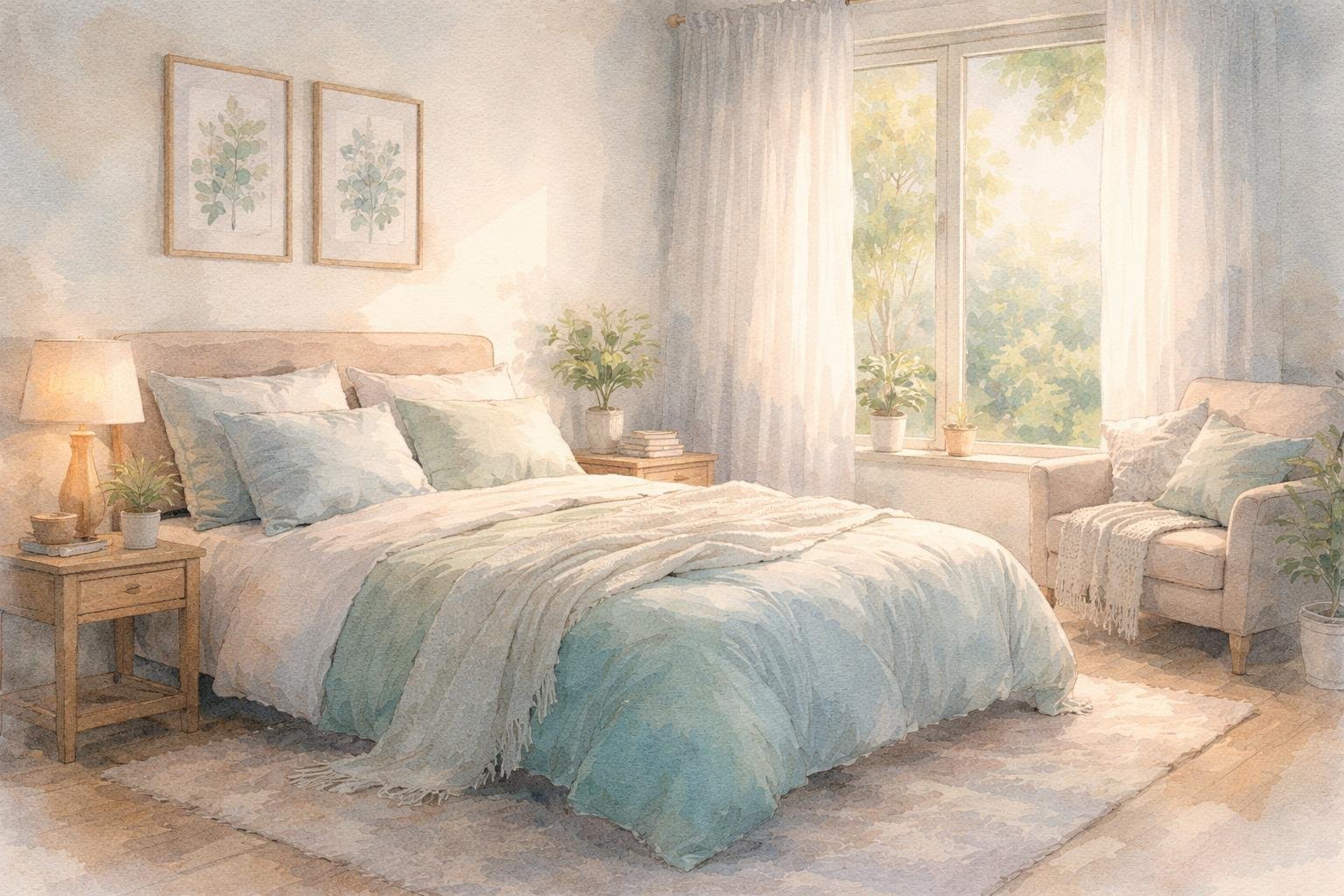
A bedroom designed for better sleep should be dark, cool, quiet, and comfortable, with simple changes that help the body and mind naturally wind down each night. Transforming a bedroom into a sleep sanctuary[1] doesn’t require expensive renovations or designer help. Small adjustments to lighting, temperature, bedding, and room layout can make a big difference in how quickly someone falls asleep and stays asleep through the night.
The right bedroom setup supports the body’s natural sleep processes and creates a space dedicated to rest. From choosing calming colors to adding natural elements, each change builds a more restful environment that helps improve sleep quality over time.
Table of Contents
Key Takeaways
- Making a bedroom dark, cool, and quiet helps the body produce melatonin and maintain restful sleep throughout the night
- The right mattress, bedding, and pillow support keeps the spine aligned and prevents pain that disrupts quality sleep
- Adding calming colors, natural elements, and relaxing scents creates a peaceful environment that signals the brain it’s time to rest
Create a Sleep-Friendly Bedroom Layout

The way furniture and belongings are arranged directly impacts sleep quality and bedroom comfort. Thoughtful placement of the bed, strategic storage choices, and minimal clutter work together to create a calming environment that supports restful sleep.
Optimize Bed Placement for Comfort and Flow
The bed should be the focal point of any sleep sanctuary. Placing the bed against a solid wall provides a sense of security and stability while sleeping. This positioning of the bed maximizes floor space[2], particularly valuable in smaller rooms.
The bed should be positioned away from windows to reduce exposure to outside noise and light. Direct sunlight streaming through windows can disrupt sleep schedules and make the room too warm in the morning.
Clear pathways around the bed prevent nighttime accidents and create a sense of openness. At least two feet of walking space on each side allows easy movement without feeling cramped. This functional furniture arrangement reduces frustration when getting ready in the morning or moving around in the dark.
A nightstand within arm’s reach of the bed provides convenient storage for essentials like glasses, books, or a glass of water. This eliminates the need to get out of bed for frequently needed items.
Maximize Space With Smart Storage Solutions
Smart storage solutions keep bedrooms organized without sacrificing valuable floor space. Under-bed storage containers utilize often-wasted vertical space for seasonal clothing, extra linens, or shoes. This bedroom layout approach[3] frees up closet and drawer space.
Floating shelves mounted on walls provide display and storage space without bulky furniture. These shelves work well for books, plants, or decorative items that personalize the room. They can even create a small cozy reading nook when positioned above a chair or near a window.
Multi-functional furniture serves double duty in tight spaces. A storage ottoman provides seating while hiding blankets or pillows inside. A bed frame with built-in drawers eliminates the need for a separate dresser.
Wall-mounted hooks and pegboards keep frequently used items accessible without cluttering horizontal surfaces. These solutions work particularly well for bags, robes, or jewelry.
Keep Surfaces Clutter-Free and Balanced
A clutter-free bedroom reduces visual stress and promotes relaxation. Visual clutter generates stress[4], making it harder to relax and fall asleep. Disorganized items create the sensation of unfinished tasks, triggering anxious feelings at bedtime.
Nightstands and dressers should contain only essential items. Limiting each surface to three to five carefully chosen objects prevents overwhelming visual noise. Items like a lamp, alarm clock, and one personal photo create balance without excess.
Daily tidying takes just a few minutes but prevents clutter from building up. Putting away clothes, clearing surfaces, and returning items to their designated spots maintains the peaceful atmosphere needed for quality rest.
Drawers should be organized with dividers or small containers to keep contents tidy. This makes morning routines smoother and eliminates the frustration of searching through messy drawers. An organized space reinforces the bedroom’s role as a place for rest rather than stress.
Choose the Right Mattress and Bedding

A comfortable mattress paired with quality bedding creates the foundation for restful sleep. The right combination provides proper support while regulating body temperature throughout the night.
Select a Comfortable Mattress for Support
Getting the right mattress[5] is the most important decision for creating a sleep haven. A poor mattress creates pressure points and heat buildup that interrupt sleep cycles even when a person doesn’t fully wake up.
Mattress firmness should match both sleeping position and body weight. Side sleepers typically need a medium soft to medium firm mattress to cushion their shoulders and hips. Back sleepers perform best with medium firm to firm options that support the lower back’s natural curve. Stomach sleepers usually require a firm surface to prevent the torso from sinking.
Body weight also affects which mattress firmness works best[6]. People under 130 pounds often need softer mattresses to get adequate contouring. Those between 130 and 230 pounds can follow standard firmness guidelines for their sleep position. People over 230 pounds typically benefit from firmer mattresses with high-density materials that prevent excessive sinking.
The mattress type matters too. Foam mattresses offer excellent pressure relief and motion isolation. Hybrid options combine supportive coils with comfortable foam layers. Latex mattresses provide responsive bounce with natural materials.
Layer With Quality Bedding Essentials
Quality bedding transforms a comfortable mattress into a complete sleep system. The right layers add softness and personalization to the sleep surface.
Cotton sheets provide a classic foundation that feels crisp and breathable. Linen bedding offers a relaxed texture that softens with each wash. Both options work well for year-round comfort.
A plush duvet serves as the main comfort layer. It should be easy to adjust or remove based on temperature needs. Lightweight options work for warmer months while heavier versions provide warmth in winter.
Throw pillows and decorative cushions make the bed inviting during the day. Velvet cushions add visual appeal and texture. Knitted throws draped across the foot of the bed provide extra warmth when needed without overheating the entire body.
The number of pillows matters for both comfort and support. Most people need one to two pillows for proper neck alignment. Adding extra pillows for reading or sitting up is fine but they should be moved before sleep.
Regulate Temperature With Natural Fabrics
Temperature regulation separates good sleep from great sleep. Natural fabrics help maintain an ideal sleeping temperature of 60 to 67 degrees Fahrenheit.
Cotton bedding wicks moisture away from the body and allows air to circulate. This prevents the clammy feeling that occurs with synthetic materials. Long-staple cotton varieties like Egyptian or Pima cotton offer increased durability and softness.
Linen bedding excels at temperature regulation due to its loose weave. The fabric releases heat quickly when the body gets warm and provides insulation when temperatures drop. Linen also absorbs up to 20% of its weight in moisture before feeling damp.
Bamboo and eucalyptus fabrics offer similar benefits to cotton and linen. They feel cool to the touch and resist bacterial growth that causes odors.
Avoid synthetic materials like polyester for the main bedding layers. These fabrics trap heat and moisture against the skin. If using a plush duvet with synthetic fill, pair it with cotton or linen covers to improve breathability.
Set the Mood With Calming Colors and Lighting
The right colors and lights work together to create a bedroom that naturally promotes rest. Warm paint colors reduce stress while layered lighting gives flexibility for different activities throughout the day and evening.
Pick a Soothing Color Palette
Calming colors have a direct impact on how quickly the body relaxes before sleep. Soft greens bring natural, earthy tones into the space that help lower anxiety levels. These shades work well on all four walls or as an accent wall behind the bed.
Neutral tones like warm beige, soft gray, and creamy white create a grounded atmosphere without overwhelming the senses. Paint colors with warm undertones[7] promote comfort and emotional ease better than cool blues or bright whites. Layering different shades within the same color family adds depth without creating visual chaos.
Best color choices for sleep:
- Sage green
- Warm taupe
- Soft cream
- Light tan
- Pale gray with warm undertones
Avoid bright colors, dark walls, or high-contrast combinations. These make the brain more alert instead of calm.
Incorporate Soft and Ambient Lighting
Bedroom lighting needs to shift throughout the day to match natural sleep cycles. Warm light bulbs up to 3,000 kelvins[8] produce shades of red, orange, and yellow that promote relaxation. Cool lighting above 3,000 kelvins mimics bright daylight and keeps the body awake.
Ambient lighting fills the entire room with a gentle glow. Dimmer switches let residents adjust brightness levels based on the time of day. An hour before bed, dim lighting helps the brain produce melatonin naturally.
Overhead fixtures with fabric shades diffuse light more evenly than exposed bulbs. Recessed lighting provides illumination without adding visual clutter. Smart controls allow adjustment from a smartphone or voice commands without leaving bed.
Add Accent and Task Lights
Task lighting serves specific purposes like reading or getting dressed. Bedside lamps on nightstands provide light for both sides of the bed without disturbing a partner. Wall sconces mounted beside the bed free up nightstand space while offering a reading light.
Accent lighting options:
- LED strips behind the headboard
- Fairy lights around mirrors or windows
- Small floor lamps in corners
- Backlit artwork
Each light source should have its own switch or dimmer. This creates layers at different heights throughout the room. Table lamps on dressers help with morning routines while keeping overhead lights off.
Bedside lamp shades made from textured fabric or colored glass soften the light output. Position task lights to avoid glare on screens or in eyes when lying down.
Enhance the Sleep Environment for Better Rest
A bedroom optimized for sleep requires control over light, sound, and temperature. These three factors directly impact sleep quality and help align the body’s natural sleep-wake cycle.
Use Blackout Curtains for Light Control
Light exposure plays a major role in regulating the circadian rhythm. When darkness falls, the brain produces melatonin to signal sleepiness. Artificial light from streetlamps, car headlights, or early morning sun can disrupt this process.
Blackout curtains[9] block external light sources and create the darkness needed for quality rest. These curtains prevent light from entering the room, which helps maintain melatonin production throughout the night. Research shows that exposure to light sources with 10 lux or higher during sleep can cause more nighttime awakenings and reduce deep sleep stages.
Installing blackout curtains is straightforward. They attach to existing curtain rods and come in various colors to match bedroom decor. For maximum effectiveness, choose curtains that extend beyond the window frame on all sides to prevent light leaks around the edges.
Minimize Distractions and Noise
Environmental noise disrupts sleep[10] by causing sleep fragmentation and lighter sleep stages. Even low-level sounds can trigger brief awakenings that reduce sleep quality.
A white noise machine masks disruptive sounds by creating consistent background noise. The steady sound of a white noise machine or fan helps cover traffic noise, conversations, or other household sounds. Some people also benefit from earplugs as an additional barrier against noise.
Beyond sound, visual distractions also interfere with restful sleep. Electronics with standby lights, digital clocks with bright displays, and phone screens emit light that can prevent drowsiness. Removing these items from the bedroom or covering indicator lights creates a distraction-free sleep environment. Keeping the bedroom free of non-sleep-related items[11] strengthens the mental association between the bedroom and sleep.
Maintain an Ideal Temperature
Body temperature naturally drops during the initial stages of sleep. A cooler room supports this biological process and helps maintain sleep throughout the night.
Most sleep experts recommend keeping the bedroom at 65 degrees Fahrenheit. This temperature allows the body to maintain a lower core temperature during sleep. While this may feel cool initially, it promotes deeper, more restorative rest.
Elevate Your Health for Just $29.99/Month
Join the Precision Wellness Subscription at My Healing 365 and get discounted services, priority coaching access, virtual care, and exclusive wellness resources to support your physical, emotional, and hormonal health.
Join for $29.99/MonthIndividual preferences vary based on bedding and sleepwear. Those who feel too cold can add an extra blanket rather than raising the thermostat. A cooler room with adjustable layers gives sleepers better temperature control than a warmer room. Hot sleepers should choose breathable sheets and lighter blankets to avoid overheating during the night.
Incorporate Natural Elements and Relaxing Decor
Natural materials and thoughtful bedroom decor create a calming atmosphere that promotes better sleep. Adding plants, layered textures, and personal touches helps transform a basic bedroom into a peaceful retreat.
Bring Greenery With Bedroom Plants
Plants improve air quality and add life to bedroom design. A snake plant works well in low-light conditions and releases oxygen at night, making it ideal for bedrooms. Spider plants are easy to care for and effectively filter indoor air pollutants.
Succulents require minimal watering and thrive on windowsills or nightstands. They add natural elements without demanding much attention. Larger plants like pothos or monstera can fill empty corners and create a nature-inspired sanctuary[12].
Best placement options:
- Nightstands for small plants
- Floor corners for tall varieties
- Hanging planters near windows
- Shelves for trailing vines
Real plants offer the most benefits, but high-quality artificial options work for those with allergies or limited natural light.
Add Texture With Rugs and Headboards
Layering different textures creates visual interest and physical comfort. A cozy rug beside the bed provides a soft landing for bare feet each morning. Woven rugs made from natural fibers like jute or wool add earthy warmth and texture[13].
An upholstered headboard in linen or velvet introduces softness against hard bedroom surfaces. Wood furniture pieces bring organic warmth and ground the space. Mixing materials like rattan, leather, and cotton creates depth without overwhelming the room.
Texture combinations that work:
- Chunky knit throws with smooth cotton sheets
- Velvet pillows on linen bedding
- Leather accent chair with soft area rug
These elements work together to make the bedroom feel inviting and complete.
Personalize With Art and Accents
Personal touches make a bedroom feel truly restful. Accent walls in muted colors like sage green or warm beige create focal points without overstimulation. Botanical prints or nature photography reinforces the calming theme.
A reading nook with an accent chair transforms unused corners into relaxing spots. Soft lighting from table lamps creates ambiance better than harsh overhead fixtures. Dried flowers, ceramic vases, and wooden trays add intentional earthy bedroom ideas[14] without clutter.
Keep surfaces mostly clear. A few meaningful items create more impact than crowded shelves. Items like candles, small sculptures, or framed photos should reflect personal style while maintaining the peaceful atmosphere essential for quality sleep.
Introduce Aromatherapy and Scent for Relaxation
Aromatherapy uses natural plant extracts to create a calming atmosphere that helps the mind and body prepare for rest. The right scents can lower stress levels and signal to the brain that it’s time to wind down.
Use Essential Oils and Diffusers
Essential oils offer a natural way to fill a bedroom with sleep-promoting fragrances[15]. An electric diffuser disperses these oils into the air, creating a steady, subtle scent throughout the room. Most diffusers only need 3-5 drops of oil mixed with water to work effectively.
Placing a diffuser on a nightstand about 30 minutes before bedtime allows the fragrance to spread evenly. The bedroom should have the door closed during this time to keep the scent concentrated. Some people prefer to run their diffuser continuously on a low setting, while others use a timer to turn it off after an hour or two.
Diluted essential oils can also be applied to pulse points like wrists or temples. Mix one drop of essential oil with a carrier oil like coconut or jojoba before applying to skin.
Choose Calming Scents for Sleep
Lavender remains one of the most studied scents[16] for promoting relaxation and better sleep quality. Its soft floral aroma helps reduce heart rate and blood pressure. Chamomile offers similar calming effects with a gentle, apple-like sweetness that many find comforting at bedtime.
Cedarwood provides a warm, woody scent that creates a grounding atmosphere in the bedroom. Sandalwood and neroli work well for those who prefer richer, more complex fragrances. Bergamot combines citrus brightness with calming properties.
Popular calming scents:
- Lavender
- Chamomile
- Cedarwood
- Sandalwood
- Bergamot
Scented candles offer an alternative to diffusers, though they should be extinguished before falling asleep. Some people create a signature bedroom scent[17] that they don’t use elsewhere in the home, which helps their brain associate that specific fragrance with sleep and relaxation.
Frequently Asked Questions
Creating a sleep-friendly bedroom involves specific choices about color, light, noise control, and organization. These practical answers address common questions about transforming any bedroom into a restful space.
What changes can make a bedroom feel like a calm, restorative oasis?
A bedroom becomes more calming when a person removes electronic devices and keeps surfaces clear of clutter. Soft textures like cotton or linen bedding add comfort. Plants can improve air quality while creating a natural, peaceful atmosphere.
Temperature control matters significantly for rest. Keeping the room between 60 and 67 degrees Fahrenheit helps most people sleep better. A person might also add a small fan for both cooling and gentle white noise.
Limiting the bedroom to sleep and relaxation only helps the brain associate the space with rest. Working, eating, or watching television in bed can weaken this mental connection.
How can I set up my bedroom environment for deeper, uninterrupted sleep?
The right mattress and pillows provide proper support for individual sleep positions. A mattress should be replaced every 7 to 10 years, while pillows typically need replacement every 1 to 2 years.
Controlling light exposure is essential for quality sleep. Installing dimmer switches allows someone to gradually lower light levels before bedtime. Electronic devices emit blue light that interferes with melatonin production, so removing phones and tablets from the nightstand helps.
Sound management improves sleep continuity. White noise machines or fans can mask disruptive sounds from outside. Some people prefer earplugs for complete silence.
What is the 3-2-1 bedroom method, and how do you apply it at night?
The 3-2-1 method creates a structured wind-down routine before sleep. Three hours before bed, a person stops eating large meals and finishes intense exercise. Two hours before bed, they complete work tasks and mentally demanding activities.
One hour before sleep involves turning off all screens and electronic devices. This final hour focuses on calming activities like reading, gentle stretching, or listening to quiet music. The method helps signal to the body that sleep is approaching.
Following this schedule consistently trains the brain to recognize bedtime patterns. Most people notice improved sleep onset after maintaining the routine for several weeks.
Which bedroom colors best support sleep, and which colors should be avoided?
Blue tones promote relaxation and can lower heart rate and blood pressure. Soft blues, gentle greens, and muted grays create a peaceful environment. These cooler colors help the mind settle before sleep.
Warm neutrals like beige, taupe, and pale silver also work well for bedrooms. They provide calmness without feeling cold or sterile.
Bright reds, oranges, and vibrant yellows stimulate the brain and should be avoided in sleep spaces. These energizing colors can increase alertness when rest is needed. Dark purple and brown can feel heavy or oppressive in large amounts.
How do window coverings like blackout blinds affect sleep quality and light control?
Blackout curtains or blinds block external light sources that disrupt sleep cycles. Street lights, car headlights, and early morning sun can trigger wakefulness even through closed eyelids. Complete darkness supports melatonin production throughout the night.
Layering window treatments provides flexibility. Sheer curtains allow natural light during the day while blackout options create darkness when needed. Cellular shades offer both light blocking and temperature insulation.
Even small amounts of light from electronics or gaps around window coverings can affect sleep quality. Covering LED displays and ensuring curtains extend beyond the window frame eliminates these issues.
How can I reduce noise, clutter, and distractions to create a true bedroom sanctuary?
Clearing surfaces and storing items out of sight reduces visual stress. Nightstands should hold only essentials like a lamp, alarm clock, and perhaps one book. Closet doors should stay closed to hide clothing and storage areas.
Soft furnishings absorb sound and create quieter spaces. Thick curtains, area rugs, and upholstered headboards all dampen noise. Adding weather stripping to doors and windows blocks outside sounds.
A person should remove exercise equipment, laundry piles, and work materials from the bedroom entirely. These items create mental associations with activity rather than rest. Keeping the bedroom dedicated to sleep reinforces its purpose as a restorative space.
Post Views: 5
References
- 20 Ways to Turn Your Bedroom into a Relaxing Sleep Sanctuary. https://www.homeaswemakeit.com/20-ways-to-turn-your-bedroom-into-a-relaxing-sleep-sanctuary/ Accessed April 16, 2026
- How to Design a Bedroom for Great Sleep: 10 Expert Tips. https://www.homesandgardens.com/interior-design/how-to-design-a-bedroom-for-better-sleep Accessed April 16, 2026
- 12 Bedroom Layouts And Design Hacks That Promote Better Sleep. https://homedecorbliss.com/bedroom-hacks-for-better-sleep/ Accessed April 16, 2026
- How to Design the Ideal Bedroom for Sleep. https://www.sleepfoundation.org/bedroom-environment/how-to-design-the-ideal-bedroom-for-sleep Accessed April 16, 2026
- How to Set Up Your Bedroom for Better Sleep: 10 Changes That Work. https://www.mattressnut.com/how-to-set-up-a-bedroom-for-better-sleep/ Accessed April 16, 2026
- How to Choose a Mattress: Finding Your Perfect Match. https://www.sleepfoundation.org/mattress-information/how-to-choose-a-mattress Accessed April 16, 2026
- 27 Calming Bedroom Ideas That Transform Your Space Into A Peaceful Sanctuary. https://homecollective.org/calming-bedroom-ideas/ Accessed April 16, 2026
- How mood lighting can transform your bedroom (with photos). https://www.visualcomfort.com/inspiration/how-to-create-the-perfect-bedroom-atmosphere-with-mood-lighting/ Accessed April 16, 2026
- Bedroom Environment: What Elements Are Important?. https://www.sleepfoundation.org/bedroom-environment Accessed April 16, 2026
- 5 Simple Changes to Your Bedroom for Better Sleep – Lifestyle Medicine. https://lifestylemedicine.stanford.edu/bedroom-changes-sleep-routine/ Accessed April 16, 2026
- Creating the Perfect Sleep Environment: Tips for a Restful Night. https://sleepresearchfoundation.com/2024/12/02/creating-the-perfect-sleep-environment-tips-for-a-restful-night/ Accessed April 16, 2026
- 25 Breathtaking Earthy Bedroom Ideas For A Calming Nature-Inspired Sanctuary. https://jahlilavbastian.com/breathtaking-earthy-bedroom-ideas/ Accessed April 16, 2026
- earthy warmth and texture. https://www.thespruce.com/earthy-bedroom-ideas-7973359 Accessed April 16, 2026
- 25 Cozy And Natural Earthy Bedroom Ideas You Will Love. https://thecreativeshour.com/earthy-bedroom-ideas/ Accessed April 16, 2026
- Relaxing Bedroom Ideas: A Serene Retreat With Aromatherapy Oils. https://www.vinevida.com/blogs/our-blog/peaceful-relaxing-bedroom-ideas Accessed April 16, 2026
- The Science Of Scent: How Aromatherapy Impacts Mood & Sleep. https://aroma-works.com/blogs/blog/the-science-of-scent-how-aromatherapy-impacts-mood-sleep Accessed April 16, 2026
- Aromatherapy for Better Sleep: Designing Your Night Routine
– Doctor Aromas. https://www.doctoraromas.com/blogs/home-aromatherapy-blog/aromatherapy-for-better-sleep-designing-your-night-routine Accessed April 16, 2026