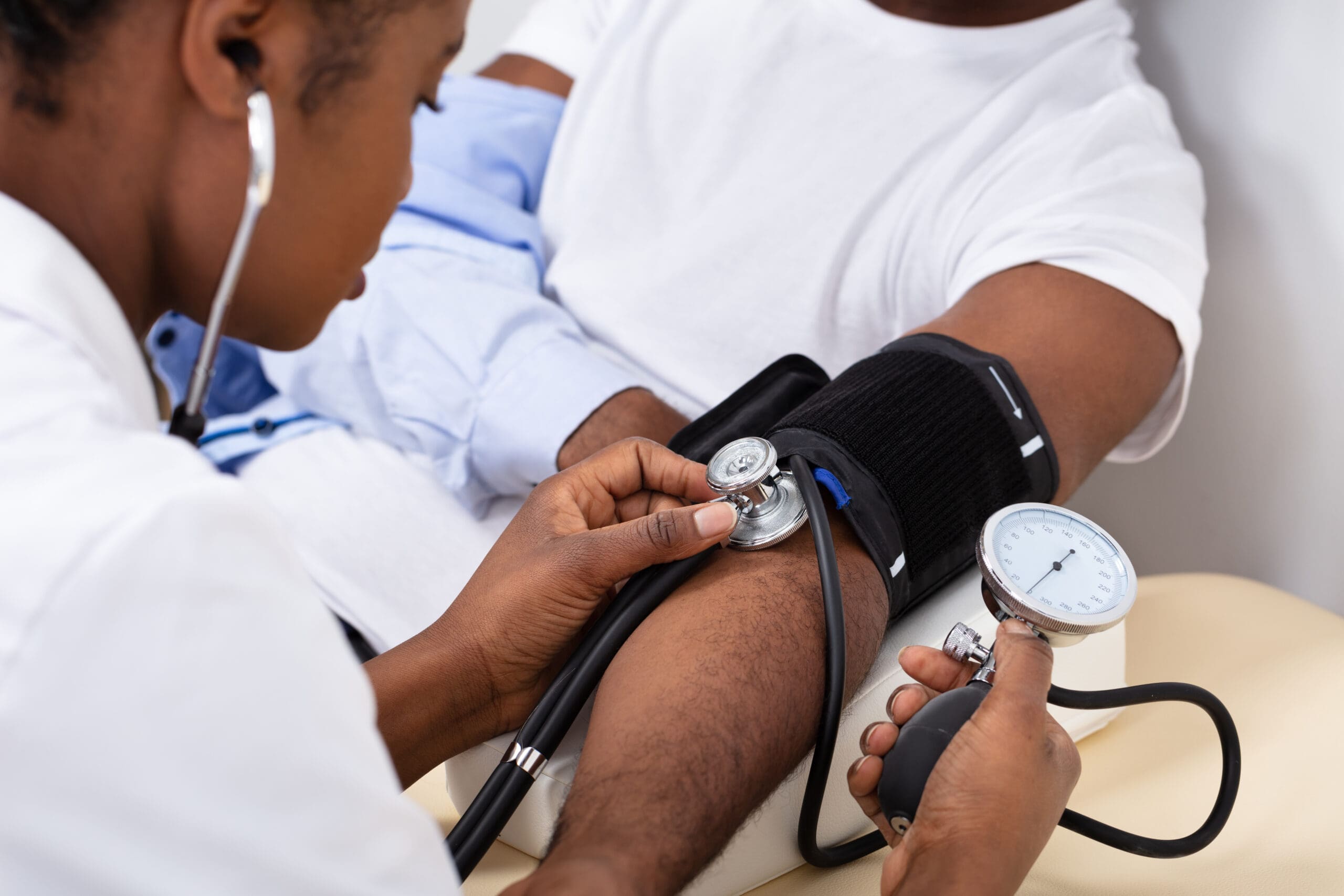
In 2026, almost half of adults in this country are living with high blood pressure, according to the CDC, and many don’t notice it until it’s too late.
An initiative called Hypertension Bites exists to help you when you finally slow down and take your numbers seriously.
We spoke with Dr. Yolanda Lawson, an OB-GYN and campaign advisor, to understand more about rising blood pressure.
Table of Contents
The Risk You Don’t Always Feel
High blood pressure is one of the leading causes of early death and poor health worldwide. It rarely causes symptoms, which is why it is often called a silent killer. When it goes unchecked, it can damage the heart, brain, kidneys, and blood vessels. According to the American Heart Association guidelines, uncontrolled high blood pressure means you have readings at or above 130 over 80, even if you already received a diagnosis or are currently receiving treatment.
The Hypertension Control Alliance created Hypertension Bites to help adults understand what blood pressure control really means and how to take steps that fit into real life. The Alliance is assembled by the CDC Foundation with support from AstraZeneca and partners across public health, clinical care, and community organizations. Their shared goal is to make blood pressure control feel clear and possible in the realities of midlife.
Dr. Yolanda Lawson is often the clinician women open up to first about stress, fatigue, and the changes they feel in midlife. She sees how often high blood pressure shows up during routine visits and says the earliest signs are easy to overlook.
“Early signs may be fatigue, headaches, and dizzy spells, visual changes, nose bleeding, or even chest pain and discomfort,” she explains. “If any of these symptoms are experienced, it should prompt you to check your blood pressure because the damage can start long before obvious symptoms appear. Catching it early is a chance to protect yourself.”
A Plan That Fits a Busy Life
Many adults want to get serious about their blood pressure but struggle to stay consistent. Dr. Lawson says a realistic plan starts with the basics.
“Creating a control plan starts with three easy steps,” she says. “First is measurement, which means tracking your blood pressure regularly and sharing those results with your healthcare provider, so adjustments can be made before problems escalate.”
The next step is building habits that feel within reach. “Short bouts of physical activity, reducing sodium where you can, and finding practical ways to manage stress.”
The third step is treatment. “Taking medications as prescribed, since lifestyle changes alone are often not enough to keep blood pressure controlled.”
What Control Really Means
Many people hear they need to get their numbers under control, but do not know what that looks like in practice. Dr. Lawson says clarity begins with knowing your numbers.
“Control begins with measurement,” she says. “If your blood pressure numbers are consistently or frequently over 130 over 80, then that should be managed. Often, patients state my blood pressure is borderline, but even if your blood pressure is mildly elevated, it is important to regularly check and begin making lifestyle changes.”
Why Black Adults Face Higher Barriers
For Black adults, especially Black women, stress, bias in care, and structural inequities drive hypertension risk. Dr. Lawson sees these challenges often.
“The barriers I see most often are hesitancy to engage with the medical community, health literacy, costs, and access to healthcare services,” she says. She encourages people to speak up when something feels off. “Bring a support person with you to appointments or seek a second opinion from a culturally responsive healthcare provider.”
Small Changes That Make a Difference
Advice like cutting salt or exercising more can feel vague.
“People often tell me they don’t add salt to their food without recognizing they may be eating high salt or sodium content foods such as chips or pretzels, cold cuts, fast food, or processed meats such as bacon or sausage,” she says. She recommends reading labels and “aiming for less than 5 percent of the Daily Value, rinsing canned vegetables, and using spices and herbs to season food.”
On movement, she says, “Thirty minutes [a day] to 150 minutes a week, or at least five days a week of moderate activity is recommended. This could include brisk walking, dancing, jumping rope, or cycling.” She points people to MyBPControl.org, a Hypertension Bites resource hub, for more tools.
Medication Fears Are Common
Many people worry about side effects or feel discouraged about taking medication long-term. Dr. Lawson says those concerns are real and deserve space.
“This is a very common discussion as many people do not want to take medications and want to try losing weight or non-pharmaceutical options,” she says. “The best way to navigate these fears is through open, honest conversations that explain why medication may be necessary, what it can do, and what the potential side effects are.” She adds that close follow-up helps people feel supported.
What To Do After a High Reading
A high number at a pharmacy or during a stressful moment can be confusing. Dr. Lawson says the next steps are simple.
“If one gets a high reading, they should record it and ensure they repeat their blood pressure and record the numbers to share with their healthcare provider,” she says. “If the high readings persist, this could signal a blood pressure problem that needs to be addressed.”
Yes, Blood Pressure Can Improve
Many people wonder if it is possible to lower their numbers once they are high. Dr. Lawson says improvement is absolutely possible.
“Lifestyle changes do work, such as increasing physical activity, smoking cessation, stress reduction, and weight management,” she says. “We generally recommend a 10 percent reduction in body weight, and the dietary changes don’t have to be dramatic, but small, incremental changes can make a significant difference that is readily noticeable.”
What This Means for Women in Midlife
Hypertension often shows up across Dr. Lawson’s work as an OB-GYN.
“I see hypertension show up in many aspects of women’s health, from routine visits to pregnancy and menopause care,” she says. “We provide primary care for women across the lifespan, which means we diagnose, monitor, and treat high blood pressure early.”
She says midlife is a critical window. “This is a stage where blood pressure can rise, often silently, and where tailored guidance around lifestyle, hormones, and overall health can make a big difference.”
What Everyone Needs to Hear
For Dr. Lawson, one point deserves more attention.
“High blood pressure is highly treatable and controllable. It’s one of the biggest opportunities we have to prevent heart disease, stroke, kidney failure, and even dementia,” she says. “Nearly half of U.S. adults have hypertension, and most are actively working to get it under control. So, you are not alone. Form your support circle to ensure you can meet the blood pressure control goal of your blood pressure readings under 130 over 80.”
Hypertension Bites helps people do exactly that. The campaign offers tools, tips, and resources at MyBPControl.org. It also shares guidance from adults who understand what it takes to manage health in a busy life. Control is possible when you know your numbers and build a plan that feels right for you.
Resources:
High Blood Pressure Facts | High Blood Pressure | CDC
Understanding Blood Pressure Readings | American Heart Association
New “Hypertension Bites” Campaign Urges Adults to Prioritize Blood Pressure Control | CDC Foundation

















