Medically Reviewed
Dr. Jose Rossello, MD, PhD, MHCM
Preventive Medicine & Public Health Specialist
Last Reviewed: April 22, 2026
You’ve been waiting months for your hair to reach your shoulders, but it seems stuck at the same length. You’re not imagining things, and you’re definitely not alone in this frustration.
Hair stops growing longer for several reasons, including genetics that determine your maximum hair length, damage from styling and chemical treatments that causes breakage, and health conditions that disrupt the normal growth cycle. The good news is that many of these issues can be addressed once you understand what’s happening. Some people have a genetically shorter growth phase that limits how long their hair can get, while others experience problems from nutritional deficiencies or hormones[1] that slow down growth.
Understanding why hair won’t grow past a certain point helps people make better choices about their hair care routine. From the products they use to the foods they eat, many factors play a role in whether hair reaches its full potential.
Table of Contents
Key Takeaways
- Hair growth is limited by genetics, health conditions, and the natural growth cycle that determines how long each strand can grow
- Breaking hair from damage and poor care habits often makes it seem like hair isn’t growing when it’s actually growing but breaking off at the same rate
- Improving scalp health, nutrition, and hair care practices[2] can help people achieve their maximum genetically determined hair length
Understanding the Hair Growth Cycle
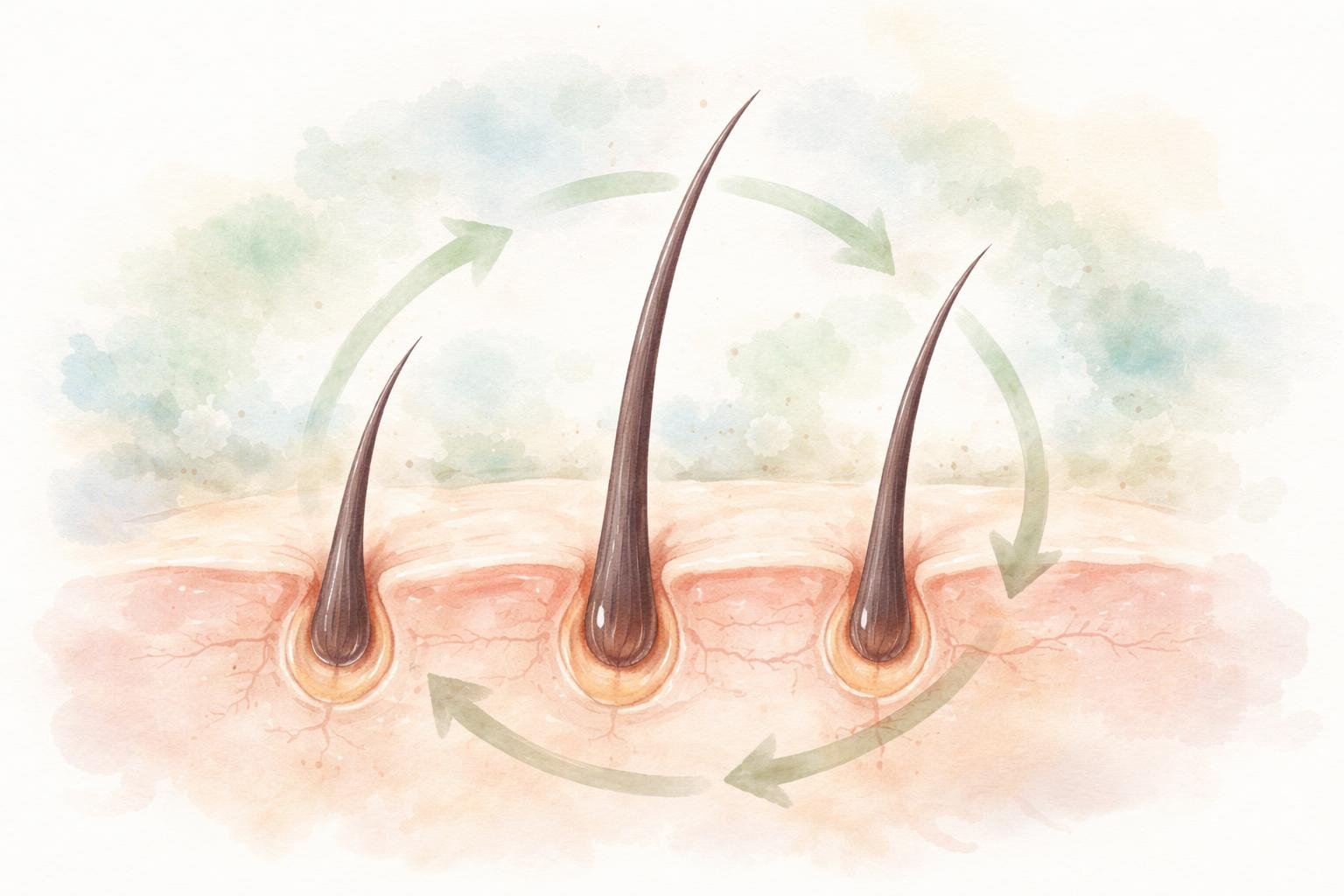
Hair doesn’t grow continuously without pause. Each strand moves through a repeating cycle of growth, rest, and shedding[3] that determines how long it can get and when it falls out.
Stages of Hair Growth: Anagen, Catagen, Telogen, Exogen
The hair growth cycle has four distinct phases. The anagen phase is the active growth period where hair follicles produce new cells and the strand gets longer. This phase lasts between 2 to 7 years for most people.
The catagen phase follows next as a short transition period. Hair growth slows down and the follicle begins to shrink. This phase only lasts about 2 to 3 weeks.
During the telogen phase, the hair rests for roughly 3 months. The strand stays in place but doesn’t grow any longer. A new hair starts forming underneath the old one.
The exogen phase is when shedding happens. The old strand falls out to make room for new growth. People typically lose 50 to 100 hairs per day during this normal process that lasts 3 to 5 months.
At any given time, about 90% of hair is in the anagen phase while the rest cycles through the other stages.
How Hair Follicles Work
Hair follicles are small structures in the skin that produce each strand of hair. They contain cells that divide rapidly during the anagen phase to build the hair shaft from a protein called keratin.
Blood vessels around the follicle deliver oxygen and nutrients needed for growth. When these resources reach the follicle cells, they can continue making new hair material.
Each follicle goes through the growth cycle independently. This means not all hair follicles are in the same phase at once, which is why people don’t lose all their hair at the same time.
The follicle also determines the thickness and texture of each strand based on its size and shape.
What Causes the Hair to Stop Growing
Hair stops growing when the anagen phase ends and the follicle moves into the catagen phase. Genetics controls how long the anagen phase lasts, which sets the maximum possible length for each person’s hair.
Someone with a 2-year anagen phase will have much shorter maximum hair length than someone with a 7-year phase. This genetic programming explains why some people grow hair down to their knees while others struggle past shoulder length[4].
Other factors can also push hair out of the growth phase early. Stress triggers hormonal changes that force follicles into the resting stage prematurely. Poor nutrition deprives follicles of the vitamins and minerals they need to keep producing hair.
Damage to the hair shaft from heat styling or chemicals can cause breakage that makes it seem like growth has stopped, even though the follicle is still working.
Genetic Factors That Limit Hair Growth
Your DNA controls how long your hair can grow, how thick it becomes, and whether it stays on your head. Some people inherit genes that create a shorter growth phase, while others face genetic hair loss conditions that start in their twenties or thirties.
Role of Inherited Traits and Family History
Genetics determine the length of the anagen phase, which is the active growth period for hair follicles. This phase typically lasts two to six years, but some people inherit a shorter anagen phase that stops hair growth at shoulder length or less.
Family history plays a major role[5] in predicting hair growth patterns. If parents or grandparents had thin hair or experienced early hair loss, their children face higher odds of the same outcome. The genes passed down affect follicle size, growth speed, and how follicles respond to hormones.
Multiple genes work together to control hair growth. Variants in growth-factor genes like IGF1, EGF, and VEGFA influence how quickly follicles produce new hair cells. Other genetic markers affect the transition between growth and rest phases, which determines both length and density.
Ethnicity and Maximum Hair Length
Different ethnic groups have distinct hair growth characteristics based on genetic variations. Asian hair typically grows faster and has a longer anagen phase, often reaching waist length or beyond. The follicle shape is also rounder, producing straight, thick strands.
People of African descent often have a shorter anagen phase and tightly coiled follicles. The curved shape makes hair more fragile and prone to breakage before reaching maximum genetic length. Growth rates average slower compared to other ethnic groups.
European hair falls between these extremes, with moderate growth rates and varied textures. The anagen phase length varies widely within this group, creating significant differences in achievable hair length from person to person.
Female and Male Pattern Hair Loss
Androgenetic alopecia is the most common genetic cause of hair loss in both sexes. Male pattern hair loss typically starts with a receding hairline and thinning at the crown. The condition affects about 50% of men by age 50.
Female pattern hair loss presents differently, causing diffuse thinning across the scalp rather than complete baldness. Women notice widening parts and reduced volume, particularly after menopause when protective estrogen levels drop.
Both conditions occur when hair follicles become sensitive to dihydrotestosterone (DHT), a hormone derived from testosterone. Genetic variants determine this sensitivity level. Follicles gradually shrink, producing thinner and shorter hairs until they stop growing entirely.
Alopecia areata is a separate genetic condition where the immune system attacks hair follicles. Unlike androgenetic alopecia, it causes patchy hair loss that may reverse spontaneously. Understanding your genetic predisposition[6] helps determine appropriate treatment options.
Common Medical and Health Conditions
Medical conditions and health issues can directly affect how hair grows and how long it stays in the growth phase. Hormonal problems, autoimmune disorders, aging, and certain medications all play a role in slowing or stopping hair growth.
Hormonal Imbalances and Thyroid Issues
The thyroid gland controls metabolism and hormone production throughout the body. When the thyroid produces too much or too little hormone, it can negatively impact hair growth[7].
Both hypothyroidism and hyperthyroidism affect how the body functions. These conditions cause hair thinning and increased shedding. The hair follicles become weaker when thyroid hormones are out of balance.
Other hormonal imbalances also affect growth. High levels of testosterone or DHEAS can cause excessive body hair but may thin scalp hair. Low estrogen and progesterone during menopause or after childbirth lead to decreased hair density.
Telogen effluvium is a common condition triggered by stress or hormonal changes. This causes hair to enter the resting phase prematurely[8], stopping 30% of growth completely. The condition usually resolves within six months without treatment.
Alopecia Types and Scalp Disorders
Alopecia areata is an autoimmune disease where the immune system attacks hair follicles. This causes hair to fall out in round patches on the scalp. The condition can be inherited genetically.
People with hay fever, vitiligo, Down syndrome, asthma, or thyroid issues have higher risk. Proper medication and phototherapy can treat this autoimmune disease effectively.
Scalp conditions like dandruff, psoriasis, and infections also block hair growth. These disorders create inflammation that damages follicles. Build-up of oils and dead skin can clog follicles and prevent new hair from growing.
A hair transplant surgeon can help with permanent hair loss from scarring conditions. However, treating the underlying scalp disorder[1] comes first before considering surgical options.
Effects of Aging and Menopause
Aging naturally shortens the anagen growth phase. Hair follicles become less active over time, leading to thinner hair and slower growth. The growth rate that averaged 6 inches per year when younger decreases significantly.
Years of styling, processing, dyeing, and chemical treatments damage hair over a lifetime. This accumulated damage combines with natural aging to reduce hair quality and length potential.
Menopause brings specific challenges for hair growth. Estrogen and progesterone levels drop sharply during this time. These hormonal shifts cause increased shedding and reduced hair density. Many women notice their hair won’t grow as long as it did before menopause.
Impact of Medications and Treatments
Certain prescription medications interfere with the hair growth cycle. Chemotherapy drugs are well-known for causing hair loss, but other medications also affect growth. Blood thinners, antidepressants, and blood pressure medications can trigger shedding.
Finasteride (Propecia) and minoxidil are FDA-approved treatments for hair loss. Finasteride blocks the hormone that shrinks follicles in men. Minoxidil stimulates follicles and extends the growth phase. Both require ongoing use to maintain results.
Birth control pills and hormone replacement therapy change hormone levels. These medications can either help or hurt hair growth depending on the specific formulation. Some women experience hair thinning when starting or stopping hormonal birth control.
Doctors can adjust medications or prescribe treatments to minimize hair loss. A consultation helps determine if current medications contribute to lack of hair growth.
Nutritional and Lifestyle Influences
Your body needs specific nutrients to build strong hair, and daily habits like eating well, staying active, and managing stress directly affect how your hair grows. External factors like weather and pollution can also slow down growth or damage existing strands.
Essential Nutrients for Hair Growth
Protein forms the foundation of hair structure since hair is made mostly of a protein called keratin. Without enough protein from sources like lean meats, fish, eggs, and beans, hair growth slows down significantly.
Iron carries oxygen to hair follicles, and low iron levels can cause hair to stop growing. Women especially need to watch their iron intake through foods like spinach, red meat, and lentils.
Biotin, zinc, and vitamins A, C, D, and E all play important roles in hair growth and health[9]. Biotin strengthens hair structure. Zinc helps repair damaged follicles. Vitamin C builds collagen and helps absorb iron.
Omega-3 fatty acids from fish, walnuts, and flaxseeds keep the scalp healthy and reduce inflammation that can block growth. Vitamin D deficiency has been linked to hair loss, so getting sunlight or taking supplements matters.
Good nutrition is vital for hair growth[10] but cannot reverse genetic factors. A balanced diet with whole grains, fruits, vegetables, and lean proteins gives your body what it needs to promote hair growth.
Diet, Hydration, and Physical Activity
Poor eating habits deprive hair follicles of the building blocks they need to function. Crash diets and restrictive eating patterns often lead to temporary hair loss because the body redirects nutrients away from hair to support more critical organs.
Drinking enough water keeps hair hydrated from the inside out. Dehydration makes hair brittle and more likely to break before reaching longer lengths.
Regular physical activity improves blood circulation to the scalp, delivering more nutrients and oxygen to hair follicles. Exercise also helps balance hormones that influence hair growth.
However, extreme exercise without proper nutrition can stress the body and trigger hair loss. Athletes need to eat enough calories and nutrients to support both their activity level and healthy hair growth.
The Impact of Stress on Hair
High stress levels push hair follicles into a resting phase called telogen effluvium. This causes hair to stop growing and eventually fall out two to three months after the stressful event.
Chronic stress raises cortisol levels, which disrupts the hair growth cycle. It can also trigger behaviors like pulling or twisting hair, known as trichotillomania.
Stress affects hair health[11] through multiple pathways in the body. It reduces blood flow to the scalp and increases inflammation around follicles.
Managing stress through relaxation techniques, adequate sleep, and regular breaks helps maintain normal hair growth patterns. Many people notice their hair recovers once stress levels decrease.
Environmental and Seasonal Factors
Sun exposure, pollution, and harsh weather damage the outer layer of hair strands. UV rays break down proteins in hair and fade color. Air pollution deposits particles that clog follicles.
Cold, dry winter air strips moisture from hair, making it prone to breakage. Summer heat and chlorine from swimming pools also cause damage that prevents hair from reaching its full length potential.
Hard water with high mineral content leaves buildup on hair and scalp. This residue can block follicles and make hair look dull and lifeless.
Using protective measures like hats, leave-in conditioners, and clarifying treatments helps shield hair from environmental damage. Indoor heating and air conditioning also dry out hair, so using a humidifier can help maintain moisture levels.
Hair Care Habits and External Damage
The way someone treats their hair daily has a direct impact on its ability to grow long and stay healthy. Common hair care practices can damage hair[12] and stop length retention even when the hair itself is growing normally from the scalp.
Hair Care Routine and Product Choice
A person’s haircare routine plays a major role in whether their hair can reach its full length potential. Washing hair by rubbing shampoo into the length creates unnecessary friction and damage. The correct method involves applying shampoo to the scalp only and letting it rinse through the ends.
Conditioner should be applied from mid-length to ends, never at the roots where it can weigh hair down. People often skip conditioner entirely, which leaves hair dry and prone to breakage.
Product choice matters just as much as technique. Heavy products can cause buildup that weighs hair down. Light products may not provide enough protection for certain hair types. Understanding individual hair needs helps determine which products will support growth rather than hinder it.
Chemical Treatments and Heat Styling
Chemical treatments like bleaching, perming, and relaxing break down the hair’s protein structure. This damage weakens the hair shaft and leads to breakage that prevents length retention.
Heat styling tools can reach temperatures over 400 degrees. This level of heat removes moisture from the hair shaft and damages the outer layer. Using heat without protection can make hair dry[13] and increase breakage significantly.
People who use heat tools daily see more damage than those who limit use to once or twice per week. Air drying or using lower heat settings protects hair better. Heat protectant sprays create a barrier but don’t eliminate damage completely.
Harsh Shampoos and Product Buildup
Harsh shampoos strip natural oils that protect the hair and scalp. Sulfates are common cleansing agents that can be too strong for many hair types. They remove dirt effectively but also take away beneficial moisture.
Product buildup happens when styling products, oils, and silicones accumulate on the hair shaft. This coating prevents moisture from entering the hair. It also makes hair look dull and feel heavy.
Clarifying shampoos remove buildup but should only be used once or twice per month. Using them too often creates the same dryness problem as harsh daily shampoos. The balance between cleaning and maintaining moisture is essential for hair health.
Hairstyles and Mechanical Damage
Tight hairstyles pull on hair follicles and cause tension along the hair shaft. Ponytails, braids, and buns worn too tight can lead to breakage at the hairline and temples. Hair extensions add extra weight that increases this tension even more.
Split ends travel up the hair shaft[14] and cause breakage that makes it seem like hair isn’t growing. They occur from mechanical damage like brushing wet hair or using the wrong tools.
Common sources of mechanical damage include:
- Brushing from root to tip instead of detangling from the ends up
- Using cotton towels that create friction when drying hair
- Sleeping on cotton pillowcases that cause rubbing throughout the night
- Wearing elastic bands with metal parts that snag and break hair
Hair breakage from these habits often goes unnoticed until someone realizes their hair won’t grow past a certain length. The hair is growing, but it breaks off at the same rate.
Scalp Health and Hair Retention
A healthy scalp creates the foundation for strong hair growth, while scalp problems can weaken strands before they have a chance to retain length. Poor circulation, inflammation, and buildup directly affect the quality of hair produced at the root.
Importance of a Healthy Scalp
The scalp is where every strand begins its growth cycle. When the scalp environment is compromised, hair grows weaker and more prone to breakage.
A healthy scalp maintains proper oil production, stays free from inflammation, and allows nutrients to reach hair follicles efficiently. Blood flow to the scalp delivers oxygen and essential nutrients that support stronger hair growth from the root[15].
Neglecting scalp health leads to:
- Weaker hair strands that break easily
- Thinner hair that struggles to retain length
- Slower growth due to poor follicle function
The condition of the scalp directly determines whether hair can grow long enough to retain visible length.
Common Scalp Issues Affecting Growth
Several scalp conditions interfere with hair retention by producing fragile strands or disrupting the growth cycle.
Buildup from products, oil, and dead skin cells clogs follicles and prevents healthy hair production. Inflammation weakens the follicle and creates an environment where hair grows thin and brittle. Dryness on the scalp often leads to flaking and irritation that affects strand quality.
Other issues include:
- Poor circulation limiting nutrient delivery
- Fungal or bacterial infections
- Sensitivity to harsh ingredients
Each of these problems compromises the strength of new growth. Hair that emerges from an unhealthy scalp breaks more easily during styling and handling, making length retention nearly impossible.
Benefits of Scalp Massage
Scalp massage improves blood circulation, which increases the flow of nutrients and oxygen to hair follicles. This practice supports the production of stronger, healthier strands.
Elevate Your Health for Just $29.99/Month
Join the Precision Wellness Subscription at My Healing 365 and get discounted services, priority coaching access, virtual care, and exclusive wellness resources to support your physical, emotional, and hormonal health.
Join for $29.99/MonthRegular massage also:
- Reduces tension that can restrict blood flow
- Distributes natural oils along the hair shaft
- Removes dead skin cells and loosens buildup
- Stimulates follicles for improved growth quality
A simple 5-10 minute massage performed several times per week can make a noticeable difference. Using fingertips to apply gentle pressure in circular motions across the entire scalp activates circulation without causing damage. Adding nourishing oils during massage enhances the benefits by delivering nutrients directly to the scalp while moisturizing hair roots.
Treatment Options and Practical Solutions
Several effective treatments can help restore hair growth, ranging from prescription medications to natural remedies you can try at home. The right approach depends on the underlying cause of your hair loss and its severity.
Medical Treatments for Hair Growth
Minoxidil is a first-line treatment[1] available without a prescription for both male and female pattern hair loss. It comes in liquid or foam form and is applied directly to the scalp twice daily. Most people see results within four to six months of consistent use.
Finasteride, sold under the brand name Propecia[1], works by blocking an enzyme called 5-alpha-reductase that causes hair loss. This prescription medication is taken as a daily pill. It’s primarily used for men experiencing male pattern baldness.
For more severe cases, a hair transplant performed by a qualified surgeon[1] can move hair follicles from one area of the scalp to cover bald spots. This surgical option provides permanent results but requires significant time and financial investment.
Home Remedies and Natural Approaches
Scalp massage encourages blood flow[1] to hair follicles and may improve hair thickness. Spend five to ten minutes daily massaging the scalp with your fingertips using gentle circular motions.
Essential oils offer natural growth-promoting benefits. Rosemary oil can stimulate new hair growth[1], especially in cases of alopecia. Geranium oil has shown promise[1] in improving circulation to promote growth.
Aloe vera conditions the scalp[1] and strengthens hair to prevent breakage. Apply pure aloe vera gel directly to the scalp and leave it on for 30 minutes before washing.
When to Consult a Professional
A person should see their doctor if hair loss comes with other symptoms like fatigue, skin changes, or unexplained weight loss. These could indicate thyroid problems or other health conditions requiring medical attention.
If the scalp feels painful, irritated, or inflamed[1], professional evaluation is necessary. Patchy hair loss or sudden bald spots may signal alopecia areata or other conditions that need specialized treatment.
Consulting a dermatologist before starting prescription medications or undergoing procedures ensures the treatment matches the specific type of hair loss. They can run tests to identify hormonal imbalances, nutritional deficiencies, or other underlying causes.
Common Myths and Misconceptions About Hair Growth
Many popular beliefs about hair growth have no scientific backing and can lead people down the wrong path when trying to grow longer hair. Understanding which claims are false helps avoid wasted time and money on ineffective methods.
Trimming and Hair Growth Rate
The idea that cutting hair makes it grow faster[16] is one of the most widespread misconceptions. Hair growth happens at the follicle in the scalp, not at the ends of the hair shaft.
Trimming the ends cannot influence what happens at the roots. The follicles have no way of detecting when someone cuts the hair several inches away.
Regular trims every four to six weeks can improve hair appearance by removing split ends and preventing breakage. This maintains healthier-looking hair, but it doesn’t speed up the actual growth rate. Hair typically grows about half an inch per month regardless of trimming frequency.
Myths Around Hair Products
The belief that more expensive products guarantee better results[16] doesn’t hold up under examination. Price tags don’t determine effectiveness.
What matters most is the ingredient list, not the cost. A budget-friendly shampoo with quality cleansing agents works just as well as a luxury version for basic cleaning needs. Products with concentrated or targeted ingredients like biotin, keratin, or caffeine may offer additional benefits, but these aren’t always found in the priciest options.
Another common myth suggests that natural oils are always beneficial for hair. While sebum helps moisturize hair and protect the scalp, too much oil can clog pores and lead to conditions like dandruff or folliculitis. Excess oil also weighs hair down, making it look greasy and flat.
Genetic Potential Versus Reality
Genetics plays the biggest role in determining hair growth rate, thickness, and length potential. If someone’s parents have thick, fast-growing hair, they’re more likely to experience similar growth patterns.
Androgenetic alopecia affects over 30 million women[17] in the United States and is primarily driven by genetic factors. The hormone dihydrotestosterone (DHT) causes hair follicles to shrink over time, resulting in thinner hair shafts.
No product or treatment can completely override genetic programming. While certain medications and treatments can slow hair loss or promote growth within someone’s genetic limits, they cannot fundamentally change inherited hair characteristics. Setting realistic expectations based on family history helps avoid disappointment with hair growth goals.
Post Views: 5
References
- Hair Stopped Growing: Causes and What to Do. https://www.healthline.com/health/beauty-skin-care/hair-stopped-growing Accessed April 22, 2026
- 9 Reasons Your Hair Won’t Grow + What To Do About It. https://us.davines.com/blogs/news/why-wont-my-hair-grow Accessed April 22, 2026
- How Hair Grows: The Hair Growth Cycle Explained. https://scalpmasters.com/blog/hair-growth-cycle/ Accessed April 22, 2026
- 8 Reasons Your Hair Stops Growing After a Certain Length
– Theradome. https://theradome.com/blogs/blog/why-does-my-hair-stop-growing-at-a-certain-length Accessed April 22, 2026 - What Is Hair Growth Deficiency? Causes, Genetics & Symptoms | Follicle Report. https://www.happyhead.com/blog/why-you-have-slow-hair-growth Accessed April 22, 2026
- Just a moment…. https://synapseforges.com/articles/factors-inhibit-hair-growth/ Accessed April 22, 2026
- Why Is My Hair Not Growing: 13 Common Causes And Fixes. https://www.stylecraze.com/articles/reasons-why-your-hair-stops-growing/ Accessed April 22, 2026
- 21 Reasons Your Hair Stopped Growing Like It Used To. https://www.latest-hairstyles.com/advice/hair-stopped-growing.html Accessed April 22, 2026
- Hair Not Growing? What Your Body Might Be Missing. https://bioma.health/blog/hair-not-growing-what-your-body-might-be-missing/ Accessed April 22, 2026
- How does our diet and lifestyle affect our hair growth?. https://www.openaccessgovernment.org/how-does-our-diet-and-lifestyle-affect-our-hair-growth/172394/ Accessed April 22, 2026
- How Diet Affects Hair Health: Foods for Stronger & Healthier Hair. https://www.olivaclinic.com/blog/how-diet-affects-hair-health/ Accessed April 22, 2026
- 10 hair care habits that can damage your hair. https://www.aad.org/public/everyday-care/hair-scalp-care/hair/habits-that-damage-hair Accessed April 22, 2026
- Hair Growth Mistakes 25 Habits That Slow Your Length
– Keyoma. https://keyomahealth.com/blogs/hair-care/hair-growth-mistakes Accessed April 22, 2026 - 15 Reasons Why Your Hair Stops Growing. https://flawlesshair.com/reasons-why-your-hair-stops-growing/ Accessed April 22, 2026
- Why Hair Grows but Won’t Retain Length (And How to Finally Fix It). https://www.hairobicsallnatural.com/hair-blog/why-hair-grows-but-wont-retain-length-and-how-to-finally-fix-it/ Accessed April 22, 2026
- Myths and Facts About Hair Growth – Common Misconceptions. https://www.hairclub.com/blog/myths-facts-hair-growth/ Accessed April 22, 2026
- Androgenetic alopecia affects over 30 million women. https://www.elle.com/beauty/hair/a68004769/hair-growth-myths-explained-2025/ Accessed April 22, 2026

























