Medically Reviewed
Dr. Jose Rossello, MD, PhD, MHCM
Preventive Medicine & Public Health Specialist
Last Reviewed: April 29, 2026
Taking care of your hair goes beyond using the right shampoo or getting regular trims. When you treat hair care as an act of self-care, you create a routine that nourishes both your strands and your overall well-being. The simple act of caring for your hair can be a profound expression[1] of taking time for yourself.
Many people rush through their hair routines without thinking about the benefits of slowing down. A thoughtful approach to hair care means choosing products that match specific needs, using techniques that promote scalp health, and protecting strands from damage. These practices build confidence and create moments of calm in busy days.
The connection between self-care and healthy hair is real. Your hair care routine can be a chance to slow down, reset, and show yourself some love[2] while building habits that lead to stronger, shinier hair. This guide covers everything needed to turn a basic hair routine into a self-care practice that delivers results.
Table of Contents
Key Takeaways
- Self-care hair routines combine proper product selection with relaxing techniques that benefit both hair health and mental well-being
- A complete hair care approach includes cleansing, deep conditioning, scalp care, and protective styling tailored to individual hair needs
- Consistent daily habits like heat-free styling and nighttime hair protection maintain healthy hair between more intensive treatment sessions
How Self-Care Transforms Your Hair
Taking care of yourself directly affects how your hair looks and feels. When someone makes their hair care routine a priority, they see improvements in hair health, confidence, and overall well-being.
The Connection Between Self-Care and Healthy Hair
Hair reflects a person’s overall health and daily habits. When stress levels are high or sleep is lacking, hair often becomes dull, brittle, or prone to breakage. Hair care functions as an extension of skin care[3], requiring similar attention to products and techniques.
A self-care hair routine supports healthy hair growth from the inside out. Regular scalp massages increase blood flow to hair follicles, which helps deliver nutrients more effectively. Proper hydration, balanced nutrition, and adequate sleep all contribute to stronger strands.
The products someone chooses matter just as much as the habits they build. Hard water can leave hair dry and damaged, even when using quality products. Installing a shower filter removes minerals like calcium and magnesium that cause buildup. Taking time to select the right shampoo and conditioner for specific hair needs prevents damage before it starts.
Boosting Confidence With a Good Hair Day
A good hair day changes how someone feels throughout their entire day. Fresh, styled hair creates an immediate boost in self-esteem and affects how a person carries themselves. When someone looks good, they feel good[3], which influences their interactions and productivity.
Regular salon appointments provide therapeutic benefits beyond just a new style. Scheduling time for professional treatments shows commitment to self-care. Even at-home styling sessions can recreate that salon-fresh feeling.
Benefits of prioritizing hair care:
- Increased confidence in social settings
- Better first impressions
- Reduced anxiety about appearance
- More willingness to try new styles
The act of caring for hair becomes a form of self-respect. Each wash, style, and treatment reinforces that a person deserves time and attention.
Building Rituals Into Your Hair Routine
Transforming hair care into a ritual adds structure and creates a reliable source of comfort[4]. A consistent routine makes self-care automatic rather than occasional. Setting aside specific times for hair treatments turns maintenance into mindful practice.
Starting with simple steps makes rituals sustainable. A weekly deep conditioning treatment on Sunday evenings can signal the start of a new week. Using a silk pillowcase each night protects hair while sleeping and requires no extra effort.
Incorporating sensory elements enhances the experience. Scented hair oils, warm towels, or calming music during wash days engage multiple senses. These small additions transform basic maintenance into genuine self-care moments. The key is consistency—repeating the same sequence helps the mind associate hair care with relaxation and renewal.
Establishing Your Unique Self-Care Hair Routine
Building a personalized haircare routine[5] requires understanding your specific hair needs and making intentional choices about how you care for your strands. The foundation starts with identifying your hair type and curl pattern, then adapting products and practices to match those characteristics while staying present during each step.
Understanding Your Hair Type and Curl Pattern
Hair type refers to the basic texture of hair, ranging from straight to coily. Curl pattern describes the shape and definition of curls or waves.
The main hair types include:
- Type 1: Straight hair with no curl
- Type 2: Wavy hair with slight bends
- Type 3: Curly hair with defined spirals
- Type 4: Coily or kinky hair with tight curls
Each type has subcategories (A, B, C) that describe increasingly tight patterns. Natural hair often falls into types 3 and 4, which require more moisture than straight hair.
Knowing your curl pattern helps determine which products and techniques work best. Curly and coily hair typically needs more hydration and less frequent washing. Straight hair may require lighter products to avoid looking greasy.
Fine hair can exist in any curl pattern and needs gentle products that don’t weigh it down. Thick hair holds styles well but may need stronger products for control.
Personalizing Your Haircare Routine
A hair routine that works[6] includes consistent steps tailored to individual needs. The basic framework includes cleansing, conditioning, and protecting.
People with dry hair benefit from washing less frequently, perhaps once or twice weekly. Those with oily scalps may need to cleanse every other day. Co-washing (using conditioner to cleanse) works well for many with curly or coily textures.
Deep conditioning treatments should happen weekly for damaged or chemically treated hair. Hair masks provide intense moisture and repair when used regularly as part of a self-care routine.
Leave-in products protect hair between washes. Oils seal in moisture for dry textures. Heat protectants prevent damage from styling tools.
Nighttime care matters too. Silk or satin pillowcases reduce friction and breakage. Protective styles preserve curl definition and minimize tangles.
Mindfulness in Daily Hair Care
Mindfulness transforms a haircare routine into a self-care practice[7] by bringing full attention to each action. This means noticing how hair feels and responds to different products and techniques.
During washing, focus on massaging the scalp gently rather than rushing through the process. Pay attention to water temperature and how thoroughly products rinse out.
While detangling, work slowly from ends to roots to minimize breakage. Notice areas of tension or damage that need extra care.
Styling becomes meditation when approached with patience. Observe how hair moves and which techniques create desired results without forcing or fighting natural texture.
This awareness helps identify what the hair needs on any given day. Some days require extra moisture while others need less product. Listening to these signals prevents damage and supports healthy hair growth.
Fundamentals of a Nourishing Hair Care Routine
The foundation of healthy hair lies in selecting products that match your specific needs and understanding when to cleanse deeply versus when to add moisture. Different washing methods serve different purposes throughout the week.
Choosing the Right Shampoo and Conditioner
The right shampoo and conditioner depend on your hair’s texture, density, and scalp condition. Fine hair needs lightweight formulas that won’t weigh strands down. Thick or coarse hair benefits from richer, more hydrating products.
Scalp type matters more than most people realize. Oily scalps need gentle daily cleansing with sulfate-free options that remove buildup without triggering more oil production. Dry scalps require moisturizing formulas that calm irritation and add hydration back.
Match your conditioner to your hair’s porosity. High porosity hair absorbs products quickly but loses moisture fast, so it needs protein-rich conditioners. Low porosity hair repels moisture, so lighter formulas with humectants work better.
Key product features to look for:
- Sulfate-free cleansers for gentle washing
- pH-balanced formulas between 4.5 and 5.5
- Silicone-free options for natural texture
- Protein or moisture-focused based on needs
Always apply shampoo to the scalp and roots where oil builds up. Save conditioner for mid-lengths to ends only.
Clarifying and Detoxifying Steps
A clarifying shampoo removes product buildup, hard water minerals, and excess oils that regular shampoos leave behind. This deep cleaning step prevents dull, lifeless hair and helps other hair care products work better.
Most people need clarifying once every two to four weeks. Those who use heavy styling products, live in areas with hard water, or swim regularly should clarify weekly.
Signs you need to clarify:
- Hair feels sticky or waxy even after washing
- Products don’t absorb like they used to
- Color looks faded or brassy
- Scalp feels itchy or has buildup
Apply clarifying shampoo to wet hair and massage thoroughly into the scalp. Let it sit for two to three minutes before rinsing completely. Always follow with a deep conditioner since clarifying treatments can strip moisture[8].
Limit clarifying to prevent over-drying. Fine hair needs gentler formulas used less often than thick hair.
Co-Wash and Moisturizing Shampoos
Co-washing means using conditioner to cleanse instead of traditional shampoo. This method works well for dry, curly, or textured hair that needs extra moisture. The gentle cleansing action removes dirt without stripping natural oils.
Moisturizing shampoos fall between regular shampoo and co-wash. They clean the scalp while adding hydration back to the hair shaft. These formulas contain ingredients like glycerin, aloe, and natural oils.
When to choose each method:
| Method | Best For | Frequency |
|---|---|---|
| Co-wash | Curly, dry, or coily hair | 2-3 times per week |
| Moisturizing shampoo | Normal to dry hair types | Every wash day |
| Regular shampoo | Oily scalps and fine hair | As needed |
Co-wash products need thorough scalp massage to lift dirt and oils. Spend at least two minutes working the product through roots with fingertips. Rinse completely to avoid buildup.
Moisturizing shampoos balance cleansing with hydration[9], making them ideal for those who need regular washing but can’t handle harsh formulas. They maintain the scalp’s natural moisture barrier while keeping hair clean.
Deep Nourishment and Moisture for Your Hair
Healthy hair depends on consistent moisture and targeted nourishment. The right combination of hydration practices, deep conditioning treatments, and nourishing products can transform dry, brittle strands into soft, manageable hair.
Importance of Hydration
Hair needs water to maintain its elasticity and strength. When strands lack adequate hydration, they become prone to breakage and split ends.
Drinking enough water supports hair health from the inside out. The hair shaft absorbs moisture from the body, which helps maintain flexibility and prevents dryness.
External hydration matters just as much. Leave-in conditioner provides ongoing moisture between wash days and creates a protective barrier against environmental damage. These products work by sealing the hair cuticle and locking in water molecules.
Hair porosity affects how well strands absorb and retain moisture. Low-porosity hair has tightly closed cuticles that resist moisture absorption, while high-porosity hair absorbs water quickly but struggles to keep it locked in. Understanding porosity levels helps in selecting the right hydrating products.
Deep Conditioning Treatments
Deep conditioning treatments[10] provide intensive nourishment that regular conditioners cannot match. These treatments penetrate deeper into the hair shaft to repair damage and restore moisture.
Hair experts recommend deep conditioning at least once per week for most hair types. Those with chemically treated, heat-damaged, or naturally dry hair may benefit from two to three sessions weekly.
The process involves applying a rich conditioning formula to clean, damp hair and allowing it to sit for 15 to 30 minutes. Heat helps open the hair cuticles, allowing better absorption of conditioning agents. A warm towel or conditioning cap can enhance the treatment’s effectiveness.
Protein-rich formulas work best for high-porosity hair because they fill gaps in the hair shaft. Moisture-focused treatments suit low-porosity hair when combined with heat application.
Using Hair Masks and Oils
A hair mask delivers concentrated ingredients that address specific concerns like dryness, damage, or frizz. These treatments typically contain higher concentrations of beneficial ingredients than standard conditioners.
Popular nourishing ingredients include shea butter, which provides intense moisture and softness, and castor oil, known for strengthening properties. These ingredients create a protective coating around each strand.
Application technique matters for maximum benefits. Distribute the mask evenly from mid-length to ends, avoiding the scalp unless the product is specifically formulated for scalp treatment. Leave the mask on for the recommended time before rinsing thoroughly.
Hair oil serves multiple purposes in a nourishment routine. It can be applied before shampooing as a pre-treatment, mixed with a hair mask for added benefits, or used sparingly on dry hair to seal in moisture and add shine.
Scalp Health and Relaxation Techniques
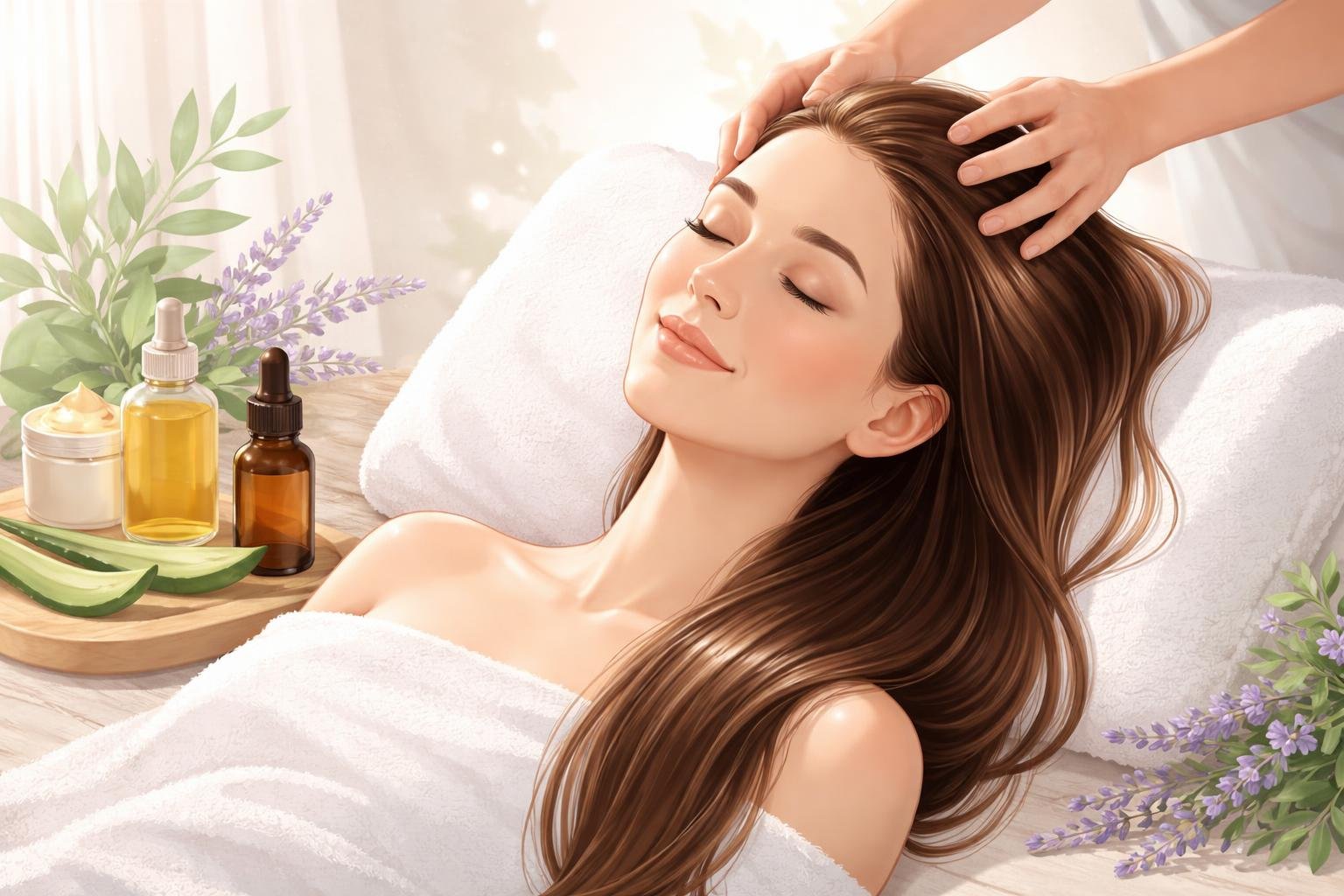
A healthy scalp creates the foundation for strong hair growth[11], and regular relaxation techniques can improve both scalp condition and hair thickness. Simple practices like massage, oil treatments, and exfoliation work together to support the skin beneath your hair.
Benefits of Scalp Massage
Scalp massage can increase hair thickness[12] by creating mechanical stress on dermal papilla cells. A 2016 study showed that participants who received a four-minute daily scalp massage for 24 days experienced improved hair thickness.
The benefits extend beyond hair growth. People who receive regular scalp massages show lower stress hormones and reduced blood pressure. Massage can also help relieve tension headaches and migraines.
A basic scalp massage uses moderate pressure with fingertips moving in circular motions across the scalp. The massage can be performed on dry hair or during shampooing. Some people prefer using massage tools with soft teeth or nubs to stimulate blood flow and distribute products evenly.
Applying Scalp Oils for Growth
Peppermint oil shows the strongest evidence for promoting hair growth. A 2014 study compared peppermint oil to jojoba oil, saline, and minoxidil, finding that peppermint oil produced the best results.
Essential oils require dilution before application to prevent skin irritation. Mix them with carrier oils, shampoos, or conditioners before applying to the scalp.
Oil treatments can be combined with massage for enhanced benefits. The oils help fingers glide smoothly across the scalp while the massage action improves blood circulation to hair follicles.
Exfoliating and Caring for Your Scalp
The scalp accumulates dead skin cells, excess oil, and product buildup that can block hair follicles. Regular exfoliation removes these barriers and creates a clean environment for hair growth.
Gentle exfoliation can be done during shampooing using fingertips or a scalp massager tool. The small nubs help loosen flaky skin while lathering products.
People with scalp conditions, sensitivity, or damaged skin should consult a healthcare provider before starting exfoliation. Avoid tight hairstyles, harsh dyes, and chemical treatments that damage the scalp. Taking care of scalp health creates a healthy environment[13] where hair can grow properly while protecting the skin.
Protective Styling and Preventing Damage
Protective styles shield hair from daily manipulation and environmental stress, but only when installed correctly and maintained with care. The right approach involves selecting styles that don’t create excessive tension, applying heat protection when needed, and establishing consistent nighttime routines.
Choosing Protective Styles
Protective styles like braids, twists, and locs[14] work best when they don’t pull too tight on the scalp or hairline. Tension causes breakage and damages edges over time.
A person should speak up if their stylist is braiding too tightly. Pain signals that the style may cause damage. Leaving a small portion of the hairline out reduces stress on delicate edges.
Low-tension protective styles include:
- Loose box braids
- Chunky twists
- Faux locs with minimal weight
- Twist-out styles that require no added hair
Most protective styles shouldn’t stay in longer than eight weeks. Leaving styles in too long causes scalp buildup[14] and prevents thorough cleansing. Extended wear also means prolonged tension on the same areas of the scalp.
Updos and ponytails add extra stress to fresh protective styles. Hair needs a few days to adjust before being pulled up or back.
Using Heat Protectant Safely
Heat protectant creates a barrier between hair strands and hot styling tools. This product prevents moisture loss and reduces heat damage when blow-drying or flat ironing before installation.
A person should apply heat protectant to damp hair before any heat styling. The product needs complete coverage from roots to ends. Most heat protectants work best at temperatures below 400°F.
Air-drying eliminates heat exposure entirely. Those who choose to air-dry can style their hair in a twist-out pattern for texture without damage. This method takes longer but preserves hair health.
Heat should never be applied to synthetic braiding hair or extensions. These materials melt at lower temperatures than natural hair.
Nighttime Hair Care Habits
A satin bonnet or silk scarf protects protective styles while sleeping. These materials reduce friction that causes frizz and breakage. Cotton pillowcases and accessories pull moisture from hair overnight.
Satin and silk pillowcases preserve hair[14] when someone doesn’t want to wear a bonnet. The smooth fabric prevents the friction that damages edges and causes breakage at the hairline.
Fresh protective styles need gentle handling at night. Wrapping a satin scarf loosely around braids or twists maintains the style without adding pressure. Tight wrapping defeats the purpose of protective styling.
Regular scalp massages at night improve blood flow and reduce tension. A person can use their fingertips or a gentle massage tool to stimulate the scalp through their protective style.
Frequently Asked Questions
Self-care affects hair health through physical rest, mental stress reduction, proper nutrition, and consistent hair maintenance routines. Type 1C hair sits between straight and wavy textures and needs specific products that clean without adding heaviness.
What are the four basics of self-care, and how do they impact hair health?
The four basics of self-care are physical, mental, emotional, and social wellness. Each area directly affects how hair grows and looks.
Physical self-care includes getting enough sleep, eating nutritious foods, and staying hydrated. Hair is made of protein, so the body needs adequate protein intake to build strong hair strands. Sleep allows the body to repair cells, including those in hair follicles.
Mental and emotional stress causes the body to release hormones like cortisol. High cortisol levels can push hair follicles into a resting phase, which leads to increased shedding. Managing stress through relaxation and self-care activities helps maintain normal hair growth cycles.
Social connections and taking time for personal activities reduce overall stress levels. Lower stress means less inflammation in the body, which creates better conditions for healthy hair growth.
Is doing your hair considered self-care, and why does it matter?
Doing hair counts as self-care because it combines physical maintenance with time dedicated to personal well-being. Taking care of hair requires setting aside time to focus on oneself rather than rushing through daily tasks.
Hair care routines that prioritize self-care[15] can take just a few hours per week. This dedicated time allows people to slow down and practice mindfulness while applying treatments or styling their hair.
The act of caring for hair also builds confidence and improves mood. When someone feels good about their appearance, it positively affects their mental and emotional state throughout the day.
What is 1C hair, and how can you accurately identify this hair type?
Type 1C hair is the waviest form of straight hair. It sits between completely straight 1B hair and wavy 2A hair on the hair type scale.
This hair type appears straight at the roots but develops subtle bends and waves from the mid-lengths to the ends. The hair shaft tends to be thicker than finer straight hair types. It often holds some natural body and volume without styling.
People with 1C hair notice their strands can look straight when wet but develop slight waves as they air dry. The hair may show some resistance to staying completely straight and can develop frizz in humid conditions.
What is an effective daily and weekly hair routine for 1C hair?
Daily care for 1C hair should remain minimal to avoid buildup. Brushing hair once or twice per day with a wide-tooth comb or soft bristle brush distributes natural oils and prevents tangles.
Most people with 1C hair wash two to three times per week rather than daily. Washing too often strips natural oils that keep hair healthy and shiny. On non-wash days, dry shampoo can refresh roots if needed.
Weekly routines should include a deep conditioning treatment or hair mask. These treatments add moisture without the heavy feel that can weigh down this hair type. Applying conditioner from mid-length to ends rather than at roots prevents greasiness.
Heat styling tools should stay on lower settings when used. Moving heat tools continuously prevents damage[16] to the hair shaft.
What ingredients should you look for in a shampoo for 1C hair?
Lightweight cleansing agents work best for 1C hair. Look for sulfate-free formulas that clean without stripping all natural oils from the scalp and strands.
Proteins like keratin and amino acids strengthen hair without adding weight. These ingredients help repair damage and maintain the hair’s natural structure. Panthenol and biotin also support hair health by improving moisture retention.
Volumizing ingredients such as rice protein or collagen give body to 1C hair. These components coat each strand lightly to create fuller-looking hair without heaviness.
Avoid heavy oils like coconut oil or shea butter in shampoo formulas. These ingredients can make 1C hair look greasy and flat.
How do you choose the best shampoo and conditioner combination for 1C hair without weighing it down?
Match shampoo and conditioner from the same product line when possible. Manufacturers design these pairs to work together and balance cleansing with moisture.
Choose a clarifying shampoo for weekly use and a gentler daily or every-other-day shampoo. The clarifying formula removes buildup from styling products and hard water minerals. The gentler option maintains cleanliness between deep cleaning sessions.
Pick a lightweight conditioner labeled for fine to normal hair rather than thick or damaged hair. Apply conditioner only to the bottom two-thirds of hair length. This method keeps roots from getting weighed down while moisturizing ends that need it most.
Test products for a few weeks before deciding if they work. Hair may need time to adjust to new formulas, especially when switching from products with heavy silicones or sulfates.
Post Views: 7
References
- How to Embrace Self-Love Through Hair Care. https://www.locdaffinity.com/post/how-to-embrace-self-love-through-hair-care Accessed April 29, 2026
- Your Hair Care Routine = A Love Letter to Yourself. https://www.karapaintshair.com/post/your-hair-care-routine-a-love-letter-to-yourself Accessed April 29, 2026
- Just a moment…. https://www.hair.com/self-care-hair-routine.html Accessed April 29, 2026
- Mindfulness and Hair Care: Creating a Self-Care Ritual — Holistic Hair Studio. https://www.holistichairstudio.com/blog/mindfulness-and-hair-care-creating-a-self-care-ritual Accessed April 29, 2026
- Hair Care Routine: Building a Healthy Regimen. https://prose.com/blog/how-to-create-healthy-hair-regimen Accessed April 29, 2026
- How to Build a Hair Routine That Works for You. https://thegoodhairtribe.com/2024/10/29/how-to-build-a-hair-routine-that-works-for-you/ Accessed April 29, 2026
- Why Self-Care Starts with Your Hair
– Unwash
. https://unwash.com/blogs/blog/why-self-care-starts-with-your-hair-unwash Accessed April 29, 2026 - Your Daily Hair Maintenance Schedule: a Step-by-Step Routine. https://theglossylocks.com/daily-hair-maintenance-schedule/ Accessed April 29, 2026
- Daily Hair Care Routines: Establishing Consistency for Healthy Hair
– GK Hair USA. https://www.gkhair.com/blogs/all-blog-posts/daily-hair-care-routines-establishing-consistency-for-healthy-hair Accessed April 29, 2026 - Deep conditioning treatments. https://www.elle.com/beauty/hair/g61410889/best-deep-conditioner/ Accessed April 29, 2026
- A healthy scalp creates the foundation for strong hair growth. https://www.health.com/how-to-care-for-your-scalp-7482921 Accessed April 29, 2026
- Scalp massage can increase hair thickness. https://www.verywellhealth.com/scalp-massage-for-hair-growth-8558939 Accessed April 29, 2026
- Dead Sea Minerals for Healthier, Balanced Scalp Care
– AHAVA USA. https://www.ahava.com/blogs/news/dead-sea-shampoos-how-support-scalp-health Accessed April 29, 2026 - Protective styles like braids, twists, and locs. https://www.byrdie.com/protective-styles-hair-damage-8609371 Accessed April 29, 2026
- Just a moment…. https://www.hair.com/self-care-hair.html Accessed April 29, 2026
- Ultimate Guide to Healthy Hair: Tips for Natural Care. https://www.getlabtest.com/news/post/guide-healthy-hair-care Accessed April 29, 2026
Elevate Your Health for Just $29.99/Month
Join the Precision Wellness Subscription at My Healing 365 and get discounted services, priority coaching access, virtual care, and exclusive wellness resources to support your physical, emotional, and hormonal health.
Join for $29.99/Month
























