
Medically Reviewed
Dr. Jose Rossello, MD, PhD, MHCM
Preventive Medicine & Public Health Specialist
Last Reviewed: April 18, 2026
Bedtime doesn’t have to be something you fear. Many people struggle with anxiety and racing thoughts when they try to sleep, which makes falling asleep feel impossible. Learning specific relaxation techniques and adjusting evening habits can transform bedtime from a source of stress into a peaceful part of the day.

Struggling with nighttime anxiety[1] affects millions of people who deal with insomnia on a regular basis. When stress keeps the mind active, the body stays in a state of alertness that makes sleep difficult. The good news is that simple changes to routines and environments can help calm both the mind and body.
This guide covers practical strategies that work. From creating a relaxing bedtime environment[2] to learning breathing exercises, these tips help readers take control of their sleep. With the right approach, anyone can build healthier sleep patterns and finally look forward to rest.
Table of Contents
Key Takeaways
- Relaxation techniques like deep breathing and meditation can calm an anxious mind before sleep
- Simple changes to your bedroom environment and evening routine make it easier to fall asleep naturally
- Managing stress during the day and avoiding certain habits after 7 PM helps reduce nighttime anxiety
Understanding Nighttime Anxiety and Insomnia
Nighttime anxiety disrupts sleep through a combination of physical stress responses and mental worry that intensifies when distractions fade. The body’s natural reactions to perceived threats can make falling asleep difficult, while racing thoughts keep the mind active when it should be winding down.
What Causes Nighttime Anxiety?
Several factors contribute to anxiety at night[3] when people try to rest. Lack of adequate sleep creates a cycle where insufficient rest leads to more mental distress the following evening. Studies show that getting less sleep than usual heightens anxiety the next day.
Stressful life events like work problems, illness, or family issues trigger temporary distress that often worsens at bedtime. Traumatic experiences can also lead to nighttime anxiety[4], causing panic attacks or excessive worry during sleeping hours.
Genetics and medication play important roles too. Multiple genes can make someone more prone to developing anxiety disorders, especially after trauma or major life stressors. Certain medications produce anxiety as a side effect, including steroids, amphetamines, and antihistamines.
Anxiety gets worse at night[5] because people focus more on worries without daytime distractions. Lying in bed creates space for concerns about sleep itself, which then makes falling asleep even harder.
How Insomnia Impacts Sleep
Insomnia[6] and anxiety create a damaging cycle that affects both sleep quality and duration. Anxiety triggers the body’s stress response, releasing hormones that leave people feeling too wound up to fall asleep. The heart rate increases, muscles tense, and the mind stays alert.
Sleep architecture changes when anxiety persists through the night. People with higher anxiety spend less time in REM sleep, the stage associated with dreaming and memory processing. They also get less deep sleep, which the body needs for physical and mental restoration.
This sleep disruption continues the cycle. Poor sleep leads to more anxiety, which causes worse sleep the following night.
Recognizing Racing Thoughts
Racing thoughts manifest as repetitive worries, mental to-do lists, or replaying conversations from the day. The mind jumps rapidly from one concern to another without resolution. These thoughts often focus on future tasks, potential problems, or past mistakes.
Physical symptoms accompany the mental activity. People may notice their heart beating faster, muscles tensing, or breathing becoming shallow. Some experience chest discomfort or feel restless in bed.
The content of racing thoughts varies but typically involves work deadlines, relationship concerns, financial worries, or health fears. Writing a detailed to-do list before bed helps some people fall asleep faster by offloading these concerns from active memory onto paper.
Building a Personalized Bedtime Routine
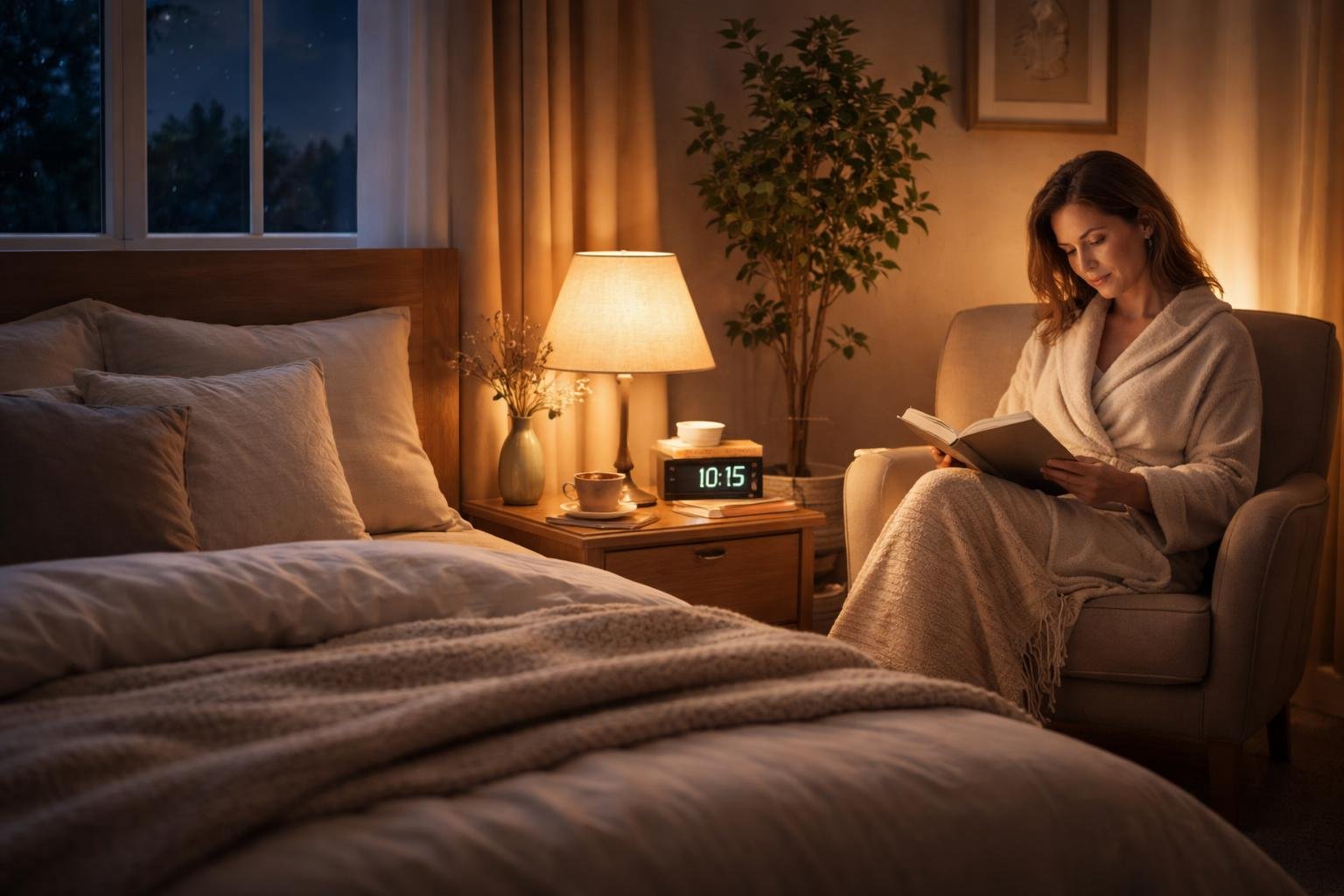
A successful bedtime routine requires finding activities that work for an individual’s lifestyle and sticking to them every night. The right combination of consistency and calming rituals can signal the brain that sleep time is approaching.
Why Consistency Matters
Going to bed at the same time each night trains the brain to expect sleep at a specific hour. When someone follows a consistent sleep schedule[7], their body begins winding down naturally a few hours before bedtime as part of the sleep-wake cycle.
The key is choosing a bedtime and wake-up time that fits their schedule and maintaining it every day, including weekends. This regularity helps the body’s internal clock function properly.
Setting an alarm 30 to 60 minutes before the target bedtime serves as a reminder to begin the wind-down routine. Many people benefit from starting their bedtime rituals up to two hours before they plan to sleep. This gives the body enough time to transition from an active state to a restful one.
Creating a Wind-Down Ritual
A wind-down routine should move from practical tasks to deeply relaxing activities. Starting with simple actions like putting away electronics helps remove stimulation from the environment.
Essential steps for winding down:
- Turn off screens and devices
- Dim the lights throughout the home
- Put on comfortable sleepwear
- Complete basic hygiene tasks
- Set the bedroom temperature between 65 to 68 degrees Fahrenheit
The transition period works best when someone gradually shifts away from mentally stimulating activities. This might mean switching from work emails to light household tasks, then to purely relaxing activities.
Choosing Effective Bedtime Rituals
The most effective bedtime rituals calm both the mind and body. Research shows that certain activities promote better sleep more than others.
Proven bedtime rituals include:
- Reading a calm, simple book outside the bedroom
- Taking a warm bath one hour before bed to trigger the body’s natural temperature drop
- Practicing meditation or deep breathing exercises
- Writing a quick to-do list for the next day
- Listening to pink noise like rain or waves[7] to improve sleep quality
- Having a light snack such as cherries, grapes, or kiwi
- Drinking non-caffeinated herbal tea with chamomile or lavender
Each person should select two or three activities that feel genuinely relaxing rather than trying to incorporate everything at once. The bedroom itself should be prepared as the final step, with clutter removed and blackout curtains drawn. Getting into bed becomes the last action, reserved specifically for sleep.
Proven Relaxation Techniques to Calm the Mind
When the mind races at bedtime, specific techniques can help shift the body from alert mode to rest mode. Deep breathing exercises, meditation, progressive muscle relaxation, and journaling[8] work together to lower the body’s arousal level and quiet mental chatter.
Guided Meditation and Mindfulness
Guided meditation provides a structured way to calm anxiety at night by directing attention away from worries. A person listens to instructions that lead them through relaxation steps, often focusing on body sensations or peaceful imagery. This keeps racing thoughts from taking over.
Mindfulness meditation practices[9] help someone stay present rather than dwelling on past events or future concerns. The person notices thoughts without judging them, then gently brings focus back to the present moment. This technique trains the brain to let go of mental loops that prevent sleep.
Many people find that just 10 to 15 minutes of guided meditation before bed creates noticeable changes. Apps and audio recordings make it easy to practice without prior experience. The key is consistency rather than perfection.
Breathing Exercises for Relaxation
Breathing exercises slow the heart rate and signal the nervous system to relax. The 4-4-4-4 method involves breathing in for four counts, holding for four counts, breathing out for four counts, and pausing for four counts before repeating. This pattern creates a steady rhythm that occupies the mind.
Deep breathing through the nose activates the body’s natural calming response. A person can place one hand on their chest and one on their belly to ensure they’re breathing deeply into the diaphragm. The belly should rise more than the chest.
Other effective patterns include breathing in for four counts and out for six counts, which emphasizes the exhale. The longer exhale further activates relaxation signals. These exercises take just a few minutes but can shift someone from anxious to calm.
Progressive Muscle Relaxation
Progressive muscle relaxation involves tensing and relaxing muscle groups[10] in sequence from the feet upward. A person tightens their foot muscles for five seconds, then releases and notices the difference. This helps identify where tension hides in the body.
The technique works through major muscle groups: feet and ankles, calves, thighs, hips, abdomen, chest, hands, arms, shoulders, neck, and face. Each area gets briefly tensed then fully released. The contrast makes relaxation more noticeable and deeper.
Elevate Your Health for Just $29.99/Month
Join the Precision Wellness Subscription at My Healing 365 and get discounted services, priority coaching access, virtual care, and exclusive wellness resources to support your physical, emotional, and hormonal health.
Join for $29.99/MonthThis method brings attention to physical sensations instead of thoughts. As muscles relax, the mind often follows. People lying in bed can practice this without any special equipment or preparation. The whole process takes 10 to 20 minutes.
Journaling to Release Stress
Journaling before bed transfers worries from the mind onto paper. When someone writes down concerns, tasks, or feelings, these items feel less urgent and overwhelming. The brain can stop trying to remember everything.
A simple approach involves listing three things that caused stress during the day and three things to handle tomorrow. This creates boundaries around worry time. The person acknowledges concerns without letting them dominate bedtime.
Some people prefer free writing, where they put down whatever comes to mind for five to ten minutes. Others use prompts like “What went well today?” or “What can I control tomorrow?” The format matters less than the act of getting thoughts out of the head and onto a page.
Optimizing Your Sleep Environment
The bedroom setup plays a direct role in how well someone sleeps each night. Small changes to light levels, temperature, and ambient conditions can make falling asleep easier and improve overall rest quality.
Controlling Light and Noise
Light exposure at night disrupts the body’s natural sleep signals. When eyes detect light, the brain produces less melatonin, the hormone that makes people feel sleepy. Even small amounts of artificial light can interfere with rest.
Blackout curtains block outside light sources like streetlamps and early morning sun. These curtains help maintain darkness throughout the night. People should also avoid screens before bed since devices emit blue light that delays sleep onset.
Keeping the bedroom quiet helps prevent sleep disruptions. Loud noises can cause someone to wake up or shift into lighter sleep stages. Even low-level sounds can fragment rest without a person fully waking.
A white noise machine masks disruptive sounds by creating consistent background noise. The steady hum of a fan works similarly. Some people find that ambient sounds or soothing music[11] helps them relax at bedtime.
The Role of Body Temperature
Core body temperature naturally drops during sleep. This cooling process helps people feel drowsy and supports deeper rest stages.
Most sleep experts recommend keeping the bedroom around 65 degrees Fahrenheit. This cooler setting supports the body’s natural temperature decrease. Someone who feels cold at this temperature can add extra blankets rather than raising the thermostat.
People who run hot at night should remove bedding layers or wear lighter sleepwear. Breathable sheets help regulate temperature throughout the night. The goal is finding a balance that keeps the body cool enough to support quality sleep without causing discomfort.
Creating a Comforting Ambiance
A clean, organized bedroom promotes better rest. Washing sheets regularly reduces dust mites and keeps bedding fresh. Experts recommend washing sheets at least once every two weeks[11], or weekly for people who sweat heavily at night.
Certain scents can make falling asleep easier. Lavender essential oil has been shown to improve sleep quality in research studies. Peppermint and other calming fragrances may also help create a relaxing atmosphere.
The bedroom should feel like a place dedicated to rest. Removing work materials, exercise equipment, and other non-sleep items helps the brain associate the space with sleep. Dimming the lights an hour before bed signals to the body that sleep time approaches.
Sleep-Friendly Evening Habits and Lifestyle Choices
Small changes to evening habits can make a big difference in sleep quality. Reducing light exposure, adding gentle movement, and creating calming rituals help prepare the body and mind for rest.
Limiting Screen Time and Blue Light Exposure
Electronic devices emit blue light that tricks the brain into thinking it’s daytime. This light suppresses melatonin production and disrupts the body’s natural circadian rhythm.
People should put away electronics at the beginning of their bedtime routine[7], ideally 30 to 60 minutes before bed. Phones, tablets, computers, and televisions all produce this sleep-disrupting light.
For those who must use devices in the evening, activating red-light filters helps reduce the impact. The filter should be turned on well before bedtime begins. Even better is avoiding screens entirely during evening hours.
When ready for sleep, people should dim the lights throughout their home. Lower light levels signal to the brain that nighttime is approaching. This simple step supports the body’s natural preparation for rest.
The Impact of Evening Walks
A gentle walk in the evening offers multiple sleep benefits. Light physical activity helps release tension from the day and can make falling asleep easier.
Evening walks work best when completed at least two hours before bedtime. This timing allows the body temperature to rise slightly during activity and then cool down naturally. The cooling process promotes drowsiness.
Walking outdoors exposes people to natural light patterns that reinforce healthy sleep-wake cycles. Even a 15 to 20 minute stroll can be effective. The key is keeping the pace moderate rather than vigorous, as intense exercise too close to bedtime can be stimulating.
Incorporating a Skincare Routine
A nighttime skincare routine serves as both a practical habit and a calming ritual. The repetitive, gentle motions of cleansing and moisturizing signal to the brain that sleep time is approaching.
The routine creates a consistent pattern that the body begins to recognize. This predictability helps establish a stronger sleep schedule. People should complete their skincare at the same time each night.
The physical act of caring for one’s skin can be meditative. Focusing on these simple tasks draws attention away from daily worries. Applying products with soothing scents like lavender or chamomile adds an extra relaxation element to the routine.
Natural Sleep Aids and Herbal Remedies
Many people turn to natural options when they struggle with sleep problems. Melatonin supplements[12] help regulate sleep-wake cycles, while herbal teas provide calming effects that prepare the body for rest.
Understanding Melatonin
Melatonin is a hormone that the brain produces to control when a person feels awake or tired. The pineal gland naturally creates this substance, but many factors can reduce its production. Light exposure at night, aging, and certain health conditions all suppress melatonin levels.
Nearly two-thirds of American adults have tried melatonin supplements to improve their sleep. These supplements work well for people dealing with jet lag, delayed sleep phase disorder, or naturally low melatonin levels. Research shows melatonin[13] can reduce the time it takes to fall asleep.
People should start with the lowest available dose. Melatonin can interact with certain medications and may not suit everyone. Those who have received organ transplants, experience depression, or have bleeding disorders should consult a doctor before use.
Benefits of Herbal Teas and Chamomile
Chamomile tea has been used for centuries to promote relaxation and better sleep. The herb contains compounds that bind to specific brain receptors, creating a mild calming effect. Drinking a warm cup about 30 minutes before bed helps signal the body that it’s time to wind down.
Other herbal teas also support sleep quality. Valerian root tea may help people fall asleep faster, though taking 300 to 600 milligrams up to an hour before bedtime shows the best results. Passionflower and lavender teas offer gentle sedative properties without morning grogginess.
The warmth of the tea itself contributes to the calming routine. This ritual creates a consistent bedtime habit that the body recognizes over time.
Exploring Other Calming Options
Magnesium plays an important role in sleep regulation. Older adults with insomnia[14] may benefit from magnesium supplements, which help reverse age-related sleep changes. Most people get enough magnesium from foods like nuts, seeds, beans, and whole grains.
L-Theanine, an amino acid found in tea leaves, reduces stress and improves sleep quality. It doesn’t help people fall asleep faster but reduces nighttime awakenings. Studies show that consuming up to 200 mg daily appears safe for most adults and children with ADHD.
Glycine is another amino acid that supports better sleep. Taking just 3 grams before bed can improve sleep quality and reduce daytime sleepiness. This supplement works by facilitating a slight drop in body temperature, which naturally occurs when falling asleep.
Managing Stress and Cortisol for Better Sleep
Stress triggers the release of cortisol, a hormone that increases alertness and makes falling asleep difficult. Learning to manage both stress and cortisol levels throughout the day creates the foundation for consistent, restful nights.
Recognizing Stress Triggers
Identifying what causes stress before bed helps people address problems at their source. Common triggers include work emails, financial worries, relationship conflicts, and scrolling through news or social media.
Many people don’t realize that the light from electronics interferes with circadian rhythm[15] and contributes to anxiety through doomscrolling habits. Watching for physical signs of stress provides early warning signals. These include a racing heart, tense muscles, shallow breathing, or difficulty focusing.
Keeping a simple log for one week can reveal patterns. Write down what happened in the hour before bed and rate stress levels from 1 to 10. This reveals which activities or thoughts consistently elevate cortisol at the wrong time.
Daily Habits to Lower Cortisol
Exercise has been linked to better sleep[15] in people with generalized anxiety disorders and helps manage cortisol throughout the day. Physical activity works best when done in the morning or afternoon rather than close to bedtime.
Taking a warm shower or bath before bed lowers body temperature after stepping out, which signals the brain that sleep time is approaching. This practice also reduces physical tension that builds up during stressful days.
Key daily practices include:
- Maintaining a consistent wake time, even on weekends
- Limiting caffeine after noon
- Avoiding alcohol in the evening
- Spending time outdoors in natural light
- Eating balanced meals at regular times
Deep breathing exercises take only a few minutes but produce measurable results. Place one hand on the stomach, inhale slowly until the stomach rises, hold briefly, then exhale slowly.
Long-Term Strategies to Improve Sleep Quality
Building a consistent sleep schedule trains the body to release melatonin and lower cortisol at predictable times. Going to bed and waking up at the same hours seven days a week strengthens this natural rhythm.
Mindfulness meditation reduces sleep disturbances[15] by teaching the mind to observe thoughts without judgment. Beginners can start with just five minutes per night and gradually increase duration. Guided meditation apps provide verbal instructions and calming sounds for those new to the practice.
Creating an optimal sleep environment removes unnecessary stress triggers. The bedroom should be dark, quiet, and cool. Blackout curtains, white noise machines, or earplugs can help.
Progressive muscle relaxation involves tensing and releasing muscle groups from toes to head in sequence. This technique relieves physical tension while focusing attention away from worried thoughts. Practicing this method for 10 to 15 minutes before bed signals the nervous system to shift into rest mode.
Frequently Asked Questions
Bedtime struggles affect people of all ages, from toddlers who fight sleep to adults who delay going to bed even when exhausted. Understanding common sleep challenges and proven solutions can help transform nights from stressful to restful.
How can I stop dreading bedtime and make nights feel calmer?
Creating a consistent bedtime routine helps reduce anxiety about sleep. The brain responds well to predictable patterns that signal it’s time to wind down.
Relaxation techniques like deep breathing[15] can slow the heart rate and breathing pattern. A person can start by placing a hand on their stomach and inhaling slowly until the stomach rises, holding the breath briefly, then exhaling slowly.
Keeping a journal next to the bed allows someone to write down worries before sleep[16]. Getting thoughts on paper helps clear the mind and prevents rumination.
The sleep environment matters too. A dark room with minimal noise creates better conditions for rest. Avoiding phones, computers, and TVs in the hours before bed prevents blue light from interfering with natural sleep rhythms.
What is revenge bedtime procrastination, and what causes it?
Revenge bedtime procrastination happens when a person delays sleep to reclaim personal time they felt they lost during the day. This behavior is most common among people who work long hours or have demanding schedules.
The desire for control drives this pattern. After spending all day meeting obligations and other people’s needs, staying up late feels like the only way to have time for oneself.
This habit creates a harmful cycle. Staying up late leads to sleep deprivation, which makes the next day harder, which then increases the urge to stay up again the following night.
How do I deal with revenge bedtime procrastination when I have ADHD?
People with ADHD often struggle more with bedtime procrastination because they have difficulty with time management and impulse control. The brain’s reward system makes it hard to stop enjoyable activities even when sleep is needed.
Setting specific alarms as transition warnings helps. A person might set an alarm for 30 minutes before the desired bedtime to start winding down.
Breaking the bedtime routine into smaller, manageable steps makes it less overwhelming. Instead of “get ready for bed,” the steps become “brush teeth,” then “change clothes,” then “set up bedroom.”
External accountability can help too. Sharing bedtime goals with a friend or using apps that track sleep patterns provides motivation to stick with healthier habits.
What is the 3-3-3 rule before bed, and how is it used?
The 3-3-3 rule is a grounding technique that helps calm an anxious mind before sleep. A person identifies three things they can see, three sounds they can hear, and moves three parts of their body.
This method works by bringing attention to the present moment instead of worrying about the future or past. The focus on physical sensations interrupts anxious thought patterns.
To use this technique, someone might look around and notice a lamp, a book, and a window. Then they listen for sounds like a clock ticking, distant traffic, or air conditioning. Finally, they gently move their fingers, roll their shoulders, and wiggle their toes.
The simplicity makes it easy to remember and practice even when feeling stressed or tired.
What are the most important things to avoid doing before bedtime?
Consuming caffeine within six hours of bedtime interferes with the ability to fall asleep. Coffee, tea, energy drinks, and some sodas all contain caffeine that stays in the body for hours.
Alcohol might make someone feel sleepy initially, but it disrupts sleep quality throughout the night. It prevents the deep, restorative sleep stages the body needs.
Intense exercise close to bedtime raises body temperature and increases alertness. Light stretching or gentle yoga is fine, but vigorous workouts should happen earlier in the day.
Eating large meals right before bed can cause discomfort and acid reflux. A light snack is acceptable if hungry, but heavy foods take hours to digest.
Electronic devices emit blue light[15] that signals the brain to stay awake. Putting away phones, tablets, and computers at least an hour before bed supports the body’s natural sleep signals.
What are effective bedtime routines for toddlers (ages 1–4) who resist going to sleep?
Consistency is the most important factor in toddler bedtime routines. Following the same steps in the same order every night helps the child’s body recognize when sleep is approaching.
Starting the routine at the same time each night regulates the internal clock. Even on weekends, keeping bedtimes within 30 minutes of the usual schedule maintains this rhythm.
A typical routine might include a bath, putting on pajamas, brushing teeth, reading one or two books, and singing a lullaby. The entire process should take 20 to 30 minutes.
Giving the toddler limited choices provides a sense of control without derailing the routine. They can choose between two pairs of pajamas or pick which two books to read.
Keeping the bedroom cool, dark, and quiet creates an environment that promotes sleep. A dim nightlight is fine if the child prefers it to complete darkness.
Avoiding screens for at least one hour before bed prevents the stimulating effects of TV, tablets, and phones. Active play should also wind down during this time, transitioning to calmer activities.
Post Views: 9
References
- 8 Ways To Calm Anxiety at Night. https://app.projecthealthyminds.com/mental-health-blog/how-to-calm-anxiety-at-night-8-strategies-you-haven-t-tried-yet Accessed April 20, 2026
- Bedtime habits that can help you sleep better at night : NPR. https://www.npr.org/2026/03/07/nx-s1-5734392/sleep-better-wind-down-routine-bedtime-rituals Accessed April 20, 2026
- Anxiety at Night: Causes and Tips for Relief. https://www.sleepfoundation.org/mental-health/anxiety-at-night Accessed April 20, 2026
- nighttime anxiety. https://www.verywellmind.com/ways-to-manage-evening-anxiety-3959208 Accessed April 20, 2026
- Anxiety at Night: Causes, Symptoms, and Treatments. https://www.healthline.com/health/anxiety/anxiety-at-night Accessed April 20, 2026
- Sleep Anxiety: What It Is, Causes, Symptoms & Treatment. https://my.clevelandclinic.org/health/diseases/21543-sleep-anxiety Accessed April 20, 2026
- How to Build a Better Bedtime Routine for Adults. https://www.sleepfoundation.org/sleep-hygiene/bedtime-routine-for-adults Accessed April 20, 2026
- Brain Won’t Shut Off at Night? 5 Proven Techniques to Quiet Your Mind for Sleep. https://neurolaunch.com/how-to-turn-brain-off-to-sleep/ Accessed April 20, 2026
- Sleep Better: 5 Proven Relaxation Methods. https://www.themindfulnessapp.com/articles/sleep-better-5-proven-relaxation-methods Accessed April 20, 2026
- Progressive relaxation techniques for insomnia. https://www.health.harvard.edu/sleep/progressive-relaxation-techniques-for-insomnia Accessed April 20, 2026
- Bedroom Environment: What Elements Are Important?. https://www.sleepfoundation.org/bedroom-environment Accessed April 20, 2026
- Natural Sleep Aids: Which Are the Most Effective?. https://www.sleepfoundation.org/sleep-aids/natural-sleep-aids Accessed April 20, 2026
- Attention Required!. https://www.hopkinsmedicine.org/health/wellness-and-prevention/natural-sleep-aids-home-remedies-to-help-you-sleep Accessed April 20, 2026
- Older adults with insomnia. https://www.verywellhealth.com/natural-ways-to-help-you-sleep-88230 Accessed April 20, 2026
- How To Relieve Stress for Bedtime. https://www.sleepfoundation.org/sleep-hygiene/how-to-relieve-stress-for-bedtime Accessed April 20, 2026
- How To Calm Your Anxiety at Night. https://health.clevelandclinic.org/how-to-calm-your-anxiety-at-night Accessed April 20, 2026

























