Medically Reviewed
Dr. Jose Rossello, MD, PhD, MHCM
Preventive Medicine & Public Health Specialist
Last Reviewed: May 27, 2026
Your bedroom should be a place where you fall asleep easily and wake up refreshed, but poor sleep environments often prevent quality rest. Simple, affordable bedroom upgrades can significantly improve sleep quality without requiring major renovations or expensive investments. Small changes to lighting, bedding, room temperature, and organization make a real difference in how well you sleep each night.
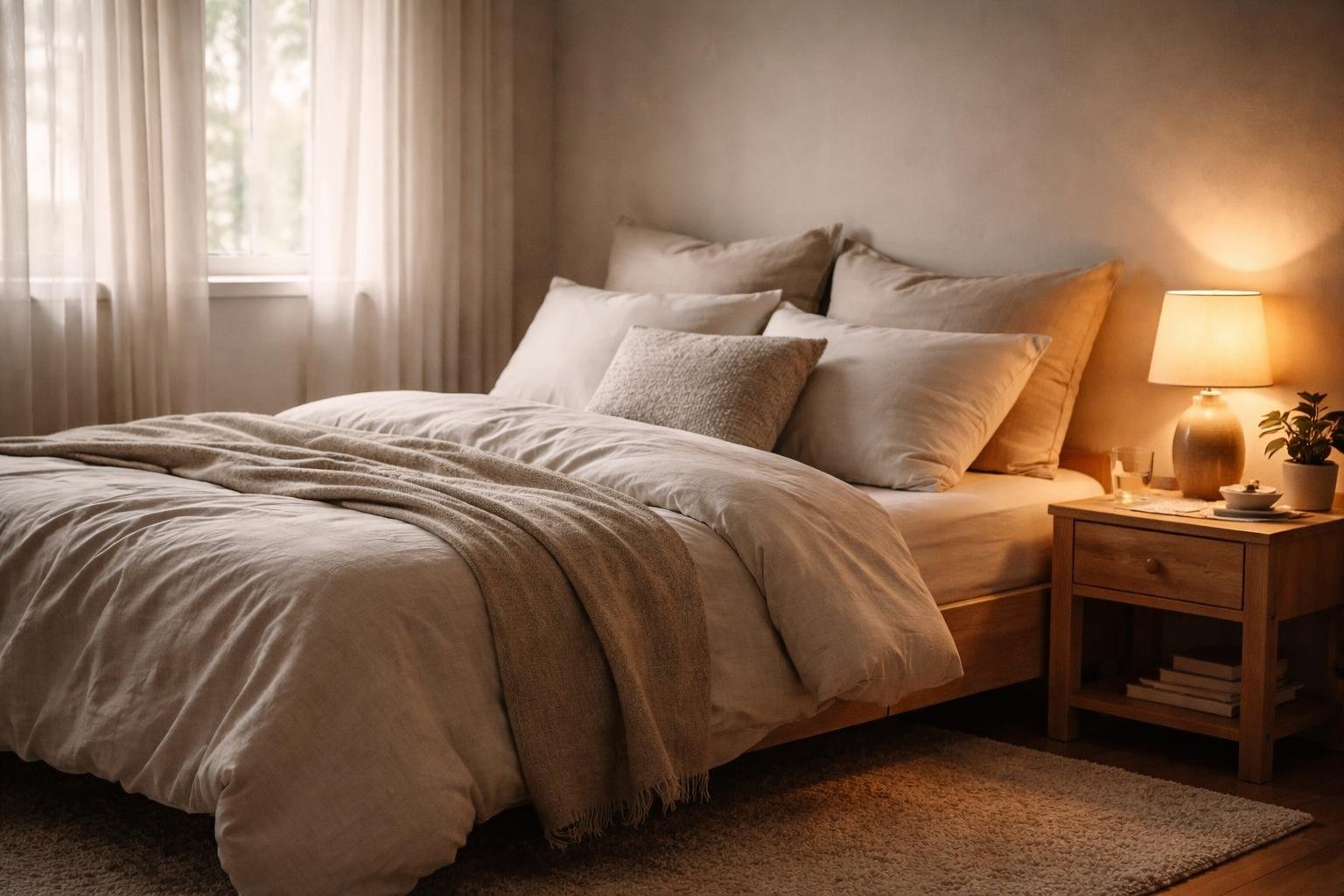
Many people struggle with sleep issues that stem from their bedroom setup rather than stress or health problems. Budget-friendly bedroom upgrades[1] can transform a space into a true sleep sanctuary. The right combination of window treatments, comfortable textiles, and smart layout choices creates an environment that supports your body’s natural sleep cycles.
Most bedroom improvements that help you sleep better cost very little. Strategic changes to your space deliver better results than spending thousands on a complete makeover. These practical upgrades work together to eliminate common sleep disruptors and create a calming atmosphere that encourages deep, restorative rest.
Table of Contents
Key Takeaways
- Affordable bedroom changes like improved window treatments and comfortable bedding can significantly enhance sleep quality
- Decluttering your space and optimizing room layout creates a calming environment that supports natural sleep cycles
- Strategic upgrades to lighting, textiles, and room organization deliver better rest without requiring expensive renovations
Optimizing Your Sleep Space for Restful Nights
Creating a bedroom environment that supports quality rest requires understanding what makes a true sleep sanctuary and identifying the specific factors that might be disrupting your current setup. Most people overlook simple environmental issues that directly impact how quickly they fall asleep and how rested they feel each morning.
Defining a Sleep Sanctuary
A sleep sanctuary is a bedroom designed specifically to promote deep, uninterrupted rest through controlled environmental factors. This means the space prioritizes darkness, quiet, comfort, and temperature regulation above all other functions.
The key elements include complete light control, minimal noise disruption, and a temperature between 60-67°F. A true sleep sanctuary removes distractions like work materials, exercise equipment, and electronic devices that emit blue light.
The space should feel calming the moment someone enters. This involves choosing soothing colors, maintaining clutter-free surfaces, and ensuring the bed serves only for sleep and intimacy. When a bedroom doubles as an office or entertainment center, the brain struggles to associate it with rest.
Essential sanctuary elements:
- Complete darkness or blackout capability
- Quiet environment or white noise buffering
- Cool temperature settings
- Minimal visual clutter
- Comfortable, supportive bedding
Evaluating Your Current Bedroom Environment
Most bedrooms contain hidden sleep disruptors that people grow accustomed to over time. Light from streetlamps, electronics with LED displays, or gaps in curtains can suppress melatonin production even when someone thinks their room is dark enough.
Temperature is often overlooked. A room that feels comfortable during the day may be too warm for optimal sleep. The body needs to cool down slightly to enter deep sleep phases effectively.
Noise levels matter more than most realize. Even sounds that don’t fully wake someone can fragment sleep cycles and reduce overall rest quality. Traffic, neighbors, or a partner’s snoring all qualify as disruptors worth addressing.
Taking inventory requires examining the bedroom environment at actual bedtime. This means lying in bed with lights off to spot light sources, listening for ambient noise, and noting the room temperature after it has settled for the evening.
Common Barriers to Better Sleep
Light exposure ranks as the most significant barrier to quality rest[2]. Even small amounts of light can signal the brain to reduce melatonin production and stay alert.
Temperature problems frequently prevent deep sleep. Most people keep their bedrooms too warm, which interferes with the body’s natural cooling process during sleep. Hot sleepers especially struggle without breathable fabrics and proper air circulation.
Common sleep barriers include:
- Inadequate light blocking from windows
- Electronic device screens and LED indicators
- Room temperatures above 70°F
- Street noise or household sounds
- Uncomfortable mattresses or pillows
- Clutter creating visual stress
- Poor air quality or stuffiness
Many people don’t realize their bedroom doubles as a source of stress rather than relaxation. Work materials, unpaid bills, or exercise equipment can create subtle anxiety that makes falling asleep harder. Decluttering and removing non-sleep items[3] helps the brain recognize the bedroom as a dedicated rest zone.
Decluttering and Organizing for a Calming Atmosphere
A cluttered bedroom creates stress and makes falling asleep harder. Removing excess items and organizing what remains transforms a chaotic space into a peaceful retreat that supports quality rest.
Minimizing Visual Clutter
Visual clutter bombards the mind with stimuli that prevents relaxation. Your bedroom environment significantly affects your sleep quality[3], making it essential to clear surfaces like dressers, nightstands, and chairs.
Items that don’t belong in the bedroom should be relocated immediately. This includes work materials, exercise equipment, and laundry piles. Each object left out creates a mental reminder that disrupts the calm atmosphere needed for sleep.
People should keep only essentials visible near the bed. A lamp, alarm clock, and one or two meaningful items are enough. Everything else needs a designated storage spot.
Applying the one-year rule helps decide what stays. Any clothing not worn in the past twelve months should be donated unless it holds sentimental value. This simple guideline prevents drawers and closets from overflowing with unused items.
Smart Storage Solutions
Utilizing wall space with hooks[4] keeps accessories organized while freeing up floor area. Hats, bags, and purses hang neatly instead of piling on chairs or floors.
Under-bed storage maximizes space that typically goes unused. Low-profile bins or drawers hold seasonal items like winter sweaters or summer sandals. Clear containers work best because they make finding specific items quick and easy.
Effective bedroom storage options:
- Floating shelves instead of bulky nightstands
- Uniform baskets for blankets and shoes
- Drawer dividers for small items like jewelry and accessories
- Over-door organizers for next-day outfits
The ceiling area in closets offers valuable storage real estate. High shelves hold labeled containers with off-season clothing or items used infrequently. This keeps the main closet space free for everyday essentials.
Implementing a Nightly Reset Routine
A nightly reset routine maintains the sleep space[3] and prevents clutter from accumulating again. Spending five minutes before bed restoring order makes waking up to a clean room easier.
The routine should include putting away clothes, clearing nightstand surfaces, and placing shoes in their designated spots. These small actions prevent mess from building up over days and weeks.
Making the bed each morning sets the tone for keeping the room tidy. It takes less than two minutes but creates an immediate sense of order. A neat bed also makes the room more inviting at bedtime.
People who struggle with consistency can start with just one habit. Clearing the nightstand before sleep or hanging up clothes after changing builds momentum for additional organizing behaviors.
Essential Upgrades for Light and Window Treatments
Light control plays a major role in sleep quality by affecting melatonin production and helping maintain a healthy circadian rhythm. The right combination of window coverings and strategic lighting creates an environment that supports natural sleep patterns without requiring expensive renovations.
Choosing Blackout Curtains
Blackout curtains block external light sources that can disrupt sleep cycles. These window treatments filter out streetlights, early morning sun, and passing car headlights that would otherwise signal the brain to wake up.
Quality blackout curtains typically feature multiple layers of tightly woven fabric or a special coating on the back. The fabric should extend beyond the window frame on all sides to prevent light leakage around the edges. Installation requires mounting the curtain rod several inches above and to the sides of the window.
For renters or those on tight budgets, clip-on blackout liners work with existing curtains. These removable liners attach to standard curtain panels and cost significantly less than purchasing entirely new window treatments.
Layering Window Treatments
Combining blackout curtains with sheer panels[5] provides flexibility throughout the day. The sheer layer allows natural light during waking hours while the blackout layer blocks light at night.
Dual-roller blinds offer another layering option with one shade for light filtering and another for complete darkness. This setup lets sleepers adjust light levels with a simple pull rather than opening and closing multiple panels.
Layered treatments also improve insulation and reduce outside noise. The additional fabric layers create a barrier against temperature changes and muffle street sounds that might otherwise disturb rest.
Accent Lighting and Bedside Lamps
General overhead lighting is less important in bedrooms[6] than targeted light sources. A bedside lamp provides adequate illumination for reading without flooding the entire room with bright light.
Warm-spectrum bulbs support better sleep than cool white or blue-toned options. These bulbs emit light that doesn’t interfere with melatonin production in the hours before bed. Many affordable LED bulbs now offer warm color temperatures between 2700K and 3000K.
Dimmer switches give sleepers control over brightness levels as bedtime approaches. Installing a dimmer on a bedside lamp costs under $20 and helps create a gradual transition from evening activities to sleep preparation.
Textiles That Enhance Comfort and Promote Better Sleep

The right fabrics and textiles create a sleep environment that supports rest and relaxation. Quality bed linens regulate temperature, supportive pillows add comfort beyond the mattress, and soft rugs make the bedroom feel more inviting.
Selecting Bed Linens and Quality Mattress Options
Bed linens play a direct role in sleep quality through temperature control and comfort. Cotton sheets offer breathability and softness, making them ideal for most sleepers. Thread count matters less than fabric quality—sheets between 200 and 400 thread count often provide the best balance of durability and comfort.
Natural textiles like organic cotton or linen[7] feel soft against skin and promote better airflow. Linen bedding keeps sleepers cooler in warm weather and warmer in cold months. These materials are particularly helpful for people who experience night sweats.
A quality mattress works together with good bed linens to support healthy sleep. The mattress should match sleeping position and body type. Side sleepers typically need softer surfaces, while back and stomach sleepers benefit from firmer support.
Key considerations when choosing bed linens:
- Fabric type: Cotton for breathability, linen for temperature regulation, bamboo for moisture-wicking
- Weave: Percale for crisp feel, sateen for smoothness
- Care requirements: Machine washable options save time and effort
Incorporating Throw Pillows and Accent Pillows
Cushions provide extra support when sitting up in bed[8] and add visual appeal to the space. Throw pillows in different sizes create layers that make the bed look more inviting. Accent pillows let people update their bedroom style without major purchases.
The right number of decorative pillows balances function with aesthetics. Two to four accent pillows work well for most beds without creating clutter. People should choose covers they can easily remove and wash.
Different textures add depth to bedroom design. Velvet cushions bring warmth and luxury. Cotton or linen covers maintain a casual, relaxed feel. Mixing textures keeps the space interesting without overwhelming it.
Firmness levels matter for functional use. Firmer throw pillows provide better back support for reading or watching television in bed. Softer options work better as purely decorative elements.
The Value of a Plush Rug
A soft rug beside the bed makes getting up more comfortable, especially during cold months. Rugs give bare feet something warm and pleasant to land on[8], which can make early mornings less jarring.
Pile height affects both comfort and practicality. High-pile rugs feel plush underfoot but can make it harder to pull storage boxes from under the bed. Low-pile rugs offer easier movement while still providing warmth and softness.
Rug placement creates a cohesive look in the bedroom. A large rug under the bed extends on both sides and at the foot. Smaller rugs work well as bedside runners. Natural fiber rugs like wool or cotton add texture while staying breathable and durable.
Color, Decor, and Layout Strategies for a Serene Bedroom
Simple changes to wall color, furniture placement, and visual harmony can transform a bedroom into a restful space. These strategies work together to reduce visual clutter and promote relaxation without requiring expensive renovations.
Painting an Accent Wall
An accent wall adds visual interest without overwhelming the senses. Soft blues, greens, and warm neutrals like greige or oatmeal create a calm monochromatic palette[9] that promotes better sleep.
The wall behind the bed works best as an accent wall. This creates a natural focal point and anchors the sleeping area. One gallon of paint typically costs $30 to $60 and covers about 400 square feet.
Cool tones like sage green or dusty blue lower the room’s energy level. Warm neutrals like beige or soft taupe add comfort without stimulation. Avoid bright reds, oranges, or intense yellows in the bedroom since these colors increase alertness and can interfere with sleep.
Arranging Furniture for Relaxation
Smart furniture placement creates flow and makes the room feel larger. Positioning the bed so sleepers can see the doorway[10] but aren’t directly in line with it follows feng shui principles and adds a sense of security.
A centered bed with matching nightstands on each side creates balance. Nightstands should sit a few inches away from the bed frame and match the mattress height at around 30 inches for standard beds.
Leave at least 30 to 36 inches between the bed and dressers for comfortable movement. A rug that extends beyond the bed by at least two feet on each side defines the sleeping zone and adds warmth underfoot.
Creating a Cohesive Aesthetic
A unified look reduces visual noise and creates peace. Limiting the room to three main colors prevents the space from feeling chaotic or busy.
Key elements for cohesion:
- Match metal finishes (all brass, all nickel, or all black)
- Choose one wood tone for furniture pieces
- Repeat patterns or textures in small doses
- Keep surfaces clear of clutter
Simple abstract art or nature prints work better than busy patterns. Two or three well-chosen pieces beat a gallery wall in the bedroom. Soft textures like linen curtains, cotton bedding, and a plush rug add comfort without competing for attention.
Aligning Your Bedroom with Healthy Sleep Cycles
Your body follows natural sleep-wake patterns that depend on environmental cues like light and temperature. Making simple bedroom changes can support these biological rhythms and improve how well you rest each night.
Supporting Your Circadian Rhythm
The circadian rhythm is your body’s internal 24-hour clock that controls when you feel awake and when you feel sleepy. This system responds to light exposure throughout the day.
Natural light during morning hours helps set this rhythm. Opening curtains right after waking tells the body it’s time to be alert. As evening approaches, dimming lights signals that sleep is coming soon.
Consistency matters for circadian rhythm health. Going to bed and waking up at the same times each day strengthens these patterns. Even on weekends, keeping a regular schedule helps the body know when to produce sleep hormones.
Exposure to light at night suppresses melatonin release[11], which delays sleep onset. Blue light from phones and screens causes the most disruption. Putting devices away at least one hour before bed protects natural melatonin production.
Tools to Encourage Better Sleep
Several affordable tools can help create an environment that matches natural sleep cycles. Blackout curtains eliminate ambient light[11] from street lamps and passing cars that might wake someone during the night.
White noise machines mask unpredictable sounds that can fragment sleep. These devices create steady background sound that helps the brain stay in deeper sleep stages.
A sunrise alarm clock gradually increases light in the morning. This mimics natural dawn and makes waking feel less jarring than a loud alarm. Some models also offer red or orange light in the evening that doesn’t interfere with melatonin.
Air purifiers and humidifiers improve breathing during sleep. Clean, properly moisturized air reduces congestion and coughing that can interrupt sleep cycles.
Role of Lighting and Temperature
Temperature and light work together to signal different phases of the sleep cycle. Sleep onset is tied to a drop in core body temperature[11], making a cool room essential for falling asleep quickly.
The ideal bedroom temperature ranges between 60 and 67°F. If lowering the thermostat isn’t possible, a basic tower fan helps circulate air and cool the body. Breathable sheets and cooling pillows also prevent overheating during the night.
Complete darkness supports melatonin production and helps maintain deep sleep. Even small amounts of light can disrupt sleep quality. Covering electronic displays and using blackout shades creates the dark environment the body needs.
Warm, dim lighting in the hour before bed prepares the body for rest. Switching from bright overhead lights to soft lamps helps trigger natural sleepiness.
Frequently Asked Questions
Simple sleep strategies and targeted bedroom upgrades can address common rest issues without major expense. Small adjustments to light, sound, temperature, and bedding often deliver the biggest improvements.
What is the 3-2-1 method for improving sleep in the bedroom?
The 3-2-1 method helps prepare the body and mind for better sleep through timed evening activities. It involves stopping eating three hours before bed, finishing work or stressful tasks two hours before sleep, and turning off screens one hour before bedtime.
This approach gives the digestive system time to process food before lying down. It also allows the mind to shift away from work stress and lets melatonin production increase without blue light interference.
The bedroom environment supports this method when it stays dark, cool, and free from distractions. Dimming lights during the final hour helps signal to the brain that sleep time is approaching.
What are the cheapest changes that can make a bedroom more sleep-friendly?
Blackout curtains under $15[2] block external light from streetlamps and early sunrise. They create the darkness needed for proper melatonin production throughout the night.
Removing electronic devices or covering small indicator lights eliminates sleep-disrupting blue light. Even tiny LED lights from chargers or alarm clocks can interfere with sleep quality.
Decluttering the bedroom reduces visual stress and creates a more calming atmosphere. A clean, organized space promotes relaxation without costing anything.
Rearranging furniture to position the bed away from windows or doors can reduce noise and temperature fluctuations. This simple change often improves comfort significantly.
Which bedroom lighting upgrades help reduce nighttime wake-ups?
Installing a dimmer switch allows gradual light reduction in the evening hours. Lower light levels in the hour before bed support natural melatonin production.
Red or amber night lights provide gentle illumination for nighttime bathroom trips without disrupting sleep hormones. These warm tones don’t suppress melatonin like blue or white light does.
A sunrise alarm clock mimics natural dawn by gradually increasing light in the morning. This supports a balanced circadian rhythm[2] and makes waking easier.
Covering or removing digital alarm clocks with bright displays eliminates constant light exposure. Even small amounts of light during sleep can reduce rest quality.
How can I make my bedroom quieter on a tight budget?
Hanging thick curtains or tapestries on walls facing noisy streets absorbs sound vibrations. The fabric acts as a buffer between outdoor noise and the sleeping space.
Placing a towel or draft stopper under the bedroom door blocks hallway sounds. This simple fix prevents noise from other rooms or household members from entering.
Moving bookshelves or dressers against shared walls creates a sound barrier. The mass of furniture and items absorbs vibrations from neighboring spaces.
Running a small fan creates white noise that masks irregular sounds like traffic or voices. The consistent background sound helps the brain filter out disruptive noises.
Using a silk sleep mask[2] with light cushioning can apply gentle pressure on the eyes while blocking light. This pressure activates the parasympathetic nervous system and reduces anxiety.
What affordable bedding or mattress additions can improve comfort and support?
A body pillow provides support for the back, hips, and legs[2] during side sleeping. U-shaped versions offer even more alignment benefits for the spine.
Adding a mattress topper creates extra cushioning on an aging or too-firm mattress. Memory foam or quilted toppers cost far less than replacing the entire mattress.
Switching to breathable pajamas made from cotton or modal[2] helps regulate body temperature. Moisture-wicking materials prevent overheating during the night.
Extra pillows placed between the knees or under the lower back provide targeted support. This positioning reduces pressure points and keeps the spine aligned.
Wearing socks to bed regulates core body temperature[2] and causes blood vessels to dilate. This signals to the brain that sleep time has arrived.
Which temperature and airflow tweaks help you fall asleep faster without raising energy costs?
Opening windows on opposite sides of the bedroom creates cross-ventilation. This natural airflow cools the room without running air conditioning.
Positioning a fan to blow hot air out the window rather than directly on the body moves warm air outside. Drawing in cooler evening air creates better temperature regulation.
Switching to lightweight, breathable bedding during warmer months prevents heat retention. Cotton, bamboo, or linen sheets allow better air circulation than synthetic materials.
Taking a warm bath or shower 60-90 minutes before bed causes body temperature to drop afterward. This natural cooling effect promotes faster sleep onset.
Keeping bedroom doors open to cooler parts of the home allows temperature equalization. Closing doors to heated or sun-exposed rooms prevents warm air from entering.
Post Views: 5
References
- Budget Bedroom Upgrades That Actually Make You Want to Go to Bed –. https://jugglingmommy.com/budget-bedroom-upgrades-that-actually-make-you-want-to-go-to-bed/ Accessed May 28, 2026
- Best affordable sleep upgrades under $50 for better rest. https://www.usatoday.com/story/shopping/deals/home/best-cheap-sleep-upgrades/89035959007/ Accessed May 28, 2026
- Bedroom Upgrades That Actually Improve Sleep Quality. https://sabrinasorganizing.com/bedroom-upgrades-that-actually-improve-sleep-quality/ Accessed May 28, 2026
- Utilizing wall space with hooks. https://www.bhg.com/decorating/storage/projects/declutter-your-bedroom/ Accessed May 28, 2026
- 20 Ways to Turn Your Bedroom into a Relaxing Sleep Sanctuary. https://www.homeaswemakeit.com/20-ways-to-turn-your-bedroom-into-a-relaxing-sleep-sanctuary/ Accessed May 28, 2026
- General overhead lighting is less important in bedrooms. https://www.bhg.com/decorating/budget-decorating/cheap/low-cost-bedroom-updates/ Accessed May 28, 2026
- WordPress › Error. https://homesenator.com/how-to-use-natural-textiles-to-transform-your-bedroom-everything-you-need-to-know-for-a-calming-makeover/ Accessed May 28, 2026
- How to improve your bedroom with home textiles. https://www.ikea.com/us/en/rooms/bedroom/how-to/boosting-your-bedroom-with-home-textiles-pubbd71034d/ Accessed May 28, 2026
- 25 Serene Bedroom Ideas That Actually Feel Calm
– CreativeBooster
. https://creativebooster.net/blogs/home/serene-bedroom-ideas Accessed May 28, 2026 - Positioning the bed so sleepers can see the doorway. https://www.marthastewart.com/bedroom-layout-ideas-11827487 Accessed May 28, 2026
- Exposure to light at night suppresses melatonin release. https://www.prevention.com/health/sleep-energy/a70573692/what-to-buy-for-better-sleep/ Accessed May 28, 2026
Elevate Your Health for Just $29.99/Month
Join the Precision Wellness Subscription at My Healing 365 and get discounted services, priority coaching access, virtual care, and exclusive wellness resources to support your physical, emotional, and hormonal health.
Join for $29.99/Month
























