Medically Reviewed
Dr. Jose Rossello, MD, PhD, MHCM
Preventive Medicine & Public Health Specialist
Last Reviewed: May 5, 2026
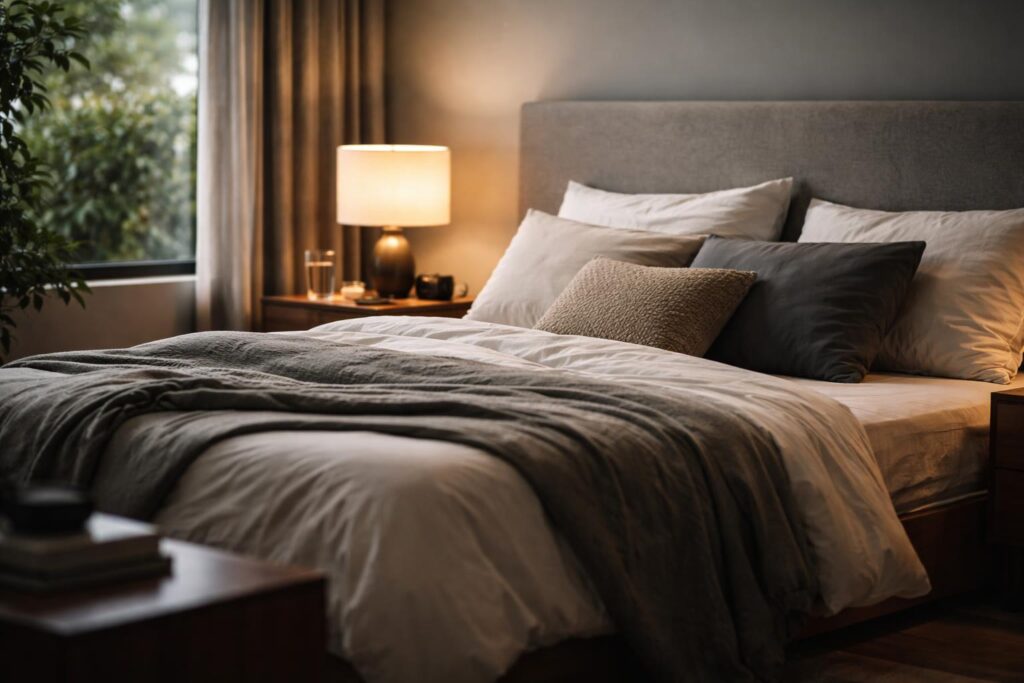
The way a bedroom is arranged affects more than just appearance. Research shows that specific layout choices directly impact how quickly someone falls asleep and how well they stay asleep throughout the night. From bed placement to lighting setup, these decisions shape the quality of rest people get each night.
Many people struggle with sleep without realizing their bedroom setup is part of the problem. Common bedroom layout mistakes[1] can disrupt natural sleep patterns and make it harder to feel rested. The good news is that simple changes to furniture arrangement, lighting, and room organization can make a real difference.
Understanding which layout elements matter most helps anyone create a space that supports better sleep. Small adjustments to bed position, clutter levels, and environmental factors often lead to noticeable improvements in sleep quality.
Table of Contents
Key Takeaways
- Bedroom layout directly affects how quickly you fall asleep and how well you stay asleep
- Light exposure, temperature control, and furniture placement are the most important factors for quality rest
- Simple changes like reducing clutter, controlling room temperature, and minimizing noise can significantly improve sleep
How Bedroom Layout Impacts Your Sleep Health
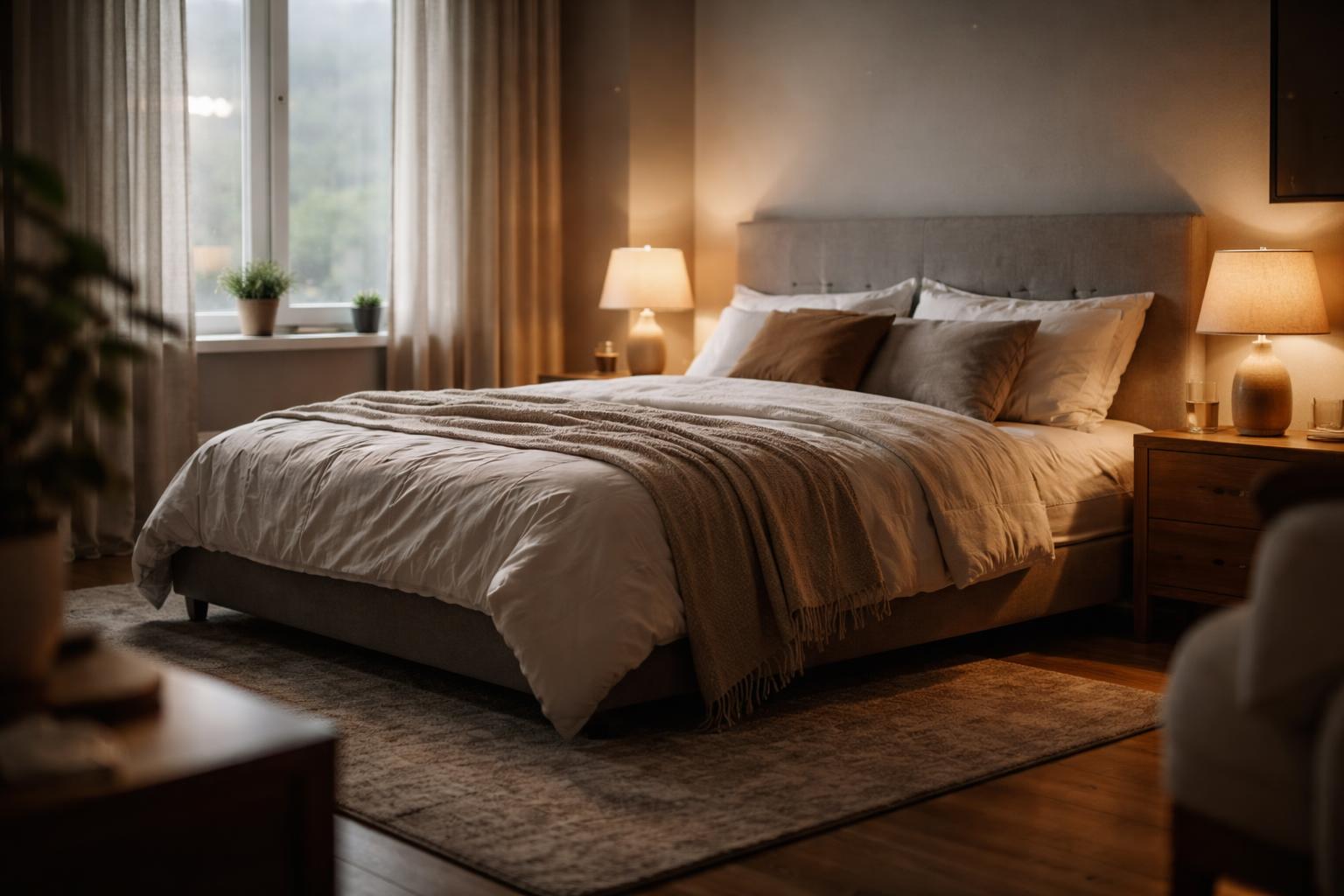
The way a bedroom is arranged directly influences sleep quality through multiple factors. Bed placement affects comfort and safety perception, while poor furniture arrangement creates stress and disrupts rest patterns.
Bed Placement Essentials
The position of the bed sets the foundation for quality sleep. Placing the bed against a solid wall provides a sense of security and stability that helps people fall asleep faster. The headboard should sit on a wall opposite or diagonal to the door, allowing a clear view of anyone entering the room.
Experts recommend keeping the bed away from windows to minimize temperature fluctuations and outside noise. Direct placement under a window exposes sleepers to drafts and light disruptions that fragment sleep cycles. The bed should have at least two feet of clearance on both sides for easy movement and air circulation.
Positioning the bed away from direct doorways prevents anxiety about being in the path of foot traffic. This placement gives the brain permission to fully relax. The bed should never sit directly in line with the bedroom door or share a wall with noisy areas like bathrooms or kitchens.
Bedroom Layout Mistakes to Avoid
Common bedroom layout mistakes[2] disrupt sleep in measurable ways. Placing televisions or exercise equipment in direct sight of the bed creates mental associations between the sleep space and activities that stimulate the brain. These items should be removed or hidden from view.
Overcrowding the room with furniture blocks natural movement patterns and creates visual stress. A cluttered bedroom furniture layout makes it harder for the mind to settle at night. Keep only essential pieces and maintain clear pathways around the bed.
Positioning mirrors to reflect the bed can cause restlessness for some people. Mirrors create visual stimulation and movement that may interrupt the transition to sleep. Electronics placed too close to the bed emit light and electromagnetic fields that interfere with natural sleep rhythms.
Defining Zones for Sleep and Relaxation
A successful bedroom setup separates sleep areas from other activities. The bed should function exclusively as a sleep sanctuary, not as a workspace or entertainment center. Creating this mental boundary helps the brain recognize when it’s time to rest.
If space allows, position a small chair or reading nook at least six feet from the bed. This designated relaxation zone provides a place for calm activities without associating the bed with wakefulness. Work materials and active storage should stay outside the primary sleep zone.
The area immediately around the bed needs minimal furniture. A simple nightstand and lamp create functionality without visual clutter. How bedroom design affects mental health[3] research shows that simplified zones reduce stress and help people stay asleep longer through the night.
Optimizing the Sleep Environment for Quality Rest
A cluttered bedroom filled with visual chaos makes it harder for the brain to relax and transition into sleep mode. Pairing physical organization with color choices that promote calm and adding living plants creates a bedroom environment that supports natural sleep rhythms.
Decluttering and Organization
Physical clutter creates mental clutter that interferes with the mind’s ability to wind down at night. Items scattered across surfaces, clothes piled on chairs, and overflowing nightstands all compete for attention when the brain should be quieting for sleep.
Storage solutions keep necessary items out of sight while maintaining easy access. Floating shelves mounted on walls provide display space without taking up floor area. Under-bed storage containers hide extra bedding and seasonal clothes. Nightstands with built-in drawers keep essentials like medications and reading glasses within reach but concealed.
The bedroom should contain only items directly related to sleep and relaxation. Work materials, exercise equipment, and laundry baskets belong in other rooms. Each visible item should serve a specific purpose or bring genuine calm.
A nightly five-minute reset restores order before bed. This simple habit of putting away clothes, clearing surfaces, and organizing the nightstand signals to the brain that the day has ended and rest is approaching.
Choosing Calming Colors
Warm, muted colors create a peaceful backdrop that helps the nervous system shift into rest mode. Shades like soft blue, sage green, warm gray, and cream work better than bright or bold colors for promoting relaxation.
Calming bedroom colors:
- Dusty blue
- Sage green
- Warm taupe
- Soft cream
- Muted lavender
Paint represents the most direct way to transform a space, but renters and those on budgets can introduce calming colors through bedding, curtains, rugs, and artwork. A duvet cover in a soothing shade changes the room’s entire feel without permanent modifications.
Color temperature matters as much as the specific hue. Cool-toned colors with blue or green undertones generally promote calm better than warm reds and oranges, which can feel stimulating.
Incorporating Natural Elements and Houseplants
Natural materials like wood, cotton, linen, and wool add organic texture that creates a connection to nature within the sleep environment. These elements contribute to a sense of grounding and peace that synthetic materials cannot replicate.
A snake plant releases oxygen at night while filtering toxins from bedroom air. This low-maintenance houseplant tolerates low light and infrequent watering, making it practical for any bedroom. One or two plants provide measurable air quality benefits without overwhelming the space.
Other bedroom-friendly houseplants include spider plants and peace lilies. These options also filter air pollutants while requiring minimal care. Plants should be positioned where they receive adequate light without cluttering surfaces needed for sleep-related items.
Wood furniture, bamboo blinds, and stone accents bring additional natural elements into the bedroom. Even small touches like a wooden tray on the nightstand or a ceramic lamp base introduce organic materials that soften the sleep environment and reduce noise[4] through their textured surfaces.
Selecting the Right Bedding and Furniture

The right mattress, pillows, and bedding materials directly affect sleep quality through temperature regulation and body support. Proper nightstand placement creates balance and keeps essential items within reach.
Mattress and Pillow Choices
A mattress should support the spine in a neutral position. Side sleepers typically need a softer mattress that cushions shoulders and hips. Back sleepers benefit from medium-firm support. Stomach sleepers require firmer surfaces to prevent lower back strain.
Mattress lifespan ranges from 7 to 10 years for most types. Sagging, visible wear, or waking up with aches signals replacement time.
Pillows need replacement every 1 to 2 years. The right pillow height maintains neck alignment with the spine. Side sleepers need thicker pillows to fill the space between the ear and shoulder. Back sleepers require medium loft. Stomach sleepers do best with thin, soft pillows.
Memory foam pillows contour to head shape but can trap heat. Down and down-alternative options offer softness and breathability. Latex pillows provide responsive support and natural cooling.
Bedding Materials and Layering
Cotton bedding remains popular for good reason. It breathes well, wicks moisture, and softens with washing. Thread count between 200 and 400 provides durability without excessive weight.
Linen offers superior breathability and temperature regulation. It feels crisp initially but becomes softer over time. Bamboo fabric wicks moisture effectively and resists odors naturally.
Layering allows temperature adjustment throughout the night. Start with a fitted sheet, add a flat sheet, then layer a lightweight blanket or coverlet. A duvet or comforter provides the final warmth layer.
Seasonal swaps improve comfort. Lightweight cotton or linen works for warm months. Flannel sheets and heavier quilts suit colder weather.
Arranging Nightstands and Bedside Tables
Two nightstands create visual balance[2] in the bedroom layout. They should stand at mattress height or slightly below for easy reach without stretching.
Space nightstands 2 to 3 inches from the bed frame. This distance allows comfortable movement while keeping items accessible. Each bedside table needs enough surface area for a lamp, phone, and water glass.
Drawers or shelves on nightstands hide clutter that can disrupt sleep. Open surfaces work only when kept minimal and organized. A single lamp on each table provides adequate reading light without creating harsh shadows.
Wall-mounted floating nightstands save floor space in tight layouts. They work well in small bedrooms where traditional bedroom furniture feels cramped.
Optimizing Light for Better Sleep and Circadian Rhythm
Light exposure directly controls the body’s internal clock and determines when a person feels alert or sleepy. Managing both natural daylight and artificial sources throughout the day helps regulate melatonin production and supports healthy sleep patterns.
Controlling Artificial and Natural Light
Light is the most important external factor[5] affecting sleep quality. The brain’s circadian pacemaker responds to light signals from the eyes, which then controls when the body releases melatonin.
During the day, a person should maximize exposure to bright light, particularly in the morning. Direct sunlight can reach up to 10,000 lux, while typical office lighting only provides about 500 lux. This significant difference explains why getting outside makes such a noticeable impact on sleep timing.
At night, the approach reverses completely. Even low levels of indoor light can disrupt the body’s natural sleep-wake schedule[6]. Research shows that closing the eyes isn’t enough protection because eyelids cannot block sufficient light. The bedroom should transition to dimmer lighting at least two to three hours before bedtime to signal the brain that sleep time approaches.
Managing Blue Light Exposure
Blue light has a short wavelength and creates stronger effects on circadian rhythm than other light types. Many LED bulbs and electronic devices like phones, tablets, and laptops emit significant amounts of blue light.
Common sources of blue light:
- Smartphone screens
- Computer monitors
- Tablet displays
- LED light bulbs
- Television screens
Studies have found that blue light[5] significantly impacts melatonin levels more than light with longer wavelengths. Using devices two to three hours before bed can delay the ability to fall asleep faster.
People who must use electronics at night should enable “night mode” settings on their devices. Special glasses that filter blue light provide another option. Some individuals benefit from switching to amber or red-toned bulbs in bedside lamps during evening hours.
Using Blackout Curtains and Dimmers
Blackout curtains block the majority of external light from streetlamps, passing cars, and early morning sun. These window treatments create the pitch darkness needed for optimal sleep quality.
Installing dimmer switches allows precise control over bedroom lighting levels throughout the evening. A person can gradually reduce brightness as bedtime approaches, which helps the body prepare for rest. Low-wattage lamps with warm color temperatures work better than bright overhead lights during the pre-sleep routine.
For those who need some visibility at night for bathroom trips, motion-activated lights in hallways provide illumination only when necessary. These lights should stay at the lowest possible setting to minimize sleep disruption.
Temperature, Airflow, and Air Quality in the Bedroom
The physical environment where someone sleeps plays a direct role in how well they rest. Bedroom temperature, light, and airflow shape sleep quality[7] every night, and when these elements fall out of balance, falling asleep becomes harder and rest feels less restorative.
Temperature Control Techniques
The ideal bedroom temperature falls between 60°F and 67°F (15°C to 19°C). This range supports the body’s natural cooling process during sleep. Body temperature drops 1-2°F during sleep onset[8], and a cooler room helps this happen more easily.
People can maintain better temperature control using several methods:
- Smart thermostats allow precise temperature adjustments throughout the night
- Breathable bedding materials like cotton or linen prevent heat buildup
- Moisture-wicking sleepwear helps regulate body heat
- Ceiling or standing fans create gentle air movement
Research shows that a 1°C temperature rise reduces sleep efficiency by approximately 0.16%[9]. Even small temperature changes add up over time, affecting how rested someone feels in the morning.
Ensuring Unblocked Vents and Good Airflow
Blocked vents disrupt the cooling process the body needs for quality sleep. Air should flow freely through the bedroom without blowing directly onto the sleeping surface.
When positioning furniture, people should keep vents clear of obstructions. Dressers, beds, and storage containers placed directly over floor vents or beneath ceiling vents block air circulation. The bed should sit where airflow hits the foot or side rather than the head and torso.
Good airflow prevents carbon dioxide buildup during sleep. A 100 ppm increase in CO2 is associated with a 0.29% decline in sleep quality[9]. Opening windows when weather permits or using exhaust fans helps fresh air enter the room and stale air exit.
Benefits of Air Purifiers and Houseplants
Air quality affects breathing patterns and oxygen levels during sleep. Dust, allergens, mold spores, and volatile organic compounds float through bedroom air and disrupt rest.
Air purifiers filter out these particles before they reach the lungs. Models with HEPA filters capture small particles that trigger breathing problems or allergies. Running an air purifier creates cleaner air without adding noise that disturbs sleep.
Houseplants offer natural air filtering benefits, though their impact is modest compared to mechanical purifiers. Plants like snake plants and pothos absorb some carbon dioxide and release oxygen. They also add moisture to dry indoor air.
Together, these tools address common bedroom air problems that reduce deep sleep[10]. Cleaner air means easier breathing and fewer nighttime disruptions.
Noise control makes a major difference in sleep quality. Strategic use of sound machines, physical barriers, and absorbent materials can transform a noisy bedroom into a peaceful space.
Using White Noise Machines
A white noise machine creates consistent background sound that masks disruptive noises from traffic, neighbors, or household activities. These devices work by producing steady sound frequencies that help the brain filter out sudden noises that would otherwise trigger wake responses.
White noise promotes better sleep by covering up irregular sounds that cause sleep disturbances. The constant hum prevents the brain from noticing changes in the sound environment.
People can choose from dedicated white noise machines or apps on their phones. Machines often include multiple sound options like rain, ocean waves, or fan sounds. The key is finding a volume that masks disruptions without being too loud.
Position the device 6-8 feet from the bed for even sound distribution. Too close creates harsh sound, while too far reduces effectiveness.
Reducing External Distractions
Sound-absorbing curtains[11] block outside noise from entering the bedroom. Heavy, thick curtains work better than thin ones because dense materials stop sound waves from passing through.
Installing curtains that extend several inches below the window frame and cover the entire window provides maximum noise reduction. Hanging them close to the window prevents sound from bouncing off walls.
Door sweeps seal gaps at the bottom of bedroom doors where sound easily leaks through. A rubber sweep creates a barrier that stops noise from hallways or other rooms from entering.
Double-glazed windows[11] offer a more permanent solution for external noise. Two glass panels with gas between them muffle sound entering the home. These windows also improve energy efficiency.
Sound-Absorbing Furniture and Materials
Soft furnishings naturally absorb sound and reduce echo in the bedroom. Upholstered headboards, padded chairs, and fabric wall hangings all help dampen noise.
Thick rugs on floors absorb sound from below and prevent noise from traveling to lower levels. Carpet padding underneath increases absorption.
Bookshelves placed against walls serve double duty by storing items and blocking sound transmission. Books themselves act as sound-absorbing materials.
Acoustic panels mounted on walls absorb sound waves in rooms with hard surfaces. These panels come in different sizes and can match bedroom decor. Installing them on walls facing windows or noise sources provides the best results.
Incorporating Relaxation and Nighttime Routines
Your bedroom layout should support wind-down activities that signal to your body it’s time to rest. Adding a dedicated space for reading, using calming scents, and following a consistent routine can help your brain shift from daytime alertness to nighttime relaxation.
Creating a Reading Nook
A well-placed reading nook gives people a calm space to transition from the day’s stress to sleep mode. This area should be separate from the bed but still within the bedroom.
The best spot is near a window for natural light during the day or in a corner with a comfortable chair and side table. A reading lamp with warm, dim lighting works better than overhead lights for evening use.
People should keep this space free of work materials or anything that causes stress. The goal is to create a zone that feels different from the rest of the room. A small bookshelf, soft throw blanket, and cushions can make the nook more inviting.
Calming Scents and Lavender
Lavender has been shown to reduce heart rate and blood pressure, which helps the body relax before sleep. People can add this scent to their bedroom through essential oil diffusers, pillow sprays, or sachets placed in drawers.
Other calming scents include chamomile, vanilla, and sandalwood. A diffuser placed on a nightstand about 30 minutes before bed allows the scent to spread throughout the room.
People should avoid strong or artificial fragrances that can irritate the nose or lungs. Natural essential oils work best and don’t interfere with air quality.
Establishing a Consistent Bedtime Routine
Going to bed and waking up at the same time every day helps regulate the body’s internal clock. A routine that starts 30 to 60 minutes before sleep gives the brain time to wind down.
This routine might include:
- Dimming lights throughout the bedroom
- Reading for 15-20 minutes
- Taking a warm shower or bath
- Doing light stretches or breathing exercises
- Avoiding screens and bright lights
The bedroom layout should support these activities. For example, keeping books within reach and placing phones in another room removes temptation.
Frequently Asked Questions
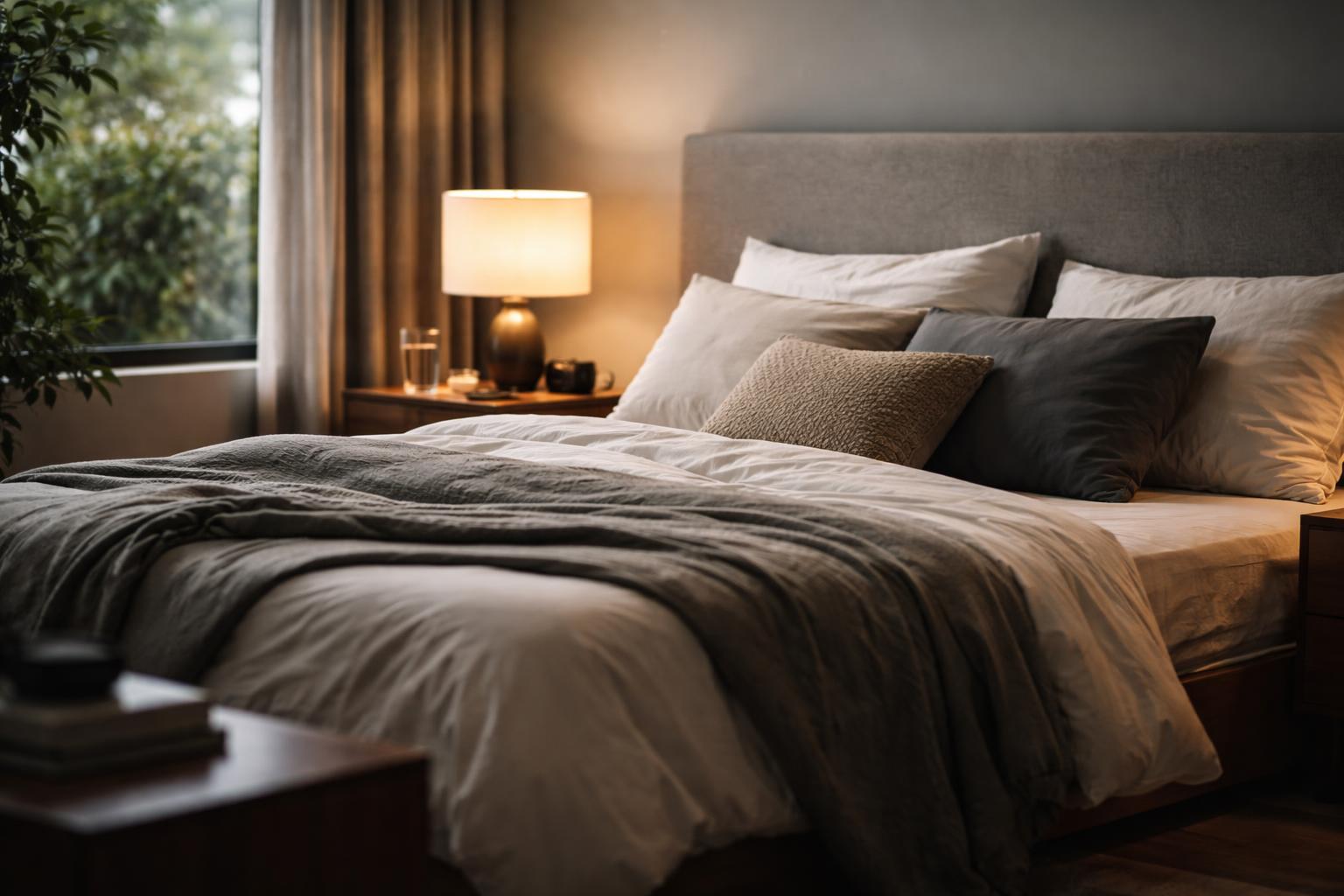
Bed position, color choices, and simple room adjustments can directly impact how quickly someone falls asleep and how well they stay asleep throughout the night. Understanding these bedroom factors helps people make informed decisions about their sleep environment.
How does bed placement affect sleep quality and nighttime restlessness?
The position of the bed influences how safe and relaxed a person feels while trying to sleep. When someone can see the bedroom door from their bed without being directly in line with it, they experience less vigilance anxiety and tend to fall asleep faster.
Placing the bed against a solid wall creates a sense of security and stability. The bed should not be directly under a window or positioned where light from hallways or street lamps shines directly on the face.
Air circulation matters for bed placement too. Keeping vents unblocked[1] ensures consistent airflow and helps maintain an optimal body temperature throughout the night. A person’s body temperature needs to drop and stay cool to maintain deep sleep.
What feng shui bedroom layout principles are most associated with deeper sleep?
The commanding position represents the most important feng shui principle for sleep. This means arranging the bed so the person can see the door while lying down but is not directly aligned with the doorway.
Feng shui recommends placing the bed diagonally from the entrance when possible. This diagonal orientation is associated with reduced stress and faster sleep onset.
Keeping the area under the bed clear of storage allows energy to flow freely around the sleeping space. Heavy furniture should not loom over the bed, and mirrors should not reflect the bed directly.
Which bedroom colors are most conducive to falling asleep faster and staying asleep?
Cool colors like blues, soft greens, and muted grays promote relaxation and help lower heart rate and blood pressure. These shades create a calming atmosphere that signals the brain to prepare for rest.
Warm neutrals like beige, soft taupe, and gentle cream tones also support sleep without being too stimulating. These colors provide warmth while maintaining a peaceful environment.
Elevate Your Health for Just $29.99/Month
Join the Precision Wellness Subscription at My Healing 365 and get discounted services, priority coaching access, virtual care, and exclusive wellness resources to support your physical, emotional, and hormonal health.
Join for $29.99/MonthBright reds, oranges, and vibrant yellows can increase energy levels and make falling asleep more difficult. Dark colors like deep purple or black may feel too heavy for some people and create an oppressive atmosphere.
What changes can make a bedroom feel more relaxing without a full remodel?
Reducing clutter makes an immediate difference in how calming a bedroom feels. Removing excess items from view[2] helps minimize distractions and creates a more peaceful space.
Adding blackout curtains blocks unwanted light from street lamps and early sunrises. This simple change helps maintain deeper sleep cycles without any structural modifications.
Replacing overhead lighting with bedside lamps creates softer illumination options. Blue light-free lamps allow people to read and unwind without suppressing melatonin production in the hours before bed.
Is it better for sleep to keep the bedroom door open or closed at night?
Keeping the bedroom door closed helps maintain a consistent temperature and blocks light from other areas of the home. A closed door also reduces noise from other rooms or household members with different schedules.
Some people prefer the door slightly open for air circulation or to hear children or pets during the night. The choice depends on individual household needs and temperature control systems.
For optimal sleep, the priority is creating complete darkness and minimizing sound disruptions. Whether the door stays open or closed, these two factors matter more than the door position itself.
What does the 3-2-1 bedroom method involve, and how can it improve sleep?
The 3-2-1 method creates a pre-sleep routine based on timing specific activities. Three hours before bed, a person stops eating large meals to allow digestion to complete before lying down.
Two hours before sleep, work and mentally stimulating activities end. This includes finishing work emails, paying bills, or engaging in stressful conversations.
One hour before bed, all screens turn off. People who use phones in the hour before bed[1] are more likely to take over an hour to fall asleep due to blue light exposure and mental stimulation from scrolling.
This method works because it gives the body and mind adequate time to wind down. Each step progressively signals the brain that sleep is approaching, making the transition to rest smoother and more natural.
Post Views: 9
References
- Common bedroom layout mistakes. https://www.realsimple.com/bedroom-design-affect-sleep-8690177 Accessed May 6, 2026
- Common bedroom layout mistakes. https://www.bhg.com/bedroom-layout-mistakes-8752564 Accessed May 6, 2026
- How Bedroom Design Affects Your Mental Health (2026 Guide). https://amerisleep.com/blog/how-bedroom-design-affects-your-mental-health/ Accessed May 6, 2026
- How to Design the Perfect Sleep Environment for Better Rest. https://www.the-sleep-guide.com/sleep-environment Accessed May 6, 2026
- Light & Sleep: Effects on Sleep Quality. https://www.sleepfoundation.org/bedroom-environment/light-and-sleep Accessed May 6, 2026
- Circadian Rhythm Lighting: How To Use Lights To Sleep And Feel Better. https://www.hunker.com/13774142/circadian-rhythm-lighting-to-sleep-and-feel-better/ Accessed May 6, 2026
- How Bedroom Temperature, Light, and Airflow Affect Sleep Quality. https://marshheating.com/how-bedroom-temperature-light-and-airflow-affect-sleep-quality/ Accessed May 6, 2026
- Bedroom Floor Plan for Better Sleep: Evidence-Based Layout Principles. https://www.mattressnut.com/bedroom-floor-plan-sleep/ Accessed May 6, 2026
- ScienceDirect. https://www.sciencedirect.com/science/article/pii/S0360132324008369 Accessed May 6, 2026
- Why Your Bedroom Air Might Be Ruining Your Sleep (and How to Fix it Na. https://ecoterrabeds.com/blogs/eco-terras-healthy-sleep-blog/why-your-bedroom-air-might-be-ruining-your-sleep-and-how-to-fix-it-naturally Accessed May 6, 2026
- 17 Easy Ways to Soundproof Your Bedroom for a Good Night’s Sleep. https://www.soundproofwise.com/soundproof-a-bedroom/ Accessed May 6, 2026

























