
Anything to do with pregnancy can sometimes feel like a crash course in withstanding uncertainty. From getting pregnant in the first place to avoiding complications later on, any parent-to-be is forced to reckon with the limits of their own control.
The stats around this are worth emphasising: about one in seven couples in the UK will have difficulty conceiving. About one in eight known pregnancies will end in a loss. And as many as 29% of low-risk pregnancies will experience some kind of unforeseen complication. Often there’s no rhyme or reason to any of this. “You can do everything ‘right’ and still face delays. That’s biology, not failure,” says Dr Linda Farahani, a consultant gynaecologist and specialist in reproductive medicine at the Lister Fertility Clinic in Chelsea, London.
All this said, leaving your fertility to the whims of chance may feel unnecessarily fatalistic. If you’ve spent any time in the wilds of the “trying to conceive” (TTC) community, you’ve probably heard of something called “trimester zero”. Simply put, this is the period before you get pregnant, when you try to prepare your body for a healthy outcome. There are no guarantees. But according to an army of “pregnancy prep” influencers, there’s plenty you can do to maximise your odds of success.
Table of Contents
What exactly is trimester zero?
Pregnancy is divided into three trimesters, each with its own signature characteristics (for example, morning sickness in the first trimester; a short-lived burst of energy in the second; feeling like you’ve swallowed a bowling ball in the third). Some people talk about the fourth trimester, too: the initial postpartum period in which parents and babies adjust to this disorienting new stage of life.
Trimester zero, then, is the stage of pregnancy that occurs before you actually conceive. If this sounds odd, then tell that to public health agencies in the US, who have historically advised women of reproductive age to behave as if they were already expecting. In fact, the term Zero Trimester was coined by sociology professor Miranda Waggoner, whose 2017 book of the same name explored the rights and wrongs of this kind of pre-pregnancy healthcare. “Women are thought of as reproductive vessels by default,” she wrote.
These days, however, trimester zero has a different connotation. It refers to the window of time in which a person is actively trying to conceive – maybe three months to a year – as opposed to being some natural state of womanhood. And according to Farahani, it’s not an entirely ridiculous idea. “The idea of a trimester zero – a period before conception where you focus on optimising your health – can be genuinely helpful when framed sensibly,” she says.
One study found that fewer than 8% of women in the UK receive specific preconception care, such as being encouraged to take folic acid supplements. Many doctors think that figure is too low. “We know that optimising health before pregnancy can reduce the risk of complications such as pre-term labour and pre-eclampsia,” says Dr Lucy Hooper, a GP and co-founder of Coyne Medical, a private London clinic.
Why is it suddenly popular?
Pregnancy preparation is a very old idea, with many ancient cultures practising fertility rituals of some description. Recently, though, preconception has become an industry. Social media is bursting with naturopaths, life coaches, holistic health practitioners, influencers, doctors and self-proclaimed experts of every stripe, who purportedly know the secrets to trimester zero.
Their advice runs the gamut from the sensible (Eat well! Minimise stress!) to the questionable. One pregnancy prep doctor advises her 75,000 Instagram followers to avoid scented candles, polyester clothing and – perplexingly – “secular music”. Another recommends that women should focus on “high-quality skincare” and “simple drainage and circulation rituals”, while reading books “that expand inner authority and soften rigid self-pressure”.
Many of them are selling something, too. Take naturopathic doctor Dr Afrouz Demeri, who has established “the world’s most scientific seven-week online course to get you pregnant now”, and has trademarked the term “trimester zero”. She maintains that the preconception period is more critical than you can “possibly imagine”, not least because it’s “when your child’s DNA is being set up for success”. There’s also a thriving market for private blood tests that will assess your hormonal profile or nutritional deficiencies.
It’s easy to understand the appetite for solutions. More people than ever are experiencing fertility struggles, with a sharp increase in the number of babies born via IVF. Part of this is down to age – more of us are waiting longer to have children – although there have also been concerns about lifestyle factors and environmental toxins. (Cut to many an influencer telling us not to use non-stick pans.)
“Subfertility is far more complex than many people realise,” notes Farahani. “Age is a major factor, but ovulatory disorders such as polycystic ovarian syndrome, endometriosis, fibroids, and hormonal disorders such as thyroid disease are very common. On the male side, sperm quality can be affected by genetics, infections, heat exposure and lifestyle factors. Lifestyle absolutely plays a role, but it is one piece of a much larger puzzle.”
Of course, for every person who’s stuck in the trenches of #TTC, there are others who haven’t even started the process yet. A 2023 UK study found that almost half of 16- to 24-year-olds were worried about their future fertility, while a 2022 US study (admittedly conducted by a women’s health clinic) found that “at least four in five women experience some level of anxiety when thinking about their ability to get pregnant”. That’s a lot of people who might be in the market for hormonal health mentorship programmes or expensive beef liver supplements.
What does the evidence say?
Medics are in broad agreement here. There are certain things you can do to maximise the chances of a healthy pregnancy – but you’re not going to find the magic bullet scrolling on TikTok. In fact, the lifestyle factors with the strongest evidence base are relatively simple (read, boring). “They include maintaining an optimum weight, not smoking, reducing alcohol intake, managing stress, sleeping well and eating a varied, nutrient-dense diet. These behaviours support hormonal balance, ovulation and sperm development,” says Farahani.
Dr John Spicer, an NHS GP in south London, notes that the best overall advice is on the NHS website. “This includes taking folic acid – two different doses depending on any history of neural tube defects,” he says. “Anything more complicated, such as withdrawing medicines or not, and adverse medical histories, should be discussed with one’s GP or specialist.”
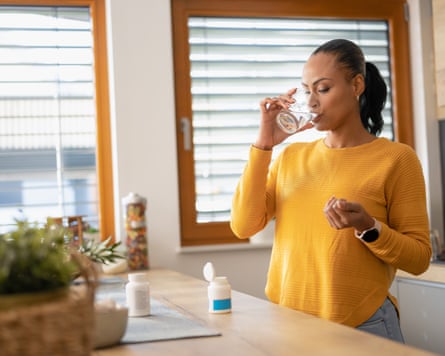
Current advice suggests that, if you’re trying to conceive, you should avoid alcohol consumption altogether. That’s partly due to the risks to a potential foetus, but also partly because it reduces the odds of conception – it interferes with ovulation in women and sperm count in men. And you don’t even need to be knocking back the tequilas: one study found that as few as three alcoholic drinks a week could make it harder to become pregnant.
Then there’s smoking, which is strongly linked with fertility problems. Continue to smoke once you’ve conceived, and your risk of complications rockets, including premature delivery and low birth weight. “It increases the risk of stillbirth by up to 47%. Supporting women to quit smoking can therefore have a profound positive impact,” says Hooper.
But other than staying generally healthy, and keeping on top of your medical appointments, there’s no need to micromanage your lifestyle too much. After all, chronic stress can affect fertility.
“Stress destroys hormonal balance and, as a consequence, is a reason for delayed ovulation or suboptimal sperm quality,” says Dr Gergana Peeva, an NHS consultant obstetrician and a medical expert for pregnancy and postnatal wellbeing platform Carea. “I have seen in my practice a lot of cases where lifestyle improvement and stress reduction have resulted in successful pregnancies.”
What should you be eating?
Nutrition is important, says Farahani, but not in the overprescriptive way social media often claims. For instance, there’s nothing to say that cutting out dairy or gluten will increase your chances of getting pregnant, unless you have an intolerance. “What research shows is that dietary patterns rich in whole foods, fibre, antioxidants and healthy fats are associated with better reproductive outcomes,” she says. “That doesn’t mean individual food rules or restriction. It’s about overall balance, not perfection.”
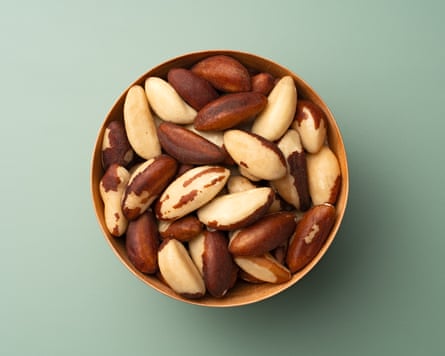
Jenna Hope, a registered nutritionist, suggests focusing on protein-rich foods to boost egg quality, and healthy fats such as salmon and avocado to support hormone function. “Key nutrients such as iron, folate, magnesium and selenium are also vital for promoting egg health,” she says. “Selenium is essential for the male partner too as it encourages movement from the sperm. Nuts, specifically Brazil nuts, are great sources. Green leafy vegetables should also feature heavily in the diet as they’re nutrient dense and rich in fibre.”
One 2018 study found that following a Mediterranean diet (rich in fruit, veg, legumes, whole grains, nuts and olive oil) improved success rates in younger women going through IVF. There is also evidence to suggest that processed red meat, caffeinated fizzy drinks and refined carbohydrates are bad for fertility when consumed in excess.
However, contrary to some sources, eating offal isn’t a preconception panacea. Calf’s liver contains extremely high levels of vitamin A, which can actually be harmful to an unborn baby.
Are there any supplements that work?
You should start taking folic acid as soon as you start trying to conceive, says Hooper, and keep going for the first 12 weeks of pregnancy. There’s good reason for doing so: folic acid supplementation reduces the risk of neural tube defects like spina bifida by up to 72%. “Other deficiencies that should be corrected include iron, vitamin D, iodine and B vitamins,” she adds. “Omega-3 supplements are associated with a lower risk of pre-term delivery and may be worth considering if dietary intake is low.”
But apply a note of caution before you splash out for an influencer’s proprietary baby-making blend. “The supplement market is full of bold claims that simply don’t align with the evidence,” says Farahani. “A fertility specialist or GP can help you interpret what’s genuinely useful and what’s simply marketing.”
Is there anything else I need to think about?
You won’t see many TikTok reels lauding the benefits of booking an appointment with your GP. But in truth, trimester zero is a good time to do a health audit and tackle any medical admin you’ve been putting off.
“Midwives encourage anyone thinking about having a baby to start considering their health early on,” says Clare Livingstone, head of professional policy and practice at the Royal College of Midwives. “Small things like making sure your cervical screening and vaccinations are up to date, checking any medications with a healthcare professional and getting support to manage conditions like diabetes can make a real difference.”
This is particularly important if you’re older, notes Peeva, since the risk of certain pregnancy complications rises with age. “For more mature mums, blood pressure, diabetes screening and medication checks are key,” she says.
I want to get pregnant. Should I worry about any of this at all?
It depends on your psychological makeup. For every person who thrives on the element of control, there will be another who winds up feeling worse than ever – full of self-recrimination in the event that something goes wrong.
Fertility problems can affect anyone, including those with optimal lifestyles. That means, if conception is taking longer than expected, it’s important to seek support. “This isn’t because you’ve done something wrong, but because fertility is a medical issue like any other, and you deserve accurate information and compassionate care,” says Farahani.
You can knock back all the black sesame lattes you want, minimise blue light after dark, deal with your repressed emotions and replace your toxic kitchenware. But ultimately, getting pregnant is always going to involve a strong element of the unpredictable, however warm you keep your feet.
“For many patients, particularly those already feeling vulnerable, the notion that they must ‘perfect’ their lifestyle before trying to conceive can introduce unnecessary pressure,” says Farahani. “My concern would be that it can shift the focus from support to self-blame, and that’s the last thing anyone on a fertility journey needs.”

















