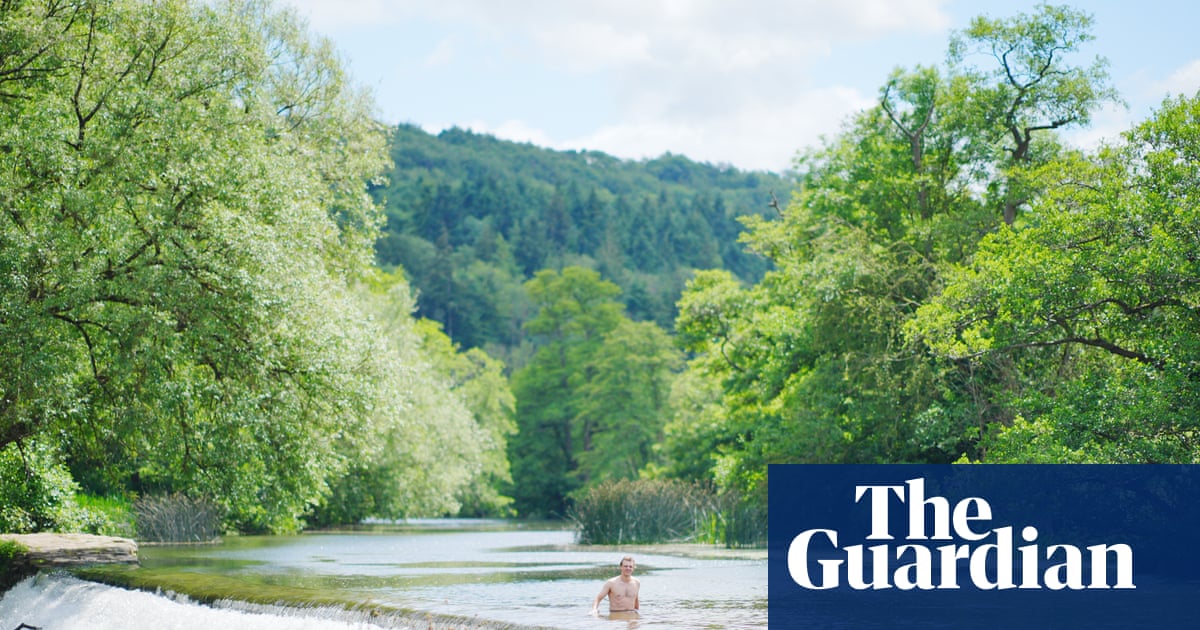
I’m not among those offended by young people seeking relief in cool local waterways in hot weather (The row at Hampstead Heath is about far more than a few thoughtless swimmers in a heatwave, 3 June). Nor do I find the growing trend for wild swimming irritating in any way. The author of Waterlog – my erstwhile English teacher and friend, the late Roger Deakin – did more than most to popularise wild swimming. His view was that if you saw a sign that said “No swimming”, it was as likely as not that locals had been swimming there habitually – and possibly for centuries.
Elevate Your Health for Just $29.99/Month
Join the Precision Wellness Subscription at My Healing 365 and get discounted services, priority coaching access, virtual care, and exclusive wellness resources to support your physical, emotional, and hormonal health.
Join for $29.99/MonthHe also suggested that in an age of encroaching sanitised living and “health and safety”, river authorities and landowners alike were wont to put up “No swimming” signs to absolve themselves from the burden of responsibility or the expense of providing accessible lifebuoys. Roger once remarked, possibly playfully, that the presence of a prominent lifebuoy post was clear evidence of an attractive swim site, rather than any imminent danger per se. Of course, he wasn’t suggesting that young kids should just ignore official warnings, and as a committed environmentalist he would be among the first to be enraged by casual damage to bird nests and breeding grounds.
An individual needs to make a risk assessment if they choose to wild swim, just as they do when they ski, climb or ride a bike in traffic. There may be jeopardy, but let’s not be so quick to condemn. Or should our young people just continue staring at their smartphones, gawping at others leading exciting, fulfilled lives?
Nick Hopewell-Smith
Dennington, Suffolk

























