
Medically Reviewed
Dr. Jose Rossello, MD, PhD, MHCM
Preventive Medicine & Public Health Specialist
Last Reviewed: May 29, 2026
Your bedroom affects how well you sleep every single night. Most people focus on buying a good mattress, but sleep quality depends on many other factors too. The temperature, light levels, noise, and even the colors in your room all play a role in whether you get restful sleep or toss and turn for hours.

Creating a bedroom designed specifically for sleep means looking at everything from your bed frame to your window treatments, with each element working together to support your body’s natural sleep cycles. The good news is that designing a bedroom for better sleep[1] doesn’t require expensive renovations or designer help. Small changes based on sleep science can make a real difference in how you fall asleep and stay asleep.
This guide walks you through each part of your bedroom that matters for sleep. You’ll learn what actually helps with relaxation and what might be causing sleep problems without you realizing it.
Table of Contents
Key Takeaways
- Your bedroom environment directly impacts sleep quality through temperature, lighting, sound, and air quality
- The right mattress, bedding, and supportive furniture create the physical foundation for deeper sleep
- Simple design changes like reducing clutter and controlling light exposure help regulate your sleeping brain’s natural rhythms
Building the Ideal Sleep Environment
A bedroom that supports quality sleep needs the right mix of darkness, comfortable temperature, and minimal disruptions. These physical factors work together to help the body transition into deep sleep and REM sleep cycles.
Lighting and Ambience
Light directly affects the body’s sleep cycle by controlling melatonin production. Bright light tells the brain to stay alert, while darkness signals it’s time for rest.
Blackout curtains are the most effective way to block outside light from streetlamps or early morning sun. For people who can’t install curtains, blackout shades or even temporary blackout film works well. Bedroom lighting should have low color temperature when used before bed.
Bedside lamps should use bulbs under 60 watts or have dimmer switches. Warm-toned bulbs create better conditions for relaxation than cool white or blue-tinted options. Some people benefit from red-tinted night lights in hallways or bathrooms since red light has minimal impact on sleep hormones.
Electronic devices disrupt sleep in two ways. The blue light from screens interferes with natural sleep patterns, and the mental stimulation from content keeps the brain active. Phones and tablets should stay out of arm’s reach or in another room entirely.
Temperature and Air Quality
The body needs to cool down slightly to enter deep sleep stages. Most people sleep best when their room stays between 60 to 71 degrees Fahrenheit.
Bedrooms that run too warm prevent the body from reaching the temperature drop needed for quality rest. A fan provides both cooling and air circulation. Opening a window works when outdoor temperatures allow it.
Better air quality supports improved sleep[2] through proper ventilation. Dust mites collect in carpet, area rugs, and upholstered headboards. Regular vacuuming reduces these allergens significantly.
Mold from excess humidity causes sleep problems. A dehumidifier helps in damp climates. Air purifiers with HEPA filters remove airborne particles that affect breathing during sleep.
Minimizing Noise and Distractions
External noise causes frequent awakenings[2] that disrupt REM sleep and prevent the body from completing full sleep cycles. Traffic, neighbors, or household sounds can all interfere with rest.
White noise machines mask disruptive sounds by creating consistent background audio. Fans serve the same purpose while also cooling the room. Earplugs block noise for people in loud environments.
Carpet and area rugs absorb sound better than hard flooring. Heavy curtains dampen noise from windows. Weather stripping on doors reduces hallway sounds.
Visual clutter creates mental stress that works against relaxation. Clothes should go in drawers or closets rather than piling on chairs. Work materials and electronics remind the brain of tasks and responsibilities. The bedroom should contain only items related to sleep and relaxation.
The Foundation: Choosing the Right Bed Frame

A bed frame does more than hold a mattress off the floor. The right frame provides proper support, reduces noise when moving during sleep, and can add storage space or adjustability features that enhance sleep quality.
Platform Beds vs. Traditional Frames
Platform beds feature a solid or slatted surface that supports a mattress without requiring a box spring. These frames typically sit lower to the ground and offer a sleek, modern look. The built-in support system makes platform beds compatible with memory foam, latex, and hybrid mattresses.
Traditional frames require a separate foundation or box spring to support the mattress. They often sit higher off the ground, making it easier for some people to get in and out of bed. Traditional frames work with most mattress types but add extra cost and height to the overall bed setup.
Platform bed frames[3] typically provide 6 to 13 inches of clearance beneath the bed. Traditional frames with box springs can raise the sleeping surface 20 to 30 inches from the floor. The choice depends on mobility needs, bedroom ceiling height, and personal preference for bed height.
Features of the Best Bed Frames
Durability stands as the most critical feature. The best bed frames[3] use solid wood, reinforced metal, or combination construction with weight capacities between 500 and 1,500 pounds. High-quality frames feature center support bars and closely spaced slats.
Noise reduction separates premium frames from budget options. Frames built with Japanese joinery techniques, felt-lined slats, or cork-padded legs eliminate creaking sounds during movement. Metal frames with proper reinforcement also stay quiet when properly assembled.
Assembly ease affects user satisfaction. Quality frames require minimal tools and assemble in 10 to 20 minutes. Some designs use hardware-free construction that snaps together without screws or bolts.
A headboard adds comfort for sitting up in bed and protects walls from damage. Upholstered headboards provide cushioning for reading or watching television. Some frames include integrated headboards while others require separate purchases.
Adjustable and Storage Bed Options
An adjustable bed frame allows users to raise the head or foot of the mattress to different angles. These frames help people with back pain, acid reflux, snoring, or circulation issues. Adjustable bases[3] include features like massage modes, memory presets, and under-bed lighting. Split king and split California king sizes let couples adjust each side independently.
Storage beds maximize bedroom space with built-in drawers or lift-up platforms. Drawer storage beds typically offer two to four drawers along the sides. Hydraulic lift storage beds raise the entire mattress platform to reveal storage underneath. High-rise platform frames provide 13 to 14 inches of clearance for bins or boxes beneath the bed without built-in storage features.
Selecting the Perfect Mattress for Quality Sleep
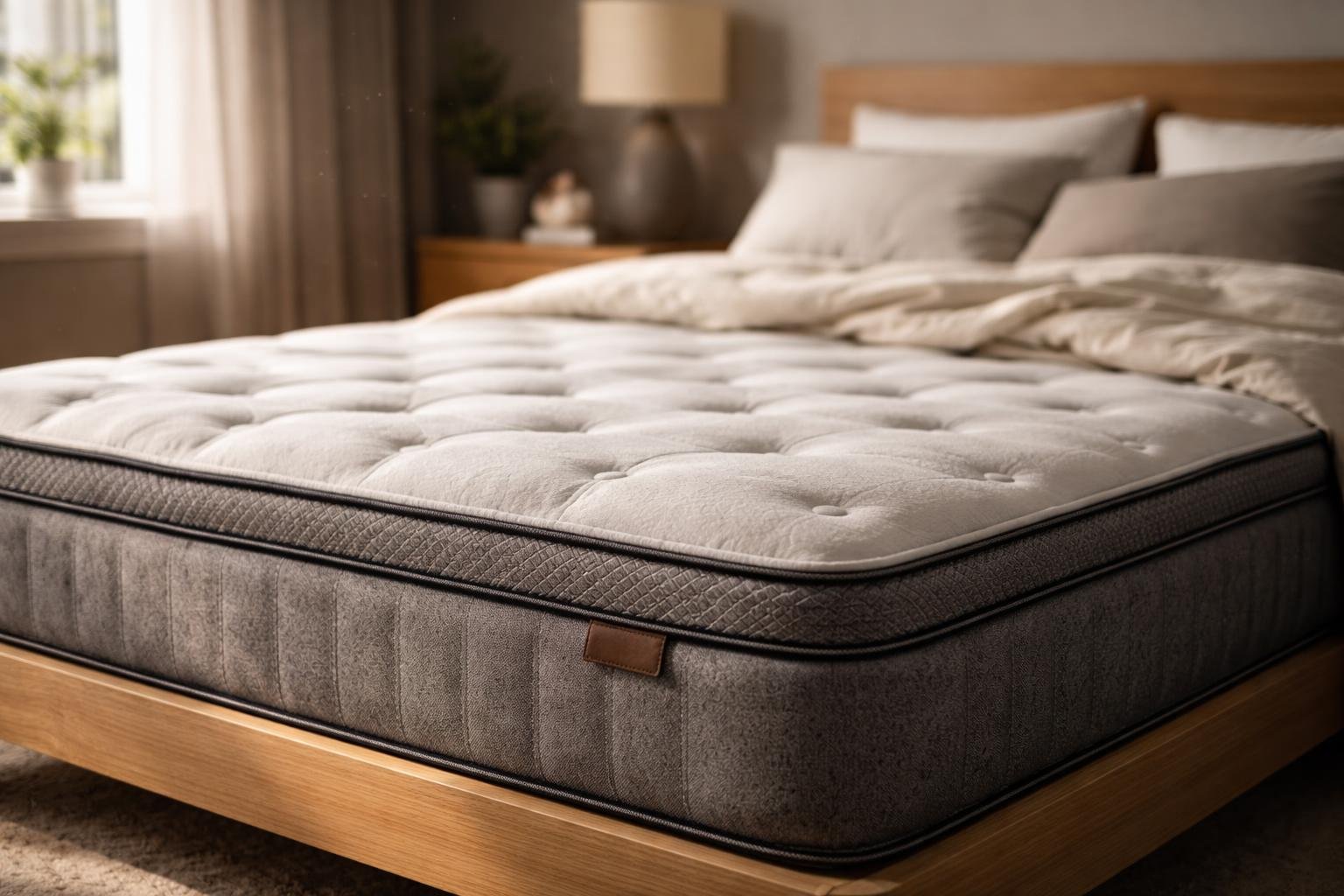
A mattress directly affects sleep quality, REM sleep cycles, and overall health. The right combination of materials, proper pairing with bed frames, and timely replacement ensures better sleep and deeper rest.
Types and Materials
Five main mattress types dominate the market, each with distinct characteristics. Foam mattresses use memory foam or polyfoam layers without coils. They excel at pressure relief and motion isolation, making them ideal for couples and side sleepers.
Innerspring mattresses contain coil support systems with minimal cushioning layers. They offer bounce but often lack pressure relief. Hybrid mattresses combine innerspring cores with substantial foam comfort layers[4], blending support with contouring.
Latex mattresses use rubber material throughout all layers. They provide excellent durability and bounce with moderate pressure relief. Airbeds feature adjustable air chambers controlled by pumps, allowing customized firmness levels.
Material quality matters significantly. High-density foams last longer and provide better support. Natural latex offers superior durability compared to synthetic versions. Coil gauge and count affect innerspring performance and longevity.
Matching Mattress to Bed Frame
Platform beds with solid surfaces or closely-spaced slats work with any mattress type. The slats should sit no more than 3 inches apart to prevent sagging. These frames eliminate the need for box springs.
Traditional bed frames require box springs or foundations for proper support. Innerspring and hybrid mattresses pair well with box springs. Foam and latex mattresses need solid foundations or platform bases to prevent premature wear.
Adjustable bases require flexible mattresses. Foam, latex, and some hybrid models bend without damage. Innerspring mattresses often lack the flexibility needed for adjustable positioning.
Frame height affects accessibility and room aesthetics. Lower platform beds suit modern designs and make getting in and out easier for shorter individuals. Higher frames with box springs provide under-bed storage space.
Signs It’s Time to Replace Your Mattress
Most mattresses need replacement after 7-10 years of use. Visible sagging of 1.5 inches or more indicates worn support layers. The body should not sink noticeably lower in certain areas.
Waking with new aches or stiffness signals inadequate support. If pain disappears after getting out of bed or sleeping elsewhere, the mattress likely causes the problem.
Increased allergies or asthma symptoms may result from accumulated dust mites and allergens. Mattresses collect these irritants over years of use despite regular cleaning.
Feeling springs or lumps through the comfort layers means internal breakdown. Torn fabric, exposed foam, or separated layers also require immediate replacement for health and safety.
Bedding Essentials for Comfort and Health

Quality bedding directly affects sleep quality through temperature regulation, skin comfort, and overall support. The right combination of sheets, proper materials like long-staple cotton, and strategic layering creates an environment that promotes restful sleep year-round.
Sheets, Duvets, and Coverlets
Sheets serve as the foundation of any bedding setup. Choosing the right sheets[5] involves considering material, weave, and thread count. Cotton sateen offers a smooth, silky feel that works well for sensitive skin. Percale weaves provide a crisp, cool sensation that many hot sleepers prefer.
Duvets function as the main insulating layer. They trap warmth while allowing moisture to escape when made from breathable materials. Down-filled duvets offer excellent warmth-to-weight ratios, while down alternative options provide similar comfort without animal products.
Coverlets add a decorative layer that also provides moderate warmth. They typically sit between sheets and duvets in weight. Many people use coverlets during transitional seasons when full duvets feel too warm. The layered approach lets sleepers adjust their bedding based on comfort needs throughout the night.
Importance of Long-Staple Cotton
Long-staple cotton contains fibers that measure 1.5 inches or longer. These extended fibers create stronger, smoother yarns that resist pilling and breaking. Pima and Egyptian cotton varieties fall into this category.
The longer fibers produce fabrics with superior softness and durability compared to standard cotton. Sheets made from long-staple cotton maintain their quality through repeated washing. They develop a softer feel over time rather than degrading.
Benefits of long-staple cotton:
- Better moisture absorption
- Enhanced breathability
- Reduced friction against skin
- Longer product lifespan
- Smoother texture
This material regulates temperature effectively by wicking moisture away from the body. Hot sleepers particularly benefit from this moisture management. The fabric’s breathability prevents heat buildup that disrupts sleep cycles.
Layering for Seasonal Needs
Seasonal temperature changes require different bedding configurations[6]. A base layer of fitted and flat sheets works year-round. Adding or removing upper layers creates the right thermal environment for each season.
Summer bedding works best with lightweight materials. A single cotton coverlet or thin duvet provides enough coverage without trapping excess heat. Bamboo-derived fabrics offer excellent cooling properties during warm months.
Winter requires multiple insulating layers. Start with flannel or jersey sheets for added warmth. Add a medium-weight blanket, then top with a heavier duvet. This combination traps body heat while still allowing breathability.
Spring and fall call for moderate layering. A cotton sheet set paired with a lightweight duvet handles fluctuating temperatures. Keeping extra blankets nearby lets sleepers adjust coverage as temperatures shift during the night.
Maximizing Relaxation with Supportive Elements
The right supportive features in a bedroom create comfort and help the body prepare for sleep. Headboards, pillows, and lighting work together to build a space that encourages physical ease and mental calm.
The Role of Headboards and Upholstery
An upholstered headboard adds both comfort and visual warmth to a bedroom. The soft padding provides support for reading or relaxing in bed before sleep. Fabric-covered headboards also help absorb sound, reducing noise that might interrupt rest.
Headboards made with materials like linen, velvet, or microfiber offer different textures that contribute to a calming bedroom environment[2]. The choice of neutral colors in soft tones helps maintain a peaceful atmosphere.
A headboard serves practical purposes beyond comfort. It protects walls from oils and marks while creating a clear focal point in the room. This defined sleeping area helps the mind associate the bed specifically with rest rather than other activities.
Choosing the Right Pillows
Pillows need to match a person’s sleeping position to prevent neck and shoulder pain. Side sleepers require thicker pillows that fill the space between the head and mattress. Back sleepers benefit from medium-thickness options that support the natural curve of the neck. Stomach sleepers should use thin pillows to avoid straining the neck.
The fill material affects both comfort and support. Memory foam molds to the head and neck shape. Down and down-alternative pillows offer softer, more adjustable options. Most pillows need replacement every 1-2 years as they lose their supportive qualities.
Bedside Lamps and Nighttime Atmosphere
Bedside lamps provide controlled lighting that helps prepare the body for sleep. Bulbs with lower color temperatures create a warm glow that doesn’t disrupt the body’s natural sleep signals. Adjustable brightness settings allow gradual dimming as bedtime approaches.
Lamps positioned on nightstands keep light sources at comfortable heights for reading without causing eye strain. Touch-control or dimmer switches eliminate the need for bright overhead lights before bed. Soft lighting helps maintain the ideal sleep environment[7] by supporting the circadian rhythm’s natural transition to nighttime.
Flooring and Functional Furniture

The right flooring and furniture choices create a bedroom that supports better sleep while keeping everything organized. Soft surfaces underfoot reduce noise, while smart furniture selection maximizes storage without adding clutter.
The Impact of Area Rugs and Carpets
Carpet and area rugs make bedrooms quieter by absorbing sound that hard floors reflect. This matters most in upstairs bedrooms or apartments where footsteps can disturb sleep.
Wall-to-wall carpet provides the most sound dampening. It also feels warmer on bare feet during cold mornings. Area rugs work well over hardwood or tile floors. They add softness around the bed without covering the entire floor.
The best bedroom rugs have dense, plush fibers. These materials cushion feet and trap sound better than thin, flat weaves. A rug should extend at least two feet beyond each side of the bed. This ensures feet land on soft surface when getting up.
Natural fiber rugs like wool regulate temperature better than synthetic options. They stay cooler in summer and warmer in winter. Regular vacuuming keeps dust and allergens from building up in carpet fibers, which helps maintain clean air for breathing during sleep.
Dresser Selection and Bedroom Organization
A dresser keeps clothes off the floor and out of sight. This reduces visual clutter that can make a bedroom feel chaotic. Choosing the right dresser depends on available wall space and storage needs.
Tall dressers take up less floor space than wide ones. They work well in smaller bedrooms where maximizing vertical space[8] keeps pathways clear. Wide dressers with more drawers suit larger rooms and people with bigger wardrobes.
A storage bed adds hidden space for extra bedding, seasonal clothes, or shoes. These beds include drawers underneath or lift-up mattress platforms. Pairing a storage bed with a dresser creates enough organization to avoid needing additional furniture.
Each piece of bedroom furniture should serve a clear purpose. Extra chairs or tables that collect items create mess rather than function. Nightstands with drawers provide bedside storage while keeping surfaces clear for lamps and alarm clocks.
Supporting Healthy Sleep Cycles
The body moves through distinct sleep stages each night, including light sleep, deep sleep, and REM sleep. Creating conditions that support these natural cycles involves understanding how sleep works and adopting habits that strengthen both deep and REM sleep phases.
Understanding the Science of Sleep
A complete sleep cycle lasts about 90 minutes and repeats four to six times per night. Each cycle includes three stages of non-REM sleep followed by REM sleep.
During the first stage, the body transitions from wakefulness to light sleep. The second stage accounts for about 50% of total sleep time and prepares the body for deeper rest. Deep sleep occurs in the third stage, when the brain produces slow delta waves and the body performs critical repair work.
REM sleep happens after deep sleep and increases in duration with each cycle throughout the night. The sleeping brain becomes highly active during REM, processing memories and emotions while the body remains mostly paralyzed. Dreams occur most vividly during this stage.
Adults need 7-9 hours of sleep to complete enough cycles for adequate deep sleep and REM sleep. Interrupting these cycles prevents the body from getting restorative rest.
Habits to Improve Deep and REM Sleep
Maintain a consistent sleep schedule by going to bed and waking up at the same time every day, including weekends. This regularity strengthens the circadian rhythm and helps the body enter deep sleep more quickly.
Avoid alcohol before bedtime because it suppresses REM sleep and causes fragmented rest later in the night. Caffeine consumption should stop at least six hours before sleep to prevent interference with deep sleep stages.
Exercise regularly to increase time spent in deep sleep, but finish workouts at least three hours before bedtime. Physical activity raises body temperature, and the subsequent cooldown promotes relaxation and sleep readiness.
Create a wind-down routine that signals the brain to prepare for sleep. This might include reading, gentle stretching, or meditation for 30-60 minutes before bed.
Troubleshooting Common Sleep Problems
Difficulty falling asleep often stems from an overactive mind or poor sleep environment. Practice relaxation techniques like deep breathing or progressive muscle relaxation to calm racing thoughts. Keep the bedroom cool, dark, and quiet to support natural sleep onset.
Frequent nighttime awakenings may indicate stress, sleep apnea, or environmental disruptions. Track when awakenings occur to identify patterns. If they happen during specific sleep cycles, adjust room temperature or use white noise to maintain consistent conditions throughout the night.
Waking up unrefreshed suggests insufficient deep sleep or REM sleep. Evaluate whether medications, alcohol, or irregular sleep schedules are fragmenting sleep cycles. Consider whether the mattress and pillows provide adequate support for maintaining sleep throughout the night.
Sleep problems lasting more than a few weeks warrant consultation with a healthcare provider to rule out underlying conditions like insomnia or sleep disorders.
Frequently Asked Questions
Bedroom position, temperature control, and lighting adjustments form the foundation of better sleep. A dark room between 60 to 71 degrees Fahrenheit with minimal noise creates the basic conditions most people need to fall asleep faster and stay asleep longer.
What bedroom layout choices most improve sleep quality?
The bed should be positioned away from direct sunlight and external noise sources like street-facing windows. Placing the bed against a solid wall creates a sense of security and reduces vibration from shared walls.
Nightstands within arm’s reach on both sides of the bed prevent the need to get up during the night. A clear path from the bed to the bathroom eliminates tripping hazards during nighttime walks.
Vertical storage and underbed organization[2] free up floor space and reduce visual clutter. The bedroom should feel open rather than cramped, even in smaller spaces.
Furniture placement should not block airflow from vents or windows. Good air circulation helps maintain consistent temperature throughout the night.
How can you create an ideal bedroom environment for deeper, uninterrupted sleep?
Light is the most powerful cue for the circadian rhythm[2], so making the room as dark as possible at bedtime reinforces healthy sleep patterns. Blackout curtains block exterior light from streetlamps and early morning sun.
The ideal bedroom temperature ranges from 60 to 71 degrees Fahrenheit. Most people sleep better in cooler environments, so setting the thermostat toward the lower end of this range often works best.
External noise causes frequent awakenings that reduce sleep quality. A white noise machine can mask disruptive sounds like traffic or neighbors.
Proper ventilation and fresher air associate with better sleep[2]. Opening a window or using a fan improves air circulation and helps regulate temperature.
Electronic devices should stay out of the bedroom or at least out of arm’s reach. Screen time before bed exposes eyes to blue light that disrupts the circadian rhythm and activates the mind when it should be winding down.
What should be on a practical sleep-environment checklist for a bedroom?
Blackout curtains or room-darkening shades block unwanted light. A bedside lamp with low-wattage bulbs provides enough light for reading without being too bright.
A quality mattress that matches personal firmness preferences and sleeping position needs forms the foundation. Supportive pillows keep the head and spine aligned to prevent neck pain.
Clean sheets and bedding washed regularly reduce allergens and create a fresh sleeping surface. Blankets appropriate for the season help maintain comfortable body temperature throughout the night.
A white noise machine or fan masks disruptive sounds. Earplugs serve as a backup option for particularly noisy environments.
A thermostat or fan controls bedroom temperature. Extra blankets or lighter bedding allow for seasonal adjustments.
Storage solutions like bins, drawers, or shelves keep clutter off surfaces and floors. A hamper prevents dirty clothes from piling up.
What items or features in a bedroom can help you fall asleep faster and stay asleep?
Aromatherapy with essential oils like lavender promotes relaxation[2] and makes it easier to fall asleep. A diffuser distributes scent evenly throughout the room.
Soft, warm colors on walls and bedding create a calming atmosphere. Most people find muted tones more relaxing than bright or bold colors at bedtime.
Personal touches like meaningful photos or cherished objects make the bedroom feel welcoming. These items should spark positive emotions without creating visual clutter.
A comfortable reading chair or dedicated relaxation space separates the bed from other activities. This mental association helps the brain recognize the bed as a place for sleep only.
Bedside speakers playing comforting music[2] help some people wind down. Mobile applications offer various sleep sounds and peaceful melodies.
How do you turn a bedroom into a calm, restorative sanctuary without a full remodel?
Decluttering surfaces and organizing drawers takes just a few minutes daily and prevents overwhelming buildup. Visual clutter generates stress that makes it harder to relax[2] at bedtime.
Accent colors through bedding, rugs, or wall art change the room’s feel without repainting. Renters and people on limited budgets can refresh their space this way.
Rearranging existing furniture costs nothing and can improve flow and functionality. Moving the bed to a different wall or adjusting nightstand placement often makes a significant difference.
Adding one or two plants brings life to the space and may improve air quality. Low-maintenance options like snake plants or pothos require minimal care.
Elevate Your Health for Just $29.99/Month
Join the Precision Wellness Subscription at My Healing 365 and get discounted services, priority coaching access, virtual care, and exclusive wellness resources to support your physical, emotional, and hormonal health.
Join for $29.99/MonthSwapping out light bulbs for lower wattage or warmer color temperatures creates a more relaxing ambiance. This simple change affects the entire room’s mood.
Removing the television or relocating it to another room eliminates a major sleep disruptor. If removal isn’t possible, covering the screen with a cloth reduces its visual presence.
What is the 3-2-1 bedroom method, and how do you apply it effectively?
The 3-2-1 method refers to a pre-sleep routine rather than a bedroom design principle. Three hours before bed, stop eating large meals. Two hours before bed, finish work and mentally demanding tasks.
One hour before bed, turn off all screens and electronic devices. This final hour should focus on relaxing activities like reading, gentle stretching, or listening to calm music.
Applying this method requires setting a target bedtime and counting backward. Someone aiming for 10 PM sleep would finish dinner by 7 PM, wrap up work by 8 PM, and put away devices by 9 PM.
The bedroom environment supports this method when it lacks televisions, computers, and other work-related items. Creating physical separation between daytime activities and sleep space reinforces the routine.
Keeping phones charging in another room prevents the temptation to check notifications during the wind-down hour. An old-fashioned alarm clock replaces the
Post Views: 9

























