• Twenty47HealthNews
  • Health & Wellness
  • Disclaimer
    • Terms of Use
    • Privacy Policy
    • DMCA Notice
  • Twenty47HealthNews
  • Health & Wellness
  • Disclaimer
    • Terms of Use
    • Privacy Policy
    • DMCA Notice
24/7 Health News
No Result
View All Result
Home Article

Poor sleep linked to rising cancer risk in under-50s

May 29, 2026
in Article, Bowel cancer, breast cancer, Cancer, Health, Health & wellbeing, Life and style, Medical research, Science, Sleep, Society, UK news, US news, World news, Young people
Poor sleep linked to rising cancer risk in under-50s
image

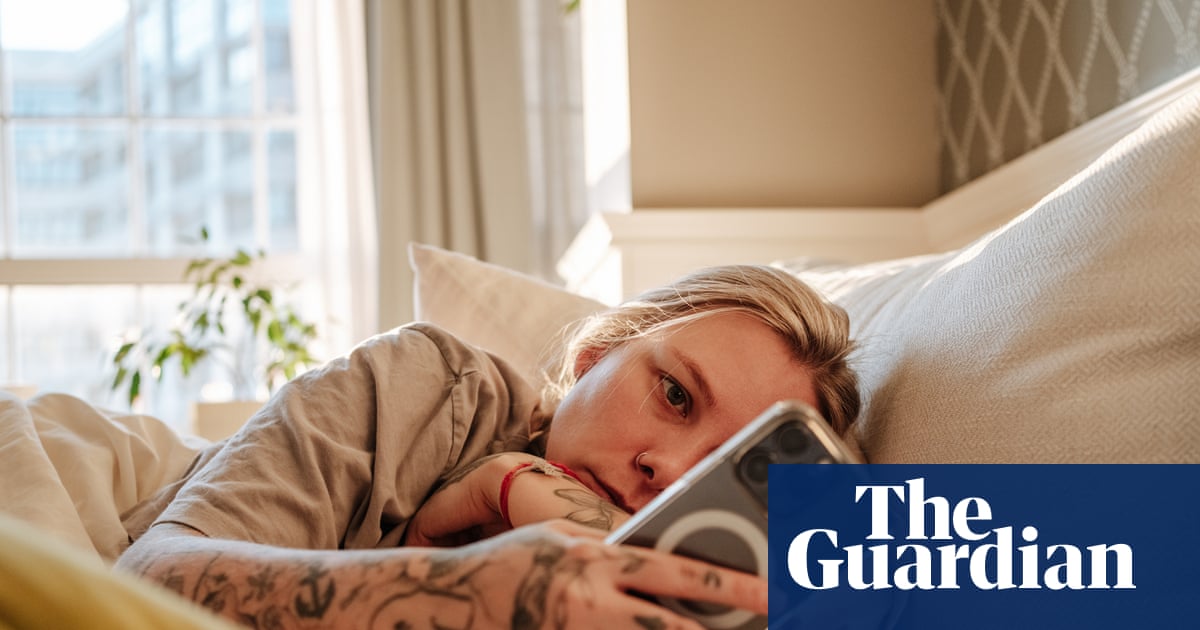
Poor sleep may be fuelling the global rise in under-50s being diagnosed with cancer, two large studies suggest.

The number of younger people diagnosed with the disease has risen by almost 80% in three decades. Worldwide cases of early-onset cancer increased from 1.82m in 1990 to 3.26m in 2019, while cancer deaths among people in their 40s, 30s or younger rose by 27%.

Experts are still trying to understand the reasons behind the increase. However, research presented at the world’s largest cancer conference, the American Society of Clinical Oncology’s annual meeting in Chicago, suggests irregular sleeping patterns in younger people may be a contributing factor.

Two studies led by MD Anderson Cancer Center in Houston, Texas, one of the world’s leading cancer research organisations, analysed health data for more than 18 million adults in the US aged between 18 and 50.

Researchers found that people with poor sleeping patterns were more likely to develop early-onset bowel, breast, uterine or ovarian cancer. In some cases, under-50s diagnosed with insomnia were three times more likely to develop cancer within five years.

“These findings suggest that sleep disruption may represent a clinically relevant, potentially modifiable risk factor in early-onset cancer risk stratification and warrants further investigation,” the researchers said.

Identifying the causes of rising cancer rates among younger adults has become a global health priority. More than 1 million under-50s die from cancer each year, according to research published in BMJ Oncology.

Experts not involved in the studies welcomed the findings but said further research was needed to better understand the link between insomnia and early-onset cancer.

Claire Coughlan, the clinical lead at Bowel Cancer UK, said bowel cancer was still more common in over-50s, but there was a growing body of evidence globally that cases were increasing in younger people.

“We don’t know exactly why this is yet, but researchers currently believe it may be due to genetics and lifestyle factors,” she said. “This study’s conclusion that insomnia may be a potential risk factor in early-onset colorectal cancer could go some way to helping us understand the reasons behind this increase. The findings of this study are worth exploring further.”

Dr David Garley, a GP and director of the Better Sleep Clinic in Bristol, England, said the impact of insomnia on someone’s risk of other health conditions, including cancer, was of “growing interest”.

However, he cautioned that the studies had identified an association rather than proof that sleep disruption caused cancer in under-50s. There could be several reasons for the link, Garley said.

“There are possible causes from the physiology that arises from poor sleep, but also the fact that when sleep-deprived it’s difficult to live a healthy life – there is more drinking, more obesity, less exercise, more smoking etc – and these may be what causes any possible increased risk.

“If you’re sleeping badly, we know that one of the roles of sleep is restoring the immune system. We’re understanding more about the role of infective agents in the development of cancer.

“So if your immune system takes a bit of a hit, then I suppose it would make sense that your risk of some cancers may increase. But it also might be the other way around. It could be that if you have cancer, and it’s not yet clinically obvious, it could be causing some change in how you sleep.”

Megan Winter, a health information manager at Cancer Research UK, said: “These studies explore whether there could be a link between insomnia and some types of cancer in people under 50, but more research is needed, particularly looking at people over longer periods of time, before we can draw any conclusions.”

In the meantime, she added, people could reduce their risk of cancer by not smoking, maintaining a healthy weight and staying safe in the sun.


Tags: Bowel cancerBreast CancerCancerhealthHealth & wellbeingLife and styleMedical researchsciencesleepsocietyUK newsUS newsWorld newsYoung people
ShareTweetSharePin
Next Post
Telehealth Mental Health vs In Person Care

Telehealth Mental Health vs In Person Care

Most Read

What causes stuttering? A speech pathology researcher explains the science and the misconceptions around this speech disorder

What causes stuttering? A speech pathology researcher explains the science and the misconceptions around this speech disorder

December 15, 2022
3 women stroke prevention

Silent Stroke Symptoms in Women: What You Might Be Overlooking

February 27, 2026
In war-torn Iran, air pollution from burning oil depots and bombed buildings unleashes invisible health threats

In war-torn cities, air pollution from burning oil depots and bombed buildings unleashes invisible health threats

March 25, 2026
morning back pain

Morning Again Ache Trigger Is Not the Mattress

October 11, 2021

Why Circadian Rhythms Matter for Your Health

July 30, 2024

4 steps to building a healthier relationship with your phone

January 28, 2025
lower back pain relief exercises

5 decrease again ache aid workouts

October 11, 2021
bleeding in gum

When The Bleeding in gum Is Severe ?

October 11, 2021
Good Night Sleep

6 Causes of Good Evening Sleep

October 11, 2021
3 years after legalization, we have shockingly little information about how it changed cannabis use and health harms

3 years after legalization, we have shockingly little information about how it changed cannabis use and health harms

October 15, 2021
Nasal vaccines promise to stop the COVID-19 virus before it gets to the lungs – an immunologist explains how they work

Nasal vaccines promise to stop the COVID-19 virus before it gets to the lungs – an immunologist explains how they work

December 14, 2022
Kick up your heels – ballroom dancing offers benefits to the aging brain and could help stave off dementia

Kick up your heels – ballroom dancing offers benefits to the aging brain and could help stave off dementia

January 3, 2023
Biden is getting prostate cancer treatment, but that’s not the best choice for all men − a cancer researcher describes how she helped her father decide

Biden is getting prostate cancer treatment, but that’s not the best choice for all men − a cancer researcher describes how she helped her father decide

May 20, 2025
Socialising, work, exercise: what makes a good day and is there a ‘formula’ for making it better?

Socialising, work, exercise: what makes a good day and is there a ‘formula’ for making it better?

April 12, 2026
Ten small changes you can make today to prevent weight gain

Ten small changes you can make today to prevent weight gain

October 12, 2021

COVID vaccines: how one can pace up rollout in poorer international locations

October 5, 2021
woman covered with white blanket

Exploring the Impact of Sleep Patterns on Mental Health

August 4, 2024

Multiple sclerosis: the link with earlier infection just got stronger – new study

October 12, 2021
Support and collaboration with health-care providers can help people make health decisions

Support and collaboration with health-care providers can help people make health decisions

December 16, 2021
Greece to make COVID vaccines mandatory for over-60s, but do vaccine mandates work?

Greece to make COVID vaccines mandatory for over-60s, but do vaccine mandates work?

December 1, 2021
GLP-1 drugs may fight addiction across every major substance, according to a study of 600,000 people

GLP-1 drugs may fight addiction across every major substance, according to a study of 600,000 people

March 6, 2026

This Simple Hygiene Habit Could Cut Your Risk of Stroke, New Research Reveals

February 1, 2025

Maximize Your Performance – Sync with Your Circadian Rhythms

August 9, 2024
Five ways to avoid pain and injury when starting a new exercise regime

Five ways to avoid pain and injury when starting a new exercise regime

December 30, 2022
As viral infections skyrocket, masks are still a tried-and-true way to help keep yourself and others safe

As viral infections skyrocket, masks are still a tried-and-true way to help keep yourself and others safe

December 14, 2022
GPs don’t give useful weight-loss advice – new study

GPs don’t give useful weight-loss advice – new study

December 16, 2022
Four ways to avoid gaining weight over the festive period – but also why you shouldn’t fret about it too much

Four ways to avoid gaining weight over the festive period – but also why you shouldn’t fret about it too much

December 22, 2022
Nurses’ attitudes toward COVID-19 vaccination for their children are highly influenced by partisanship, a new study finds

Nurses’ attitudes toward COVID-19 vaccination for their children are highly influenced by partisanship, a new study finds

December 2, 2022
Macros 101: The Simple Nutrition Framework That Helps You Lose Weight, Boost Energy, and Control Cravings

Macros 101: The Simple Nutrition Framework That Helps You Lose Weight, Boost Energy, and Control Cravings

May 14, 2026
Backlash to transgender health care isn’t new − but the faulty science used to justify it has changed to meet the times

Backlash to transgender health care isn’t new − but the faulty science used to justify it has changed to meet the times

January 30, 2024
  • Twenty47HealthNews
  • Health & Wellness
  • Disclaimer

© 2020 DAILY HEALTH NEWS

  • Twenty47HealthNews
  • Health & Wellness
  • Disclaimer
    • Terms of Use
    • Privacy Policy
    • DMCA Notice

© 2020 DAILY HEALTH NEWS















